Thursday, January 29, 2026
Home Blog Page 797

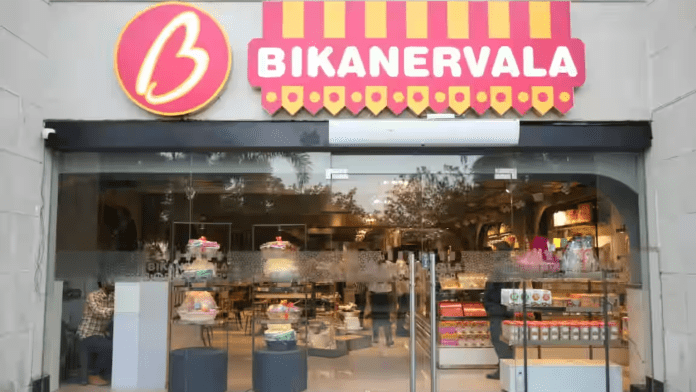
Bikanervala chairman Kedarnath Aggarwal dies at 86, leaving a resilient legacy in India’s snack industry

0
Kedarnath Aggarwal
Kedarnath Aggarwal

Kedarnath Aggarwal, chairman of one of India’s largest and most well-known packaged snacks and sweets companies, Bikanervala Group, scripted one of India’s best-known stories in ethnic snacking. He leaves behind a rich legacy of resilience and determination, having passed away on Monday at the age of 86.

In the 1950s, Kedarnath Aggarwal, alongside his brother Satyanarayan Aggarwal, initiated the Bikanervala journey as street vendors in Old Delhi. Armed only with a legacy from their hometown in Bikaner and an unwavering determination to succeed, they began their entrepreneurial venture. Fondly known as Kakaji by family and friends, Kedarnath, the patriarch of the Bikanervala Group, commenced his odyssey with a modest family “business” – a single sweet shop named Bikaner Namkeen Bhandar in Bikaner.

Despite humble beginnings, the brothers decided to expand their enterprise and relocated to Old Delhi, a move that brought with it numerous challenges in the early days. Kedarnath and his brother, starting with the sale of bhujia and rasgulla in buckets on Old Delhi’s streets, faced adversity with resilience. Remaining steadfast in their pursuit, they eventually established a shop in Delhi’s Chandini Chowk, gradually constructing their business brick by brick, incorporating both resilience and cherished recipes from their hometown of Bikaner.

Today, the group commands a turnover of INR 1,300 crore, with a presence spanning over 150 outlets across India and overseas. The Bikanervala restaurants, as per the company’s records, witness a monthly footfall of one crore, a number that surges during festive seasons.

Competitors in the western snacks market, such as PepsiCo, ITC, Prataap Snacks, or Parle Products, have consistently failed to erode the commanding market share held by the triumvirate of Bikanervala, Haldiram’s, and Bikano.

The current snack market is valued at INR 1.5 lakh crore, with only 55% organized, making it a fiercely competitive industry.

Despite frequent enticements from major corporate entities and private equity firms seeking stake buyouts, the emerging generation of entrepreneurs in the Bikanervala family remains steadfast in resisting such proposals.

“Kakaji’s departure is not just a loss to Bikanervala; it’s a void in the culinary landscape. His vision and leadership will forever guide our culinary journey,” Shyam Sunder Aggarwal, managing director of Bikanervala Group, said in a statement issued on Monday.

The group has a global footprint that extends to the US, New Zealand, Singapore, Nepal, and the Middle East.

Advertisement

India’s edible oil imports surge to record highs in FY 2022/23: Palm Oil and sunflower oil soar, while soyoil declines

0
edible oil
(Representative Image)

India’s palm oil and sunflower oil imports saw substantial growth in the fiscal year 2022/23, surging by 24% and 54%, respectively, reaching record highs. This notable increase was fueled by a resurgence in consumption and the attractive pricing of these oils, which were available at a considerable discount compared to the rival soyoil, according to a leading trade body’s report on Monday.

Increased acquisitions by the world’s largest importer of vegetable oils may contribute to a decrease in palm oil stocks in Indonesia and Malaysia, providing support to benchmark futures. This heightened purchasing activity could also lead to a reduction in inventories in Black Sea countries that produce sunflower oil.

Palm oil imports reached 9.79 million metric tons in the marketing year ending on October 31, 2022, while sunflower oil imports rose to 3 million tons, according to a statement from the Mumbai-based Solvent Extractors’ Association of India (SEA).

Imports of soyoil for the year experienced a 12% decline, totaling 3.68 million tons, primarily due to its trading at a premium compared to palm oil and sunflower oil for the majority of the months.

Edible oil imports for the year soared to a historic high of 16.47 million tons, marking a 17.4% increase from the previous year. The surge was attributed to the government’s decision to reduce the import tax on edible oils to 5.5%, stimulating overseas buying, according to the statement from the Solvent Extractors’ Association of India (SEA).

During the previous year, the government lowered import taxes in response to the global increase in edible oil prices. However, according to a dealer based in New Delhi affiliated with a global trade house, these taxes were not subsequently raised when prices in the world market decreased.

“The price correction in the world market, coupled with lower duties, made edible oil cheaper and boosted consumption,” the dealer said.

Increased imports raised vegetable oil stocks to 3.3 million tons on November 1, compared to 2.46 million tons a year earlier, as reported by the Solvent Extractors’ Association of India (SEA).

India predominantly procures palm oil from Indonesia, Malaysia, and Thailand. In contrast, it imports soyoil and sunflower oil from Argentina, Brazil, Russia, and Ukraine.

From November to January and July to September, Indian refiners engaged in aggressive buying due to favorable prices in the global market. However, in October, they significantly reduced imports due to elevated stocks, as explained by Rajesh Patel, the managing partner at GGN Research, an edible oil trading and brokerage firm.

In October, the nation’s palm oil imports decreased by 15% compared to the previous month, totaling 708,706 tons, marking the lowest figure in the past four months, according to the Solvent Extractors’ Association of India (SEA).

Soyoil imports plummeted by 62% in October compared to September, reaching 135,325 tons, the lowest level in 34 months. Simultaneously, sunflower oil saw a decline of 49%, totaling 153,780 tons, marking its lowest point in the past 7 months, according to the reported information.

Advertisement

Diwali festivities drive liquor sale boom in Delhi, generates revenue of over INR 525 Crore

0

In the three days leading up to Diwali on Sunday, residents of Delhi purchased approximately 64 lakh liquor bottles, amounting to a value of around INR 121 crore, as reported by officials. Official data indicates that the week preceding Diwali witnessed a sale of over one crore liquor bottles, contributing INR 234.15 crore to the government’s revenue.

“The sale of liquor picks up during festivals like Holi and Diwali in Delhi as it is not only bought for personal consumption and stocking but also for giving as gifts,” a senior excise department official said.

Official statistics reveal that the overall sales during the 17 days leading up to Diwali surpassed three crore bottles, generating a revenue of INR 525.84 crore.

Liquor sales gained momentum just before Diwali, with establishments selling 17.33 lakh, 18.89 lakh, and 27.89 lakh bottles on Thursday, Friday, and Saturday, respectively. Officials noted that the shops were closed on Diwali, which was observed as a dry day.

The collective sale of more than 64 lakh bottles within three days resulted in a total revenue of INR 120.92 crore. In comparison, the preceding year witnessed the sale of 13.46 lakh, 15 lakh, and 19.39 lakh liquor bottles in the three days leading up to Diwali.

Officials reported a significant surge in liquor sales on the eve of Diwali, with a recorded bumper sale amounting to INR 53.89 lakh.

Officials noted a substantial increase in liquor sales in Delhi during the 17 days preceding Diwali this year, with the number surging from 2.11 crore bottles in 2022 to over three crore. This represents a remarkable 42 percent growth.

The average daily number of bottles sold during this festival period increased to 17.93 lakh, a notable rise from 12.44 lakh in 2022. This growth in average daily sales during this period amounted to 5.49 lakh bottles or 44 percent, according to officials.

Four Delhi government corporations operate more than 650 liquor stores in the national capital.

Prior to the festival season, the corporations were instructed to place orders and ensure ample stocking for Diwali sales, as stated by the excise department officer.

Advertisement

Empathy-Driven Insights: The Role of Customer Journey Mapping in Design Thinking

0
customer journey mapping

The combination of empathy and strategy is revolutionary in the field of design, which brings innovation and human experience together. A key component of design thinking, customer journey mapping shows itself to be a powerful tool for understanding the complex dance that occurs between customers and products. Through the use of customer journey mapping, this article explores the significant influence of empathy-driven insights and how it changes design thinking into a dynamic process that is in tune with the end-user’s pulse.

Design thinking is more than just a methodology; it’s a mindset that places the user at the epicenter of the design process. At its core lies empathy—a deep understanding of the user’s needs, desires, and pain points. Customer journey mapping, an integral component of design thinking, extends this empathy into a visual representation that traces the user’s interactions with a product or service across various touchpoints.

1. Walking in the User’s Shoes: The Power of Empathy

Empathy is the cornerstone of effective design. Customer journey mapping allows designers to step into the shoes of the end-user, experiencing their journey firsthand. By mapping out each interaction, from initial awareness to post-purchase, designers gain a holistic view of the user’s emotions, frustrations, and moments of delight. This intimate understanding forms the bedrock upon which impactful design solutions are built.

2. Spotting Pain Points: Designing Solutions, Not Features

Every journey has its hurdles, and the user experience is no exception. Customer journey mapping unveils these pain points, exposing the areas where users may feel frustrated, confused, or disengaged. Design thinking, fueled by empathy, transforms these pain points into opportunities for innovation. Instead of merely adding features, the focus shifts to designing solutions that address the root causes of user dissatisfaction.

3. Creating User-Centric Experiences: Beyond Aesthetic Appeal

Design is not just about aesthetics; it’s about crafting experiences that resonate with users on a profound level. Customer journey mapping ensures that the design process remains user-centric, with each decision rooted in the user’s needs and expectations. This approach goes beyond creating visually pleasing interfaces; it aspires to deliver meaningful and seamless experiences that enhance the user’s journey.

4. Fostering Collaboration: Breaking Silos for Holistic Design

Customer journey mapping acts as a collaborative canvas that brings together cross-functional teams. Designers, marketers, product managers, and customer support teams can collectively contribute to the mapping process, breaking down silos and fostering a shared understanding of the user’s experience. This collaborative approach ensures that design solutions align with broader business objectives and are seamlessly integrated into the entire customer journey.

5. Iterative Improvement: A Continuous Dialogue with Users

Design thinking is a journey, not a destination. Customer journey mapping instills a mindset of continuous improvement by providing a visual framework for iteration. As users evolve, so do their journeys. By regularly revisiting and updating the customer journey map, designers stay attuned to shifting user needs, ensuring that their solutions remain relevant and responsive to an ever-changing landscape.

Elevating Design Thinking with Empathy-Driven Insights

In the dynamic realm of design thinking, customer journey mapping emerges as the compass that guides designers through the intricate landscape of user experiences. By infusing empathy into the design process, this tool transforms pixelated interfaces into pathways that resonate with the genuine needs and emotions of users. Beyond the allure of aesthetics, customer journey mapping becomes the conduit through which designers create meaningful, human-centric solutions that stand the test of time. In the realm of design, it’s not just about what the product looks like; it’s about how it makes the user feel at every step of their journey.

Advertisement

The User’s Voice: Building Authenticity through User-Generated Content Strategies

0
User-Generated Content

Consumers are more than just passive recipients of brand messages in the constantly changing world of digital communication. Through their personal experiences and tales, they have evolved into active participants who help to shape the story. This post delves into the significant influence that user-generated content (UGC) has on promoting authenticity, establishing credibility, and forging sincere bonds with consumers.

Gone are the days when marketing was a one-way street, with brands dictating the conversation. Today, consumers play a pivotal role in shaping a brand’s identity. UGC, ranging from reviews and testimonials to images and videos, empowers users to voice their opinions and share their authentic experiences. This shift has transformed the brand-consumer relationship into a dynamic, two-way interaction.

1. Trust in the Crowd: The Power of Authenticity

Consumers are inherently skeptical of polished marketing messages. Enter user-generated content – the unfiltered, real experiences of fellow consumers. Whether it’s a photo of a product in action, a heartfelt review, or a candid video testimonial, UGC serves as a testament to a brand’s authenticity. It creates trust by allowing potential customers to see the product or service in a genuine context, free from the gloss of marketing gloss.

2. Authenticity Breeds Connection: The Human Touch

In the realm of UGC, authenticity is the currency that builds connections. When users share their experiences, they are not just endorsing a product; they are offering a glimpse into their lives. Brands that actively encourage and showcase this user-generated content are perceived as more human and relatable. This human touch fosters a sense of community, where users feel seen and heard, transcending the traditional buyer-seller dynamic.

3. Empowering the Consumer: From Audience to Advocates

By incorporating UGC strategies, brands empower their consumers to become advocates. When users see their content featured by a brand, it validates their contribution and enhances their sense of belonging. This empowerment cultivates a community of loyal brand advocates who not only purchase but actively promote the brand, driving organic growth through word-of-mouth recommendations.

4. Showcasing Diverse Perspectives: Inclusivity Matters

One of the remarkable aspects of UGC is its ability to showcase diverse perspectives. In a world that values inclusivity, brands that embrace user-generated content featuring a variety of voices, backgrounds, and experiences send a powerful message. This inclusivity resonates with a broader audience, making them feel represented and strengthening the brand’s appeal across different demographics.

5. Authenticity as a Marketing Strategy: Beyond Aesthetics

Authenticity is not just a buzzword; it’s a powerful marketing strategy. Brands that prioritize user-generated content over meticulously curated, staged campaigns signal a departure from the glossy world of advertising. Authentic UGC communicates that a brand is confident in its products, values its customers, and is open to showcasing the unfiltered reality of its offerings.

The User’s Voice in a Digital Symphony

In the symphony of digital communication, the user’s voice is the authentic melody that resonates with the audience. User-generated content is not just a marketing tool; it’s a bridge that connects brands with their consumers on a human level. By fostering authenticity, building trust, and showcasing diverse perspectives, UGC strategies become more than just a trend; they become the cornerstone of a brand’s genuine and enduring connection with its audience. In a world inundated with content, it’s the real, unfiltered stories that cut through the noise and leave a lasting impression.

Advertisement

Emotional Triggers: Understanding Feelings that Drive Consumer Decision-Making

0
consumer buying

What leads people to choose one product over another in the huge array of options available to them? The complex dance of emotions influencing our decision-making process holds the key to the solution. This post explores the intriguing realm of emotional triggers and how successful brand strategies can be driven by comprehending and utilising these sensations to unlock consumer preferences.

At its core, the act of choosing a product is rarely a purely rational decision. Emotions play a pivotal role in shaping our perceptions and preferences. Understanding this emotional tapestry is akin to holding the key to decoding why consumers make the choices they do. Let’s explore some of the key emotional triggers that drive consumer decision-making.

1. The Power of Nostalgia: Connecting to the Past

Nostalgia has an almost magical ability to transport individuals to a different time, evoking fond memories and emotions. Brands that tap into this emotional trigger can create a sense of familiarity and comfort, making consumers more likely to choose a product that aligns with their nostalgic sentiments. Think about the surge in popularity of vintage-themed packaging or the revival of classic flavors – these are not just products; they are journeys back in time.

2. FOMO (Fear of Missing Out): Creating Urgency

The fear of missing out is a potent emotional trigger that compels consumers to act swiftly. Limited-time offers, exclusive deals, and product launches all capitalize on this sense of urgency. By creating a sense that an opportunity is fleeting, brands can push consumers to make decisions driven by the desire to be part of something special or to avoid being left behind.

3. Trust and Reliability: Building Emotional Bonds

Trust is the cornerstone of any successful relationship, and the relationship between a consumer and a brand is no different. Emotional triggers related to trust and reliability are vital in shaping consumer perceptions. Brands that consistently deliver on promises and cultivate an image of dependability can evoke feelings of security and comfort, ultimately influencing purchasing decisions.

4. Aspiration and Identity: The Quest for Self-Expression

Consumers often make choices that align with their aspirations and self-identity. Brands that tap into these emotional triggers by offering products that reflect a consumer’s desired self-image can establish a powerful connection. This goes beyond just buying a product; it becomes a statement of who the consumer aspires to be.

5. The Pleasure Principle: Gratifying the Senses

The pursuit of pleasure is a universal human experience, and brands that can tap into the pleasure principle often find themselves in favor with consumers. Whether it’s the indulgent taste of a treat, the luxurious feel of a product, or the captivating aroma of a fragrance, pleasure-driven emotional triggers can create a positive association that influences decision-making.

Cracking the Code of Consumer Behavior

In the intricate dance of consumer decision-making, emotions take center stage. Nostalgia, FOMO, trust, aspiration, and pleasure are just a few of the emotional triggers that brands can strategically leverage to connect with their audience on a deeper level. By understanding the feelings that drive decision-making, brands can go beyond selling products – they can become architects of experiences that resonate with the hearts and minds of consumers. In the end, it’s not just about what consumers buy; it’s about the emotions they feel when they make that choice.

Advertisement

AR Storytelling: Crafting Compelling Narratives to Fuel Brand Expansion

0
ar

Keeping up with the times is not merely a matter of choice, but rather a requirement in the ever-changing field of marketing. Not only has augmented reality (AR) become a game-changer for tech aficionados, but also for brands trying to build stronger relationships with their target consumers. This piece explores the fascinating field of augmented reality storytelling and shows how it can be a powerful tool for creating gripping stories that elevate brand expansion.

Augmented Reality, once confined to the realms of science fiction, has seamlessly integrated into our daily lives. From interactive gaming experiences to virtual try-ons in the fashion industry, AR has transcended novelty to become a powerful engagement tool. Brands are now leveraging AR to enhance the way they tell stories, creating immersive experiences that resonate with consumers on a whole new level.

1. Breaking the Fourth Wall: Immersive Experiences

AR transcends traditional storytelling by breaking the fourth wall, inviting consumers to step inside the narrative. Imagine a scenario where customers don’t just read about a product but can interact with it in their own space. AR allows brands to create immersive experiences, turning passive consumers into active participants in the story. This interactive element fosters a deeper emotional connection, making the brand narrative more memorable.

2. Personalization: Tailoring Stories to Individuals

One size fits all no longer applies in the world of marketing. AR storytelling allows brands to personalize narratives based on individual preferences and behaviors. For example, an AR app could adapt its storytelling based on a user’s location, preferences, or previous interactions with the brand. This level of personalization creates a bespoke experience for each consumer, increasing engagement and fostering a sense of exclusivity.

3. Product Visualization: Bringing Ideas to Life

AR has the unparalleled ability to transform abstract concepts into tangible, visual experiences. Whether it’s showcasing a yet-to-be-launched product or providing an in-depth look at the manufacturing process, AR allows brands to bring their narratives to life. Consumers can see, interact, and even manipulate virtual representations of products, creating a deeper understanding and connection with the brand’s story.

4. Storytelling Across Platforms: Seamless Integration

AR storytelling seamlessly integrates with various platforms, from social media to mobile apps. Brands can create AR experiences that complement their existing content strategy, providing a consistent narrative across different channels. This ensures that the brand story is not confined to a single medium but extends its reach to wherever the audience is.

5. Creating Shareable Moments: Social Currency

In the age of social media, shareability is a brand’s social currency. AR storytelling creates memorable moments that users are eager to share with their networks. Whether it’s a unique AR filter, a gamified experience, or an interactive tutorial, these shareable moments amplify the reach of the brand’s narrative, turning consumers into brand advocates.

Transforming Brand Narratives with AR

In the evolving landscape of marketing, AR storytelling stands out as a transformative force. By offering immersive experiences, personalization, product visualization, seamless integration, and shareable moments, brands can leverage AR to craft narratives that resonate deeply with their audience. As AR technology continues to advance, the possibilities for storytelling are limitless. For brands willing to embrace this innovative approach, AR is not just a tool; it’s a gateway to a new era of brand expansion and consumer engagement.

Advertisement

Speak and Be Heard: Techniques for Amplifying Your Emerging Brand’s Message

0

The bustling landscape of today’s business world requires countless brands vie for attention, the ability to articulate a compelling message is paramount. For emerging brands seeking to carve their niche in the market, mastering the art of communication is not just a skill; it’s a strategic imperative. 

Given below are a set of techniques that can help amplify your brand’s message and ensure that your voice rises above the noise.

1. Craft a Distinctive Narrative

Every brand has a story waiting to be told. However, the way you tell that story can make all the difference. Crafting a distinctive and authentic narrative sets the foundation for how your brand is perceived. Start by identifying the core values that drive your business and weave them into a compelling story that resonates with your target audience. This narrative should be more than just a marketing pitch; it should be a journey that customers want to be a part of.

2. Know Your Audience Inside Out

Understanding your audience is the linchpin of effective communication. Take the time to conduct thorough market research and create detailed buyer personas. What are their pain points? What solutions are they seeking? Tailor your message to address these specific needs, and your brand will automatically become more relatable.

3. Embrace Visual Storytelling

In a world dominated by visuals, leveraging the power of visual storytelling is essential. Invest in high-quality, consistent visual elements that reflect your brand identity. From your logo to your social media posts, each visual component should contribute to the larger narrative. Infographics, videos, and aesthetically pleasing images can captivate your audience and enhance the memorability of your message.

4. Harness the Power of Social Media

Social media is not just a platform for sharing; it’s a dynamic tool for brand building. Choose platforms that align with your target audience and create engaging content that encourages interaction. Respond promptly to comments, participate in relevant conversations, and use social media as a two-way street for communication. The more genuine and interactive your brand is, the more likely it is to be heard.

5. Consistency is Key

Building a brand is akin to building trust. Consistency across all communication channels is crucial for establishing trust with your audience. Whether it’s the tone of your content, the frequency of your messages, or the look and feel of your visuals, maintaining a cohesive brand image fosters familiarity and reliability.

6. Collaborate and Network

Building a brand is not a solitary endeavor. Collaborate with influencers, partner with complementary brands, and actively participate in industry events. Networking not only expands your reach but also provides opportunities to amplify your message through trusted voices in your field.

7. Emphasize Value Over Promotion

While promoting your products or services is essential, emphasizing the value your brand brings to customers is equally important. Educate your audience, solve their problems, and position your brand as a valuable resource. This approach not only fosters goodwill but also establishes your brand as an authority in your niche.

 Let Your Voice Resonate

In this competitive landscape of emerging brands, the ability to speak and be heard requires a strategic approach to communication. Craft a compelling narrative, know your audience, embrace visual storytelling, leverage social media, maintain consistency, collaborate, and emphasize value. By employing these techniques, your brand can rise above the noise and establish a clear, resonant voice that captivates and engages your audience. Remember, it’s not just about being heard; it’s about leaving a lasting impression that echoes in the minds of your customers.

Advertisement

Indian footwear brand Campus expands rapidly, unveils 250th store in Pune

0
Campus

The Indian footwear brand Campus achieved a significant milestone as it inaugurated its 250th store in the country, as stated by a company representative in a LinkedIn post on Sunday.

“Glad to announce that 250th Campus Exclusive store is now open to customers in Season Mall, Pune,” said Aman Bharadwaj, assistant marketing manager at Campus in his social media post.

In March, it was reported that Campus had introduced its 200th store. Now, in under eight months, the sportswear company based in New Delhi has expanded its presence by an additional 50 outlets.

Established in 2006 by Hari Krishan Agarwal as a lifestyle-oriented sports and athleisure brand, Campus embarked on its retail journey in 2017, gradually opening 35 brand outlets by 2020. In March 2022, the company celebrated a milestone by inaugurating its 100th exclusive store in Bandra, Mumbai.

The recently inaugurated store marks the eighth one in Pune and the twenty-eighth in Maharashtra, as per the information available on the website. Pune boasts the highest count of Campus stores within the state of Maharashtra.

Advertisement

Mercer Street Hospitality unveils a new Bash Burger restaurant in NYC

0
Bash Burger
Bash Burger

Mercer Street Hospitality has unveiled the launch of Bash Burger, a new restaurant situated in the Urbanspace Vanderbilt food hall, in close proximity to Grand Central Terminal within New York City (NYC).

Situated at 230 Park Avenue, nestled between East 45th and East 46th Streets, the latest Bash Burger establishment will present patrons with an extensive menu featuring favorites such as the BB Classic and Bash Burgers.

The Bash Burger patty from the restaurant brand is adorned with bacon onion jam, classic American cheese, and shaved pickles, all crowned with the legendary secret sauce of the brand.

The BB Classic burger is crafted with lettuce, tomato, and cheese.

Alongside its iconic burgers, the eatery will provide hand-cut fries, fountain drinks, locally brewed beer, wine, and craft cocktails.

The recently opened restaurant will provide guests with the options of dine-in, pickup, and delivery services.

Orders can be placed through a virtual kiosk, and seating in Urbanspace’s communal dining area operates on a first-come, first-served basis for customers.

Mercer Street Hospitality founder John McDonald said, “There’s a reason the Bash Burger has been coined ‘the champion of burgers’ all these years, so we couldn’t pass up the opportunity to give New Yorkers a dedicated space to order their favourite American classic.

“This Urbanspace location is the first outpost of more to come and we’re eager to watch what’s to come for Bash Burger today and in the future.”

Advertisement