Tuesday, February 3, 2026
Home Blog Page 796

The Future is Omni: Adapting Your Marketing Approach for the Modern Customer

0

In the dynamic realm of marketing, adaptability is the name of the game. As we navigate through an era of ever-changing consumer behaviors and preferences, the concept of omnichannel marketing has emerged as a beacon for businesses seeking to connect with the modern customer. Gone are the days of singular touchpoints; the future is undeniably omni, requiring a strategic shift to meet customers where they are, when they want, and how they want.

Embracing the Omni-Experience

The modern customer is a multifaceted individual, seamlessly transitioning between online and offline channels throughout their buyer’s journey. Recognizing this, businesses are moving beyond traditional siloed approaches to marketing. Omni-channel marketing integrates various channels – from social media and email to physical stores and mobile apps – into a cohesive and interconnected experience. The goal is to create a seamless journey, allowing customers to engage with a brand effortlessly, regardless of the channel.

Meeting Customers Where They Are

With the proliferation of digital platforms, customers have become accustomed to convenience and instant gratification. The omni-experience acknowledges this reality by ensuring that a brand’s presence is felt across multiple touchpoints. Whether a customer prefers browsing on social media, shopping in-store, or exploring a mobile app, businesses need to adapt and be present at each step of the customer’s journey. By meeting customers where they are, brands foster a sense of accessibility and responsiveness.

Personalization in the Omni-Era

In the vast landscape of marketing channels, personalization is the secret sauce that transforms a generic message into a tailored experience. The omni-channel approach leverages customer data from various touchpoints to deliver personalized content, recommendations, and promotions. From targeted email campaigns to personalized app notifications, businesses can create a sense of individuality, making customers feel understood and valued.

Data Integration for Seamless Experiences

The backbone of successful omni-channel marketing is data integration. Siloed data hampers a brand’s ability to understand the complete customer journey. By breaking down data barriers and integrating insights from various channels, businesses can create a holistic view of customer interactions. This not only informs marketing strategies but also enables the delivery of consistent messaging and experiences across all touchpoints.

The Role of Technology in the Omni-Revolution

Technology is the driving force behind the omni-revolution. From Customer Relationship Management (CRM) systems to Artificial Intelligence (AI) algorithms, businesses are leveraging cutting-edge tools to orchestrate seamless omni-channel experiences. Automation streamlines processes, chatbots provide instant support, and analytics offer valuable insights – all contributing to a more responsive and customer-centric marketing approach.

Challenges and Opportunities

While the omni-channel future is promising, it comes with its set of challenges. Coordinating messaging, ensuring data security, and maintaining a consistent brand voice across channels are hurdles that businesses must overcome. However, these challenges also present opportunities for innovation and differentiation. Brands that navigate the complexities of the omni-landscape successfully stand to gain a competitive edge and foster long-term customer loyalty.

The future of marketing is undeniably omni  

Businesses that recognize and adapt to this shift will not only survive but thrive in the modern landscape. By embracing an integrated, customer-centric approach that leverages technology and personalization, brands can navigate the complexities of the omni-era and build lasting relationships with their

Advertisement

Stepping into the Future: Integrating Augmented Reality to Enhance Business Growth

0

At its core, AR merges the physical and digital realms, creating an immersive experience that goes beyond what traditional technologies can achieve. For businesses, this means breaking down barriers and offering customers a seamless blend of the real and the virtual. Imagine a world where your products come to life, where customers can interact with them in a way that transcends the limitations of conventional advertising. This is the promise that AR holds – a bridge between the tangible and the digital.

Transforming Customer Experiences

In a market saturated with choices, providing a memorable and unique customer experience is a strategic imperative. AR opens up a realm of possibilities in this regard. From virtual try-on experiences for fashion enthusiasts to interactive previews of furniture placement in a living room, businesses can leverage AR to allow customers to ‘try before they buy.’ This not only enhances the shopping experience but also builds a deeper connection between the consumer and the brand.

Enhancing Product Visualization

One of the challenges businesses face is effectively conveying the features and benefits of their products. Traditional methods like images and text have their limitations. Enter AR – a tool that allows customers to visualize products in a 3D space, examine intricate details, and gain a comprehensive understanding before making a purchase. This level of engagement not only boosts customer confidence but also reduces the likelihood of returns, as buyers make more informed decisions.

Revolutionizing Training and Collaboration

AR isn’t limited to customer-facing applications. It has the potential to transform internal processes as well. Imagine a scenario where employees can receive on-the-job training through AR simulations, or teams can collaborate in real-time despite being geographically dispersed. AR opens up new avenues for efficiency and innovation within the organizational framework, providing a competitive edge in an increasingly globalized and digitized business environment.

Overcoming Implementation Challenges

While the benefits of AR are undeniable, integrating this technology into business operations is not without its challenges. From the initial investment to concerns about data security, businesses must navigate potential hurdles to unlock the full potential of AR. However, the forward-thinking companies that successfully overcome these challenges will find themselves at the forefront of a new era in business innovation.

The Road Ahead

As we step into the future, the integration of Augmented Reality is not just a trend; it’s a strategic decision that can redefine the trajectory of a business. From enhancing customer experiences to revolutionizing internal processes, the possibilities with AR are vast. Companies that embrace this technology and creatively apply it to their unique challenges will not only future-proof their operations but also set new standards for innovation and customer engagement in the business landscape. The future is here, and for those willing to step into it, the potential for growth and success is limitless.

Advertisement

Innovate to Elevate: Using Video to Showcase Your Brand’s Unique Value Proposition

0
Video content

Video has the ability to weave narratives that engage and captivate viewers. Rather than relying on static images and text, brands can leverage the dynamic nature of video to bring their stories to life. Whether it’s sharing the journey of your brand, introducing key team members, or highlighting the making of your products, video provides a rich and immersive experience that goes beyond the limitations of traditional advertising.

Building Emotional Connections

In the realm of marketing, emotions play a pivotal role in influencing consumer behavior. Video allows brands to evoke emotions effectively, creating a deeper connection with their audience. By showcasing the human side of your brand – the passion, dedication, and values that drive it – you can establish a genuine emotional connection that transcends the transactional nature of business.

Demonstrating Your Unique Value Proposition

Every brand has a unique value proposition that sets it apart from the competition. Video provides an ideal platform to not only communicate this proposition but also demonstrate it in action. Whether it’s showcasing the innovative features of a product, highlighting exceptional customer service, or unveiling behind-the-scenes processes, video allows your audience to witness firsthand what makes your brand special.

Accessibility and Shareability

In the age of social media, the shareability of content is a key metric of success. Video content is inherently shareable, making it easy for your audience to amplify your message. From entertaining and informative product demonstrations to customer testimonials, the shareability of video content exponentially increases the reach of your brand’s unique value proposition.

Leveraging Different Video Formats

Diversifying your video content allows you to cater to various audience preferences. From short, attention-grabbing snippets for social media platforms to in-depth brand documentaries for your website, adapting your message to different video formats ensures that you reach your audience where they are. The versatility of video empowers your brand to be present across a multitude of platforms and touchpoints.

Overcoming Challenges and Embracing Innovation

While the benefits of using video to showcase your brand’s unique value proposition are evident, it’s essential to navigate potential challenges. Keeping up with evolving trends, staying authentic in your storytelling, and consistently innovating are crucial aspects of a successful video marketing strategy.

The dynamic nature of video makes it an invaluable tool for brands looking to elevate their presence and communicate their unique value proposition effectively. By harnessing the power of visual storytelling, building emotional connections, and embracing various video formats, businesses can innovate their marketing approach and leave a lasting impression on their audience. As the digital landscape continues to evolve, those who leverage the potential of video will find themselves at the forefront of brand storytelling and consumer engagement.

Advertisement

Dabur eyes global spice market with Badshah, aiming for 4% contribution to global sales

0
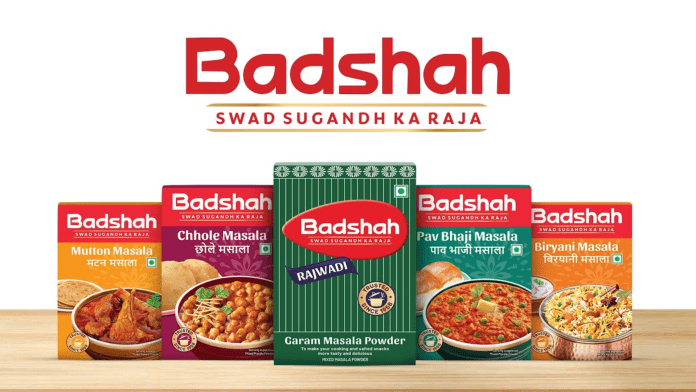
Badshah Masala
Badshah Masala (Representative Image)

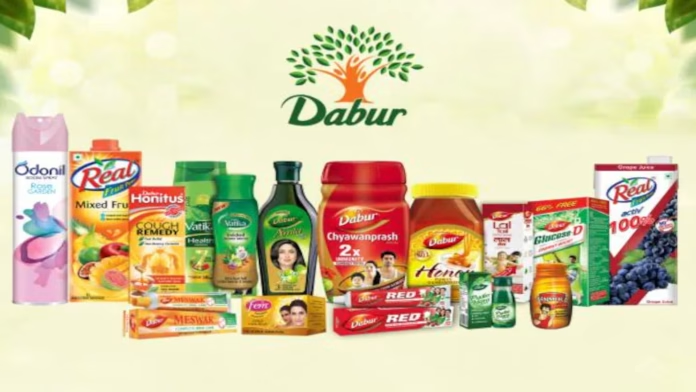
Homegrown FMCG giant Dabur is set to introduce its spice brand Badshah to international markets, with CEO Mohit Malhotra projecting that the recently acquired brand will contribute about 4% to the company’s global sales this fiscal year.

The corporation is targeting the diaspora markets in the United States, United Kingdom, and the Middle East. Currently, it is undergoing regulatory approval processes and expanding manufacturing capabilities.

Furthermore, within the domestic market, Dabur intends to extend the presence of Badshah Masala to the Northern, Eastern, and Southern regions. The company also aims to broaden its footprint in the western markets of Maharashtra and Gujarat.

“The business (Badshah) is growing and this year it should contribute around 3-4 per cent of our overall international business. We expect a high double-digit growth from here,” stated Malhotra.

According to him, the global markets offer a significant business opportunity for Badshah, especially in the UK and the US, where a substantial Indian diaspora, known for its consumption of Indian spices, is present.

“We feel Badshah has a lot of scope in the UK and US…We are upscaling our own manufacturing. Some international exports have already started,” said Malhotra.

Prior to Dabur’s INR 600 crore acquisition of Badshah Masala last year, which specializes in ground spices, blended spices, and seasonings, the company had a limited presence in certain foreign markets. However, Malhotra stated that the company has commenced exports through its distributors.

Discussing the brand, Malhotra mentioned that Badshah represents “a compelling growth narrative, with higher margins particularly in blended spices, constituting 80% of Badshah’s business.”

Within the local market, Dabur is extending the reach of Badshah in the robust western region, leveraging its existing strength in that area.

“First we will consolidate in that region. We would use our Dabur distribution to spread out. Then, over a period of 2-3 years, we will expand it in East, South and North,” he said adding “Badshah is a great space, we have a food portfolio, which is very small. I had given a guidance in the market, which was very clear that food would go up to INR 500 crore.”

Through its acquisition of Badshah, Dabur entered the INR 25,000 crore branded spices and seasoning market in India.

“There is a tailwind in the market which is converting from unbranded to branded at a very fast pace. It’s a INR 50,000 crore market, still INR 25,000 crore is unbranded. This unbranded will become branded at a very fast pace. There is a tailwind of growth of 14-15 per cent in the category,” he said.

Advertisement

Riding high on festive demand and increased footfall, Kalyan Jewellers posts strong Q2 profits

0
Kalyan Jewellers
Kalyan Jewellers (Representative Image)

Kalyan Jewellers India witnessed a notable 27.1% increase in its second-quarter profit on Tuesday. This uptick was fueled by a rising domestic demand for its ready-to-wear jewellery line and a surge in store traffic leading up to the festive season.

The consolidated net profit for the three months ending on September 30 climbed to 1.35 billion rupees ($16.23 million), marking an increase from the 1.06 billion rupees recorded in the same period last year.

In terms of revenue contribution, its largest segment, the India operations, experienced a growth of approximately 32%. Meanwhile, the Middle East operations observed a 5% increase in revenue, driven by heightened sales during Eid holidays.

“We are extremely excited with the way the festive quarter has progressed thus far,” said Ramesh Kalyanaraman, executive director, Kalyan Jewellers India.

The company reported a 27% increase in revenue from operations, reaching 44.15 billion rupees. This growth was attributed to robust demand, with same-store sales expanding across all key markets, as stated in its quarterly update.

The company further stated its anticipation of strong momentum in both foot traffic and revenue across all markets for the second half of FY24.

Nevertheless, gold prices reached a record high of 61,845 rupees per 10 grams in India this year, causing a 20.4% increase in the jeweller’s raw material costs during the quarter.

Tribhovandas Bhimji Zaveri, a competitor of Kalyan Jewellers, disclosed an almost 65% surge in profits, and Titan, the owner of the Tanishq jewellery brand, reported a second-quarter profit that exceeded expectations during the same period.

Advertisement

DeHaat diversifies agritech portfolio with strategic acquisition of Freshtrop Fruits’ export business

0
DeHaat

DeHaat, a full-stack agritech marketplace, has entered into a business transfer agreement (BTA) with Freshtrop Fruits Limited. As part of this arrangement, DeHaat will absorb the export network and the grading, packing, and precooling centers, along with the associated manpower, from the Ahmedabad-based firm.

The collaboration positions both companies to enhance the fruit value chain in India by fostering closer connections with farmers, facilitating advanced technology transfer, and upgrading infrastructure, as outlined in the company’s press release.

Established by Ashok Motiani and his family, Freshtrop Fruits has been a prominent exporter of grapes, as well as other fruits such as pomegranates and mangoes, from India to supermarket chains in the UK, the European Union, and numerous other countries for over 25 years.

From the time of its establishment, Freshtrop Fruits has managed two pack house facilities in Maharashtra. The collaboration with DeHaat is set to commence its operations starting from the upcoming grape harvesting season.

DeHaat is a marketplace catering to the agricultural sector, offering a range of services including the distribution of high-quality agrarian inputs, advisory support, lending facilities, and market linkages for the sale of agricultural produce.

As of March 31, 2023, the company reports an expanded presence across 11 states, with over 10,000 DeHaat franchise centers actively serving 1.5 million farmers across 100,000 villages.

In FY23, DeHaat’s gross revenue surged by 54.2%, reaching INR 1,965 crore compared to INR 1,274 crore in FY22, as indicated by its annual financial statements filed with the Registrar of Companies (RoC). Notably, 98.5% of the total income was attributed to the revenue generated from the sale of agricultural products.

DeHaat has previously acquired companies such as FarmGuide, Vezamart, Helicrofter, and YCook.

Advertisement

Mahadev betting app case stirs up storm, Dabur Group’s top brass among accused

0
dabur
Dabur (Representative Image)

Dabur Group’s Chairman, Mohit V. Burman, and Director, Gaurav V. Burman, renowned figures in the Ayurvedic industry, have been implicated in the betting app FIR filed by the Mumbai Police on November 7. They are among the 31 accused, which includes Bollywood actor Sahil Khan and several unidentified individuals.

The Dabur Group has not reacted on the development so far and despite repeated attempts, no officials were available for comments.

The first complaint was lodged by a social worker Prakash Bankar with Matunga Police who claimed that thousands of people have been cheated of over INR 15,000-crore through the betting app.

The Matunga Police have registered the FIR invoking various sections of the Indian Penal Code, the Gambling Act, the IT Act and further probe in underway, even as many names continue to tumble out.

Simultaneously, the Mahadav app is also being probed by the Enforcement Directorate (ED) for its widespread influence among politicians, glamour personalities and now even corporates, sending shockwaves in these sectors.

Just ten days ago, acting on the ED’s plea, the Centre had blocked 22 illegal betting sites including Mahadev app, which was promoted and run by the Bhilai-based Sourabh Chandrakar and Ravi Uppal, plus other people, and has international links with allegations that huge sums of hush money was being siphoned off through the ‘hawala’ routes.

The issue first shot into prominence after the ED made a sensational claim that the Mahadev app had allegedly paid more than INR 500-crore to Chhattisgarh Chief Minister Bhupesh Baghel.

The matter is under investigations in Chhattisgarh currently in the midst of Assembly elections with allegations being hurled by leaders of the ruling Congress and opposition Bharatiya Janata Party.

Besides Sahil Khan, other Bollywood personalities who allegedly used or promoted the Mahadev app are under the scanner of the investigators since the past few weeks.

Advertisement

Annapurna Swadisht reports impressive financial surge, sets sights on rural retail expansion for continued growth

0
Annapurna Swadisht
Annapurna Swadisht (Representative Image)

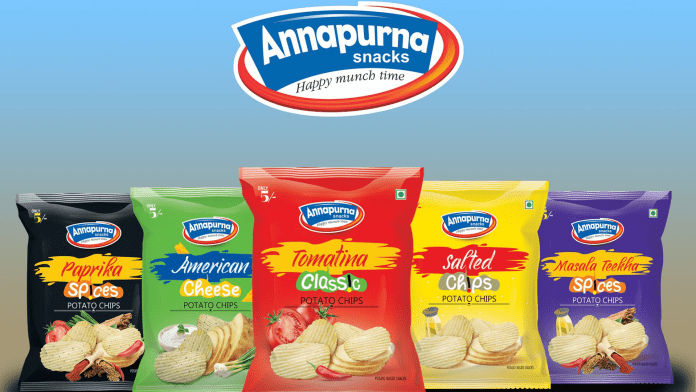
Annapurna Swadisht Limited (ASL), a Kolkata-based food and beverage company, has witnessed a remarkable upswing in its operational performance. Reporting a nearly 100 percent surge in revenue from operations, the company achieved INR 131.13 crore for the half-year ending September 30, 2023, compared to INR 65.61 crore in the corresponding period last year. Furthermore, ASL’s profit after tax also experienced substantial growth, registering a notable increase of 128 percent and reaching INR 6.56 crore during the same reporting period.

In the first half of the financial year 2023 (H1FY24), Annapurna Swadisht Limited (ASL) witnessed a substantial surge in its operating profit (EBITDA), marking an impressive increase of nearly 163 percent to reach INR 13 crore. This contrasts with the INR 4.95 crore reported in H1FY23. The company’s enhanced EBITDA margins of 9.92 percent during H1FY24 reflect a noteworthy improvement of 238 basis points compared to the previous corresponding period’s 7.55 percent. This positive shift is attributed to improved economies of scale, entry into high-margin products, and stabilized raw material prices.

Shreeram Bagla, MD, Annapurna Swadisht, said, “The increase in top line during the first half of this fiscal was primarily due to the addition of new capacities penetration into newer geographies along with better penetration in some of the existing markets.”

“We remain bullish about the Bharat story, which lies in India’s rural and semi-urban markets. We have been witnessing good traction in demand from these markets. With increasing per capita income, we expect demand to grow even further in the days to come. We have expanded our manufacturing capacity by setting up a new plant at Dhulagarh in West Bengal, which has already commenced operations. We look to strengthen our presence in the existing markets by ramping up our distribution footprint and rolling out more SKUs,” Bagla said.

Operating through a network of five proprietary manufacturing units and six contractual/leasing arrangements at diverse locations, ASL predominantly serves Tier III and Tier IV markets in Bihar, Jharkhand, West Bengal, Assam, Odisha, and Uttar Pradesh. The company boasts a comprehensive portfolio, featuring nearly 72 Stock Keeping Units (SKUs) spanning various categories. Its products are accessible through an extensive distribution network, reaching over 6 lakh retail touchpoints.

Listed on the NSE-SME platform in September 2022, ASL successfully generated approximately INR 65.43 crore by the end of September 2023 through a preferential issue of equity shares and warrants. Positioned for sustained growth, the company has strategically appointed GP Sah, the former CEO of the FMCG division of the CG group, as an Additional Director and Joint Managing Director. Mr. Sah will spearhead ASL’s expansion into new product segments, with a particular focus on the noodles segment.

Read More: Kolkata’s Annapurna Swadisht appoints new Joint MD for strategic development and innovation

Advertisement

ABD strides ahead in the IMFL space with eco-friendly expansion of Rangapur distillery

0
Allied Blenders and Distillers Limited (ABD)

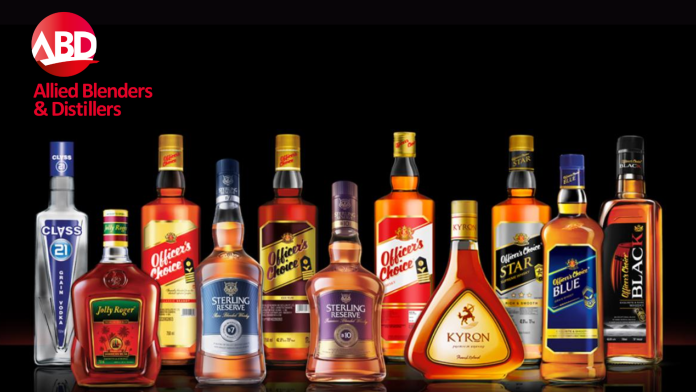
Allied Blenders and Distillers Limited (ABD) takes pride in the ownership and operation of its distillery located in Rangapur, Telangana. This facility is dedicated to the production of Extra-Neutral Alcohol (ENA), a vital raw material essential for the manufacturing of alcoholic beverages.

The company recently finalized a strategic expansion of its distillery, raising the annual capacity from 55 million liters to 65 million liters. The entire expansion was funded through internal accruals.

The ABD Rangapur distillery, spread over 74.95 acres with a built-up area exceeding 25,000 square meters, serves as a crucial source of direct employment for around 400 individuals and indirect employment for numerous farmers.

Ranked as the largest Indian-owned Indian-made foreign liquor (IMFL) company and the third-largest IMFL company in India, based on annual sales volumes from Fiscal 2014 to Fiscal 2021, ABD occupies a prominent position in the industry.

Alok Gupta, MD of ABD said, “One of the core values at ABD is excellence in execution. The capacity expansion of our Rangapur distillery is a matter of great pride on account of the access to additional ENA but also because it has been done in a sustainable and environment-friendly manner.”

Demonstrating a strong commitment to sustainability, the ABD Rangapur distillery has achieved a 20 percent reduction in water consumption compared to the previous year through effective water recycling and an advanced water treatment plant. Additionally, the company has made significant investments in an alternative biomass fuel handling system, promoting the utilization of renewable energy sources within the distillery. Through the incorporation of high-efficiency equipment, rigorous process control measures, ongoing training programs to enhance personnel skills, and the adoption of best manufacturing practices, the overall plant performance has improved without increasing the effluent load. This expansion not only reflects ABD’s dedication to meeting the growing market demands but also underscores their responsible and sustainable business practices within the Indian distillery sector.

Advertisement

Costa Coffee teams up with UKG for revolutionary workforce management

0
Costa Coffee
Costa Coffee

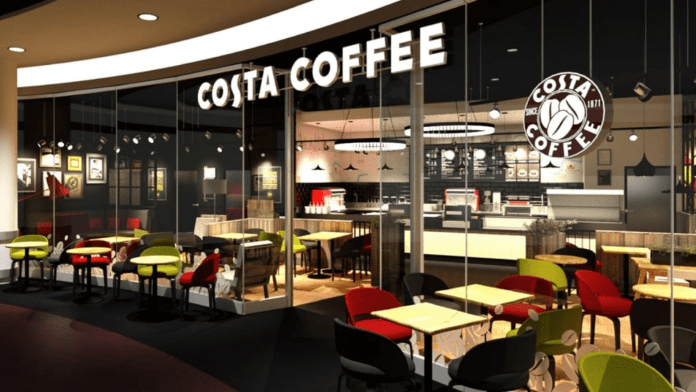
Costa Coffee has collaborated with UKG, a workforce management specialist, to enhance its staffing and strategic labor planning choices.

Utilizing UKG’s AI-driven solution, Costa Coffee boosted staffing efficiency by close to 50% during the holiday season and experienced a subsequent 65% increase immediately afterward.

“The results we’ve experienced with UKG are tremendous. Store managers can accurately plan their staffing needs well in advance and make data-driven decisions, so our stores always have the right people with the right skills in the right place. This not only helps keep customers happy but ensures we have the ideal mix of employees, which creates a better experience for them, all whilst keeping us on budget,” said Katie Little, labor operations manager at Costa Coffee.

Upon implementing UKG Strategic Workforce Planning as its centralized solution for labor budgeting, recruitment planning, and productivity, Costa Coffee significantly enhanced its operational efficiency. By harnessing workforce management information and labor analytics from each cafe location, the coffee giant achieved more accurate forecasting of its 2022 holiday staffing requirements. This strategic approach enabled Costa Coffee to optimize and invigorate its existing workforce while staying on track with its budgetary goals.

“At one point, we had more than 300 different contract types for our workers. UKG helped us standardize that process, and we’ve seen the total number of contracts decrease substantially,” said Little. “Because we can more precisely plan staffing needs months in advance, we can take better care of our people by offering more hours to our full- and part-time employees and hiring fewer fixed-term workers. This cuts down on recruitment costs and helps us fill gaps to make timely hires when and where they are needed.”

Advertisement