On Friday, the online gifting platform IGP revealed its expansion into the Dubai market, anticipating a revenue of USD 10 million (INR 80 crore) within the initial 1.5 years, as per the company’s statement on Friday.
The company asserts an annual revenue of USD 40 million, equivalent to approximately INR 320 crore.
“I am thrilled to announce our foray into the vibrant market of UAE. With an investment of USD 10 million and a dedicated team of over 100 professionals, we are set to transform gifting experiences in the region,” IGP Founder and CEO, Tarun Joshi said in a statement.
“IGP is a global brand, our goal is to become the ultimate destination for flowers, cakes, and gifts, enriching the lives of millions in the UAE and, in the long term, across the entire Middle East,” he said.
The company has set up a warehouse of over 20,000 sq ft in Dubai.
Joshi said he expects to generate revenue of USD 10 million in Dubai over a period of 18 months.
On Friday, Blinkit, the rapid-commerce division of Zomato, a leading food delivery platform, announced a notable increase in the sales of gold and silver coins, as well as other products related to Dhanteras festivities.
On Dhanteras, quick-commerce platforms like Swiggy Instamart and Zepto were also offering gold and silver coins for sale, aligning with the auspicious tradition of purchasing items made of gold, silver, and brass.
“Dhanteras muhurat (auspicious time) hasn’t even started and we’re already close to hitting half of the gold and silver coins sales from last year,” Albinder Dhindsa, chief executive of Blinkit, wrote in a post on microblogging platform X (formerly Twitter) before 12 in the afternoon. “Thankfully, we took a big bet and have enough to serve the high demand.”
Dhanteras, also known as Dhanatrayodashi, is the first day of the Diwali festival in various regions of India.
In addition to coins, there has been an increase in the buying of brooms, a practice deemed auspicious on this day.
“We learned that it is auspicious to buy jhadu (brooms) today when brooms got stocked out at all our dark stores on Dhanteras 2 years ago,” Dhindsa tweeted later, with a graph showing the increase in sales of brooms as compared to last Friday.
According to Dhindsa, fresh flowers and leaves were another category experiencing high sales for Blinkit.
“Most sold within the category are lotus flowers and pooja leaves which are used for Lakshmi Pooja on Dhanteras,” he posted on X.
Items deemed auspicious to purchase on Dhanteras, like steel utensils and home electronics, were also in high demand on rapid-commerce platforms.
Blinkit has been promoting its 10-minute deliveries for Dhanteras sales, a tradition it upholds each year. As per a post by Dhindsa, on October 22 last year, the platform achieved a rate of selling 200 coins per minute.
Blinkit has been actively promoting high-volume seasonal items, including significant purchases throughout the year, coinciding with events such as cricket matches, festivals, New Year’s Eve, and even on iPhone launch days.
For the quarter ending in September, Blinkit disclosed a positive contribution margin, calculated as revenue minus various costs like store operation expenses, delivery costs, wastage, and packaging costs. This marked the first time it achieved this milestone, while the parent company Zomato sustained profitability for the second consecutive quarter. The contribution margin, expressed as a percentage of the gross order value, stood at 1.3% in the most recent quarter, a notable improvement from the -7.3% recorded in the corresponding quarter of the previous year, with the quarterly contribution amounting to INR 36 crore.
On November 3, it was reported that Blinkit experienced an increase in its average order value, reaching INR 607 compared to INR 568 a year ago. The quick-commerce division saw a substantial rise in gross order value, reaching INR 2,760 crore from INR 1,482 crore recorded a year earlier.
While India’s whiskies are leading in taste evaluations, their global exports have not seen significant growth, hindered by various factors, including strong domestic demand.
In FY23, the value of whisky exports was just 10% higher than a decade ago, while imports during this period surged nearly four times. Notably, whisky exports recorded an 18% increase in the first five months of the current fiscal year compared to the corresponding period a year ago.
During October, the domestically produced Indri Diwali Collector’s Edition secured the Best in Show Double Gold award at the Whiskies of the World Awards. Nevertheless, authorities have indicated that India has not fully capitalized on the opportunities presented by this accolade and the esteemed recognition received by other brands like Amrut Distilleries’ Fusion and Paul John’s Brilliance, Bold, and Nirvana.
“Indian whisky is not much in demand outside, and domestic demand is robust, so the export opportunity hasn’t been exploited to the fullest,” said an official.
In the fiscal year 2023, India’s whisky exports stood at $124 million, marking a modest 10% increase from the $112.4 million recorded in FY14. However, these figures remained below the $127.8 million exported during the pandemic period.
Conversely, there has been a notable increase in imports.
In FY23, India’s whisky imports reached $396.3 million, marking a substantial increase from the $108.7 million recorded in FY14.
Blended whiskies held the largest market share at 40%, followed by other whiskies with a 29% share. Scotch claimed a 20% share, with bourbon holding a marginal slice.
The primary sources of imports are the UK, Singapore, and the UAE.
Growth may also be hindered by stringent requirements imposed by Western nations, according to experts.
“India’s export opportunity is limited to a certain set of countries in the Middle East, Africa and the Far East. Maturation conditions imposed by a large part of the European Union are inherent limitations to our exports,” said Confederation of Indian Alcoholic Beverage Companies (CIABC) director general Vinod Giri.
In warm climates such as India, the maturation requirement, which stipulates a three-year aging period for whisky, is often shortened due to high evaporation losses.
Giri mentioned that there is a demand for relatively lower-value Indian rum and whisky in these countries. While single malt and high-end products are sold at a comparable price range of $50-60 per case, akin to Scotch whisky, lower-value products are marketed at $10-20 per case, as he pointed out.
Indian blended whiskies are priced between INR 750-1,700 per 750 ml, whereas imported counterparts range from INR 1,400-3,000. For malt whiskies, both Scotch and Indian variants share a pricing bracket of INR 3,630-4,500.
“Japanese whisky brands are also being preferred by Indian consumers and many independent importers are entering the market,” Giri added.
Representatives from the industry have indicated that growth is also being impeded by local factors.
They mentioned that some states impose a fee on the export of alcoholic beverages. Additionally, India’s exports to the EU and UK face non-tariff barriers. One notable obstacle is the stipulation of grain-based spirit, a requirement Indian companies cannot meet as the liquor here is produced from molasses due to the high sugar production, they clarified.
Building on its achievements in Mumbai and Pune, Nonna’s, India’s original sourdough pizzeria, has now unveiled its fourth outlet nestled within the corridors of Jio World Plaza, BKC, Mumbai.
The interiors of Nonna’s effortlessly fuse modern elegance with the timeless charm of Italian design, crafting an immersive experience. The menu showcases the opulence of Neapolitan flavors, offering a diverse selection ranging from their signature handcrafted sourdough pizzas with over nine varieties to a curated assortment of appetizers, Pannouzzos, beverages, and delightful desserts.
Ayush Jatia, Founder of Nonna’s said, “With the launch of our newest outlet at Jio World Plaza, we aim to redefine the boundaries of an authentic Italian dining experience, creating a space where every visitor is not just a guest but a cherished part of our family. We invite you to join us in this celebration of flavours, where every dish tells a story and every moment is an unforgettable experience.”
As the festival of lights approaches, kindlife, the go-to platform for conscious living, unveils a lineup of special initiatives that redefine the Diwali shopping experience. From sustainable snacking to eco-conscious beauty routines, and from community engagement to cutting-edge technology, the brand is set to make this Diwali a celebration of kindness, health, and innovation.
This Diwali, kindlife is putting a spotlight on sustainable and toxin-free products, aligning with the growing demand for healthier snacking options. The focus is on low-calorie, artificial sweetener-free, preservative-free, baked (not fried), and affordable products without compromising taste or nutritional value. The brand has curated gift boxes featuring Makhanas, organic cookies, and vegan chocolates from emerging brands, offering a modern alternative to traditional Indian sweets.
Adding a global touch, kindlife introduces viral Korean beauty brands, catering to diverse Indian skin concerns and preferences. Kahi, Skin1004, Elizavecca, and DermaB promise cutting-edge skincare solutions to enhance the festive beauty routine.
The Kindlife Way: Plant-Based, Organic, Toxin-Free, and Eco-Conscious
Kindlife lives by a simple mantra: If it’s kind, it’s on kindlife. The brand ensures that its Diwali offerings adhere to ‘kindcodes’ – plant-based, organic, toxin-free, eco-conscious, and cruelty-free. With a commitment to delivering quality products, kindlife’s stringent review process is transparent for customers to explore. The brand stands against toxins, trash, and trolls, aligning its values with those seeking a cleaner, kinder, and healthier lifestyle.
With a thriving community of over 400,000 members and 2000+ experts, kindlife empowers its customers with valuable tips and insights. Regularly sharing content on platforms like Instagram, the brand focuses on raising awareness about healthy choices, harmful ingredients, and skincare and food routines. For Diwali, a special collection of content offers a fresh perspective on traditional recipes, incorporating healthier ingredients.
Kindlife’s AI-powered discovery tool, kiki.ai, assists customers in making informed choices by offering personalized content and expert advice based on unique preferences and needs.
Loyalty Rewarded: Superkind Club and Festive VIP Membership
During Diwali, kindlife’s loyalty program, the Superkind Club, takes center stage. Exclusive perks, including early access to sales, cashbacks, and birthday bonuses, are designed to elevate the customer experience. Frequent app shoppers enjoy custom offers tailored to their preferences, and high spenders receive vouchers from like-minded sustainable brands.
The introduction of a limited edition ‘FESTIVE VIP’ membership for just INR 99 allows customers to experience all the benefits of the Superkind Club for an entire month, enhancing their shopping journey during the festive season.
For those looking to experience the kindlife brand for the first time during Diwali, exciting offers await. First-time shoppers on the app enjoy an additional 15% off on bestsellers, including organic food, supplements, skincare, and makeup products. Registering on the app not only unlocks discounts but also provides personalized recommendations and access to app-only sales.
Tech-Savvy Diwali: Personalized Recommendations with kiki.ai
Kindlife leverages technology to ensure a seamless transition to a better lifestyle. The expert and AI-powered discovery tool, kiki.ai, play a pivotal role in offering consumers verified information, personalized recommendations, and insights around ingredients, routines, and individual needs. This innovation enhances the online shopping experience, making it fully customized and user-friendly.
As Diwali beckons, Kindlife shines as a beacon of sustainability, wellness, and thoughtful indulgence. The brand’s commitment to a cleaner and kinder lifestyle resonates through its offerings, inviting consumers to celebrate the festival with not just lights, but with a mindful glow that emanates from the heart of every conscious choice.
The technological prowess of a brand is generally correlated with its growth potential in the digital age. Maintaining an advantage and navigating the competitive landscape now heavily depends on the strategic selection and development of a tech stack. The method of developing the ideal technologies to drive a brand towards sustainable success is revealed as we dive into the complexities of tech-stack advancement in this extensive investigation.
The set of resources—tools, frameworks, programming languages, and software—that underpin the digital infrastructure of your company is known as the tech stack. The canvas on which advancements are painted is this basis. Determine the features of the technology you now use to create a baseline for future development.
1. Understanding the Foundation: Defining Your Tech Stack
Before embarking on the journey of advancement, it’s essential to understand the core components of your current tech stack. The tech stack is the collection of tools, frameworks, programming languages, and software solutions that power your brand’s digital infrastructure. This foundation serves as the canvas upon which advancements are painted. Identify your existing technologies and their functionalities to establish a baseline for growth.
2. Assessing Business Goals: Aligning Technology with Objectives
Tech-stack advancement isn’t a one-size-fits-all endeavor. It must align with the unique goals and objectives of your brand. Whether the focus is on improving customer experience, enhancing operational efficiency, or scaling infrastructure to accommodate growth, a strategic tech-stack roadmap should be tailored to meet specific business needs. This alignment ensures that technological investments contribute directly to the brand’s overarching success.
3. Scalability and Flexibility: Future-Proofing Your Tech Stack
A growth-oriented tech stack must be built with scalability and flexibility in mind. As your brand expands, so should your technological infrastructure. Choose solutions that can seamlessly grow with your business, accommodating increased data volumes, user traffic, and evolving functionalities. A flexible tech stack allows for easy adaptation to emerging technologies and market trends, future-proofing your brand against technological obsolescence.
In the digital era, customer experience is a key differentiator. Tech-stack advancement should prioritize tools and technologies that enhance the user journey. From responsive web design to personalized content delivery, leveraging technologies that prioritize user experience not only fosters customer satisfaction but also contributes to brand loyalty and advocacy.
5. Integration and Interoperability: BreakingSilos for Efficiency
A well-advanced tech stack seamlessly integrates various components, breaking down silos between departments and functions. Integration and interoperability are critical for efficient data flow and communication across the organization. Whether it’s connecting CRM and marketing automation tools or integrating e-commerce platforms with inventory management systems, a cohesive tech stack fosters operational efficiency.
6. Data Security: Fortifying Your Digital Fortress
With the increasing reliance on digital platforms comes the imperative of safeguarding sensitive data. Tech-stack advancement should include robust cybersecurity measures to protect against evolving threats. From encryption protocols to secure API connections, investing in state-of-the-art security technologies is not just a compliance requirement but a fundamental aspect of building trust with users.
7. Analytics and Data-driven Insights: Guiding Strategic Decisions
A growth-focused tech stack harnesses the power of analytics and data-driven insights. Implementing tools for comprehensive data collection, analysis, and reporting enables your brand to make informed decisions. From understanding customer behavior to optimizing marketing strategies, data-driven insights derived from your tech stack empower your brand to navigate the competitive landscape strategically.
8. Cloud Infrastructure: Empowering Scalability and Accessibility
Cloud computing has revolutionized the way businesses manage their IT infrastructure. Advancing your tech stack with cloud solutions provides scalability, accessibility, and cost-efficiency. Whether opting for public, private, or hybrid cloud models, the cloud enhances the agility of your brand’s tech infrastructure, allowing for rapid deployment of applications and services.
9. AI and Automation: Elevating Operational Efficiency
The integration of artificial intelligence (AI) and automation technologies is a hallmark of tech-stack advancement. From chatbots enhancing customer support to machine learning algorithms optimizing marketing campaigns, AI and automation elevate operational efficiency, reduce manual workloads, and contribute to a more agile and responsive brand.
10. Continuous Monitoring and Optimization: Iterating for Excellence
The advancement of your tech stack is not a one-time endeavor but a continuous cycle of monitoring, analysis, and optimization. Implement tools for performance monitoring, conduct regular audits, and gather user feedback to identify areas for improvement. This iterative approach ensures that your tech stack remains aligned with business goals and evolves in tandem with market dynamics.
Forging a Path of Technological Excellence
In the digital age, a brand’s tech stack is the engine that propels it toward growth, innovation, and sustainability. Tech-stack advancement is not merely a checklist of tools; it’s a strategic journey that aligns technology with business objectives, prioritizes user experience, embraces scalability, and fosters a culture of continuous improvement.
As you embark on the path of building the right technologies for your brand’s growth, remember that the journey is as crucial as the destination. With the right tech-stack blueprint, your brand can navigate the complexities of the digital landscape, adapt to emerging trends, and forge a path of technological excellence that defines the future of your industry.
The proverb “innovate or stagnate” has never been more relevant given the dynamic nature of the economic world. Embracing and responding to market trends is a strategic need for brands that strive for sustained growth, not just survival. We set out on a voyage across the shifting tides of consumer trends in this investigation, revealing how innovation gives brands a boost and helps them achieve long-term success. Before diving into the innovation pool, brands must first comprehend the pulse of market trends. These trends, shaped by consumer behaviors, technological advancements, and global shifts, act as powerful indicators of where the market is headed. Whether it’s the rise of e-commerce, the emphasis on sustainability, or the adoption of emerging technologies, staying attuned to these trends is the compass that guides brands toward growth.
Consumer behavior is a dynamic force that propels market trends. Successful brands understand that consumer needs and expectations are ever-changing. By adopting a consumer-centric approach to innovation, brands can not only meet current demands but also anticipate future preferences. From personalized experiences to sustainable practices, aligning innovation with consumer expectations is the cornerstone of sustainable growth.
Agility in Adaptation: Responding to Real-Time Changes
The pace at which market trends evolve necessitates a culture of agility within a brand. Being quick to adapt to real-time changes is a hallmark of successful innovators. This agility allows brands to pivot strategies, tweak products or services, and seize emerging opportunities swiftly. A brand’s ability to navigate the ebb and flow of market trends positions it not as a passive observer but as an active participant in shaping the industry landscape.
Apart from that, in the digital era, technology is both a driver and an enabler of market trends. Brands that harness the power of technological innovation position themselves as pioneers. Whether it’s integrating artificial intelligence into customer service or leveraging data analytics for personalized marketing, technology-driven innovation is a powerful engine for sustainable brand growth.
Further, brands that innovate with a commitment to environmental and social responsibility not only align with consumer values but also future-proof their operations. Sustainable practices are no longer a choice but a prerequisite for brands aiming for long-term relevance.
Collaboration and Co-Creation: Breaking Silos for Innovation
Innovation doesn’t occur in a vacuum. Collaborative efforts, both within the organization and through external partnerships, foster a culture of co-creation. Brands that break down silos, encourage cross-functional collaboration, and engage with external stakeholders in the innovation process open themselves up to diverse perspectives and ideas, fueling sustained growth. Embracing innovation requires an acceptance of risk and a willingness to learn from failure. Brands that foster a culture where calculated risks are encouraged, and failures are viewed as learning opportunities, cultivate an innovation mindset. This mindset not only fuels continuous improvement but also instills resilience in the face of challenges.
The era of one-size-fits-all marketing is long gone. Personalization, driven by data-driven insights, is a market trend that continues to gain prominence. Brands that invest in creating tailored, memorable customer experiences set themselves apart. From personalized recommendations to customized communication, putting the customer at the center of innovation enhances brand loyalty and fuels growth. Brands that establish systems for monitoring trends, gathering real-time feedback, and iterating on their offerings are better equipped to stay ahead. This iterative approach ensures that innovation becomes ingrained in the brand’s DNA, driving sustained growth over the long term.
Innovation Imperative for Brand Survival:
Innovate or stagnate—it’s a mantra that reverberates through the halls of successful brands. Embracing market trends is not a choice but a necessity for sustainable brand growth. The journey involves understanding the market pulse, aligning with consumer expectations, leveraging technology, embracing sustainability, fostering a culture of collaboration, and maintaining an unwavering commitment to continuous improvement.
In the dynamic dance of market trends, brands that innovate stand not only to survive but to thrive, carving out a legacy of enduring success. As we navigate the future, it’s clear that the brands that dare to innovate are the ones that shape the narrative of their industries, leaving an indelible mark on the ever-evolving canvas of business.
Sales teams are the driving force behind a company’s revenue engine, and understanding their achievements goes beyond the conventional metrics. In this comprehensive exploration, we uncover the most effective methods to measure and celebrate sales team performance, creating a culture of success that propels both individuals and the organization toward greater heights.
1. Sales Metrics: Beyond the Basics
While sales metrics like revenue generated, conversion rates, and deal closure are fundamental, a holistic approach to measurement involves going beyond the basics. Dive into granular metrics such as lead response time, average deal size, and customer acquisition costs. This multi-dimensional analysis provides a nuanced understanding of the team’s strengths and areas for improvement.
2. Sales Velocity: Accelerating Success
Sales velocity is a powerful metric that measures how quickly deals move through the sales pipeline. By analyzing the time it takes to convert leads into customers, businesses can identify bottlenecks, streamline processes, and celebrate the acceleration of success. A high sales velocity signifies not just sales but the efficiency of the entire sales cycle.
3. Conversion Rates at Each Sales Stage: Pinpointing Performance Peaks
Break down the sales process into stages, and analyze conversion rates at each juncture. This method allows you to pinpoint specific stages where the team excels or encounters challenges. Celebrate the triumphs at each stage and strategize to overcome obstacles, fostering a culture of continuous improvement.
4. Customer Satisfaction and Retention: The True Measure of Success
Sales success extends beyond acquiring new customers—it’s about retaining them. Incorporate customer satisfaction surveys and retention rates into your measurement strategy. A satisfied, loyal customer base is a testament to the effectiveness of your sales team’s efforts and merits celebration.
5. Lead Response Time: The Need for Speed
In a fast-paced business landscape, lead response time is a critical factor. Measure how quickly your team responds to leads and inquiries. Swift response times not only enhance customer experience but also increase the likelihood of conversion. Recognize and celebrate instances of exceptional responsiveness.
6. Sales Team Collaboration: Synergy in Action
Evaluate the level of collaboration within your sales team. Tools like CRM systems can provide insights into team communication, shared goals, and collaborative efforts. Celebrate instances of teamwork, acknowledging that collective achievements often surpass individual triumphs.
7. Deal Win Rates: Celebrating Strategic Wins
Winning deals is the ultimate goal, but understanding the win rate provides valuable insights into the team’s efficiency in pursuing opportunities. Celebrate not only the number of deals closed but also the strategic wins that align with the company’s long-term objectives.
Recognize and celebrate individual contributions by analyzing performance metrics on a per-rep basis. Identify top performers, acknowledge their achievements, and provide personalized incentives. This approach not only boosts morale but also sets a benchmark for others to strive toward.
9. Continuous Learning and Development Metrics: Investing in Growth
Measure the team’s commitment to continuous learning and development. Track participation in training programs, certifications earned, and the application of new skills in real-world scenarios. Celebrate not just sales numbers but the team’s dedication to professional growth.
10. Sales Forecast Accuracy: Strategic Prowess in Predictions
Assess the accuracy of sales forecasts made by the team. A team with a keen understanding of market dynamics and customer behavior contributes to more reliable forecasts. Celebrate instances where predictions align closely with actual outcomes, showcasing the team’s strategic prowess.
Tracking and celebrating sales team performance is a multifaceted endeavor that goes beyond mere numerical achievements. By adopting a comprehensive approach that considers both quantitative and qualitative metrics, businesses can foster a culture of success, where every triumph is acknowledged and celebrated. As the heartbeat of revenue generation, the sales team plays a pivotal role, and recognizing their efforts ensures sustained motivation and continued excellence. In this journey of success, measurement becomes not just a tool for evaluation but a compass guiding the team toward new horizons of achievement.
The heartbeat of any successful enterprise is often measured by its sales performance, and savvy investors keenly analyze a spectrum of sales indicators to shape their confidence in a company’s growth trajectory. In this detailed exploration, we delve into the intricate world of sales indicators, unraveling the nuances that not only drive investor confidence but also serve as a compass for strategic decision-making.
Revenue Growth Trends: The North Star of Investor Confidence
At the core of investor confidence lies the trajectory of revenue growth. Investors scrutinize a company’s historical revenue data, seeking consistent upward trends. Beyond sheer numbers, the qualitative aspect of revenue sources is crucial. Diversification and sustainable revenue streams signal resilience against market volatility, instilling confidence in investors that the company can weather economic storms.
Customer Acquisition Cost (CAC) and Lifetime Value (CLV): Striking the Balance
Investors keen on understanding the long-term viability of a business closely examine the delicate interplay between Customer Acquisition Cost (CAC) and Lifetime Value (CLV). A favorable CAC-to-CLV ratio signifies that the cost of acquiring customers is justified by the revenue they generate over their lifetime. This delicate balance showcases the efficiency of a company’s marketing and sales strategies, leaving investors optimistic about sustained profitability.
Sales Conversion Rates: A Window into Operational Efficiency
The efficiency of a company’s sales funnel is a critical determinant of investor confidence. High conversion rates from leads to actual sales indicate a streamlined and effective sales process. Investors look beyond the broad strokes and analyze conversion rates at various stages of the sales funnel, uncovering insights into customer engagement, sales team performance, and potential bottlenecks.
Churn Rate: The Silent Threat to Growth
In the world of subscription-based businesses, the churn rate is a silent but potent factor that can erode investor confidence. A high churn rate suggests that customers are leaving at an alarming rate, potentially pointing to issues in product satisfaction, customer service, or market competition. Investors meticulously evaluate churn rates, seeking companies that not only attract new customers but also retain them over the long haul.
Investors keen on predicting future success scrutinize the velocity of a company’s sales pipeline. This involves analyzing the speed at which leads move through the sales funnel. A swift sales pipeline velocity indicates not just growth but the ability to capitalize on market opportunities efficiently. Investors find confidence in companies that exhibit agility in converting leads into revenue.
Gross Margins and Profitability: Beyond the Top Line
While revenue growth is a powerful indicator, investors also scrutinize a company’s gross margins and overall profitability. Sustainable growth goes hand in hand with healthy profit margins. A nuanced understanding of a company’s cost structure, operational efficiency, and pricing strategies provides investors with a holistic view, instilling confidence in the company’s financial health.
Customer Feedback and Net Promoter Score (NPS): The Human Element
In the era of consumer empowerment, investor confidence is not solely driven by numbers. Customer feedback and Net Promoter Score (NPS) provide a qualitative dimension to growth signals. Positive feedback and a high NPS indicate not only customer satisfaction but also the potential for organic growth through positive word-of-mouth.
Market Expansion and Penetration: Beyond Current Horizons
Investors are forward-looking, and signals of market expansion and penetration contribute significantly to shaping confidence. Companies that successfully enter new markets, diversify product offerings, or strategically position themselves for industry shifts are seen as proactive and resilient, fueling investor optimism.
Regulatory Compliance and Ethical Business Practices: The Bedrock of Trust
In an age where ethical considerations weigh heavily on investment decisions, regulatory compliance and ethical business practices are foundational to investor confidence. Companies that demonstrate a commitment to transparency, corporate governance, and adherence to regulations foster trust among investors, paving the way for sustained growth.
Technological Adoption and Innovation: Future-Proofing Growth
Investor confidence is deeply intertwined with a company’s ability to embrace technological advancements and foster innovation. A keen eye on a company’s tech stack, digital transformation initiatives, and commitment to staying ahead of industry trends positions businesses as forward-thinking and resilient to disruptions, thereby shaping investor confidence.
The intricate web of sales indicators serves as a barometer for investor confidence, providing a nuanced understanding of a company’s growth potential and resilience. Investors navigating the complex financial landscape seek not just quantitative data but also qualitative insights that paint a comprehensive picture of a company’s trajectory. By decoding these growth signals, investors can make informed decisions, aligning their portfolios with enterprises poised for sustainable success in an ever-evolving market. As businesses and investors continue their intricate dance, the language of growth signals will remain a crucial dialogue shaping the future of financial landscapes worldwide.
It’s crucial for businesses to differentiate themselves in the constantly changing food industry. Having a unique selling proposition can be crucial to the success of any business, be it a restaurant, food truck, catering service or specialty food product company. Developing a flavor-focused niche marketing plan is a potent way to differentiate your food business from competitors. This article delves into the practice of flavor-focused marketing and explains how it can support your company’s growth in the fiercely competitive food industry.
Flavor is the heart and soul of the food industry. It’s what captivates our senses, ignites our taste buds, and leaves a lasting impression. The concept of a niche marketing strategy based on flavor revolves around the idea of becoming the go-to source for a specific taste experience. By mastering the art of flavor, your business can cater to a dedicated audience seeking the authentic, unique, and extraordinary.
Identifying Your Flavor Niche
First you have to dive into the rich tapestry of global cuisines and explore the unique flavor profiles of different regions. You can specialize in a particular country’s cuisine or even a specific region within a country. Address the growing demand for dietary-specific cuisines, such as vegan, gluten-free, or keto. Niche markets with specific dietary requirements are expanding rapidly.
Further, combine unexpected ingredients or techniques to create innovative and unique flavor experiences. Fusion cuisine can open up exciting opportunities for niche marketing. Source rare or hard-to-find ingredients and make them the focus of your dishes. Offering something truly exclusive can be a significant advantage.
Crafting Your Signature Flavor
Once you’ve pinpointed your flavor niche, it’s time to create your signature dishes or products. Invest time in research and development to perfect the taste, texture, and presentation. Consistency is key; your customers should know they can rely on your business to deliver the flavor they crave. A successful niche marketing strategy goes beyond the taste of your food. It encompasses your entire brand identity.
Whether it’s a family recipe passed down through generations or a culinary journey of discovery, a compelling narrative can engage customers.
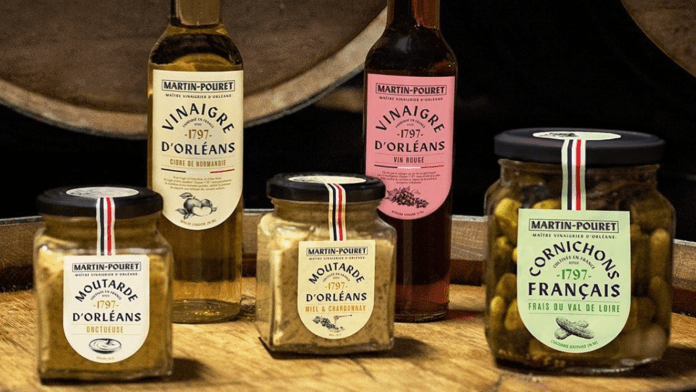
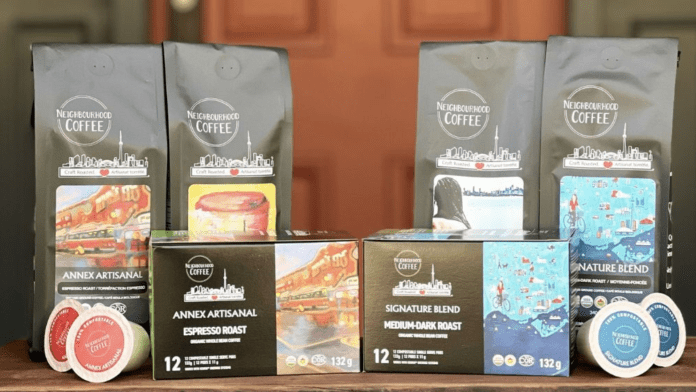
Apart from that, investing in visually appealing branding and packaging goes a long way and mirrors the essence of your flavor niche. A great design can evoke the taste experience before customers even take a bite.Incorporating other sensory experiences into your brand, such as music, décor, or even custom scents that complement the flavors you offer.
Marketing and Promotion
Using platforms like Instagram and Facebook to showcase your dishes or products with tantalizing images and engaging content.
Further, start a blog or vlog that dives deep into the world of your niche flavor. Share recipes, cooking tips, and stories related to your brand. Partner with influencers, food bloggers, or other local businesses to expand your reach and promote your unique flavors.Host tasting events or pop-up restaurants to introduce your flavors to the community. These events create buzz and allow potential customers to experience your cuisine firsthand.
Building a niche marketing strategy around flavor is a powerful way to distinguish your food business in a crowded marketplace. By identifying a unique flavor niche, crafting signature dishes or products, and building a brand that engages all the senses, you can create a loyal customer base that craves the extraordinary tastes only your business can provide. Embrace the power of flavor, and watch your food business thrive in an increasingly competitive culinary world.
We use cookies to ensure that we give you the best experience on our website. If you continue to use this site we will assume that you are happy with it.