Tuesday, February 3, 2026
Home Blog Page 794

New WHO report suggests certain ultra-processed foods can boost well-being!

0
Junk food
(Representative Image)

A World Health Organization (WHO) report has determined that certain ultra-processed foods (UPFs) can be beneficial for individuals’ well-being.

The Consumption of Ultra-Processed Foods and Risk of Multimorbidity of Cancer and Cardiometabolic Diseases report, produced by the WHO’s International Agency for Research on Cancer and the University of Vienna, has suggested that processed foods such as bread and cereal reduce the risk of multiple long-term conditions – multimorbidity – due to their fibre content.

UPFs have garnered extensive criticism due to their associations with obesity, heightening the likelihood of heart disease and diabetes.

In a recent statement, Filippa Debentencourt-Juul, a post-doctoral fellow appointed by the provost at New York University, shared findings from various studies on UPFs. She revealed, “I discovered a notable correlation between the proportion of processed foods in the diet and the prevalence of overweight and obesity, abdominal obesity, as well as elevated BMI and waist circumference.”

The WHO study, which involved over 266,000 participants across seven European countries, highlighted that consistent consumption of items like sausages and sugary drinks increases the likelihood of weight gain. However, it emphasized the significance of avoiding a blanket condemnation of all ultra-processed foods.

It said, “Among UPF sub-groups, associations [with health issues] were most notable for animal-based products and artificially and sugar-sweetened beverages. Other sub-groups, such as ultra-processed breads and cereals and plant-based alternatives, were not associated with risk.”

Nevertheless, the authors were cautious in emphasizing the overall harm that UPFs can inflict.

“In this multinational European prospective cohort study, we found that higher consumption of UPFs was associated with a higher risk of multimorbidity of cancer and cardiometabolic diseases,” the report said.

Highlighting the scale of UPF consumption, the report said, “The availability and consumption of ultra-processed foods has increased worldwide and represents nowadays 50–60% of the daily energy intake in some high-income countries and middle-income and low-income countries are following suit.

“Fresh or minimally processed foods are being increasingly replaced by higher proportions of UPFs in the diet, raising concerns about their long-term health effects.”

The report defines UPFs as products manufactured industrially, consisting of deconstructed and modified food components reassembled with various additives. Typically, UPFs include mass-produced packaged breakfast cereals, biscuits, reconstituted meat products, instant noodles, as well as soft and/or sweetened carbonated drinks.

The research findings were released in the medical journal, The Lancet.
Advertisement

E20 Investment acquires majority stake in Turkish seafood giant Lucky Fish

0
E20 Investment

United Arab Emirates-based E20 Investment has recently obtained a majority stake in the Turkish fish processing enterprise, Lucky Fish.

Mediterra Capital Private Equity, a Turkish firm, formerly held the majority ownership of the sea bream and bass processing company.

Established in 1986, Lucky Fish has a workforce of approximately 450 individuals. The majority of its food sales, roughly 97%, come from exports.

E20 expressed anticipation in utilizing its global expertise and resources to assist Lucky Fish in expanding its market reach and strengthening its position.

Sultan Al Jaberi, group CEO of E20, said, “We are thrilled to announce our investment into Lucky Fish, the leading value-added exporter of sea bass and sea bream from Turkey to Europe. This strategic investment is in line with our investment thesis of investing in sustainable companies operating in the agribusiness sector.

“Lucky Fish’s dedication to quality and responsible practices mirrors our own values, making this partnership an exciting and promising venture.”

Lucky Fish CEO İsmail Aksoy said, “This strategic investment by E20 Investment marks an important milestone in our growth story. With the support of E20 Investment, we are confident that we will be able to grow globally by adding new countries to our target markets as well as increasing our capacity.

“E20 Investment has given great importance to our capability of delivering premium seafood products to consumers in the developed markets of Europe. I am sure that E20 Investment’s sector expertise and resources will provide us with new opportunities.”

The headquarters of the fish company is located in Izmir, while its processing and fish feed production facilities are situated in Aydin and Mugla.

Advertisement

Danone teams up with Else Nutrition to expand plant-based infant formula in Europe

0
Else Nutrition

Danone, the renowned French dairy company, has entered into a collaborative agreement with Else Nutrition, a Canadian provider of plant-based infant formula products.

Vancouver-headquartered Else has announced in a statement that, following Danone’s completion of extensive due diligence, the two companies have signed a letter of intent outlining a “multi-stage collaboration, subject to the finalization of certain commercial terms.”

In the initial phase of the project, the Canadian company specified that the collaboration involves entering into a license agreement. This agreement entails the inclusion of Else’s products in Danone’s specialized nutrition portfolio, with manufacturing, marketing, and commercialization responsibilities undertaken by the prominent French dairy company.

According to a spokesperson from Else, “Danone will produce the products it will commercialise in Europe initially but there is potential for expansion into other markets.”

Established in Israel in 2018 by industry veterans in the infant-formula sector, Else made its debut in the European market with a launch in the United Kingdom earlier this month.

CEO Hamutal Yitzhak said, “the UK represents our first entry into the lucrative European market and we expect to enter additional European countries in the near term.”

He added, “Moreover, Europe is an ideal market for our products given consumer preferences and trends towards healthy and nutritious plant-based options, especially for their children.”

Else said that after the first stage of the project, the two companies will “negotiate other opportunities beyond product commercialisation”.

The spokesperson said this means “other business or scientific mutual activities besides licensing the toddler product in Europe.”

The company stressed this “is not an acquisition of Else at this point”, adding “it’s a collaboration agreement for the Europe market, with an agreement to discuss other activities and geographies that may be negotiated in the future”.

Else, which uses a co-manufacturer, said the deal does not at present impact its business in North America or other countries outside of Europe.

It said the parties anticipate signing the definitive agreement by the end of Q1, 2024.

Danone, which owns plant-based alt-dairy brands including Alpro and Silk, has increased its exposure to the category in recent years through acquisitions and investment.

In 2021, it acquired US plant-based products provider Earth Island, which specialises in faux-cheese and mayonnaise.

And in April this year it invested in Israel-based animal-free dairy start-up Imagindairy.

Danone refrained from providing comments on the collaboration agreement with Else upon contact.

Advertisement

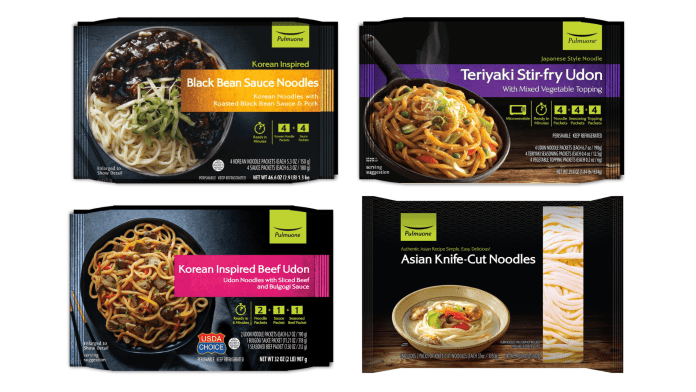
Pulmuone enhances production efficiency with expansion of California noodle facility

0
Pulmuone

On Wednesday, Pulmuone, a South Korean food company, revealed its expansion of the fresh noodle production facility in Gilroy, California, USA.

With the plant expansion, the company has increased its annual production of Asian noodles to 24 million units (190 grams per pack). This strategic move is a direct response to the growing local demand for these popular products. Notably, alongside tofu, Asian noodles stand out as the cornerstone of Pulmuone’s business in the US.

The Asian noodle constitutes a fundamental product, contributing to approximately one-third of Pulmuone’s overall sales in the US. Upon the company’s entry into the US market in 2015, the landscape was predominantly occupied by low-end dried noodles. Pulmuone introduced high-quality refrigerated noodles, known for their convenience in preparation. Over the years, the company has experienced remarkable growth, with its annual sales of Asian noodles in the US surging 6.3 times from 2017 to the previous year.

Previously, Pulmuone relied on exporting semi-finished products, including fresh noodles, with Pulmuone Foods USA responsible for their assembly and sale. The recent establishment of the Gilroy facility has transformed this dynamic, enabling local production. This shift is anticipated to streamline operations, reduce logistics expenses, and contribute to increased profitability.

The Gilroy facility exemplifies modern efficiency, featuring complete automation from the mixing stage to packaging. Additionally, it incorporates state-of-the-art temperature control systems that adhere strictly to the rigorous guidelines set by the US Food and Drug Administration (FDA).

Having kicked off its expanded operations with Teriyaki stir-fried udon last month, Pulmuone Foods USA intends to extend its production to encompass five varieties of fresh noodles, including Tonkotsu Ramen.

Pulmuone’s range of Asian noodle products is available in over 300 Costco stores across the United States.

In November 2021, Pulmuone expanded its tofu production line at the Fullerton plant in Western America to 9,300 square feet. This expansion doubled its maximum monthly production capacity and resulted in a 38% increase in tofu production.

Advertisement

Quench acquires Neighbors Coffee, expanding premium point-of-use offerings

0
Neighbors Coffee

Quench, a company owned by Culligan, has announced the acquisition of Neighbors Coffee.

Established in 1985, Neighbors Coffee operates as an office coffee supplier and service provider located in West Park, Florida.

The acquisition highlights the growing role of coffee in the company’s portfolio and supports its “goal of providing commercial customers with the broadest array of premium point-of-use offerings,” said Ryan Hartley, VP of corporate development for Quench.

David Santana, owner of Neighbors Coffee, added, “Quench is the benchmark when it comes to customer service. When the time came to pass our legacy on, Quench was the natural choice.”

“With its unparalleled product line that also includes water coolers, ice machines and sparkling water dispensers, Quench is uniquely equipped to support the many breakroom needs of our customers.”

The details of the transaction were not made public.

Advertisement

Nestlé and Kellogg team up to launch breakfast-inspired coffee creamer

0
coffee creamer

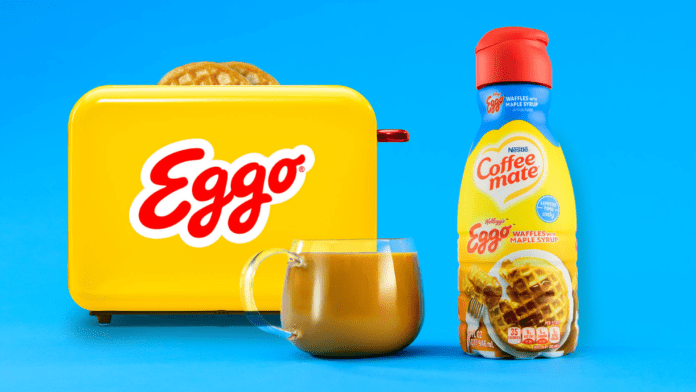
Nestlé has partnered with Kellogg to launch a breakfast-inspired coffee creamer under the Coffee Mate and Eggo brands.

Coffee Mate x Eggo’s waffles with maple syrup-flavoured creamer features notes of “toasty” waffles, rich maple syrup and butter.

Leonardo Aizpuru, Nestlé’s VP of brand marketing for the beverage division and business unit, said, “Coffee Mate fans know that we’re dedicated to bringing new, sought-after and unexpected flavours to our limited-time offerings to add an exciting twist to their daily coffee routines”.

“Breakfast flavours, particularly maple, are amongst the top requested – and as breakfast and coffee go hand-in-hand, we thought no better pairing than Coffee Mate and Eggo.”

Available for a limited time, the new creamer will be offered at retailers nationwide starting January 2024, priced at $4.69 per 32-ounce bottle.

In September, Nestlé and Kellogg announced the launch of their line of breakfast-inspired milk.

Advertisement

Diageo unveils exciting addition to Gordon’s gin lineup with Sugar Plum Gin Liqueur

0
Sugar Plum Gin Liqueur

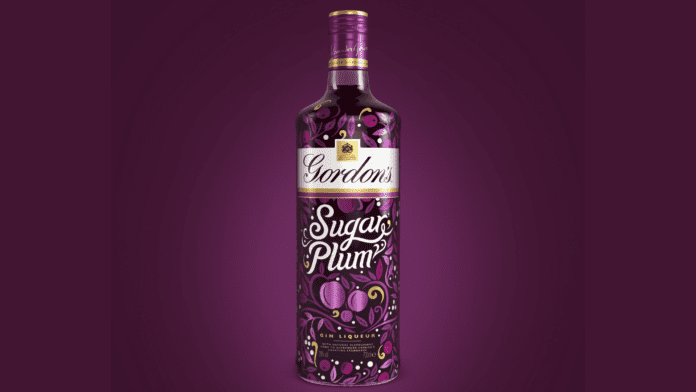
Diageo has broadened its range by introducing a new gin variation, the Sugar Plum Gin Liqueur, within the Gordon’s gin brand.

The gin liqueur has been crafted to achieve a harmonious balance, skillfully combining the botanical essence of Gordon’s classic gin with the luscious sweetness of plums. This meticulous process results in a uniquely jammy, lightly spiced flavor profile, complemented by a rich purple hue.

Crafted with a 20% alcohol by volume (ABV), this beverage is designed to cater to the growing desire among consumers to craft bar-quality drinks in the comfort of their homes, particularly during the winter months. This shift is evident, with over half of the UK’s cocktail enthusiasts now choosing to enjoy their drinks within the cozy confines of their homes.

Hazan Aydin, head of Gordon’s and Pimm’s at Diageo GB, said, “Gordon’s is always looking at ways to provide something new and exciting for consumers and brand loyalists to explore. We have been growing our Gordon’s family over recent years with a range of successful flavour expressions and we’re thrilled to be introducing Gordon’s Sugar Plum Gin Liqueur to the market this festive season. The innovation arms retailers with a unique twist on the classic Gordon’s spirit and is the perfect flavoursome tipple to elevate those at-home occasions.”

The new spirit will be hitting the shelves of major UK retailers this month, offering consumers the opportunity to acquire it at a recommended retail price (RRP) of £14.

Advertisement

British dairy sector to scale new heights as govt launches Dairy Export Programme

0
dairy
(Representative Image)

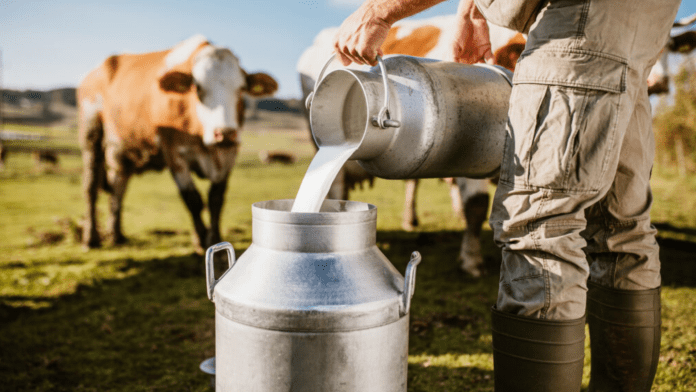
The Dairy Export Programme aims to facilitate the expansion of UK agri-businesses by capitalizing on emerging export prospects and tapping into international markets for their goods, supported by a comprehensive array of export assistance.

The Dairy Export Programme is a direct result of £1 million in funding from the British government. As part of a more extensive package of government support for agriculture, food, and drink, this initiative encompasses a £2 million investment aimed at bolstering the Department for Business and Trade’s (DBT) global tradeshows and missions program. Collaboratively executed with industry stakeholders and the Food and Drink Export Council, these efforts strive to fortify the growth and international presence of the relevant sectors.

The program is set to offer diverse and tailored assistance to businesses, offering educational sessions on enhancing export capabilities, identifying new markets, and engaging in trade promotion activities. These activities encompass an inward buyer trade mission and a UK Dairy Showcase.

Additionally, specialized resources will be allocated in key markets to specifically assist in promoting dairy exports, and there will be ongoing market intelligence support to enable businesses in seizing opportunities abroad.

Malcolm Offord, Minster for Exports said, “Growing the agri, food and drink sector is key to growing our economy, and I am delighted to launch the Dairy Export Programme which will help businesses grasp exciting new opportunities around the world.”

The UK dairy sector stands as one of the premier in the world, recognized for its ambition and innovative practices.

The Dairy Export Programme will enhance the robust support already provided to the sector by DBT. Additionally, food and beverage companies will receive assistance through DBT’s Export Support Service, Export Academy, UK Export Finance, and a network of International Trade Advisers.

Advertisement

Revlon to boost presence and revenue in India, aims to launch perfume range

0
Revlon
Revlon (Representative Image)

Revlon, the renowned beauty and cosmetics brand, is aiming to achieve a business expansion by doubling its current revenue to INR 400 crore in the ongoing fiscal year. Operating in India through its local partner, Modi-Mundipharma Beauty Products, the company is set to enhance its offline network.

According to a senior company official, Revlon plans to boost its presence by increasing the number of stores from the current 300 to 600. Additionally, the company aims to quadruple its reach, expanding from 1,000 departmental stores to an impressive 4,000 stores. This strategic move is part of Revlon’s commitment to further establish its position in the Indian market.

Moreover, as part of its initiative to broaden its product range for the Indian market, Revlon is contemplating the introduction of perfumes under its brand. This expansion comes in response to the anticipated significant growth in the beauty and cosmetics sector, driven by the millennial generation.

Similar to many beauty brands, Revlon experienced success during the COVID-19 pandemic. However, like its counterparts, the brand has made a remarkable comeback and is currently enjoying a sales “boom” during this festive season, earning a “Diwali blockbuster” in terms of sales.

When asked about expansion Meghna Modi said, “We have around 300 outlets and planning to go around 600 outlets and increase presence in 1,000 department stores to 4,000 department stores.”

Regarding the timeline for this, Modi said, “It will be in the next 2-3 years. We will also double our business next year.”

Revlon achieved a turnover of approximately INR 200 crore for the fiscal year ending on March 31, 2023.

At present, 25 percent of Revlon’s sales in India are generated through online channels, while the remaining 75 percent come from offline sources such as the brand’s own stores and departmental stores managed by prominent retailers.

The company is strengthening its footprint on social media platforms, including Instagram, as mentioned by Modi, who returned to spearhead the Revlon business a few weeks ago after a two-decade hiatus.

Revlon operates within the luxury segment, contending with global brands like MAC Cosmetics and Estee Lauder. Additionally, it faces competition from domestic brands such as Lakme, L’Oreal’s Maybelline, and numerous emerging online or direct-to-consumer (D2C) rivals like Nykaa, Sugar, MyGlamm, and others.

As per a collaborative report from Redseer Strategy Consultant and Peak XV (formerly Sequoia Capital India & Southeast Asia), the Indian beauty and personal care market is projected to reach USD 30 billion by 2027, constituting approximately 5 percent of the global market.

The Indian Beauty and Personal Care (BPC) market, valued at approximately USD 19 billion in 2022, exhibits a relatively low per capita spend in the category. However, the report suggests that as the country continues to prosper, significant growth potential in this sector will emerge strongly.

In the midst of heightened competition in the beauty and cosmetic sector, Revlon is placing its confidence in the quality of its products.

“Whenever we do a study, consumers love our products,” she said, adding, “Our promise is long way and long care.”

Additionally, Revlon aims to capture the attention of aspirational consumers in tier II cities by offering affordable entry price points, starting from INR 399 onwards. This positions the brand in competition with Maybelline from L’Oreal and Lakme from Hindustan Unilever Limited (HUL).

Nevertheless, Modi also emphasized the necessity for enhancing visibility and merchandising in tier II cities.

Modi-Mundipharma Beauty Products, formerly recognized as Modi-Revlon and affiliated with the Umesh Modi Group, launched Revlon in India in 1995. The company specializes in the sale of color cosmetics, fragrances, and hair care products.

Advertisement

Tilaknagar Industries set to launch Mansion House Chambers Brandy in key Southern markets

0
Tilaknagar Industries

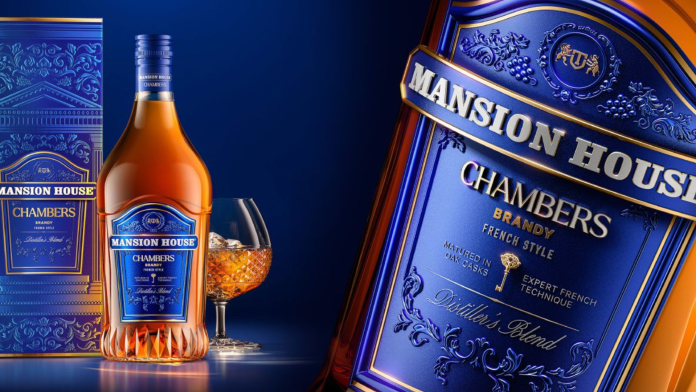
Tilaknagar Industries Ltd, a renowned producer of premium brandy, has outlined its strategy to introduce Mansion House Chambers, its high-end brand, in pivotal southern markets. The company announced on Tuesday that it had initially introduced Mansion House Chambers Brandy in the nearby region of Puducherry and is now poised to expand its presence in key southern markets during the initial phase.

Read More: Tilaknagar Industries expands portfolio with premium Mansion House Chambers Brandy

“We are immensely passionate about brandy. Our latest premium offering, Mansion House Chambers, is born out of our unrelenting focus on innovation to diversify our portfolio and revitalise the brandy segment,” said Chairman and Managing Director Amit Dahanukar in a company statement.

The introduction of the new brand comes on the heels of the company experiencing a substantial 28% growth, outpacing the 4% growth observed in the Indian Made Foreign Liquor industry for the first half of the year ending on September 30, 2023. Tilaknagar Industries reported a sales increase to 53.6 lakh cases during the initial six-month period concluding on September 30, 2023, compared to the 42 lakh cases sold in the corresponding period the previous year. It’s noteworthy that India holds a significant position as one of the largest global markets for brandy.

Brandy continues to hold over 20 per cent of the IMFL sector, the statement added.

Advertisement