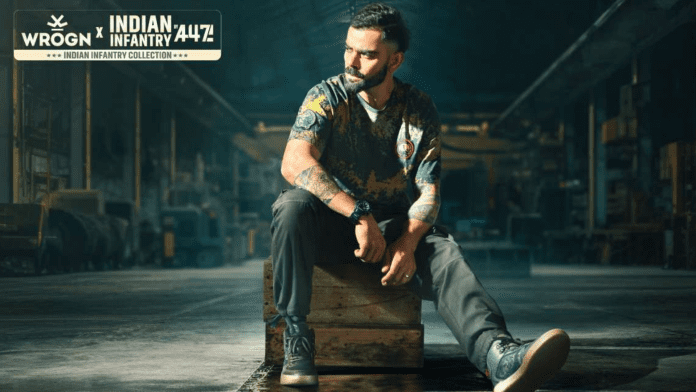
In a groundbreaking collaboration, Wrogn, the youth fashion brand co-owned by Virat Kohli, introduces the ‘Wrogn X A47 – The Indian Infantry Collection.’ This marks the first-ever army-inspired fashion collaboration in India, going beyond fashion trends. The collection pays homage to the unsung heroes of the Indian armed forces, creating a unique milestone in the country’s fashion industry.
Virat Kohli said, “The real heroes of our country are our armed forces. Every time I wear this, I wear my gratitude. It’s a reminder for those who have taken the fall for me, you, and the entire nation.”
Showcasing an array of apparel including polos, jackets, camo t-shirts, and hoodies, the collection takes inspiration from the enduring earthy hues embraced by the Army—khaki, olive green, camo, and assorted brown tones. Each piece is characterized by unique detailing, featuring army badges, swatches, and motifs hailing from the Kargil war. These elements symbolize the valor and sacrifices of the Indian Army in dedicated service to the nation.
Vikram Reddy, COO and Co-Founder of WROGN, emphasizes, “This collection transcends mere fashion; it’s a heartfelt tribute to our genuine heroes, the Indian Infantry. Each piece stands as a daily reminder of the sacrifices our armed forces make.”
Bhavik Vora, Founder and CEO of Black White Orange/A47 said, “Teaming up with Wrogn to enhance our partnership with The Infantry Museum and Research Centre marks a significant step toward realizing our vision of paying tribute to our true heroes.”
Accessible through online platforms such as Myntra, Flipkart, and Wrogn.in, as well as offline at Exclusive Brand stores, Shoppers Stop, and Pantaloons via Wrogn’s retail network, the collection is designed for convenient availability to consumers across India. With prices starting at INR 1049, the collection aims to evoke a sense of pride and gratitude among citizens.
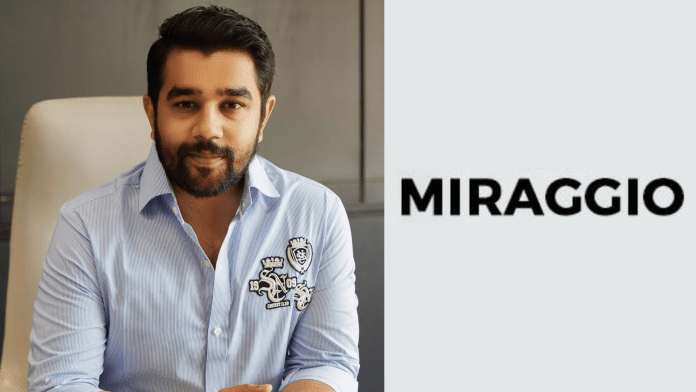
Miraggio, a brand specializing in fashion accessories, announced on Tuesday that it secured INR 10 crore in a pre-Series A funding round, as stated in a press release.
With the newly secured investment, the company envisions elevating Miraggio to unprecedented heights, as outlined in the press release.
“This investment paves the way for a future where Miraggio sets the standard for opulent elegance, inspiring discerning individuals to elevate their style to new heights.” said, Mohit Jain, Founder and CEO, Miraggio.
Furthermore, the company has set its sights on attaining an annual recurring revenue (ARR) goal of INR 100 crore by 2024. This financial milestone will fuel the expansion of its product offerings, including the introduction of new categories such as backpacks and wallets.
“Miraggio, under the leadership of Mohit, was able to grow 3x in revenue over 12 months while remaining profitable making it a compelling investment opportunity,” said Devarat Jatia, CIO, Seven Rivers Holdings.
Founded in 2020, the company asserts that it has experienced a remarkable 140 percent year-over-year (YoY) growth and serves approximately 2 million customers.
On Tuesday, Jubilant Foodworks Ltd announced its plans to acquire an additional 51.16% stake in DP Eurasia NV, the exclusive master franchisee of the Domino’s Pizza brand in Turkey, Azerbaijan, and Georgia.
The acquisition is set to take place via a subsidiary, with a suggested consideration of up to EUR 73.36 million (roughly INR 670 crore).
Jubilant Foodworks Netherlands B.V (JFN), a fully-owned subsidiary of the company, presently possesses 48.84% of the common shares of DP Eurasia, establishing itself as the foremost pizza delivery company in Turkey. The acquisition’s objective is to augment JFN’s ownership by acquiring all the currently outstanding ordinary share capital of DP Eurasia NV that is not already under its control. This transaction is proposed at a price of up to 85 pence per share from existing shareholders.
The total acquisition cost is fixed at around EUR 73.36 million, and the transaction is structured as an all-cash deal. DP Eurasia manages a significant enterprise, boasting 694 stores (678 in Turkey, 10 in Azerbaijan, and 6 in Georgia as of October 31, 2023). The company primarily adopts an asset-light and scalable approach, emphasizing franchised stores.
To finance the acquisition, JFN intends to employ an existing term-loan facility provided by HSBC, supported by a corporate guarantee issued by Jubilant Foodworks Ltd. Furthermore, a new long-term facility from HSBC, also backed by a corporate guarantee from JFL to HSBC’s favor, will be accessed. JFL will assure the repayment commitments of JFN to HSBC, totaling EUR 60 million, in addition to the existing guarantee of EUR 45.89 million issued by JFL to secure the repayment commitments of the existing term-loan facility.
This strategic maneuver positions Jubilant Foodworks for an enhanced presence in the pizza delivery sector, particularly in Turkey, Azerbaijan, and Georgia, by strengthening its affiliation with DP Eurasia NV.
Woovly, the social commerce platform, has successfully secured an undisclosed funding sum from notable investors including Sony Innovation Fund, SOSV, RTAF, and ViNners.
The Bengaluru-based startup is set to utilize the newly secured funding to enhance its platform, ensuring a seamless and engaging social commerce experience for users.
Established in 2020 by Neha Suyal and J Venkat, Woovly specializes in providing beauty and personal care products on its platform, catering primarily to the millennial population in Tier II and III cities across India.
According to a CXOToday report, Woovly integrates shopping with immersive video content, ensuring audience engagement and streamlining the purchasing process.
“This funding round will enable us to further enhance our platform and continue our mission of offering a seamless and engaging social commerce experience to our users,” Suyal and Venkat said in a joint statement.
Experiencing substantial growth, the startup asserts a remarkable 600% increase in its user base over the last 18 months. Woovly attributes this surge to the impact of micro and nano influencers, along with captivating and interactive short video content showcasing products on its platform.
The company also intends to broaden its outreach by entering new markets and introducing additional segments on its platform, encompassing fashion, home decor, and various lifestyle categories. The objective is to tap into the dynamic market of 200 million consumers of short content.
Last year, it was reported that the startup was in talks with Shiprocket to raise $5 million.
The startup competes with major e-commerce companies like Amazon, Myntra, and Flipkart, among others.
To align with the growing trend of leveraging influencers for product marketing, Myntra has entered the league of e-commerce platforms providing product videos. In June, the company introduced a short video platform named ‘Myntra Minis’ with the aim of boosting user engagement and enhancing the overall shopping experience for its customers.
Additionally, another social commerce platform, Peepul Tree, secured $6 million in a seed funding round led by Elevar Equity. The funds will be utilized to onboard additional content creators and artisans onto the platform.
The emerging trend of influencer marketing is gaining traction in the Indian e-commerce sector. A recent GWI study unveiled that a significant portion of Indian online shoppers discovers products through influencer marketing on social media. The study highlights that Instagram Reels played a pivotal role, driving 33% of beauty purchases and 39% of fashion purchases.
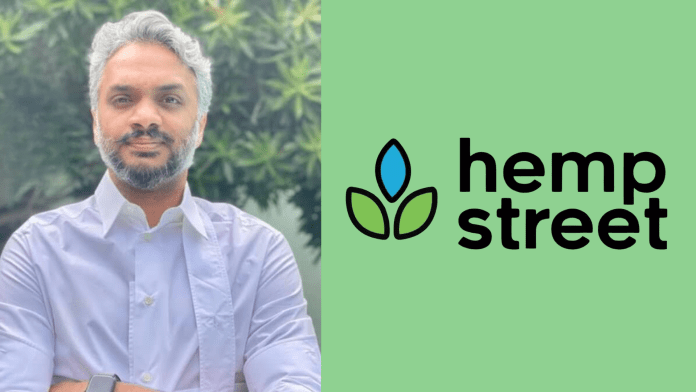
HempStreet, the Ayurvedic cannabis startup, has secured $1 million in a pre-Series A funding round, with the primary support coming from the current investor, Carl Waahlin.
Additional participants in this funding round comprise Andre Rodrigues, a group of High Net Worth Individuals (HNIs) from South East Asia, and Abhishek Mohan.
To date, HempStreet has garnered a cumulative funding of $3 million and collaborates with more than 20,000 doctors throughout India.
The funds will be allocated to broaden its initiatives in conducting clinical trials for exclusive formulations, extend its presence in the menstrual cramps and pain treatment sector, and support research and development efforts to enhance Ayurveda-inspired products.
Established in 2019, HempStreet addresses the chronic pain epidemic and menstrual health issues by responsibly dispensing cannabis-based medication. The startup’s products assert high efficacy in addressing concerns related to menstrual pain (dysmenorrhea) and other associated problems.
HempStreet’s product lineup targets digestive ailments, sexual health, hypertension, and anxiety. In a bid to broaden its international presence, HempStreet has formed partnerships with MGC Pharma (UK), Gynica (Israel), Amrita School of Ayurveda (India), UIDI (Brazil), and Cannabis 360 (Brazil).
Last week, Cannarma, a medicinal cannabis brand, obtained undisclosed funding in a pre-seed round led by Praveen Kaushik, the founder of Zero to One Fund, with a pre-money valuation of INR 17 crore ($2.04 million).
The omnichannel beauty brand SUGAR Cosmetics reported a remarkable 90% revenue growth in the previous fiscal year. Additionally, the company stated in a media release on Monday that its EBITDA margin experienced a notable improvement of 16% over the same period.
Furthermore, the company aims to achieve profitability by the end of FY24, emphasizing its dedication to financial stability and long-term success.
In FY23, the company reported an increase in income, reaching INR 428.4 crore, compared to INR 223.8 crore in the preceding year, as disclosed.
As per the company’s statement, it managed to limit its losses to the levels observed in FY22. This led to an enhancement of the overall EBITDA margins from -31.4% in FY22 to -16.5% in FY23, positioning the company on track to achieve break-even in the current fiscal year.
Kaushik Mukherjee, Co-Founder and COO of SUGAR Cosmetics said,” With our gross margins continuing to improve and trend at nearly 73% (up 280bps over FY22) for the overall business, we are confident of hitting break-even in the current fiscal.”
“We are excited to continue to grow into becoming a key player in India’s fast-growing beauty & personal care landscape – and the results of all the hard work that the team has put in are there for all to see,” Mukherjee added.
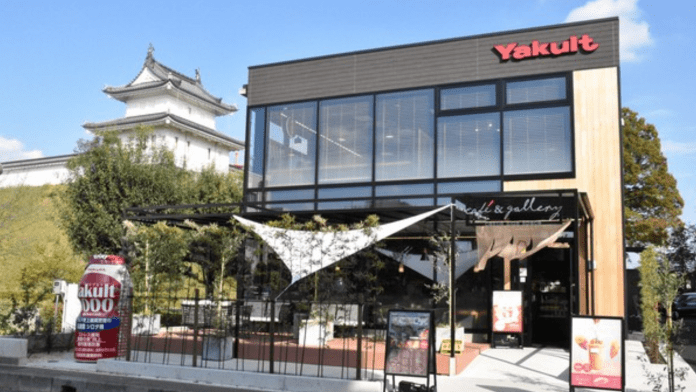
Yakult, the beverage brand, has expanded its presence into the cafe industry as a means of engaging with a broader audience.
Named the Yakult Gohonmaru Cafe & Gallery, this establishment is situated in Utsonomiya, Japan.
The cafe will provide a menu featuring ice cream, chiffon cakes, tiramisu, and various other items, all crafted using the distinctive Yakult drink.
Simultaneously, the two-story cafe will showcase a beauty salon that provides cosmetic products formulated with lactic acid bacteria.
In Japan and other Asian countries, Yakult drinks were traditionally delivered to households by ‘Yakult ladies.’ However, recognizing a perceived lack of communication channels for consumers to stay informed about Yakult, the brand decided to tackle this issue. In response, they established the cafe as a comprehensive wellness complex, aiming to provide potential new customers with opportunities to learn more about their products.
Balenzia, widely recognized in India’s socks market, has recently unveiled its eighteenth retail outlet. This strategically positioned store is located at Terminal 2, International Departure, Chhatrapati Shivaji Maharaj International Airport (CSMIA). This marks a noteworthy achievement for Balenzia, as it not only introduces the sixth store in Mumbai but also inaugurates its first store at an International Terminal, expanding its footprint in the market.
Shruti Gupta, Balenzia’s Head of Strategy said, “It’s with immense excitement and pride that we unveil our new store at CSMIA’s International Departure, a luminary event in Balenzia’s ever-evolving narrative. Positioning ourselves at CSMIA, a key international junction, enables us to broaden our audience reach, catering to both Indian and international customers, and offering them a chance to experience the best of craftsmanship in socks. Our presence at this international hub symbolizes our commitment to bringing our unique blend of style, comfort, and quality to travelers from around the world. We’re excited to showcase our innovative designs and superior quality products that have been the cornerstone of our brand in India, now to a global audience.”
Crafted with meticulous attention to detail, the CSMIA store is designed to offer an immersive shopping experience for both domestic and international travelers. Featuring a sleek design and a diverse product range, the store is dedicated to meeting the diverse preferences of today’s discerning customers. From timeless staples to modern designs, the collection exemplifies Balenzia’s dedication to staying at the forefront of fashion trends while maintaining the utmost standards of quality.
Gupta emphasized, “Balenzia is on a dynamic path of expansion and innovation, aiming to open more stores by the end of this financial year, further solidifying our position in the market and bringing Balenzia closer to our customers. Our vision is to make Balenzia a household name, synonymous with quality and style in socks. We are thrilled to embark on this journey and bring our distinctive collection to more people around the world.”
China-founded fashion company Shein has confidentially filed for an initial public offering (IPO) in the United States, as disclosed by two sources familiar with the matter to Reuters on Monday.
Goldman Sachs, JPMorgan Chase, and Morgan Stanley have been selected as the principal underwriters for the offering, with sources indicating that Shein may debut on the public market in 2024.
The decision by the fast-fashion giant to go public coincides with a challenging period for the initial public offerings (IPO) market, which is grappling with a series of underwhelming stock market debuts in the United States.
Over the past few months, there have been four significant initial public offerings (IPOs), with three of them failing to meet investor expectations. Shares of Birkenstock, a German sandal-maker, Instacart, a grocery delivery app, and Arm Holdings, a chip designer, all experienced declines below their IPO prices shortly after their respective debuts. However, it’s worth noting that Arm’s shares have since recovered and are currently trading above the initial price.
“It doesn’t strike me as the most opportune time for Shein to come public, but if they need capital the markets are open at least we’ve had a rally off the lows in the last few weeks and investor sentiment has been more positive than it was a few weeks ago,” said Jason Benowitz, senior portfolio manager at CI Roosevelt.
“…when investors can review the financials, I would expect to see pretty strong growth historically… the key question will be if they can kind of maintain the pace or to continue to gain market share going forward,” he said.
According to one of the undisclosed sources, Shein initiated discreet roadshows for its public offering in the U.S., with both sources opting not to be identified due to confidentiality constraints.
The retailer’s most recent action occurs against a backdrop of increased scrutiny from U.S. lawmakers directed at the company.
In August, attorneys general from 16 U.S. states, all Republicans, urged the Securities and Exchange Commission to conduct an audit of Shein, the China-founded fast-fashion retailer, to investigate the potential use of forced labor in its supply chain prior to its possible initial public offering (IPO).
Shein, recognized for its $10 tops and $5 biker shorts, predominantly dispatches its products directly from China to customers via air, with each item packaged individually.
The utilization of direct shipping has enabled the company to sidestep the accumulation of unsold inventory in warehouses and evade import taxes in the United States, a significant market for Shein. This approach allows the e-tailer to leverage the “de minimis” provision, exempting inexpensive products from tariffs.
The tax provision is currently facing increasing scrutiny in Congress, with critics contending that it enables companies to circumvent higher tariffs on Chinese goods.
In July, Reuters disclosed that Shein, having postponed its IPO plans on two occasions in the past, has been collaborating with a minimum of three investment banks regarding a potential initial public offering. The company was also engaged in discussions with both the New York Stock Exchange and the Nasdaq.
Shein, currently headquartered in Singapore, chose not to provide a comment. Goldman Sachs and JPMorgan declined to comment, and Morgan Stanley did not respond immediately to a comment request.
In May, the company achieved a valuation of more than $60 billion and is anticipated to become the most valuable China-founded company to go public in the United States since the 2021 debut of the ride-hailing giant Didi Global, valued at $68 billion.
Fast fashion retailers are gaining traction in the United States, with Shein capturing market share from established brands like Gap, as consumers seek fresher styles and trendier clothing.
In August, Shein collaborated with SPARC Group, a joint venture involving Authentic Brands, the owner of Forever 21, and Simon Property, a mall operator. This partnership aims to broaden their market reach and capitalize on the increasing demand for their products.
Both Shein and Temu.com, however, have struggled to translate site visits into actual sales and lag significantly behind the market leader, Amazon.com, which has effectively converted visitors into buyers.
The Wall Street Journal initially reported Shein’s confidential IPO on Monday.
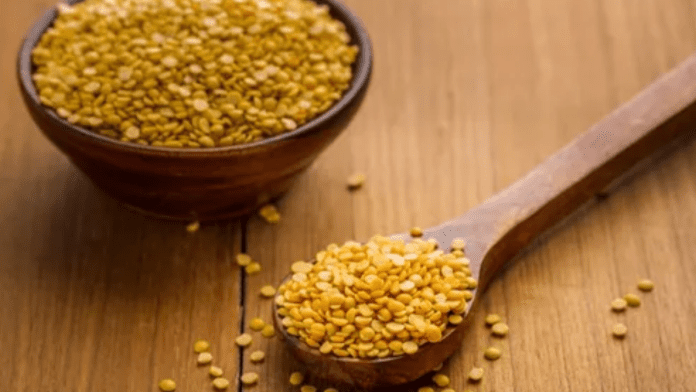
The government plans to enhance its tur dal procurement substantially, aiming to raise the acquisition from a few metric tonnes to approximately 8-10 lakh metric tonnes (LMT). This strategic initiative, disclosed by a senior official, seeks to manage commodity prices amidst a year characterized by a diminished pulse acreage and an expected decline in production.
According to government data, the nationwide retail price of tur dal surged by more than 40%, escalating from INR 112 per kg last year to INR 158 per kg this year.
In October, the year-on-year retail inflation for pulses surged to 18.79%, primarily driven by a significant increase in the prices of tur, chana, and moong. This contrasts with the 6.61% food inflation recorded in the same month. Notably, these inflationary pressures persist despite the government’s initiative to boost imports from African nations and Burma by eliminating the import duty on tur in March.
The official, who preferred not to be identified, mentioned that the procurement will take place through the Price Stabilisation Fund (PSF) at market rates, which are significantly higher than the minimum support price (MSP).
The acquisition will be carried out directly from farmers by the procuring agencies, namely the National Agricultural Cooperative Marketing Federation of India (NAFED) and the National Cooperative Consumers’ Federation of India Limited (NCCF). This process will commence at the onset of the season when the kharif crop begins to enter the market, as mentioned by the official.
The initial advance estimate released by the Ministry of Agriculture and Farmers’ Welfare in October indicates that this year’s tur production is projected to be 34.21 LMT, slightly lower than the output recorded in the previous year.
“This will send a message to the farmers that there is a definite buyer in the market, encouraging them to plant more tur in the years to come,” the official said, adding that an increase in area will eventually help in reducing import dependence.
Countries such as Mozambique and Burma, due to their heavy dependence on imports, are influencing terms and causing disruptions in the supply of dal, a widely consumed pulse in the country.
A reduction in the acreage dedicated to tur during the kharif season resulted in a production shortage, contributing to food inflation in recent months. According to government data, the area allocated for tur decreased from 46.13 lakh hectares on September 29, 2022, to 43.87 lakh hectares on September 29, 2023.
We use cookies to ensure that we give you the best experience on our website. If you continue to use this site we will assume that you are happy with it.