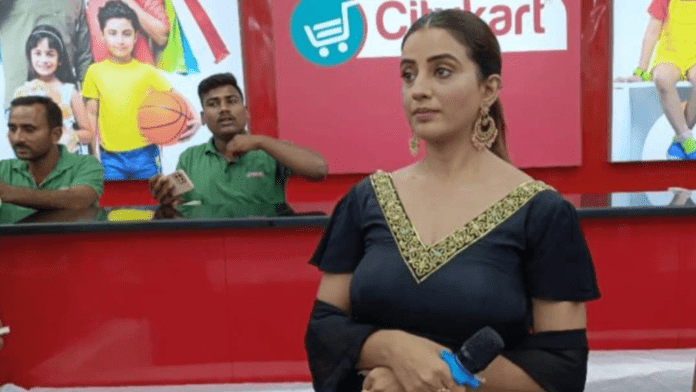
Citykart, a leading value fashion retailer in India specializing in family fashion across tier-II, tier-III, and tier-IV cities, proudly announces the appointment of Bhojpuri sensation Akshara Singh as the face of their 100th shopping mall in Bettiah, Bihar. Known for her roles in films like “Tabadala,” “Shubh Ghadi Aayo,” and “Dabang Damad,” Akshara Singh brings a touch of glamour to the celebration.
Citykart has continuously broadened its retail footprint throughout Northern India, reiterating its dedication to delivering budget-friendly and fashionable family attire. The inauguration of the 17,000 sq. ft store in Bettiah represents a substantial stride for the brand, symbolizing a noteworthy milestone in its journey since 2016.
With the objective of becoming a central hub for fashion and style, this extensive store provides a varied selection of clothing, accessories, and household items. As Citykart persists in its upward trajectory, this landmark establishment in Bettiah, the second in the city and the 35th in Bihar, underscores the brand’s commitment to ensuring fashion is within reach for everyone.
Vikas Jodhani, Cluster Manager, Bihar, Citykart Retail said, “Opening our largest-ever shopping mall in Bettiah is a moment of pride. It showcases our rapid expansion and our commitment to bringing fashionable and affordable clothing to residents of tier-II, tier-III, and tier-IV cities in Northern India.”
Akshara Singh, reflecting on her association with Citykart, said, “Being part of Citykart’s milestone moment in Bettiah, Bihar, is an honor. The brand’s commitment to affordable and stylish family fashion resonates with me. I invite everyone to explore Citykart’s wide range of fashion and join in the joy of fashion with the Bettiah community.”
Transforming into a preferred destination for festive and wedding shopping, Citykart Retail launches enticing promotions alongside a winter collection. Striving to attain noteworthy sales figures during the festive season, the brand plays a pivotal role in generating employment for 700-1000 individuals, experiencing substantial growth in tier-II, tier-III, and tier-IV cities.
Livpure has reported a groundbreaking 70% growth in the E-commerce sector during the first six months of FY 24, solidifying its position as a premier choice among the top-branded water purifiers in India. This significant surge underscores Livpure’s unwavering commitment to excellence and consumer satisfaction, showcasing its resilience and resonance in the market.
During the festive season, Livpure has achieved an impressive 50 percent overall growth in the first half of the financial year, showcasing the brand’s strong presence in the market. The notable accomplishment in the E-commerce sector, encompassing Water Purifiers and Sleep-related products, emphasizes Livpure’s ability to address the changing needs of online consumers seeking quality-driven solutions.
General Trade also achieved significant success, with a robust 40 percent growth, further strengthening Livpure’s broad appeal. The Chimney range, introduced just three months ago, quickly attained a top-four position on Flipkart, highlighting its rapid acceptance among consumers. During the festive sale, Livpure secured the No. 1 volume position among branded water purifiers, emphasizing its dominant market presence and the trust consumers have in the brand.
Rakesh Kaul, Managing Director for Livpure, stated, “The festive season has always been a crucial period for us, and this year’s outstanding 70 percent growth in the E-commerce sector validates the trust consumers place in Livpure. Our strategic focus on delivering quality water purifiers and related products has resonated well with customers, reflecting in our robust performance across multiple segments.”
Livpure’s commitment to innovation, quality, and customer satisfaction remains a driving force behind its rise in the market. As the brand widens its product portfolio and reinforces its presence across diverse channels, Livpure remains steadfast in delivering dependable water purification solutions to consumers.
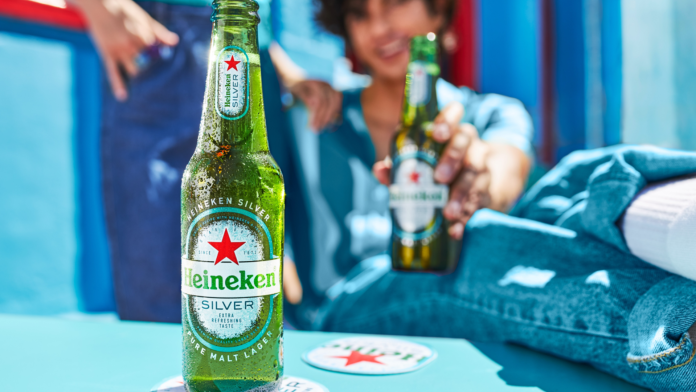
United Breweries, a significant beer manufacturer and a subsidiary of the Amsterdam-based HEINEKEN group, is launching Heineken Silver Draught Beer in India.
For the first time, Heineken is launching draught beer in the Indian market, with the aim of providing consumers a premium, smooth-tasting beverage tailored for social occasions.
During the first launch phase, Heineken Silver Draught Beer will be accessible in upscale bars and pubs throughout Mumbai, Thane, and Pune in Maharashtra. There are plans for expansion into Karnataka in the fiscal year 2024.
“We are thrilled to introduce Heineken Silver Draught Beer to the discerning consumers in India, aligning with our commitment to cater to evolving preferences. In response to consumer insights, we recognise the demand for a superior and refreshing beer experience,” said Vivek Gupta, MD and CEO, United Breweries Ltd , a part of the HEINEKEN company.
Heineken Silver, a malt brew made entirely from natural ingredients, delivers a pleasantly refreshing, smooth, and easily enjoyable lager featuring a crisp, subtle finish. This particular variant has already received significant acclaim in our international markets, and we are confident that it will strike a chord with the emerging generation of beer enthusiasts in India, he emphasized.
Formulated by experienced master brewers using exclusively natural ingredients, including Heineken’s A-yeast and 100 percent malt, Heineken Silver Draught Beer features the freshest and smoothest taste. The company asserts that this guarantees an elevated drinking experience, providing discerning consumers with an unparalleled, perfectly balanced blend of taste and freshness.
Jacqueline Van Faassen, Head of International Premium Portfolio at Heineken India, said, “The introduction of Heineken Silver Draught Beer in India marks a significant expansion of our product portfolio, offering consumers a unique and refreshing world class drinking experience deeply rooted in Heineken’s brewing legacy and expertise.”
The stocks of the foodtech giant Zomato experienced a notable rally, climbing over 4% to reach the day’s peak at INR 119 on the BSE during Wednesday’s session. This surge propelled the company’s market capitalization beyond INR 1 lakh crore.
Zomato witnessed a surge in its shares following a trading activity where the company’s stocks were transacted at an average price of INR 112 per share, resulting in a total transaction value of INR 3,326 crore.
The participants involved in the transaction, including both buyers and sellers, remain unknown at this time.
Nevertheless, according to reports, Alipay Singapore Holding, a subsidiary of the Chinese e-commerce giant Alibaba’s affiliate, Ant Group, was exploring the sale of its complete 3.44% stake in the online food delivery company through a block deal.
Zomato shares began trading with a 2% increase, opening at INR 116.15 compared to the previous day’s closing price of INR 113.80 on the BSE following the block deal buzz.
In recent months, Zomato witnessed foreign institutional investors (FIIs) selling stakes as the one-year lock-in period for investors who obtained shares through the company’s initial public offering (IPO) came to an end.
Last month, it was reported that Japanese tech investor SoftBank planned to offload a 1.1% stake in Indian foodtech major Zomato for at least INR 1,023.6 crore ($123 million). In August, the tech investor sold 1.16% of its stake in the foodtech major for a cumulative sum of INR 947 crore.
In August, investment firm Tiger Global also exited the foodtech giant Zomato by selling 12.24 crore shares worth INR 1,123 crore, amounting to a 1.44% stake.
Zomato reported its second consecutive profitable quarter, with profit after tax surging to INR 36 crore during the September quarter of the financial year 2023-24 (FY24). This was an 18-fold increase from PAT of INR 2 crore in the preceding quarter.
Meanwhile, Zomato and Swiggy, the duo, reportedly received notices for a cumulative goods and services tax (GST) worth around INR 1,000 Cr, which is the 18% tax levied on the total amount collected by them as delivery fees ever since they started offering food delivery services.
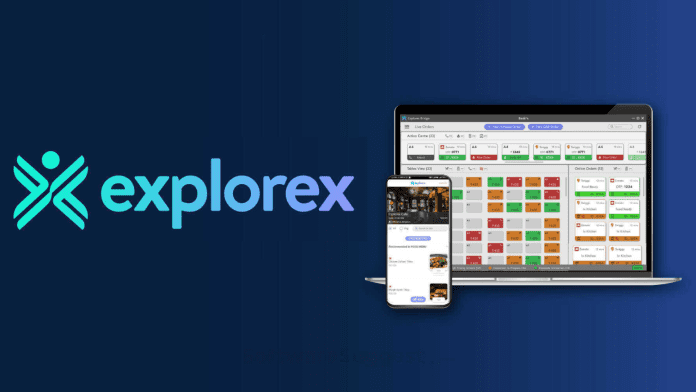
In the dynamic landscape of the restaurant industry, where innovation is the key to survival, Explorex has emerged as a trailblazer, reshaping the dining experience for both businesses and consumers. Founded in 2020 by a visionary team led by Mainak Sarkar, Explorex has quickly become a force to be reckoned with, providing a comprehensive, cloud-based software solution that addresses the evolving needs of the restaurant sector.
Mainak Sarkar, Co-Founder, Explorex
Bridging the Gap: From Eatables to Explorex
The journey of Explorex began with the launch of Eatables, an early foray into enhancing the restaurant dining experience through QR codes. Despite facing challenges during the onset of the COVID-19 pandemic, the setback became a catalyst for Explorex’s evolution. Mainak Sarkar reflects on the experience, stating, “The closure of Eatables deepened our insight into the industry, allowing us to pinpoint the underlying issues we aimed to resolve.”
In 2020, Explorex was launched, building on the lessons learned from the earlier venture. The company’s mission revolves around democratizing technology and providing innovative tools for more efficient business operations in the hospitality sector. Backed by notable investors, including Y Combinator, Super Angels, Twitch, and Fitbit, Explorex has witnessed remarkable growth, boasting a 115% increase in Gross Merchandise Value (GMV) processed between February 2023 and July 2023.
In the current business landscape, the absence of a comprehensive, cloud-based software solution has posed a significant challenge for restaurant owners. Explorex steps in to address this gap with an all-encompassing ecosystem that includes order management, operational supervision, online delivery coordination, secure payment processing, detailed reporting and analytics, guest identification, and re-engagement strategies.
Mainak Sarkar emphasizes, “The strength of Explorex lies in its unifying power, consolidating all critical functions into a single, user-friendly platform.” This holistic approach has led to a 40% decrease in table turnover times and a 30% upsurge in the average bill size. Explorex stands out by offering simplicity, modular flexibility, and seamless integration, setting it apart from other market players.
Competing in a Tech-Driven Landscape: Explorex’s Distinctive Strategy
In a competitive landscape where technology giants are making strides in the restaurant industry, Explorex distinguishes itself through a carefully crafted and proven business strategy. The company’s unique ecosystem approach seamlessly integrates essential tools required to operate a restaurant, catering to businesses of all sizes.
Mainak Sarkar notes, “Our commitment to continuous innovation drives us to consistently offer practical solutions to the operational hurdles experienced by our partners.” Explorex’s dedication to providing a reliable and comprehensive solution positions it as the preferred choice for brands seeking technological excellence in the market.
Explorex places a strong emphasis on risk mitigation and a customer-centric approach. Utilizing powerful data analytics, the company identifies and manages risks in the restaurant industry by examining market trends, consumer preferences, and operational performance. Real-time reporting and analytics empower restaurants to monitor key performance indicators and address concerns proactively.
Mainak Sarkar explains, “Explorex not only reduces risks for restaurant owners but also enhances the overall dining experience, ultimately establishing itself as the industry standard in restaurant innovation.”
Pricing Structure and Revenue Model: Prioritizing Restaurant Success
Explorex adopted a unique pricing strategy, initially not charging for its SaaS products and later redesigning its approach to make the product available at a low price. The upfront setup cost, combined with a per-transaction Merchant Discount Rate (MDR), reflects Explorex’s commitment to aligning pricing with the restaurant’s business activities, making the services both reasonable and directly related to success.
Expanding Presence: From Metro Cities to Tier 2 and Tier 3 Markets
While Explorex is headquartered in Bangalore, its impact extends beyond metro cities to Tier 2 and Tier 3 markets. Mainak Sarkar highlights the company’s significant presence in cities like Bangalore, Mumbai, and Chennai, and its growing traction in non-metro cities like Vellore and Kargil. The company is strategically testing the waters in Goa to explore compatibility with its services.
With a remarkable GMV growth rate of 115%, Explorex aims to rapidly expand its presence across both metro and non-metro cities, catering to the diverse needs of restaurants across India.
Future Vision: Explorex’s Role in Shaping the Industry
As the restaurant industry evolves, Explorex envisions a future centered around customer-centricity, personalization of the dining experience, and a focus on health and sustainability. Mainak Sarkar predicts, “Technology is one way that restaurants may personalize the eating experience,” emphasizing the role of data analytics and machine learning in helping restaurants optimize operations and improve offerings.
Explorex aims to be at the forefront of this technological integration, helping restaurants analyze data on customer behavior and sales to make informed decisions. The company positions itself as a key player in driving the industry toward greater innovation, sustainability, and customer satisfaction.
Looking ahead, Explorex’s ultimate goal is to be ubiquitous, sharing the burden of the majority of restaurants in the country. With plans to extend operations across India, raise payment volumes, and implement a reliable acquisition strategy, Explorex aims to solidify its market position as a leader in restaurant innovation.
Mainak Sarkar shares, “Between February 2023 and July 2023, the total GMV handled climbed by about 115%, making us one of the restaurant industry’s fastest-growing companies.” Explorex’s commitment to constant innovation and addressing the evolving needs of restaurant owners positions it as a driving force in shaping the future of the restaurant industry.
In recognition of its groundbreaking technology, Explorex has already won the Times Business Award for “Best Ecosystem Solution in the Restaurant Industry,” solidifying its position as a key player in the industry.
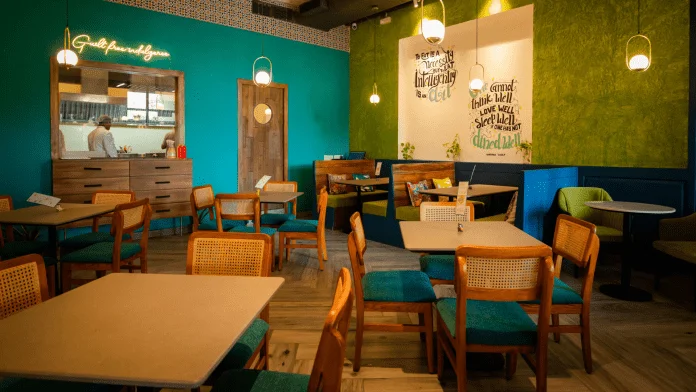
In the vibrant tapestry of India’s culinary scene, where flavors dance and aromas entice, one restaurant stands out for more than just its delectable dishes. Getafix, a premium casual dining establishment, isn’t just about satisfying appetites; it’s a conscious effort to redefine the dining experience by blending gourmet delights with health-conscious choices.
For Dhruv Chawla, the visionary founder behind Getafix, the journey began with a simple yet profound realization – the ubiquitous post-meal guilt experienced after relishing restaurant fare. Despite a shared love for dining out within his family, this lingering concern sparked the idea that would eventually become Getafix. Positioned as a premium casual dining venue, the restaurant’s ethos revolves around crafting delicious continental world cuisine with a health-conscious twist, encapsulated perfectly in its tagline: “Guilt-Free Indulgence.”
Dhruv Chawla, Founder, Getafix
Getafix identified a prevalent gap in the market – the post-dining guilt experienced by many. This gap was not merely a business opportunity but a chance to make a positive impact on people’s lives. The response from customers has been overwhelmingly positive, with a repeat customer ratio that surpasses industry standards. In the span of eight years, Getafix has thrived, with plans for further expansion on the horizon.
Protein-Packed Menus: Getafix’s Answer to India’s Dietary Concerns
One of the major diet concerns in India is protein deficiency. Many Indians today face the problem of inadequate protein intake, primarily due to poor dietary choices rather than the perceived unavailability of resources. This is where Getafix comes into play!
At Getafix, meticulous attention is devoted to the composition of each dish, ensuring optimal macro proportions. Every culinary creation is thoughtfully crafted with a well-balanced mix of protein, carbohydrates, fats, and fibers. With a focus on lean protein sources, Getafix excludes red meat due to its cholesterol levels, offering alternatives such as chicken breast, fish, prawns, cottage cheese, and tofu to cater to a diverse range of dietary preferences. The intention is to spare customers the inconvenience of calculating macros and calories, inviting them to relish flavorful meals from Getafix without guilt.
Sweet Indulgences without the Guilt: Getafix’s Healthy Dessert Delights
Desserts at Getafix are a testament to the restaurant’s commitment to health-conscious dining. By eschewing refined sugar and flour, and incorporating alternatives like jaggery and whole-wheat flour, Getafix ensures that even the sweetest indulgences align with the guilt-free concept. Gluten-sensitive patrons can also savor guilt-free options crafted from oats.
Embracing the Plant-Based Trend
As plant-based diets gain popularity, Getafix has embraced the trend with a diverse array of vegan and plant-based options across its menu. Vegan salads, burgers, sandwiches, bowl meals, and gluten-free pasta options ensure that plant-based enthusiasts have a variety of choices. The menu is transparent, clearly marking vegan dishes and offering customization options to align with individual preferences.
Quality Sourced, Farm-to-Table Excellence
Ensuring a consistent supply of high-quality, protein-rich ingredients is a cornerstone of Getafix’s commitment to healthier dining. The restaurant has forged strong partnerships with vendors known for providing top-notch and consistent products. From vegetables to poultry, all ingredients are sourced from trusted suppliers, reflecting Getafix’s dedication to delivering excellence in every aspect of its offerings.
Next on the Menu: Getafix’s Ambitious Expansion Plans
With three successful outlets under its belt, Getafix is gearing up for further expansion. Seeking funds for a new venture, the plan is to introduce Getafix in smaller, more accessible formats within the affordable casual dining space. The vision includes strategic locations in high-end office complexes, malls, and bustling high streets, starting with 8-10 outlets in Delhi/NCR and expanding to other promising markets across India.
As Getafix prepares to bring its unique dining experience to a broader audience, the journey continues – a journey fueled by a commitment to crafting a healthier and more mindful approach to dining out.
This year, the prices of new season basmati rice in India have experienced a notable increase, driven by strong demand from leading buyers in the Middle East and Europe. As a result, bulk purchasers in wholesale grain markets are now paying 10% to 15% higher prices compared to the previous year.
The recent reduction in the floor price for basmati rice exports from $1,200 per ton to $950 per ton has sparked a surge in export contracts. This increase in demand has led to higher prices in the wholesale markets of major grain-producing states, according to farmers.
This month, Reuters reported that India has signed contracts to export around 500,000 metric tons of new season basmati rice, highlighting the brisk overseas sales of this premium aromatic variety.
The wholesale prices of a leading variety of basmati rice have surged to approximately 50,000 rupees ($599.93) per ton, marking an increase from 45,000 rupees per ton the previous year, as stated by Sukrampal Beniwal, a basmati rice grower from the northern state of Haryana.
He mentioned that prices for certain other varieties have reached 46,000 rupees per ton, compared to the previous year’s rate of 40,000 rupees.
“Rice millers and exporters are flocking to wholesale markets to buy basmati from us to meet their export obligations and it looks like demand is likely to be strong,” Beniwal said.
According to the most recent survey conducted by Local Circles, a consultancy based in New Delhi, households, particularly in urban areas, are allocating 20% to 40% higher expenditures on their consumption of basmati rice.
Every year, India exports over 4 million tons of basmati, a premium long-grain variety renowned for its aroma, to countries such as Iran, Iraq, Yemen, Saudi Arabia, the United Arab Emirates, and the United States, among others.
Rice also holds a substantial market share in Europe.
In July, India implemented a restriction on the export of non-basmati white rice to stabilize domestic prices. Subsequently, a minimum floor price was established for basmati rice exports.
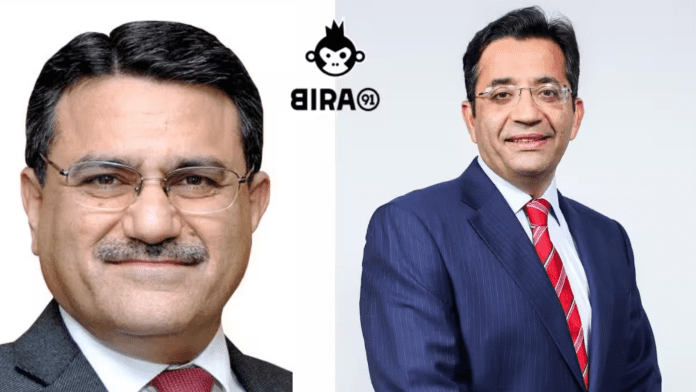
B9 Beverages Ltd, the parent company of the beer brand Bira 91, has appointed Manoj Kohli, former head of SoftBank India, and Bharat Anand, a partner at Khaitan & Co., as independent directors to its board.
Bira91 anticipates harnessing the extensive global business expertise of the newly appointed directors to support its business expansion both in India and internationally. Additionally, the company aims to enhance its corporate governance through their contributions.
As the former Managing Director and CEO of Bharti Airtel, Kohli played a key role in advising SoftBank on its portfolio startups, including Ola, Paytm, Lenskart, Snapdeal, and WeWork, according to a statement by Bira91. Presently, he holds positions on the boards of notable companies such as WeWork India and Triveni Engineering. Furthermore, he serves as a senior advisor for Deloitte India and Masters’ Union.
On the other hand, Anand, serving as the partner and office head at Khaitan & Co., contributes his expertise as a corporate lawyer. In additional capacities, he plays a role as a member of the national executive committee of FICCI and is actively involved in CII’s Committee on Transparency and Governance.
Commenting on the new appointments, Bira91’s founder and CEO Ankur Jain said, “We are at an important inflection point as a business, and as we continue on our journey of high growth, we would want to ensure that we develop a business that has long-term sustainability, improved risk management and increased quality of corporate governance. With Manoj’s and Bharat’s experience, I am sure we will be able to strengthen Bira 91 considerably on these aspects.”
The decision is likely a strategic step by Bira91 to enhance its board, aligning with its intention to go public. Last year, the startup transitioned into a publicly traded entity.
Established in 2015 by Ankur Jain, Bira 91 asserts that it distributes its beer in over 550 towns and cities, spanning across 18 countries. The startup maintains its position as the fourth-largest beer company in India.
With support from Kirin Holdings, MUFG Bank, Sofina of Belgium, and Peak XV Partners, Bira91 completed the acquisition of The Beer Cafe last year. In March, it secured $10 million in funding from MUFG.
In FY23, the net loss increased by 12% to INR 445.4 crore compared to INR 396 crore in the preceding fiscal year, while the operating revenue witnessed a 15% year-on-year growth, reaching INR 824.3 crore.
Chinese payments group Alipay is reportedly planning to divest its entire 3.44% stake in the foodtech major Zomato through block deals, with an approximate value of $400 million.
According to sources cited by Reuters, the advisory roles for the deal are held by Bank of America and Morgan Stanley, and the transaction is expected to be carried out later this week.
The development comes as Zomato’s shares experience a significant upswing in the wake of the company turning profitable over the last few months. In total, the shares have surged by over 90% so far this year.
The transactions are purportedly scheduled to be completed at INR 111.28 per share, representing a 2.2% discount to Zomato’s closing price on Tuesday (November 28). The company’s shares concluded today’s trading session at INR 113.8 on the BSE.
Around the same time last year, Alipay divested nearly half of its Zomato stake, equivalent to 26.3 crore shares valued at INR 1,631 crore, in a bulk deal. Presently, the company retains 29.6 crore shares in Zomato, and it is anticipated that these remaining shares will be entirely liquidated.
In 2018, Alipay made an initial investment of $360 million in the Indian foodtech major, holding a total of 77.7 crore shares. In preparation for Zomato’s IPO in July 2021, Alipay divested 21.8 crore shares.
The recent development coincides with a period in which several Chinese investors have been divesting their holdings in publicly listed Indian companies. This trend is attributed to the ongoing border tensions between New Delhi and Beijing, leading to increased scrutiny of Chinese investors in India.
In August of this year, Antfin offloaded a 10.3% stake in Paytm, a transaction subsequently acquired by Vijay Shekhar Sharma, the founder, and CEO of the fintech giant.
Meanwhile, numerous international investors have been divesting their holdings in listed Indian startups such as Zomato and Paytm, capitalizing on the surge in value seen in new-age tech stocks this year.
As SoftBank continues to divest its holdings in Zomato and Paytm, Berkshire Hathaway, led by Warren Buffett, recently exited Paytm by selling its complete 2.46% stake in the company last week.
The combination of data-driven insights and omni-channel strategies has emerged as a powerful force reshaping the way businesses engage with their audience. In an era where consumer expectations are soaring, and competition is fierce, mastering the art of targeted engagement has become imperative. This has propelled companies towards adopting comprehensive, data-driven omni-channel approaches to not only meet but exceed customer expectations.
The Data-Driven Advantage: Unlocking Consumer Insights
At the heart of this transformative journey lies the treasure trove of data. Companies are now harnessing the power of advanced analytics and artificial intelligence to derive meaningful insights from the vast pools of information generated by consumers. Understanding customer behavior, preferences, and purchasing patterns has never been more critical.
Through sophisticated data analysis, businesses can create detailed customer profiles, allowing for a more personalized and targeted approach. This, in turn, enhances the effectiveness of engagement strategies across all channels. From online platforms to physical stores, every interaction becomes an opportunity to provide a tailored experience that resonates with the individual consumer.
Omni-Channel Integration: A Seamless Customer Journey
The omni-channel approach goes beyond merely having a presence across multiple channels; it’s about creating a cohesive and seamless experience for the customer. Whether a consumer starts their journey on a mobile app, transitions to a website, and then makes a purchase in-store, the experience should be fluid and consistent.
Data-driven insights play a pivotal role in achieving this seamlessness. By understanding how customers move across various channels, businesses can optimize each touchpoint for maximum impact. For instance, if a customer frequently browses products on a mobile app but tends to make purchases in-store, a well-crafted strategy can be implemented to encourage app usage and provide incentives for in-store visits.
Personalization at Scale: The Power of Data
One of the most significant advantages of leveraging data for omni-channel excellence is the ability to deliver personalized experiences at scale. As customers become increasingly discerning, generic, one-size-fits-all approaches fall short. With data-driven insights, businesses can tailor their messaging, promotions, and recommendations to align with each customer’s unique preferences.
Imagine receiving a promotional email that not only showcases products based on past purchases but also incorporates browsing history and wishlist items. This level of personalization not only captures attention but also enhances the likelihood of conversion. Through data-driven personalization, companies can create a sense of individualized attention, fostering a stronger connection between the brand and the consumer.
Predictive Analytics: Anticipating Customer Needs
In the quest for targeted engagement, predictive analytics emerges as a game-changer. By analyzing historical data and identifying patterns, businesses can anticipate customer needs and preferences. This forward-looking approach enables companies to stay one step ahead, offering products or services proactively rather than reactively.
For instance, a retail company could use predictive analytics to forecast which products will be in high demand during specific seasons. This allows them to optimize inventory levels, tailor marketing campaigns, and ensure that the right products are readily available when customers are most likely to seek them out. Predictive analytics transforms engagement from a responsive model to a proactive, customer-centric strategy.
Final Thoughts:
As technology continues to advance, the landscape of omni-channel engagement will evolve. The integration of emerging technologies such as augmented reality, virtual reality, and the Internet of Things will open new avenues for immersive and interactive customer experiences.
Furthermore, the rise of 5G technology will enhance connectivity, enabling even faster and more responsive omni-channel interactions. Real-time engagement, whether through personalized offers or instant customer support, will become a standard expectation.
The pursuit of omni-channel excellence through data-driven strategies is not just a business imperative; it’s a fundamental shift in how companies connect with their audience. The ability to harness the power of data to inform personalized, seamless, and anticipatory engagement strategies positions businesses at the forefront of customer-centric innovation. As technology continues to evolve, the companies that thrive will be those that not only adapt to change but actively shape the future of customer engagement through the convergence of data and omni-channel excellence.
We use cookies to ensure that we give you the best experience on our website. If you continue to use this site we will assume that you are happy with it.