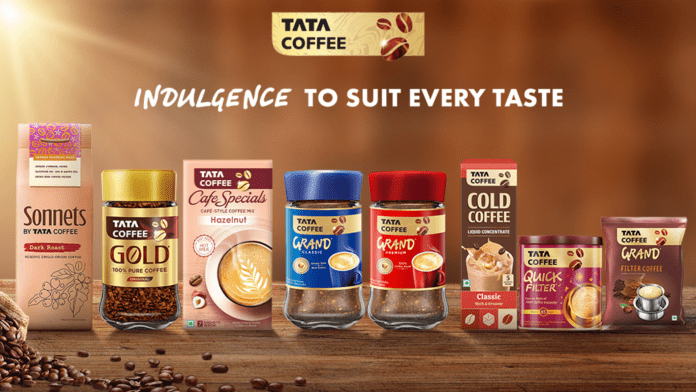
On Friday, Tata Coffee Ltd (TCL) announced that the National Company Law Tribunal (NCLT) in Kolkata has granted approval for the merger of TCL with Tata Consumer Products and TCPL Beverages & Foods. In a regulatory filing, Tata Coffee disclosed that the NCLT, Kolkata Bench, issued the order approving the scheme of arrangement on November 10, 2023.
The filing mentioned that the company obtained a copy of the order on December 1, 2023.
The proposal for this merger aims to streamline management and operational structures, fostering increased efficiencies and the creation of synergies, as emphasized in the statement.
Currently, Tata Coffee is actively involved in the global consumer product business, boasting a diverse food and beverage portfolio. The primary focus of TCL and its subsidiaries revolves around instant coffee extraction, branded coffee, and plantation activities.
On Friday, TCL shares concluded the trading session with a 0.68% increase, reaching INR 279.75 per share on the BSE.
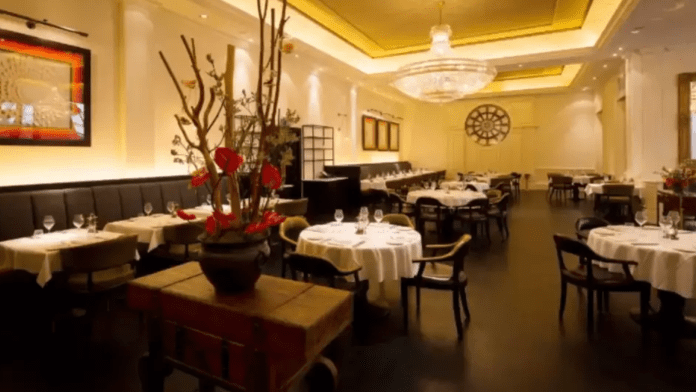
Taj Hotel’s Bombay Brasserie, the exclusive restaurant brand of an Indian hotel currently with a standalone presence abroad, is set to open in Singapore within a week. Presently located in central London, close to Taj’s St James Court hotel near Buckingham Palace and St James’ Park, this will mark the second standalone Bombay Brasserie in a new international location, as announced by Suma Venkatesh, Executive Vice President (Real Estate & Development) of Taj’s parent company, Indian Hotels Company Ltd (IHCL).
Many years ago, ITC’s celebrated Bukhara enjoyed a standalone presence in a few western locations. However, those establishments eventually closed their doors. Fast forward to the present, and Taj’s Bombay Brasserie has emerged as the exclusive restaurant brand associated with an Indian hotel, boasting a standalone presence beyond India’s borders. This culinary gem brings to the table the diverse flavors of Mumbai, drawing inspiration from Parsi, Goan, Bengali, Gujarati, Portuguese, and Raj cuisines, making it a unique and vibrant dining experience.
“Our other restaurant brands are travelling within the group. As of now we don’t have plans to open standalone units of our restaurant brands other than Bombay Brassiere outside of out hotels in India or abroad,” Venkatesh said.
The group’s renowned restaurants such as Machan, Shamiana, and House of Ming, initially established at a single location, are now expanding to other Taj properties, both within India and internationally.
“A House of Ming (housed at Taj Mahal in Delhi) is opening in our properties in London and Jaipur. Shamiana (Taj Mahal Palace, Mumbai) has travelled to Dubai. Bengaluru’s Taj West End now has a Machan (of Taj Mahal, Delhi). Bombay Brasserie, which is in London and Dubai, will also open at San Francisco. And Varq (of Taj Mahal, Delhi) has opened at our new property in Dubai,” shared a senior Taj official in a statement last October.
The group is broadening its reach with the home delivery brand Qmin, initiated during the Covid era. Integrated into all its lean luxe Ginger hotels, each establishment will now host a restaurant bearing the name Qmin.
Data isn’t just a buzzword; it’s a treasure trove waiting to be unlocked. For brands seeking explosive growth, the journey from data to dollars involves more than just collecting numbers. It requires a strategic blend of analytics and artificial intelligence (AI) – a dynamic duo capable of turning raw information into actionable insights that pave the way for unparalleled brand expansion. Let’s delve into the alchemy of transforming data into dollars and unlocking the potential within.
Data as the North Star: The Foundation of Strategic Growth
The road to explosive brand growth begins with a comprehensive understanding of the data landscape. Smart brands treat data not as a byproduct but as the guiding North Star, illuminating the path toward informed decision-making. By leveraging analytics tools to dissect customer behavior, market trends, and internal processes, brands gain the insights needed to identify opportunities and obstacles on the road to success. And when it comes to data we know that AI steps into the spotlight, empowering brands to predict future trends and consumer behavior. Machine learning algorithms analyze vast datasets, uncovering patterns and anomalies that human analysis might overlook. The ability to anticipate market dynamics positions brands ahead of the curve, enabling them to seize opportunities before they become mainstream.
Further, explosive growth hinges on customer loyalty, and personalization is the key to winning hearts. AI algorithms, fueled by data insights, enable brands to create hyper-personalized experiences. From targeted marketing campaigns to tailor-made product recommendations, brands that speak directly to individual preferences forge stronger connections. The result? Satisfied customers who not only return but also become vocal advocates, fueling the brand’s growth organically.
Apart from that, the journey from data to dollars isn’t confined to customer interactions. Internal processes play a pivotal role. AI-driven analytics optimize operations by identifying inefficiencies, automating repetitive tasks, and streamlining workflows. From supply chain management to customer service, brands that prioritize operational efficiency maximize their resources, paving the way for sustainable growth.
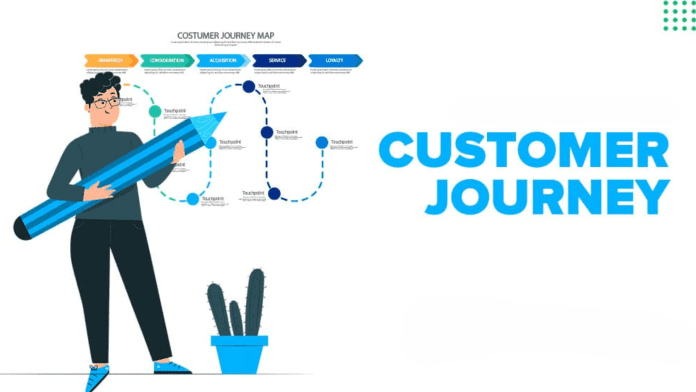
Understanding the customer journey is a cornerstone of brand growth. Analytics and AI collaborate to map the entire lifecycle – from the first point of contact to post-purchase engagement. By dissecting each stage, brands gain insights into pain points, preferences, and moments of opportunity. This comprehensive view empowers brands to craft targeted strategies that guide customers seamlessly from awareness to advocacy.
AI-driven analytics enable real-time responsiveness to market changes. Whether it’s adjusting marketing strategies based on emerging trends or fine-tuning campaigns in response to customer feedback, brands that harness the power of data and AI remain agile and adaptive. This dynamic approach ensures sustained growth even in the face of ever-evolving market dynamics.
Monetizing Insights: Turning Knowledge into Revenue
The ultimate destination in the journey from data to dollars is the art of monetizing insights. Brands that transform data-driven insights into actionable strategies position themselves to capitalize on market opportunities. Whether it’s launching innovative products, entering new markets, or refining existing offerings, the ability to turn knowledge into revenue is the hallmark of explosive brand growth.
The alchemy of turning data into dollars requires a strategic marriage of analytics and AI. From laying the foundation with data-driven insights to predicting market dynamics, personalizing experiences, optimizing operations, unveiling the customer journey, adapting in real-time, and ultimately monetizing insights, this transformative journey is the roadmap to explosive brand growth. In the era where information is power, brands that master this alchemy hold the key to unlocking unparalleled success.
Competition today is like a crowded marketplace where new brands emerge like shooting stars. The ability to communicate effectively is the secret sauce that propels some to stardom while others fade into the background. For emerging brands, cultivating curiosity is not just a strategy; it’s an essential skill that can turn casual observers into devoted followers. Let’s explore the art of communication and the techniques that can give rising brands the curious edge they need.
Every brand has a story, but not all stories are created equal. Crafting a compelling narrative that transcends the product or service is the first step in capturing attention. Emerging brands need to delve into the roots of their existence, unearth the passion that drives them, and weave a story that resonates with the audience on a deeper, emotional level. A well-told brand story is the gateway to curiosity.
First things first, humanizing the brand involves showcasing the people, passion, and personality behind the logo. Whether through behind-the-scenes glimpses, employee spotlights, or candid moments, revealing the authentic face of the brand fosters a connection that goes beyond transactions and transforms casual onlookers into invested advocates.
A picture is worth a thousand words, and in the world of emerging brands, visual communication is non-negotiable. Investing in a cohesive visual identity, from logos to social media content, creates a visual language that speaks volumes about the brand’s personality. Eye-catching visuals not only capture attention but also serve as a silent invitation for curious minds to explore further.
Further communication is not a monologue; it’s a dialogue. Emerging brands that actively engage with their audience, whether through social media, live events, or interactive content, create a sense of involvement. Encouraging conversations, responding to feedback, and involving customers in the brand’s evolution not only builds trust but also sparks curiosity about what comes next.
Apart from that, Curiosity thrives in the presence of mystery. Emerging brands can strategically use teasers, sneak peeks, and tantalizing glimpses to pique curiosity. Creating an air of anticipation keeps the audience on their toes, eagerly awaiting the next chapter in the brand’s story. The art lies in finding the balance between revealing enough to captivate interest and holding back to maintain an aura of intrigue.
Collaborative Storytelling: Involving the Audience
The most successful brand stories are the ones co-authored with the audience. Emerging brands can tap into the power of user-generated content, testimonials, and collaborative campaigns. Involving customers in the storytelling process not only strengthens the brand’s connection with its audience but also showcases a genuine appreciation for the community that surrounds it.
Communication is not static, especially for emerging brands navigating the ever-evolving landscape. Staying curious about industry trends, customer preferences, and cultural shifts is essential. Adapting communication strategies to remain relevant ensures that the brand’s message continues to resonate and capture the ever-curious minds of its audience.
The journey of an emerging brand is not just about what it offers but how it communicates that offering to the world. By cultivating curiosity through compelling stories, authentic humanization, visual allure, interactive engagement, mystery, collaborative storytelling, and adaptability, emerging brands can carve a unique space in the hearts and minds of their audience. In the realm of communication, the curious edge is the key to unlocking lasting connections and sustained success.
As the less glamorous sibling of the initial transaction, the post-purchase phase is frequently disregarded in the dynamic dance between businesses and consumers. But insiders know that the real magic happens beyond the honeymoon period. Developing a relationship that lasts past the initial sale is an art form as well as a strategy that sets exceptional businesses apart from the rest.
However, the journey doesn’t end at the checkout counter – in fact, that’s just the beginning. Smart businesses recognize that post-purchase engagement is a golden opportunity to deepen connections, foster loyalty, and transform one-time buyers into lifelong advocates. The true value lies in the ability to create an ongoing relationship that transcends the transactional, turning customers into brand enthusiasts. Generic thank-you emails are so last season. In the age of personalization, consumers crave tailored experiences that speak to their individual needs. Businesses that invest in customized follow-ups, whether through personalized emails, exclusive offers, or thoughtful post-purchase surveys, demonstrate a commitment to understanding and serving their customers on a personal level.
Power of Unpredictability!
Who said surprises are reserved for special occasions? Injecting unexpected moments of joy into the post-purchase journey can leave a lasting impression. Whether it’s a surprise discount on their next purchase, a free sample of a new product, or an exclusive invitation to a VIP event, these delightful surprises not only showcase appreciation but also create a sense of anticipation for future interactions.
Social media platforms provide the perfect canvas for businesses to create spaces where customers can connect, share experiences, and become part of a larger narrative. By fostering a sense of belonging, businesses can transform their customers into a supportive community that not only buys products but actively advocates for the brand.
Anticipating Needs: Proactive Customer Support
Exceptional post-purchase experiences extend beyond the expected. Proactive customer support that anticipates and addresses potential issues before they arise showcases a dedication to customer satisfaction. By being one step ahead and providing solutions even before customers realize they need them, businesses can build trust and loyalty that withstands the test of time.
Loyalty programs are a staple in the post-purchase playbook, but not all are created equal. Going beyond mere point accumulation, successful loyalty programs engage customers through meaningful rewards, exclusive access, and personalized incentives. When done right, these programs become a two-way street where customers feel valued, and businesses gain loyal patrons who actively contribute to their success.
The Long-Term ROI of Post-Purchase Relationships
While the immediate focus of businesses often revolves around acquisition costs and short-term gains, the true return on investment lies in the long-term relationships forged after the purchase. A satisfied customer today can become a brand ambassador tomorrow, influencing others and contributing to a positive brand image that pays dividends over time.
The post-purchase phase is not the end but the continuation of a narrative between consumers and businesses. Those who master the art of post-purchase relationship building understand that sustaining love requires ongoing effort, personalized engagement, and a genuine commitment to the well-being and satisfaction of their customers. Beyond the initial transaction, lies a world of opportunity to create enduring connections that stand the test of time.
Offering food experiences to entice and engage prospects is an unconventional yet undeniably effective strategy that’s gaining traction in the lead generation space. Unlike traditional methods, this unique approach taps into the universal love of food, creating an avenue for meaningful connections and lasting impressions. With this in mind, businesses are constantly looking for new and creative ways to capture the attention of potential clients.
It’s no secret that food has the power to evoke emotions and create lasting memories. Leveraging this innate connection, businesses can turn the mundane act of lead generation into a memorable experience. Imagine a prospect receiving an invitation not just for a sales pitch, but for an exclusive culinary journey – a delightful blend of flavors and business insights. This tantalizing combination adds a layer of excitement and anticipation, making the entire process more appealing.
Crafting Experiences, Not Just Meals
Instead of a conventional meeting room, consider hosting a gathering at a trendy cooking class or a unique pop-up dining event. By integrating the culinary aspect into the lead generation process, businesses can create an immersive environment that fosters genuine connections. This not only captures attention but also establishes a positive association with the brand.
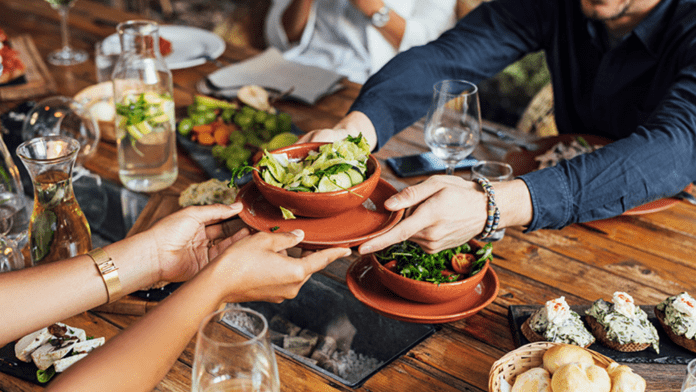
Apart from that, food experiences go beyond the immediate gratification of taste buds; they provide a platform for relationship-building. Breaking bread together has been a time-honored tradition for fostering connections, and the business world is no exception. Sharing a meal creates a relaxed setting where individuals can engage in authentic conversations, fostering a sense of camaraderie that can translate into long-lasting professional relationships.
Further, customizing culinary connections could really come in handy as one size does not fit all, and the same goes for culinary lead generation experiences. Tailoring events to cater to the specific preferences and dietary needs of potential clients showcases a commitment to personalization. Whether it’s a curated wine and cheese pairing or a hands-on cooking class, the goal is to create an atmosphere that resonates with the target audience. This personalized touch adds an extra layer of thoughtfulness that sets a business apart.
While traditional lead generation strategies focus on metrics and conversion rates, the success of culinary lead generation experiences goes beyond the numbers. The impact is measured in the quality of relationships cultivated and the long-term connections forged. It’s about creating a positive impression that extends beyond the initial interaction, turning leads into loyal clients and advocates.
Of course, implementing food experiences in lead generation is not without its challenges. Logistics, dietary restrictions, and varying preferences can pose hurdles. However, with meticulous planning and a creative mindset, businesses can overcome these obstacles and deliver memorable experiences that leave a lasting imprint on potential clients.
The fusion of business and gastronomy opens up a realm of possibilities for lead generation. By embracing the unconventional and offering food experiences, businesses can elevate their approach, creating a memorable journey that goes beyond the transactional. In the world of culinary connections, success is not just measured in leads generated but in the relationships nurtured and the bonds forged over shared meals and meaningful conversations.
Embarking on a journey with purpose is a mantra that resonates not just in life but also in the dynamic realm of marketing. As brands navigate the intricate landscapes of consumer preferences and behaviors, the concept of customer maps has emerged as a compass for crafting targeted and impactful marketing strategies. In this exploration, we’ll delve into the art of charting a purposeful journey through the intricacies of customer maps, uncovering the strategic goldmine they offer for brands seeking to forge deeper connections with their audience.
Mapping the Terrain: Understanding Customer Journeys:
Before delving into the nuances of targeted marketing, brands must embark on the foundational step of understanding customer journeys. This involves mapping out the various touchpoints a consumer encounters on their path to purchase, from initial awareness to the final decision-making moment. By dissecting these journeys, brands gain a holistic view of the terrain they navigate and can strategically position themselves at pivotal points.
Personas as Compass Points:
The journey begins with the creation of customer personas, detailed profiles representing different segments of the target audience. These personas serve as compass points on the customer map, each guiding brands toward a deeper understanding of the diverse motivations, preferences, and pain points that influence consumer decisions. With personas as the starting point, brands can tailor their marketing strategies to resonate with each distinct audience segment.
Plotting Emotional Landscapes:
Customer maps go beyond mere transactional touchpoints; they navigate emotional landscapes. Understanding the emotional highs and lows of the customer journey allows brands to tailor marketing messages that resonate on a deeper level. Whether it’s the excitement of discovery or the anxiety of decision-making, tapping into these emotions fosters a connection that transcends the transaction, creating lasting brand affinity.
Personalization: Navigating the Individual Journey:
One of the most powerful aspects of customer maps is their ability to guide brands in offering personalized experiences. Personalization is not a one-size-fits-all approach but a dynamic strategy that adapts to the unique journey of each consumer. By tailoring messages, promotions, and content to align with specific touchpoints in an individual’s journey, brands create a sense of relevance and connection.
Optimizing Touchpoints for Engagement:
The customer journey is a series of touchpoints, and optimizing these for maximum engagement is the key to a successful marketing strategy. Whether it’s enhancing the user experience on a website, refining the content of marketing emails, or creating seamless transitions between online and offline interactions, optimizing touchpoints ensures that every encounter leaves a positive impression.
Customer maps highlight strategic crossroads – the moments where decisions are made. These decision-making junctures are critical opportunities for targeted marketing. Whether it’s providing additional information, offering exclusive promotions, or addressing concerns, brands can strategically intervene to guide consumers toward favorable decisions.
Feedback Loops for Continuous Improvement:
The journey is not static; it evolves based on consumer feedback and market dynamics. Customer maps incorporate feedback loops that allow brands to continuously refine their strategies. By listening to customer opinions, analyzing data, and adapting to emerging trends, brands ensure that their journey remains dynamic and responsive to the evolving needs of their audience.
Navigating Multi-Channel Waters:
In an era where consumers seamlessly transition between online and offline channels, effective navigation requires a multi-channel approach. Customer maps help brands synchronize their efforts across various platforms, ensuring a cohesive and consistent experience. Whether a consumer engages on social media, explores products in-store, or interacts with a mobile app, the journey remains interconnected and coherent.
A Purposeful Expedition:
Embarking on a journey with purpose is not just a metaphorical voyage; it’s a strategic expedition that leverages the insights provided by customer maps. By understanding the diverse landscapes of consumer journeys, brands can craft targeted marketing strategies that resonate on a personal level. The art of utilizing customer maps is about more than reaching a destination; it’s about forging meaningful connections, creating memorable experiences, and navigating the ever-evolving terrain of consumer preferences with purpose and precision. As brands embrace this journey with purpose, the customer map becomes not just a navigational tool but a strategic partner in the pursuit of lasting brand-consumer relationships.
Subway Canada is gearing up to introduce a fresh peanut butter chocolate chunk cookie featuring Reese’s Pieces in celebration of National Cookie Day on December 4, 2023.
For a limited duration, the cookie will be accessible at all Subway establishments throughout Canada.
To enhance the National Cookie Day festivities, Subway Canada is also revealing its first-ever foot-long cookie, but for just one day.
Available strictly on a first-come, first-served basis, the foot-long cookie can be obtained at 127 Bremner Boulevard in Toronto starting at 1 pm on December 4th.
The nationwide release of the foot-long cookie, inspired by the brand-new Subway Series menu, is scheduled for a limited time across all Subway Canada stores in 2024.
Limited to one cookie per customer, individuals can experience the new chocolate chip foot-long cookie in three distinct flavors: the Green Goddess, the Little Italy, and the Great Canadian.
The Little Italy cookie, drawing inspiration from Subway Series #14, features a blend of ricotta and mini chocolate chips, complemented by a topping of strawberries, blueberries, raspberries, lemon juice, and icing sugar.
Taking inspiration from Subway Series #11, the Green Goddess cookie combines a chocolate chip base with a pistachio spread, adorned with green apple slices, shaved coconut, and a drizzle of caramel.
Inspired by Subway Series #1, the Great Canadian cookie is generously layered with caramel-maple spread and delightful blueberry jam, topped with butter tarts, pecans, and bacon.
Subway Canada chef John Botelho stated, “A cookie has always been the perfect pairing to a Subway Footlong.
“Subway is Canada’s cookie destination, and this year, we are giving Canadians even more cookie to enjoy, combining inspiration from fan-favourite Subway Series sandwiches with the delectable taste of our iconic chocolate chunk cookie, now made with chocolate chips.”
Subway Canada is currently offering a promotion until December 31, 2023. Customers who buy a $30 Subway Canada gift card, whether in-store or online, will receive six complimentary cookies.
Subway Canada unveiled its updated loyalty program, MVP Rewards, in September 2023.
EagleTree Capital, a private equity firm headquartered in the United States, has revealed its acquisition of Summit Hill Foods, a supplier specializing in cooking sauces and meal ingredients.
Established in 1941, Summit Hill Foods is a renowned food company recognized for its brands, including Better Than Bouillon, The Original Louisiana Brand Hot Sauce, and Better Than Gravy. Apart from its retail brand lineup, Summit Hill Foods functions as a solution provider with a focus on flavors and serves as an ingredient supplier to foodservice distributors, manufacturers, and restaurants.
Following EagleTree’s investment, the operational and management teams of Summit Hill Foods will remain unchanged. The firm notes that certain fund investors of EagleTree, including Misland Capital Limited, have also taken part in the investment.
Steve Goodyear, CEO of Summit Hill Foods, said, “Today, we embark on an exciting new chapter in the history of Summit Hill Foods and are absolutely delighted to join forces with EagleTree, whose vision and resources align seamlessly with our aspirations”.
“We see incredible opportunity for our brands Better Than Bouillon and The Original Louisiana Hot Sauce in addition to our custom bases and sauces business. EagleTree’s partnership will empower us to accelerate our growth and innovation, expand our market reach and continue providing high-quality products to our customers.”
Stuart Martin, partner at EagleTree, added, “We have been fans and customers of Summit Hill Foods’ products for a long time and are equally impressed by the company’s unique culture. Summit Hill Foods’ core values are trusting and valuing their employees, community involvement, a commitment to safety and the relentless pursuit of excellence – values we believe are key to the company’s strong performance. We are proud to be stewards of Summit Hill Foods’ special ethos and are very excited to be a part of the company’s next phase of growth.”
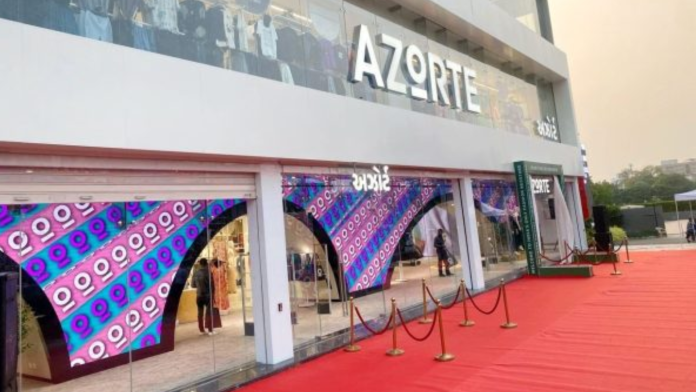
Azorte, a high-end fashion and lifestyle store chain under Reliance Retail, has introduced its first store in Ahmedabad, according to a company official’s announcement on social media. The new standalone store, situated at Venus Stratum in Nehrunagar, Ahmedabad, spans an impressive 21,000 square feet of retail space.
“Azorte marks its entry into the ‘Manchester city of India’. Our first store at Stratum @ Venus Grounds, Nehrunagar, Ahmedabad is now open. This is the first of many more stores to come in Gujarat,” said Hari Krishnan, head of visual merchandising at Azorte in a LinkedIn post while sharing images of the new store.
The tech-enabled store, designed to meet the fashion and lifestyle needs of women, men, and kids, comes equipped with self-checkout kiosks, interactive screens, and mobile scan-and-pay functionality.
Reliance Retail launched Azorte in September 2022, debuting its initial brick-and-mortar store in Bengaluru. Currently, the brand boasts 10 retail stores across the country, with a presence in cities like Mumbai, Ahmedabad, Hyderabad, Gurugram, Bengaluru, and Pune.
The retail behemoth has ambitious plans to significantly broaden Azorte’s retail presence, targeting the opening of up to 250 stores within the next two to three years.
Reliance Retail, the retail division of Reliance Industries Ltd., manages a diverse array of fashion and lifestyle brands, encompassing Reliance Trends, Avantra by Trends, Azorte, Fashion Factory, and Centro. Additionally, the company boasts a portfolio featuring more than 50 international brands, including renowned names like Armani, Burberry, Diesel, Gas, Marks & Spencer, Superdry, Brooks Brothers, and Steve Madden.
Recently, the retail giant unveiled Swadesh, a fresh store format highlighting Indian arts and crafts. These establishments are poised to serve as platforms for the promotion of traditional artists and artisans.
We use cookies to ensure that we give you the best experience on our website. If you continue to use this site we will assume that you are happy with it.