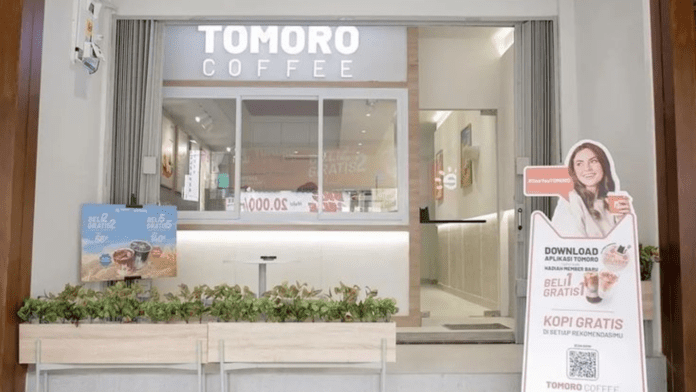
Indonesian coffee brand Tomoro Coffee has unveiled its first outlet in Shanghai, China.
The recently opened venue is situated in Qingpu E Link World Industrial Park, a pivotal logistics hub in Shanghai.
Tomoro Coffee is backed by ATM Capital, a Chinese-led venture capital firm headquartered in Jakarta, Indonesia. Specializing in the Southeast Asian market, ATM Capital provides support to Tomoro Coffee, whose name is inspired by ‘tomorrow,’ symbolizing the embrace of goodness and the aspiration for a brighter future.
With a current presence of over 200 outlets in Indonesia, the brand plans to expand further by opening an additional 400 outlets.
Last year, Tomoro Coffee announced its goal of reaching 4,000 outlets in Southeast Asia, with a growth focus on Vietnam, Malaysia, Thailand, and the Philippines.
Jubilant FoodWorks Limited, India’s leading foodservice company, is pleased to announce the successful implementation of India’s inaugural “No Antibiotics Ever” (NAE) policy in 2023 for managing the health of poultry birds.
This groundbreaking initiative emphasizes JFL’s commitment to food safety, animal welfare, and aims to address global concerns surrounding Antimicrobial Resistance (AMR).
Since November 2017, the company has been actively engaged in crafting an antibiotics policy with the purpose of combating the improper utilization of antibiotics in the procurement of poultry.
The successful implementation of the three specified stages has prioritized ethical standards by restricting antibiotic usage to therapeutic purposes overseen by veterinarians, thereby eliminating non-therapeutic use for the promotion of growth.
“‘Jubilant for All’ represents the Company’s commitment to creating long-lasting value that delights not only our customers but all those involved in the process. As the pioneer of instituting an NAE policy in the world of QSR, moving beyond antibiotics isn’t just a policy; it’s a resounding affirmation of our values and an essential step towards delivering high-quality, safe, and ethically sourced products to our discerning consumers,” said Avinash Kant Kumar, President – Value Chain Engineering, Hong’s Kitchen, International Business and CSR- of Jubilant FoodWorks Limited.
To achieve the “No Antibiotics Ever” goal, the company has instituted a robust Surveillance and Oversight System that spans across farms, slaughterhouses, and processing facilities.
Supervised by qualified veterinarians, this comprehensive system guarantees strict adherence to the antibiotic usage policy. Furthermore, the company has achieved a noteworthy feat in ‘Farm Traceability,’ demonstrating its commitment to conscientious sourcing and vigilant product monitoring.
Barista Coffee Company Limited has unveiled its winter special menu, showcasing a collection of beverages with warming flavors that embody the essence of the season.
The selection of beverages on the menu spans from Apple Pie Frappe to the Caramel Almond Praline Latte.
In addition to the winter drinks, Barista is highlighting the Signature Wrap Festival, offering wraps such as spicy Paneer Paprika, Chicken Rogan Josh, and more.
“We are delighted to bring innovations to our newly launched winter menu, a celebration of the holiday season and culinary creativity. We believe in creating experiences that go beyond coffee, and this season, we invite our customers to indulge in the warmth and flavor of our specially curated wrap festival,” said Rajat Agrawal, CEO of Barista Coffee.
The recently introduced beverages are now accessible at every Barista establishment throughout India. With a presence in 120 cities, the brand boasts over 390 outlets in both India and Sri Lanka.
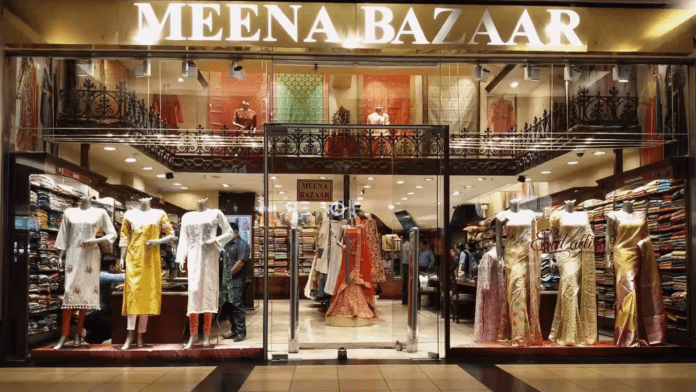
Delhi-based ethnic wear retailer Meena Bazaar has launched its first retail store in Mumbai, as announced by a company official on social media. The new outlet is located at the Oberoi Mall in Goregaon.
“Thrilled to announce the grand opening of our first Meena Bazaar store in Mumbai, located in the prestigious Oberoi Mall Ltd,” said Manish Jeetwal, business head at Meena Bazaar in a LinkedIn post while sharing the images of the new store.
“Bringing with a rich tapestry of tradition, style, and elegance, we are delighted to open our doors and welcome the incredible community of Mumbai to explore the finest in ethnic fashion and timeless craftsmanship,” he added.
Founded in 1970 by Suresh and Vishnu Manglani, Meena Bazaar specializes in ethnic wear essentials such as lehengas, kurta sets, sarees, and suits.
The company began as a small store specializing in printed sarees. Today, it has expanded its presence to over 44 stores across more than 14 states in India, as mentioned on its official website. Notably, Meena Bazaar’s flagship store, spanning an impressive 10,000 sq. ft., is located in the heart of central Delhi’s Karol Bagh.
Prices of ragi, jowar, brown top, and other millet varieties have experienced a notable surge, escalating by 40% to 100% in just one year. This upward trend is fueled by the International Year of Millets campaigns, the entry of multinational corporations into this sector intensifying demand, and the disruption caused by erratic weather conditions affecting the supply chain.
The introduction of novel items such as pasta, noodles, and snacks made from millets, the incorporation of millets into breakfast cereals, and a growing preference for millet flour in its traditional form have collectively contributed to a surge in demand for millets, according to industry insiders.
Meanwhile, startups specializing in millet-based products, which have witnessed a doubling of their year-on-year growth, are grappling with challenges in securing an adequate supply of high-quality millets. This struggle is attributed to unpredictable weather conditions in millet-growing regions and a relatively lower production of millets compared to staple food grains like wheat and rice.
According to industry insiders, a drought in the Jowar-producing regions of Maharashtra, Karnataka, and Telangana, coupled with excessive rainfall in brown top crop areas in Andhra Pradesh, Karnataka, and Kerala, resulted in a decline in millet production and a subsequent increase in prices.
They noted that premium-grade jowar and ragi prices have risen by 150% and 45% compared to wheat, rendering them unaffordable for a significant number of consumers.
“Prices of all the millets have increased abnormally,” said Annapurna Kalluri, CEO of Sri Haritha Agro Food Products, which supplies millet-based meals to government schools, does contract manufacturing of value-added products of millet for other brands, and sells millet products under its own brand Avasya.
“Prices of millets see a jump of 15-20% every month and, moreover, undergo a lot of fluctuations. The availability is also limited,” she added.
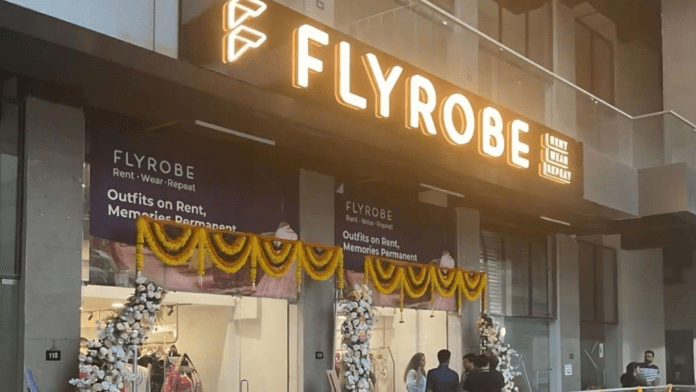
Flyrobe, the premier fashion rental service in India, is making a bold stride in its mission to transform the fashion industry. The inauguration of an offline store in Surat marks a noteworthy achievement for Flyrobe, offering the dynamic city a distinctive and convenient avenue to embrace style through cutting-edge fashion rental services.
Aanchal Saini, CEO of Flyrobe said, “We are incredibly excited to bring Flyrobe’s innovative fashion rental experience to the vibrant city of Surat. Our goal is to empower individuals to express themselves through fashion without compromising on sustainability and affordability.”
The Surat establishment will present a wide array of high-quality clothing and accessories available for rental, designed to suit diverse occasions and preferences. Whether it’s elegant ethnic wear ensembles, jewelry, or accessories, patrons will enjoy access to a comprehensive collection thoughtfully curated to fulfill their fashion requirements.
Ankit Jindal, Franchise Owner of the Surat Store shared, “It’s a privilege to introduce Flyrobe to Surat, a city known for its rich cultural heritage and fashion-forward individuals. Our store aims to provide a seamless and delightful experience for customers seeking elegant, on-trend fashion choices.”
Flyrobe’s venture into Surat seamlessly aligns with its goal to democratize fashion, ensuring that high-quality designer wear becomes accessible to everyone. Concurrently, the brand persists in promoting sustainable fashion practices through its inventive rental services.
The spectacular inauguration not only represented a major achievement for Flyrobe but also delivered an unforgettable experience for fashion enthusiasts in Surat. The event showcased exclusive launch offers, thrilling giveaways, and the chance to personally explore the latest fashion trends.
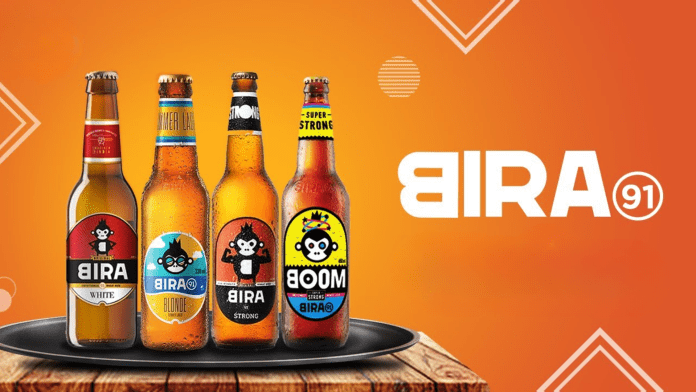
B9 Beverages, the company behind Bira 91 beer and the owner of The Beer Cafe pub chain, is gearing up to secure INR 400 crore ($50 million) in new funding, according to sources familiar with the matter. The funds, contributed by both existing and new investors, are earmarked for business expansion. This marks the third fundraising round for B9 Beverages in the past 13 months. Noteworthy existing investors in the company include Japan’s Kirin Holdings, Sequoia Capital, and Sofina of Belgium.
“The deal is expected to be closed in the coming weeks, with all fundraise details having been finalised,” said one of the executives with direct knowledge of the matter.
CEO Ankur Jain of B9 Beverages and Rahul Singh, the founder and CEO of The Beer Cafe, chose not to provide any comments on the matter.
The capital infusion will be utilized to enhance production capacity and broaden the distribution reach of Bira 91’s diverse product lineup, encompassing craft, lager, and strong beer variants like Bira White, Gold, and Boom, in addition to cider ale and seltzers. The investment will also support the expansion plans for The Beer Cafe and Bira 91 Taproom chains, as indicated by the aforementioned executives.
Launched in 2015, Bira91 is currently distributed in over 1,000 towns and cities in two dozen countries. B9 Beverages has six breweries.
Over the last 13 months, Kirin Holdings Co. and MUFG Bank of Japan have individually invested a combined total of $80 million in B9 Beverages. These investments have placed the valuation of the beer maker in the range of $550-600 million.
In November last year, the Japanese beverage group Kirin Holdings increased its stake in Bira 91 to 20%, raising ‘570 crore from 10%, marking the beer maker’s most significant fundraising effort. This substantial infusion of funds facilitated the establishment of two new breweries and bolstered the global presence of the homegrown beer brand. Continuing this trend, in March of this year, Bira 91 secured a $10 million investment from Japan’s MUFG Bank Ltd. Notably, Kirin Holdings had previously invested $30 million in the Indian beer maker in 2021.
The recent fundraising initiative coincides with projections indicating a nearly twofold growth in the Indian beer market, expected to reach $10 billion within the next decade. This growth is anticipated to be driven by strong demand in out-of-home settings such as bars, restaurants, and hotels, along with the preferences of younger consumers. Additionally, factors contributing to this expansion include a changing retail landscape and the introduction of new flavors and innovations in craft beers. Remarkably, this surge is anticipated despite the heavy taxation in the Indian alcobev market and pricing regulations enforced by individual state governments.
Prominent companies in the sector comprise United Breweries, the producer of Kingfisher beer and owned by Heineken; Anheuser-Busch InBev, the owner of popular brands like Budweiser, Hoegaarden, and Corona; and Carlsberg, renowned for its Tuborg brand.
According to market research firm IMARC Group, the Indian beer market achieved a value of ‘41,470 crore in 2023. The company predicts a substantial growth trajectory, projecting the market to expand to ‘78,120 crore ($9.4 billion) in sales by 2032. This anticipated growth reflects a steady annual growth rate of 7.1% between the years 2024 and 2032.
In addition to a rise in festivities and social-cultural events, particularly post the Covid-19 pandemic, certain states have also reduced the legal drinking age. In markets such as Goa, Himachal Pradesh, Sikkim, and Puducherry, the legal drinking age is 18 years, whereas in regions like Delhi-NCR, Punjab, Kerala, and Maharashtra, it ranges between 21 and 25 years.
The Beer Cafe boasts a presence with 43 outlets strategically located in major markets including Delhi-NCR, Mumbai, and Bengaluru.
According to Bira 91’s estimates, it holds a 5% share of the total beer market and accounts for 11% of the premium segment.
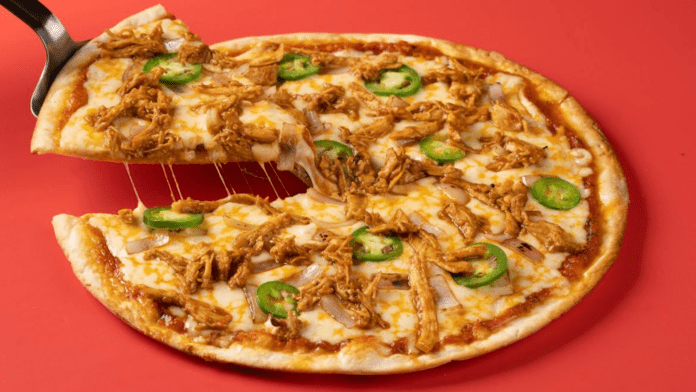
Dough Bros, a leading Quick-Service Restaurant (QSR) specializing in delectable, handcrafted pizzas, is gearing up to revolutionize Mumbai’s culinary scene. With strategically placed outlets throughout the city, Dough Bros is on the fast track to being synonymous with exceptional taste, quality ingredients, and unparalleled customer service.
Dough Bros Head Chef Tom proudly asserts that they offer the perfect slice of pizza in town – and that includes the size! They proudly present the ONLY 11 INCH pizza available in Mumbai. According to Chef Tom, “We believe in one size fits all, which is why our 11-inch pizza stands uniquely between large and medium. Our authentic Italian flour dough undergoes an exclusive 5-day fermenting process, resulting in the perfect pizza bite taste.”
Born into a Thai-British family in the UK, Chef Tom is the esteemed head chef at Dough Bros. Fueled by his unique background and cultural influences, his passion for culinary arts ignited at a young age. His brilliance is evident in both his menu and dishes, seamlessly blending contemporary elements with classic flavors. Chef Tom’s culinary journey includes notable roles such as senior chef de partie at Rick Stein’s Seafood Restaurant (2003), Restaurant Nathan (2005), Maze by Gordon Ramsay (2006), and Nobu Park Lane (a Michelin Star restaurant, 2007). He further expanded his expertise at Aqua Kyoto in 2009, eventually taking on the role of head chef at Ottolenghi in 2010 and serving as the Development Chef for Pyton and Byrne in 2014. His international experience includes a brief stint at Amaz in Lima, celebrated as one of Peru’s leading restaurants. With a background enriched by Michelin-starred establishments and a diverse range of culinary experiences, Chef Tom’s menu at Dough Bros promises an exceptionally delightful dining experience.
At the core of his culinary philosophy is the maximization of locally available produce, employing cooking techniques to harmonize unconventional elements. Chef Tom delights in the cyclical nature of seasons, embracing the arrival of fresh and vibrant fruits, vegetables, and herbs. This abundance allows him to craft menus that capture the essence of casual, enjoyable, and laid-back pizza dining experiences.
“Our mission is to ELEVATE the pizza experience for our customers, combining the authenticity of traditional recipes with a contemporary twist,” stated Mr. Kohli, the founder. “We are thrilled to launch, for the very first time, the 11-inch Dough Bros Pizza in Mumbai, and we are dedicated to continuously innovating and levelling up.”
Dough Bros is committed to reshaping the pizza experience for its diverse customer base. Boasting an expansive menu designed to suit every palate, Dough Bros takes pride in utilizing exclusively fresh, locally sourced ingredients to craft a delectable range of customizable pizza options. With a dedication to authenticity, they source their flour from Italy to infuse each bite with an unmistakably genuine taste. Whether savoring a classic Margherita or exploring innovative fusions such as the Dough Bros Aglio Olio Pizza, Burrata Pizza, or the Smashed Burger Pizza, patrons can expect each pizza to be meticulously perfected, ensuring an unforgettable dining experience with every visit.
Customer satisfaction takes precedence at Dough Bros. The team is dedicated to delivering a seamless and efficient service, striving to ensure that each customer’s visit is characterized by promptness and genuine warmth. Emphasizing convenience, Dough Bros provides a variety of delivery and takeaway options, enabling customers to enjoy their pizzas in the comfort of their homes.
You can discover Dough Bros on Zomato or Swiggy, serving customers in and around Tardeo, Lower Parel, Dadar, Chembur, Ghatkopar, Juhu, and Andheri.
Fireside Ventures Investment Fund is reportedly set to divest a portion of its equity in Honasa Consumer, the parent company of Mamaearth, through block deals on Tuesday.
The venture capital firm is putting up 61 lakh shares, equivalent to a 1.9% stake, for sale in the personal care products manufacturer. The anticipated value of the deal is around INR 230 crore.
The sale’s floor price is established at INR 368.7-384.1 per share, reflecting a potential discount of up to 4% from the present market price.
On Monday, shares of Honasa Consumer ended 4% lower on the National Stock Exchange at INR 384.10.
According to the reports, Kotak Securities serves as the broker for the transaction.
Since its listing on November 7, the stock has experienced a volatile journey. Opening at a 2% premium of INR 330 compared to the initial public offering (IPO) issue price of INR 324, it reached a peak of INR 340.45 on the intraday basis. However, the initial enthusiasm waned quickly, and the price dropped to as low as INR 256 on the BSE within 2 days.
Following a bullish call by Jefferies India, the stock managed to recoup its losses well. The brokerage initiated coverage on the stock with a “buy” rating and a price target of INR 520, stating that Honasa Consumer is expected to report industry-leading growth of 27% over the next 3 years.
Last month, the company reported its earnings for the September quarter, indicating a 5.5% year-on-year growth in revenue and a profit increase of over 13%.
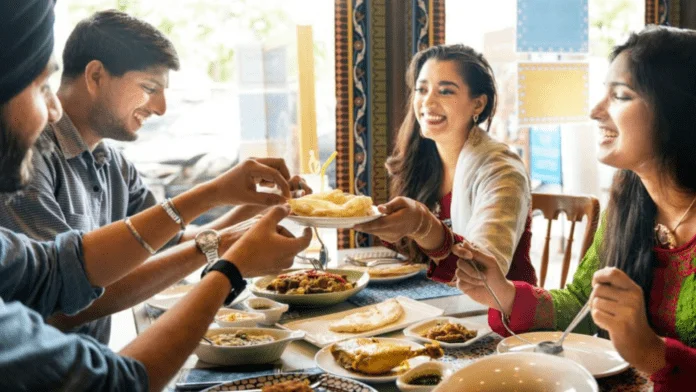
In a world where culinary landscapes are constantly evolving, the millennial generation stands at the forefront, wielding influence over the Food and Beverage (F&B) sector like never before. With a penchant for adventure, an eye for aesthetics, and a commitment to values, millennials are transforming the way we eat, shaping a culinary experience that goes beyond mere sustenance.
Ajit Rai, General Manager of The Big Tree Cafe, offers insights into the profound impact millennials have had on the industry. “Millennials prioritize convenience, health, and sustainability,” he notes, encapsulating the trifecta that guides their culinary choices. The rise of niche cuisines and fusion foods is a testament to their eclectic taste buds, driven by a desire for diverse, Instagram-worthy dishes.
The landscape of fast-paced lifestyles has prompted the prominence of quick-service options, online delivery platforms, and tech-driven solutions. Rai believes that the industry must adapt to these preferences to cater to the dynamic tastes and values of the millennial consumer base.
Saurabh Luthra, Chairman of Romeo Lane, emphasizes the experiential aspect of millennial dining preferences. “Their food fascination drives demand for innovative, Instagrammable dishes and unique dining atmospheres,” he asserts. Health consciousness, transparency in sourcing, and a tech-savvy mindset define their choices. Romeo Lane, in response, crafts diverse, flavorful menus and cultivates vibrant atmospheres, aligning with the evolving tastes and preferences of the millennial food ethos.
For Naman Mehar, founder of the drunken botanist who navigates the culinary landscape catering to Gen Z, it’s all about the global palate. “Gen Z today prefers food choices from the global palate,” Mehar observes. This preference drives the constant evolution and exploration of the freshest food trends from across the globe. Every new restaurant under Mehar’s purview is a testament to the relentless pursuit of innovation to satisfy the discerning tastes of Gen Z.
Dr. Shruti Malik, the founder of Anardana, delves into the farm-to-table ethos embraced by millennials. “Preferring meals made from locally sourced ingredients, they champion freshness and endorse local farmers,” she explains. The commitment to sustainability and a direct link to food origins is seamlessly aligned with their penchant for creative, organic, and health-conscious dining experiences. This cultural shift is not just about what’s on the plate; it signifies a broader commitment to ethical, locally-driven gastronomy that reflects their values in a dynamic and flavorful culinary evolution.
Beyond the Plate:
The culinary evolution led by millennials is not just about taste; it’s a cultural shift. It’s about embracing diversity, valuing experiences, being socially and environmentally conscious, and creating a gastronomic journey that reflects these core values. As the F&B industry adapts to this dynamic landscape, it is not merely following trends but participating in a flavorful revolution that is redefining the way we eat and experience food. The millennial palate is not just shaping menus; it’s shaping the future of food.
We use cookies to ensure that we give you the best experience on our website. If you continue to use this site we will assume that you are happy with it.