Tuesday, February 17, 2026
Home Blog Page 774

The Content Connection: Strategies to Motivate Users to Contribute to Your Brand

0
User-Generated Content

Brands are beginning to understand the significant influence that user-generated content has on their performance in the constantly changing world of digital connection. Incorporating people to actively participate in a brand’s storyline strengthens the brand’s credibility while also promoting a sense of community. Here are the effective strategies to inspire users to become content contributors and brand advocates.

1. Storytelling as a Catalyst

Storytelling has an innate power to captivate an audience. Brands that skillfully weave narratives into their identity create an emotional connection with users. Encourage users to share their stories related to your brand, transforming them from passive consumers to active contributors. These personal narratives not only resonate with others but also create a vibrant tapestry of experiences associated with your brand.

2. Recognition and Appreciation

Humans crave acknowledgment, and users are no exception. Implement systems that recognize and reward user contributions. Whether through shoutouts on social media, exclusive perks, or featuring user-generated content in marketing campaigns, recognizing their efforts not only boosts individual morale but also motivates others to contribute in the hope of being acknowledged.

3. Gamification: Turning Engagement into a Game

Incorporate elements of gamification to infuse an element of fun and competition. Leaderboards, badges, and challenges can turn the act of contributing into an exciting game. By tapping into the human desire for achievement, brands can turn routine interactions into engaging experiences, driving users to actively participate and outdo themselves.

4. Community Building: Fostering a Sense of Belonging

People are naturally drawn to communities that share common interests. Brands can leverage this by creating spaces for users to connect, share ideas, and collaborate. A robust online community not only provides a platform for user-generated content but also fosters a sense of belonging, making users feel like valued members of a larger collective.

5. Empowerment through Co-Creation

Give users a stake in the creative process by involving them in product development or content creation. Brands can run polls, seek opinions, or even host design competitions. By letting users contribute to the shaping of the brand, they feel a sense of ownership and pride, leading to a deeper emotional investment in the brand’s success.

6. Educational Initiatives: Knowledge as a Currency

Position your brand as a source of knowledge and expertise. Implement educational initiatives that encourage users to share their insights, tips, or experiences. When users perceive a brand as a hub of valuable information, they are more likely to actively contribute their own knowledge, creating a symbiotic relationship between the brand and its community.

7. Sustainability and Social Impact

Today’s consumers are increasingly conscious of sustainability and social responsibility. Brands that align with these values can motivate users by emphasizing the positive impact their contributions can have. Whether it’s supporting a cause or promoting eco-friendly practices, tying user contributions to a greater purpose adds a meaningful layer to the brand-user relationship.

The Bottom Line 

Inspiring users to contribute to your brand goes beyond simple engagement metrics. It involves cultivating a community, acknowledging individual efforts, and creating an environment where users feel not just connected but essential to the brand’s narrative. By implementing these strategies, brands can transform passive users into active contributors, ultimately shaping a brand identity that resonates authentically in the digital landscape.

Advertisement

Indonesia’s Tomoro Coffee debuts in Shanghai, plans massive Chinese expansion

0
Tomoro Coffee

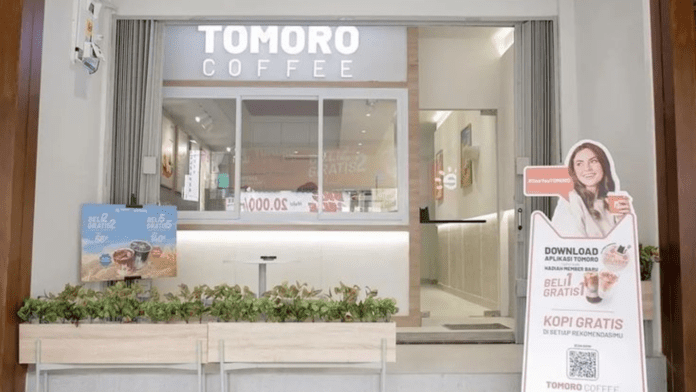
Tomoro Coffee, an Indonesian coffee chain, has made its debut in the Chinese market with the opening of its first location in Shanghai, as reported by World Coffee Portal.

Situated in the Qingpu E Link World Industrial Park, the Shanghai branch of the coffee chain will provide guests with a variety of beverages, including Americano.

Tomoro Coffee, backed by venture capital company ATM Capital, is set to compete with other coffee brands in the region, including Luckin Coffee and Starbucks.

In October 2023, Wang Chao, the managing director of Tomoro, outlined the brand’s intention to significantly expand its footprint in China. The plan involves opening two new outlets each day, with lease contracts already in progress for over 400 additional locations.

Founded in Jakarta in 2017, ATM Capital presently manages a portfolio of 18 businesses, which includes JumpStart Coffee, a company specializing in self-serve coffee machines and vending units.

In August 2022, Tomoro inaugurated its inaugural venue in Jakarta and has since expanded its network of stores to reach 200 locations throughout Indonesia.

During that year, the chain revealed its strategy to launch 4,000 stores across the South-East Asian market, with a specific plan for 2,000 stores in Indonesia.

Tomoro Coffee additionally targets the opening of approximately 500 stores in each of the following countries: Vietnam, Malaysia, Thailand, and the Philippines.

Advertisement

Mokafé Coffee House expands its US footprint with a new location in Queens

0
Mokafé Coffee House

Mokafé Coffee House, a premium coffee brand, has expanded its footprint in the United States with the inauguration of a new establishment in Queens, New York.

At the Queens location, patrons can indulge in a selection of coffee crafted from single-origin specialty beans sourced from smaller farms in Yemen and Guatemala.

Mokafé co-founder Alvaro stated, “The grand opening ceremony was a jubilant affair, marking the commencement of an era where coffee is not merely a beverage but an experiential delight.

“Mokafé Coffee House unfolds as a sanctuary where the soul of coffee, steeped in the terroir of Yemen and Guatemala, is meticulously curated into a diverse range of brews.”

Additionally, the franchise provides an array of freshly baked treats, including sandwiches, croissants, muffins, and cookies, as well as the Yemeni specialty, sabayah, accompanied by Yemeni tea known as adeni chai.

Mokafé Coffee House co-founder Luis stated, “Queens deserves a coffee experience that transcends expectations. Mokafé Coffee House is not just about brewing exceptional coffee; it’s about creating a space where the soul of coffee mingles with the spirit of our community.

“In the heart of Queens, Mokafé Coffee House stands as a testament to Mokafé’s dedication to sourcing the finest beans, creating unique brews and fostering a coffee culture that resonates with the diverse palates of the people of New York.

“Mokafé is more than a brand; it’s a journey through the rich traditions of Yemen and Guatemala. With their coffee house in Queens, they have made this journey accessible to one and all.”

Advertisement

Pukpip unveils new vegan frozen treat ‘Real Banana Bites’ in exciting flavors

0
Pukpip

Pukpip has unveiled its latest frozen delight, Real Banana Bites. The new product consists of 16 frozen banana slices, coated in milk chocolate, dark chocolate, or peanut butter.

The market release for the three upcoming frozen variations is scheduled for March 2024. Both the dark chocolate and peanut butter options will be vegan, and each pouch will offer four servings.

Pukpip made its debut in January, introducing boxes containing three frozen bananas dipped in either milk or dark chocolate. In July, a white chocolate option was included in the product lineup.

Zara Godfrey, managing director of Pupkip, commented, “Following the fantastic response to our frozen bananas, we are super excited to bring a sharing bag option to shelves”.

Pukpip’s bananas are responsibly sourced by using bananas that have been rejected from export due to small imperfections on their skin or because they are the wrong shape or size. The banana peels are then upcycled back into the ecosystem. 

Zara continued, “The indulgent frozen fruit category has already been proven in the US, and with discussion in the UK rightly focussed on ultra processed foods now, we know consumers are looking for more real fruit products without artificial ingredients. Our Real Banana Bites are made with real banana slices and chocolate or peanut butter, nothing artificial. Bites deliver on convenience as well as permissible indulgence, allowing consumers to treat themselves, while getting more fruit into the diet.”

Real Banana Bites will be available from March 2024.

Advertisement

Oatme Superfood revolutionizes holiday treats with healthy freeze-dried fruits

0
Oatme Superfood

Oatme Superfood debuts a fresh selection of freeze-dried fruits, positioned as a nutritious ‘stocking stuffer’ just in time for the upcoming holiday season.

The Canadian health-conscious snack brand expressed its intention with the launch to inspire consumers to reconsider their choice of stocking stuffers, moving away from traditional chocolates and confectionery in favor of a healthier alternative.

Oatme’s freeze-dried fruits and packaging are crafted exclusively from 100% real fruit, containing no additional sugars or preservatives. The entire range is locally produced and packaged in British Columbia, Canada.

The portable snack assortment comprises variations such as strawberry, fig, and mango. It preserves the nutritional advantages of fresh fruit, providing a rich source of vitamins, fiber, and antioxidants.

The company’s founders commented, “We believe that the joy of the holiday season should be accompanied by treats that are both delicious and wholesome. Our freeze-dried fruits provide a burst of natural flavour, making them an ideal stocking stuffer for families, friends, and colleagues.”

Advertisement

Mamaearth employees set to divest INR 150 Crore worth ESOP shares in block deal

0

Employees of Honasa Consumer, the parent entity of Mamaearth, are reportedly contemplating the sale of shares worth INR 150 crore in a block deal set to take place this week.

According to CNBC-Awaaz, the workforce is anticipated to divest a pool of 31 lakh Employee Stock Ownership Plan (ESOP) shares at a discount ranging from 5% to 7% off the present market price.

According to the company’s disclosure, Honasa has issued stock options through two schemes, namely ESOP 2018 and ESOP 2021.

This development coincides with a significant surge in Mamaearth’s stock price over the past week. The shares experienced a notable increase of over 43% last week, propelled by favorable financial results for Q2 FY24.

The stocks are currently trading nearly 47% above the listing price from earlier this month. At the close of Friday’s trading session, Mamaearth recorded a 12.5% increase, reaching INR 475.1 on the BSE.

Should the block deal transpire, it is anticipated that the stock will undergo a correction.

It is noteworthy that Mamaearth’s IPO garnered significant interest from its employees, with their reserved portion being oversubscribed by 4.88 times. This marked the second-highest subscription rate, trailing only the QIB category, which saw a subscription of 11.5 times.

Read More: Mamaearth’s IPO sees remarkable 7.61x oversubscription, fueled by strong demand from QIBs

In Q2, Mamaearth disclosed a profit after tax (PAT) of INR 29.4 crore, reflecting a substantial year-on-year (YoY) increase of nearly 94%. Additionally, in the first half of FY24, the company reported a profit of INR 54.1 crore, a significant turnaround from the net loss of INR 151 crore incurred in FY23.

During the September quarter, the company significantly reduced its employee benefit expenses, primarily because the vesting conditions of Employee Stock Ownership Plans (ESOPs) for numerous Momspresso employees (a former subsidiary of Mamaearth) were not met due to the closure of the business.

In a recent research note, Jefferies labeled Honasa as a remarkable exception among digital-first beauty and personal care brands in India, citing its exceptional scale, profitability, and capital efficiency.

The brokerage anticipates that the company will achieve industry-leading revenue growth in the upcoming years, accompanied by an enhancement in profitability. Nevertheless, it noted that the intensifying competition in the beauty and personal care (BPC) sector would necessitate continuous innovation from the company.

Advertisement

ITC launches new YiPPee! Wow Masala Noodles at INR 10 to rival Nestle’s Maggi

0
Yippee noodles
Yippee noodles (Representative Image)

Following Nestle, Sunfeast Yippee, the instant noodles brand of ITC Ltd., is staging a significant return at the INR 10 price mark to counter competition and expand its market presence, particularly in smaller towns and villages.

The manufacturer of packaged goods has introduced a new version, YiPPee! Wow Masala Noodles, available at INR 10 for a 50 gm packet. ITC’s flagship Magic Masala variant is priced at INR 12 for a 55 gm packet. Similar to many companies, ITC adjusted the price of its noodles to accommodate increasing raw material costs.

“Our flagship Magic Masala variant continues to be our key growth driver since launch,” Suresh Chand, vice president and head of marketing for snacks, noodles and pasta at ITC Foods, said in a statement on Monday.

“However, with YiPPee! Wow Masala, we are looking to satiate consumers with a differentiated and delicious flavour of instant noodles.”

Nestle India Ltd.’s Maggi holds a dominant position in the INR 40,000 crore instant noodles market. ITC follows as the second-largest player in this segment, boasting a 25% market share, trailing behind Nestle, which commands a 55% share. Other major contenders eyeing substantial roles in the instant noodles market include Hindustan Unilever Ltd.’s Knorr, Nissin Foods, and CG Corp Global’s Wai Wai brand. Additionally, Patanjali Ayurved Ltd. has entered the market with its atta noodles.

ITC’s recent release closely follows the introduction of a new INR 10 variant of Maggi noodles by the market leader. This launch also aligns with increased competition from regional players that is impacting the market shares of major companies. It’s noteworthy that the INR 10 price point attracts significant consumer interest for packaged goods manufacturers, a trend observed not only in the food category but also in non-food categories like shampoo.

Read More: Nestle to introduce 40 gm Maggi packets for INR 10 in market expansion bid

In August, the 12-month rolling sales or moving annual total of INR 10 packs experienced a 6% increase, surpassing the 5% growth observed for INR 20 packs, as per data provided by Kantar Worldpanel. The data also highlights that although the growth of INR 5 packs has slowed down, it continues to be a favored price point, contributing approximately 32% of the total volume in the food category.

“Price-point packs are extremely important to a product mix,” according to K Ramakrishnan, managing director-South Asia at Kantar Worldpanel.

“The INR 20 pack has seen steady growth over the last couple of years; however, it’s far from being as popular as INR 5 or INR 10 yet.”

In rural markets, the predominant channel for reaching consumers is through low-unit pack sizes, as stated by Nitin Gupta from Emkay Global.

As the impact of the Covid-19 pandemic diminishes and inflation subsides, smaller local competitors have gained strength. Capitalizing on reduced prices of certain raw materials utilized in the consumer goods sector, such as milk and barley, they have effectively competed with larger, well-funded corporations like ITC and Hindustan Unilever.

For instance, HUL has publicly acknowledged a loss of market share in its mass segment, which includes lower-priced products, attributed to competitive forces. According to research by Kantar covering the 12-month period ending April, the volume growth of local brands has outpaced that of national brands considerably. The recent initiative by the noodle maker is expected to assist the company in fending off local competition.

Advertisement

Campari and Wuliangye to elevate global spirits industry with strategic collaboration

0
Campari and Wuliangye

Campari Group and Sichuan Yibin Wuliangye Group have entered into a Memorandum of Understanding (MOU) to establish a strategic cooperation relationship.

The strategic collaboration in Yibin City, China, will facilitate the partnership between the two beverage companies in various areas, including the co-creation of new products, expanding channels, enhancing marketing cooperation, and promoting brand culture.

It will assist in the collaborative growth of both entities within the domestic Chinese market and the global spirits market.

At the signing ceremony, Bob Kunze-Concewitz, CEO of Campari Group, provided an overview of the history and achievements of Campari Group while underscoring the significance of the Chinese market.

Kunze-Concewitz remarked that the “collaborative spirit” between the two firms is grounded in a profound appreciation for each other’s strengths and mirrors the “common values of pragmatism and agility.”

The strategic collaboration seeks to leverage the strengths of both entities and was characterized by Matteo Fantacchiotti, Campari’s Group Deputy CEO and Managing Director of the Asia Pacific Region, as a “significant milestone” in the worldwide spirits industry.

In partnership with Wuliangye, Campari will explore avenues for growth while fostering cultural exchange through spirits. This is exemplified by Campari Group’s diverse portfolio of Western spirits and Wuliangye’s prominence in Chinese Nongxiang Flavor Baijiu.

The two companies intend not only to acquaint consumers in China and beyond with diverse spirits that embody various cultures but also to collaboratively create new products tailored for different occasions through their partnership.

Zeng Conggin, Secretary and Chairman of the Party Committee of Wuliangye Group, expressed that the collaboration will signify a “breakthrough in product innovation” for both spirits groups. He emphasized it as a “passionate collision of cultural exchanges between the East and the West,” foreseeing it as a catalyst for the prosperity and development of the global spirits industry.

In September this year, Wuliangye and Campari jointly introduced a fresh cocktail called the ‘Wugroni,’ crafted from a blend of Wuliangye Baijiu co-created by both companies. With the formal signing of the strategic memorandum, the collaboration between the two firms is set to deepen even further.

Advertisement

Rudy’s Pizza Napoletana set to woo London with two new outlets in December

0
Rudy's Pizza

Rudy’s Pizza Napoletana, a restaurant chain, is set to broaden its footprint in the UK with the launch of two additional London venues in December 2023, as per the report from the Hackney Gazette.

The pizzeria, renowned for its authentic classical Neapolitan-style pizzas, is scheduled to inaugurate a new establishment on Shoreditch High Street on December 4th.

Situated beneath the recently constructed Fora office development, the two-story restaurant will showcase a spacious and bright ground-floor area, along with a more intimate basement dining room and courtyard.

Following that, Rudy’s intends to launch a restaurant in Fitzrovia, situated on a corner plot along Tottenham Court Road, on December 18th.

Rudy’s prepares fresh dough every day using Caputo “00” flour, allowing it to ferment for a minimum of 24 hours. The resulting dough is then cooked for approximately 60 seconds, producing soft and classic pizzas.

Options include Marinara, Margherita, Calabrese, and Porchetta varieties. The Calabrese pizza is adorned with tomato, fior di latte, basil, and ‘nduja sausage, while the Porchetta pizza features roast porchetta, sage-roasted potatoes, and smoked mozzarella.

Rudy’s Pizza managing director Neal Bates was quoted by the publication as saying, “We’re delighted to be able to offer our truly traditional Neapolitan pizza to even more Londoners.

“We’re looking forward to becoming a part of the neighbourhoods of both Shoreditch and Fitzrovia, getting to know the locals and finally opening our doors at both sites.”

As of April 2023, Retail & Leisure International announced that Rudy’s Pizza Napoletana had plans to inaugurate its latest establishment in Harborne, Birmingham, by July 2023.

Advertisement

UK’s changing drinking habits: Brits now opting for wine over beer

0
wine

As per data gathered by Oxford University’s Our World in Data, the typical consumption of wine for the average Brit is now around 37 bottles annually. In contrast, the intake of beer has decreased to approximately 124 pints, marking a significant decline from the figure of 50 years ago.

Despite a substantial decline in beer consumption over the past few decades, particularly with the nearly halved number of pubs, it still maintains its position as the nation’s preferred beverage. Beer leads as the favorite drink, with 36.1% of the population choosing it, slightly surpassing wine at 33.7% in terms of the overall share.

Despite a substantial increase in celebrity endorsements, a broader range of offerings, and the introduction of new products, the popularity of spirits has remained relatively constant. It holds a share of approximately 24% of the total alcohol consumed in the UK, comparable to the levels observed in 1980. Currently, individuals in the UK consume about 94 shots of spirits per year.

The news comes as the UK gears up for the festive period, with the average Brit expected to indulge in around six alcoholic drinks on Christmas day alone, commencing their first sip at approximately 9:05 am.

However, data from last year has indicated that up to a third of adults chose to abstain from drinking altogether during the Christmas season.

Last year, the percentage of Brits intending to abstain from alcohol increased by 10%, as revealed in an Ocado survey of 2,000 respondents. Out of those surveyed, 38% expressed their intention not to drink, marking an increase from 28% in 2021.

This trend coincides with the ongoing surge in sales of alcohol-free beverages, primarily propelled by Generation Z and Millennials. More than half (56%) of individuals aged 18-34 are inclined to abstain from alcohol during the festive period, in contrast to a quarter of those aged 55 and above.

The on-trade and overall sales received a boost last year due to the decision to hold the FIFA World Cup during the winter and festive period, culminating in the final taking place just a week before Christmas Day. However, only pubs reaped the benefits of increased trade, as cocktail bars and restaurants were adversely affected by the tournament.

Advertisement