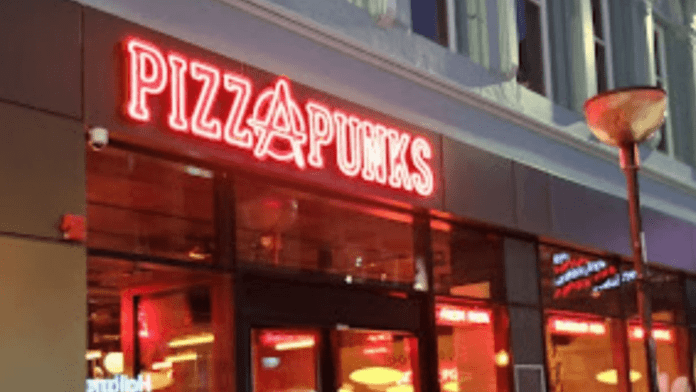
Pizza Punks intends to launch four additional restaurants in 2024 and has enlisted the support of FRP Corporate Finance to aid in securing capital.
According to The Herald’s report, the brand envisions the opportunity to build a robust business across the UK, with plans to expand to Edinburgh, Manchester, Cardiff, and Birmingham in 2024.
Pizza Punks also has plans to establish itself in four additional prominent university cities.
Established in 2015 by Brad Stevens, Pizza Punks provides a diverse selection of pizzas complemented by its distinctive punk-themed interior designs for an enjoyable dining experience.
Coles and Woolworths, the two leading supermarket chains in Australia, have asserted the validity of their pricing approaches following the announcement that the country’s parliament will conduct an inquiry into allegations of price-gouging or profiteering, as claimed by a major political party.
Coles indicated that its inflation rate has been consistently decreasing, especially in crucial staple categories, while Woolworths emphasized its commitment to providing savings for its customers.
On December 4th, it was disclosed that a Senate-led investigation will scrutinize the involvement of the country’s two major grocery chains during a period of inflation characterized by rapidly increasing food expenses.
The Greens party in Australia, set to spearhead the inquiry, stated that it will thoroughly examine the influence of market concentration on food prices and analyze the patterns of pricing strategies employed by the supermarket duopoly.
The comprehensive review, backed by bipartisan support, will additionally evaluate the surge in prices for essential items, assess the legitimacy of provided discounts, and scrutinize the “inflation of profits during economic hardship.”
Greens economic justice spokesperson Senator Nick McKim said, “Coles and Woolworths are making billions in profits by price-gouging in a cost-of-living crisis.”
“For too long the big supermarkets have had too much market power. This allows them to dictate prices and terms that are hitting people hard. It’s time to smash the duopoly.”
However, when questioned about their stance on the inquiry, Coles and Woolworths both dismissed the allegations of profiteering.
A Coles spokesperson said, “Having a profitable business means Coles can continue to serve Australians, invest in our stores, employ the 120,000 team members we employ, pay taxes in Australia, pay dividends to our hundreds of thousands of mum and dad shareholders and ensure long-term sustainable relationships with our suppliers.
“It also puts us in a position to invest in value like Great Value Hands Down, thousands of weekly specials, our Flybuys programme for our customers to save and have confidence they can buy good food in our supermarkets.
“Coles is also not immune to the increased cost of doing business – construction costs, energy prices, the cost of logistics and packaging have all risen. Our suppliers are also challenged with many of the same increases and, rightly so, we have experienced a greater volume of supplier price increase requests which we have to balance.”
A Woolworths spokesperson said: “We know Australians are feeling the strain of cost of living and we are working to deliver relief in their weekly grocery shop.
“As we start to see the rate of inflation ease, we will continue to focus on delivering savings to our customers.
“We are committed to offering our customers value while working with our suppliers to sensitively manage economy-wide inflationary pressures.”
The Greens’ initiative is among several government inquiries addressing issues related to the cost of living and pricing in Australia.
In accordance with its terms of reference, the inquiry will examine the pricing practices and market influence of major supermarkets. It will investigate the impact of market concentration on the pricing of food and groceries, as well as analyze the patterns of price-setting employed by the two major supermarket chains.
The probe will also look at rising supermarket profits, the increase in the prices of essential items and the prevalence of “opportunistic pricing, price mark-ups and discounts that aren’t discounts”.
The supermarkets will also face scrutiny on the contribution of own-brand products to their market position, the use of technology and automation to “extract cost-savings” from consumers and employees and any potential improvements that could be made to the regulatory framework to deliver lower prices for food and other groceries.
It will also look at frameworks to protect suppliers when interacting with the major retailers.
Coles and Woolworths control about two-thirds of the Australian grocery market, while the German discounter Aldi has a share of just over 10%.
In October, it was announced food price rises had eased in Australia in the third quarter. They increased by 0.6% during the period, marking the softest quarterly rise since September 2021.
But in the 12 months to September, food and non-alcoholic beverage prices rose 4.8%, up from the rise of 4.4% in August.
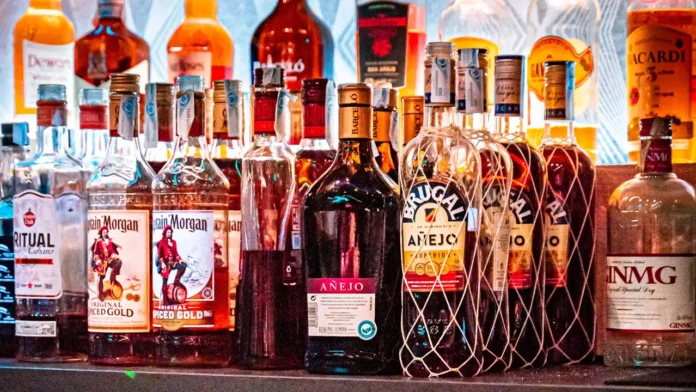
India’s liquor industry is poised for a noteworthy fiscal upturn, with a projected revenue surge of 12-13 percent in the current financial year, reaching INR 4.45 lakh crore. This optimistic outlook is attributed to robust demand and an emphasis on premiumization, as highlighted in a recent report by Crisil.
Last fiscal year witnessed a growth of 15-16 percent in the industry.
“The growth will be driven by a rebound in tourism and hotel industries, rising disposable incomes and premiumisation trend,” said Rahul Guha, director, Crisil Ratings.
He mentioned that the premium segment, defined by bottles priced at over INR 1,000 per 750 ml, is projected to expand by more than 20 percent. In contrast, the price-sensitive mass consumer segment, encompassing liquors priced below INR 700 per 750 ml bottle, is anticipated to witness a volume growth ranging between 5-7 percent.
The liquor industry drives about 65-70 per cent of its revenues from distillers who make IMFL and the remaining 25-30 per cent from brewers, that is beer production. Jayashree Nandakumar, director, Crisil Ratings commented, “Brewers will see an expansion of 250 bps, while distillers will witness 70-80 bps improvement this fiscal.”
“Overall, the industry will toast a blended 100-150 bps expansion in operating profitability this fiscal,” she added.
The report emphasized that the operating profitability of players will see advantages not only from the expanded revenue base but also from the easing of input costs, including Extra Neutral Alcohol (ENA), barley, and packaging costs.
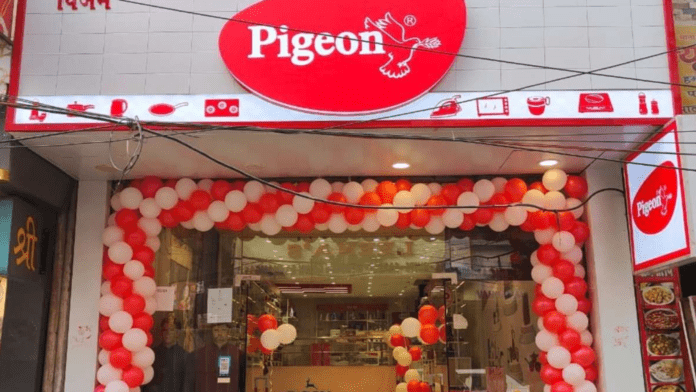
In a strategic maneuver to meet the increasing demand for elevated in-store shopping experiences, Stovekraft Limited, a distinguished name in innovative cookware, kitchenware appliances, and consumer lighting, has launched its flagship exclusive Pigeon Brand Outlet in Mayur Vihar, New Delhi. This marks the company’s debut in exclusive retail stores in the North Indian market, with intentions to set up five additional outlets across the Delhi-NCR region in the next quarter.
Encompassing an area of 610 square feet, the dedicated Pigeon brand outlet in Delhi represents a crucial move in Stovekraft’s effort to broaden its footprint in North India, reinforcing its market position across the country. Currently, the company manages more than 124 exclusive retail outlets across Andhra Pradesh, Karnataka, Kerala, Tamil Nadu, and Telangana.
Rajendra Gandhi, MD of Stovekraft said, “At Stovekraft, our mission is to bring high-quality kitchen appliances to the masses. We believe in providing products that enhance the culinary experience of every household. With the opening of our first store in North India, we are excited to continue our journey of offering reliable and innovative solutions to our customers.”
The recently opened Stovekraft outlet in Delhi exemplifies the company’s commitment to delivering high-quality kitchen appliances and exceptional customer service. Offering a diverse array of products such as gas stoves, chimneys, pressure cookers, cookware, and various small domestic appliances, Stovekraft remains at the forefront of setting new standards in the kitchen appliances industry.
Mayank Gupta, Chief Growth Officer at Stovekraft said, “The opening of our 125th store in Delhi is a moment of pride for Stovekraft. We are thrilled to bring our innovative and reliable kitchen appliances to the discerning consumers of North India. This marks the beginning of our expansion plan in the region, and we aim to open approximately 5 more stores in the Delhi NCR region within the next 30 days.”
Stovekraft affirms its objective to achieve a total of 150 stores by the end of December 2023 and aims to open another 150 stores in 2024.
Dr. M Nanda, Chief Marketing Officer of Stovekraft said, “Our physical stores provide an immersive experience, enhancing brand visibility, trust, and loyalty. We are confident that our retail expansion will significantly contribute to the elevation of the Stovekraft brand.”
As Stovekraft undertakes its expansion in North India, the company recognizes the favorable reception it has garnered from customers in South India. Encouraged by this enthusiastic support, Stovekraft is driven to broaden its presence, committed to delivering consistently reliable and high-quality kitchen appliances that elevate the culinary experiences of households. The company anticipates extending its legacy of excellence to the new store in Delhi and beyond, persisting in innovation, enhancement, and catering to the diverse needs of its valued customers.
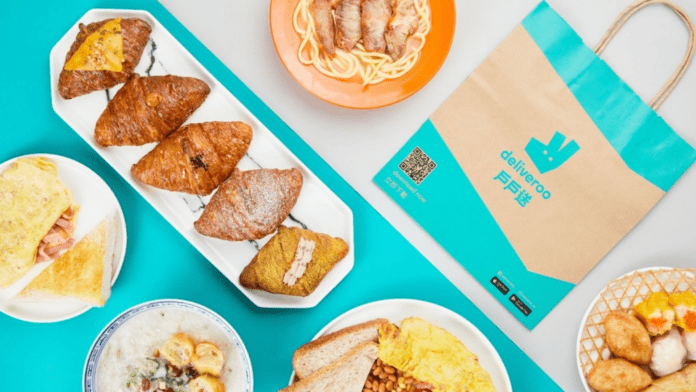
Deliveroo saw a 33% surge in average order value during the last 10 months of 2023. This boost was fueled by businesses in Hong Kong, which actively brought their staff back to the office through the initiation of group meal orders.
As per Deliveroo’s data, both companies and employees are eager to enjoy the advantages of returning to in-person work following a period of remote work. With offices gradually filling up once more, an increasing number of businesses are opting for food delivery services to provide convenient and diverse catering solutions, ranging from grand in-office festive celebrations to everyday lunches with colleagues.
The information was gathered through Deliveroo’s Deliveroo for Work (DfW) program, which serves as the aggregator’s adaptable solution for work-related meals, team benefits, and catered events tailored for corporate clients.
Deliveroo discovered that finance, consultancy, legal, and technology firms in the bustling business districts of Hong Kong remain the primary contributors to DfW revenue. Among them, offices situated in Sheung Wan, Central, Admiralty, Wan Chai, and Quarry Bay place the highest number of orders, and those on Hong Kong Island consistently outspend their counterparts in Kowloon.
Among Hong Kong workers, Asian cuisine maintains its dominance, with Japanese, Chinese, and Korean food securing top positions in terms of order preferences.
Ordering preferences differ across industries, with consultancy firms favoring on-the-go bakery items such as coffee, pastries, and juice, while law firms lean towards more polished and healthy options like Japanese and Vietnamese bentos.
E&J Gallo aims to broaden the market reach of Lotte Chilsung Beverage Co.’s soju in the United States by taking on the distribution, seeking to introduce the beverage into a wider range of mainstream channels.
Soju, a Korean alcoholic beverage, is commonly crafted from tapioca, sweet potato, rice, wheat, or barley, and typically possesses an average alcohol by volume (ABV) of approximately 20%.
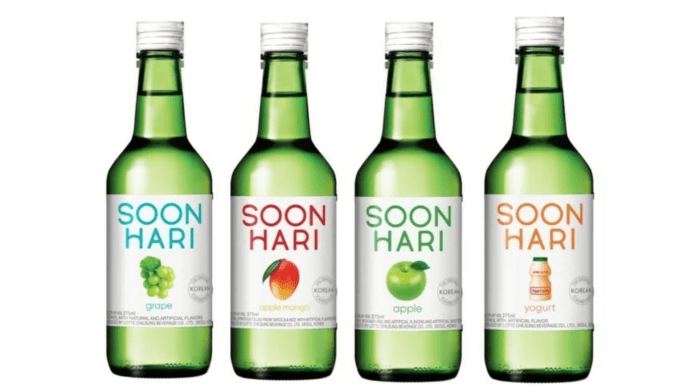
Soonhari, Chum Churum, and Saero, the soju brands from Lotte Chilsung, are currently sold in specialized Asian retailers in the United States. On December 4, Spirit of Gallo, the spirits division of E&J Gallo, announced its intention to broaden distribution to include all other channels. The distribution agreement between the two companies is set to commence next month.
Britt West, the general manager for Spirit of Gallo, said the soju category was at a “pivotal” moment in the US.
Without citing the source of the data, he added, “The soju category doubled in the US over the past five years, driven by accelerating consumer demand.
“The newest generation of drinkers has been driving the growth and is turning over the soju category due to its variety, convenience, and accessible price point.
“We are entering the category at a pivotal moment with the strongest partner, and we look forward to capitalising on this opportunity.”
According to Spirit of Gallo, Lotte Chilsung Beverage Co. is the second-largest manufacturer of soju globally, and soju holds the position of being the largest spirits category worldwide in terms of volume.
Lotte Chilsung Beverage Co., a division of Lotte Group, manufactures a diverse range of over 100 beverages, encompassing soju, beer, whiskey, fruit wine, and rice wine. With six manufacturing facilities, the company extends its exports to more than 70 countries.
Kyungdong Kim, president of US subsidiary Lotte Beverage America Corp., said, “We are excited to partner with Spirit of Gallo to leverage their distribution network and go-to-market capabilities to bring soju closer to more consumers and take the category and the Lotte Chilsung brands to new heights.”
In September, Spirit of Gallo collaborated with Mexican boxer Saúl “Canelo” Álvarez and the Mexican spirit company Casa Lumbre to introduce a line of Tequila Ready-to-Drink (RTD) beverages in the United States. The initial rollout of the products will focus on “select markets with substantial Mexican-American populations,” as stated by Spirit of Gallo.
Last year, E&J Gallo established Spirit of Gallo as a specialized umbrella business unit dedicated to its spirits operations.
In July last year, the wine giant made a noteworthy announcement with a “strategic investment” in Horse Soldier Bourbon, signifying its first venture into the U.S. whiskey market.
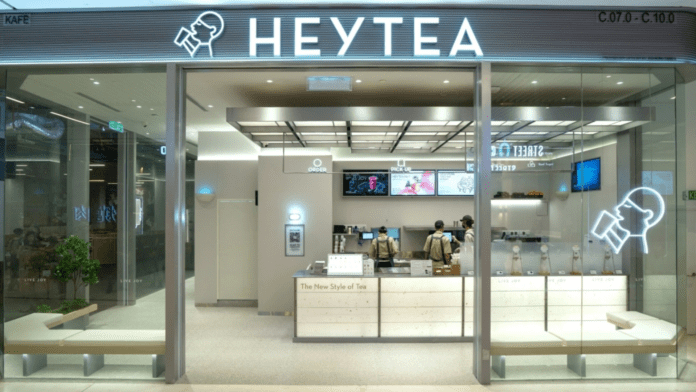
Heytea, a Chinese tea brand, has opened its first store in Malaysia.
The brand launched its outlet on December 1st, situated at The Exchange TRX in downtown Kuala Lumpur.
Heytea asserts itself as the originator of Cheese tea, crafting its beverages with fresh fruits, authentic tea leaves, and high-quality milk.
Covering more than 80 square meters in the central area of Level C within The Exchange TRX at Tun Razak Exchange, Malaysia’s first international financial and commercial center, the store is situated less than 2km from the iconic Petronas Towers.
The brand will present a selection of four main options, comprising Seasonal Inspirations, Refreshing Real Fruit Teas, REAL Dairy Milk Teas, and Refreshing Finest Teas. Among the timeless Heytea flavors are Very Grape Cheese (Original), Very Grape Crystal (Original), Mango Grapefruit Sago, Roasted Brown Bobo Milk (Original), Strawberry Mulberry Black, and Regal Aqua Green Jasmine Cheese (Original). Prices for these offerings range from MYR9.90 ($2.12) to MYR17.90 ($3.84).
Heytea boasts a network of more than 1,000 establishments in China and has expanded to four locations in Singapore. Earlier this year, the brand marked its entry into the UK with the opening of its inaugural outlet.
Soul Origin is launching a trio of new beverages in partnership with the renowned chocolate brand, KitKat.
The initial beverage in the trio is the Classic Choc Iced Blend, featuring a luscious chocolate taste harmonized with the crispiness of KitKat pieces. It is finished with a dollop of whipped cream and a sprinkle of chocolate. The second option is the Choc Caramel Ice Blend, crafted with Soul Origin’s distinctive chocolate and caramel sauces, adorned with whipped cream, chocolate sprinkles, and crushed KitKat.
Finally, there’s the Choc Mint Ice Blend. This refreshing beverage combines Soul Origin’s distinctive Chocolate Sauce, Peppermint, and the classic KitKat Original.
Last year, the brand joined forces for a collaboration, unveiling the limited edition Soul Origin Iced Crushers collection.
In addition to the latest beverage offerings, from December 8 to 15, all Soul Origin loyalty members have the opportunity to enjoy a KitKat-infused Iced Blend for just $5.
Shares of Honasa Consumer Ltd, the parent company of direct-to-consumer brands Mamaearth and The Derma Co, are currently in the red. This decline follows a substantial block deal that transpired shortly after the market opened on Tuesday (December 5th).
Around 2% stake of the company, or 62.90 lakh shares, changed hands in the block deal, valued at INR 238 crore.
Nevertheless, the identities of the buyers and sellers involved in the transactions remain undisclosed.
By 11:20 am, the shares were being traded at INR 379 each on the BSE, reflecting a 1% decrease from the previous closing price of INR 383.
Previously, there were reports indicating that Fireside Ventures, a venture capital firm, intended to sell a 1.9% stake in Honasa Consumer through various block deals. The venture capital firm aimed to divest 61 lakh shares at a price range of INR 368.7 to INR 384.1 per share.
The decision to divest the stake aligns with recent reports indicating that Honasa had accumulated excess stock with its offline distributors ahead of the startup’s public listing.
As per the reports, distributors in Maharashtra and Goa are currently grappling with a 90-day inventory burden, marking a substantial rise from the usual 30-day stock levels.
Mamaearth, the D2C unicorn, entered the Indian stock exchange on November 7, debuting on the NSE with an almost 2% premium. The shares were introduced at INR 330, reflecting a listing gain of INR 6 compared to the issue price of INR 324. Meanwhile, on the BSE, Mamaearth shares opened flat at INR 324.
Despite a promising beginning, the initial enthusiasm was tempered by market volatility, leading the stock to drop to a historic low of INR 256.10 on the BSE just four days later. Nevertheless, a positive turn of events ensued when the company unveiled its Q2 FY24 results, showcasing a significant rise in net profits.
In Q2, Mamaearth reported a Profit After Tax (PAT) of INR 29.4 Cr, marking a nearly 94% year-on-year (YoY) surge, and its operating revenue also saw a 21% rise to INR 496.1 Cr.
On November 23, shares of Honasa Consumer Ltd surged by 20% during intraday trading, reaching the upper limit and achieving a record high at INR 422.5 on the BSE, spurred by the company’s Q2 FY24 earnings announcement.
Swiss multinational Nestlé has announced plans to allocate 6 billion reais ($1.2 billion) for food and drink production in Brazil.
A series of investments is set to take place between 2023 and 2025.
These initiatives aim to promote “business growth, portfolio transformation, and operational efficiency” within Nestlé’s chocolate, coffee, pet food, and nutrition categories in the country. Nestlé’s nutrition business encompasses products such as infant formula and supplements.
When inquired about additional details regarding the investment, a spokesperson from Nestlé mentioned that the expenditure will also be directed towards expanding production capacity, constructing new processing equipment, and enhancing “innovation in products and packaging.”
Nestlé chose not to disclose the specific amount of funds allocated to each business area.
The company has not clarified the number of new jobs it plans to generate with the allocated funds.
Nevertheless, it verified that the previously announced $2.7 billion reais investment in its Brazilian chocolate and biscuit lines, disclosed in August, constitutes a portion of the overall $6 billion reais sum.
The funding alone was reported to be three times the sum invested in the country over the past four years.
The majority of the $2.7 billion reais was anticipated to be directed towards Nestlé’s facilities in Caçapava and Marília in São Paulo, as well as Vila Velha in Espírito Santo.
The Caçapava site is responsible for producing the KitKat brand, while the Marília plant is dedicated to biscuit manufacturing. Vila Velha serves as the production site for Garoto chocolates.
Nestlé expanded its presence in Brazil this year by acquiring a majority stake in the “high-end” national chocolate group, Grupo CRM.
In February 2022, Nestlé revealed a significant capital expenditure increase in the country, expressing its intention to invest over 1.8 billion reais that year in sectors such as production, technology, and distribution.
As per Nestlé’s annual report for 2022, the company operates 12 factories in Brazil, covering a range of sectors including milk and ice cream, beverages, pet food, confectionery, prepared dishes and cooking aids, as well as its nutrition and Health Science business.
The conglomerate in the food and beverage industry noted “robust double-digit growth” in its sales within Brazil during the initial nine months of 2023, with sustained momentum observed in confectionery and infant cereals.
In the Latin America region, organic growth rose by 10%, and reported sales exhibited a year-on-year increase of 5.7%, reaching SFr9.1 billion ($10.4 billion).
We use cookies to ensure that we give you the best experience on our website. If you continue to use this site we will assume that you are happy with it.