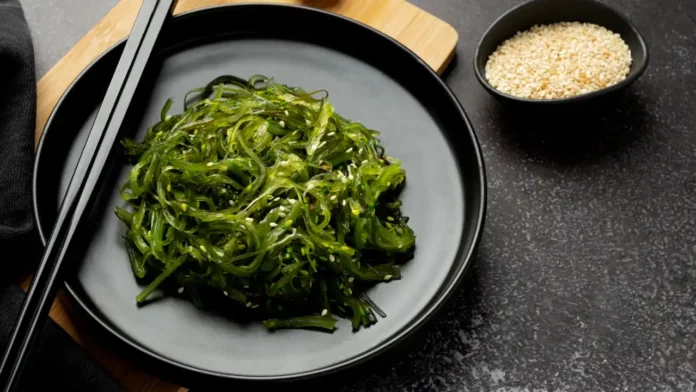
This year, South Korea achieved its highest-ever performance in seaweed (Gim) exports, reaching 1 trillion won ($770 million), as announced by the Ministry of Oceans and Fisheries on Wednesday. This marks a historic milestone as the most successful single seafood export to date.
Since 2019, Gim has maintained its leading position in seafood exports. Over the last decade, Gim’s exports have experienced an average annual growth of 8%. The export destinations have significantly expanded from 64 countries in 2010 to 124 countries this year. The primary forms of export include seasoned (67%) and dried (33%) varieties.
The global market size for Gim was $918 million as of last year, with South Korea leading with a 70.6% market share. The top five countries importing South Korean Gim are the US, Japan, China, Thailand, and Russia. As of last year, these countries accounted for 61.4% of Gim exports.
“By actively pursuing brand marketing and new product development, we will solidify (South) Korea’s leading position in the global Gim market,” the Minister of Oceans and Fisheries Cho Seung-Hwan mentioned.
The South Korean government aims to reach $1 billion (1.3 trillion won) in seaweed exports by the year 2027.
Dunkin’, the US-based coffee and doughnut brand, is gearing up to launch a new winter menu featuring festive treats in the United States.
The upcoming winter menu comprises offerings such as the Pancake Wake-Up Wrap, White Hazelnut Bark Coffee, the Frosty Red Velvet Donut, and Pink Velvet Macchiato.
The Pink Velvet Macchiato, a fusion of espresso with red velvet cake flavor and subtle cream cheese frosting undertones, is set to make a comeback at all Dunkin’ outlets nationwide, available in both hot and iced variations until the end of February 2024. This beverage made its initial debut in January 2020.
In addition to the Pink Velvet Macchiato, Dunkin’ will introduce the Frosty Red Velvet Specialty Donut, featuring a foundation of red velvet cake, topped with vanilla-flavored icing, and adorned with cream cheese-flavored sprinkles.
The winter menu will introduce the Pancake Wake-Up Wrap, featuring a light and fluffy pancake enveloping bacon or sausage, egg, and melted cheese. It is accompanied by a side of maple syrup for dipping.
The return of the Sweet Black Pepper Seasoned Bacon includes its availability in both the Sweet Black Pepper Seasoned Bacon Sandwich and Snackin’ Bacon versions.
Dunkin’ is set to release the White Hazelnut Bark Coffee, a beverage blending the rich flavors of toasted hazelnut and creamy white chocolate. This delectable option will be offered in both hot and iced variations.
Dunkin’ asserts that these festive additions provide customers with a cozy winter experience.
Moreover, participants in the Dunkin’ Rewards program will have access to new promotions in 2024.
These offerings encompass a $2 Medium Hot or Iced Coffee, limited to one per member per day; triple points for Boosted status members ordering via the app on Wednesdays; and a bonus of 100 points for all members placing app orders on Mondays.
In August 2023, Dunkin’ relaunched its pumpkin line-up in the US market, re-introducing Pumpkin Spice Signature Latte, Nutty Pumpkin Coffee and the pumpkin bakery range.
Part of the Inspire Brands company, Dunkin’ currently operates more than 13,200 restaurants in 40 global markets.
Salad Station, a U.S.-based quick-service salad restaurant chain, is set to triple its store network in the country by 2026 through a franchise model.
The Quick-Service Restaurant (QSR) chain is actively searching for franchisees in the Orlando/Daytona Beach region of Florida.
Recently, the brand finalized franchise agreements in Altamonte Springs/Apopka, Winter Park, and Lakeland.
Salad Station has expanded its footprint in the southern U.S. states, including Texas, Louisiana, Mississippi, Alabama, and Arkansas, and is soon set to establish its presence in Tennessee.
Last month, Salad Station announced its intention to triple its footprint in the southeast region of the United States. By year-end, the plan is to launch 30 new locations, with an additional 17 slated to open by the close of 2024.
With a current presence of 30 locations nationwide, Salad Station expanded its reach this month by opening restaurants in Monroe, Louisiana, and Madison, Mississippi.
The Quick-Service Restaurant (QSR) brand plans to open its first drive-through location in Ocean Springs, Mississippi, early next year.
Renowned for its pay-by-the-pound approach, the brand provides over 100 fresh, farm-inspired ingredients, allowing patrons to craft a swift and wholesome meal.
The menu comprises daily chopped produce, high-quality proteins, freshly prepared salads from scratch, prepped fruit, gourmet toppings, a selection of 16 dressings, and soups.
Salad Station founder and CEO Scott Henderson said, “Central Florida is an important area for us. Our Tampa location has been a tremendous success and we’d like to build off that along the I-4 corridor.
“Franchising a Salad Station is a unique opportunity to be a local hero. My mom and I opened the first Salad Station simply because we identified that our community was lacking a quick and easy way to eat a fresh and customisable meal, large or small.
“When leaving one of our locations, we hope our guest’s day is just a little brighter and they crave to have the same feeling the next day.”
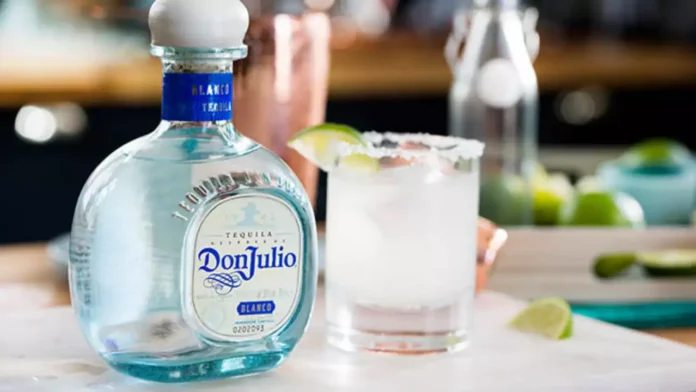
Diageo has announced a planned investment of MXN 100 million (approx. $5.8 million) in water preservation schemes for its tequila brands in the state of Jalisco, Mexico.
The investment aligns with the company’s objective to replenish more than 100% of the water utilized in its operations in water-scarce regions by the end of 2025.
Diageo plans to utilize the investment to finance six projects throughout 2024, focusing on enhancing water quality in three towns within Jalisco. These initiatives involve implementing wastewater treatment measures and enhancing accessibility for nearby residents.
In August, the owner of the Don Julio, Casamigos, and DeLeon brands concluded the first project funded by this investment. This entailed constructing two artificial wetlands and a municipal nursery with 10,000 trees in the San Diego de Alejandría township.
Diageo has stated that the artificial wetlands are projected to purify 268 million liters of wastewater, improving the quality of irrigation in the region. This will empower local farmers to cultivate a greater quantity of crops for the benefit of the community.
Moreover, Diageo is dedicating investments to collaborative initiatives aimed at conserving vital water basins.
Alan Loredo, Diageo’s corporate relations director for Mexico and tequila, said, “As leaders in tequila and in the spirits industry, we have an environmental and social responsibility that we bring to life in each of the actions we take to protect the resources upon which life depends and to promote the prosperity of the communities in which we operate”.
“The MXN 100 million investment will focus on projects oriented towards preservation and access to water across the next two years, a crucial step towards achieving our sustainability objectives and contributing to mitigate climate change.”
Frasers, the British sportswear and apparel retailer under the ownership of Mike Ashley, has expanded its footprint in the luxury market with the acquisition of the struggling online platform MATCHES from Apax Partners. The transaction amounted to approximately 52 million pounds ($66 million).
MATCHES provides products from over 450 designers and primarily generates its revenue from international sources. The company serves customers in 150 countries beyond the borders of the UK.
On Wednesday, Frasers announced that the agreement will advance its “elevation strategy,” aimed at moving the business into a more upscale market segment.
The strategy entails making investments in flagship stores and online operations, as well as fortifying partnerships with renowned brands like Nike, Adidas, The North Face, and On Running.
Earlier this month, Frasers reported a 12.6% rise in first-half profit, though it did caution that the global luxury market had softened.
Frasers’ shares saw a 0.5% increase in late morning trading, extending the gains for 2023 to 31.5%. Mike Ashley holds a 73% stake in the equity.
Amid deadlines, a flurry of activities, and a day full of meetings is the sad reality of global corporate giants. All thanks to the busy schedule, an average working professional barely manages to squeeze in his ‘me’ time which technically becomes the ‘meal’ time. In times when finger foods have replaced nutritious meals, and dining tables have gone out of use due to hurried bites on the go, mindful eating comes as an antidote.
The chaotic lifestyle in a metropolitan city can easily deplete one’s energy. Set aside exercising, people struggle to enjoy a peaceful meal as they’re completely drained out by the end of the day. This sedentary routine results in significant health risks like weight gain, diabetes, stress, high blood pressure, and more.
A study conducted by the American diabetes association states that mindful eating introduced by Buddhism can aid weight loss. So, is mindful eating some sort of dieting? Well, let’s find out
What is mindful eating?
Mindful eating is one of the rooted traditions in many ancient lifestyles. This is one of the holistic practices which evolved over centuries and gained recognition all over the world. Zen or mindful eating is a valuable approach to a healthier and happier way of living. It aids the human relationship with food and the environment while fostering their connection with mind and body.
The basic teaching of mindful eating suggests finding joy in eating while promoting your overall health and well-being. It encourages people to concentrate on every bite and have self-awareness about the quantity and quality of the food. The contemporary form of mindful eating mainly focuses on the full sensory experience of chewing food, including its taste, shape, aroma, and even the sound of each bite. This is said to promote both mental peace and physical nourishment resulting in reduced amount of stress levels and other health disorders.
How to practice mindful eating?
Is your life dominated by gadgets? Well, take a break from the screens and look at the greens. Yes, have a mild disconnection from your phone and gift yourself some digital detox, especially while having food. Your senses will thank you if you rediscover and enjoy food mindfully. So, let’s explore a few steps on mindful eating
Concentrate on the target
The first step in embracing this journey is to set yourself free from the handcuffs of distractions. Be it screens, people, or conversations just keep your phone aside on silent and create a peaceful space around yourself to relish your meal.
Invest your senses
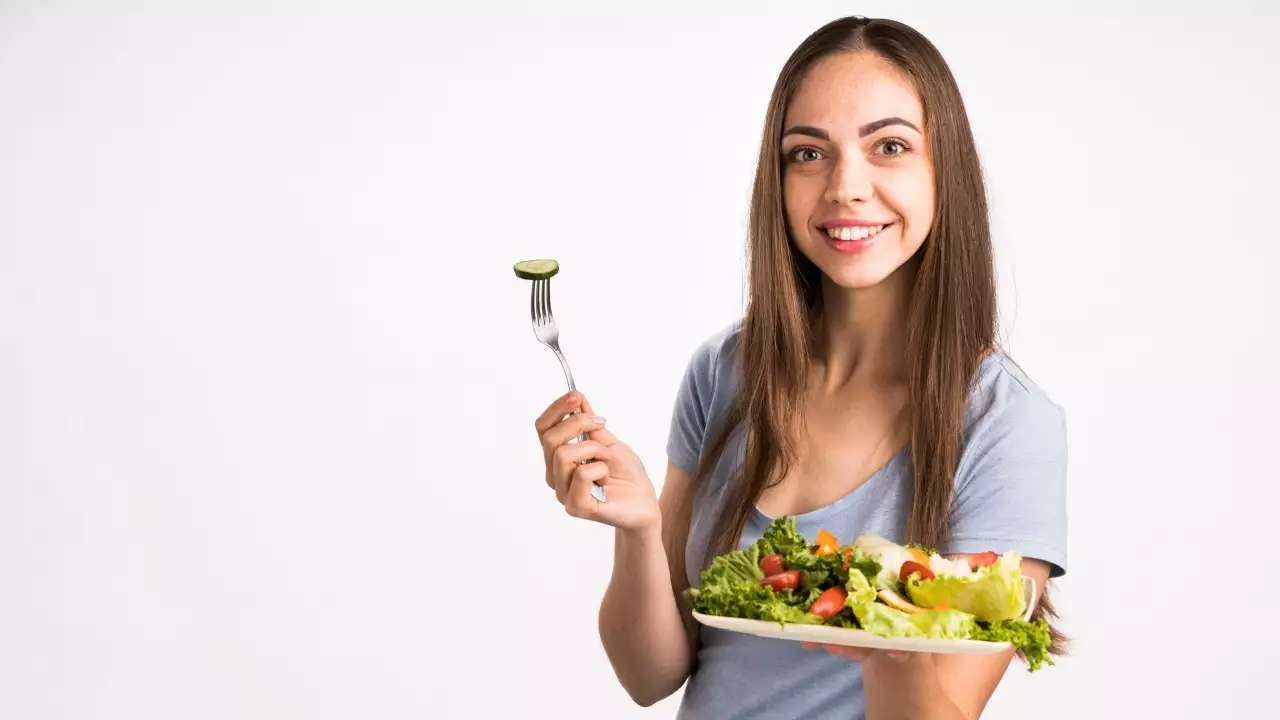
Once your concentration is in place, make way for your senses. Right before you dive into the trans of eating, wait for a moment and appreciate the vibrant colors of your leafy greens, spicy reds, and golden hues present on the plate. Take a deep breath and smell the aroma of your food before the celebration of taste begins.
Sense the texture
If you’ve zero distractions around you, chances are high that you’ll automatically focus more on the shape and texture of the food. It is recommended to have your food with your hands. Especially if it’s such a meal that can be had using your fingertips then feel the texture and explore the warmth of the meal.
Chew slowly
Ancient science recommends one chew their food multiple times before gulping it down. This is another way of mindful eating as it not only helps you devour your food but also aids the digestive process in the body.
Be grateful for the meal
In almost all religions, there’s a little practice of showing gratitude for the food you’ve received. This is because food is nourishing and helps us grow. Being thankful for the hands of those who’ve prepared the meal reflects happiness and brings calmness to your mind.
Benefits of mindful eating for professionals
Embarking on the journey of mindful eating can be transformative. It has the power to unlock a series of mental and physical health benefits that can expand beyond your dining area. By switching off from the outer world while delving into your food, you’re allowing yourself to improve focus, lesser stress, and better mental well-being. Have a look at the five major daily life issues that can be tackled with mindful eating.
Stress
Mindful eating enables a respite from the dealings of high-pressure situations. Just by taking a few moments off to have your meal can help you remain calm and work wonders for your stress levels.
Focus and efficiency
The mind is a complex space. Therefore, it requires proper nourishment to function throughout the day. In this case, eating mindfully can help the working professionals savouring healthy foods which increases focus and productivity at work.
Indecisiveness
If you’re a leader or a working professional, then you’re constantly under the pressure of decision-making. Believe it or not, a lot of rights and wrongs depend on your stress and blood sugar levels. Hence, it’s wiser to switch to a mindful and zen mode of eating to have improved cognitive functioning.
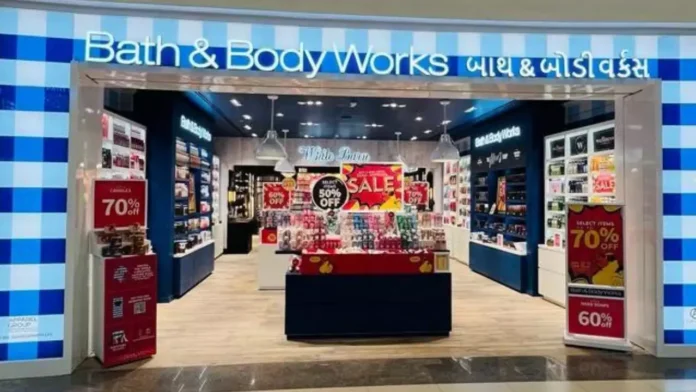
Bath & Body Works, the American personal care and fragrance brand, recently inaugurated its fourth store in Gujarat, as announced by the retail giant Apparel Group India on social media. Situated at VR Mall, Surat, this new establishment marks the 39th physical outlet for Bath & Body Works in India.
“We are happy to announce the opening of Bath & Body Works at VR Mall, Surat. This marks our 4th store in Gujarat and 39th in India,” said Apparel Group India in a LinkedIn post.
The brand’s other three stores are located in Ahmedabad and Vadodara.
In 2018, Bath & Body Works made its entry into the Indian market through a collaboration with Apparel Group India. Additionally, the company distributes its products in India through prominent beauty and fashion e-commerce platforms such as Nykaa, Myntra, and Amazon.
Apparel Group has recently joined forces with the department store chain Shoppers Stop to enhance the footprint of Bath & Body Works in the Indian market.
Headquartered in Dubai, UAE, Apparel Group stands as a worldwide fashion and lifestyle retail conglomerate. In addition to Bath & Body Works, the company promotes over 80 brands in India, featuring well-known global names such as Aldo, Tim Hortons, Tommy Hilfiger, Nine West, it Spring, Charles & Keith, Inglot, La Senza, R&B Fashion, and Victoria’s Secret.
Founded in 1990, Bath & Body Works, with its headquarters in Ohio, began as a retail store chain specializing in the sale of soaps, lotions, fragrances, and candles. The brand operates through a vast network, encompassing over 1,800 company-operated locations in the U.S. and Canada, along with more than 425 international franchised locations, as detailed on the company’s official website.
Gin Toddy: As winter’s here to wrap you around its frosty arms, the clinking of glasses and the aromatic symphony of beverages is bound to be the main attraction. The amber hues of old whiskies, aged wines and hot rums have been constantly adding a touch of sophistication to the holiday festivities. And in the list of these highly celebrated winter fermented beverages, the newest addition is gin.
Yes, that’s true! On a traditional front gin is often associated with summer cocktails. However, now the drink is experiencing a remarkable surge in its popularity during the winters as well. The gin has broken the ceiling and has made its way to the cozy winter dinners. The juniper-infused spirit’s botanical blends and tangy flavours make it a versatile and ‘the’ choice for Christmas celebrations.
Therefore, what’s better to elevate this classic drink with a twist of warm toddies and a spicy side snack to munch on? So, explore these amazing recipes which are super easy to prepare with your regular kitchen ingredients.
Classic hot Gin Toddy
If you wish to keep it vanilla and do not want to experiment much with the dash of fruits, then this one’s for you. Begin your Gin Toddy’ adventure with a classic warm toddy blended with honey and lemon juice. Here you go.
Ingredients:
60 ml gin
1 tbsp honey
1-2 tbsp lemon juice
1 cup hot water
2 cinnamon sticks
3-4 cloves
1 slice of lemon
How to make:
Combine gin, honey, lemon juice and hot water in a heat-resistant vessel (preferably a glass or a mug).
Mix the ingredients till the honey is properly dissolved.
Now add a cinnamon stick and cloves to enhance the flavour.
Garnish your drink with the slice of lemon and another cinnamon stick.
Allow the flavors a few moments to blend in before serving it hot.
Orange Gin Toddy
Now this one’s for all the foodies who love to experiment and enjoy fusion drinks. A burst of hot citrus fluids mixed with gin toddy is a blessing in disguise during winters. Hence, we’re here with this special recipe of orange and Gin Toddy which will earn you a new title of a master mixologist among your folks. So, what are we waiting for? Let’s read on.
Ingredients:
60 ml gin
1 cup hot water
1 tbsp honey
1 orange (peeled and juiced)
3-4 cloves
1 cinnamon stick
1 orange slice
How to make:
Start by adding orange juice with gin, hot water, honey, and cloves in a heat-resistant vessel.
Stir properly until honey is mixed completely.
Now allow the flavours of the mixture to blend for 3-5 minutes.
Add a cinnamon stick to the drink to enhance the taste.
Lastly, garnish your Gin Toddy with an orange slice and let it rest for a while before having it.
Cheesy bites
Now that we’ve said cheers with the drinks, it’s time to hop on the snacks. Who doesn’t like golden hued pieces of heaven to go with tangy toddies? Well, just to cater to your cravings, here we are with the iconic recipe for cheesy bites. These little Christmas balls pair perfectly with the botanical flavours of your delightful gin. Are you ready to give your guests a surprise on their plate? Then get set go.
Ingredients:
1 sheet of puff pastry
1 cup of shredded cheddar cheese
1/4th cup of grated parmesan cheese
2 tbsp unsalted and melted butter
1 tbsp Dijon mustard (or use normal mustard in case you don’t have Dijon mustard)
1/2 tsp garlic powder
Salt to taste
Pepper to taste
Fresh parsley (or mint leaves, or coriander leaves for garnishing)
How to make:
Put your oven to preheat till 200°C (400°F)
And add a line of a baking sheet with parchment paper inside it
Now take out your puff pastry sheet and add sharp cheddar grated cheese, parmesan grated cheese, butter, Dijon mustard, garlic powder, salt, and pepper.
Make sure all the ingredients are evenly spread.
Now roll the pastry inwards gently
And slice it into little rounds
Place these bites on the baking sheet at a little distance
Now bake them in the oven for 15 minutes till your cheese bites get golden brown and puffed up.
Eventually, add some parsley/mint/coriander leaves at the end to garnish your dish
Now serve your cheesy bites hot with Gin Toddy and have them with mayo dip or ketchup.
On Thursday, Mars Cosmetics, a beauty and makeup brand based in Delhi, announced the opening of its second kiosk at Pacific D21 Mall in Dwarka, Delhi. The first kiosk of the brand was inaugurated at V3S Mall in Laxmi Nagar, Delhi.
The recently launched kiosk provides a range of cruelty-free and vegetarian products, covering eyes, lips, face, and makeup tools.
To mark the debut of the kiosk, it has introduced two distinctive packages: an anniversary box and a birthday box. The anniversary box features a POCO makeup kit, Fabulash Mascara, a color-changing lip balm, kajal, and a Super Stay lipstick. The birthday box includes a Firefly makeup kit, mascara, a silk matte lipstick, and an HD compact powder.
Muskan Jain, the Brand Manager at Mars Cosmetics, said, “After the successful opening of our inaugural kiosk at V3S Mall, Laxmi Nagar, we are excited to extend the mars experience to Pacific D21 Mall, Dwarka with the introduction of our second kiosk. This expansion marks a new opportunity for us to engage with our customers.”
Recently partnering with Zepto, the brand has established itself in four pivotal regions across India: Delhi-NCR, Bengaluru, Hyderabad, and Chennai. With plans to expand, the brand intends to set up kiosks in Gaur City and other prominent locations. Additionally, its products are accessible on major e-commerce platforms such as Amazon, Nykaa, Myntra, Flipkart, Blinkit, Meesho, Purplle, and Tira, in addition to its official website.
Zomato, a prominent player in the foodtech industry, is said to have extended an acquisition proposal to Shiprocket, a unicorn in the field of ecommerce logistics.
According to a report from Bloomberg, Zomato’s proposal estimates the SaaS logistics platform’s value at approximately $2 billion. Insiders familiar with the situation informed the publication that a conclusive decision has yet to be reached. Additionally, the report suggests that Zomato may choose not to move forward with the acquisition of the company.
Zomato and Shiprocket were unavailable for immediate comment regarding the ongoing developments.
Established in 2017 by Vishesh Khurana, Akshay Gulati, Saahil Goel, and Gautam Kapoor, Shiprocket serves as an aggregator for third-party logistics companies and collaborates with various courier partners such as Delhivery, FedEx, Aramex, Xpressbees, DTDC, and Shadowfax. In its Series E funding round, the startup secured $185 million, with co-leadership from Zomato, Temasek, and Lightrock India.
In August 2022, the startup successfully secured $33.5 million in a Series E2 funding round. The funding was spearheaded by Lightrock India and saw participation from Temasek, Bertelsmann, Moore Strategic Ventures, PayPal, and other investors. This funding round resulted in the company being valued at $1.2 billion.
In October this year, Shiprocket was reportedly in advanced talks to raise $10 million to $12 million from McKinsey & Company in a strategic funding round aimed at facilitating business expansion.
In October this year, Shiprocket reported a 3.6X widened net loss of INR 341 Cr in FY23, impacted by its multiple acquisitions. Specifically, the startup attributed the threefold increase in loss to its two acquisitions – Omuni for INR 200 Cr and one of its rivals, Pickrr, for $200 Mn in FY23.
Meanwhile, its operational revenue surged by 78% year-on-year, reaching INR 1,089 crore in FY23.
On the other hand, after grappling for a year, Zomato is currently witnessing a revival in its business. Attaining profitability in Q1 FY24 has notably propelled the company’s share performance to breach the INR 125 level for the first time in almost two years. Moreover, the company recorded a profit in the second quarter of FY24.
We use cookies to ensure that we give you the best experience on our website. If you continue to use this site we will assume that you are happy with it.