PepsiCo, the manufacturer of beverages and snacks, is contemplating multiple candidates for the position of President and Chief Executive Officer for its business in India. This includes a potential candidate from its global system, as indicated by executives with direct knowledge of the ongoing considerations.
Earlier, George Kovoor, the current Senior Vice President and General Manager of beverages at PepsiCo India, was believed to be taking over the top role to succeed Ahmed ElSheikh. The developments follow PepsiCo’s current president ElSheikh, who is expected to move to a global role within the company this year, making way for the leadership transition.
Executives mentioned a blend of factors contributing to the recent developments. “Long-term and sustained profitability, and not just volume growth, for the snacks and beverages business is a core criterion. Another global mandate is the requirement for sharper marketing, with intensified competition,” stated one of the executives.
PepsiCo, the New York-based company, reported a mid-single-digit decline in its snacks business for the quarter ending September 2023, as disclosed during its earnings call.
In the past 12-15 months, the snacks sector, in particular, has witnessed heightened competition, marked by the entry of numerous new players and a robust resurgence of regional brands, leading to a shift in market share from national players.
An email requesting a comment from PepsiCo India went unanswered until the time of press.
Liquor outlets managed by the State-owned Mysore Sales International Limited (MSIL) recorded sales of alcoholic beverages amounting to INR 18.85 crore on Sunday, as reported by the Industries department.
MSIL manages a network of 1031 stores throughout Karnataka and achieved remarkable business performance on the final day of the year.
The sales witnessed an increase of approximately INR 10 crore, considering that on a regular day, MSIL outlets typically generate around INR 8 crore in business.
This signifies a rise of INR 4.34 crore in comparison to the sales of INR 14.51 crore on the corresponding day in 2022, as stated by MSIL Managing Director Manojkumar.
An establishment near Raichur railway station achieved the highest sales, amounting to INR 11.66 lakh, while another outlet on Gunj road in the same city generated a business of INR 9.96 lakh.
Bengaluru Urban Leads in Liquor Sales
Among the districts, Bengaluru Urban led the rankings with sales touching INR 1.82 crore. On the same day in the previous year, the district had sold liquor worth INR 1.35 crore.
The upgraded first-of-its-kind MSIL Boutique, which opened on Monday at Thimmaiah Road in Basaveshawaranagara, Bengaluru, sold beverages worth INR 3.5 lakh. The same outlet had recorded sales of INR 2.59 lakh on December 31 in the previous year.
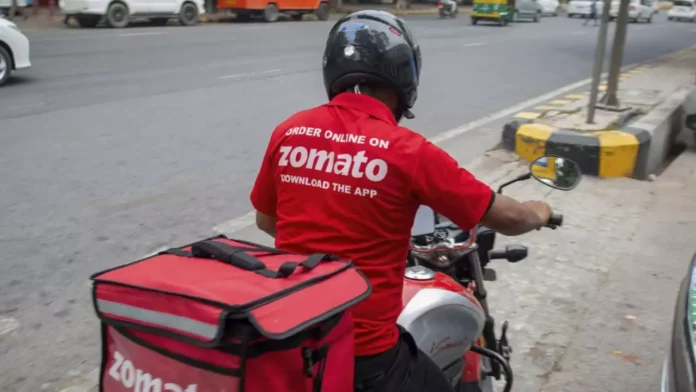
Zomato, the foodtech giant, is currently facing fresh tax trouble as tax authorities have slapped a notice of INR 4.2 crore on the startup for alleged short payment of goods and services tax (GST).
This development closely follows the Gurugram-based listed foodtech giant receiving a show cause notice of INR 401.7 crore from the Directorate General of GST Intelligence, Pune Zonal Unit. The notice pertains to unpaid tax on delivery charges collected from customers last week.
Zomato has received three orders from the Sales Tax Officer, Ward 300, Delhi, and the Deputy Commissioner, DGSTO-4, Bengaluru, Karnataka. These orders allege short payment of GST, along with applicable interest and penalty under Section 73 of the Central Goods and Services Tax Act, 2017 (‘CGST Act, 2017’), Delhi Goods and Services Tax Act, 2017 (‘DGST Act, 2017’), and Karnataka Goods and Services Tax Act, 2017 (‘KGST Act, 2017’). The total amount specified in these orders is INR 4.24 crore, as mentioned in a company filing with the exchange.
“The authorities in Delhi and Karnataka seem to have issued the above orders dated December 30 and 31, 2023 without giving due consideration to our response submitted earlier. We believe that we have a strong case on merit and the company will be filing appeals against the orders before the appropriate appellate authorities,” Zomato said in the filing.
During Monday’s session, the company’s shares commenced trading at INR 124.65 each, reflecting a 0.77% increase from its previous closing price of INR 123.7.
GST Notices Hit Zomato and Swiggy
Earlier, reports surfaced that the food delivery giants Zomato and Swiggy reportedly received notices for a cumulative goods and services tax (GST) worth INR 1,000 Cr, as the tax authorities now view delivery charges collected by these platforms as their revenue.
It’s noteworthy that in January last year, the Centre included ‘restaurant services’ and cloud kitchens within the scope of Section 9(5) of the CGST Act, 2017. This resulted in platforms like Swiggy and Zomato being liable to pay 5% GST on the ‘restaurant services’ they provide.
However, the clarity on whether delivery services and the associated fees would also incur taxation remained uncertain.
The delivery fees imposed by both Swiggy and Zomato have consistently been a topic of discussion, sparking controversy from various perspectives.
In 2016, Swiggy started the practice of applying food delivery fees. Following suit, Zomato introduced its own delivery charges.
Having established a standard for delivery fees, Zomato subsequently introduced a loyalty programme, now recognised as Zomato Gold. Within this programme, customers can bypass delivery fees by subscribing to a monthly plan, which also provides additional perks.
Likewise, Swiggy introduced Swiggy One, embracing the idea of waiving delivery fees through a subscription model and complementing it with additional benefits.
Zomato and Swiggy fulfill 1.8 to 2 million orders daily nationwide. The introduction of a new Goods and Services Tax (GST) has the potential to disrupt their cash flow.
Meanwhile, both platforms have started imposing a platform fee on orders, with charges ranging from INR 2 to INR 5 per order. It is noteworthy that this fee is universally applicable to all customers, regardless of whether they are subscribed to any specific loyalty programme.
Zomato reported its second consecutive profitable quarter, with profit after tax surging to INR 36 crore during the September quarter of the financial year 2023-24 (FY24). This was an 18-fold jump from PAT of INR 2 crore in the preceding quarter.
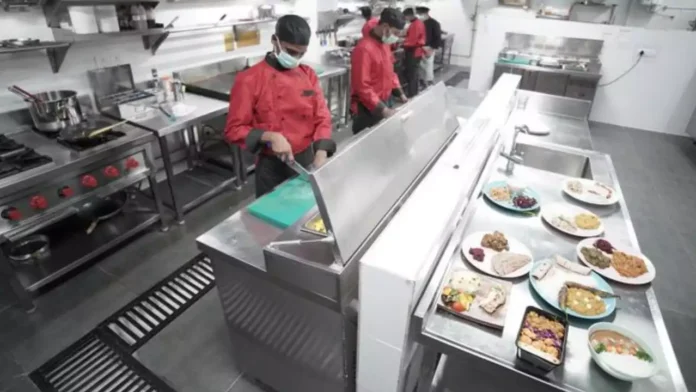
ITC plans to scale up the cloud kitchen business it has been piloting in Bengaluru. The conglomerate, renowned for offering North Indian lunch and dinner as well as bakery products via food delivery apps, has now introduced this service in Chennai. Furthermore, there are intentions to expand into Mumbai, Delhi, and Kolkata. Executive Director Hemant Malik mentioned that the company is also considering the inclusion of breakfast and oriental cuisines.
The company refers to this business as food-tech, identifying it as one of the emerging vectors of growth. Currently, it operates three brands: ITC Aashirvaad Soul Creations for North Indian daily or comfort food, ITC Master Chef Creations for North Indian gourmet cuisines, and ITC Sunfeast Baked Creations for bakery products. In Bengaluru, there are 19 cloud kitchens, and in Chennai, there are four. Notably, these kitchens have already reached the break-even point.
“We have a winning formula, which includes having established brands that come with certain credibility, cuisine supported by ITC Hotels’ chefs, and capabilities of the packaged foods business,” said Malik.
ITC’s Operational Model: Central and Satellite Kitchens
“The tech-learning needed for the business comes from our focus on digitalisation. The model involves setting up of central kitchen and satellite kitchens in cities where we operate. We are already the market leader in Bengaluru in the premium space within two years of operation and will now scale up in other cities,” said Malik.
The model incorporates a central kitchen and several satellite kitchens, as per the preference of Swiggy and Zomato for kitchens every 2.5-3 km. ITC’s food tech central kitchen in Bengaluru has the capability to serve both Chennai and Hyderabad.
“Our strategy is to add new cuisines and meals apart from expansion into the metros,” said Malik.
The average order value for ITC’s cloud kitchens is INR 900, twice the industry average. A key distinction from ITC Hotels’ kitchens is the 5% Goods and Services Tax (GST) applied in this business, compared to the 18% GST for hotel restaurants. Additionally, these kitchens operate as quick-service establishments. ITC has successfully fulfilled over one million orders.
In a recent investor presentation, ITC highlighted the institutional synergies between its cloud kitchen business and various aspects of ITC, including the food business adhering to FSSAI regulations, packaging solutions for fresh food delivery, a digital-first approach to gather consumer feedback for upcoming FMCG products, the culinary expertise from the hotels business, and the production of industrial-ready-to-eat and frozen food products.
Approximately 90% of orders on food delivery platforms originate from dine-in restaurants, with the remaining 10% coming from cloud kitchens. The company, as mentioned in the presentation, pointed out that the scalability of North Indian cuisine poses a challenge due to its reliance on chef skills and the absence of standardization.
Listed food delivery platform Zomato has raised the platform fee to INR 4 per order in key markets, as indicated on its app.
The revised rates came into effect on January 1st.
As per information cited in an ET report, platform fees were temporarily increased to as much as INR 9 per order in specific markets on New Year’s Eve.
“These are business calls which we take basis various factors from time to time,” a Zomato spokesperson was cited by ET as saying on the platform fee hike.
Coincidentally, on Sunday (December 31), Zomato witnessed its order volume surge to record-breaking levels during New Year’s Eve. Speaking to X, CEO Deepinder Goyal mentioned that the figure surpassed the cumulative number of orders the food delivery platform had recorded for New Year’s Eve in the previous six years.
Zomato introduced a platform fee for orders on its platform in August last year, starting at INR 2 and later increasing to INR 3 across major markets. Swiggy, Zomato’s main competitor, also initiated a fee of INR 2, which was subsequently raised to INR 3.
Both platforms impose a platform fee in addition to the delivery charge, although it is waived for customers enrolled in their respective loyalty programmes. Nevertheless, the platform fee is applicable to Zomato Gold and Swiggy One members.
Incidentally, Zomato’s quick commerce arm Blinkit also levies an INR 2 platform fee per order.
Platform Fee’s Role in Zomato’s Profitability
Although it may not be well-received by users, platform fees have contributed to the enhanced revenues of food delivery startups. For example, in its quarterly results from July to September, Zomato credited the increase in the percentage of its earnings (referred to as take rate) per food delivery order to the platform fee.
As per a research note by Jefferies in November, Zomato’s take rate in the September quarter of FY24 stood at 24.1%, showing an improvement of 28 basis points (0.28 percentage points) compared to the previous year and 32 basis points from the preceding three-month period.
The platform fee is increasingly seen as a key factor in Zomato’s turnaround, leading to profitability in the last two quarters. Zomato recorded a profit after tax of INR 36 Cr for the quarter ending September 30, 2023. In the April-June quarter, it had posted a net profit of INR 2 Cr.
The shares of the foodtech giant concluded trading 0.7% higher at INR 124.50 on the BSE on Monday (January 1).
Years ago, a chocolate truffle cake from Delhi’s top bakery would have been the centre of attention at any birthday celebration, and a pineapple pastry or hot chocolate fudge would have been the pinnacle of sweet pleasure for Delhiites. Then, the trend shifted to cheesecakes and other more refined desserts.
New sugar rush temptations are popping up in Delhi’s many boutique and artisanal bakeries, completely changing the city’s dessert scene. The selection includes vegan and gluten-free cakes, Basque cheesecakes, croissant pizzas, handmade chocolates, macaroons, and traditional French sweets like Paris Brest, choux pastries, buns, and macaroons. The superiority of the components and their presentation are what really make them stand out.
Bakeries to try:
If you ever develop a sweet tooth in Delhi, here are eight bakeries that provide doorstep delivery.
Pasteleria Basque
What could possibly be more delicious than a cheesecake? A cheesecake from Basque Country that has been accidentally burned. Originally from Spain’s San Sebastian area, Yuvraj Singh Solanki introduced this specialty to Delhi. He opened this bakery shop in the heart of Delhi. As a single bite of this crustless cheesecake reveals a hint of cream cheese, the sweetness is just right, and the top is faintly charred. Does it bring you to your knees? There are now just three cheesecake flavours available: original, yuzu, and lotus biscoff. However, they plan to expand their repertoire to include dark chocolate and avocado.
Torte
It must be difficult for a pastry chef who is gluten intolerant. Rhea Wadhawan’s discovery that she had a gluten allergy meant she had to cut out most of the sweets she loved. So, in her kitchen, she created Torte to provide gluten-free alternatives to her usual cheesecakes and tarts. “I wanted to make sure that people like me could have nice things, so I’m always thinking of new and exciting options,” Wadhawan explains. Torte also offers vegan and keto sweets, gluten-free madeleines, and macros.
Mr & Mitts Bakery
Sourdough doughnuts and cronuts were the most popular items as customers dealt with the lockout, something Mitali Sahani hadn’t anticipated when she established her delivery-only bakery last year. The idea for the bakery came to Sahani when she saw that individuals who were housebound were itching to do something new, she adds. Crispy hazelnut crunch cake and Nutella cupcakes are also popular. She has a collection of the best cakes in town. There is a selection of sugar-free cakes available as well.
Monique Patisserie
At Monique Patisserie, a French chef named Maxime Montay, hailing from the French Riviera, has introduced Delhiites to traditional French sweets like St. Honore with Paris Brest. In the midst of the epidemic this year, Shivan Gupta created a boutique cloud bakery, and these intricate pastries have become popular sellers. You may be tempted to refrain from biting into St. Honore because of its beauty. Carefully piped Chantilly cream on a puff pastry base, and a circle of choux pastries filled with pastry cream make up the topping. Charcuterie made with hazelnut and almond praline is called Paris Brest. The previous generation was reluctant to travel, but times have changed. Gupta claims that taste preferences among consumers have become more sophisticated. “Whatever went into these sweets, they want to know everything about it.” Place an additional order for macarons if you’re a fan.
Miam Patisserie
Indulge in a Black Forest cake that Chef Bani Nanda created with a variety of classic flavors—cherry jam, chocolate genoise sponge, dark chocolate ganache, velvet spray—and a layer of vanilla mousse. This is now among her most popular products. According to her, fans want their beloved classics, but in a different form. Nanda explains that after having ‘enough of brownies and fondant cakes’, the group was open to the idea of trying something new. “Familiar flavours, but served in a new way, may still entice them.” The Belgian Dark Chocolate and salted Caramel cake is another classic; adding just the right amount of salt gives it a unique flavour.
Paris My Love
Known for his work at popular Delhi bakeries like L’Opera and The Artful Baker, Sahil Mehta started this side enterprise to cater to a certain demographic. A beloved dessert, the Angelina cake consists of hazelnut, vanilla, and the best chocolate in the world spread out over a hazelnut brownie. “I am content serving the most exclusive clients. The quality of the components remains unwavering. People do not beg, so I know there is a demand for my cakes, which range from Rs 3500 to 4,000. Croissants, which must be delicious, are another best-seller; they sell 250 each day, on average. When you’re feeling adventurous, try one of their pizza croissants. The foundation is constructed with croissant dough, which gives it a flaky texture instead of a thick one.
Colocal
Colocal offers chocolate in a whole new form for those who think it should be an essential ingredient in sweets. The bakery and chocolate factory brought the idea of ‘bean to bar’ to the nation’s capital, using cacao beans grown in nearby Tamil Nadu and Kerala. A first for Delhi, the in-house chocolate factory allows visitors to see the process of making chocolate from the ground up. Owners Sheetal Saxena and Nishant Kumar Sinha claim that their chocolate-based sweets, such as chocolate tarts, twice-baked cakes, and creamy fondue, are quite popular.
Project Sweet Dish
Two pastry chefs who had previously worked at Oberoi launched this little boutique bakery last year. Their butter croissants, Korean buns, and ragi croissants are a hit, but you have to be quick since they only sell them once a month. Mocha praline—a combination of coffee, chocolate, and almonds—is their most popular cake flavour. Other popular options include hazelnut, cherry almond, and a tropical cake with passionfruit, banana, coconut, and vanilla. When things improve, they could provide desserts.
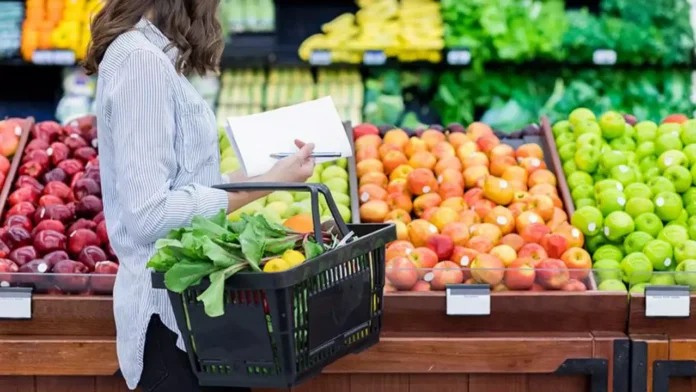
Food and beverage costs at retail establishments in Estonia are poised to increase once more in the upcoming year, as the repercussions of indirect tax adjustments announced by the Reform-Eesti 200-SDE coalition in April become apparent.
Given that January 1 is a national holiday, the majority of the alterations will become evident in the form of elevated prices on store shelves starting from the following Tuesday, January 2. This is attributed to the VAT rate in Estonia, more accurately described as a sales tax, increasing by two percentage points to 22 percent.
This could result in supermarkets experiencing a busier New Year’s Day than would typically be expected.
Estonia Faces Alcohol Excise Duty and Recycling Fee Increase
Furthermore, there will be a five-percentage-point increase in the alcohol excise duty rate, along with a corresponding rise in the deposit recycling fee levied on beverage manufacturers.
The ETV news program “Aktuaalne kaamera” (AK) indicated an anticipated average price hike of 1.7 percent due to the modification. However, retailers mention that the impact will differ across product categories and were unable to furnish more specific details at this juncture.
The Chief Economist at Luminor Bank, Lenno Uusküla, remarked that the increase will add more strain to people’s finances, leaving little to nothing for savings after covering essential expenses.
Uusküla said, “People will remain poorer to the extent of this 1.7 percent [average rise in prices]. This means the purchasing power of their wages will fall further. This is where wage rise pressure derives from, leading to wage-price inflation as another round of wage increases occurs.”
Kristjan Anderson, chief accountant at supermarket Selver, referred to “price elves” amending labels in the new year.
“The elves have [already] entered the price changes in the program for the most part, but these will not take effect until January 2024,” he quipped.
Marilin Jürisson, the Purchasing Manager at Rimi, mentioned that in her company’s scenario, the initial price adjustments for the new year have already affected less price-sensitive products, such as “industrial goods.” However, for food and drinks, prices on the shelves will remain unaffected until January 2.
The retail spokespersons interviewed by AK were unable to provide more precise details regarding average price increases in the New Year. They emphasized that competition will play a role in determining these changes.
Hence, shoppers are recommended to scrutinize price labels diligently in the upcoming weeks. Numerous campaigns are expected on specific products or those experiencing a lower-than-average level of inflation.
“An average price change of 1.7 percent cannot be realized for all products, so the change for some products will be somewhat larger,” Kristjan Anderson said, referencing milk, particularly the variety sold in plastic bags, some other dairy products, and more popular brands of bread, as potential examples.
Immerse yourself in the exciting domain of daily vlogs, where each moment is a new adventure and tale waiting to be shared. The dynamic world of Indian vlogging is set to see an abundance of fresh events, thrills, and discoveries in 2024. Come with us as we introduce you to the most promising Indian vloggers who are about to transform the everyday vlogging industry. Whether you’re looking for an emotional roller coaster in Mumbai or a peaceful environment in Kerala, these Desi vloggers have you covered.
The Flying Beast YouTube channel’s founder, Gaurav Taneja, portrays the urban nomad in everyday vlogging. His daily vlogs showcase city hustles and his life with two kids. He is India’s biggest vlogger. The Taneja family’s personality and Gaurav’s commitment to fitness and health make the story relevant to a wide audience. Beyond the lens, Flying Beast shows Gaurav’s business activities and urban nomad lifestyle. His compelling narrative, cultural connection, and active community participation make Flying Beast an emerging star in the daily vlogging scene, poised to captivate viewers in 2024 and beyond.
The Culinary Maestro: India’s Best Food Vlogger [Anubhav Sapra, Delhi Food Walks]
Delve inside the realm of Anubhav Sapra, India’s best food vlogger. His channel name is Delhi Food Walks. He is one of the biggest names among Indian food vlogger. With his reputation as an impeccable chef and passion for learning about Indian food, Anubhav Sapra ensures an unforgettable dining experience. Anubhav Sapra’s culinary vlogs are an adventure in flavour, taking viewers on a journey from traditional dishes to street food. In 2024, be ready to be captivated by the delectable cuisine of Delhi as Anubhav Sapra takes you on an amazing food journey that will leave you craving more.
The Urban Nomad: Rising Star in Daily Vlogging [Nikhil Sharma, Mumbiker Nikhil]
Mumbiker Nikhil, a moto vlogger based in the exciting city of Mumbai, has become a household name in the world of daily vlogging. The dynamic content creator Nikhil is known for his frequent worldwide travels, which give his everyday activities a global flavour. Mumbiker Nikhil’s vlogs aim to transport viewers to the vibrant energy of Mumbai and the thrill of his many travels within India and the world, with a unique emphasis on the moto lifestyle and an urban aesthetic. Get ready for an exciting adventure, as seen through the eyes of this city nomad, whose moto-centric viewpoint and everyday adventures are changing the face of modern vlogging.
Gaurav Chaudhary, also known as Technical Guruji, is India’s No. 1 tech vlogger. He helps you stay ahead of the curve with all the information you need about gadgets and the technical world. His in-depth analysis and simple explanatory techniques make him stand out as India’s best vlogger in the tech space. Stay up-to-date on all things tech in 2024 with informative reviews, lessons, and behind-the-scenes peeks at tech events by Gaurav Chaudhary. Tech enthusiasts who are ready to discover the ever-evolving world of technology go to Gaurav, the genius behind Technical Guruji, for exceptional material that educates and entertains.
The Nature Enthusiast: India’s Best Travel Vlogger [Varun Vagish, Mountain Trekker]
Arrange your belongings and set off on an epic adventure with Varun Vagish, the man behind the most popular travel vlog in India, Mountain Trekker. Whether he’s climbing the Himalayas or relaxing on the beautiful beaches of Goa, Varun showcases the breathtaking variety of India’s landscapes. Varun Vagish is qualified to be your guide to the subcontinent’s hidden treasures since he offers the ideal combination of excitement and relaxation. In Mountain Trekker, Varun gives spectators an extraordinary, immersive experience that encapsulates the spirit of travel. Mountain Trekker will take you on a memorable journey across the stunning landscapes of India, so be prepared to be amazed and awed.
These Indian vloggers are prepared to create headlines and grab the hearts of millions of people as we are about to enter the fascinating domain of everyday vlogging in the year 2024. Each vlogger contributes its own flavour to the vivid tapestry of Indian everyday vlogging, which includes everything from the busy cities to the peaceful countryside, from gastronomic treats to technological miracles. Those Desi vloggers are going to take you on an amazing voyage as they redefine what it means to be the finest in the industry. They promise that this year will be full of entertainment, discovery, and a whole lot of excitement!
Your ability to flourish in both your personal and professional growth can be hampered by being in your 40s. What occupies your time and how do you take care of your environment and family? Being healthy in life, and getting a dream athletic body which encompasses both physical and mental well-being, is ultimately important. It’s become a critical component of career advancement and general success.
To flourish your healthy being it’s important to tackle your life just like some challenge, Maintaining a healthy and strong body can be a great advantage, impacting not just one’s self-esteem but also one’s career prospects and accomplishments.- In this article, let’s talk about how to be iron-minded and achieve that lean athletic body.
How does one see enhanced professional growth?
Allow me to present you to a few experts in coaching and influential people who frequently discuss this topic:
Meet Milo Bryant, author of the book Unstoppable After 40, a seasoned journalist and professional coach. One of the persons who gives you a mind map to help you develop your physical and mental well-being and who also discusses sarcopenia (more on that in a moment).
Next is David Goggins, Many people rank David Goggins as one of the greatest ultra-endurance athletes in the world because of his accomplishments in ultra marathons and Guinness world records. He is someone who says, “ The pain that you are willing to endure is measured by how bad you want it.”
These are individuals who, in their 40s, overcame hardship to become outstanding models of professional and personal progress, gaining an athletic body and a cunning intellect.
How to get an athletic body?
Athletic bodies are linked with mental and professional acuity, and achieving goals without sacrificing oneself is never simple. And when strength training and intense cardio are included, the session gets harder.
Is an athletic body limited to clearly defined muscles and abs, or is it more than that? Allow me to explain what an athletic body looks like and suggest some exercises for you to try. An athletic physique is the result of both rigorous exercise for an athletic body and a carefully planned diet. Accepting your aging with good mental health and beginning to work on your body more and more to keep both of them raised can be the largest therapeutic step you take.
If you workout for 30 minutes daily you will achieve the desired athletic body but the thing is you have to do it smartly. Here is the ideal exercise program for high-intensity interval training (HIIT) and strength training. These activities can help people discover the benefits of their cognitive abilities, boost productivity, project confidence, effectively manage stress, and cultivate positive thoughts to enhance professional growth and open up new opportunities. You just need to be focused.
Exercise for athletic body
Monday: Cardio
Tuesday: Lower body
Wednesday: Upper body and core
Thursday: Active rest and recovery
Friday: Lower body
Saturday: Upper body
Sunday: Rest and recovery
Things to prioritize to grow professionally
Learning new skills: Reversing aging is not possible, but being fitter is; our mind likes challenges and desires them too; an irregular habit causes the body to react in different ways.
Use of body weight: Instead of putting too much being try doing bodyweight exercises, do cardio more often than holding a barbell in your hand. Helps you in avoiding any long-term injury.
Better quality of life: Being physically active can help us live a better overall life by facilitating our ability to carry out everyday chores, take part in leisure activities, and keep our independence as we get older.
The biggest mistake you can make for your goals is to have a lazy and inactive mindset. When you stop training, your body starts to deteriorate as well, and it becomes more difficult to get your brain to adapt to the same level of muscle memory as it did when you were in your 30s. Your hippocampal region—which aids with memorization—may shrink as you age.
These behaviors make your life better, and a better life elevates you by fostering professional development. And to make it better you should add a well-balanced diet to it.
Eat the right amount of carbs
If you completely cut out carbohydrates, you’ll feel irritable, worn out, and unmotivated. The appropriate quantity of carbohydrates should be consumed both before and after exercise.
Take high-protein diet
You should get between 10 and 35 percent of your daily calories from protein. Plant-based foods rich in protein include lentils, beans, soy products, and unsalted nuts.
To sum up
Adopting a lifestyle that places a high value on health and exercise can help people uncover cognitive benefits, increase productivity, project confidence, successfully manage stress, and cultivate positive thoughts to enhance professional growth that leads to new chances. Your career and personal development is the primary cause of your athletic body beyond 40.
FAQ
How to get an athletic body?
Prioritizing your physical and emotional well-being and including well-balanced food. Cardio and effective HIIT workouts can help you develop an athletic physique.
What is an athletic body type?
An athletic body combines muscular definition, speed, endurance, and mobility.
What is professional growth?
New knowledge and abilities that affect your existing situation on the personal and professional fronts.
We use cookies to ensure that we give you the best experience on our website. If you continue to use this site we will assume that you are happy with it.