Monday, December 22, 2025
Home Blog Page 71

“Sunscreen Lagana Abhi Baaki Hai”: Zepto’s Marketing Genius Goes Viral: Dr. Sheth’s Sunscreen Ad on Coconuts Garners Rave Reviews 

0
Image of zepto.
“Sunscreen Lagana Abhi Baaki Hai”: Zepto’s Marketing Genius Goes Viral: Dr. Sheth’s Sunscreen Ad on Coconuts Garners Rave Reviews 

In a bold and quirky marketing move, Zepto has once again proven that creativity knows no bounds. This time, the 10-minute delivery giant turned a humble coconut into prime advertising real estate. The viral campaign featured a purple sticker on a coconut that read, “Sunscreen lagana abhi baaki hai mere dost” — a clever reminder to stay sun-safe, backed by a partnership with Dr. Sheth’s skincare brand.

What makes this collaboration especially fun is its seasonal genius. Coconuts are already a go-to summer essential for hydration, and sunscreen is a no-brainer for UV protection. Combining the two not only makes contextual sense but delivers the message right where the consumer least expects it — in their grocery basket.

The sticker also displayed a visual of Dr. Sheth’s Ceramide & Vitamin C sunscreen, highlighting key benefits like SPF 50+, hydration, and skin barrier support. All of this was wrapped up in a humorous, catchy one-liner that adds relatability and shareability — a marketing dream.

This kind of ambient advertising isn’t just eye-catching; it’s disruptive in the best way possible. With online buzz growing and Instagram users calling it “Ad of the Day,” Zepto has once again blurred the lines between everyday utility and unexpected branding brilliance.

In an age where attention spans are short and digital clutter is high, this coconut ad stands out for being refreshingly innovative — pun intended. It’s cheeky, it’s relevant, and most importantly, it works

Continue Exploring: Lahori Beverages Nears ₹450 Crore Fundraise as Valuation Soars to ₹2,500 Crore – A New Challenger in India’s Booming Drinks Market

With campaigns like this, Zepto is carving out a reputation not just as a delivery app, but as a serious player in smart, contextual marketing.

Advertisement

India’s Blue Tokai Expands to Middle East With Ambrosia Gulf Deal—First UAE Café to Open by End-2025

Image of blue tokai
India’s Blue Tokai Expands to Middle East With Ambrosia Gulf Deal—First UAE Café to Open by End-2025

India’s popular artisanal coffee brand Blue Tokai is officially going global—again. After making waves in Tokyo, the homegrown roaster is now setting its sights on the Gulf, kicking things off with a master franchise agreement with Ambrosia Gulf. The collaboration marks Blue Tokai’s debut in the GCC region, with the very first café expected to open its doors in the UAE by the end of 2025.

The upcoming flagship café will spotlight what Blue Tokai is known for: its signature single-estate coffees, slow manual brewing, and a strong focus on transparency from farm to cup.

“Bringing Blue Tokai to the UAE is a proud moment for us,” said Vish Narain, Executive Chairman at Ambrosia Gulf. “We’re looking to introduce brands that care deeply about quality and storytelling—and Blue Tokai checks all the boxes.”

Ambrosia Gulf isn’t new to the business of food. It’s part of Ambrosia Foods Group, which is backed by Pulsar Capital, a private investment firm active across India and the Middle East. The group has a knack for scaling brands thoughtfully—its upcoming Papa Johns launch in India and existing Biryani By Kilo operations in the Gulf are testaments to that.

For Blue Tokai, this step is more than just international expansion. It’s about entering a market that values specialty coffee, traceability, and a sense of community around the cup.

“This is an exciting chapter for us,” said Blue Tokai Co-Founder and CEO Matt Chitharanjan. “Ambrosia Gulf brings both operational muscle and a sharp understanding of local tastes. We’re thrilled to work with them as we plant roots in the Middle East.”

Beyond cafés, the partnership will also introduce Blue Tokai’s retail products in the region. Expect everything from packaged beans to cold brews hitting shelves and entering hotels, restaurants, and homes through HoReCa and direct-to-consumer channels.

Advertisement

Blinkit Drops Middlemen, Chases Profit: JM Financial Expects Big Boost in Margins by FY27

0
Image of blinkit
Blinkit Drops Middlemen, Chases Profit: JM Financial Expects Big Boost in Margins by FY27

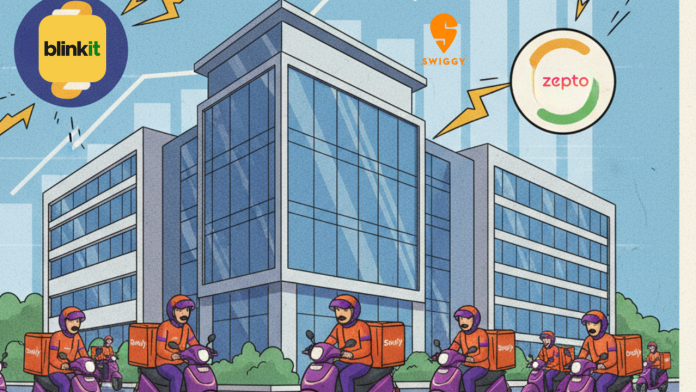
Eternal Ltd.’s quick-commerce platform Blinkit is about to undergo a dramatic business model overhaul. Starting September 1, the company will drop its marketplace-style operations and instead take full control of its product inventory, stepping into the role of a direct seller.

This isn’t just a structural change—it’s a strategic pivot aimed at fattening profit margins and tightening operational control. By stocking and selling products directly to customers rather than depending on third-party sellers, Blinkit is hoping to unlock efficiencies that were previously out of reach.

The move comes after Eternal imposed a 49.5% cap on foreign investment in Blinkit, a regulatory step required to qualify for running an inventory-led e-commerce business under Indian law.

JM Financial, which is bullish on the move, believes this new setup will allow Blinkit to widen its product mix, streamline logistics, and trim back on legal and compliance expenses. Analysts at the firm expect Blinkit’s EBITDA margin—as a share of gross order value—to grow by 50 to 110 basis points. That’s a noteworthy jump, considering the long-term goal is a margin of 4–5%.

If the transition rolls out smoothly, JM Financial expects Blinkit to hit EBITDA break-even as early as the December quarter—much sooner than the market anticipates.

Looking ahead, Blinkit is projected to hit a gross order value of ₹57,900 crore in FY26, with operating margins climbing from 0.5% that year to 2% in FY27. In comparison, Zomato’s core food delivery business is expected to clock in a GOV of ₹45,400 crore in FY26, with a healthier operating margin of 4.7%.

Despite the gap, Blinkit’s roadmap has caught investor interest. JM Financial has reaffirmed its ‘Buy’ call on Eternal, assigning the stock a target price of ₹320. Eternal shares responded positively, rising 3% to close at ₹271.25 on the NSE, even as the Nifty 50 slipped by 0.25%.

Advertisement

Costa Coffee India’s FY25 Revenue Jumps to ₹198.5 Cr: Expansion & Gen Z Buzz Stir Up Bold Plans

0
Image of costal coffee
Costa Coffee India’s FY25 Revenue Jumps to ₹198.5 Cr: Expansion & Gen Z Buzz Stir Up Bold Plans

Costa Coffee is stirring up more than just cappuccinos in India—it’s serving up some serious growth. The British coffee chain, operated in India by Devyani International Ltd (DIL), reported a 30.76% jump in revenue, reaching ₹198.5 crore in FY25. Profits also climbed by 28.4%, hitting ₹149.7 crore, according to DIL’s latest annual report.

This sharp rise comes on the back of aggressive expansion. In the past year alone, Costa added 41 new stores, growing its footprint from 179 to 220 outlets across the country. However, growth wasn’t without its costs.

Margins took a bit of a hit. Gross margins slipped to 75.4%, down from 76.8% last year, largely due to rising prices of coffee beans and other ingredients. The brand contribution margin also dipped, sliding from 17% to 16.1%, while average daily sales per store dropped from ₹33,000 to ₹27,000. This resulted in same-store sales growth (SSSG) falling from 8.7% to 4.1% year-on-year.

Despite these short-term challenges, the brand is bullish about India’s long-term promise. In fact, Costa Coffee’s Global CEO Philippe Schaillee, during a visit to India in April, stated that the country is poised to become one of Costa’s top five global markets. Currently, India ranks among the top 10.

Owned by global beverage giant Coca-Cola, Costa Coffee plans to open 40–50 new outlets annually. DIL sees India’s evolving café culture—especially among millennials and Gen Z consumers—as fertile ground for growth. The broader Indian coffee market is growing at 10–12% per year, nearly twice the global average.

“There’s been a noticeable cultural shift in India—from being a tea-dominant country to one where coffee is fast becoming a lifestyle choice,” DIL noted. Gen Z, in particular, is showing a strong preference for premium coffee experiences, influenced by global work cultures and urban living.

To keep pace with this demand, Costa is focusing on high-traffic locations such as airports, malls, and multiplexes, positioning itself where young, upwardly mobile Indians spend both time and money.

But the ride isn’t smooth. Costa is up against some formidable competitors—Starbucks, Tim Hortons, McCafe, and Dunkin’—all jostling for dominance in India’s increasingly crowded café market.

Still, with a 50-year global legacy, a clear local strategy, and a growing consumer base craving curated coffee moments, Costa Coffee is placing a long bet on India—and it looks like the brew is just beginning to boil.

Advertisement

Too Yumm! Drops K-Bomb with Ananya Panday, Blending K-Wave Craze and Gen Z Humor in a Disruptive Snack Campaign

0
Image of Ananya Panday
Too Yumm! Drops K-Bomb with Ananya Panday, Blending K-Wave Craze and Gen Z Humor in a Disruptive Snack Campaign

Great news for K-Food fans. Too Yumm!, the beloved Indian snack brand, is turning up the heat with the launch of K-Bomb, a brand-new Korean-inspired snack line. It follows the smashing success of their instant Korean noodles. The brand is doubling down on India’s growing love affair with the K-wave.

To dial up the craze, Too Yumm! has teamed up with Bollywood firecracker Ananya Panday. Her bubbly, fearless energy is a perfect fit for K-Bomb’s punchy, youthful vibe. The campaign kicked off with “Slurp N Spill”, a rapid-fire podcast series. It is cheeky, chaotic, and full of energy like the snack, and Ananya and her enthusiasm for the snack take centre stage.

The campaign starts with QR code activations exploding across major metros like Mumbai, Delhi, Bangalore, and Kolkata. They drive foot traffic to quirky digital content. The brand is also making waves with OOH installations with wild, manga-inspired art on the streets. 

Yogesh Tiwari, Chief Marketing Officer at Too Yumm!, breaks it down. “Consumers are tired of old-school ads,” he says. “To connect, we’ve gotta offer real value with humour, insight, or just solid entertainment. That’s what the podcast delivers.”

This campaign signals’ Too Yumm!’s intent to shake up the noodle aisle. With Ananya Panday on deck, they try to connect with Gen Z by speaking their language. The combination of trending flavors with celebrity influence and groundbreaking marketing is lighting the path to a delicious, interaction-driven adventure for the K-wave generation.

Advertisement

KFC Reunites CID Legends for ₹299 Combo Campaign, Blending Nostalgia and Humor in a Finger-Lickin’ Ad

0
Image of KFC
KFC Reunites CID Legends for ₹299 Combo Campaign, Blending Nostalgia and Humor in a Finger-Lickin’ Ad

India’s favorite investigative trio is back, but not for a new episode of CID. This time, ACP Pradyuman, Dr. Salunkhe, and Daya are cracking a case for KFC, and it’s finger-lickin’ mysterious. In a bold new campaign, actors Shivaji Satam, Dayanand Shetty, and Narendra Gupta reunite to solve what appears to be a scam. At least, that’s what Daya thinks. The ad opens with him struggling to decode Gen Z slang. Convinced he’s sniffed out a fraud. Naturally, he reports it to ACP Pradyuman, who pulls in forensic genius Dr. Salunkhe just like old times.

The case is a ₹299 dine-in combo deal from KFC, including 7 boneless strips and 2 hot & crispy pieces. It’s too good to be true; that’s why they think it’s fraud. The trio is shown making a dramatic entrance into a KFC outlet, ready to uncover the truth. What unfolds is a delightful blend of humorous detective work, mock interrogations, and comical confusion over contemporary slang. Throughout their investigation, the characters frequently resort to their iconic catchphrase, “ye toh scam hai!”, adding nostalgic humor. Ultimately, a KFC staff member steps in to clarify that the offer is indeed genuine. As truth dawns, suspicion turns to delight. The detectives dropped their guard, picked up the chicken, and enjoyed it. The case was solved deliciously.

This campaign nails it. A masterclass in character-led nostalgia. Humor, storytelling, and cultural callbacks all tied together in one neat chicken-scented bow. Watching these familiar faces fumble through slang while doing what they do best. And yes, the ₹299 offer is real. Seven boneless chicken strips and two hot & crispy pieces. Available at KFC outlets across India. But only for a limited time. Because some mysteries should not last forever, especially when they’re this tasty.

Advertisement

How AI Marketing Is Turning Passive Consumers into Active Brand Participants

0
Image of AI marketing
How AI Marketing Is Turning Passive Consumers into Active Brand Participants

Brands want to win the competitive race with the help of AI in marketing, as they pursue speed, accuracy, and market penetration in record time. It’s no longer just about knowing the consumer. It’s about being one step ahead. From campaign architecture to seamless in-campaign intelligence, marketers are weaving AI into every touchpoint. The result is experiences that feel tailored, immediate, and hard to ignore.

Some are getting clever with QR codes integrated into product packaging and promotional collaterals. These codes trigger interactive brand moments. Say, you are scanning a food product, then you add what you have in your fridge, your food requirements, how good you cook, possibly even your mood. The AI loads it, hacks out a recipe that suits you, goes ahead and even suggests substitutions when you do not have onions. 

The recent example of AI-driven marketing is Centerfruit, which decided to shake things up. Collaborating with WPP, BharatGPT.ai, and Google Cloud, they rolled out the Centerfruit Tongue Twister Challenge. A Part of its quirky “Kaisi Jeebh Laplapayee” campaign. It was targeted for rural Uttar Pradesh, where data isn’t fast, and smartphones aren’t in every palm. This voice-based GenAI campaign uses a hyper-local Voice AI to call users on their feature phones. By calling back, users engage in tongue-twister challenges in their local dialects, turning a simple phone call into a fun, gamified brand experience filled with laughter and regional pride.

TrueFan AI and Goibibo made it personal. They tapped into the hesitation moment where users searched, clicked, but didn’t book. Rishabh Pant, with AI-generated videos, calls them out by name, mentions the city or train they had their eye on. It’s a wink, a “hey, we see you” wrapped in stardom. All to push them back into booking mode.

And remember last Valentine’s Day? Cadbury went full heart-mode. Teaming up with filmmaker Zoya Akhtar, they turned Dairy Milk Silk into a story machine. They integrate QR codes on the wrappers that lead to a quiz about your love life. AI then spun your answers into a custom animated film, avatars included. 

These kinds of campaigns are inviting users to play, engage, and belong. One scan, and they’re in. No forms, no downloads, just fast, relevant content that feels like it’s made just for them. These experiences hit differently because they’re real or at least, they feel like it. AI shines because it knows preferences, remembers behavior, and senses the moment. It talks back in a way static content never could. But let’s not sugarcoat this tactic. AI’s rise comes with risks like security lapses, encoded biases, and emotional fakery. They need to tread smart, handle data with care, weed out bias, and keep that human warmth alive, even if it’s machine-crafted.

Advertisement

Good Flippin’ Burgers Taps Squid Game S3 Craze with Limited-Edition Korean Krossover Menu

0
Image of Good Flippin Burgers
Good Flippin’ Burgers Taps Squid Game S3 Craze with Limited-Edition Korean Krossover Menu

Riding the K-Culture wave, another Indian brand makes its mark. Good Flippin’ Burgers, the popular Indian QSR brand, has unveiled its latest limited-edition menu: The Korean Krossover. It is a spicy, pop-culture hit as Squid Game Season 3 returns on Netflix.

No one forgot the tense, dark, and addicting series Squid Game Seasons 1 and 2. And with Season 3 now pulling viewers back into its twisted games, Good Flippin’ Burgers is cleverly riding that wave through food. Korean cuisine, with its bold, often fiery flavors, shares a certain thrill with K-Dramas and spice-loving Indian foodies here for it.

“The Korean Krossover” menu is a tightly curated lineup of seven standout creations, each nodding to the K-Drama universe, especially Squid Game. Expect burgers like “Bean Korean,” “The Cheesy Oppa,” and “Chikkin Burger 456”, a nod to Player 456, the show’s mainstay. Not just burgers, but the culinary team at Good Flippin’ Burgers came up with “Korean Tender Bender,” wraps, and the unexpectedly addictive “Kimchi Spiced Churros.” 

Now, for launch week, exclusivity was the name of the game. The Korean Krossover menu went live only on Swiggy for the first 7 days. To further amplify the fun, every online order that included any from the Korean Krossover range came with a set of Good Flippin’ Burgers x Squid Game S3 Game Collectibles. These exciting tokens are inspired by classic Squid Game challenges such as Ddakji, Marbles, and Stackers, and were available only through Swiggy orders. Soon, these collectibles will also be up for grabs at dine-in outlets. So whether you’re swiping on an app or sitting at a table, the fandom lives on. As of now, this entire drop is available at all Good Flippin’ Burgers locations and through major delivery platforms. 

Speaking at the launch, Viren D’Silva, Co-founder of Good Flippin’ Burgers, pulled back the curtain on the thought behind it. “We’re seeing a massive spike in consumer demand for Korean-inspired flavours, both on menus and across cultures,” D’Silva said. “From food delivery data to social chatter, it’s clear that people are actively chasing these experiences.” He continued, “Collaborating with Squid Game S3 was the right platform to merge food and fandom with flavour, to create something new yet still familiar to the essence of what we command best.”

Good Flippin Burgers is flipping more than just patties since 2019. The chain has established its reputation on value, creativity and quality. From burgers to hot dogs, wraps to shakes, it’s a playground for food lovers. Now with 60+ outlets across Mumbai, Delhi, Pune, and Bangalore, and a team that’s grown past 500, they are evolving, riding the K-wave, and bringing fandom into the food court.

Advertisement

Prime Video and Instamart Turn Panchayat’s Butkun ki Dukaan into a Scrollable, Snackable Experience

0
Image of Prime video
Prime Video and Instamart Turn Panchayat’s Butkun ki Dukaan into a Scrollable, Snackable Experience

Panchayat, the Amazon Original Series, is back with a different experience. Now, the fans aren’t just watching from their screens; they are stepping right into Phulera. Prime Video, in a tie-up with Instamart, has brought the show’s iconic Butkun ki Dukaan to life as a digital experience right on your phone. Behind this immersive experiential campaign is WPP OpenDoor. The show’s reach is undeniable. From metro cities to the remotest corners, Panchayat has fans everywhere. Characters like Sachiv Ji, Pradhan Ji, Manju Devi, Binod, and Prahlad have gone from screen to meme to moment. Season 4 promises more of that same grounded, emotional, and oddly relatable drama. 

WPP OpenDoor and Instamart built a mobile-first digital experience grounded in the heart of the show. Running from June 26 to July 3, Instamart app users who logged in between 4 and 7 pm stumbled upon a surprise. A nostalgic, themed interface. It looked just like Butkun ki Dukaan from the series. In that interface, regional snacks, carefully chosen to evoke the authentic flavors and setting of the show. Some lucky Instamart customers received special Panchayat-themed flyers with their deliveries. These were flyers trickly referring to one of the developing storylines of that season and asking an inviting question: “Kranti Devi or Manju Devi?”

The connection between the audience and the characters grows as the play unfolds in Phulera. And with campaigns such as this one, that connection goes beyond the screen. WPP OpenDoor said the idea was to “pull fans into the world of Phulera, not just emotionally, but also interactively.”Viewers weren’t just observing the narrative; they were living it through snacks, stories, and surprises tied to the show’s vibe.

What this shows is where entertainment is headed. Streaming platforms are pushing content towards cultural touchpoints. Every day, digital moments, like ordering groceries, now come with a side of story. WPP OpenDoor put it well: “A media experience that fans can watch and share… engaging fan content that is entertaining, enjoyable and impossible to ignore.” And they weren’t wrong.

Advertisement

Katy Perry Steals the Show: Black Blazer Minidress & Statement Glasses at Balenciaga Couture

0
Image of Katy Perry
Katy Perry Steals the Show: Black Blazer Minidress & Statement Glasses at Balenciaga Couture

Paris Haute Couture Week just got a pop-star glow-up—Katy Perry made a striking appearance at Balenciaga’s couture show on July 9, 2025. Post-split, she stepped onto the red carpet in a sleek black blazer minidress that showcased her long, DRAMATIC legs, paired with bold, fashion-forward glasses.

Her look? A harmonious blend of power and play. The oversized blazer whispered authority, while the micro-length dress brought sultry balance. And the glasses—those avant-garde frames—spoke volumes about her confidence, showing that accessories can pack just as much punch as a runway gown.

In her WWD interview, she praised Demna for “keeping luxury alive within dystopian storytelling”—a nod to Balenciaga’s edgy, unconventional aesthetic. Her presence amplified the narrative: couture doesn’t need to be delicate.

This moment also reflects the shifting shape of celebrity fashion: it’s not just about gowns anymore—it’s about iconic statements with attitude. By opting for a minimalist palette, oversized tailoring, and standout details, Katy transformed a powerful silhouette into a viral moment.

Final Take: Katy Perry’s Balenciaga look wasn’t just fashion—it was a declaration. It showed that elegance can be sharp, chic can be bold—and that a pop-star silhouette still owns the front row. Expect power cuts, statement eyewear, and blazers to dominate summer’s editorial spreads.

Advertisement