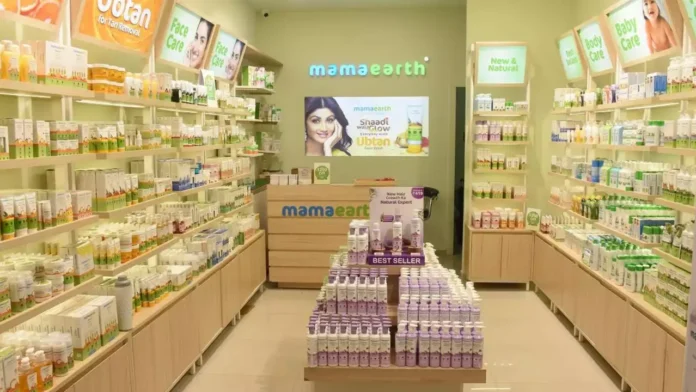
Honasa Consumer Pvt. Ltd, the beauty and personal care conglomerate, has launched its first multi-brand store pan India at Seasons Mall in Pune, as announced by a mall representative on social media.
“Exciting news! Honasa Consumer Ltd. opens a new store at Seasons Mall. The first store in pan India in MBO format. Wishing them a year filled with success and growth,” said Aajjay Divatay, mall operations manager at Seasons Mall in a LinkedIn post.
Diverse Brands at Honasa Consumer’s Store:
The store showcases a variety of in-house beauty and personal care brands, such as Mamaearth, Aqualogica, The Derma Co, Ayuga, Dr. Sheth’s, and the hair care brand BBlunt.
Founded in 2016 by Varun Alagh and Ghazal Alagh, Honasa Consumer, adopting a digital-first approach, introduced Mamaearth, a toxin-free baby care brand. This brand subsequently expanded its offerings to include beauty and personal care products for adults.
In 2020, The Derma Co became a part of the conglomerate, and in 2021, Aqualogica and Ayug joined the lineup. The acquisitions of BBlunt and Dr. Sheth’s occurred in 2022, and in that same year, the parent company achieved an annual revenue milestone of INR 1,000 crores.
In October 2023, the company secured INR 765 crore from anchor investors ahead of its initial public offering (IPO).
Taco Bell and Kraft Heinz have announced the introduction of two new meal kits named Craving Kits, providing consumers with the opportunity to create homemade versions of the fast-food chain’s Crunchwrap Supreme and Chipotle Chicken Quesadilla.
Kraft Heinz is responsible for producing Taco Bell’s branded retail items, encompassing sauces, taco kits, taco shells, and seasoning mixes.
Taco Bell’s Signature Flavors in Craving Kits:
The Craving Kits use the same ingredients, seasonings, and sauces crucial for recreating the dishes at home.
Danielle Coopersmith, associate director of marketing for Taco Bell at Home, said, “A partnership founded on a mutual obsession with their consumers, Kraft Heinz and Taco Bell created the Taco Bell at Home line to bring signature and crave-worthy Taco Bell offerings and flavours straight to the grocery aisle and allow fans to make Taco Bell their way.”
“Grounded in this core mission, our innovation strategy focuses on creating new products inspired by beloved Taco Bell classics that encourage fans to customise their at-home creations and take them to new heights.”
Alan Kleinerman, VP of disruptive innovation at The Kraft Heinz Company, added, “Our release of the Cravings Kits – the first of several Taco Bell at Home innovations planned for this year – is a great example of how Kraft Heinz is delivering against its goal to lead the future of food”.
“As we kick off 2024, we’re focused on finding the white spaces at retail where we can make an impact for fans and develop products we know they will be excited to try. Our partnership with Taco Bell is a great example of this.”
The Craving Kits can be exclusively found in Walmart stores and are available for online purchase nationwide.
McDonald’s CEO Chris Kempczinski said on Thursday that various markets in the Middle East, along with some outside the region, are facing a “meaningful business impact” due to the Israel-Hamas conflict. Additionally, he acknowledged the influence of “associated misinformation” concerning the brand in these affected areas.
Major Western fast-food chains, including McDonald’s and Starbucks, have faced largely spontaneous, grassroots boycott campaigns over their perceived pro-Israeli stance and alleged financial ties to Israel.
Kempczinski expressed disappointment and concern over the unfounded and disheartening misinformation circulating about brands like McDonald’s.
“In every country where we operate, including in Muslim countries, McDonald’s is proudly represented by local owner operators who work tirelessly to serve and support their communities while employing thousands of their fellow citizens,” Kempczinski said in a LinkedIn post.
McDonald’s and Western Brands Face Boycott Impact:
In October, McDonald’s Israel announced on its social media platforms that it had provided thousands of complimentary meals to personnel of the Israel Defense Forces.
This was later renounced by McDonald’s franchises in several Muslim countries, underscoring the intricate challenges global corporations face in navigating regional politics during times of conflict.
Some Western brands are feeling the impact of boycotts in Egypt and Jordan, with the movement now gaining traction in countries outside the Arab region, including Muslim-majority Malaysia.
On October 7, around 1,200 Israelis were killed by the Palestinian militant group Hamas. Subsequently, Israeli bombardments have resulted in the death of approximately 22,438 people in Gaza as of Thursday.
In fiscal year 2022, the company managed approximately 40,275 McDonald’s restaurants through a combination of franchising and direct operation, spanning over 100 countries. The fast-food chain reported a total annual revenue of $23.18 billion for the year.
The company’s shares experienced a slight decline during afternoon trading.
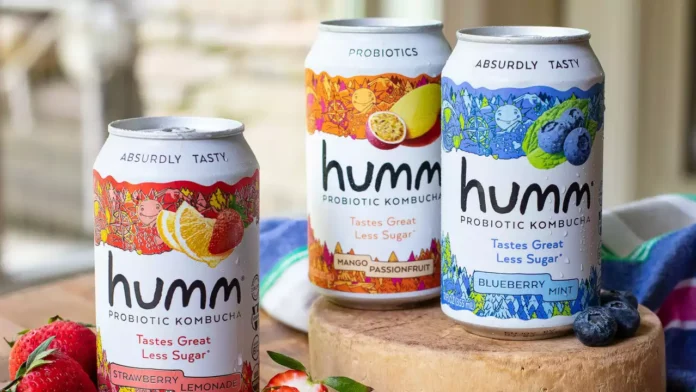
Functional beverage brand platform Systm Foods has recently announced its acquisition of Humm Kombucha for an undisclosed sum.
Systm Foods, a collaboration between Systm Brands and GroundForce Capital, specializes in acquiring and managing beverage brands that offer consumers Better-For-You (BFY) organic and functional products designed to promote healthier living.
Established in the United States in 2009, Humm asserts itself as one of the leading and rapidly expanding brands within the low- and zero-sugar kombucha and gut health beverage category.
Humm is set to join the Systm Brands portfolio, alongside plant-powered functional beverage brands Rebbl and Chameleon Organic Coffee.
Systm Foods says that the addition of Humm to its portfolio is set to advance its strategic objective of creating a leading functional beverage platform, strengthening its position in the refrigerated RTD category. Additionally, it aligns with Systm Foods’ commitment to offer BFY products with added health benefits, catering to diverse lifestyles.
Andy Fathollahi, CEO of Systm Foods, said, “Today’s consumers are seeking healthier, lower-sugar beverage options with functional advantages, ranging from digestive health to immune support, that don’t sacrifice taste or quality. Humm provides Systm Foods with unique capabilities and adds another incredible brand to our portfolio.”
Humm Kombucha’s Whole30-Approved Portfolio:
Humm boasts a product portfolio featuring the “first and only” Whole30-approved kombucha. Crafted through a proprietary fermentation process, their beverages are raw, vegan, keto-friendly, and gluten-free.
George Birman, principal at GroundForce Capital, added, “We are excited to support the Systm team in its latest acquisition, which adds significant scale and strategic capabilities to the platform. Humm is an outstanding brand with a knowledgeable team, well-positioned in a category experiencing increasing demand from consumers and retailers seeking innovative and healthy functional beverages.”
The French supermarket chain Carrefour has withdrawn PepsiCo products from its stores in four EU countries due to a dispute over price hikes.
Starting yesterday (4 January), items like Doritos, Pepsi, and 7up have been removed from Carrefour shelves in France, Italy, Spain, and Belgium. Instead, the shelves will bear signs indicating that the brands are unavailable “due to unacceptable price increases,” as reported by a spokesperson for the French supermarket giant.
The decision by Carrefour affects more than 9,000 stores across the four countries, constituting two-thirds of the retailer’s worldwide presence.
In several EU countries, various grocery retailers have also ceased placing orders with consumer giants due to rising prices. In May last year, the Belgian supermarket chain Colruyt restricted its acquisition of Mondelez products, including Milka chocolate and Oreo biscuits, following a disagreement over product pricing.
PepsiCo’s Response to Carrefour’s Move:
In a statement, PepsiCo said: “We’ve been in discussion with Carrefour for many months and we will continue to engage in good faith in order to try to ensure that our products are available”.
In October, the food giant announced its intention to implement “modest” price increases this year, as demand remained resilient in the face of price hikes. This positive market response prompted the company to raise its 2023 profit forecast.
Carrefour has a history of engaging in battles over prices. Last year, the French multinational initiated a ‘shrinkflation’ campaign, where warnings were placed on products that had reduced in size but were priced higher.
In a bid to mitigate inflation, the French government has urged retailers and suppliers to conclude annual price negotiations in January, a two-month acceleration from the usual schedule. France, which rigorously regulates its retail sector, mandates supermarkets to engage in price negotiations with food and drink producers only once a year. This measure aims to safeguard the nation’s farm industry.
“The French supermarkets, we know, are very, very ready to de-list people if they don’t like the deals that they get,” said James Walton, chief economist at the Institute of Grocery Distribution. “Obviously that’s a last resort, because nobody wins if the goods that people want are not available on the shelves.”
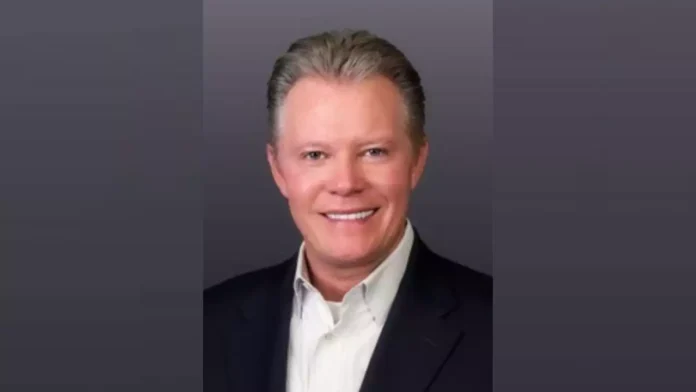
Nissin Foods USA has named Brian Huff as the company’s president and CEO, effective immediately.
Huff takes over from Mike Price, who retired from the role he held since 2018. In his new role, Huff will lead Nissin Foods’ US division, managing its continued expansion and reinforcing the company’s standing as a frontrunner in the instant ramen market.
Huff’s appointment coincides with Nissin Foods’ recent announcement of expanding its US operations with a third manufacturing facility in South Carolina.
Additionally, he will play a crucial role in advancing and supporting Nissin Foods Group’s global initiatives, including the Earth Food Challenge 2030, a component of the company’s enduring environmental strategy.
With over two decades of experience in the food industry, Huff has held various leadership positions at companies such as Kellogg Company, Whole Earth Brands, and, most recently, Diamond Foods.
US Market Priority for Nissin Foods:
Yukio Yokoyama, chief strategy officer of Nissin Foods Group, said, “The US market continues to be a top priority for Nissin Foods, with our products seeing an unprecedented growth in demand. We are excited to welcome Brian Huff to the Nissin Foods team to lead our US operations. His leadership and experience in growing brands across the food and beverage industry brings significant value as we enter this new chapter for Nissin Foods USA.”
Huff added, “Nissin Foods is a brand that is steeped in rich heritage, and yet, it has maintained an entrepreneurial spirit that remains the cornerstone and accelerant behind its relentless innovation that continues to shape the category – then and now. The future holds great opportunity for Nissin Foods in the US and I look forward to working alongside this impressive team of professionals to continue on with the company’s mission.”
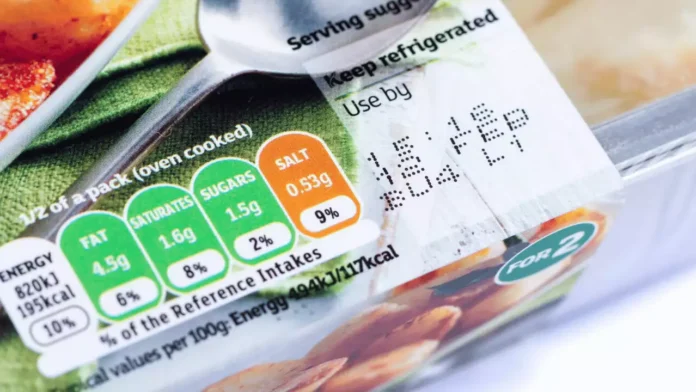
The UK government has announced plans to increase transparency in food labeling to ensure that high-quality British food stands out from the crowd.
Its proposals, announced at a conference in Oxford today (5 January) by Environment Secretary Steve Barclay, aim to “empower consumers to make informed decisions at the supermarket shelf and online, while supporting British farmers producing food to world-leading standards of taste, quality, and animal welfare.”
In what is likely to be perceived as a ‘buy British’ initiative, the outlined plans, set to undergo consultation, encompass proposals for enhancing food labeling transparency. This involves measures like “highlighting when imported products do not meet UK welfare standards.”
Barclay will engage in discussions with prominent online retailers to explore strategies for aiding customers in comprehending the origin of their food products during the purchasing process. This may involve considering the implementation of a “buy British button.”
Ensuring Fair Rewards for UK Farmers:
The government’s Department for Environment, Food & Rural Affairs (Defra) has affirmed its commitment to ensuring that British farmers adhering to high welfare standards receive fair rewards. The goal is to emphasize and distinguish high-quality British food in the marketplace.
Barclay told the conference, “British farmers take pride in producing food that meets, and often exceeds, our world-leading animal welfare and environmental standards.
“British consumers want to buy this top-quality food, but too often products produced to lower standards overseas aren’t clearly labelled to differentiate them.
“This is why I am proud to announce that we will consult on clearer food labelling so we can tackle the unfairness created by misleading labelling and protect farmers and consumers.”
Clive Black, a seasoned observer of the food industry and a director at the UK investment firm Shore Capital, provided a mixed assessment of the announcement.
“That Defra is showing some interest in the economic interests of British farming – it should really be so for the whole food system – is a welcome change,” he said.
He added, “A consultation on labelling is, I guess potentially helpful albeit the motive of the idea generation if it comes from within Defra or its SPADs [special advisers] will most probably mean ‘we must be seen to do something’, rather than a real initiative with teeth, heart and legs.
“Let’s see, therefore, what emerges, but one material way to help the UK food system, particularly farming, would be to mandate that all central and local government procurement prioritises buying British and is not permitted to procure meat, for example, that does not comply with UK welfare regulations. Alas, such ideas did not emerge.”
Walmart, the prominent US retail giant, aims to boost its annual exports from India to $10 billion, with a notable share attributed to domestic toys, according to a senior government official on Thursday.
Sanjiv, the Joint Secretary at the Department for Promotion of Industry and Internal Trade (DPIIT), mentioned that the American company recently conducted a workshop involving 100 Indian toy manufacturers. The objective is to establish a supply chain for exporting toys from India.
“Walmart has given a target of $10 billion exports from India and in that they are going to have toy exports as a significant portion,” he said.
The company had earlier informed toy makers about their requirements and expected quality standards.
Walmart’s Commitment: Tripling Exports by 2027
In December 2020, Walmart pledged to triple its annual exports of goods from India to $10 billion by 2027, offering a substantial uplift to micro, small, and medium-sized enterprises (MSMEs) in the region.
International retail giants like IKEA are currently procuring toys from India to support their global operations.
This development is noteworthy and underscores India’s increasing prowess in the toy industry, particularly considering that the country used to be a net importer of toys just a few years ago.
Sanjiv said that at present India is exporting toys to all countries, including the EU, and the US.
He added that inter-ministerial consultation and participation have helped in making toys, a successful story in India.
He informed that 14 departments, including education, tourism, and information technology, have been assigned 21 tasks to promote the growth of the sector.
“Each one of them has been assigned a work in respect of their ministry,” he said.
There are four themes of the National Action Plan for Toys (NAPT), including promoting trade and investments; design and quality; and promoting indigenous toys.
As many as 32 toy clusters have also been identified where artisans have been provided government support.
Compared to 2014-15, toy imports have dipped by 52% and exports rose by 239% in 2022-23.
A study was also conducted by the Indian Institute of Management (IIM) Lucknow on the ‘Success Story of Made in India Toys’ at the behest of the DPIIT.
According to the report, the efforts of the government have enabled in creation of a more conducive manufacturing ecosystem for the industry.
It highlighted that from 2014 to 2020, these efforts have led to the doubling of the number of manufacturing units and a reduction in dependence on imported inputs from 33% to 12%.
India is also emerging as a top exporting nation due to the country’s integration into the global toy value chain, along with zero-duty market access for domestically manufactured toys in countries, including UAE and Australia.
To position India as a viable alternative to current toy hubs of the world (China and Vietnam), consistent collaborative efforts of the toy industry and the government are essential for advancements in technology, embracing e-commerce, encouraging partnerships and exports, and investing in brand-building, the report stated.
The government has formulated a comprehensive NAPT having 21 specific action points, and implemented by 14 central ministries/departments, with DPIIT as the coordinating body.
Basic Customs Duty (BCD) on toys was increased from 20% to 60% in February 2020, and subsequently to 70% in March 2023. The Directorate General of Foreign Trade (DGFT) has mandated sample testing of each import consignment to curb the import of sub-standard toys.
A Quality Control Order (QCO) for toys was issued in 2020, with effect from January 2021.
Dairytech startup Country Delight appears to be starting the new year with a bridge round, paving the way for a larger fundraising effort.
The Delhi-NCR based startup is in the process of raising around $20 million (INR 164 crore) from its existing investors, which include Singapore’s sovereign fund Temasek, Venturi Partners, and others.
Country Delight’s board has approved a resolution to allocate approximately 78,000 Pre-Series E CCPS (Compulsory Convertible Preference Shares) to its existing investors, including Temasek, Venturi Partners, and others.
According to estimates, the startup is raising a new round at a valuation of approximately $758 million. In its previous Series D funding round of $108 million, the valuation stood at $615 million.
Additionally, there is a chance that the funding round might increase as more investors express interest and join in.
Established in 2013 by Chakradhar Gade and Nitin Kaushal, Country Delight operates on a subscription-based model, sourcing milk from farmers and delivering it directly to customers’ doorsteps. In addition to milk, the company also provides bread, ghee, various dairy products, as well as fruits and vegetables.
Up until now, the startup has secured nearly $158 million (excluding the ongoing funding round) through various funding rounds. Among its notable investors are Temasek, Matrix Partners, Orios Ventures, and Elevation Capital.
Financial Performance of Country Delight:
In the fiscal year 2022, the startup witnessed a more than 6-fold increase in its net loss, rising to INR 186.4 crore from INR 28.2 crore. Meanwhile, the revenue from operations surged by over 1.7 times, reaching INR 542.6 crore.
It is important to note that the startup derives its revenue from the sale of various products, including milk, curd, paneer (cottage cheese), ghee, eggs, fruits, vegetables, and coconut water.
Last year, during a summit, Gade mentioned that the startup would achieve profitability in the near future.
“We are currently an almost $200 Mn revenue company, and the business is growing at 5-7% month-on-month. We are on the clear path to profitability in the next 8-10 months,” he said.
Nevertheless, the startup has not yet submitted its financials for the fiscal year 2023.
Country Delight not only competes with prominent traditional players like Mother Dairy, Nandini, and Amul but also with emerging players such as Odisha-based Milk Mantra and Reliance-acquired Milk Basket.
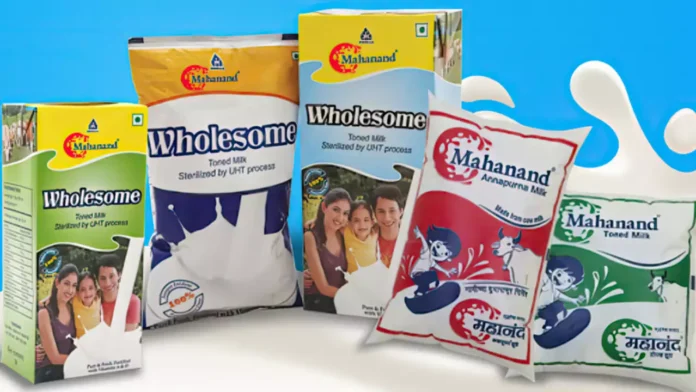
Claiming that the state government is attempting to support Amul in expanding its influence in Maharashtra by transferring the state’s cooperative milk brand Mahanand to the National Dairy Development Board (NDDB), farmers’ organizations and opposition political parties have voiced their opposition to the decision.
The board of directors at Mahanand Dairy has approved a resolution to transfer control of Mahanand to the NDDB.
“The decision to hand over Mahanand to NDDB is against the interest of the state’s farmers. It will only help Amul expand in Maharashtra. The Maharashtra government should have saved Mahanand to help farmers get better realisation for their milk,” said Ajit Nawale, leader of the Akhil Bharatiya Kisan Sangh.
Mahanand Dairy operates under the Maharashtra Rajya Sahakari Dudh Mahasangh Maryadit (MRSDMM), the apex federation of milk cooperatives at the district and block levels in the state, established during Operation Flood in 1967. Amul, on the other hand, is the brand associated with the Gujarat Co-operative Milk Marketing Federation (GCMMF), a federation encompassing all milk cooperatives from Gujarat.
In contrast to Gujarat and Karnataka, Maharashtra lacks a singular prominent milk brand in the co-operative sector. The state is home to over 300 milk brands, spanning both the private and co-operative sectors. The intense competition among these brands for a significant market share results in substantial margins granted to distributors, ultimately translating to lower prices for farmers.
“The state governments of Karnataka, Kerala and Tamil Nadu have developed their own co-operative milk brands Nandini, Milma and Avin, respectively, and opposed the entry of Amul in their states,” said Nawale.
The opposition parties, Shiv Sena and Congress, allege that the decision to hand over Mahanand to NDDB is intended to favor Gujarat’s Amul.
Challenges Faced by Mahanand Dairy:
Mahanand has transformed into an unprofitable entity, struggling to meet the salary obligations of its employees. While it once achieved a peak daily milk collection of 11 lakh litres, the dairy now only collects 70,000-90,000 litres of milk per day.
As per insiders in the dairy industry, Mahanand faced challenges such as operational inefficiencies and excessive staffing due to political patronage. The dairy struggled to disburse salaries to its employees for several months.
“We have proposed that the current board of directors be retained after handing over Mahanand to NDDB,” said an office bearer of Mahanand, who requested not to be identified.
Earlier, Maharashtra had handed over Jalgaon Milk Co-operative to NDDB, which then made it profitable and subsequently returned it to the local management.
We use cookies to ensure that we give you the best experience on our website. If you continue to use this site we will assume that you are happy with it.