Friday, January 23, 2026
Home Blog Page 703

New Zealand dairy giants Synlait and A2 Milk Co. navigate rocky waters amidst fresh pricing dispute

0
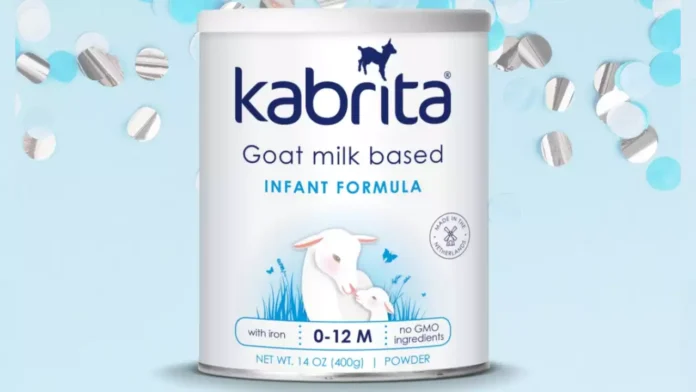
A2 Baby formula

The already strained relationship between New Zealand dairy companies Synlait and A2 Milk Co. faces an increased risk of deterioration after it was revealed that a pricing dispute has been added to the existing contract row.

The ongoing contractual dispute, wherein Synlait contests A2 Milk’s authority to terminate an exclusivity of supply arrangement, has progressed to arbitration. However, in a stock exchange announcement on December 22, Synlait disclosed a fresh point of contention between the two companies.

It said, “Synlait recently entered a good faith negotiation period under the NPMSA [the Nutritional Powders Manufacturing and Supply Agreement] regarding a separate issue between the parties about pricing regarding products manufactured by Synlait for The A2 Milk Co.

“The resolution of this matter is important because it could impact the margin for certain products manufactured under the NPMSA historically and going forward.

“Synlait advises that the good faith negotiation period under the NPMSA expired yesterday. Synlait wants the matters resolved and will refer the pricing matters to a confidential binding arbitration.”

No specific information was provided regarding the precise nature of the pricing matter mentioned by Synlait.

In October, the companies mutually decided to pursue arbitration to address the termination of the exclusivity contract.

Continue Exploring: New Zealand’s A2 Milk and Synlait locked in dispute over contract termination

Synlait stated that the assessment will also consider whether the obligation to secure a minimum annual volume of product and specific priority arrangements benefiting The A2 Milk Co. under the NPMSA will no longer be in effect if the exclusivity provision under the NPMSA is determined to have been validly revoked.

The initial disagreement arose when A2 Milk, Synlait’s second-largest shareholder holding a 19.8% stake, issued written notice in September to terminate the exclusive manufacturing and supply rights previously granted to the company.

The rights encompassed stages 1 to 3 of A2’s infant-formula products, including A2 Platinum, intended for sale in China, Australia, and New Zealand.

It stated that the exclusivity agreement was terminated “because Synlait’s performance during FY-23 in terms of full and timely delivery fell below the threshold necessary for Synlait to retain such exclusive rights.”

In its latest announcement, Synlait disclosed that discussions between the companies also involve claims related to expenses linked to product services, costs of surplus or damaged packaging materials, expenses tied to new product development, lost profits due to delayed deliveries, and allegations of failure to share cost savings arising from the utilization of third-party ingredients.

The parties are taking part in negotiations to attempt to resolve these matters.

Synlait said that it remains of the view that “together both companies stand the best chance of weathering the China market dynamics”.

It continues to hold the Chinese regulatory State Administration for Market Regulation (SAMR) license which is attached to Synlait’s Dunsandel manufacturing facilities.

The license, which lasts until 2027, is for A2 Milk Co.’s Chinese-labelled infant-formula products.

Responding to Synlait’s latest statement, A2 Milk Co. said it “remains confident” in respect of all of the issues currently in arbitration.

It added, “The company is also confident in its position overall in relation to the ‘new pricing and other matters in dispute’, as noted in Synlait’s announcement and which largely relate to matters initially raised by A2 Milk Co.”.

Advertisement

Equinox exits Salpa & Cherubini as Apheon takes control with strategic vision

0
Salpa & Cherubini

Salpa & Cherubini, the producer of Italian ice-cream sandwiches and biscuits, has experienced a shift in majority ownership.

Luxembourg-based private-equity fund, Equinox, has divested its 63% share in the Perugia-based company to the pan-European investment firm Apheon for an undisclosed amount.

Established in 1934 by the Cherubini family, Salpa & Cherubini is the owner of Break & Go, a brand specializing in ice-cream sandwiches, and operates the gluten-free biscuit line known as Kèlinea. Additionally, the group supplies its products to major food corporations such as Nestlé and Unilever.

The Cherubini family will retain ownership of the remaining 37% stake.

A company statement said that “Apheon’s entry into the capital will allow Salpa to further accelerate growth in the US, a market of strategic importance for the company”.

Maria Rita Cherubini and Abramo Cherubini said, “We thank the Equinox team for the successful collaboration over the last few years and recognise in Apheon a partner capable of offering strategic guidance and capital for a new phase of growth.

“We appreciate Apheon for its local, yet global approach and for its knowledge of the food industry and food ingredients. Thanks to this partnership, we will be able to continue to grow and enter new markets, innovate and reach new goals. This is the beginning of a new chapter for set sail and we are excited to embark on it with Apheon.”

Salpa & Cherubini possesses three manufacturing facilities in Italy, covering an approximate area of 90,000 square meters, and has a workforce of approximately 250 employees.

Massimiliano Monti, a partner at Equinox, said, “It has been a privilege to have contributed to the development of the company over the last three years and to have supported the Salpa management team in achieving the great organic growth which has laid the foundations for the next phase of expansion of the business.

“We have identified Apheon as the ideal partner to accompany the family and the company in this exciting journey which aims to extend Salpa’s leadership position on a global scale.”

Among Apheon’s portfolio of food companies are Dolciaria Acquaviva, an Italian business-to-business frozen bakery firm, and Vanreusel, a company specializing in frozen meat-based snacks.

Advertisement

From Mumbai’s irresistible chaats to Hyderabad’s iconic biryani: Indian cities shine in global culinary rankings

0
Chaat - Biryani

Local cuisine serves as a delightful narrator, softly recounting the intricate tale of a city’s past, culture, and character. Every dish encapsulates the essence of regional customs, showcasing distinct flavours and a culinary legacy that has matured through the ages. Whether savoured at roadside vendors or renowned establishments, the local food panorama unveils the communal recollections, rejoicing in shared moments and the amalgamation of varied influences. The selection of ingredients frequently mirrors the area’s agricultural practices, climate, and trade history.

Whether it’s a comforting bowl of soup, a tempting street snack, or a distinctive dessert, regional cuisine captures the very spirit of a city. Through the culinary craft, both locals and visitors embark on a tasteful journey, discovering the stories of a city’s history, embracing its present, and relishing the unique essence that distinguishes it in the global culinary tapestry.

In recognition of the significance of local cuisine, Taste Atlas, the online guide for experiential travel, recently unveiled its ‘Best Food Cities in the World’ list, featuring Mumbai, Hyderabad, Delhi, Chennai, and Lucknow among the top 100. Mumbai and Hyderabad, representing India, secured positions at 35th and 39th, respectively, in the top 50. Delhi claimed the 56th spot, while Chennai and Lucknow secured rankings at 65th and 92nd. Delhi and Mumbai are celebrated for their diverse chaats, Hyderabad is renowned for its Biryani, Chennai for its delightful Dosa and Idli, and Lucknow is famed for its exquisite Mughlai dishes, including Kebabs and Biryani.

At the pinnacle of the rankings is Rome, Italy, celebrated for its robust and flavourful dishes crafted from fresh ingredients. Following closely are Bologna and Naples, securing the 2nd and 3rd positions, respectively. All three Italian cities are renowned for their culinary prowess in pasta, pizza, and cheese-based delicacies. Rounding out the top 10 are cities such as Vienna (Austria), Tokyo (Japan), Osaka (Japan), Hong Kong (China), Turin (Italy), Gaziantep (Turkey), Bandung (Indonesia), Poznan (Poland), San Francisco (United States of America), Geneva (Switzerland), Makati (Philippines), and more.

In the realm of regional cuisine, people relish indulging in Pav Bhaji, Dosa, Vada Pav, Chole Bhature, Kebabs, Nihari, Pani Puri, Chole Kulche, Biryani, and an array of chaats.

Advertisement

Coca-Cola’s Minute Maid diversifies portfolio: Enters alcohol market with innovative cocktails

0
Minute Maid

The Coca-Cola Co. is launching a variety of ready-to-serve “flavoured wine cocktails” under CSD and juice brand Minute Maid.

The lineup, Minute Maid Spiked, marks the orange juice brand’s first venture into the alcohol category.

Minute Maid Spiked will come in three flavours: lime margarita, strawberry daiquiri, and piña colada. Each will be available in a 1.5-litre bottle with a 13.9% alcohol by volume (abv).

The ready-to-serve cocktail range is set to debut in the first half of 2024 and will be managed by Coca-Cola’s alcohol unit subsidiary, Red Tree Beverages.

Coca-Cola said that Minute Maid Spiked will initially be exclusively available in the US. The range will be distributed “nationwide” through retail outlets that “offer comparable wine products,” the company added.

When questioned about the wine sourcing for the range, the spokesperson stated, “The formula and ingredient information are proprietary to Red Tree, and we do not disclose this information.”

In July, Coca-Cola created the Red Tree Beverages subsidiary to further explore opportunities in the alcohol sector.

The company stated that the unit, referred to as a “firewalled subsidiary” of its primary operations, obtained a federal basic permit (mandatory for all alcohol distillers, importers, and wholesalers operating in the US) late last year.

In a statement at the time, Coca-Cola said, “This allows it [the company] to engage further in its relationships with third-party alcohol companies that use The Coca-Cola Company’s brands in the alcohol space.

“Red Tree Beverages will not be distributing alcohol in the US, and neither will The Coca-Cola Company. The creation of Red Tree Beverages is the next logical step in The Coca-Cola Company’s evolution as it continues its deliberate and disciplined experimentation in alcohol in the United States.”

Coca-Cola maintains a limited portfolio of alcoholic beverage products, manufactured and distributed by third-party producers. This selection includes Topo Chico Hard Seltzer and Simply Spiked Lemonade (Molson Coors Beverage Co.), as well as Fresca Mixed (Constellation Brands).

Last year, the company partnered with Brown-Forman to launch a ready-to-drink Jack Daniel’s and Coca-Cola product. The RTD has since been rolled out globally to markets, including the EU and the UK.

In October, Pernod Ricard collaborated with Coca-Cola to create Absolut & Sprite, a vodka-based ready-to-drink (RTD) cocktail. The product is scheduled to be launched next year.

Continue Exploring: Pernod Ricard teams up with Coca-Cola for Absolut & Sprite cocktail release

Advertisement

Jewellery consumption set for 10-12% value growth in FY24, driven by soaring gold prices: ICRA

0
Gold Jewellery
(Representative Image)

Jewellery consumption, in terms of value, is projected to grow by 10-12 percent in the current financial year, mainly attributed to the increase in gold prices, as reported on Friday. The rating agency ICRA has revised its forecast for the year-on-year (YoY) domestic jewellery consumption growth (in value terms) in FY24 to 10-12 percent from the earlier estimates of 8-10 percent, primarily driven by the rise in gold prices.

The consumption of jewellery is estimated to have risen by more than 15 percent year-on-year in the first half of FY24. This growth can be attributed to stable demand during ‘Akshaya Tritiya,’ a festival regarded as auspicious for purchasing precious metals, coupled with elevated gold prices.

Nevertheless, Icra anticipates the growth rate to moderate to 6-8 percent in the latter half of this financial year, due to sustained tepid rural demand amid persistent inflation.

Following a period of volatility from December 2022 to April 2023, gold prices exhibited relative stability in the first half of FY24, marking a 14 percent increase compared to the average prices from the corresponding period in the previous year, as mentioned in the report.

The heightened price levels aided in the revenue expansion of the majority of jewellery retailers, despite subdued volume growth, according to the statement.

The current tensions in the Middle East and the evolving global macro-economic conditions may contribute to maintaining elevated gold prices in the short term.

The spike in gold prices since early October 2023 and persistent inflationary headwinds remain key risks to demand, it stated.

“Jewellers of the organised market is projected to record a healthy revenue expansion of 15-18 per cent YoY in FY24 on the back of their planned retail expansions and a gradual shift in consumer preferences towards branded jewellers. The organised jewellery retailers are expected to outperform the industry over the medium term supported by tailwinds from accelerated formalisation of the industry,” Icra Vice President and Sector Head Sujoy Saha said.

Icra has projected some moderation in FY24 in the operating margins of organised players owing to the front-loaded operating costs for planned store additions and increased advertising expenditure in the face of rising competition.

Nevertheless, the benefits of economies of scale are likely to support the operating margins, which are estimated to hover in the range of 7.5-8 per cent in the near to medium term.

Despite the projected increase in debt levels to fund the inventory for new stores, the debt protection metrics for the players are estimated to remain comfortable.

“The organised jewellers had recommenced their retail expansion in FY23, after a brief hiatus in FY21 and FY22, with the store count estimated to have risen by more than 20 per cent during the year. The momentum is likely to continue over the near to medium term with an estimated increase in store count by 18-20 per cent YoY in FY24, supporting their revenue growth,” Saha added.

Advertisement

Marriott Bonvoy’s Homes & Villas: Latest Culinary Expansion in India

0
Marriott Bonvoy

Marriott Bonvoy, a premium and luxury whole home rental collection, has recently launched in India. With over 100,000 premium and luxury whole-home rentals in 700 prime leisure destinations worldwide, Marriott Bonvoy offers an exceptional experience for travellers. 

In India, Marriott Bonvoy is in discussions with professional management companies to launch nearly 500 luxurious units throughout 2023. These units will be professionally managed, fully furnished, and boast exceptional design, cleanliness, safety, and amenities. The Homes & Villas also offer a world-class kitchen setup to elevate your cooking and regional cuisine experience. 

Marriott Bonvoy’s Homes & Villas enters India

India, known for its diverse landscapes ranging from snowcapped mountains to vast deserts, is a popular destination for international travellers seeking a culturally rich experience. 

The return of Indian travellers, especially after the pandemic, provides Marriott International with the opportunity to introduce their high-end rental options, ranging from luxury apartments to multi-bedroom luxury villas with private pools and a range of culinary options.

Marriott Bonvoy
Marriott Bonvoy (Representative Image)

In the first phase, Marriot will launch rental homes in major tourist locations such as Goa, Alibaug, Lonavala, Mahabaleshwar, and Kasauli. The second phase will include cities in the West and South of India, such as Ooty, Coorg, Coonoor, and Mahabaleshwar. The North of India will include cities like Mussoorie/Dehradun, Nainital, Bhimtal, Shimla, Manali, Srinagar, Rishikesh, Udaipur, Jaipur, and Chandigarh.

Homes & Villas by Marriott Bonvoy was launched in May 2019 to offer Marriott Bonvoy members more options during their travels. With over 90 years of expertise in delivering exceptional hospitality experiences, these homes are listed on Marriott’s award-winning travel program, Marriott Bonvoy. Each home is professionally managed and meets Marriott’s design, cleanliness, safety, reliability, and amenity standards. This allows the company’s 173 million+ members to earn and redeem points for all stays.

Try more news: Flavourful Adventure: Exploring the Maharashtra’s Cuisine Beauty!

To ensure that each Home Management Company (HMC) meets Marriott’s high standards for regulation, design, and amenities, they were audited and reviewed by Marriott International before being shortlisted. These HMCs specialize in creating and curating luxury experiences and offer a range of top-class facilities and services, striving to provide the most comfortable and luxurious holiday experience for guests.

Marriott Bonvoy – Support System!

Making travel even easier, Homes & Villas by Marriott Bonvoy is managed by a specialist property manager and provides 24/7 support for any customer assistance during the getaway.

With the launch of Homes & Villas by Marriott Bonvoy in India, Foreign and Domestic travellers can now enjoy a luxurious and extraordinary travel experience amid amazing views and cuisine, backed by Marriott International’s 90+ years of expertise in delivering exceptional food & hospitality.

Advertisement

Sneak peek into 2024: Frito-Lay and Quaker reveal the next big things in food and snacking

0
Snack
(Representative Image)

The recently released U.S. Snack Index for the fifth consecutive year validates a sentiment shared by many – the constraints of time are becoming increasingly evident. In 2024, the boundary between “snacks” and “meals” will further dissolve, particularly for parents and younger generations, as the struggle to find time for meal preparation and enjoyment persists.

“While Frito-Lay and Quaker’s latest Snack Index confirms that time is scarce, the data also reinforces the fierce passion that consumers have for their food preferences,” stated Denise Lefebvre, senior vice president of R&D for PepsiCo Foods. “As we look to 2024, we have a tremendous opportunity to continue meeting the evolving needs of our consumers. It has never been more important for us to infuse that inspiration with innovation, delivering on our promise of more smiles with every bite.”

Frito-Lay and Quaker are unveiling three food and snacking trends that are poised to shape the year ahead:

  1. The Time Crunch Dilemma:

While there are always technically 24 hours in a day, a significant 80% of Americans perceive their days as having fewer hours. This sense of time constraint is particularly acute among younger generations, reaching 85%, and shows no indication of easing, as 60% of consumers anticipate an increase in demands in the new year.

In 2024, Americans will say goodbye to hours spent marinating, chopping, roasting, or baking. The trend of the “no-prep dinner,” defined as a simple meal that requires little effort to make, will continue to grow in popularity, alongside dinners rooted in Americans’ favorite snack products.

  • A Dash to Dine: As per the Index, the typical American has a mere 52 minutes daily to ready, consume, and savor their meals. One-third of consumers report having even fewer minutes, managing to allocate less than 30 minutes each day for meal preparation and enjoyment.
  • Snacks Move to Center Plate: A growing number of consumers are incorporating their preferred snack items into their meals, marking a 35% increase from previous years. Weekly, over half of consumers proudly incorporate snacks as essential ingredients in no-prep dinners, with more than one-third seizing this opportunity multiple times per week.
  • Top Truths: When questioned about the significance of snacks in their no-prep routine, Americans cite a desire for a particular snack (51%) and being too busy to cook (44%) as the primary reasons.
  • #GirlDinner Debunked: While the internet may have coined the term #GirlDinner for snack-focused meals, the trend is all-encompassing in 2024. Men (92%) assert an equal likelihood of incorporating snack foods into their meals as women (93%), with 36% pushing the boundaries between snacks and meals more than in previous years.
  1. Introducing the Snack Savant:

The rise of the self-proclaimed Snack Savant will undoubtedly make waves in 2024. These Savants show no hesitation in their snack game, openly embracing all aspects of food, adventure, and community.

Among those likely to embrace this title, Millennials (83%) and Gen Z (82%) take the lead, with the majority of these Snack Savants residing in urban areas (77%). Demonstrating resourcefulness, 55% mention that their favorite snack combinations are inspired by what is already in the pantry. Additionally, they turn to social media for additional ideas, with 32% relying on these platforms for snack inspiration.

Snacking as an Art, Not an Act: 80% agree that the creation of the perfect bite through the combination of multiple food products is an art form. Despite 65% admitting to indulging in eccentric snack pairings, they harbor no embarrassment and are ready to proudly declare their unique combinations, willing to “shout them from the rooftops.”

  1. Snacking for Tasty Satisfaction:

In 2024, snacking will be centered on the importance of purpose, protein, and packing a punch.

  • Protein Power: When eyeing snacks at the grocery store, Americans cite protein as the most important nutritional attribute (55%). Compared to previous years, an overwhelming 79% of consumers admit it’s more critical than ever for protein to take center stage – especially true for those most crunched on time (80%).
  • Energy Boost: Every week, 60% of consumers turn to their preferred snack products to boost their energy levels. Among the generations, Millennials (72%) stand out as the most in need of a pick-me-up, surpassing Gen Z (62%), Gen X (61%), and Baby Boomers (46%). Interestingly, parents lead the pack, with 72% relying on snacks to energize themselves.
  • Taste Triumphs: Across all generations, a significant majority of consumers (74%) are unwilling to compromise on taste when choosing their snacks. Baby Boomers emerge as the most steadfast in refusing to sacrifice taste, with 84%, followed closely by Gen Xers at 75%.
Advertisement

Tims China partners with DiDi for strategic brand expansion across China

0
Tim Hortons

As part of a strategic initiative to enhance its brand presence, TH International (Tims China) has established a collaborative alliance with the ride-hailing giant DiDi Chuxing.

Tims China manages the operations of Tim Hortons coffee shops and Popeyes restaurants within the country.

The partnership strives to boost the visibility of the Tims China brand by implementing cross-brand and cross-channel marketing strategies, capitalizing on DiDi’s extensive customer base.

The company highlighted that users of the DiDi app had the opportunity to accumulate points for a complimentary Tims bagel or coffee with every ride booked from November 27 to December 10, 2023.

Moreover, customers who made purchases from Tims China’s Orange Aroma series were given a co-branded sticker and cup sleeve as an additional offering.

The company established retail outlets with DiDi-themed decor in prominent Chinese cities such as Guangzhou, Wuhan, Beijing, Shanghai, and Chengdu.

The campaign resulted in the acquisition of 20,000 new loyalty club members and generated an additional 1.7 million yuan in sales.

The campaign also garnered significant traction on China’s social media platform Xiaohongshu, accumulating over 11 million views.

By merging the expansive reach of DiDi’s transportation services with Tims China’s network of over 800 stores, the collaboration is reported to have expanded the customer base for both brands.

Tims China CEO Yongchen Lu said, “We are excited to be reaching new customers amongst Didi’s large ridership.

“Our collaboration with DiDi Chuxing, a world leader in transportation services, is a great example of cross-channel promotion that builds our loyal customer base, which currently includes at over 18 million programme members and is growing every day.”

DiDi offers a variety of app-based services encompassing ride-hailing, taxi services, designated driving, and other shared mobility solutions across Asia Pacific, Latin America, and beyond.

Earlier this year, Tims China announced the opening of its 700th coffee shop in the country.

Advertisement

Avolta opens first Le Crobag store at Düsseldorf Airport, bringing French bakery bliss to travelers

0
Le Crobag

Avolta has announced the launch of the first Le Crobag flagship store airside at Düsseldorf Airport, Germany.

Travellers awaiting their flights will have access to Le Crobag’s specialties and French baked goods at the store.

The store situated at Gate B covers a space of 190m² and has the capacity to accommodate 75 people for dining.

Offering an expanded array of products, the store includes traditional French snacks alongside a specially curated selection for air travelers.

It provides a diverse range of tarte flambée, complemented by a bar that serves beer, wine, and soft drinks.

Adorned with a golden logo and a blue counter, the store offers services from early morning until the final departure at night, managed by a team of 15 employees.

Avolta general manager for Germany Martin Heuer said, “We understand the unique needs of air travellers. With extended layovers, passengers seek a relaxing pre-flight experience. In line with Avolta’s Destination 2027 strategy, we want to make every journey as rewarding as the destination.

“That’s why we are offering a unique concept airside at Düsseldorf Airport, with a delicious range of products and a warm service that invites travellers to make the most of the time before their flight.”

Flughafen Düsseldorf head of commercial operations Pia Klauck said, “The team at Düsseldorf Airport is thrilled about the opening of the first airside Le Crobag and the upcoming shops in the new year.

“The tailored concepts designed specifically for our airport are set to enhance travellers’ experiences during their visit.”

Avolta’s recent addition signifies the company’s growth at Düsseldorf Airport, with a second Le Crobag store set to open in February 2024.

The store will present seasonal items along with fresh hot snacks like baguettes and pastries inspired by French cuisine.

Moreover, a Burger Federation restaurant is expected to open in March next year.

These two establishments will become part of Avolta’s existing portfolio of eight stores at Düsseldorf Airport.

Advertisement

Korea’s E-Mart24 enters Cambodia, aiming for 100 stores by 2028

0
E-Mart24

E-Mart24 Inc., a prominent South Korean convenience store chain, is set to enter the Cambodian market, aiming to establish a presence in one of Southeast Asia’s vibrant and rapidly expanding markets.

On Friday, E-Mart Inc., the parent company of E-Mart24, announced the signing of a master franchise agreement with Saihan Partners. Saihan Partners is a joint venture between Cambodia’s food and beverage conglomerate, Saisons Brother Holding Co., and Korea’s Hanlim Architecture Group.

Since 2017, Hanlim, a real estate developer, has been active in Cambodia.

The agreement was signed at E-Mart’s Seoul headquarters by E-Mart24 Chief Executive Han Chae-yang, David Sambo, the director of Saihan Partners, and Hanlim Architecture Group Chairman Park Jin-sun.

As per the agreement, Saihan Partners will possess the authority to manage E-Mart24 convenience stores in Cambodia, overseeing tasks such as site selections and product sourcing. In return, E-Mart24 will receive royalties from Saihan.

The first E-Mart24 store, also serving as Korea’s first convenience store in the country, is set to launch in Phnom Penh in the first half of next year. E-Mart24 aims to increase its store count in Cambodia to 100 by 2028.

E-Mart24 expressed confidence in its substantial business growth potential within Cambodia.

Prior to being impacted by the COVID-19 pandemic, the country had recorded a GDP growth rate in the range of 7%, and the influx of foreign tourists stood at approximately 6.6 million, constituting 40% of Cambodia’s population. The economic forecast for Cambodia anticipates a growth rate of 6.6% in 2024.

E-Mart24 currently runs convenience stores in various other Southeast Asian countries.

The Korean company expanded its presence into Malaysia in 2021 and entered the Singaporean market last year.

E-Mart, overseeing 46 convenience stores in Malaysia and three in Singapore, aims to increase the number of stores in both nations to 300 each within the next five years.

“Once we successfully settle in Cambodia, we’ll continue to expand our presence globally,” said E-Mart24 CEO Han.

Advertisement