Saturday, February 7, 2026
Home Blog Page 701

IPO-bound FirstCry files DRHP, targets INR 1,816 Crore fundraising in fresh issue

0
FirstCry

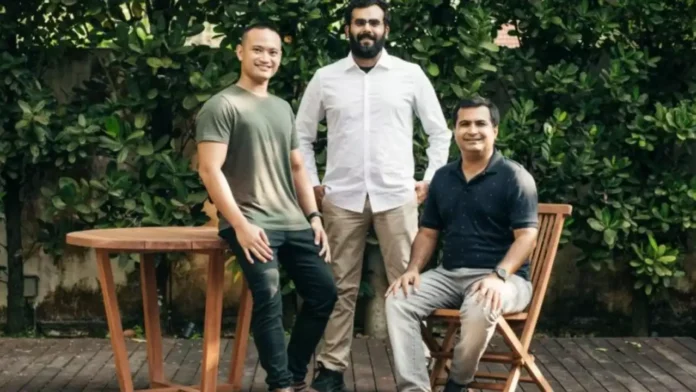
Pune-based BrainBees Solutions Limited, the parent entity of the omnichannel marketplace FirstCry, has filed a draft red herring prospectus (DRHP) with the market regulator SEBI. Led by Supam Maheshwari, the ecommerce unicorn is seeking to raise INR 1,816 crore through fresh issues of shares.

The offering also encompasses an offer-for-sale (OFS) segment involving 5.4 crore equity shares. SoftBank from Japan, holding a stake of over 25%, will be the most significant seller, divesting up to 2 crore equity stakes. Additionally, Premji Invest is set to sell 8.6 million shares in the OFS. Founder Supam Maheshwari will also part with his stake in the IPO.

The startup intends to use the net proceeds from the IPO for the following purposes:

The allocation of funds, amounting to INR 648 crore, will cover the costs associated with setting up new contemporary stores and warehouses. Moreover, it will address lease payments for the existing modern stores in India.

The company intends to invest INR 155.6 crore in its subsidiary, FirstCry Trading, to facilitate overseas expansion through the establishment of new modern stores in Saudi Arabia.

An investment of INR 170.5 crore will be made in the subsidiary Globalbees Brands to acquire an additional stake in the company’s indirect subsidiaries.

An investment of INR 100 crore will be directed towards sales and marketing initiatives.

Technology and data science cost of INR 57.6 Cr.

The remaining funds will be allocated to support inorganic growth through acquisitions, other strategic initiatives, and general corporate purposes.

The company is considering a pre-IPO private placement of equity shares to specific investors, aiming to raise up to INR 363 crore. The funds generated in the pre-IPO round will be subtracted from the fresh issue.

For the quarter concluding on June 30, 2023, the company incurred a loss of INR 110 crore. As of June 30, 2023, the startup boasted 8.25 million annual unique transacting customers.

In the financial year 2023, FirstCry witnessed a significant increase in net loss, soaring over 500% to INR 486 crore from INR 78.6 crore in the preceding fiscal year. It’s noteworthy that the startup had achieved a net profit of INR 215.9 crore in FY21. Additionally, the startup recorded sales of INR 5,632.5 crore in FY23, marking a 135% rise from INR 2,401.2 crore in FY22.

FirstCry’s consolidated financials comprise the financial performance of its 38 subsidiaries, including Globalbees.

Advertisement

Tim Hortons set to expand presence with 26th outlet at Mumbai Pune Expressway

0
Tim Hortons

The Canadian coffeehouse and restaurant chain, Tim Hortons, has announced in a social media post that it will open a new outlet on December 29 at Mumbai Pune Expressway, HPCL Petrol Pump, just beyond Khalapur Toll plaza.

“Save the date as we’re all set to brew up deliciousness on 29th December at Mumbai Pune Expressway, HPCL Petrol Pump, after Khalapur Toll with guaranteed surprises in store for everyone,” stated the official LinkedIn handle of Tim Hortons while sharing a video.

Presently, there are 25 Tim Hortons establishments in India, and this will mark the brand’s 26th outlet in the country. The 25th store was inaugurated in Punjab earlier this month.

Continue Exploring: Tim Hortons strengthens presence in Punjab with the opening of its 25th outlet

The cafe chain made its Indian debut in August 2022 by opening two outlets in the National Capital Region (NCR). The brand entered India through an exclusive master franchise agreement with AG Café, a joint venture entity jointly owned by the retail conglomerate Apparel Group and Gateway Partners, an emerging markets alternative investment manager.

Presently, the coffee retailer has a presence in cities such as Bengaluru, New Delhi, Chandigarh, Pune, Gurugram, Noida, Ludhiana, and Mumbai.

Established in 1964 by Canadian hockey players Tim Horton and Jim Charade, the company is now globally managed by Restaurant Brands International Inc., boasting over 5,100 restaurants spanning 15 countries.

Advertisement

3 food hacks that help you reduce cramp pain

0
cramp pain

Menstrual cramps are never easy to deal with; they may be inconvenient, debilitating, and occasionally so bad that you may have to postpone your plans for the day. There are other suggestions for relieving this excruciating period pain, including the use of heat patches, yoga, exercises, and over-the-counter painkillers. The incorrect food plan, however, is the main factor that is unshakeable in this agony. We’ll talk about three key dietary tips in this article that can assist in lessening cramping.

Jian Jenny Tang, MD, is an assistant professor of obstetrics, gynecology, and reproductive science at the Icahn School of Medicine at Mount Sinai and an ob-gyn at Mount Sinai Hospital in New York City. Explained A simple description of the period pain cycle, Dysmenorrhea is the medical term for period pain that is so severe. Period cramps can be physically uncomfortable, but they can also be emotionally upsetting since they can make people feel angry, tired, or frustrated.

Food to avoid during your menstrual cycle

Consider the whole menstrual cycle when planning your diet because various nutrients are required at different stages of the cycle. This includes the time you spend eating throughout your period.

While some foods might help reduce menstrual pain, regrettably, some foods can make it worse. Eating things that ease the pain is not always as important as knowing what not to eat during your menstrual cycle. The following are some frequent offenders to avoid:

Red meat:

Red meat can worsen cramps because it is high in arachidonic acid, a precursor to inflammatory prostaglandins. Choose leaner protein sources such as beans, fish, or poultry.

Foods that are fried or greasy:

Rich in saturated fat, these foods can make pain and inflammation worse. 

Refined carbs:

Blood sugar spikes and crashes are brought on by white bread, pastries, and sugary cereals, and they can exacerbate weariness and mood swings. Consume only whole grains such as quinoa, brown rice, and oats.

Nutritional modifications for alleviating pain

Even though women frequently experience painful and severe period cramps, there are natural ways to relieve the pain, including by adopting minor dietary adjustments. Hormone fluctuations throughout the menstrual cycle can cause food cravings. A need for salty or sugary snacks may be your body’s attempt to boost energy levels temporarily.

These meals help prevent the discomfort that occurs with each month’s menstrual cycle. Magnesium, present in foods like roasted pumpkin seeds, chia seeds, soy milk, black beans, salmon, and green vegetable juice, also helps to relax muscles. 

Menstrual pain is less common in women who follow the Mediterranean diet, which is high in fruits, vegetables, and healthy fats.

Here are some food recommendations to help you cope with period pain: 

  1. Dark Chocolate 

Not only can dark chocolate satisfy sweet tooths, but it also helps ease menstrual cramps. Magnesium is an ingredient that aids in muscle relaxation and discomfort relief. Furthermore, serotonin precursors found in dark chocolate help elevate mood. For maximum advantages, dark chocolate with at least 70% cocoa content is advised.

  1. Ginger-Infused Tea

Ginger has long been recognized for its capacity to lessen muscular soreness and act as an anti-inflammatory. Period cramps can be effectively relieved and relaxation can be encouraged by drinking ginger tea, Stir-fries, soups, and smoothies can also be made using it.

  1. Omega-3 Rich foods 

Menstrual discomfort and inflammation can be reduced by including omega-3 fatty acids in your diet. Omega-3s are abundant in fatty fish, like sardines, mackerel, and salmon. The ideal ratio of omega-3 to omega-6 fatty acids should be maintained in your diet. Additionally, hemp seeds, walnuts, seaweed, mackerel, and oysters contain them.

Role of nutrition

Leslie Northcutt, the head of nutrition, advises consuming high-fiber foods, particularly during the luteal phase. Oats, kidney beans, broccoli, and root vegetables like carrots and beetroot are some examples of foods high in fiber. These meals aid in the constipation that comes on during the luteal phase of menstrual cramps.

In addition, poisons and hormones that your body wants to flush out can accumulate and be reabsorbed if you aren’t eliminating them effectively enough. When estrogen accumulates during your menstrual cycle rather than being pushed out, you may have estrogen dominance, which can lead to excruciating cramps and heavy bleeding.

According to Northcutt, “balance is best.” Everyone is aware that eating well and exercising are necessary for good health, but it’s also helpful to know a few basic life balance tips and strategies.

Recall that maintaining a balanced diet, staying hydrated, and paying attention to your body are crucial for supporting general well-being during your menstrual cycle. Although these dietary recommendations may be helpful, it is always advisable to speak with a healthcare provider for specific guidance. 

Advertisement

Zomato unveils PicNic AI, redefining the art of food presentation

0
Zomato
Zomato

Zomato has recently rolled out PicNic AI, an innovative tool set to revolutionize the visual presentation of food images shared by its partnering restaurants. This cutting-edge technology harnesses Stable Diffusion, a sophisticated method leveraging deep learning and diffusion generative AI algorithms.

PicNic AI aims to elevate the aesthetic appeal of uploaded food images while providing descriptive text prompts that vividly depict the final culinary offerings. Notably, the tool utilizes the InPainting Variant of Stable Diffusion to accurately showcase the original dishes, effectively transforming ordinary visuals into high-quality, studio-grade images.

By incorporating this state-of-the-art tool, Zomato is enabling its network of restaurant partners to access professional-grade food photography. This initiative represents a noteworthy stride in augmenting the visual appeal of over one lakh monthly food images, ultimately benefiting both Zomato’s extensive network and the millions of customers engaging with its platform.

As stated by Zomato, “PicNic AI leverages Stable Diffusion technology to seamlessly enhance food images, presenting them in an alluring, professional manner. We are thrilled to offer this transformative tool to our valued restaurant partners, enriching their visual representation and captivating customers with stunning visuals.”

This groundbreaking technology not only enhances aesthetics but also nurtures a more captivating and visually appealing experience for customers navigating the platform. As Zomato persists in prioritising innovation, the incorporation of PicNic AI emphasizes the company’s dedication to revolutionising the gastronomic landscape through the integration of cutting-edge technology with culinary presentation.

Continue Exploring: Zomato introduces AI-powered assistant for tailored food recommendations and enhanced user experience

According to Zomato’s spokesperson, “The utilization of Stable Diffusion’s InPainting Variant ensures that the authenticity of the original dish remains intact while transforming images into visually captivating representations. This innovation brings professional food photography within reach for our restaurant partners, contributing to an enhanced user experience for our customers.”

By employing PicNic AI, Zomato seeks to enhance the allure of culinary offerings, enriching the visual narrative and creating a more enticing platform experience for its diverse user base.

Advertisement

Zomato receives INR 401.7 Crore show cause notice from GST authority over unpaid taxes

0
Zomato
Zomato

Foodtech giant Zomato has been issued a show cause notice of INR 401.7 Crore by the Directorate General of GST Intelligence, Pune Zonal Unit. This notice pertains to unpaid taxes on delivery charges collected from customers, as stated in an exchange filing.

The notice, dated December 26, requests an explanation as to why the purported tax liability of the mentioned amount for the period from October 29, 2019, to March 31, 2022, should not be levied on the company.

“The company strongly believes that it is not liable to pay any tax since the delivery charge is collected by the company on behalf of the delivery partners. Further, in view of the contractual terms and conditions mutually agreed upon, the delivery partners have provided the delivery services to the customers and not the company. This is also supported by opinions from our external legal and tax advisors. The company will be filing an appropriate response to the notice,” Zomato said.

The Gurugram-based company’s shares opened at INR 124.90 apiece during Thursday’s session, 1.7% lower than its previous close at INR 127.05.

Earlier, there were reports indicating that the food delivery giants Zomato and Swiggy reportedly received notices for a combined goods and services tax (GST) amounting to INR 1,000 Cr. Tax authorities now consider the delivery charges collected by these platforms as part of their revenue.

Continue Exploring: Zomato and Swiggy grapple with INR 1,000 Cr GST notices as tax authorities include delivery charges in revenue assessment

It is important to highlight that in January 2022, the Centre added ‘restaurant services’ and cloud kitchens under the purview of Section 9(5) of the CGST Act, 2017, which led to the likes of Swiggy and Zomato paying 5% GST on ‘restaurant services’ they offer.

Nevertheless, it remained uncertain whether delivery services and the associated fees would also be subjected to taxation.

The delivery charges imposed by both Swiggy and Zomato have consistently been a topic of discussion, eliciting controversy from various perspectives.

In 2016, Swiggy initiated the practice of applying food delivery fees. Later, Zomato followed suit by introducing its own delivery charges.

Having set a standard for delivery fees, Zomato then introduced a loyalty programme, now acknowledged as Zomato Gold. Under this programme, customers can circumvent delivery fees by subscribing to a monthly plan, which also offers additional perks.

Likewise, Swiggy introduced Swiggy One, embracing the idea of waiving delivery fees through a subscription model and complementing it with additional benefits.

Zomato and Swiggy handle a daily delivery volume ranging from 1.8 million to 2 million orders nationwide. The introduction of a new Goods and Services Tax (GST) has the potential to disrupt their cash flow.

Meanwhile, both platforms have started imposing a platform fee on orders, with charges ranging from INR 2 to INR 5 per order. Importantly, this fee is applicable universally to all customers, regardless of their subscription to any particular loyalty program.

Zomato announced its second consecutive profitable quarter, with a post-tax profit soaring to INR 36 Crore during the September quarter of the financial year 2023-24 (FY24). This marked an 18-fold increase from the PAT of INR 2 Crore in the previous quarter.

Continue Exploring: Zomato reports remarkable surge in profit, achieving second consecutive profitable quarter in FY24

Advertisement

Innovative strategies propel ShopKirana’s revenue, aiming for INR 1,000 Crore run rate in FY24

0
ShopKirana
Sumit Ghorawat, Deepak Dhanotiya, Tanutejas Saraswat

ShopKirana’s gross revenues increased by 50% from INR 452 crore in FY22 to INR 682 crore in the subsequent year, according to regulatory filings.

The B2B commerce platform aids retailers, particularly grocers, in placing orders for goods from brands, monitoring inventory, and facilitating payments—all through a mobile app. It caters to retailers in cities with a population exceeding one million in Madhya Pradesh, Uttar Pradesh, Maharashtra, and Gujarat.

The rise in revenue can be equally credited to both the existing markets where ShopKirana operates and its entry into new ones. Its presence has expanded from eight cities in 2021 to 15 in 2023. Nevertheless, this expansion has led to increased losses, surging by 34% to INR 79 crore in FY23.

The startup is on track to achieve a topline run rate of INR 1,000 crore in FY24. Its proprietary food brand, KisanKirana, currently constitutes 10% of the business. Products like flour, spices, pulses, and instant mixes are marketed under the KisanKirana label, targeting both consumers and retail outlets.

ShopKirana’s strategies for expanding its profit pool involve introducing lending services for store owners, expanding distribution for regional brands, and promoting the popularity of KisanKirana.

To date, it has raised funding over $55 million, with the last round of $38 million in 2022 valuing it at around $160 million.

The bustling establishments on the startup’s platform rely on it for 50-60% of their inventory, with an average monthly expenditure of INR 60,000.

An average kirana store generates sales of about INR 7-8 lakh per month. ShopKirana aims to streamline the supply of approximately INR 2 lakh per month.

Until recently, the prevailing notion was that well-funded corporations (such as Reliance’s JioMart, Flipkart, and Amazon) and unicorns (ElasticRun, DealShare, and Udaan) would dominate the business of supplying goods to kirana stores.

Undoubtedly, they invested billions with the aspiration of establishing and spearheading online B2B commerce. Nevertheless, many have encountered setbacks to different extents, reassessed their strategies, and pulled back from markets incurring losses.

Companies with fewer resources, like ShopKirana and Jumbotail, have adopted a more focused and cash-efficient approach to progress in the space, achieving growth that may be relatively slower but is sustainable.

ShopKirana, situated in Indore and supported by the internet group Info Edge, possesses certain distinctive characteristics.

Rather than spreading its presence thinly across metros, it focuses on kirana stores in the next 15 top cities and pursues repeat business. This approach differs from that of cash-rich players.

It has a stronger inclination towards FMCG, beauty, and personal care compared to commodities like oil, salt, and sugar, which experience high volume but low margins. Although this choice constrains its topline GMV metric, it contributes to healthier business growth.

Running a food brand, KisanKirana, sets it apart from certain competitors that operate as pure-play marketplaces. The INR 100-crore brand, offering products to both retailers and consumers, contributes to its profit margins.

The overarching strategy has proven successful for ShopKirana, propelling it to a revenue run rate of INR 1,000 crore. The subsequent objective is to achieve city-level EBITDA profitability by June 2024; it has already attained profitability at the regional level.

“It takes almost a year to persuade a retailer. Onboarding them is comparatively easy. Ensuring they stick around and consistently increase their orders with us takes processes, and operational rigour,” said the company’s co-founder, Sumit Ghorawat.

Prominent entities in the sector, ranging from conglomerates to unicorns, attempted to encourage shopkeepers to increase their spending—ordering stocks in large volumes within a short timeframe—by offering discounts and providing cheap credit (with poor collections). While they achieved rapid scaling, they encountered difficulties in securing loyalty from retailers.

In contrast to these firms, ShopKirana lacked abundant capital, so it prioritised retaining retailers. After establishing a solid foundation, it initiated the provision of value-added services such as credit through partner banks and KisanKirana merchandise. (Retailers utilize credit to procure supplies.)

To strengthen its lending operations, it has established a new entity that has applied for a license to operate as a non-banking financial company.

“We have developed our own algorithm and a credit rating system to analyse retailers. And we have just applied for an NBFC licence,” Ghorawat said.

The company is incorporating diverse regional brands into its B2B marketplace, enabling them to harness its network of retailers for distribution.

Collectively, these actions are anticipated to expand its profit reservoir.

Advertisement

Tech-driven D2C brand Homified raises INR 10 Million for strategic expansion

0
Homified
Varun Chopra, Co-Founder, Homified, and Shivam K., Co-Founder, The Teaser Company

Homified, an innovative tech-driven Direct-to-Consumer (D2C) brand affiliated with The Teaser Company, has successfully raised INR 10 million in a Pre-Seed funding round. The capital will be deployed to elevate the brand’s visibility through strategic measures, including a makeover of its brand identity, dynamic social media involvement, impactful partnerships with influencers, and compelling live sessions.

Homified’s expansion strategy encompasses the introduction of fresh product categories and the bolstering of community initiatives. With a specialisation in smart electronics and wellness tech, the brand maintains its emphasis on wireless power banks, laptop power banks, and state-of-the-art massagers.

The firm intends to employ the funds garnered to advance and broaden its product range, placing a significant focus on smart electronics and wellness technology. This strategic initiative is geared towards consolidating Homified’s standing in the tech D2C realm by crafting inventive products, such as wireless chargers and power banks, to cater to the ever-changing demands of consumers.

Alongside the growth in smart electronics, the financing will empower Homified to explore the wellness tech sector, specifically concentrating on massagers. The funding round was spearheaded by Srinivasan Namala, a distinguished investor with a proven track record spanning 20 startups in diverse sectors, underscoring the strategic significance of his engagement with Homified.

Regarding the funding, Varun Chopra, Co-founder of Homified, conveyed enthusiasm about the brand’s future prospects. He underscored the company’s commitment to leveraging the investment for improving its product range and delivering innovative solutions that prioritise functionality and ease of use. The ultimate goal is to have a positive impact on customers’ daily lives.

Meanwhile, The Teaser Company, the sibling company of Homified, has disclosed strategic augmentations to its leadership ensemble, with the objective of fortifying its market prowess and client services. Rakshita Kaushik and Dimple Hotchandani will spearhead the company’s creative strategy, whereas Kartavya Arora will lead growth strategy initiatives, concentrating on performance marketing and conversion rate optimization. Dhiraj Jindal will assume responsibility for the creative club, ensuring exceptional creative output.

Shivam K, Co-founder of The Teaser Company, underscored the firm’s dedication to vertical expansion and the establishment of brands that contribute substantial value to customers’ lives. He stressed the significance of the new leadership team in fostering emerging brands with potential while concurrently advancing value-adding brands.

Advertisement

Spice brand Pushp secures INR 100 Crore funding from Sixth Sense Ventures

0
Pushp

Sixth Sense Ventures, the consumer-focused fund that has supported companies like Bira91, Vahdam Teas, and Veeba Foods, has infused INR 100 crore into the Indore-based spices brand Pushp.

The deal involves a significant secondary portion in which the Mumbai-based investment firm has bought the stake in Pushp from the 49-year-old company’s first institutional investor, A91 Partners, Nikhil Vora, founder and CEO of Sixth Sense Ventures, explained.

A91 Partners, an investment firm established by former Sequoia India executives Abhay Pandey, VT Bharadwaj, and Gautam Mago, acquired a 25% stake in Pushp for INR 125 crore in 2020.

Pushp, known for processing spices like chilli, turmeric, and coriander, as well as blending various spices, holds a strong position in the segment within Madhya Pradesh. The company intends to intensify its national presence in the INR 90,000-crore market.

Of this amount, the estimated value of the branded spices market is around INR 25,000 crore. Over the last 12-15 months, major fast-moving consumer goods (FMCG) companies, including Dabur, Wipro Consumer Care, Tata Consumer, and Emami Agrotech, have either entered or substantially increased their presence in this segment.

In January this year, the Delhi-based fast-moving consumer goods (FMCG) major, Dabur India, finalized the acquisition of a 51% stake in Badshah Masala for INR 587 crore.

Continue Exploring: Dabur eyes global spice market with Badshah, aiming for 4% contribution to global sales

Other established players in the spices market include Everest Food Products and MDH.

“One key thing that I’ve seen in the consumer market is that incrementally a lot of disruptors are emerging from regional powerhouses,” Vora said. “In spices, there’s a similar play. You see a couple of national companies like Everest and MDH, and then there are strong regional companies because taste and preferences vary across the country.”

Aside from Madhya Pradesh, Pushp also vends its products in regions such as Maharashtra, Rajasthan, Uttar Pradesh, Bihar, and Gujarat.

“There will always be regional players that dominate one state, but don’t have the ability to go pan-India,” said Vora. “Pushp has leadership in two states and relevance in 2-3 more, which gives it the ability to nibble into incremental growth share across other states.”

As per regulatory filings obtained from Tofler, Pushp disclosed a 20% year-on-year surge in its FY23 operating revenue, amounting to INR 338 crore. However, its profit declined to nearly INR 10 crore from over INR 16 crore due to escalating raw material prices.

For FY24, Vora mentioned that Pushp is poised to achieve a revenue of INR 400 crore.

A company statement said, “Pushp has strategically invested in distribution and branding efforts, extending its reach beyond Madhya Pradesh to states like Maharashtra, Rajasthan, Uttar Pradesh, Bihar, and Gujarat.”

The statement additionally mentioned that the company’s two fully automated manufacturing facilities, equipped with in-house cold storage, have a total capacity of over 1 lakh tonnes per annum.

“With a consistent revenue growth of 25% CAGR (compound annual growth rate) over the last five years, Pushp is evolving from a regional leader to a significant national brand,” the company said.

Advertisement

Gujarat to host first food park as UAE commits $2 Billion investment in India

0
Food Park

The UAE has initiated the process of directing its long-promised $2 billion investments into food parks in India, starting with Gujarat. This comes after the two countries resolved concerns related to restrictions imposed by the Essential Commodities Act, according to sources.

The investments are part of the four-nation I2U2 (India-Israel-UAE-USA) initiative aimed at establishing a network of integrated food parks across India. The goal is to bolster food security in the Middle East and South Asia.

“India has agreed to waive ECA curbs for a specified volume of commodities (coming under the ambit of the Act) that would be proposed to be processed and exported from the parks by the investors. The UAE will specify the quantities at a later stage of development,” shared a source closely monitoring the situation.

The first food park is expected to be established on land near Kandla, where investors will engage in contract farming arrangements with local communities.

“The UAE is in talks with the State government for various permissions and work is expected to start soon. The investments will be made in tranches,” the source added.

The UAE pledged its initial commitment in 2018 to invest in food parks in India. This commitment was subsequently integrated into the I2U2 initiative, which was unveiled at the Leaders’ Summit in July 2022. The summit saw virtual participation from Prime Minister Narendra Modi, US President Joe Biden, former Israeli Prime Minister Yair Lapid, and UAE President Sheikh Mohamed bin Zayed Al Nahyan.

According to the joint statement signed during the Summit, these food parks are set to integrate cutting-edge climate-smart technologies. The aim is to minimize food waste and spoilage, preserve fresh water, and utilise renewable energy sources.

The UAE has expressed concern regarding the Essential Commodities Act (ECA) as three of the identified crops for processing in the food parks—onions, rice, and bananas—are encompassed by the Act. As the ECA empowers the government to impose stock-holding limits in the event of a shortage of a particular commodity, this could potentially impact the business outlook for the food parks.

“Now that the Centre has agreed that ECA would not apply on commodities processed in the food parks up to a certain quantity requested by the UAE, the problem has been sorted out,” the source said.

Advertisement

Flipkart’s B2C division nears INR 15,000 Cr in sales for FY23, registers reduced net loss of INR 4,026 Cr

0
Flipkart
Flipkart

Flipkart Internet Private Limited, the B2C division of Walmart-owned Flipkart, saw its operating revenue nearing the INR 15,000 Cr mark in the fiscal year ending on March 31, 2023. The operating revenue of the marketplace division surged by 42%, reaching INR 14,845.8 Cr in the financial year 2022-23 (FY23), compared to INR 10,477.4 Cr in FY22.

Flipkart Internet generates its main revenue through commission charges and additional services provided to merchants, such as product advertising. When factoring in other sources of income, the B2C division experienced a 41% increase in total revenue, reaching INR 15,044 Cr in the reviewed year, up from INR 10,640.5 Cr in FY22.

The company also successfully decreased its cash burn, leading to a 9% reduction in its net loss to INR 4,026.5 Cr in the reviewed year from INR 4,419.5 Cr in FY22.

In FY23, the total expenditure of the online marketplace division amounted to INR 19,043 Cr, marking a 27% rise from INR 15,024.3 Cr in FY22.

The company allocated INR 4,482.2 Cr for employee salaries, PF contributions, gratuity, and other welfare benefits. This figure marked a 20% increase from INR 3,735.7 Cr in FY22. Employee benefit expenses also encompassed ESOP expenses of INR 2,155 Cr in FY23, reflecting a 29% surge from INR 1,668.6 Cr in FY22.

The B2C division spent INR 6,571.2 Cr on transportation expenses in FY23, indicating a 30% increase from the previous fiscal year’s INR 5,045.6 Cr. These costs cover the expenditures related to moving products from one point to another.

In a bid to draw in additional users to its B2C marketplace, Flipkart allocated INR 2,407 Cr for advertising, marking a 24% uptick from INR 1,945.9 Cr in FY22.

It is noteworthy that Flipkart’s B2B or wholesale division, Flipkart India Private Ltd, recorded a 9% increase in operating revenue, reaching INR 55,823.9 Cr in FY23, up from INR 50,992.5 Cr in FY22. However, its net loss escalated to INR 4,845.7 Cr, representing a 1.4X rise from INR 3,404.3 Cr in FY22.

The fresh development comes at a time when, amidst the ongoing funding winter, Flipkart has secured a whopping $600 Mn from its parent Walmart. The startup is likely to raise another $400 Mn in this funding to take on its rival Amazon India.

Up until now, Flipkart has garnered more than $14 Bn in funding, with support from investors including Tencent, Softbank, Tiger Global, Microsoft, and several others. Nevertheless, a majority of the company’s stake, exceeding 70%, is currently held by the US retail giant Walmart.

Advertisement