The National Consumers League (NCL), a US-based consumer advocacy organization, initiated legal proceedings against Starbucks last week.
The legal action contends that Starbucks, the international coffee company, has falsely advertised its tea and coffee as entirely ethically sourced, despite obtaining supplies from farms in Kenya, Brazil, and Guatemala linked to human rights violations.
The filing claims that there is extensive evidence indicating that the company depends on farms and cooperatives engaged in egregious labor and human rights abuses.
Submitted in the Superior Court of the District of Columbia, the lawsuit highlights Starbucks’ efforts to portray itself as a frontrunner in ethical coffee and tea sourcing. Contrary to the promotional assertions of ethical sourcing, the case contends that Starbucks’ marketing “misleads consumers and neglects to communicate the extensive sourcing from coffee and the farms and cooperatives with a documented history of child labor, forced labor, sexual harassment, assault, and other human rights abuses.”
Sally Greenberg, chief executive officer of NCL, said, “On every bag of coffee and box of K-cups sitting on grocery store shelves, Starbucks is telling consumers a lie. The facts are clear: there are significant human rights and labour abuses across Starbucks’ supply chain, and consumers have a right to know exactly what they’re paying for. NCL is committed to exposing and reining in these deceptive practices and holding Starbucks accountable for living up to its claims.”
The group said in its court filing, “Starbucks’ failure to adopt meaningful reforms to its coffee and tea sourcing practices in the face of these critiques and documented labour abuses on its source farms is wholly inconsistent with a reasonable consumer’s understanding of what it means to be ‘committed to 100% ethical’ sourcing”.
“Similarly, Starbucks’ failure to disclose to consumers the unreliability of these certification programmes and their limitations as a guarantee of ethical sourcing are misleading omissions material to the decision-making of a reasonable consumer.”
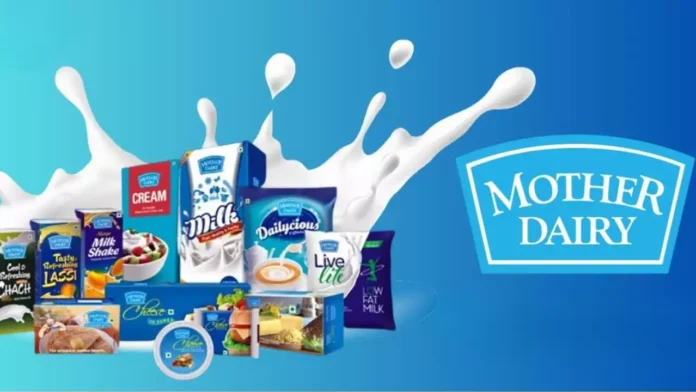
Mother Dairy has introduced a buffalo milk variant in the Delhi-NCR market, aiming to establish this new segment as a INR 500 crore brand by March next year.
At present, Mother Dairy supplies 35-36 lakh litres of milk daily in the Delhi-NCR region and 45-47 lakh litres per day across the country. The company distributes milk in pouches and through milk booths in the Delhi-NCR area.
“We are launching buffalo milk at INR 70 per litre. We are introducing this variant in Delhi-NCR,” said Mother Dairy Managing Director Manish Bandlish in an interview.
The company is set to supply 50,000-75,000 litres of buffalo milk daily in the Delhi-NCR region, with the product hitting the market starting this week.
“By March 2025, we aim to reach 2 lakh litres per day. We intend to make the buffalo variant a INR 500 crore brand in one year. This segment is growing. There is a demand for high-fat milk,” Bandlish said.
The Managing Director stated that within a few months, Mother Dairy plans to introduce the buffalo milk variant in Uttar Pradesh, Haryana, and Maharashtra as well.
Mother Dairy’s buffalo milk boasts a fat content of 6.5 percent and 9 percent SNF (Solid Not Fat), providing a creamy texture and a flavorful taste profile. Additionally, the upcoming variant will feature A2 protein.
During the last financial year, the company posted a turnover of around INR 14,500 crore, out of which INR 11,500 crore came from the dairy business.
The company boasts a diverse portfolio that includes edible oils marketed under the ‘Dhara’ brand, as well as a range of products such as fresh fruits, vegetables, frozen vegetables, snacks, unpolished pulses, pulps, concentrates, and more under the ‘Safal’ brand.
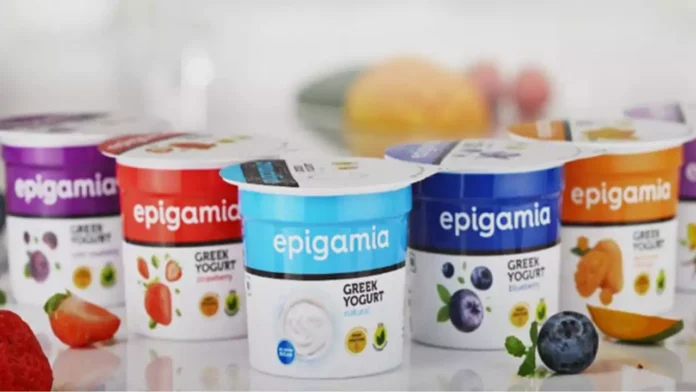
Epigamia, the dairy brand under Drums Food International, aims to achieve a year-on-year growth of over 25% by intensifying its emphasis on profitability. With support from investors like the French foods giant Danone, the company plans to enhance its offline distribution channels and introduce smaller packs in the yogurt segment. Concurrently, Epigamia aims to fortify its position in the beverage segment.
Rahul Jain, Co-Founder and CEO, Epigamia, said, “In FY24, our focus has been on the transformation towards the path of profitability and we have made significant progress in this regard. We are close to reaching the milestone of becoming EBITDA positive on an annual or financial year basis. We aim to garner a growth of over 25 per cent plus year-on-year.”
The dairy industry has been grappling with significant inflationary pressures for the past two years. Jain said that, aside from price hikes, the brand has been focusing on optimizing raw material sourcing, supply chains, logistics, and marketing costs to expand margins.
The brand is also introducing its yogurt at an entry-level price of INR 25 to enhance household penetration.
“We have already started doing soft pilots for the entry-level yogurt product priced at INR 25. We want to have a much wider distribution with this price point. We believe this will bring new consumers to our brand’s fold,” he explained.
Simultaneously, the company is aiming for expansion in segments like beverages and desserts.
“We see massive growth opportunities in the beverage segment.We will soon also be launching the drinkable yogurt format,” he added.
Epigamia’s products are available in the leading 30 cities and across more than 25,000 outlets, encompassing both modern trade stores and general trade stores, in addition to key e-commerce marketplaces.
“We are looking to grow our distribution to about 50,000-60,000 outlets over the next few years,” he added.
The online channel currently contributes to almost 35 percent of the company’s sales.
“Consumers are now increasingly seeking “good-for-you” products, clean labels and functional benefits. Protein consumption has become an important conversation among users. So we are seeing good tailwinds in terms of demand,” Jain said.
Renowned Indian TV personality and astute investor, Rannvijay Singh, has recently secured an impressive tenfold return through his partial divestment from the widely popular burger chain, Burger Singh. This strategic move stands out as a significant milestone in Singh’s diverse investment portfolio, encompassing various sectors, including the dynamic realm of food and beverage.
Rannvijay Singh’s participation in Burger Singh was a key element of a larger funding round that proved instrumental in propelling the brand’s success. Working alongside fellow investors, Singh played a substantial role in facilitating Burger Singh’s growth, leading to an expansion of its outlets and a heightened focus on improving delivery and takeaway services. This strategic investment reflects Singh’s acumen in identifying promising opportunities within India’s dynamic market environment.
In addition to his financial backing, Rannvijay Singh takes an active role in championing the brands he invests in, utilizing both his popularity and business expertise for promotional efforts and expansion. His investment in Burger Singh aligns with the increasing trend of functional food and beverages in India, emphasizing the importance of innovative products and marketing strategies.
Speaking about his successful investment strategy, Rannvijay Singh commented, “Investing in Burger Singh was a decision driven by my belief in the brand’s potential and its unique approach to the Indian fast-food market. The impressive growth of the company and the successful partial exit is a testament to the hard work of the Burger Singh team and the solid business model they have established.”
This successful exit, along with Rannvijay Singh’s other notable investments in startups such as Rage Coffee, Ultravilotte, Hypd, Noto, Assembly, ABC fitness, Eyewearlabs, Whiskers, and Leverage Edu, further cements his position as an influential figure in the startup community. It demonstrates his commitment to nurturing entrepreneurship in India.
Hey coffee enthusiasts! If your day doesn’t start until that first sip of java hits your lips, you’re in for a treat. Introducing Bevzilla, the coffee brand that’s turning ordinary mornings into extraordinary experiences.
This article will spill the beans on what makes Bevzilla so special. From where they get their top-notch coffee beans to the expert touch that goes into roasting, we’re diving deep into the world of Bevzilla.
So, whether you’re a seasoned coffee pro or someone just starting to appreciate the magic in a mug, join us as we explore why Bevzilla is a love letter to everyone who enjoys a good cup of joe.
For starters let’s discuss their journey to becoming a successful brand.
The Journey
Bevzilla, founded in September 2020 by Divisha Chaudhry and Anurag Chhabra, emerged from the desire to offer a healthier and convenient coffee experience. The brand’s journey began by crafting 100% vegan coffee cubes with organic date palm jaggery, addressing concerns about artificial preservatives and high sugar content. They meticulously defined their brand’s identity, emphasising uniqueness and targeting discerning coffee lovers in the Indian market.
At the core of Bevzilla’s success is the exceptional quality of their ethically sourced coffee beans. By establishing strong relationships with reputable suppliers, they ensured a superior coffee experience for customers. The brand strategically built a captivating online presence through an engaging website and optimised user experience.Outstanding customer service became a cornerstone, fostering loyalty by providing personalised support and exceeding expectations.
Bevzilla’s funding status includes a significant USD 1 million investment from IDAM House of Brands. Their monetisation model revolves around online marketplaces, with successful sales on platforms like Amazon and Flipkart. The brand has also made strides in modern trade stores and plans to expand through kiosks. Bevzilla’s foray into the hospitality sector includes a range of coffee sachets featuring pure Arabica beans with unique flavors and the natural sweetness of date palm jaggery, offering a guilt-free indulgence.
Let us get into some more details and discover what Bevzilla exactly offers.
What Bevzilla Offers?
Emerging as a complementary and fitting breakfast accompaniment in the fast-paced lifestyle, Bevzilla offers an ‘on-the-go’ range of assorted coffee in the form of both cubes and powder, ready within 30 seconds. Bevzilla has gained popularity by providing all coffee lovers with a Pure Arabic coffee experience. Specialising in a healthier version of coffee with no added sugar, they have crafted a more nourishing and tasteful drink sweetened by date palm jaggery.
The savory flavored selection is available in a wide range of flavors, including Classic, Irish cream, Belgian Chocolate, Creamy Vanilla Coffee, and Hazelnut. These flavor-packed cubes are manufactured to balance the body’s requirements for iron, calcium, and vitamins, with just 27 kcal per cube. To suit the vast preferences of consumers, the brand accommodates the form of beverage choice between Iced, Hot, or even Flavored.
Owing to the idea of offering an assorted palate, Bevzilla recognized the perfect blend of creamy, delectable, and nutritious coffee cubes coupled with a sugar-free and vitamin-packed beverage that refreshes instantly. With an intent to craft high-quality instant coffee, Bevzilla’s founders engaged with the farmers of Chikmagalur, Karnataka, to create a brand that meets the highest standards.
Anurag Chhabra, Co-Founder of Bevzilla Coffee, mentions, “The herbal benefits of Ashwagandha blended with a dose of pure Arabica beans provide the power to lift your body and mind. Turmeric coffee powder, for instance, is an immunity booster.” He further comments, “As the next step of innovation to the instant coffee mixes and powder, Bevzilla coffee cubes serve both hot or iced coffee moods with its flavored coffee. The health alternative of date palm jaggery makes it health-conscious Gen-Z’s prime choice.”
Designed to serve satisfaction, Bevzilla establishes itself as a sought-after brand that believes itself to be an alternative to preservative options, offering a cutting-edge drink of choice available in cubical and powdered form. It is because of this innovative product that has modified the consumption pattern of coffee lovers that the company is looking at a rising graph of multifold growth, with a 12 times turnover increase since March 2022. Prospectively, the brand is looking forward to generating up to 2 crores of sales revenue.
Final Thoughts:
Bevzilla is not just a coffee brand; it’s a revolution in your cup. With a commitment to quality, health, and innovation, Bevzilla has transformed the coffee experience for enthusiasts. From vegan coffee cubes to ethically sourced beans and unique flavors, Bevzilla caters to the diverse tastes of coffee lovers. The brand’s rise in popularity and significant growth underscore its success in reshaping how we enjoy our daily dose of caffeine. As Bevzilla continues to brew excellence, it’s clear that they are not just serving coffee; they’re serving satisfaction in every sip. Cheers to a flavorful journey with Bevzilla!
A range of hotels, spanning from economical options to luxurious accommodations, are emerging in and around Navi Mumbai. This growth is spurred by transformative infrastructure projects like the Mumbai Trans Harbour Link (MTHL) and the upcoming international airport.
According to hotel industry executives and transaction advisory firms, there is a notable increase in investments within the hospitality market, particularly in the regions of Navi Mumbai, Panvel, and Khopoli, which are now identified as key locations for investors.
Many prominent hospitality brands are either aiming to expand their existing presence or are making their entry into the region.
Radisson Hotel Group, the American hotel operator with its current property, Country Inn & Suites by Radisson in Turbhe, Navi Mumbai, has recently finalized plans for a 100-room hotel in Khopoli and has another of comparable size in the pipeline.
The MHTL, inaugurated for public use on Saturday, aims to alleviate congestion in Mumbai by enhancing connectivity between the island city and the mainland while fostering the growth of the Navi Mumbai region.
Stretching across approximately 21.8 km, this substantial infrastructure connection is anticipated to streamline traffic flow from Mumbai to Navi Mumbai, Navi Mumbai International Airport, Jawaharlal Nehru Port, Panvel, and extend all the way to Pune and Goa.
Ulwe and Panvel will be the key beneficiaries of the MTHL project in Navi Mumbai.
“Navi Mumbai is poised to become the next frontier in real estate development, witnessing a surge in strategic investments and infrastructural advancements,” said KB Kachru, chairman emeritus and principal advisor, South Asia at the Radisson Hotel Group.
The hotel group holds a first-mover advantage in the area, having already established a hotel and recently securing a deal for the 100-room Radisson Hotel.
“This development underscores our commitment to delivering exceptional hospitality experiences in one of the region’s dynamic and emerging markets,” said Kachru.
Noesis Capital Advisors, a firm specializing in hotel consulting and investment advisory, facilitated the transaction for the new hotel property. Additionally, the company is currently engaged in active discussions for two additional hotel deals in the same region.
“As connectivity improves, the hospitality potential in the region is projected to increase by five times over the next five years,” Noesis founder and chief executive Nandivardhan Jain said.
Suhail Kannampilly, the CEO of Concept Hospitality, the entity operating Fern Hotels & Resorts, envisions significant opportunities unfolding along the entire Mumbai coastal line with the MHTL.
“With better connectivity, destinations like Alibaug, Ganpatipule and Khopoli are set to gain further traction. We have signed for a 100-room property in Alibaug and are expanding our existing ones in the other two,” he said.
Diverse Brands Eyeing Navi Mumbai’s Growth
Concept, currently managing an 80-room establishment in Turbhe, is in talks for a 100-room property located near the DY Patil Stadium in Nerul, Navi Mumbai.
Noesis estimates that the present Navi Mumbai market comprises 1,486 operational branded hotel rooms, and there are plans for an additional 900 rooms in the pipeline for future supply.
Jain from Noesis mentioned that brands such as Marriott, Hyatt Regency, and Radisson are currently in different stages of development in Navi Mumbai, poised to become operational within the next four years.
Others are also seeking to enhance their presence.
JB Singh, the President of InterGlobe Hotels, which owns and manages the Ibis and Ibis Styles hotel brands, mentioned that the company has been closely monitoring the infrastructure development in the region and is eager to establish a presence there.
Mumbai is a key focus city for us as we already have four operational hotels and one under construction near BKC (Bandra Kurla Complex). We will commit only if it checks all the boxes with respect to price, location, demand drivers, etc.,” said Singh.
“The new airport will certainly act as a catalyst to drive ADR (average daily rates) in the region and if we undertake to develop something closer to the airport; it has to be at least a 200-room property,” he added.
According to him, InterGlobe presently operates a 196-room Ibis Hotel in Turbhe, Navi Mumbai, strategically positioned to meet the demand arising from the new airport.
In the first three quarters of 2023, thirty-six domestic and international brands extended their reach into tier-II cities due to strong demand from smaller urban centers, continuing even after the pandemic. According to CBRE data, brands like H&M, Marks & Spencer, GAP, and Tasva entered cities such as Indore, Mangalore, Patna, Ranchi, Mysore, and Coimbatore.
As of September 23, the total retail space in these 14 tier-II cities amounted to 29 million square feet. Notably, Jaipur, Lucknow, and Chandigarh individually featured retail spaces ranging from 3 to 7 million square feet. The retail landscape in these cities has evolved into a well-balanced combination of high streets and malls.
“The E-commerce boom, tech-savvy consumer base, growing aspirations and surge in discretionary purchasing are defining the retail growth in tier-II cities. Investment-grade developers are setting up large-sized contemporary malls in these cities, which are seen as an entertainment destination and not just as a place to shop,” said Anshuman Magazine, Chairman, India, Southeast Asia, Middle East & Africa, CBRE.
Most non-metro cities, serving as established trade and business hubs, are now witnessing the establishment of offices by multinational corporations and startups alike. The burgeoning population in tier-II cities is further driving demand for a diverse range of retail offerings.
“India’s first retail REIT has encouraged developers to aggregate and upgrade their existing facilities, apart from developing new malls. Moreover, domestic and international fashion brands are looking to expand in non-metro cities, fueled by a well-aware and well-travelled consumer set,” said Ram Chandnani , Managing Director, Advisory & Transactions Services, CBRE India.
A city like Chandigarh showcases a collection of well-known brands, including Zara, Uniqlo, Lifestyle, Shoppers Stop, Marks & Spencer, The Collective, Nike, Adidas, Skechers, Puma, among others.
Executives from companies like Shoppers Stop, Meena Bazaar, Soch, Mohanlal Sons, and Tasva have stated that they are strategically planning the highest number of stores in a year to meet the surge in demand, particularly in tier 2 cities.
Expanding its reach, Soch, an ethnic wear brand, has inaugurated stores in cities such as Kurnool, Muzaffarpur, Gorakhpur, and Jaipur. The brand has intentions to establish outlets in Udupi, Dehradun, Allahabad, Madurai, Ludhiana, Barnala, Faridabad, Jodhpur, Vellore, and Thrissur.
Out of the 11 department stores launched by Shoppers Stop in the previous fiscal year, merely three are situated in metropolitan cities.
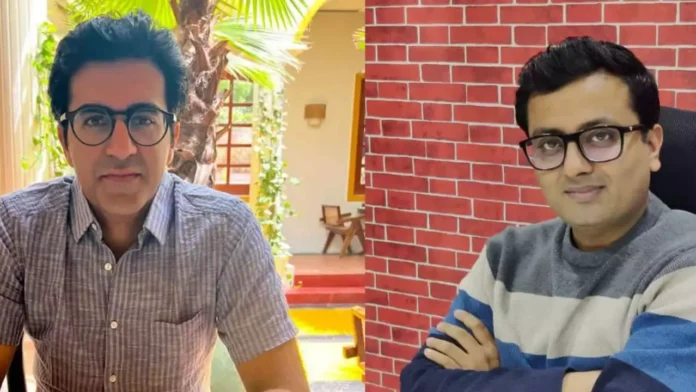
Dheeraj Nagpal and Sachin Goel, Co-Founders, Zingavita
Zingavita, a health and wellness startup, has raised INR 10 Crore (approximately $1.2 million) in its pre-Series A funding round, led by Anicut Capital.
The funding round also witnessed involvement from angel investors, including BionPharma CEO Venkat Krishnan, True Elements founder Puru Gupta, and Grant Thornton CEO Vishesh Chandiok, among others.
Zingavita plans to utilize the newly acquired capital to facilitate its expansion into new product development with a specific emphasis on targeted nutrition. Additionally, the funds will be directed towards supporting the brand’s venture into the premium ayurvedic supplement sector.
Established in 2022 by Sachin Goel and Dheeraj Nagpal, the Delhi NCR-based startup offers health and wellness products, such as natural supplements. Operating through an omnichannel model, its range of products is available on various ecommerce platforms, including Amazon, Flipkart, Tata 1Mg, among others.
Goel said, “This funding will enable us to accelerate our innovation cycle and meet our growth milestones in order to continue delivering on our promise of holistic nutrition for the entire family.”
“This funding will propel us to new heights, enabling us to innovate, expand, and continue offering cutting-edge products that cater to the evolving needs of our discerning customers,” Nagpal added.
Zingavit said it will continue its emphasis on creating products without additives such as sugar, preservatives, artificial colors, and flavors. This commitment reflects the company’s goal of introducing transparency, innovation, and efficacy to the market.
The startup is in direct competition with companies such as Power Gummies, Plix, Wellbeing Nutrition, Fitspire, Celevida Wellness, and What’s Up Wellness, among others.
India’s health and wellness space has garnered substantial attention from investors in recent times.
For instance, last year in August, What’s Up Wellness secured INR 14.40 Crores ($1.7 million) from Unilever Ventures to expand its team size and develop new products.
Furthermore, Fitspire secured an undisclosed funding amount last year to enhance its presence across India and globally, introduce new products, and establish additional revenue streams.
As per a market study, the Indian dietary supplements market was valued at approximately $2 billion in 2023 and is projected to reach around $6 billion by 2032, with a compound annual growth rate (CAGR) of 13.49%.
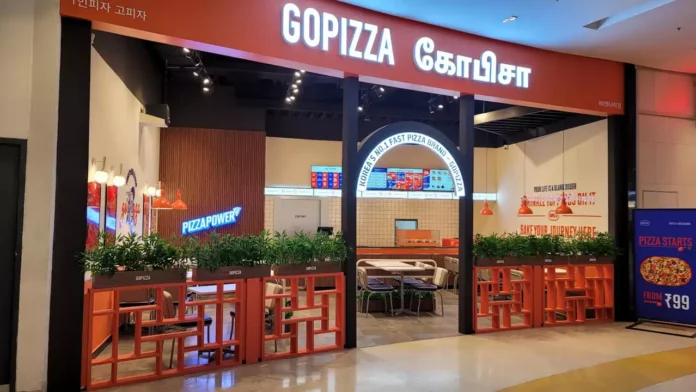
GOPIZZA, the renowned South Korean HQ pizza brand has launched two new establishments in Chennai, marking its entry into the state of Tamil Nadu. This strategic move aligns perfectly with the festive atmosphere surrounding Pongal. Situated at the EA Mall in Triplicane and the VR Mall near Anna Nagar and Koyambedu, these outlets ensure optimal accessibility for patrons.
GOPIZZA has introduced a diverse array of authentic Korean delights, featuring signature pizzas such as the Jonmataeng Volcano and Creamy Pizzas that skillfully blend traditional spices with a contemporary flair. Patrons can indulge in the robust flavors of traditional Korean Ramyun or the luscious indulgence of Cheese Ramyun. The starter’s menu includes fiery options like Korean Yangnyum Spicy Chicken Wings, Pops, and Spicy Wedges. For those seeking a fusion of Asian and Italian cuisine, GOPIZZA offers delectable Fire Cream Pastas, accompanied by the captivating rhythms of K-Pop tunes playing at every store.
With its recent launch in Chennai, GOPIZZA has entered a significant phase of expansion for the Indian market. Presently overseeing 45 successful stores in Karnataka, Andhra Pradesh, and Telangana, the brand aims to establish over 100 operational outlets nationwide by the end of 2024. The opening of the GOPIZZA outlet at the Phoenix Palladium contributes to the brand’s growing presence in Chennai, aligning with its strategic goal of achieving a broader market reach.
Originating as a concept from Founder Jae Won (Jay) Lim’s South Korean food truck, it has evolved into a beloved pizza brand with a presence of over 200 stores in South Korea, Singapore, Indonesia, India, and Hong Kong. Renowned for its distinctive oval-shaped, fire-baked pizzas, the brand has gained success with its swift service and budget-friendly pricing, offering the perfect size for individual servings.
Mahesh Reddy, CEO, GOPIZZA India said “We are thrilled to be bringing GOPIZZA to the wonderful city of Chennai. Our commitment to using only the freshest ingredients and bringing our unique blend of flavors at very competitive pricing has made us one of the most loved pizza brands, and we can’t wait for the people of Chennai to experience it for themselves. We are confident that our menu will be a success with the local community and we look forward to being a part of the city’s thriving food scene”
Talking about the company’s future plans in Tamil Nadu, Mahesh Reddy added “Tamil Nadu is a key strategic growth market for us and we are looking at opening 50 new outlets together in the next 2 years.”
Being a food tech brand fueled by AI, GOPIZZA boasts its innovation in efficiently crafting the ideal pizza. Leveraging its in-house developed, cutting-edge technology, the brand incorporates a GOVEN that flawlessly cooks each pizza and a GOBOT – a collaborative robot equipped with an ‘AI Smart Topping Table’ to guarantee uniform slice sizes and equitable distribution of toppings and sauce.
Following a recent funding success of INR 200 Cr in the Series C round, GOPIZZA is set to extend its state-of-the-art food technology to more locations in the world’s fastest-growing market. The brand aims to establish outlets in Pune, Delhi, Mumbai, Ahmedabad, Kolkata, and other key Tier 2 cities, including Chandigarh, Jodhpur, Jaipur, and Kochi, in the next few years. Globally, inspired by its successful operations in Singapore and South Korea, GOPIZZA is now eyeing entry into new markets such as Thailand, Malaysia, Vietnam, and the United States.
Udaan, a B2B ecommerce unicorn, reported a significant reduction in its valuation, plummeting to around $1.8 billion in a down round, according to a report from ET.
The Bengaluru-based startup achieved a valuation of $3.2 billion in its latest funding round, which took place in January 2021.
A down round refers to a funding round where a company secures capital at a valuation lower than that of a prior round.
In December last year, Udaan secured $340 million in its Series E funding round, led by UK-based savings and investment firm M&G Prudential, with participation from existing investors Lightspeed Venture Partners and DST Global.
The funding round comprised a combination of new equity investments and the conversion of current debt (convertible notes) into equity.
B2B Facilitation: Udaan’s Business Model and Operations
Established by Vaibhav Gupta, Sujeet Kumar, and Amod Malviya, Udaan facilitates B2B trade with a focus on supply chain and logistics operations. Udaan asserts its ability to support daily deliveries spanning over 1,000 cities and 12,500 pin codes through udaanExpress. Noteworthy backers include Lightspeed, Microsoft, and Tencent.
Shortly after securing $340 million in its Series E funding round, Udaan terminated nearly 120 employees within a week.
“We have already made significant progress in our journey towards building a profitable business and continue to make relevant interventions to our already proven business model, while remaining customer-centric and agile. However, these interventions have also resulted in some redundancies in the system,” the spokesperson said.
According to the report from ET, Udaan’s CEO, Vaibhav Gupta, has reportedly underscored the company’s commitment to quarterly cost reduction. The team is said to be actively working on a quarterly basis to align with this strategic focus. Udaan has purportedly set explicit operational targets and conveyed to investors its goal of attaining operational profitability within the next two quarters.
Nonetheless, Udaan is not the sole unicorn experiencing devaluation recently. The US-based asset manager BlackRock has once again significantly reduced the valuation of edtech major BYJU’S, this time by approximately 95%, plummeting from $22 billion to $1 billion.
We use cookies to ensure that we give you the best experience on our website. If you continue to use this site we will assume that you are happy with it.