Monday, December 22, 2025
Home Blog Page 69

Paper Boat Didn’t Just Sell Us Drinks—It Got an Entire Generation to Sip on Their Own Childhood

0
Image of Paper Boat
Paper Boat Didn’t Just Sell Us Drinks—It Got an Entire Generation to Sip on Their Own Childhood

In an FMCG marketplace always full of colas, carbonated drinks, and vitamin shots, Paper Boat did something fundamentally simple—it sold memories. While competitors resourced superlative health claims and hydration stats, Paper Boat presented the stories of childhood. And that whisper turned into a powerful marketing tactic.

From the outset, Paper Boat was positioned differently. Rather than competing on ingredients—it competed on feelings. Rather than featuring actors in its ads, the films depicted monsoon, school tiffins, and summer holidays. Rather than copy catching up with its offers, copy evoked poetry. For every sip, it promised a flashback—not just refreshment.

What made the brand’s marketing so smart is that it treated storytelling as its product. From the delicate illustrations on the pouches to the emotionally charged campaigns it spearheaded across social media, Paper Boat didn’t just market beverages—it marketed a moment in time. You weren’t buying aam panna, you were buying your nani’s kitchen. That kind of emotional clarity is worth gold in a market that quite often complicates product positioning.

The brand has also deftly avoided the also-ran trap of influencer bookings instead creating its own visual and verbal language and taking ownership of them both so that they are immediately identifiable to a fan. Paper Boat’s Instagram feed feels less like a product advertisement and more like a living collection of children’s memories from other Indians. It relies on the communities’ nostalgic memories rather than promotional flash — which has granted it cultural authority.

Its packaging is quietly disruptive, too. The soft pouch format, the handwritten fonts, the pastel colour schemes all point to a different type of consumption — slower, softer, and more mindful.

In a landscape of short attention spans and trends changing with radical frequency: Paper Boat illustrates the impact of emotional longevity, because while there are new flavours that might excite; feelings, especially the feelings tied to our past, stick around for longer. Paper Boat did not launch a product, it launched a feeling.

Advertisement

Nykaa Didn’t Just Redefine Beauty E-Commerce—It Made Every Lipstick Feel Like a Personal Pep Talk

0
Image of Nykaa
Nykaa Didn’t Just Redefine Beauty E-Commerce—It Made Every Lipstick Feel Like a Personal Pep Talk

Prior to Nykaa, the experience of purchasing beauty products online was based on risk. Will this shade actually match me? Is this product real? Should I just go to the mall? Nykaa is not just an e-commerce platform; it has a playbook for beauty-led digital retail in India, it built trust and aspiration. 

Not only did most online marketplaces put every category of price and product into the same cart, Nykaa bet on beauty and nailed the vertical commerce model. Nykaa did not only sell the product, it was selling to lovers of makeup. It took reviews as content seriously, offered influencer try-ons, provided shade matching tools, and offered skincare routines styled like love letters. The nykaa experience in its beauty aisles was not just aimed at shopping, it was a content rich journey.  

Nykaa’s marketing has always felt less like retail marketing and more like an act of mentorship. e.tutorials, the breakdown of trending topics, nykaa tv, and The Beauty Book (in-house magazine) made shopping feel closer to self care. Nykaa did not sell lipstick, it sold confidence. Nykaa did not just sell discounts, it sold decoding.

But what truly set Nykaa apart in the e-commerce landscape? A hybrid strategy brought together an online component with an offline brick-and-mortar one. While others were all digital, Nykaa opened physical stores which felt like their own showrooms for discovery and engagement. Online offered scale and offline provided tactile experiences and together they provided credibility.

And let’s not forget the effectiveness of the Nykaa Femina Beauty Awards, its partnerships with influencers and the star-studded campaigns.  The brand did not simply become a marketplace; it became an ecosystem. While Bollywood faces may have been the face of those campaigns, the real stars were the millions of everyday beauty lovers who felt they were finally recognized, not just catered to.

Nykaa did not only disrupt beauty retail, they redefined it. They have remained focused, gone deep and amassed a brand which is about community just as much as it is about commerce.

Advertisement

Blinkit Didn’t Build a Grocery App—It Built a Meme Machine That Happens to Deliver in 10 Minutes

0
Image of Blinkit
Blinkit Didn’t Build a Grocery App—It Built a Meme Machine That Happens to Deliver in 10 Minutes

In the battle for consumer attention. Blinkit picked speed as its weapon. It subsequently ensured that speed became a personality. Other e-commerce platforms are concerned with catalog sizes, price drops or festive deals. Blinkit’s strongest selling point is urgency. And it does not just home deliver your groceries in 10 minutes – it delivers your marketing even faster.

The brand is fully invested in moment marketing, using trending topics, memes and playful Twitter banter to position itself as much more than just a delivery app. Blinkit’s social media feeds do not seem like corporate accounts – they seem like a group chat. Be it smart responses to Zomato with all the finesse of a comeback to tweeting about mangoes as if it were an event of national significance, Blinkit has found a way to be stupidly relevant and ridiculously silly.

But the brilliance does not just lie in the tweets. Blinkit has cleverly blurred the line between fun and function. The brand improperly markets commodities like milk, bread or detergent as impulse buys. From the witty relevancy of push notifications within the app, to punchline banners in the category section, the experience brews more fun than shopping for necessities.

And the 10-minute promise? That’s the hook, but not the story. Blinkit’s real marketing genius is in how it builds habits. Need ice cream at midnight? You’ll remember Blinkit. Forgot dhania during cooking? Blinkit’s already halfway there.

It’s also finding clever offline opportunities—pop culture-themed store packaging, scooter ads, and collabs with creators who don’t just talk about convenience, they dramatize it.

Where most e-commerce players are still selling convenience with a straight face, Blinkit is winking at you—and customers are eating it up (sometimes literally, within 10 minutes).

In a space obsessed with scale and logistics, Blinkit proved that branding matters just as much as backend. Because sometimes, the fastest way to win hearts—and carts—is a joke well-timed, and an onion well-delivered.

Advertisement

FMCG 2.0: Why Your Next Packet of Chips or Chilli Oil Will Probably Be a D2C Drop

0
Image of Hocco
FMCG 2.0: Why Your Next Packet of Chips or Chilli Oil Will Probably Be a D2C Drop

The biggest FMCG trend in 2025? Not healthier snacks or innovation in noodles. It’s direct-to-cart.

From peri-peri makhanas, artisanal chilli oils to ₹49 bars of chocolate, new-age FMCG brands are skipping the shelves and landing straight on your Instagram feed, Blinkit cart or WhatsApp inbox. It’s a simple game of niche, premium, D2C-first play.

Think Tagz, NOTO, The Whole Truth or Hocco. These brands don’t just sell you snacks, they sell you stories. ‘No palm oil’, ‘Zero added sugar’, ‘A Gujarati chip with Belgian truffle oil’. It’s FMCG made for urban anxiety and impulse purchases.

What has changed? The growth of e-commerce gave the small players direct access to households. They never needed space on Reliance Smart shelves; they needed a viral reel, an edgy brand voice and a quick-commerce plug-in.

Furthermore, they had complete control of the journey: price, packaging, data and post-purchase relationships. Low effort, weekly subscription snacks. Loyalty programs with free whatever.

And with Blinkit and Zepto prioritizing 10-minute munchies, they have put these names right at the top of the ‘Cravings’ tabs literally next to Red Bull and Lay’s. It’s critical independents going mainstream—in just minutes.

Legacy FMCG titans are staring agog at this competitive landscape. Some are trying to replicate it (hi, ITC’s new-age snacks) and some are acquiring these D2C brands (before the rocket ship takes off).

But really, the winners here are the consumers. You are discovering new food brands in the same way you discover music—online, fast, and through word of mouth.

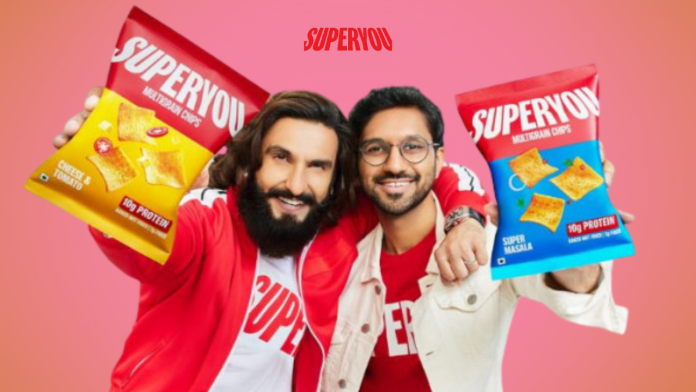
So the next time you are reaching for your fifth jar of chilli crisp, or ordering ‘protein puffs’ during yet another boring Zoom call, just know: you are not snacking shopping—you are participating in FMCG 2.0.

Advertisement

Zero Stock, All Hype: How Pre-Orders and Waitlists Are Becoming the Coolest Way to Sell Online

0
Image of BlissClub
Zero Stock, All Hype: How Pre-Orders and Waitlists Are Becoming the Coolest Way to Sell Online

Forget about “Add to Cart.” What’s the hottest thing in Indian e-commerce? It’s a Join Waitlist. 

From sneakers to serums to journals to jackets, innovative D2C brands are moving away from inventory, and opting for waitlists, pre-orders and exclusive drops. Why? Because scarcity creates demand, and an effective community creates loyalty far more effectively than any discount.

New-age brands like June Shop, The Souled Store, BlissClub and Mokobara have focused on pre-launch hype. Products are teased on Instagram, lean brand teams take feedback through polls, and we have waitlists days before the drop. Once products are launched, the “limited stock” often sells out in minutes. 

The waitlist model is not only an effective way to create FOMO. It also makes logistical sense – pre-orders mean that brands are only producing what they need, which leads to less dead inventory and less returns. It’s also less wasteful and economical for lean teams who don’t have equity tied up in warehouses of risk.

Even the big brands are getting in on the act – boAt is testing community-voted launches, and skincare brands like Dr. Sheth’s and Chemist at Play are now co-creating products with their customers and launching products to a pre-sold audience.

Consumers are changing too. Delaying a purchase for two weeks is associated with being part of the journey and creating exclusivity. Pre-order buyers often have advantages too; discounts, exclusivity, early access or simply unique packaging.

So what did social media have to do with that? Plenty. Stories, email drops, Discord servers – every touchpoint has changed into a mini-store. A “Join Waitlist” banner can feel like VIP access.

As a result, brands are flip flopping the supply chain. Instead of selling what they have already made, they are making only what has been sold.

Welcome to e-commerce 2.0, where your next product isn’t available yet, and that is exactly why you want it.

Advertisement

From Jamshedpur to Jaipur: How Local Artisans Are Going Global Through E-Commerce Marketplaces

0
Image of Etsy
From Jamshedpur to Jaipur: How Local Artisans Are Going Global Through E-Commerce Marketplaces

India’s small town artisans are going viral—and e-commerce is the runway.

A new generation of karigars, weavers, and handmade heroes from Jamshedpur, Jaipur, Kutch, among others, are now selling to global shoppers on marketplaces like Etsy, Amazon Global, and Meesho Export. Their business cards? Instagram, WhatsApp, and catalog PDFs.

Handblock prints, terracotta décor, macramé plant hangers—local crafts are now international cart-fillers. And unlike export models of the past, it’s not wholesalers and brokers. It’s direct—from homegrown to homepage.

Platforms like Etsy are at the forefront. India is now one of Etsy’s fastest-growing seller bases. And Flipkart’s “Samarth” initiative and Amazon’s “Karigar” program have onboarded thousands of rural and semi-urban artisans—complete with logistics, training, and language.

The greatest value? Content. These sellers are no longer nameless vendors. They post behind-the-scenes reels, packaging videos, and workshop BTS that let buyers into their story—it’s e-commerce with human wrap.

Urban shoppers proudly going “handmade in India” are also on the rise. Gifting trends, wedding decor, and even work-from-home essentials are swaying toward artisanal authenticity, rather than mass-marketed copycatism. 

Shipping and scaling will always be a challenge for artisans. Some traditional artisans struggle with consistent supply chains and digital capability. But even that is changing—youth family members are becoming the unofficial “digital leads” of these artisan businesses, by managing the Instagram account and developing the Google Sheets. 

For consumers globally, the proposition is simple: unique, ethical, handmade. For artisans, the proposition is dignity, independence, and a direct connect to the world. 

In a world of endless factory sameness, the beauty of a handmade, imperfectly perfect product is finally getting the credit it deserves. 

And it’s not being sold from a mall in Delhi, it’s packing the order by hand from a small town and shipping it with pride. 

Advertisement

Meesho’s Middle India Play: How the Underdog is Winning the E-commerce War One Small Town at a Time

0
Image of Meesho
Meesho’s Middle India Play: How the Underdog is Winning the E-commerce War One Small Town at a Time

When large cities blink, India buys.

While even many e-commerce players are trying to chase expensive metros, and build app experiences for high-income users, Meesho is channeling middle India into their own virtual treasure chest. Meesho was originally a marketplace for resellers but they are actually fining more orders than some of the industry giants with the tweaked version of its business model. Here is the understated problem because they know who they are pricing products for, and they don’t pretend.

If you scroll through the Meesho app you won’t see influencer collaborations, curated aesthetic image grids, or lifestyle buzz words. You will find value baed products at prices that make you scratch your head. We’re talking sarees for ₹199/$3, plastic storage containers for ₹99/$1.25, and earrings ₹49/.75 and no minimum order nonsense. This is big, but not flashy. And big is working.

Unlike other platforms that require UI bling and loyalty programs, Meesho’s approach to business is all about pure discovery and word of mouth. They are not winning by pitching a different model than tier 2 & tier 3, they are winning by pitching purposely to tier 2 & tier 3 consumers, with trust being the common language pitch. For example, when a first time buyer in Indore gets her order on-time, she tells her five neighbors about it. And to get repeat purchases? Just about guaranteed!

At a time when other companies are chasing growth figures by spending loads of cash to acquire users, Meesho pursues a rather archaic approach: listening. They have a hyperlocal seller network, a catalog fuelled by actual peaks in demand (when actual festivals happen, not just Diwali), and a general feel that screams “for the people, by the people.”

With delivery expenses being kept low (due to lightweight inventory, and smart logistics), Meesho makes the unit economics seem easy—something that most players in e-comm still experience challenges with. Meesho is not trying to be the next Amazon; it wants to be the first Meesho. And, frankly, that is good enough.

While some players in the market are content to draw attention with hyperbole, Meesho is pushing for various sustainability plays and is mindfully playing a long game. However, do not be fooled, India’s next big e-commerce winner might just be from a town you have never heard of.

Advertisement

Urbanic’s Soft Power Play: How the Quiet Fast-Fashion App is Winning Gen Z’s Closet, Cart, and Cravings

0
Image of Urbanic
Urbanic’s Soft Power Play: How the Quiet Fast-Fashion App is Winning Gen Z’s Closet, Cart, and Cravings

Fast fashion has a new face, and it isn’t who you think.

While global goliaths like H&M and Zara still make up most regular chatter on the high street, Urbanic is rapidly becoming the name on everyone’s college group chat, Pinterest board, and late-night endless scroll. The Chinese-origin, London-based fashion brand has cracked the code that most local players are still fumbling on how to sell affordable drip without looking like it’s from the bargain rack.

Urbanic’s play is simple—don’t follow trends, drop them. Their app feels less like a shopping site and more of a moodboard for Gen Z aesthetics; coquette-core, clean girl, Y2K revival, and oddly specific fits like “brunch date with your toxic ex.” Whatever the vibe is, Urbanic has a cart waiting.

And unlike other platforms that feel either overly cluttered or artificial in their casualness, Urbanic’s UX feels built for the socially integrated shopper. It’s a combo of sleek layout, curated collections, and just enough FOMO to compel a 2:30 AM purchase of that corset top you would have never put in your shopping cart elsewhere.

But, it is not just the front end that we are addressing. Urbanic has also come up with local delivery channels behind the scenes to add the speed – which is a must now in India e-commerce. Returns? Pickup is seamless. Sizes? Inclusive-ish. Packaging? Instagrammable enough to be on stories.

Value is the deal breaker. Aesthetic pieces that look luxe but cost less than Zomato, that is the charm. Urbanic is a vibe-for-a-week closet, not a wardrobe for life. And Gen Z is all for it.

Urbanic is not yelling from billboards, Urbanic whispers through reels, outfit inspo posts, projects , and ˋwhere is that from?´ comments.

It is fast fashion, yes. But make it algorithm approved!

Advertisement

The Curious Case of Juicy Chemistry: How a Bootstrapped Skincare Brand is Outselling VC-Backed Giants, One Organic Drop at a Time

0
Image of juicy Chemistry skincare
The Curious Case of Juicy Chemistry: How a Bootstrapped Skincare Brand is Outselling VC-Backed Giants, One Organic Drop at a Time

In the super-slick space of skincare where brands are raising millions to tell you your pores are an issue, Juicy Chemistry is doing something radical: they’re keeping it real. No celebrity faces, no lab-coat theatrics, no “miracle anti-aging” claims. Just cold-pressed oils, transparent labels, and real customers who evangelize it like dietary supplements.

What started as a kitchen experiment in Coimbatore, has become a major D2C success story that hasn’t raised a dime from investors until this year. And that’s the magic. Juicy Chemistry didn’t grow to D2C success based on billboard spend—it grew from bathroom cabinets via WhatsApp recommendations, Instagram reviews, and painfully-clarity-providing product transparency.

Where other brands hover around the latest hyaluronic trend, JC (the regulars call it JC) went all in on organic certifications. The type that takes years, endless paperwork, and painful audits. But that green sticker? It’s the biggest flex.

The e-commerce scheme here is smoother than it appears. Products are paired around skin challenges, subscription models are seamless but juicy, average cart? Skyrocketing without much noise. The brand isn’t loud around discounts, but loud around parties. From acne-ridden teenagers to aged minimalist aunts—everyone finds their skin doppelganger.

But here is where it gets very interesting. Juicy Chemistry’s backend has been built like a brand 10x its size. Global shipping, sourced ingredients, recyclable packaging, the brand has started up and scaled up like a startup but acted like a legacy house. This is the kind of brand that earns loyalty rather than hack it.

In a sea of VC-funded beauty replicators trying to scream “clean,” Juicy Chemistry is merely whispering—and all of a sudden everyone is in on it.

There are not just bottling oils. They are bottling trust. One glass jar at a time.

Advertisement

How Pet Parenting is Powering India’s Cutest E-Commerce Boom—And Why Heads Up For Tails is Sitting Pretty at the Top

0
Image of Pet Parenting
How Pet Parenting is Powering India’s Cutest E-Commerce Boom—And Why Heads Up For Tails is Sitting Pretty at the Top

It all began with toys and treats. Today, we’re looking at a fully-fledged bark-and-buy economy.

India’s pet care sector has quietly transformed into one of India’s fastest-growing e-commerce categories—and at the forefront of this revolution is Heads Up For Tails (HUFT). HUFT realised early in the game what pet parents don’t just want—they want emotions.

Forget dank aisles in supermarkets and one brand fits all kibble. HUFT has ensured that pet shopping is not simply a task, there is a curated experience attached. Organic treats? Yes. Customised name-tag collars? Of course. Spa-grade shampoos infused with lavender oil? Yes, and there’s even a calming paw balm.

Where HUFT gets it right is with their emotional targeting. Their platform doesn’t just sell pet supplies—it’s a lifestyle where your dog is your flatmate and your cat has a skincare routine. Every item listing, email, and campaign is drenched in sentiment. And it is working.

Their omnichannel game is tight too. Walk into any HUFT store and it will feel more like a boutique than a pet mart. Add a content-first online experience with blogs, vet Q&As, and personality quizzes to get product recommendations, and you’ve got a brand that is more than selling, it’s advising, forming bonds, and building trust at tail wagging pace.

As D2C players try to niche down, HUFT is intelligently deciding to expand their category. From hamster hammocks, to golden retriever raincoats, they aren’t just following trends, they are creating trends.

The win, they have made pet care feel premium and not expensive, and in a country where “pet” is quickly turning into “first child”, that’s a powerful stance to have.

In India’s e-commerce boom town, Heads Up For Tails seems to be barking up the right tree. They planted their own tree, and built a community around it.

Advertisement