Monday, February 16, 2026
Home Blog Page 688

The Food & Beverage Landscape in India: Dawn of Organized Players and The New Consumer

0
Food & Beverage
Credit: Charanjeet Dhiman (@charanjeet_dhiman)

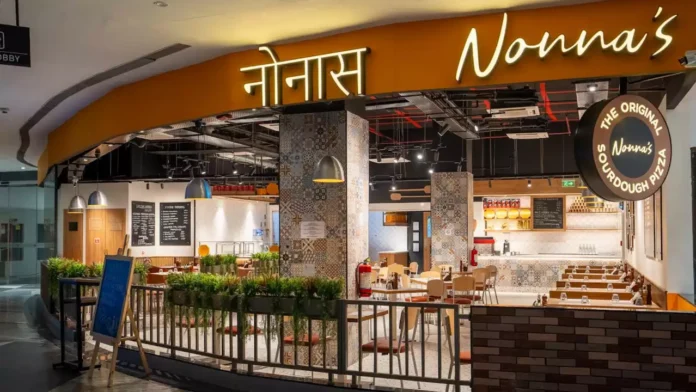
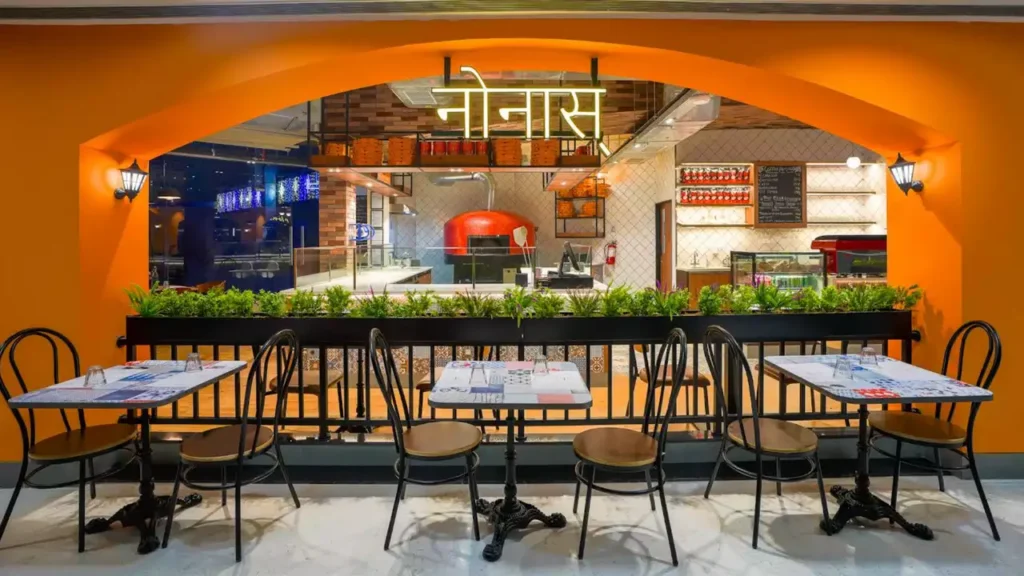
Think of any restaurant that just opened a few months ago in a fancy shopping complex. Imagine a scenario in which you walked inside the place and found yourself blown away by it. What exactly struck you first? The answer may be simple: – everything. 

Where unorganized eateries offer delicious taste and value for money, organized players are bringing a revolution to the tilt. They are making a statement with their fashionably varied menu options, outlandish decor which consumers invariably are impressed by and a large focus on technological adaption to attract more consumers who feel inclined to be far more present online and handle the digital influence with ease. 

The Restaurant Space: A Lot is Happening 

Restaurants in India are filling up with experiential and spontaneous diners who are awestruck by the difference in experience and quality, in comparison to the unorganized market. Local eateries have their charm and unique selling points, and no one can compete with the authenticity and value for money that is on offer in those spots. 

But the young consumer of today has grown up in the digital era and knows what is happening around the world, around the best and the hottest destinations. This informed consumer wants to experience more than just local food and feels that major cities in India should also become the next New York or Paris. With the increased spending capacity of the older generation and the newer generation too, the hospitality industry has a lot of expectations to fulfil. 

The choices that restaurants will have to make now must be in favour of the younger folks’ thought processes and demands. In a nutshell, consumers that like being given limitless options for pleasure and recreation. As new players, you may label the generation of today to be very impulsive, and pampered. You may think that the generation can ‘never be pleased’ – but think again. This is a generation that is happy to buy from you and help you grow your business because it can. With social media at their fingertips, the most crucial and comprehensive resource for knowing what is trending in the world, they know exactly what to expect from a place they put their money on and they want restaurants to live up to that ideal. Above all, they want to spend money. 

The better-informed players in the market who are disrupting the dine-in landscape are doing so simply by allowing the market forces to be dictated by the tectonic shift in consumer patterns. While they have witnessed the market being driven by loyal consumers who would often dine out once in a while on a special occasion but always loved the sound of eating chole bhature at a local eatery, the new market is becoming a bigger playground of sorts for new connections to form.

The New Market: What Works Well 

Some new preferences for the hospitality sector include – the demand for superior quality and better hygiene standards, the demand for more variety and of course, lively ambience and top-notch crowd. A local eatery may not be capable enough to provide all of this today. They have smaller teams with low hygiene practices in place and their supply isn’t that big daily unless you count a few selected places that are renowned for their unlimited variety and large fan following. Most of the unorganized sector still suffers from not having adequate information about the consumers, what they want and how to analyze the information. The local eateries are still not using much technology to understand how to use the data to make informed decisions about making more sales. But, there is a lot of potential to utilise third-party platforms such as Google Reviews or Zomato to learn more. 

Credit: Aakash Goel (@ohaakash) | Unsplash Photo Community
Tech Utilization: Enhancing Data Insights in the Food & Beverage Business

On the flip side, the organized players are using the insights gained from feedback on third-party platforms to improve the experience that is on offer to the consumer. In turn, this can result in a better reputation and robust earnings. The ease of service is also becoming very important to the consumer, as more and more people want to avail the takeaway or delivery option. Hence, those restaurants that can fulfil this demand are seeing better returns too. 

The onset of a new era in hospitality does not mean that the old will vanish away. The market will enjoy growth, but the fact remains that there are also restauranteurs with big pockets who are putting their focus on the newer and younger segments, and it is going to be quite something to watch the interaction between these players and the consumers to generate business. 

Continue Exploring: From Burger Singh to Rage Coffee: Top 50 F&B Brands to Watch Out for in 2024

Advertisement

Nuvama analysts bullish on Mamaearth for MSCI Smallcap Index, Nykaa gaining momentum for Global Standard Index

0
Mamaearth Honasa Consumer

Honasa Consumer, the recently-listed parent entity of the D2C beauty and personal care startup Mamaearth, is likely to be included in the MSCI Smallcap index, according to Nuvama Alternative & Quantitative Research.

The brokerage has reportedly identified the stock as a strong candidate for inclusion in the index, alongside IREDA, Cello World, and Signature Global. According to a Moneycontrol report, Nuvama has highlighted Jaiprakash Associates, Protean e-gov, Swan Energy, J Kumar Infraprojects, and RattanIndia Power as potential additions to the MSCI Smallcap index. These stocks have all experienced significant rallies of 10-100% in the last three months, resulting in their free float-adjusted market capitalization meeting the criteria for inclusion.

Mamaearth had a subdued entry into the stock market in November, but the stock has surged by 37% since its debut.

Continue Exploring: Mamaearth marks its entry on NSE with nearly 2% premium debut

The official announcement for the upcoming MSCI index rejig is scheduled for February 13, with the adjustments set to happen on February 29.

In the prior adjustments made in November, One97 Communications, the parent company of Paytm, was included among the nine stocks incorporated into the MSCI Global Standard Index.

Presently, Nuvama envisions the potential inclusion of Nykaa‘s parent company, FSN E-Commerce Ventures, as well as entities such as Canara Bank, Mankind Pharma, Bosch, and Vodafone Idea, in the MSCI Standard index, provided they experience a surge ranging from 8% to 20%.

Meanwhile, Nuvama has indicated that if some names miss out on inclusion in the MSCI Global Standard Index in February, there is a possibility that they could be added during the May 2024 review.

Nuvama’s analyst, Abhilash Pagaria, highlighted that India presently commands a 16.9% weight in the MSCI EM Index. He anticipates this figure to surpass 20% by early to mid-2024, attributing it to the current momentum in the domestic market and its outperformance compared to other emerging markets.

Financial Highlights for Nykaa and Mamaearth in 2023:

In 2023, Nykaa saw a growth of more than 12%, and its shares are presently valued at INR 173.4 on the BSE. Meanwhile, Mamaearth is currently trading at INR 444.4.

Advertisement

Restaurant tech company Chowly makes strategic acquisition of Targetable

0
food delivery
(Representative Image)

Restaurant technology company Chowly has acquired Targetable, an automated digital marketing solutions provider for the restaurant industry.

Chowly will integrate Targetable’s marketing technology into its robust suite of offerings, enhancing the appeal for restaurants and driving increased demand.

Additionally, it will utilize this acquisition to provide restaurants with a cost-effective alternative to the expensive services offered by traditional marketing companies.

Targetable’s technology will be seamlessly incorporated into Chowly’s restaurant point-of-sale (POS) system, currently deployed across a network of over 17,000 restaurants.

Furthermore, Chowly and Targetable teams will join forces to create distinctive product offerings tailored for the small and medium-sized business (SMB) restaurant sector. More information about the new product will be revealed in the upcoming months.

Chowly’s Strategic Moves: Second Acquisition in 12 Months

This marks Chowly’s second acquisition in the last 12 months, aligning with its objective of equipping small and medium-sized business (SMB) restaurants with the essential tools for success in the off-premises and digitally driven restaurant sector.

Chowly co-founder and CEO Sterling Douglass said, “We’re thrilled to welcome Targetable to the Chowly team. The combination of these two businesses is a true ‘better together’ story that will help tens of thousands of restaurants create more sales without the additional operational headache.”

Last February, Chowly finalized the acquisition of Koala, a company dedicated to developing guest experience platforms.

Koala’s platform facilitates the enhancement of digital ordering capabilities for both established and emerging restaurant brands across the internet, apps, and kiosks.

Continue Exploring: OhWaiter joins Toast Partner Ecosystem, revolutionizing restaurant ordering systems

Advertisement

Nestlé’s Sanpellegrino launches new low-calorie beverages in four delectable flavors

0
Sanpellegrino

Nestlé Waters-owned Sanpellegrino has unveiled a new range of beverages, Sanpellegrino Zero Grams Added Sugar Italian Sparkling Drinks.

The new beverages are crafted with genuine Italian fruit juice and are offered in four delicious flavors: blood orange, lemonade, peach and clementine, and pomegranate and orange.

Each 330ml can contains 1-4 grams of natural sugar (from fruit juice) and 20 calories or less, with variations depending on the flavor.

Sara Mayer, senior marketing manager at Sanpellegrino, said, “At Sanpellegrino, we take pride in crafting our Italian Sparkling Drinks with real fruit juice from fruits grown in the Mediterranean, offering fans authentic flavours”.

Sanpellegrino’s Zero Sugar Beverages Hit the Shelves:

The new zero-added-sugar beverages are now accessible for purchase in Costco stores across the US, with further expansion planned in the coming months.

Continue Exploring: Coca-Cola spikes up its portfolio with Lemon-Dou, marks entry into India’s alcoholic beverages sector

Advertisement

Swiggy and Pret A Manger team up to offer online delivery of freshly made delights and organic coffees

0
Pret A Manger

Swiggy, an on-demand convenience delivery platform, has partnered with Pret A Manger to bring the brand’s freshly made favorites and organic coffees to customers through delivery services for the first time in India. This collaborative effort aims to offer customers increased accessibility to Pret’s delightful menu, enabling them to enjoy these offerings from the comfort of their homes. The initiative is set to contribute to the growth of the brand’s presence in key cities, including Mumbai and Delhi.

Pret A Manger’s Full Menu Available for Online Ordering:

Following the launch of the first Pret shop in Mumbai last year, this collaboration with Swiggy will help Pret deliver its freshly made food to more customers than ever before, wherever they are. Pret’s entire shop menu, which consists of fan-favorite dishes like Chicken Super Club granary sandwich, Posh Cheddar Baguette, including their range of organic coffees, can now be ordered online and delivered in minutes in Mumbai and Delhi.

Continue Exploring: Reliance ventures into the coffee industry with the opening of Pret A Manger’s first shop in Mumbai

Mirroring the in-store dining experience, customers on Swiggy now have the flexibility to customize their Barista-made drink orders, selecting their preferred milk and additional add-ons. To uphold the renowned Pret freshness found in Pret shops, strict guidelines and standard operating procedures (SOPs) have been implemented to guarantee that delivery maintains high standards of food quality and packaging.

Announcing the launch on social media, the brands shared a CGI coffee cup being dropped at Gateway of India garnering maximum eyeballs towards this partnership.

Speaking about this partnership, Swiggy national business head Sidharth Bhakoo said, “Swiggy is always looking for ways to bring the best of culinary experiences to consumers. Pret A Manger has been well-loved by users since its debut in India last year. Swiggy is excited to bring them online for the first time to delight and meet the demands of millions of people on the platform.”

Pret A Manger Asia MD Eira Jarvis said, “We opened our first Pret shop in Mumbai last year and since then have continued to grow across the country. We have had great success so far and now have nine shops open across Mumbai in Delhi. We’ve had lots of great feedback from all the customers who have popped in to one of our shops and, with this new partnership, we look forward to continuing to offer even more customers across India our freshly made food and organic coffees wherever, whenever they want.”

Continue Exploring: Reliance’s Pret A Manger coffee outlets set to make waves in Delhi-NCR, following Mumbai debut

Advertisement

Kalyan Jewellers unveils ambitious expansion plan, targets 250th showroom in Ayodhya

0
Kalyan Jewellers
Kalyan Jewellers

On Friday, Kalyan Jewellers announced its plan to open the 250th showroom in Ayodhya, Uttar Pradesh, in the current quarter. The Kerala-based jewellery firm stated in a regulatory filing that it intends to open an additional 30 showrooms in India and the Middle East in the current fourth quarter of the fiscal year 2023-24.

Of the 30 showrooms, the company plans to add 15 ‘Kalyan’ showrooms in India, two ‘Kalyan’ showrooms in the Middle East and 13 ‘Candere’ showrooms, it said.

“The ongoing quarter should witness the launch of the company’s 250th showroom in Ayodhya, a milestone in our journey,” Kalyan Jewellers added.

As of December 31, 2023, the company’s total number of showrooms across India and the Middle East stood at 235.

Ayodhya is gearing up for the inauguration of the Ram Temple on January 22. The city has already undergone a major facelift and the Ayodhya Development Authority is expecting a footfall of three lakh tourists every day during the initial months.

Kalyan Jewellers also said that it is likely to convert the company-owned showrooms launched during the previous quarter to FOCO (Franchisee Owned Franchisee Operated) in the ongoing quarter.

Additionally, the company has completed signing letters of intent for the 80 showrooms planned for FY2025 with a significant majority of these being established under a revised franchise model with further improved economics for Kalyan, the filing said.

“We continue to be encouraged by the underlying momentum in footfalls across all our major markets and are gearing up with fresh collections and campaigns for the upcoming wedding season across the country,” it added.

Continue Exploring: Riding high on festive demand and increased footfall, Kalyan Jewellers posts strong Q2 profits

Advertisement

Snapdeal-backed Unicommerce files DRHP for IPO, existing investors set to sell up to 2.98 Cr shares

0
Unicommerce
Unicommerce

Snapdeal-backed SaaS startup Unicommerce has submitted its draft red herring prospectus (DRHP) to market regulator SEBI, marking the fifth Indian startup to do so in recent weeks.

The SoftBank-backed startup intends to launch its initial public offering (IPO) exclusively through an offer for sale, without the issuance of any new shares. According to the Draft Red Herring Prospectus (DRHP), the startup’s current investors plan to sell up to 2.98 crore shares during the IPO.

SB Investment Holdings (UK) Limited, a subsidiary of SoftBank from Japan holding a stake of up to 29.23% in the startup, will be divesting the largest number of shares in the IPO, totaling 1.6 crore.

AceVector Limited, the parent company and promoter of Snapdeal, plans to divest up to 1.14 crore shares. Currently, AceVector holds a 38.18% stake in Unicommerce.

B2 Partners, holding a 9.95% stake in the startup, will divest up to 22 lakh shares in the upcoming IPO.

Unicommerce has decided against participating in a pre-IPO placement.

As the IPO is solely Offer for Sale (OFS), the proceeds generated will directly benefit the shareholders divesting their stakes.

Unicommerce’s H1 FY24 Performance:

Regarding the financials, Unicommerce reported a profit of INR 6.3 crore in the first half of FY24, with an operating revenue of INR 51 crore. The startup’s total expenses for H1 FY24 amounted to INR 45.5 crore, with employee benefit expenses being the biggest contributor at INR 34.5 crore.

Founded by three classmates at IIT Delhi—Ankit Pruthi, Karun Singla, and Vibhu Garg—Unicommerce was subsequently acquired by Snapdeal in 2015. The company offers a range of SaaS products designed to empower enterprises and small and medium businesses (SMBs) in effectively overseeing the entire post-purchase ecommerce operations journey.

Continue Exploring: Snapdeal CEO anticipates a positive year ahead for retail and e-commerce industries

It offers a comprehensive suite of services that includes a Warehouse and Inventory Management System (WMS), a Multi-Channel Order Management System (OMS), and an Omni-Channel Retail Management System (Omni-RMS). Additionally, it provides a Seller Management Panel specifically designed for marketplaces, known as Uniware. The suite also encompasses post-order services such as logistics tracking and courier allocation through UniShip, along with a Payment Reconciliation feature named UniReco.

In doing so, Unicommerce has joined the ranks of Ola Electric, Awfis, FirstCry, and MobiKwik, all of whom are capitalizing on the bullish trend in the Indian equities market as they seek to make their presence felt in the public markets.

Advertisement

Global food prices take a downturn, falling 13.7% in 2023: FAO

0
Food prices
(Representative Image)

Global food prices decreased in 2023, experiencing significant drops for grains and oils as supply concerns eased, as reported by the UN’s Food and Agriculture Organization on Friday.

World food commodity prices fell by 13.7 percent in 2023 compared to the previous year, as reported by the Rome-based FAO.

Last year, the FAO’s cereals price index declined by 15.4 percent, indicating well-supplied global markets in contrast to 2022 when prices surged following Russia’s invasion of Ukraine, a significant grain exporter.

El Niño and Export Restrictions Impact Food Prices:

As supply concerns alleviated for wheat and maize, the situation was reversed for rice, driven by the impact of the El Niño weather phenomenon and India’s export restrictions. Rice prices surged by 21 percent last year.

Continue Exploring: India prohibits non-basmati white rice exports amidst supply concerns

Last year, the vegetable oil price index experienced the most significant decline, plummeting by 32.7 percent, attributed to enhanced supplies and decreased utilization for biofuel production.

Contrarily, sugar prices surged by 26.7 percent overall last year, although they pulled back from their peak in December, thanks to increased exports from Brazil and a reduction in biofuel utilization.

Despite the decline in the FAO’s overall index, consumer food prices are notably increasing in many countries, often surpassing the overall inflation rate. The FAO’s index gauges commodity market prices, showing a delay in reflecting consumer prices, which are additionally influenced by energy and labor costs during processing and distribution.

Advertisement

Govt enforces strict no-junk food policy in medical college canteens

0
Junk food

The Centre has issued directives to AIIMS, PGIMER, JIPMER, and other Institutes of National Importance (INIs), urging them to ensure the replacement of unhealthy high-fat diets, sugary beverages, and other consumables linked to non-communicable diseases, including junk food, in their college canteens with healthier alternatives.

The government recommends opting for healthier choices such as fresh fruits, vegetables, millets, and whole grains. Dr. Atul Goel, the Director General of Health Services (DGHS), emphasized in a letter to medical colleges on January 1 that implementing these small initiatives at each level can have a significant impact on both societal and national health.

Non-Communicable Diseases (NCDs) and Junk Food:

Dr. Goel, in his correspondence, highlighted that non-communicable diseases (NCD) are projected to constitute approximately 63% of all fatalities in the nation. Among these, cardiovascular diseases top the list at 27%, trailed by chronic respiratory diseases at 11%, cancers at 9%, diabetes at 3%, and other conditions at 13%. The Director General of Health Services (DGHS) pointed out that unhealthy diets, fast food (such as burgers, pizzas, etc.), and sugary beverages play a significant role in the escalating burden of NCDs.

Last year, the Director General of Health Services (DGHS) issued a similar letter to multiple medical associations, advocating for a ban on alcohol consumption during medical conferences. The correspondence detailed the associations between alcohol use and various diseases and injuries, including liver cirrhosis, cancers, and hemorrhagic strokes.

Continue Exploring: Consumer groups rally to curb consumption of junk foods in India

Advertisement

Consumer Reports finds ‘widespread’ plastics in food, urges immediate regulatory action

0
Plastic food
(Representative Image)

Consumer Reports has found a “widespread” presence of plastics in food despite the associated health risks. They have urged regulators to reevaluate the safety of plastics used in contact with food during production.

On Thursday, the non-profit consumer group reported that, out of 85 supermarket foods and fast foods recently tested, 84 contained “plasticizers” identified as phthalates—a chemical employed to enhance the durability of plastic.

Additionally, the study revealed that 79% of the food samples examined contained bisphenol A (BPA), along with other bisphenols—a chemical also present in plastic. However, the levels were lower compared to tests conducted in 2009.

According to Consumer Reports, none of the detected phthalate levels exceeded the limits set by U.S. and European regulators.

It also mentioned that there is no confirmed safe level of phthalates according to scientists, emphasizing that this lack of confirmation does not ensure the safety of the foods consumed.

Phthalates and bisphenols have the potential to interfere with the production and regulation of estrogen and other hormones, potentially increasing the risk of various health issues such as birth defects, cancer, diabetes, infertility, neurodevelopmental disorders, and obesity.

Annie’s Organic Cheesy Ravioli topped the list of tested supermarket foods, containing the highest amount of phthalates in nanograms per serving at 53,579. Following closely were Del Monte sliced peaches and Chicken of the Sea pink salmon.

Increased levels of phthalates were also detected in items like Cheerios, Gerber baby food, and Yoplait yogurt, as well as various burgers, nuggets, and fries from Wendy’s, Burger King, and McDonald’s.

Consumer Reports noted variations among similar products. For instance, the 33,980 nanograms per serving of phthalates in Wendy’s Crispy Chicken Nuggets exceeded the level in McDonald’s Chicken McNuggets by more than four times.

“That tells us that, as widespread as these chemicals are, there are ways to reduce how much is in our foods,” said James Rogers, who oversees Consumer Reports’ product safety testing.

Consumer Reports’ Call for Plastic Safety Reassessment:

The consumer group emphasized that a reassessment of the risks associated with plasticizers by the U.S. Food and Drug Administration and other agencies is “long overdue and crucial.”

Among the tested products, only Polar Raspberry Lime Seltzer showed no presence of phthalates.

General Mills, the parent company of brands such as Annie’s, Cheerios, and Yoplait, did not respond immediately to requests for comment. Similarly, Burger King and Wendy’s did not respond immediately to similar requests.

Chicken of the Sea and Del Monte stated that they do not add phthalates to their food and receive similar assurances from their suppliers. Del Monte also mentioned that phthalates are “widespread in the environment.”

Gerber and McDonald’s stated that they adhere to regulatory requirements and implement thorough testing for chemicals in packaging.

Continue Exploring: McDonald’s to release report on single-use plastics amidst growing environmental concerns

Advertisement