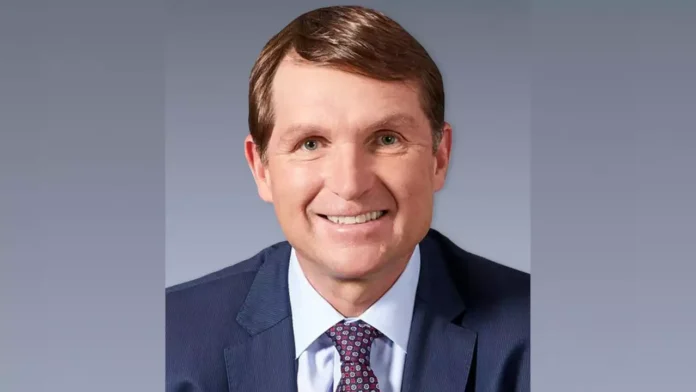
Wendy’s has appointed Kirk Tanner as its President and CEO. Tanner, who previously held the position of CEO for North American Beverages at PepsiCo Inc., brings over three decades of expertise in beverages, snacks, and foodservice, as stated in a press release.
Tanner assumes the role previously held by Todd Penegor, who is departing Wendy’s after more than a decade in senior positions. Additionally, Tanner will be joining Wendy’s board of directors.
During his tenure at PepsiCo, Tanner managed the $26-plus billion business unit, representing approximately 30% of the brand’s total business. Before this role, Tanner was responsible for overseeing PepsiCo’s global foodservice division.
“We are thrilled to welcome an executive of Kirk’s caliber to the Wendy’s team,” Nelson Peltz, chairman of the Wendy’s board, said in the press release. “Kirk is a proven operational leader whose customer-centric mindset and broad experience positioning and growing some of the most well-known global brands make him the ideal candidate to lead Wendy’s into its next phase of growth and expansion.”
“I am honored to have the opportunity to lead this iconic brand at such a pivotal time in the industry,” Tanner added. “I am energized by the future potential and expansion opportunities for the business. I look forward to working with the talented Wendy’s team and franchisees to drive future growth and success.”
Wendy’s, along with its franchisees, manages a global network of 7,000 restaurants.
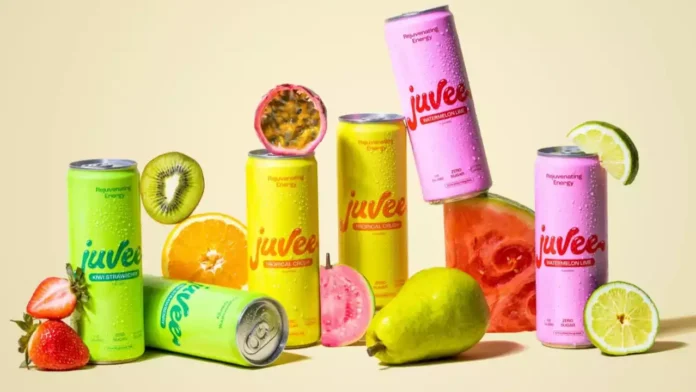
Sprecher Brewing Co, a US-based producer of craft beer and soda, has expanded its product portfolio by entering the energy drinks market through the acquisition of Juvee from the gaming and lifestyle brand, 100 Thieves.
Launched in 2022 by 100 Thieves’ CEO Matthew Haag and co-founder Sam Keene, Juvee was crafted with the aim of boosting energy, elevating mood, increasing focus, and improving overall well-being.
The current staff members of Juvee will integrate into the Sprecher team, with Sam Keene assuming the position of Chief Marketing Officer. In this role, Keene will be responsible for overseeing the complete spectrum of Sprecher beverages, encompassing both craft beers and craft sodas.
As a result of the acquisition, Juvee’s production, bottling, and warehousing operations will be moved to Sprecher’s headquarters in Greater Milwaukee, Wisconsin, USA.
Sprecher Brewing’s CEO, Sharad Chadha, said, “This is another exciting step for our company, which started in 1985 as a craft brewery, expanded into an award-winning soda producer, and since 2020, has added five other soda brands and an all-natural category”.
“It continues our company’s aggressive growth strategy. The energy drink category is hugely popular, and when we connected with Juvee’s co-founders, it quickly became apparent that this was the perfect brand for us to enter into this competitive space.”
Keene added, “We’ve experienced incredible growth since Juvee’s launch, and this acquisition will help the brand reach more of our passionate consumers while also introducing them to the full family of Sprecher beverages. I’m thrilled for Juvee to find a new home at Sprecher and ready to bring the same energy to the company’s marketing team.”
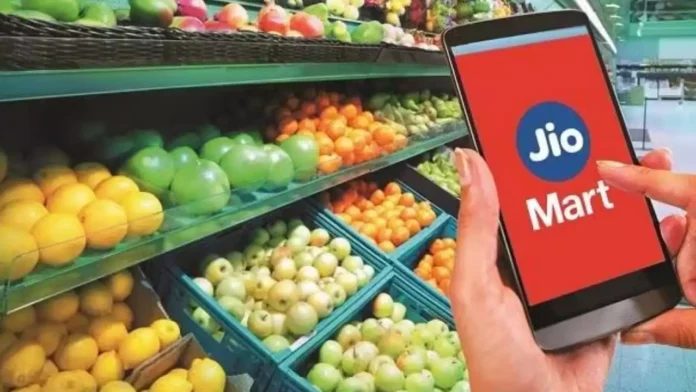
JioMart, the e-commerce platform of Reliance Retail, reported a threefold increase in its seller base in the December quarter results posted on Friday.
Expanding beyond its primary focus on groceries, JioMart is actively striving to increase the presence of non-grocery categories on its platform.
Dinesh Taluja, CFO and corporate development, Reliance Retail in the earnings call on Friday said, “We are also focusing on increasing the share of non-grocery categories.”
He mentioned that JioMart has experienced notable success in categories like fashion, lifestyle, and electronics. Although these categories make a relatively modest contribution to the overall Gross Merchandise Value (GMV), their performance has been exceptional, and consumer adoption of these categories on the platform is steadily rising.
Furthermore, Taluja highlighted that JioMart observed a significant increase in order values for groceries, describing it as a ‘substantial and positive uptick.’
In its ongoing efforts to expand its catalog, the e-commerce platform announced an 84% year-over-year increase in its option count during the September to December quarter.
For the third quarter, Reliance Retail reported a record-high revenue of INR 83,063 crore, reflecting a significant 22.8% year-over-year increase. The net profit for the quarter stood at INR 3,165 crore for the retail giant.
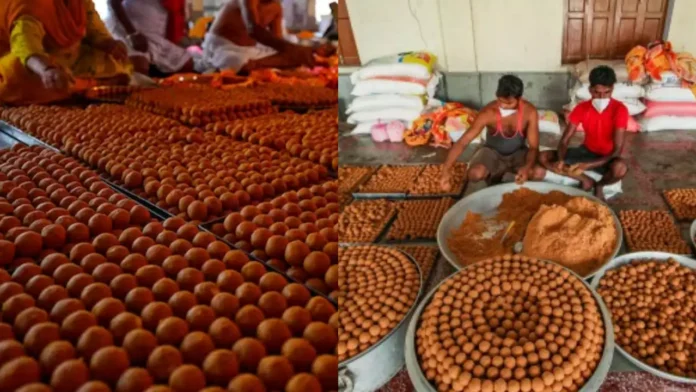
After getting a notice from the Central Consumer Protection Authority (CCPA), Amazon has removed sweets sold under the name ‘Shri Ram Mandir Ayodhya Prasad’.
The products include ‘Ghee Bundi Ladoo‘, ‘Khoya Khobi Ladoo’, ‘Raghupati Ghee Ladoo’, and ‘Desi Cow Milk Peda’, reports Moneycontrol.
“We have received a communication from the Central Consumer Protection Authority regarding misleading product claims by certain seller(s) and investigating them for violations. In the interim, we are taking appropriate action against such listings as per our policies,” an Amazon spokesperson was quoted as saying.
The company further emphasized that Amazon.in operates as a third-party marketplace, wherein sellers, and not Amazon, are responsible for listing and selling products to customers in compliance with Indian laws and Amazon’s policies.
The Central Consumer Protection Authority (CCPA) issued a notice, stipulating that Amazon provide a response within seven days regarding the retail of sweets on amazon.in under the label ‘Shri Ram Mandir Ayodhya Prasad’.
If the company fail to reply within the allotted time, the Consumer Protection Act of 2019 will trigger mandatory actions, the report mentioned.
On January 22, the ‘Pran Pratishtha’ ceremony of Ram Lalla will take place in the newly-built temple. Idols of elephants, lions, Lord Hanuman and Garuda (‘vahana’ of Lord Vishnu), have been installed at the entrance gate of the Ram Temple.
Community kitchens, ranging from those organized by Nihang Singhs and ISKCON to temple trusts across the country and local residents in Ayodhya, are actively providing ‘langar’ meals to devotees in anticipation of the upcoming consecration ceremony of the Ram Temple.
Devotees heading to the holy city can relish freshly cooked hot meals at various community kitchens, operational at every nook and corner of the city. Khichdi, aloo puri, kadhi chawal, achar, and papad constitute the common menu at these langars, while the supply of hot tea offers respite to pilgrims amid the bone-chilling cold.
On Friday, a group of Nihang Sikhs, led by Baba Harjit Singh Rasulpur, arrived in Ayodhya to conduct a two-month ‘Langar sewa’ at the Char Dham Mutt for the pilgrims arriving here to pay obeisance to Ram Lalla in the newly-constructed temple.
“I am the eighth generation of Baba Fakir Singh and want to highlight the sacrifices of Nihangs among Ram devotees,” said Harjit Singh, a member of the Nihang Sikh group.
“This langar is a tribute to the struggle launched by our ancestors for the construction of the Ram temple in Ayodhya. The service will go on for two months,” Harjit said. The Mahavir Temple trust of Patna is running the ‘Ram ki Rasoi’ community kitchen.
“Over 10,000 devotees are fed hot meals here in a day, the number is expected to jump when more people will visit the temple once it is opened for public after the Pran Pratistha ceremony. The expenses are funded by the Mahavir temple trust and people from across the country have been sending donations, both monetary as well as raw material,” a ‘sevadar’ at the kitchen said.
ISKCON is welcoming pilgrims coming to Ayodhya with lunch prasad along with distribution of Vedic literature.
“ISKCON welcomes all the pilgrims coming to Ayodhya for the darshan of Lord Sri Ram. Daily 5,000 pilgrims are being served lunch prasad along with the distribution of Vedic literature and ‘sankirtan’ by devotees of different nationalities,” said Yudhistir Govinda Das, spokesperson, ISKCON India board.
The first phase of the Ram temple in Ayodhya is nearing completion and Prime Minister Narendra Modi will take part in the consecration of the Ram Lalla idol on January 22
In 2019, the Supreme Court issued a landmark verdict, resolving a century-old temple-mosque dispute. The decision supported the construction of a Ram temple at the contested site and mandated the allocation of an alternative five-acre plot for the mosque. Ayodhya is now adorned in preparation for the ‘Pran Prathishtha’ ceremony. The flyover streetlights showcase artistic representations of Lord Ram, featuring cutouts of bow and arrow, while ornamental lamp posts are adorned with designs inspired by the traditional ‘Ramanandi tilak’.
Residents who are excited about the economic growth unfolding in the temple town are also coming together to provide complimentary meals to devotees.
“Lord Ram has blessed us with new means of livelihood which will continue for the rest of our lives. For two months, we are offering free food at our restaurant. We are also constructing new guest houses for the pilgrims,” said Brakesh Shukl, owner of a dhaba near Asharfi Bhawan.
Meanwhile, Gauri Shankar Sewa Dal from Chandigarh is heading to Ayodhya to run a one-month-long langar service. Pritam, a member of the religious organisation, said, “We will serve makke ki roti and sarson ka saag. Our langar will start from January 23, a day after the consecration ceremony and will go on for a month.”
Gearing up for the big day, the city is decked up with saffron flags and huge cutouts of Lord Ram that have been placed on the median of the Ram Path while continuous chants of ‘Siya Ram’ and ‘Jai Siya Ram’ can be heard everywhere, being played on loudspeakers installed at temples in the vicinity. Ramlilas, Bhagwat Kathas, Bhajan sandhyas and cultural programmes are being held at different places across the city. The banks of the Saryu river where thousands flock every evening for the aarti have also been decked up.
Some of the trees on Dharm Path near the Lata Mangeshkar Chowk have been decorated with special pieces made with inverted baskets and lights, adding to the aesthetic feel of the revamped holy city.
Delhi Meat Merchant Association general secretary, Irshad Qureshi, has appealed to all meat and fish traders in Delhi to suspend their business operations on January 22 in observance of the consecration ceremony of the Ram temple in Ayodhya. Qureshi emphasized that the primary goal of this appeal is to promote unity and harmony between the communities, with the aim of bringing people together during this significant occasion.
He stated that all slaughterhouses in Delhi, along with shops selling meat and fish, have been urged to keep their businesses closed for the day, respecting the sentiments of the people for the “pran pratishtha” ceremony in Ayodhya.
“We have made an appeal to all slaughter houses and meat and fish sellers to close their shops on January 22 to show respect to the celebration of our Hindu brothers and sisters on the occasion of Ram temple inauguration,” Qureshi said.
Closing the business for a day would not significantly affect the traders, he emphasized, asserting that the sentiments of both communities should be acknowledged. Additionally, numerous restaurants in Delhi’s Connaught Place have announced their decision not to offer non-vegetarian dishes to customers on January 22. Amit Gupta, joint secretary of the New Delhi Traders Association (NDTA), mentioned that several establishments in Connaught Place have committed to serving vegetarian food on the day of the “pran pratishtha” ceremony in Ayodhya.
The “pran pratishtha” ceremony in Ayodhya will take place on January 22 in the presence of Prime Minister Narendra Modi and will be attended by many VVIPs.
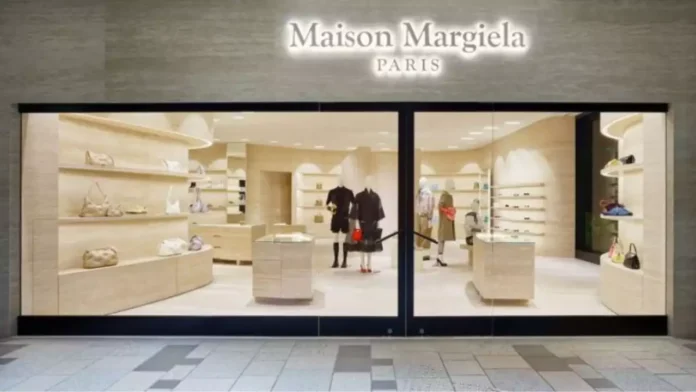
Maison Margiela, the renowned French luxury fashion brand, has made its debut in India through a collaboration with Shoppers Stop and L’Oréal International Distribution, as announced in a social media update. The first store for this fashion major is located at Jio World Drive in Mumbai.
“Exciting news! Maison Margiela has officially arrived in India at Jio World Drive, thanks to the incredible partnership with L’Oréal International Distribution. Unveiling a world of unique and avant-garde fashion experiences,” wrote Biju Kassim, chief executive officer – beauty, Shopper Stop in a LinkedIn post.
Founded in 1988 by Belgian designer Martin Margiela, the fashion label is based in Paris and specializes in crafting high-end fashion collections as well as ready-to-wear lines. Its diverse range of offerings encompasses womenswear, menswear, fine jewellery, footwear, accessories, leather goods, objects, fragrances, and home goods, among other categories. Notably, the brand distinguishes itself through avant-garde fashion shows held in unconventional locations such as vacant metro stations and street corners.
Shoppers Stop, launched in 1991 by property developer K Raheja Corp with its inaugural store in Andheri, Mumbai, made a significant stride into the beauty sector in 2020 with the introduction of SS Beauty.
L’Oréal International Distribution operates as the multi-brand division within the L’Oréal Group, predominantly partnering with regional or national distributors.
In June 2023, Shoppers Stop forged an exclusive distribution alliance with L’Oréal International Division through its subsidiary, Global SS Beauty Brands Limited.
Kolkata-based Senco Gold & Diamonds has become the first Indian jewellery brand to join the Open Network for Digital Commerce (ONDC) Network, marking a significant milestone in the company’s digital presence.
Through this integration, Senco Gold & Diamonds ensures the availability of its extensive catalog on various shopping apps within the expanding ONDC Network, facilitating smooth and efficient transactions.
The move is set to enhance Senco’s presence across ONDC seller apps.
“This collaboration will also align seamlessly with the company’s visionary commitment to the ‘Make in India’ initiative, thus strengthening its presence across the nation,” the company said in a press release.
“As pioneers in both product and technological innovation, we take pride in being early adopters of the ONDC Protocol. Through this ground-breaking collaboration, our goal is to establish numerous consumer touchpoints. Our passion lies in creating jewellery with exceptional craftsmanship and aesthetics that resonate with everyone, including the young upwardly mobile generation. We are confident that the strategic integration with the ONDC network will significantly enhance the accessibility of these meticulously crafted exquisite pieces to consumers nationwide, ensuring a seamless and enjoyable shopping experience,” said Suvankar Sen, MD & CEO, Senco Gold & Diamonds.
ONDC’s MD and CEO, T Koshy, said, “ONDC Network is built to enable all kinds of businesses to strengthen their reach to a bigger consumer market without any entry barriers. With a legacy brand like Senco Gold & Diamonds joining the Network, it will serve as a key addition to our fashion category. Consumers can now shop for some of the best diamond and gold jewellery directly from the ONDC Network.”
Saahil Goel, CEO and Co-Founder of Shiprocket, said, “As pioneers in ONDC network integration, Shiprocket is committed to fostering e-commerce for merchants across every corner of BHARAT. Notably, we anticipate a surge in deliveries from Rajasthan, projecting a frequency of one jewellery shipment every 4 seconds. Recognising the unique market dynamics, we believe in connecting brands, particularly those with rich heritage like Senco Gold & Diamonds, to their target audience.”
“Our shared passion with Senco Gold & Diamonds lies in bridging the gap between brands and consumers, showcasing exceptional craftsmanship and aesthetics tailored for the mobile-first generation. In line with the nation’s pursuit of the India@100 dream, we are poised to accelerate growth by empowering the MSME sector with transformative avenues for consumer engagement. With ONDC integration, Shiprocket continues to pave the way for seamless connectivity and accessibility, ensuring that even the smallest businesses can thrive in the digital commerce landscape,” he added.
The ecommerce giant Amazon has received a notice from the Central Consumer Protection Authority (CCPA) for marketing sweets online using the name “Shri Ram Mandir Ayodhya Prasad.”
According to an official statement from the ministry, the measures have been taken in response to a complaint filed by the CAIT, claiming that Amazon is involved in misleading trade practices related to the sale of sweets disguised as ‘Shri Ram Mandir Ayodhya Prasad’.
Officials examined samples from these brands, selling sweets like ladoo, and found the label “prasad” from the Ram temple in Ayodhya to be “misleading.”
In response to this an Amazon Spokesperson said, “We have received a communication from the CCPA regarding misleading product claims by certain seller(s) and investigating them for violations. In the interim, we are taking appropriate action against such listings as per our policies.”
It is important to note that according to Rule 4(3) of the Consumer Protection (E-commerce) Rules, 2020, no e-commerce entity is allowed to participate in unfair trade practices, whether on its platform or elsewhere.
Furthermore, in accordance with the definition outlined in Section 2(28) of the Consumer Protection Act, 2019, a ‘misleading advertisement’ is characterized as an advertisement that inaccurately depicts a product or service, offers false guarantees, or has the potential to deceive consumers regarding the nature, substance, quantity, or quality of the product or service.
The ecommerce giant has been asked to provide a response to the CCPA within one week.
The Ministry of Consumer Affairs is said to be in the process of introducing a mechanism that holds ecommerce companies like Amazon and Flipkart responsible for fraud perpetrated by sellers on their platforms, incorporating “fallback liability” linked to their role as intermediaries.
In March, orders were issued by the CCPA against major ecommerce platforms, including Amazon, Flipkart, Snapdeal, Shopclues, and Meesho, due to their sale of car seat belt alarm stopper clips, a violation of the Consumer Protection Act, 2019.
Periodically, the CCPA has issued directives targeting the sale of items with potential impacts on buyers. In 2022, it issued notices to major ecommerce platforms for selling corrosive acids online. Additionally, in 2023, the authority served notices to Amazon, Flipkart, and Snapdeal for the sale of toys that violated the country’s quality norms.
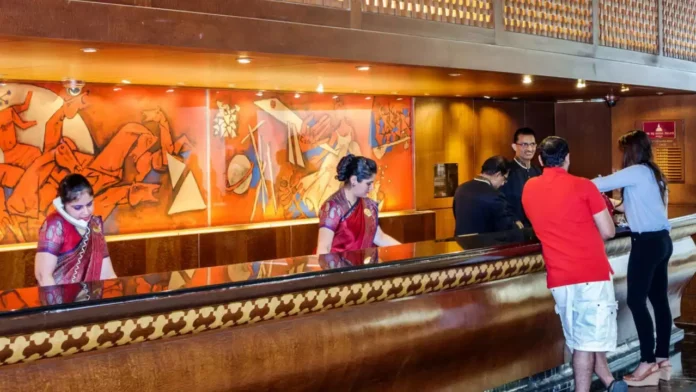
In order to capitalize on the increasing demand for wedding venues, hotel chains are rolling out new offerings. This strategic move is in line with the tourism ministry’s campaign, urging couples worldwide to consider India as their wedding destination. Furthermore, responding to Prime Minister Narendra Modi‘s call for Indians to host weddings within the country, industry executives are actively enhancing their services to align with this growing trend.
Parveen Chander Kumar, Executive Vice President of Sales and Marketing at Indian Hotels Company Ltd (IHCL), stated that in response to the increasing demand for distinctive and unconventional destination wedding venues, the Tata Group’s IHCL is expanding its portfolio. These additions aim to meet the varied preferences of individuals seeking both traditional and unique locations for their weddings.
According to KB Kachru, the principal advisor for South Asia at Radisson Hotel Group, the company is building a “dedicated wedding concept” that consolidates all aspects of the service under a single roof.
Manish Tolani, the Commercial Director for India at Hilton, shared that under the ‘Wedding Diaries By Hilton’ initiative, the company plans to customize experiences by featuring celebrity chefs and curating sustainable weddings with a focus on reducing the carbon footprint in the country.
“Simultaneously, our F&B (food and beverages) offerings will expand, incorporating partners committed to conscious practices,” he said.
In August last year, the tourism ministry launched a campaign to “unleash the potential of India’s huge wedding industry.” Prime Minister Modi, in his ‘Mann Ki Baat’ radio address in November, called for a ‘Wed in India’ campaign, encouraging people from the country to avoid organizing weddings abroad.
This week, Hyatt announced the launch of ‘Perfectly Yours 2.0’ for couples seeking a “personalized” wedding experience. Kadmbini Mittal, Regional Vice President-Commercial, India and Southwest Asia, at Hyatt India Consultancy, said that the hotel chain has seen a 200% surge in its weddings business since 2019 and 50% since 2022.
“We have elevated our offerings in initiatives like Perfectly Yours 2.0 to align with the evolving preferences of modern couples. The new initiative extends beyond the wedding day, encompassing a holistic cultural experience throughout the celebration journey, through events like sangeet, mehendi and other cultural get-togethers,” said Mittal.
According to Nikhil Sharma, the Market Managing Director, Eurasia, Wyndham Hotels & Resorts has introduced ‘A Moment to Remember,’ a marketing campaign specifically crafted for the Indian wedding market.
“Our upcoming hotels prioritise wedding functions with purpose-built public spaces and banquets. Designed with versatility, the facilities include a separate banquet kitchen for both non-vegetarian and vegetarian cuisines,” he said.
Sharma mentioned that this wedding season surpasses previous ones, as customers are increasingly choosing hotels as their preferred venue.
“The trend reflects a significant change in preferences, elevating the overall wedding experience for couples and guests alike,” he said.
Akhil Arora, CEO of Espire Hospitality Group, revealed that due to the growing popularity of domestic weddings, the chain has established a dedicated weddings team at the group level, specifically catering to its ZANA-Luxury Escapes and Country Inn Hotels & Resorts properties.
“The team will be involved in ideating and creating stunning settings and experiences in the unique venues that we already have, flanked by the great Himalayan mountains, alongside tranquil lakes, in the midst of virgin forests or those bordering wildlife sanctuaries,” Arora said. “We have also introduced eco-friendly choices at Six Senses Fort Barwara, with no usage of plastic and paper materials in our organic spaces.”
Madhav Sehgal, Area Vice President for South India at The Leela Palaces Hotels and Resorts, announced that The Leela Palace Bengaluru is set to unveil a 10,000 square feet Maharaja Ballroom designed for “exquisite” celebrations in March.
Radisson Blu Palace Resort, Udaipur, is considering collaborations with influencers who hold a strong presence in the wedding and hospitality sectors, as mentioned by Chairman Somesh Agarwal. Additionally, the resort aims to enhance its commitment to sustainability by incorporating biodegradable decor, minimalistic designs, and eco-friendly catering choices.
“Notably, a significant number of non-resident Indians and domestic guests are choosing our venue. This heightened demand has prompted us to project a 40% increase in revenue,” he said.
The Grand Mercure Bengaluru at Gopalan Mall is currently in the process of creating all-inclusive destination wedding packages, as mentioned by General Manager Sachin Maheshwary. Simultaneously, the hotel is making strategic investments in targeted digital marketing campaigns.
Shruti Shibulal, CEO of Tamara Leisure Experiences, expressed the company’s ambition to transform into a comprehensive wedding destination.
“From providing curated gourmet food, indoor and outdoor venues, and every facility required, including decor, photography, choreography, mehendi, organising religious ceremonies and even being a honeymoon getaway, we do it all,” she said.
“We have formed collaborations with top-tier brands to deliver a holistic solution to our esteemed guests.”
Ranju Singh, the Complex General Manager at Novotel Goa Candolim and Novotel Goa Resort & Spa, mentioned that Novotel has introduced ‘Shagun at Novotel’, a program that provides personalized gift hampers to the guests of the bride and groom, enhancing the uniqueness of their celebration.
We use cookies to ensure that we give you the best experience on our website. If you continue to use this site we will assume that you are happy with it.