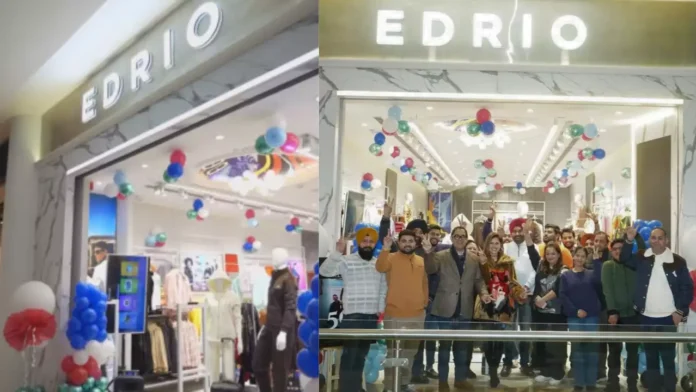
Edrio, the athleisure wear brand that is a part of the North Indian textile conglomerate Oswal Group, has unveiled its first physical store in the country, marking its debut in the offline market, as shared by a company official on social media.
Located at Nexus Mall in Amritsar, Punjab, the store will showcase the brand’s latest athleisure wear collections.
“Today is the day we’ve all been waiting for – the grand launch of our first Edrio retail store at the fabulous Nexus Mall, Amritsar. The excitement was contagious, and it truly warmed my heart to witness so many of you diving into the Edrio spirit,” said Rakhi Oswal, director of Edrio in a LinkedIn post.
“The collections are handpicked, and each outfit is a reflection of your unique style- functional yet trendy. Behind this milestone, a huge shout out to the incredible team that made it happen,” she added.
Established in 2021, the lifestyle brand operates as a direct-to-consumer (D2C) entity, retailing through its website and various other e-commerce platforms.
Oswal Group, established in 2003, traces its origins back to its parent company, the 70-year-old Vardhman Group. The company specializes in the manufacturing of yarns, fabrics, garments, and dyeing. In 2014, Oswal Group also diversified its interests by venturing into the real estate sector.
The recently acquired funds will be utilized for various purposes, such as advancing the supply chain, expanding the team, and integrating technology across different sectors, as stated by Sumit Jasoria, the Co-Founder and CEO of Newme.
Additionally, a part of the funds will be dedicated to hiring more leadership roles in order to scale up operations.
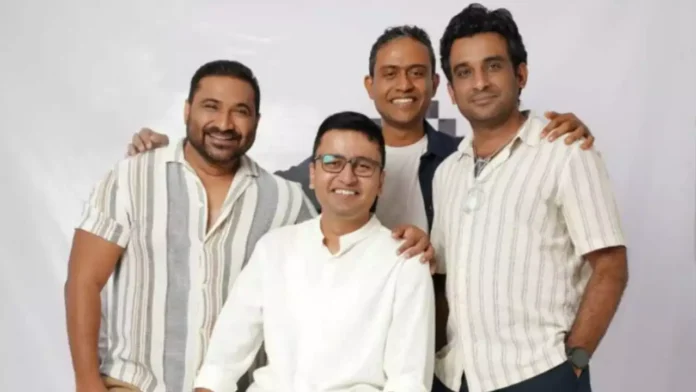
Established in 2022 by Jasoria, Shivam Tripathi, Vinod Naik, and Himanshu Chaudhary, Newme provides fashion wear for women aged 16-24, offering a range of products including tops, bottoms, dresses, and more.
Jasoria emphasized that the primary focus of the startup is to leverage technology for business scalability. Additionally, the goal is to enhance the offline presence for widespread expansion throughout India.
“We want to launch more categories for women, and once we boost our supply chain in India, we will start working on offering fashion solutions for GenZ men as well. However, we will look at it only after 2-3 years” he added.
The startup competes with brands such as Absolute Brands, Snitch, Styched, Virgio, and others.
Among its rivals, Absolute Brands successfully raised $2.5 million in its recent seed funding round. The funding will be utilized to enhance its offline retail presence, particularly for its initial brand, Big Hello, and to invest in technological innovation for the development of an omnichannel presence.
Earlier, in December last year, Snitch secured INR 110 crore in a Series A funding round to scale up its talent and technology, as well as to build an offline retail strategy.
According to a report, the fashion and apparel segment is projected to reach a market size of $112 billion by 2030, with a 24% Compound Annual Growth Rate (CAGR).
Myntra, the online fashion retailer, said that it has been consistently integrating over one new international apparel, beauty, and lifestyle brand each week, on average, since the onset of the pandemic. This strategic move has enabled Myntra to circumvent the overall retail market slowdown for over a year. With a current portfolio boasting 420 global brands, this Flipkart subsidiary now derives approximately a quarter of its revenue from international brands. Notably, just two years ago, Myntra had 280 international labels in its collection.
“The scale at which we provide access to brands allows us to unlock value at scale,” said Nandita Sinha, chief executive officer of Myntra. “It’s not about the discounting, but when you are able to operate a brand at this scale in the country, the attempt is always to get the right fashion at the right price.”
She mentioned that nearly 45% of Myntra’s sales now come from small towns, driven by a high demand for premium and international brands. This sharply contradicts the rural slowdown, especially in the basic staples and groceries segment.
“The ability to get exposed to international trends post pandemic is much higher than what it was five years back,” Sinha said.
With a record 75 million new app users in 2023, Myntra demonstrated impressive customer growth despite the broader challenges faced by the fashion retail segment. Since January of last year, the industry has been grappling with a demand slowdown attributed to inflationary headwinds.
The overall retail growth slowed to 6% in both March and April, with a slight increase to 9% in August and September. Subsequently, it experienced a minor decline to 7% in October and November, as reported by the Retailers Association of India. Despite this deceleration in the market, Myntra claimed to have outperformed. In the fiscal year 2023, the online retailer recorded a notable 25% growth in revenue, reaching INR 4,375 crore from INR 3,501 crore in the previous year.
“We have six million customers who come to us 30 times in a month. We are like Instagram for them,” Sinha said. “Now, if they are coming this frequently, how do you cater to their fashion needs?… How do you build excitement for them? How do you cater to all of the occasions that are important for them? And I think we have stuck to that way of thinking,” she added.
Over the past few years, India has successfully attracted several major apparel brands, including Gap and Uniqlo, to establish their presence in the country.
Leading international apparel and fashion labels like Zara, H&M, Levi’s, and Uniqlo have resonated strongly with the youth in India, achieving sales growth within the 40-60% range in FY23. This stands out against the prevailing market trend, where the demand for discretionary products has seen a slowdown. Sinha mentioned that India, with its sizable and growing young, digital-savvy, and affluent population, remains one of the largest economies.
“If you go across the world, there is always a capping of the growth. In India, we are not anywhere near the cap, so I think we are not going to grow at a nominal rate of GDP like that. Our GDP is growing much faster than the rest of the world,” she said. “Also, the opportunity for expansion in the way the customer set is growing and affluence is growing is what is really exciting,” Sinha added.
Imported wines are gaining popularity in India, the world’s largest scotch whisky market by volume. This is fueled by rising disposable incomes and the increased accessibility of high-quality wines, giving rise to a new class of wine connoisseurs.
The latest data from the commerce ministry reveals a significant increase in wine imports during this fiscal year, indicating a rise in awareness and refined preferences in the world’s fastest-growing major economy.
In the current fiscal year, from April to October, India’s wine imports totaled $170.48 million, a significant increase from the $35.03 million recorded for the entire financial year ending in March 2023. This marks a substantial growth compared to the $19.61 million in wine imports during the fiscal year 2020 and $23.85 million in the financial year 2022.
“Multiple things are working out in favour of wines, and the market sentiments are very positive,” said Vishal Kadakia, founder of Wine Park, an importer and distributor of wines for 17 years.
“Several new players are entering the wine business. We are seeing a jump in our business, and there is a lot of interest in good quality wines. Restaurants and hotels have also been expanding their wine lists, and we see the emergence of more wine influencers,” he said.
ProWine, considered the premier global wine event that brings together buyers and sellers, took place at the Jio World Centre in Mumbai last November for the third year in a row.
Anil Chandhok, CEO and president of Chenab Impex, a leading importer of fine wines, said that his company has experienced substantial growth in product variety and distribution. Over the past two to three years, both the portfolio and sales have nearly doubled.
“We are continuously looking to expand our portfolio and over the past year, we have added a range of world class, iconic Italian wines including the Argentiera Bolgheri Superiore, Speri Amarone, San Felice Brunello di Montalcino and Parusso Barolo. These are benchmark producers from their regions. Niche wines are also forming the basis for creative cocktails,” he added.
Meanwhile, in the midst of the economic slowdown in Europe, overseas wine exporters are actively seeking new markets, as highlighted by Amit Agarwal, board director and CEO of Hema Connoisseur Collections.
“In the last two years, export prices of wines have dropped and people have started selling at lower prices. China has dropped Australian wines and Australia has been looking at other markets. The demand for sparkling wines from Spain and Italy has gone up in India. The hospitality industry has grown substantially in India and all these factors have led to a notable growth in wine consumption in the country,” he added.
Chandhok at Chenab Impex mentioned that his company has broadened its selection of ‘accessible’ yet ‘award-winning’ wines, incorporating offerings from producers like Paul Mas, Fournier, Donna Laura, and Protos.
“There was a time when consumers only knew a red and a white wine, but they have slowly graduated to understanding concepts like new versus old world and grape varietals,” he added.
According to Agarwal at Hema, Indians used to ‘save for a rainy day,’ but that practice doesn’t seem to be as prevalent now.
“Post the Covid-19 pandemic, consumers realised they could die any day and started spending more. They want to enjoy better things in life.”
Paytm E-commerce Private Limited (PEPL) has announced the integration of Wow Skin Science and The Man Company onto its platform. This strategic move aims to provide customers across India with exclusive access to a diverse range of premium beauty and personal care products at attractive discounts through the Paytm ONDC Network using the Paytm app.
With this, customers now have the opportunity to enjoy exclusive discounts of up to 70% on Wow Skin Science’s products such as Body Lotion, Body Wash, Serums, and more through the Paytm ONDC Network.
The Man Company presents a lineup of premium grooming products tailored for men, featuring trimmers, perfumes, skin creams, and serums. These exclusive personal care items are now available nationwide at discounts of up to 70% on the Paytm ONDC Network. This addition of esteemed personal care brands is aimed at enriching the consumer experience and providing an unparalleled array of choices.
This expansion diversifies the array of products accessible through the Paytm ONDC Network, reaffirming its commitment to offering customers a wide range of dependable and affordable choices for their beauty and personal care requirements.
Paytm Se ONDC spokesperson said, “Being at the forefront of online commerce, Paytm se ONDC Network is driving a seamless, secure and convenient online shopping experience for users. The addition of leading consumer brands – Wow Skin Science and The Man Company to the portfolio reflects our continuous effort to enhance the customer experience on the Paytm se ONDC Network.”
Backed by the Government of India, the Open Network for Digital Commerce (ONDC) has been established with the goal of democratizing the existing ecommerce ecosystem in the country. Since its inauguration in Bengaluru, ONDC has extended its footprint to key cities including Delhi-NCR, Mumbai, Kolkata, Chennai, Kanchipuram, Hyderabad, Bagalkot, and Lucknow. Paytm takes a prominent role in ONDC, actively participating across a spectrum of categories such as Food & Beverage, Grocery, Home & Kitchen, Fashion, Electronics, Health & Wellness, and Beauty & Personal Care.
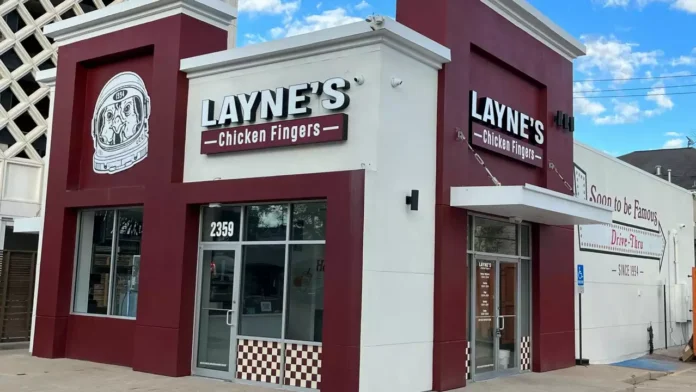
Layne’s Chicken Fingers, the American restaurant brand, plans to enhance its footprint by opening 15 new establishments in South Florida, aligning with its strategic expansion initiative.
Franchisees Shahmeer Alam and Yves Jodesty are set to open restaurants across Fort Lauderdale, Broward, Miami, and Palm Beach County. Their ambitious plan involves launching one to two venues each year.
Alam said, “Our goal is to be the number one South Florida franchise for Layne’s. We have a large market consisting of Miami, Broward and Palm Beach County and ultimately, we’d like to take that market and build onto the rest of the state if we’re able to.”
As part of Layne’s Chicken Fingers’ ambitious strategy to expand, the newly added South Florida locations contribute to their goal of opening 100 establishments by 2027.
Founded in 1994 in College Station, the brand has gained recognition for its chicken fingers and signature secret sauce.
After streamlining its operations at corporate locations in the Dallas-Fort Worth area, the leadership team is currently in the process of actively recruiting franchisees, specifically targeting markets in Texas, Oklahoma, Arizona, New Mexico, and Florida.
Layne’s Chicken Fingers chief operating officer Samir Wattar said, “We’re thrilled to have connected with Shahmeer and Yves, who will be valued assets to the Layne’s team.
“They have a clear excitement about bringing this brand to South Florida, and we couldn’t be happier to be on this journey with them. This is another great step for the Layne’s Chicken Finger system.”
In January 2024, Layne’s Chicken Fingers announced its intention to open a new location in Houston, Texas.
Located at 2359 S Shepherd, the new venue was officially opened on January 20th by franchisee Masroor Fatany.
The menu features a variety of offerings, including a fried chicken club sandwich with bacon and cheddar, a three-finger chicken sandwich served on Texas toast, and chicken fingers paired with sauces like buttermilk ranch, honey mustard, BBQ, and Layne’s own.
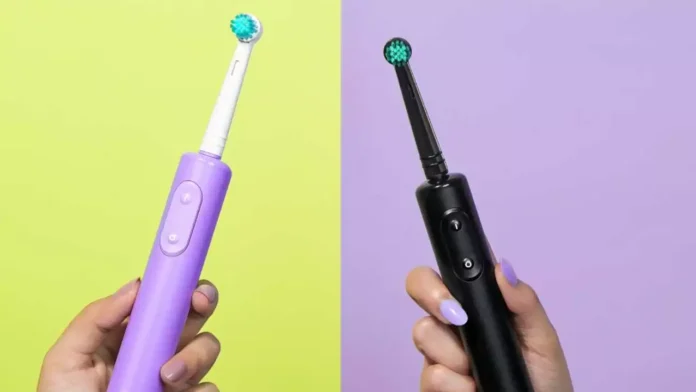
As the new year unfolds, Perfora unveils a groundbreaking product in the Indian retail market – the first-ever oscillating toothbrush. This cutting-edge dental hygiene tool is poised to redefine tooth cleaning, breaking away from conventional manual brushes with its advanced rotating and oscillating head, delivering a dynamic cleaning action.
Available in two chic color options, Limitless Black and Limitless Lavender, the oscillating toothbrush combines style with functionality. Complete with a USB Type-C cable for hassle-free charging and accompanied by a user manual for straightforward setup and usage instructions, this cutting-edge toothbrush operates at an impressive speed of 8800 revolutions per minute. The rechargeable battery offers an outstanding 21-day lifespan with twice-daily use, ensuring long-lasting and efficient oral care.
Key features of Perfora’s oscillating toothbrush include IPX7 waterproofing, making it suitable for use in the shower, a 2-minute auto-timer with 30-second quad tech intervals for thorough cleaning, and a 360° motion for comprehensive coverage. Beyond its functional aspects, this innovative toothbrush from Perfora represents a perfect fusion of style and functionality. It offers consumers in India an exceptional opportunity to elevate their dental care routine with cutting-edge innovation.
In a strategic move to revolutionize the baby care market in India, HealthMug has announced its collaboration with Maate, a renowned personal care brand owned by Priyanka Choudhry Raina, wife of cricketer Suresh Raina. This alliance signifies a significant step towards offering innovative and reliable solutions for the well-being of infants and toddlers.
Mohit Agarwal, Co-Founder, HealthMug Pvt. Ltd., said, “Healthmug has always been dedicated to curating a marketplace that caters to the diverse needs of its customers. With the addition of Maate, the platform strengthens its position as the go-to destination for all things related to parenting and childcare.
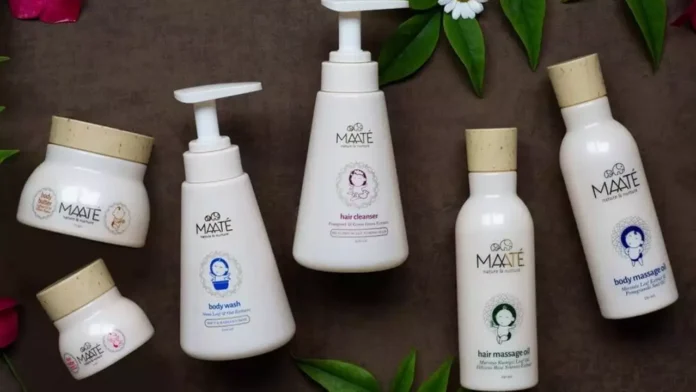
“Maate is widely recognised for its commitment to safety, innovation, and the well-being of infants and toddlers. Their product range includes baby massage oil, hair oil, shampoo and other products prepared to make parenting a joyful and worry-free experience.
“This strategic collaboration is set to revolutionize the way consumers access Maate’s innovative products, bringing a new level of convenience and reliability to the baby care market and we both are very much confident together we will contribute a significant level of growth in both the business,” Agarwal added.
Rohit Sharma, E-Commerce Manager of Maate, said, “At Maate company, we’ve always been passionate about providing our customers with high-quality personal care products that enhance their well-being and boost their confidence. We believe our collaboration with HealthMug will open up new avenues and opportunities to share our brand’s mission with an even wider audience.
“Our team is eager to collaborate closely with yours to ensure a smooth and successful journey ahead. We look forward to working hand-in-hand to explore new marketing strategies, expand our product offerings, and deliver exceptional experiences to customers on HealthMug,” Sharmasaid.
Blending traditional Indian wisdom with scientific precision, Maate, a leading personal care brand, delivers natural baby products imbued with a mother’s nurturing touch. The collaboration between HealthMug and Maate ensures parents and caregivers experience enhanced convenience, reliability, and joy, signifying a transformative journey in the baby care retail sector.
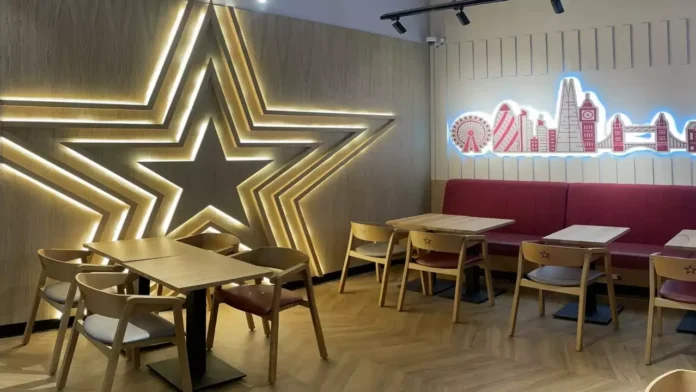
Pret A Manger (Pret), renowned for its organic coffee and freshly prepared food, has launched its first standalone store in Toronto, Canada.
Located at 90 Adelaide Street, the new establishment will offer a range of hand-prepared items, such as the Ham and Cheese Baguette and Mediterranean Mezze Salad.
The Toronto branch of the company expands its offerings beyond organic coffee and teas.
The shop’s menu features a range of salads, wraps, soups, sandwiches and baguettes.
The new location follows the success of pop-up shops in Toronto and Vancouver.
To celebrate the grand opening, Pret will host a special event on February 5, 2024, where the first one hundred guests will receive a complimentary breakfast item.
The festivities will continue throughout the week with daily promotions, including free lunches, large drinks, reusable bottles, and bakery items for early customers.
Pret North America president Jorrie Bruffett said, “This expansion into Canada is a natural next step for Pret globally.
“We are committed to bringing the Pret brand to more people wherever they are, and after the warm welcome from locals at our Pret pop-ups in Canada, we’re excited to continue expanding our footprint and menu offerings to more Canadians.”
Since the opening of its first Pret shop in London in 1986, the chain has expanded its global presence to include locations across North America, Europe, and Asia.
In January 2024, the company introduced its first children’s menu, aiming to attract a younger demographic and their families to its UK cafés.
The menu is designed for children aged four to ten and will be accessible in 70% of Pret’s 460 UK shops, with plans for further expansion throughout the year.
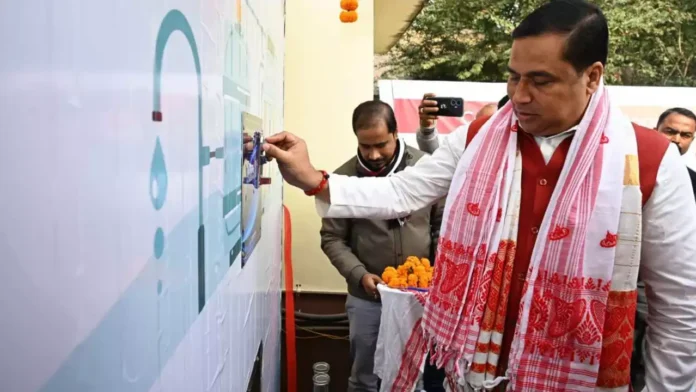
In a significant leap towards community welfare and sustainable water security, Hindustan Coca-Cola Beverages Private Limited (HCCB), a leading FMCG company in India, has introduced a Drinking Water ATM in collaboration with the Y4D Foundation at the Natya Mandir premises in Nalbari, Assam. The inauguration of this innovative initiative was attended by distinguished dignitaries, including Shri. Jayanta Mallabaruah, the Hon’ble Minister of PHED, SEED, and Tourism in Assam, and Smt. Varnali Deka, IAS, the District Commissioner of Nalbari district.
Tailored to meet the needs of approximately 4000 residents in the community, the Drinking Water ATM reflects HCCB’s firm commitment to ensuring sustainable water security and actively contributing to regional empowerment initiatives.
Varnali Deka, IAS, District Commissioner of Nalbari district, Assam said, “Initiatives that empower the community and cater to the overall welfare of the people have a long-standing impact on lives. We are happy to have HCCB actively enabling access to safe and clean water for the local community of Nalbari. This development impacts thousands of people and paves the way to positive change in the region. The Water ATM will bring succour to more than 150 shops and commercial establishments, 50 Street vendors in the immediate vicinity, besides providing water to attendees of all the events at the frequently used Natya Mandir with a capacity of 500 people.”
Himanshu Priyadarshi, Chief Public Affairs, Communications and Sustainability Officer, HCCB said, “At Hindustan Coca-Cola Beverages, we recognise the need for community empowerment and the challenges encountered in accessing safe, clean drinking water. The introduction of Drinking Water ATM in the Nalbari district marks an important step towards addressing this need. The initiative aligns with our larger vision to foster community welfare and contributes towards ensuring access to water and sanitation for all. These programs showcase our steadfast commitment to driving positive change in the communities we serve.”
Apart from the water initiative, HCCB has undertaken efforts to empower women and the community in Assam. This includes upskilling over 400 women in digital and financial literacy and equipping a local school with a digital smartboard for tech-enabled learning. In addition, plans for bee farming training and equipment supply for 20 women in Nalbari aim to enhance employability, fostering welfare, and empower women with valuable skills.
We use cookies to ensure that we give you the best experience on our website. If you continue to use this site we will assume that you are happy with it.