
Past event test
Advertisement

The private equity firm, which holds ownership of Hometown Food Company, is currently exploring the potential sale of the renowned producer of Pillsbury‘s shelf-stable baking products and Birch Benders, as indicated by insiders familiar with the matter.
Having held ownership of Hometown for the past five years, Brynwood Partners is collaborating with the investment bank Houlihan Lokey (HLI.N) to initiate a new sales process. According to sources, the valuation of Hometown in this process is anticipated to be around $800 million.
Hometown generates around $90 million in adjusted earnings before interest, taxes, depreciation, and amortization over a 12-month period.
The sources sought anonymity as the matter is confidential. Brynwood and Houlihan Lokey declined to provide comments, while Hometown did not respond.
Hometown provides products to grocery stores, convenience stores, wholesalers, and various other distribution channels.
In 2018, Brynwood acquired the Pillsbury shelf-stable baking business, along with Hungry Jack, Funfetti, and other assets, from the J.M. Smucker company for $375 million. Subsequently, Brynwood established Hometown, based in Chicago, to facilitate the acquisition of these assets from Smucker.
In 2019, Hometown acquired the Arrowhead Mills and SunSpire brands from the Hain Celestial Group. Last year, it also completed the acquisition of Birch Benders from Sovos Brands. Birch Benders specializes in pancake and waffle mixes, frostings, and toaster waffles, offering options that cater to keto, paleo, and organic preferences.
Continue Exploring: US equity firm Triton Pacific bolsters Tasty D’Lites holdings with Dunkin’ acquisition
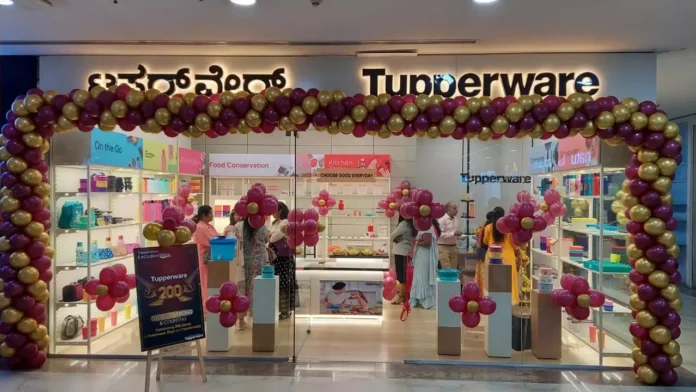
Tupperware, the homeware brand, announced the opening of its 200th retail store in Bengaluru, as shared by a company representative on social media this Wednesday. The new store is situated at Elements Mall, Kasaba Hobli, Bengaluru.
“I am thrilled to share a momentous achievement with all of you today – the grand launch ceremony of our 200th exclusive retail store in Bengaluru! This marks a significant testament to our brand’s stronghold in the organised retail space in Tupperware India,” said Mohit Virmani, national retail head of Tupperware in a LinkedIn post.
“This achievement is a testament to the passion and commitment that defines us. Crossing the 200-store mark is not just a number; it’s a symbol of our resilience and constant pursuit of excellence,” he added.
Continue Exploring: Kent Ro expands portfolio, enters cookware segment with emphasis on health and durability
Established in 1942 by Earl Tupper, Tupperware is a well-known American company specializing in the production and global distribution of kitchen and home-use containers for preparation, storage, and serving. Currently, its diverse range of products is available in nearly 100 countries worldwide.
In 1996, the company entered the Indian market, commencing operations with Delhi as its focal point. Later, in 2010, the company broadened its footprint by setting up a manufacturing plant in Dehradun. Achieving another milestone, the retailer inaugurated its 100th store in India in 2021.

As per a Bloomberg report, Shein investors are trying to divest shares in private market transactions, with valuations for the online fashion giant dropping as low as $45 billion. This decline mirrors a diminished interest in the company, which is currently contending with intensified competition and regulatory scrutiny as it prepares for its much-anticipated debut in the United States.
Shareholders were offered stock at valuations ranging from $45 billion to $55 billion in late 2023, as disclosed by individuals familiar with the matter. This represented a notable decrease from the $66 billion valuation Shein had secured in a May fundraising round. However, even at these diminished levels, finding buyers posed a challenge for the shareholders, prompting concerns about the potential for additional loss in value. The sources requested anonymity while discussing these private transactions.
The latest offers, which haven’t previously been reported, highlight the widening gap between market appetite and Shein’s target of up to $90 billion in an initial public offering. While private transactions aren’t always indicative of the levels a company can reach on public markets, they provide a useful barometer of investor sentiment.
Continue Exploring: Shein confidentially files for US IPO, targets 2024 debut amid challenging conditions
The diminished interest underscores the challenges faced by the formerly dominant retailer of budget-friendly apparel in warding off Temu, a direct competitor launched approximately a year ago by the Chinese e-commerce giant PDD Holdings Inc. Concurrently, prominent clothing brands, from Fast Retailing Co.’s Uniqlo to Hennes & Mauritz AB, have accused Shein of copyright infringement. Requests for comment from Shein representatives went unanswered.
During the second quarter of last year, Shein’s shares were traded at approximately $50 billion to $60 billion, with an initial target of achieving a valuation between $80 billion and $90 billion in a public listing. However, liquidity has continued to diminish, and in a peculiar transaction towards the end of 2023, Shein was exchanged at a valuation of around $30 billion. In this particular instance, a financially burdened seller was compelled to quickly divest, according to one source.
The diminishing valuation raises concerns about Shein’s highly anticipated public listing, currently under review by China’s cyberspace administration. This regulatory body is examining the company’s data management and sharing practices, a thorough process that may extend over several months. Concurrently, officials in the United States have called on the Securities and Exchange Commission to suspend the IPO until they can confirm that Shein does not employ forced labor in its supply chain.
Established in Nanjing and presently based in Singapore, Shein achieved the status of the world’s third most valuable startup in 2022 following a funding round that assessed the company’s worth at $100 billion.
In the wake of a general decline in the valuation of startups and technology companies, Shein’s worth has also diminished. Investors, adopting a cautious approach amid an uncertain economic outlook, have contributed to the downward trend in valuations. Notably, ByteDance Ltd., the parent company of the short-video service TikTok, saw its valuation dip below $300 billion in secondary markets around July, marking a decrease of at least 25% from the previous year.
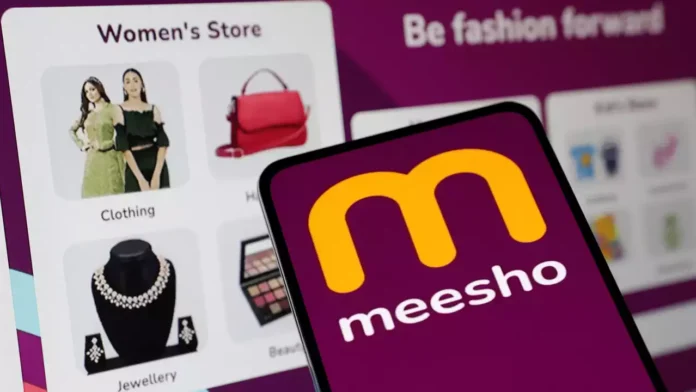
According to a recent report by Alliance Bernstein, the current Gross Merchandise Value (GMV) of Meesho, a value-driven e-commerce startup, is over USD 5 billion. The report further reveals that Meesho generates around 50% of its GMV from fashion and apparel categories, with beauty and personal care, along with home and kitchen, accounting for 8-10% each.
In the fiscal year 2023, Flipkart, the leading player in the market, recorded a Gross Merchandise Value (GMV) of USD 29 billion.
Sharing numbers for December 2023, the report highlighted Meesho’s impressive 32 percent Year-over-Year (YoY) growth in monthly active users, surpassing its counterparts Flipkart and Amazon, which recorded growth rates of 21 percent and 13 percent, respectively.
The report stated that the e-commerce company is currently the fastest-growing platform in India, with approximately 120 million average monthly active users.
Additionally, the report mentioned that Meesho constitutes a 48 percent share of total e-commerce downloads in India.
Continue Exploring: Meesho reports 14 Crore customer transactions in 2023, with 80% of orders originating beyond tier 2 cities
“We expect Meesho to be the key gainer with >48%+ downloads in Indian e-commerce and gain incremental market share.”
According to the report, Meesho has been expanding its market share predominantly by strategically targeting tier 2 plus cities, leveraging its mass positioning and operating through a zero commission model.
Around 80% of Meesho’s sellers are retail business owners, and about 95% of the selection on the platform is unbranded.
According to the findings, Meesho’s order volume witnessed a remarkable 43% year-over-year growth in the last 12 months, accompanied by a robust 54% increase in revenue attributed to healthy take rates. Notably, the e-tailer’s repeat customer base stands at over 80%.
Last month, Meesho announced a notable 77% increase in revenue for FY23, reaching INR 5,735 crore. This substantial growth was driven by the company’s sustained leadership position, elevated transaction frequency among existing customers, a broadened category mix, and an intensified focus on enhancing monetization through value-added seller services.
Continue Exploring: Meesho’s FY23 revenue soars to INR 5,735 Crore, marking a 77% growth as losses narrow by 48%
For H1FY24, the online retailer experienced a 37% year-over-year surge in consolidated revenue from operations, totaling INR 3,521 crore. During this period, Meesho successfully slashed its losses by 90% compared to the previous year, marking a significant achievement as the company turned profitable in Q2 FY24.
On Thursday night, Fidelity Investments, a US-based Asset Management Company, revised Meesho’s valuation from USD 5 billion to USD 4.1 billion.
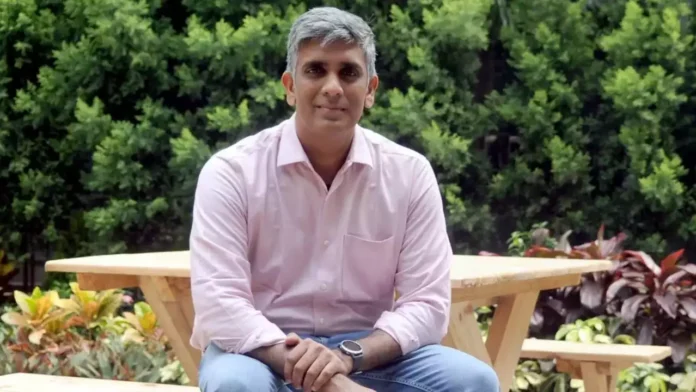
Karthik Gurumurthy, the visionary behind the successful growth of Swiggy Instamart from its inception in 2020 to an impressive valuation of nearly $1 billion, has recently secured $3 million (approximately INR 25 crore) in funding for his latest offline retail venture. The funding is led by Matrix Partners India along with support from a group of angel investors.
According to a report from Moneycontrol, citing sources, the funding round is currently in progress, and there may be slight adjustments to the details of the deal before its ultimate conclusion.
In November last year, it was reported that Gurumurthy, the Senior Vice President (SVP) at Swiggy, was set to depart from the foodtech giant to launch his own startup. This decision came after Gurumurthy took a sabbatical in March and returned to lead Swiggy’s hyperlocal commerce arm, Swiggy Mall, formerly known as Swiggy Maxx.
Gurumurthy, who graduated from BITS Pilani and holds a degree from the Indian Institute of Management-Bangalore, has previously held positions at the global consulting firm Kearney, confectionary major Mondelez International, and software giant Oracle.
Sources told Moneycontrol that Gurumurthy’s new venture, slated to be named Convenio, is set to follow a model similar to Aldi, a low-cost physical store, popular in Germany, the UK, and other parts of Europe. However, Convenio will carve its niche by specializing exclusively in the sale of fresh produce.
According to the report, the upcoming platform will function in the offline realm and will replicate the model established by Swiggy.
“(I) have started my journey of solving fresh category retail in India – solving the consumer problem of providing good quality fresh, fruits, vegetables, dairy, bakery etc, at affordable prices,” Gurumurthy wrote in his latest LinkedIn update.
The start of this new venture adds to the ongoing trend of entrepreneurs and executives leaving their current positions to launch fresh startups within the third-largest startup ecosystem globally. In recent years, notable entrepreneurs such as Kunal Shah (transitioning from Freecharge to CRED), Jitendra Gupta (moving from Citrus Pay to Jupiter), Anant Goel (shifting from Milkbasket to Sorted), and others have successfully raised funds to start their new endeavors.
Continue Exploring: Milkbasket Co-founder Anant Goel enters Fruits & Vegetables Sector with Sorted; bags $5 Mn Funding
Within the Indian startup ecosystem, these founders are poised to thrive, placing less emphasis on vanity metrics such as valuations. They are also well-positioned to mentor and guide the new wave of entrepreneurs entering the domain.
Earlier this week, Gautam Sinha, the former chief executive officer of Times Internet, launched a novel artificial intelligence (AI) venture named SimpleO.ai. The primary goal of SimpleO.ai is to simplify contract management for enterprises. Leveraging generative AI, the venture aims to provide a comprehensive dashboard to oversee the myriad aspects of contracts, including risks, obligations, service-level agreements, audits, compliance, and governance requirements associated with the numerous contracts signed by enterprises.
Continue Exploring: Swiggy may file IPO by fiscal year end, plans to raise capital with combination of offer-for-sale and new issue; Prosus contemplates stake reduction
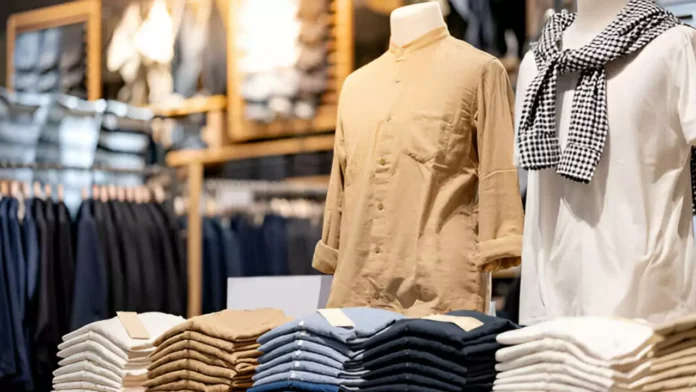
Apparel retailers are implementing a new approach to manage unsold inventory, primarily driven by product obsolescence. In an effort to mitigate risks and align with demand patterns, they have shifted their sourcing practices closer to the current season. The merchandise sourcing period has been significantly reduced from 120-150 days to 60-90 days. This strategic adjustment is aimed at minimizing the impact of obsolescence while awaiting an upturn in demand.
The companies asserted that these write-offs are necessary, even though they have been attempting to eliminate unsold and outdated inventory through prolonged periods of significant discounts. A substantial amount of the outdated merchandise remains unsold, and executives noted that these measures will also affect the margins for this fiscal period.
Kavindra Mishra, the Chief Executive of Shoppers Stop Ltd, informed analysts last week that when ordering the spring-summer and autumn-winter merchandise for the previous year, the company did not foresee the current sluggishness in the market.
“We decided to clean up and provide for the obsolescence of inventory which is worth around close to INR 9 crore. Due to this, our gross margins are impacted by 60 bps (basis points),” he said. A basis point is 0.01 percentage point.
Devaranjan Iyer, the Chief Executive of departmental store chain Lifestyle International, mentioned that numerous retailers are compelled to write off inventory due to obsolescence. In response to mitigating such risks in the future, the company has shortened its sourcing periods, now placing orders for 2-3 months compared to the previous 6-7 months.
“This will give us the ability to find the shock and then react in a much more agile manner,” said Iyer. “It will also ensure inventory is not stuck for six months and the demand forecast is on a real time basis. Obsolescence has increased for the industry and this will lead to margin erosion for sure,” he said.
The apparel retail sector has experienced a downturn for over five consecutive quarters, catching the industry off guard with an unexpected decline in demand following the 2022 festive season. In the preceding three quarters, a significant upswing in demand was observed, driven by consumers updating their wardrobes post-pandemic as restrictions eased and offices reopened. Consequently, retailers optimistically placed orders for a robust 2023, resulting in an accumulation of excess stock.
Earlier, V-Mart Retail, with a focus on rural and small towns, used to plan for 3-4 months. However, due to market stress, the company has now decided to allocate 20% of the inventory planning to a period of 45 days, according to managing director Lalit Agarwal.
“This will allow us to adjust in case of stress in the market and be in line with the fast fashion trend,” he said. Shoppers Stop too is now buying closer to the season.
In 2023, apparel retailers extended their discounting periods and are set to continue this strategy for the current end-of-season sale.
Continue Exploring: Apparel exporters lobby for tax incentives and GST uniformity in budget 2024 to stimulate domestic manufacturing
According to a recently released survey by the Retailers Association of India (RAI), retail sales in December exhibited a 4% growth compared to the corresponding period in 2022. Notably, despite the festive season, both October and November also demonstrated a growth of 7%.
“While the industry showed growth of about 4 % pan-India, it was due to new stores and new geographies of trading. For most offline retailers, like for like stores growth was negative by about 5 %,” said Kumar Rajagopalan, CEO at RAI.
Retailers have noted a shift in consumer spending patterns, indicating that people are now directing more of their expenditures towards travel and experiences rather than exclusively focusing on product purchases. This change has resulted in a slowdown in sales for traditional retail products.
Continue Exploring: India’s apparel exports on the rise: CMAI forecasts 10-15% YoY growth in UAE market

Flipkart, the e-commerce giant led by Walmart, is approaching profitability, according to Kalyan Krishnamurthy, the group chief executive. Despite operating at a loss, Krishnamurthy attributes this positive trend to a substantial reduction in monthly cash burn as the company continues to scale up its businesses.
Krishnamurthy, speaking at a town hall meeting with employees, mentioned that the e-commerce giant has been actively focusing on cost reduction for the last two years, as reported by ET.
This comes as Flipkart, on Thursday (January 25), unveiled its Unified Payments Interface (UPI) offering to the first batch of users, taking another stride in strengthening its foothold in the fintech sector.
According to an insider familiar with the situation, Flipkart’s UPI service has gone live for around 10,000 users in its initial phase. The platform is set to expand its availability nationwide in the coming weeks.
According to ET’s report, the chief of the Flipkart group acknowledged the rapid expansion of its travel business, Cleartrip, affirming its position as the second-largest player in the market.
He clarified that there are no intentions for an initial public offering in 2024, emphasizing that Flipkart remains focused on optimizing resources.
“Krishnamurthy has discussed with senior leaders that profitability is likely this year but there was no timeline given. Even with the new fundraise in progress, he has mandated lower cash burn across businesses,” the report said, quoting one of the people present in the town hall.
Earlier this week, it was reported that Flipkart is considering acquiring a UPI license as part of its strategy to build a robust payment technology ecosystem akin to Amazon Pay and other platforms. This initiative is envisioned to cover a spectrum of services, including bill payments, peer-to-peer transactions, and active participation in shaping the Super.Money credit marketplace. Supported by Walmart, the e-commerce giant aspires to encourage its users to employ the in-house UPI handle for seamless e-commerce transactions, potentially enhancing checkout conversion rates.
Amid the business expansion, the company is also anticipated to implement workforce reductions in the upcoming months.
According to a Moneycontrol report, the company is slashing around 1,000 jobs as part of its annual performance review process. Accordingly, the team size is expected to be cut by 5%. Earlier, another report said that the layoff would impact around 5-7% of the total workforce.
Currently, the company has around 22,000 employees on its payroll.
However, a source familiar with the situation informed us that the reported layoff figures are speculative. The source mentioned that the company regularly conducts performance reviews, and the actual outcomes will only be disclosed by the end of March-April.
Continue Exploring: Walmart-owned Flipkart initiates annual job cuts, targets 5-7% workforce reduction by April
It is noteworthy that with the rise in smartphone usage, UPI, and the entire digital payments infrastructure have experienced significant growth in the country. In a recent development, Zomato, a prominent player in the foodtech industry, and the Indian arm of the global digital payments startup Stripe have also obtained approval from the RBI to operate as online payment aggregators.
Continue Exploring: Zomato’s ZPPL gets green light from RBI to operate as online payment aggregator
In FY23, Flipkart India, the B2B arm of the company, experienced a standalone net loss that widened by over 42% year-on-year to INR 4,845.7 Cr. Meanwhile, in FY22, Flipkart Internet, the e-commerce giant’s marketplace arm, reported a 1.5X YoY surge in its net loss to INR 4,361 Cr.

Hindustan Unilever and United Spirits collectively showcase a juxtaposition that appears to underscore the prevailing purchasing patterns in India’s consumer market. While premium brands are swiftly gaining popularity on the shelves of the nation’s largest consumer goods and alcoholic beverage companies, lower-priced mass-market products are lagging behind in comparison.
“At the premium and luxury ends, they (consumers) are continuing to spend, continuing to experiment, continuing to do repertoire drinking, especially experimenting with the white spirits, drinking at home,” Hina Nagarajan, managing director at Diageo-controlled United Spirits, told investors in a post-earnings call. “However, Middle India, or the value-oriented consumer, is actually cutting down on the number of occasions (to spend) to manage their money.”
The producer of Johnnie Walker and Smirnoff recorded a 12.4% decrease in volume within the mass-priced segments, whereas the more expensive prestige and above categories experienced a 10% growth in the December quarter. The Indian division of the largest distiller globally anticipates the persistence of this purchasing behavior trend in the upcoming couple of quarters.
At Hindustan Unilever, the country’s biggest consumer company by both sales and market value, the story isn’t vastly different. The FMCG bellwether said its premium portfolio expanded more than two-and-a-half times the mass segment over the past few quarters.
“In rural areas, there are people who can afford and spend money, and hence, the premium portfolio in has also grown well – like it has grown in urban parts of the business,” Rohit Jawa, managing director, Hindustan Unilever, told investors after the December-quarter earnings. “We have always seen that essential and discretionary are the two realities of (the) rural (market).”
Continue Exploring: Major consumer goods companies overhaul distribution strategies to revitalize rural markets and boost sales amidst sluggish demand
Experts believe that this contrast in purchasing choices is a result of income inequality and is not specific to any particular market. For example, in rural India, which constitutes almost 40% of the overall FMCG market, there was a significant decline in demand over the past year, attributed to inflation and unpredictable monsoons. In contrast, urban areas seem to lead in overall consumption demand across various categories. Urban incomes, often tied to organized sectors of the economy, demonstrate greater resilience to business cycles and offer more robust protection against broader inflationary pressures.
“Even if the consuming class, mainly upper and middle class, saw an impact on their incomes, it is still not significant to affect their discretionary spends,” said Devangshu Dutta, founder of Third Eyesight, a strategy consulting firm.
“There is a buffer available for higher income growth and it will hit them later in any economic downturn. At present, it is felt in the lower-income segment.”
Over the past decade and a half, consumer companies have bolstered sales by promoting both higher-end and budget-friendly products. While these companies maintain budget-friendly options in their portfolios, a decline in purchasing power, especially in rural areas, has seemingly impacted demand at the more affordable end of the market.
“The real pressure on the wallet is on the lower side, where we do see upgrades are not happening from country liquor to either the popular category or the lower end of prestige,” said Nagarajan at United Spirits.
Continue Exploring: Consumer goods companies ramp up advertising and promotional efforts, capitalizing on improved margins and market opportunities
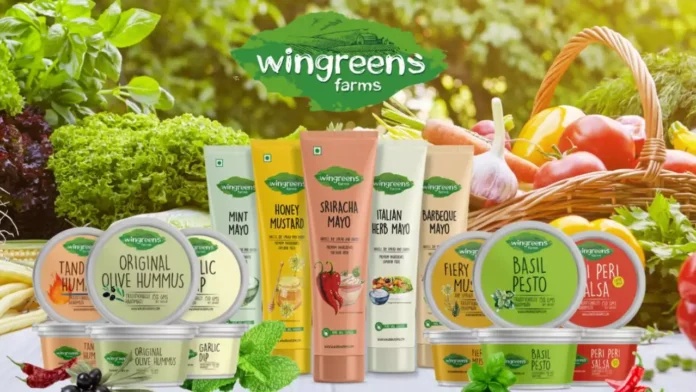
Wingreens Farms, a packaged foods brand, saw its net loss nearly double to INR 180 crore in the last financial year, up from INR 93 crore in FY22. This substantial increase in losses was primarily driven by a significant uptick in expenses, outweighing the growth in operating revenue.
According to information obtained from Tofler, Wingreens Farms, the Gurugram-based company, reported a 50% increase in operating revenue for the fiscal year 2023, reaching INR 307 crore. This is in contrast to the INR 205 crore reported in the preceding year, as per regulatory filings.
Total expenses surged by 73% to INR 491 crore in FY23, primarily driven by an increase in the cost of goods sold and elevated advertising and promotional expenses.
In the fiscal year ending in March 2023, Wingreens Farms allocated INR 114 crore to marketing costs, representing over a fifth of its total expenditures. This marked an increase from INR 63 crore in FY22.
Continue Exploring: New rules in effect: All packaged items must now display ‘date of manufacturing’ and ‘unit sale price’
Founded in 2011, the Peak XV Partners-backed company has shifted from a direct-to-consumer (D2C) strategy to focus more on offline channels to enhance unit economics.
Arjun Srivastava, the Co-Founder and deputy managing director of Wingreens Farms, explained that the losses in FY23 expanded due to an “aggressive direct-to-consumer (D2C) push” implemented across all the company’s brands.
“We soon realised that unit economics did not favourably support a D2C strategy and we put D2C on hold and focussed on other channels. As a group, 70% of our revenue comes from offline channels – modern trade and general trade. We have also made very good progress in quick-commerce channels which are growing at a fast pace,” Srivastava said.
The company is currently in the process of raising $10 million (around INR 82 crore) in a bridge round of funding, with a valuation of around $205 million.
According to filings with the Registrar of Companies (RoC), Wingreens Farms has so far received INR 62 crore as part of this round, including contributions from existing investors such as Peak XV, Investcorp, Omidyar Networks, and the Grand Anicut Fund of Anicut Capital.
Cofounders Arjun Srivastava and Anju Srivastava have also participated in the round.
In addition to the Wingreens brand, the company also holds the Raw Pressery juice brand, the Saucery gourmet dips brand, and the Postcard packaged snacks brand. It acquired Raw Pressery in January 2021 and Postcard in April 2022.
Meanwhile, Price Waterhouse, the company’s auditor, has raised concerns about specific accounting practices in its FY23 results, particularly regarding the goodwill recognized by the firm for Postcard. The auditor observed the identification of a “material weakness in the operating effectiveness of the company’s internal financial controls over financial reporting as of March 31, 2023.”
Responding to a query on the note, Srivastava said, “Auditors have raised concern over the fall in revenue of our newest addition to the portfolio – Postcard. The Postcard brand and business was purely a D2C business. Post acquisition, we took a call at the group level to put a pause on D2C, because the unit economics were negative. Postcard business was put on a temporary hold”.
“We plan to bring Postcard back in a different avatar with an offline business model. We are clear that there is intrinsic value in the brand and the business, and we have plans to relaunch it in the near future,” he added.
Looking ahead, Srivastava mentioned that for the current financial year, the company has opted to consolidate all its acquisitions and focus on achieving profitability at the EBITDA level (earnings before interest, taxes, depreciation, and amortization).