Greggs, the well-known high street bakery chain, has unveiled plans to open up to another 160 stores in the year ahead as it cheered a strong end to 2023.
In 2023, the group expanded its presence by inaugurating 220 new stores, while also closing 33 and relocating 42. This resulted in a net gain of 145 new locations, bringing its overall estate to 2,473.
In 2024, Greggs plans to open a net total of 140 to 160 new shops, aiming to enhance customer accessibility to its stores.
In the fourth quarter, it recorded a 9.4% increase in like-for-like sales in its self-managed shops, contributing to an overall comparable store growth of 13.7% for the year 2023.
The performance in the last quarter indicates a deceleration compared to the 14.2% growth observed in the preceding three months. Greggs attributed this slowdown to a reduced contribution from price inflation.
The company said cost pressures were continuing to ease back, with expectations for a “more stable cost base in the coming year”.
“Wage inflation remains, although higher rates of pay across the economy will also provide support to consumer incomes,” according to the group.
Roisin Currie, chief executive of Greggs added, “We enter 2024 with plans to continue to invest in our shops and expand supply chain capacity.”
Oyo, the budget hospitality chain, announced on Monday its ambitious plan to unveil 400 new properties in major spiritual hotspots across the country. This expansion is propelled by the upswing in domestic travel and a burgeoning interest in spiritual tourism.
Oyo said it is set to launch 400 properties in popular destinations such as Ayodhya, Puri, Shirdi, Varanasi, Amritsar, Tirupati, Haridwar, Katra-Vaishno Devi, and the Char Dham route by the end of this year.
This move is in response to a 350% increase in searches for Ayodhya on the Oyo platform over the past year, prompted by the upcoming opening of the Ram Mandir on January 22, as stated by the company.
Oyo said that Ayodhya has consistently held the top position in searches on the Oyo app over the past year. On New Year’s Eve, the city experienced a 70% surge in Oyo app users, surpassing popular leisure destinations such as Goa at 50% and Nainital at 60%.
Last year, the company announced the launch of 50 homestays in Ayodhya to accommodate the increasing number of pilgrims, providing a total of around 1,000 rooms.
Oyo mentioned that these properties are strategically positioned near significant landmarks, ensuring convenient access to prominent religious sites and tourist attractions.
Oyo stated that it anticipates a swift sell-out of these rooms, given the substantial increase in demand for the destination.
Oyo has collaborated with the Ayodhya Development Authority and the Uttar Pradesh State Tourism Development Corporation for the establishment of these homestays.
Ritesh Agarwal, the founder and group CEO of Oyo, remarked that spiritual tourism in India is on the verge of experiencing a significant surge, positioning itself as one of the most substantial growth drivers for the industry in the next five years.
“The opening of the Ram Mandir in Ayodhya stands as a testament to this, and witnessing the excitement firsthand as I join in the grand ceremony will be truly humbling. This renewed fervour for spiritual journeys extends far beyond Ayodhya, with destinations like Puri, Shirdi, and Varanasi experiencing similar excitement,” he said.
“By offering comfortable and affordable accommodation options across these sacred sites, we aim to ensure every spiritual journey finds a welcoming haven, allowing pilgrims to fully immerse themselves in the transformative power of religion and spirituality,” he added.
Consumer goods companies are intensifying their advertising and promotional spending in the next few quarters, aided by the improvement in gross margins over the past three to four quarters due to lower input costs.
Fast-moving consumer goods (FMCG) companies, including Dabur, Marico, and Godrej Consumer Products, highlighted in investor notes that advertising, promotion, and category development spending witnessed a surge in the December quarter. Additionally, some anticipate a further increase in these expenditures in the upcoming quarters.
This year is brimming with events, and companies will eagerly seize the opportunity, according to B. Krishna Rao, Senior Category Head at Parle Products.
“In the next 10 days advertising spending will go up for Ram Mandir, then Lok Sabha elections and multiple sport events such as IPL, T20 World Cup and Olympics. At the same time, spending will also be increased to try to improve demand,” he said.
According to a report from BNP Paribas this week, the trend of gross margin improvement is expected to continue due to lower input costs. However, the report notes that advertising expenditures will remain high. It mentioned that FMCG firms advertise during sports events where advertising costs are relatively expensive.
Competitive Ad Spending by Consumer Goods Companies
In a report earlier this month, Nuvama Institutional Equities stated that for certain FMCG companies, advertising expenditures had surpassed pre-pandemic levels. With margins on the rise and a strategic drive to outperform local competition, advertising spending is expected to stay competitive in 2024, according to the report.
In an investor note last week, Dabur India indicated that gross margins are expected to increase, driven by the moderation of inflation and cost-saving initiatives.
“A significant portion of gross margin expansion will be channelled into enhancing advertising and promotion spends. Consequently, operating profit is expected to grow slightly ahead of the revenue and post an improvement in year-on-year operating margins,” it said.
Consumer goods companies allocate 3-14% of their sales budget to advertising and promotions.
Last week, Marico also mentioned that it increased advertising and promotion expenditures as part of its strategy to enhance the long-term equity of both the core and new franchises.
The sacred city of Ayodhya is set to welcome the nation’s first seven-star luxury hotel, exclusively catering to vegetarian cuisine. This city is also where the grand Ram temple is scheduled to be unveiled next Monday.
A Mumbai-based real estate firm is also planning to establish a five-star hotel in Ayodhya. Additionally, a housing project is scheduled to launch on January 22, coinciding with the day of the temple’s consecration ceremony.
The inauguration of the temple has catalyzed a cascade of development projects in the city, encompassing the construction of hotels and housing initiatives aimed at transforming it into a prominent hub.
An operational airport, connecting flights to Mumbai, Delhi, and other major cities, along with a renovated railway station, are already in place in the city. Additionally, starting this Friday, a helicopter service from Lucknow will be introduced.
It is reported that the renowned actor Amitabh Bachchan has acquired land in the upscale enclave known as ‘The Sarayu,’ situated approximately 15 minutes away from the temple.
While The House of Abhinandan Lodha (HoABL), a Mumbai-based developer, has not revealed the dimensions and worth of the plot, industry sources mentioned in reports suggest that the 10,000 sqft land could be valued at INR 14.5 crore.
Moreover, numerous five-star hotels are slated to be established along the banks of the Sarayu River. A total of 110 hoteliers, ranging from small to large enterprises, are acquiring land in Ayodhya to establish their facilities in the city. Additionally, there is ongoing construction of a solar park in the area.
Ayodhya is undergoing development as a Smart City, as previously mentioned by Bimlendra Mohan Pratap Mishra, a former royal and a member of the temple trust.
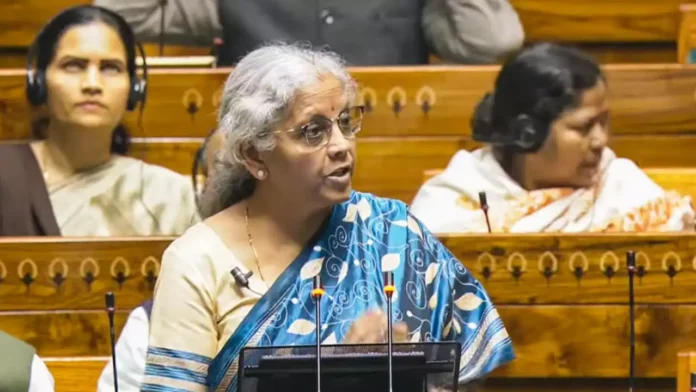
On Monday, the National Restaurant Association of India (NRAI) appealed to the government to reinstate input tax credit for restaurants. They proposed an increase in the GST rate from the existing 5% to 12% in anticipation of the upcoming Union Budget.
In a letter addressed to Finance Minister Nirmala Sitharaman, the NRAI emphasized the need for a just and fair e-commerce policy. They stressed the importance of balanced policies and regulations that foster a level playing field, allowing platforms to innovate, while ensuring the protection of restaurants, delivery partners, and consumers from potentially exploitative practices.
The restaurant industry, significantly affected by the pandemic, has shown great resilience in overcoming challenges and is currently on a steady path to recovery. According to a statement by the National Restaurant Association of India (NRAI), providing the sector with certain policy and budgetary support in the upcoming Budget could propel it towards an accelerated pace of growth.
NRAI Pushes for ITC Restoration
Seeking restoration of GST input tax credit (ITC), the industry body said, “It is the only industry to be pegged at 5 per cent GST without the availability of ITC; a feature designed to avoid cascading taxation”.
The lack of ITC not only reduces the operating margin of the business but also enhances the capital budget for a new project significantly. This increased project cost slows down the expansion plans, which massively impacts the overall growth of the sector, it added.
“The industry, therefore, recommends restoration of ITC to the restaurants while parallelly increasing the rate of GST to 12 per cent from the current 5 per cent,” NRAI said. It further said, “We understand that it may create a compliance burden on the smaller businesses, and therefore, we feel that this can be done on revenue slabs. While restaurants below a certain revenue threshold can continue with the current GST provisions, the organised sector with higher revenues and capex outlay may move towards the proposed GST regime”.
NRAI President Kabir Suri said the growth of the food services industry in India holds immense potential. The industry not only plays a pivotal role in contributing to government revenue but is one of the largest employers in the country.
“Balanced, fair and equitable policies by the government with respect to GST input tax credit, rationalised licensing norms and e-commerce policy will not only benefit businesses and consumers but also make a substantial contribution to overall economic growth and employment opportunities,” said Suri, who is also the co-founder & Director of Azure Hospitality Pvt Ltd.
On an equitable and fair e-commerce policy, NRAI said the online platforms, while bringing convenience, have also created concerns regarding fair competition and equitable growth. It also sought a grant of “industry status” to the food services sector, considering “the immense contribution” to the country’s economy.
“This will bring in multiple benefits through central or state industrial policies, including easier finance, special schemes, subsidies, fast-track clearance processes etc. It will also encourage enterprise as well as entrepreneurship,” the letter to the Finance Minister said.
NRAI Calls for License Streamlining
NRAI also called for the streamlining of licenses and NOCs, pointing out that, on average, a restaurant needs to obtain 15-25 licenses/NOCs to initiate and run an outlet.
“This myriad of licences and permits inhibits food businesses in growing beyond their core geographies and adds to the operational complexity and compliance burden,” it said.
The industry body also asked the finance minister for targeted subsidy schemes and access to debt financing for SMEs to consider subsidies on essential ingredients, utilities, and waste management to reduce operational costs for struggling restaurants, particularly in smaller towns and cities.
It also asked the government to consider allowing longer working hours for the restaurant sector and reducing GST on bagasse and other eco-friendly materials that are used as packaging material for home delivery.
A number of Domino’s Pizza outlets in the Delhi-NCR region have now joined the Open Network for Digital Commerce (ONDC). This strategic move is expected to assist Jubilant FoodWorks, the franchise owner, in bolstering profit margins and reducing the long-term dependence on online sales platforms such as Zomato and Swiggy.
Even though Domino’s outlets can be found on PhonePe’s Pincode app, they remain absent from other consumer platforms within the network, such as Paytm and Ola. SnackFax previously reported that the pizza chain has been actively incorporating ONDC as a sales channel since the year 2023.
While the majority of restaurants have joined ONDC through seller-side platforms like Magicpin, Growth Falcon, and e-Samudaay, Domino’s has independently connected with the government’s e-commerce network. This allows Domino’s to avoid paying fees to an intermediary for its presence on ONDC.
The ONDC model dissects the e-commerce value chain into various components, including the buyer-side app, gateway, seller-side app, and logistics providers. Any application, whether it’s an e-commerce platform, banking app, D2C app, or ride-hailing app, has the potential to function as a “buyer-side app.” In this role, consumers can log in to search for products and finalize transactions.
Likewise, a “seller-side” app serves as a platform where individuals or businesses, such as fashion brands, wholesalers, retailers, restaurants, cab drivers, kirana stores, and home service providers like plumbers or electricians, can register to offer their goods or services. An e-commerce platform has the option to function as both a buyer and seller app, or it may choose to operate exclusively in one of these capacities.
ONDC is viewed as a counterbalance to the dominance of Swiggy and Zomato in food delivery, Ola and Uber in ride-hailing, and Amazon and Flipkart in online retail.
As per ONDC, reduced commissions within the network are anticipated to result in more economical prices. Sellers such as restaurants, grocery shops, and electronics brands are expected to extend these benefits to consumers by offering more affordable products.
In December, sources close to the matter revealed that ONDC achieved a milestone by surpassing 5 million transactions in a month, encompassing both ride-hailing and retail purchases.
Out of the 5.5 million transactions facilitated by ONDC in December, 2.1 million were categorized under retail, while the remaining 3.4 million fell within the mobility sector. Among retail transactions, a third were dedicated to food delivery and fashion purchases, with the remaining orders spanning newer segments such as cosmetics and electronics.
The current distribution of retail purchases marks a significant shift from the transaction breakdown in early 2023. During that period, retail constituted a mere 5-10 percent, while the mobility category overwhelmingly dominated with 90-95 percent of all ONDC transactions.
In the course of 11 months, retail transactions on ONDC have witnessed a substantial increase, rising from 1,281 in January to 2.1 million in December.
Sales of groceries, household, and personal care items increased by 2% in value in 2023, a notable deceleration from the 7% growth observed in 2022. On the other hand, sales stagnated for non-essential products like smartphones, refrigerators, and televisions, experiencing a decline in volume growth ranging from 2% to 5%.
In the realm of fast-moving consumer goods, a substantial reduction in the price of edible oil negatively influenced value growth. The combination of a cooler summer and irregular rainfall had repercussions on both beverages and food sectors, while rural markets continued to face challenges due to inflationary pressures.
During the October-December period, value sales experienced a decline of 4.5%, as reported by Bizom, an analytics firm that analyzes data derived from orders at approximately 7.5 million kirana stores.
“After hiking prices 20-25% in 2022, most companies partially rolled them back, (cutting them) by 12-15%, which affected value sales even as demand, or volumes, came back towards the last few months of 2023,” said Mayank Shah, vice-president, Parle Products. “Monsoon, especially in populous, rural-dependent states such as Bihar and Uttar Pradesh, was sporadic, which impacted sales.”
“We see price-offs or grammage increase in most categories that is boosting volume growth, and expect value growth to come back post April due to better crop yield and election spending,” said Shah of Parle.
FMCG Companies’ Strategy: Volume-Led Growth
Companies such as Dabur, Marico, and Godrej Consumer indicated in their quarterly earnings updates that the primary driver of growth was volume, as pricing expansion remained restrained due to price increases in the base year.
For instance, Adani Wilmar reported its best-ever volumes during October-December, attributed to the festive and wedding seasons; however, the company experienced a 15% decline in revenue.
Similarly, Dabur noted that the quarter showed a sequential improvement in demand trends, albeit with rural growth still trailing behind urban areas.
“Early signs of revival in consumption are visible, with improving trends in volumes,” the company said in its update. “With pricing growth remaining subdued due to price increases in base year, growth is largely volume-led.”
During the calendar year, the most substantial decline was observed in the beverages category, marking an 11% decrease, followed by personal care and commodities. While most categories demonstrated improvement in the third quarter, the sales of commodities worsened, experiencing a 17% decline by value.
“Fast-moving consumer goods (FMCG) growth for the last few years has been driven by rural areas, seeing an increase in direct distribution and focus on rise in product availability from many leading brands,” said Akshay D’Souza, chief of growth and insights at Mobisy Technologies, which owns Bizom. “However, we see that rural consumers continue to spend lower on discretionary products and continue to focus on need-based products.”
There is significant momentum for regional brands in snacks and biscuits, as they aim to expand their reach and shift their focus to new geographic areas, he mentioned.
“Large, organised players have been squeezed a bit from both ends – regional and unbranded players in rural and D2C, and new-age players at the premium end,” Marico managing director Saugata Gupta said last month. “We feel the market will start showing good volume growth by the next two quarters, fuelled by rural recovery and pricing action by large players, which has already taken place. The economy is stable and inflation is getting under control.”
In the more expensive consumer categories like smartphones, refrigerators, and washing machines, volume sales experienced a decline of 2-6% in calendar year 2023. However, in terms of value, they either marginally grew or remained steady. This was driven by increased sales of premium products, as reported by industry executives referring to initial data from market researchers and their own estimations.
“There is no improvement in the overall demand scenario yet,” said Godrej Appliances business head Kamal Nandi. “Consumers with higher discretionary income are buying premium products, which is a saving grace for the industry. But we expect a recovery in calendar 2024, with inflationary trend further reducing, and a harsh summer (ahead).”
Executives mentioned that the average selling price (ASP), serving as an indicator of premiumization, increased across all categories.
Despite a decrease in volume sales in 2023, the performance is an improvement compared to 2022. To illustrate, in 2022, the smartphone market witnessed a decline of 9%, as reported by tracker Counterpoint Research, in contrast to a milder drop of 2% in 2023.
Tarun Pathak, the director at Counterpoint Research, anticipates a comprehensive recovery in mobile phone sales. He foresees this rebound as the prices of 5G devices continue to decrease and penetrate the lower pricing tiers. The researcher projected a decline in smartphone volumes to 150 million in 2023, down from 152 million in 2022 and 169 million in 2021.
In the period from January to October, smartphone unit sales saw a 2% decline, yet exhibited a 9% improvement in value, attributed to an 11% growth in Average Selling Price (ASP), according to GfK data. Cooling products experienced a 6% decrease in volume and a 4% decrease in value, whereas microwave ovens declined by 7% in both volume and value. Televisions stood out as an exception, with a 2% growth in volumes, though the value declined by 7% due to a decrease in prices, as reported by GfK.
Tata Consumer Products Ltd (TCPL) is now strategizing to explore pharmaceutical channels following the acquisition of Organic India. MD and CEO Sunil D’Souza stated on Sunday that this move would result in a “fully rounded portfolio” when combined with the wholesome offerings from TCPL’s own brands. Additionally, the acquisition of Capital Foods, known for brands like Smith & Jones and Ching’s Secret, will cater to Western cuisine and ‘desi Chinese’ flavors. TCPL aims to expand these flavors into the oriental cuisine space.
Combined with its exclusive brand Sampann, highlighting a diverse array of Indian food and spices, TCPL now aspires to provide a broad spectrum of the Indian culinary palate, featuring Ching’s Secret and Smith & Jones.
“We now have the brands that were required to address the entire portfolio of the Indian consumer’s cuisines per se,” said D’Souza.
Conversely, through Organic India, TCPL is set to venture into the realm of nutraceutical supplements.
“So between the tea infusions, which add to the premiumisation agenda on our portfolio in our base business and entering a completely new category of nutraceuticals, that is the sweet spot with the being,” he said.
This presents an opportunity to establish a strong presence in herbal infusions and herbal as well as traditional supplements, both of which are rapidly growing and offer high profit margins. Additionally, it opens doors to venture into various other categories within the nutrition industry.
This also grants TCPL entry into pharmaceutical retail channels, which have emerged as an alternative for the FMCG industry post-pandemic. These channels facilitate the sale of a range of products, from health supplements to shampoo and soaps.
“So we already have in our portfolio brands like Tetley, GoFit (plant protein powder), Soulfull (healthy millet-based Snacks) which can sell in the pharma channels but we never had a fully rounded portfolio which can actually address this channel.
“Now with with the infusions and the nutritious supplements portfolio of Organic India, we will start looking at how we create a go-to market for the pharma channel. That is what is yet to be done,” said D’Souza.
Last Friday, TCPL announced complete acquisition of Capital Foods at an enterprise valuation of INR 5,100 crore and Fab India-backed Organic India, which operates in the health and wellness category, at an enterprise value of INR 1,900 crore.
Over the growth in the Indian market, D’Souza said it is coming back but not like in the pre-Covid times.
The FMCG sector went through a significant price hike due to inflation, however, now prices are coming down and expansion is happening.
“We see broadly costs remaining flat. I think the game is to drive volume increases. We are seeing green shoots but too early to say we are out of the woods yet,” he said.
Tata Consumer Products’ Network Expansion and E-commerce Focus
TCPL is also expanding its network by increasing its direct reach. To deepen its penetration in smaller cities, it has now appointed more distributors in towns.
Currently, TCPL is getting around 9 per cent of sales from e-commerce and has also plans to expand its D2C (direct to consumer) business, in which it had decent success, he said.
When asked whether TCPL has plans to enter into the HPC (Home & Personal Care) segment, D’Souza said in the long term it has plans but it will take time.
“In the long term, yes. We will not get from where we are to a full FMCG in one shot,” he said adding, “We are just a three-and-a half year old company. We still have a long way to go. We do aspire to be a large FMCG but one step at a time.”
TCPL is right now focused on the food and beverage space, which has “huge opportunities” and high margins.
Zomato’s stock experienced a nearly 3% decline in early Monday trading, following a block deal involving approximately 4.5 crore shares of the food delivery giant. This transaction amounted to a total value of INR 622 crore.
Zomato’s shares were trading at INR 135.55 each at 11:30 am, showing a decrease from the previous closing price of INR 139.6.
Nevertheless, the report could not identify the buyers and sellers participating in the transaction.
Recently, HSBC, Goldman Sachs, and Jefferies have all increased their price targets (PTs) on Zomato, citing the strong growth in its food delivery and quick commerce businesses.
Goldman Sachs increased its price target on Zomato from INR 130 to INR 160, while Jefferies raised its target from INR 165 to INR 190. In contrast, HSBC elevated its stock target by INR 10 to INR 150 per share.
The stock value of the prominent foodtech company saw a more than twofold increase last year. Starting the year in the INR 50-60 range in the initial month of 2023, it concluded the year surpassing INR 120.
Zomato’s Profitability Focus:
Zomato has recently directed its attention towards profitability, marking its second consecutive profitable quarter. The startup reported a noteworthy surge in profit after tax, reaching INR 36 Cr in the September quarter of the financial year 2023-24 (FY24). This represents an 18-fold increase from the INR 2 Cr PAT in the preceding quarter.
Now, all analysts are closely monitoring the business expansion of Zomato’s quick commerce arm, Blinkit, expecting that its growth will propel Zomato forward.
During the quarter ending on September 30, 2023 (Q2 FY24), Blinkit achieved a positive contribution for the first time. The average order value for Blinkit increased to INR 607 from INR 582 in Q1 FY24.
Meanwhile, Zomato and Swiggy, the duo, allegedly received notices for a combined Goods and Services Tax (GST) amounting to approximately INR 1,000 Cr. This represents the 18% tax imposed on the entire sum collected by them as delivery fees since the commencement of their food delivery services.
Shilpa Shetty-backed Kisankonnect, a fully integrated fresh produce agritech startup, has raised INR 31 crore (approximately $3.75 million) in a pre-series A round led by climate tech-focused fund Green Frontier Capital (GFC).
The funding round also witnessed involvement from Dhanuka Agritech Limited, a prominent crop protection company in India, along with VC Grid and other family offices.
The Ahmednagar-based firm aims to deploy the raised capital to amplify its engagement in climate-smart agriculture interventions with its 5,000 farmers. Furthermore, it intends to fortify its technology for the fresh-produce supply chain and introduce new farm stores, complementing the existing ones in Mumbai and Pune.
Vivek Nirmal, Founder and CEO of Kisankonnect, said “Our extensive work on the farm front also benefits our consumers, as they get a safer produce to consume. Our tech-enabled temperature controlled and fully traceable supply chain is unique in the country. This helps the sorted and graded fresh produce of our farmers, to reach our consumers in Mumbai and Pune in the shortest possible time. The wastages are reduced significantly which ensures fair prices for farmers and consumers both, while helping reduce carbon emissions in the Agri supply-chain.”
“Kisankonnect is revolutionizing the field with its dedication to soil improvement, reduced chemical usage, and elevated farm productivity – values that align seamlessly with our mission to champion climate tech innovations. The company’s commitment ensures that fresh produce arrives on your plate at lightning speed,” said Sandiip Bhammer, Managing Partner and Founder, GFC.
Established in 2020, Kisankonnect directly procures from farmers and delivers to over 1 lakh customers in Mumbai and Pune through its proprietary D2C App and Farm-stores. The company collaborates closely with the farming community to promote sustainable food growth, utilizing its in-house technology to provide customers with fresh vegetables and fruits via its delivery channel.
The company also manufactures and markets carefully selected agricultural products and handmade snacks under its ‘Village Staples’ and ‘Mom’s Kitchen’ segments. These items are exclusively crafted by rural women in a sanitary central kitchen.
In May 2023, Kisanconnect secured undisclosed funding from celebrity Shilpa Shetty during its angel round.
We use cookies to ensure that we give you the best experience on our website. If you continue to use this site we will assume that you are happy with it.