France-based butter supplier Loyez Woessen aims to enhance its international presence following the acquisition of new investments.
The company is also expanding into cheese and has revealed a new corporate name – Abondia.
Less than 5% of Abondia’s sales originate from outside of France, where it packages butter for the country’s grocery stores. In 2023, the company achieved sales of €210 million ($230.2 million) but refrained from disclosing its profit details.
Having secured an undisclosed investment from BNP Paribas Développement, the group is now poised to extend its presence in the United States and establish footholds in the Middle East and Asia.
BNP Paribas Développement joins a group of investors that includes majority shareholder Sénevé Capital, agri-food fund Unigrains, and members of the butter maker’s management.
The details of BNP Paribas Développement’s investment remain confidential, including the identity of existing shareholders from whom the bank acquired its stake.
Pascal Jallet, appointed as Abondia’s CEO, has become an investor through the course of the transaction.
“International expansion is a greenfield development project, starting from scratch,” a Unigrains spokesperson said, pointing to overseas accounting for “less than 5%” of the business.
“As a first step, a commercial office has recently been opened in the United States. The focus in this first phase will be on butter, the group’s historic segment.”
Loyez Woessen’s Operational Focus:
Abondia has two butter production sites in France, located in Hauts de France and Loire Atlantique. The company employs 120 staff.
The company’s plans for cheese include production in France, with an eye on supplying the country’s major retailers.
In 2017, Xavier Burette, the president of Abondia, invested in Loyez Woessen alongside Sénevé Capital. Unigrains joined as an investor four years later.
Burette said, “The reorganization of our capital will bring added value to our growth projects. We are delighted to continue this adventure with Sénevé Capital and Unigrains and to welcome BNP Paribas Développement as a shareholder. This operation reflects our ambition for the development of our company in the coming years.”
Hindustan Unilever, the largest consumer goods company in the country, stated that its distributors now have the opportunity to earn an additional 70 basis points in margins, providing significantly increased returns on investments under its new margin structure, downplaying the friction between the company and dealers.
“They can potentially make 70 bps more with healthier RoI than what they were making in the erstwhile model that we had. It is the right thing to do to future-fit and protect the businesses in our small stores and distribution,” said Kedar Lele, executive director, customer development for HUL.
He said that in the past year, the company had met with all its distributors at least three times before introducing the new model three months ago, emphasizing the absence of any friction between them.
“We tested and learned after they participated and gave us feedback and over a period of time, we created a framework, which we have rolled out after seeing the success of it.”
‘Pay for Performance’ Principle by Hindustan Unilever
Under the ‘pay for performance’ principle, the criteria for additional variable incentive prioritize the quality of service to the stores. This encompasses servicing larger networks of stores, ensuring the availability of various new category packs, and providing next-day delivery.
The company has announced a reduction of up to 60 basis points in the fixed margin to promote fair competition between distributors specializing in wholesale and those choosing the higher-cost retail service with a broader range of availability. To offset this decrease in the fixed margin, the variable margin has been raised by up to 130 basis points.
In October, HUL rolled out the structure in 110 major cities, encompassing almost 400 distributors.
As a result, the All India Consumer Products Distributors Federation (AICPDF) raised concerns, stating that it will advocate for the restoration of margins and even issued a warning about a potential boycott of their products. In response, HUL emphasized that their terms of trade with distributors are bilateral, and they will address concerns when approached.
“Our relationship with our distributors is one on one and I shall not discuss the policies of this relationship with anyone else but themselves. We are not asking people to sell more. We are asking people to service better. We do joint business plans and it is going absolutely as planned and as predicted,” said Lele, adding that their distributor attrition rate is in mid-single digits, nearly half compared to the industry average.
Tata Consumer Products Ltd (TCPL) is set to announce two major transactions – the acquisitions of Capital Foods Pvt Ltd, renowned for its production of condiments, food products, and ingredients under the Ching’s Secret and Smith & Jones brands, as well as Organic India, a Fabindia-backed manufacturer of organic teas and health products. This marks the ending of months of negotiations, according to sources familiar with the matter.
The acquisitions will enable the company to access products with a broader taste profile, penetrate new markets, and diversify its portfolio with organic items catering to consumers seeking healthier alternatives.
The official announcement is anticipated early next week.
TCPL is set to acquire 75% of Capital Foods from current investors, including Invus Group, a European family office and investment arm, holding a 40% stake, and the US private equity group General Atlantic, which owns 35%, valuing the company at INR 5100 crore. This places the stake value at INR 3,825 crore. While Ajay Gupta, the founder chairman of Capital Foods and a former advertising executive turned food entrepreneur, will retain his 25% stake for the time being, the Tatas plan to buy him out in the future, enabling him to unlock additional value.
TCPL will acquire a controlling stake in Organic India at a valuation of INR 1800 crore from Fab India. Fabindia, supported by Premji Invest and Lighthouse Capital, currently holds over 40% ownership in Organic India, based in Lucknow.
On September 21, reports indicated that TCPL was leading the race to acquire Capital Foods, a company that has carved out a distinctive niche since 1995 by introducing a range of products with authentic ‘desi’ flavors. These offerings encompass Ching’s Secret instant noodles, soups, condiments, curry pastes, and frozen entrees, as well as the Smith & Jones line featuring ginger-garlic paste, specialized sauces, and baked beans. Goldman Sachs initiated a formal sale process in late 2022, attracting interest from major players such as Nestle, the world’s largest food company, The Kraft Heinz Co, Norwegian food giant Orkla, and the owners of MTR Foods, among others. Kotak Mahindra has been providing advisory services to the Tatas.
On August 4, there were reports indicating that both Tatas and ITC were considering the acquisition of a substantial stake in Organic India, a producer known for its diverse range of premium organic teas and food supplements.
Tata Consumer Products to Compete in the Branded Instant Noodles Market:
With the Tatas’ acquisition, TCPL will now directly compete with Nestle’s Maggi, the leader in the INR 5,000 crore branded instant noodles market, commanding a 60% share. The Maggi franchise falls under Nestle’s prepared dishes and cooking aids business. Competitors in this category include Top Ramen, Wai Wai, and Patanjali.
Organic and wellness products have experienced robust double-digit growth, particularly in the post-Covid-19 period, and are projected to achieve a valuation of INR 75,000 crore by 2025, as outlined in the ‘Indian Organic Sector Vision 2025’ report by the commerce ministry.
The market is anticipated to witness annual growth of 16-18% until 2026-27. Tatas, known for their acquisitive approach, acquired Soulfull in 2021, a company specializing in breakfast cereals and millet-based snacks. Demonstrating impressive financial performance, the company achieved a 50% increase in revenue through brand extensions and the introduction of new products at minimal additional costs.
However, Capital Foods and Organic India will mark the first substantial acquisitions in several years for Tata Consumer, which has been dedicated to refining and expanding its in-house portfolio of brands. According to well-placed officials familiar with the matter, the Capital Foods portfolio will particularly benefit from Tata Consumer’s extensive distribution network and robust marketing capabilities. This strategic move will provide Tata Consumer access to an enlarged global Indian diaspora through brands that encompass a pan-Indian cuisine, distinguishing them from other more regionally focused brands. Additionally, officials noted that these acquisitions will bring brands offering improved business margins in the food sector for the Tata company.
Tatas refrained from providing a comment. GA and Invus were unavailable for comment. Emails sent to Ajay Gupta and the FabIndia spokesperson yielded no response as of press time.
As per analysts closely monitoring TCPL, the company has embarked on a multi-year transformation, evolving from a tea-and-salt-focused entity into a more extensive food and beverage franchise. This transformation occurred following the Tata Group’s rationalization and consolidation of its portfolio, including an anticipated merger with Tata Coffee by the end of FY24. In May 2020, TCPL acquired PepsiCo’s 50% stake in NourishCo Beverages Ltd, a joint venture featuring brands like Himalaya packaged water and GlucoPlus. However, its highly publicized INR 7000 crore takeover attempt of Bisleri, India’s largest bottled water brand, did not materialize after nearly two years of negotiations.
Diversification Opportunity: Tata Consumer Products and Organic India
The acquisition of Organic India provides Tata Consumer with an opportunity to diversify into additional product categories.
“This will be high margin infusions with supplements , organic foods and is probably the only “ real & kosher “ organic products in india. The brand in turn gets huge distribution opportunitie both within India & globally,” said an official in the know.
On December 29th, Tata Consumer Products became the sixth Tata Group company to achieve a market capitalization surpassing INR 1 lakh crore, joining the ranks of listed firms with this milestone. As of Thursday, it concluded with a market value of INR 1.04 lakh crore. The stock has witnessed a 26.52% appreciation in the last three months.
“Tata Consumer offers a long growth runway as it transforms into a larger consumer packaged goods (CPG) company with aspirations beyond F&B. Significant scope for market share gains in the core tea and salt segments, besides scale-up of the India growth businesses, would support the growth trajectory. Strong FCF, improving return ratios, attractive long-term potential for Starbucks and the opportunity to leverage Tata Group assets (e.g., BigBasket) are other potential positive drivers,” said Latika Chopra of JP Morgan.
Lexdale International is reportedly seeking to divest 2.62 crore shares of the beauty e-commerce giant Nykaa through open market transactions.
Sources informed CNBC-Awaaz that the transaction is expected to be valued at a total of INR 490 crore. Brokerage firms Morgan Stanley and JP Morgan are set to oversee the deal.
Earlier this week, Nykaa, in its quarterly performance update, stated that it experienced steady growth across its three business verticals during the third quarter (Q3) of the financial year 2023-24 (FY24).
The Falguni Nayar-led company reported that although discretionary consumption encountered short-term pressures in the quarter, it projected the beauty and personal care (BPC) arm’s gross merchandise value (GMV) growth in Q3 FY24 to be in the mid-twenties. Additionally, the fashion vertical’s GMV was anticipated to grow by around 40%.
Nykaa’s Potential Inclusion in MSCI Smallcap Index:
Nuvama Alternative & Quantitative Research suggests that Nykaa might join the MSCI Smallcap index if the stock experiences a surge ranging from 8-20%.
Amidst escalating competition, elevated inflation, and a growing customer acquisition cost, the beauty and personal care (BPC) giant faced challenges throughout 2023. However, by the year’s end, the stock showed signs of recovery and has maintained an upward trajectory since then. Over the past 12 months, the company’s shares have surged by over 24%, with an additional 11% gain in the first part of 2024.
It should be emphasized that the company did not observe any significant block deals in the year 2023.
The increase in stock price follows a year marked by high-level departures, market fluctuations, and intensified competition from both established players and newcomers like Reliance-backed Tira, Tata CLIQ, and others.
Shares of Nykaa closed at INR 193.70 on the BSE, registering a 1.73% increase on Thursday (December 11).
FMCG distributors demanding restoration of old margin structures from the leading maker HUL on Thursday said they would boycott its products in Maharashtra, starting with Taj Mahal Tea.
The distributors further said that if the company does not pay attention to their demand, then they will boycott the Kissan brand and leading detergent brand Rin along with Taj Mahal tea brand going ahead.
HUL’s Margin Adjustment
HUL, the owner of brands like Lux, Lifebuoy, Surf Excel, Rin, Pond’s, and Dove, has decreased the fixed margin by 60 basis points while raising the variable margins for its distributors by 100 to 130 basis points.
The distributors are demanding a minimum basic margin of 5 percent. They endorse incentive parameters but insist that these should not encroach upon the distributor’s margin.
The All India Consumer Products Distributors Federation (AICPDF), a collective body representing distributors, has raised concerns about the updated margin structure.
AICPDF on Thursday shared a statement from the Maharashtra Consumer Products Distributors Federation (MSCPDF), in which they have started non-cooperation against HUL from January 11, by boycotting its products starting with Taj Mahal Tea.
MSCPDF plans to keep the Taj Mahal Tea brand as “Inactive” till January 25, which “should be kept in Frozen so that it does not get booked and billed.” However, if “the company does not pay attention to our legitimate demand, then Kissan brand along with Taj Mahal tea will be Inactive / Frozen from January 25 to February 10,” MSCPDF said.
MSCPDF further said if no solution is found even after this, then products under HUL’s leading detergent brand “Rin along with Taj Mahal and Kissan brands will be Inactive from February 10 to February 25.” An E-mail sent to HUL remained unanswered by the time of filing of the story.
The federation further said from March 1, a nationwide movement will be organized in all the states along with a dharna with 1,000 distributors in front of HUL’s Mumbai-based head office.
“This movement will start from Maharashtra and spread to different parts of the country week after week,” AICPDF statement said, adding by February, more than 1,500 to 2,000 distributors from other parts of India are expected to participate.
Typically, FMCG companies offer two types of incentives: fixed margins and variable margins. The majority of these companies provide fixed margins ranging from 450 to 600 basis points, in addition to variable margins determined by factors like performance.
AICPDF claims to represent over 4 lakh distributors and the stockist pan India.
Two years before also AICPDF was in loggerheads with HUL over margin parity between business-to-business platforms and cash-and-carry players. It had called for a boycott of HUL products, which was later called off on January 4, 2022.
Seafood companies are increasing their investments in the local market to meet the growing demand for premium seafood, including shrimps, squids, lobsters, and seer fish. This comes as exports face a decline amid global economic challenges.
The pandemic years have brought about a shift in the domestic seafood market, predominantly influenced by unorganized players.
“Overall, the local seafood market is growing by 9-10 percent. The market is seeing a gradual shift to organised players which are growing more than the industry at 30 percent or more,” said Shivam Gupta, director of WestCoast Fine Foods, an integrated seafood company with farms and hatcheries and an extensive retail network.
The pent-up demand in inland metropolises like Delhi and Bengaluru, coupled with the resurgence of sales in restaurants post-pandemic, has facilitated the growth, as stated by Gupta. He anticipates that the vertical will sustain its current levels of growth in the upcoming years.
The availability of shrimps in India has surged due to the thriving aquaculture industry, pushing the production to over 9 lakh tonnes. Presently, more than 7 lakh tonnes are exported, establishing it as a significant commodity in the seafood exports valued at $8 billion. Seafood processors and exporters estimate that approximately 30 percent of the production could be marketed domestically, as domestic prices are relatively competitive with export prices. The export market is currently experiencing a downturn in prices, attributed to oversupply and economic challenges in major markets like the US and Europe.
Mathew Joseph, COO and co-founder of FreshToHome, a prominent online seafood and meat platform, reports that numerous high-value items, previously either exported or lacking local customer interest, are now gaining traction in the market.
“Vannamei shrimps, the mainstay of seafood export from India, are finding more takers domestically. Seer fish and tiger prawns selling in the range of INR 1,000 to 1,500 per kg have good demand. We even have requests for Atlantic salmon, which comes at INR 5,000 per kg, from big metros,” he said.
The company has allocated approximately INR 500 crore to enhance its infrastructure and transportation, ensuring the freshness of its products.
“We have factories in all the major cities in the country and we take extra care to maintain the cold chain network right from the harbour to the time it reaches the customer,” Joseph said.
For instance, the fish caught in Kerala is transported by air in the evening, reaching customers in Delhi the following morning. For deliveries beyond the city, the company utilizes its transportation equipped with cold storage facilities. Anticipating a minimum 20 percent increase in turnover this fiscal year, the company, valued at INR 1,100 crores, remains optimistic about its growth.
Seafood Preferences Shift: High-Value Items Gain Traction
According to research organization Expert Market Research, a key trend in the Indian shrimp market is the evolution of the food industry. This transformation is propelled by the increasing demand for ready-to-eat food items, spurred by factors such as rapid urbanization, busy work schedules, higher disposable incomes, heightened health consciousness, improved living standards, and a rise in the number of working women.
Even surimi, a value-added product crafted from fish meat paste to replicate the texture and flavor of items such as crab and lobsters, is gaining traction in the Indian market. Among the surimi products, crab sticks are particularly popular.
Gadre Marine Export, the leading surimi exporter in the nation, has penetrated the domestic market with its product offerings. “The rate of acceptance of surimi products in the Indian market has improved. We are doing INR 35-40 crore business in the Indian market. The domestic market is growing at 25 to 30 percent even though from a low base,” said Arjun Gadre, MD of the company.
Kings Infra Ventures Ltd., a company engaged in aquaculture farming and seafood trade, is entering the domestic market to establish a network of quick-service restaurants (QSR). With a plan to invest approximately INR 100 crore in the coming years, the company aims to establish QSRs on a franchisee basis, offering a range of ready-to-serve seafood recipes featuring prawns and other fish.
“We intend to bring the convenience of heat and eat seafood delicacies in the domestic market under the brand Kings Bento,” Shaji Baby John, CMD of the company, said.
Abad Fisheries, a major seafood exporting company, conducts business worth INR 200 crore in India, utilizing 25 cold storages distributed across the southern states.
“At a time when we are facing reverses in the export market with new regulations, duties and attacks in the Red Sea leading to diversion of cargo, the domestic market is becoming stronger. Shrimp has ceased to be a specialty product and has become a regular affair even in weddings,” said its CMD Anwar Hashim.
Room for Growth: Developing the Domestic Seafood Market
Despite the increased affordability of high-value items like shrimp and a notable reduction in the general aversion to frozen fish, there is still room for further development in the domestic market, according to Abraham Tharakan, Chairman of Amalgam. Amalgam sells frozen food under the Buffet brand in the retail market.
“The government should go for a campaign similar to what it did for egg to promote seafood,” he said.
Ravi Kumar Yellanki, President of the All India Shrimp Hatcheries Association, noted that collaboration between the government and the industry is crucial to raise awareness about the health benefits of seafood such as shrimp. Additionally, efforts should be made to establish more cold chain networks.
“Shrimp has exquisite taste, is more versatile than chicken in making dishes and is highly sustainable to boot as it has lower feed conversion rates,” he said.
Mathew Joseph, associated with FreshToHome and serving as a fisheries task force member of the Confederation of Indian Industry (CII), mentioned that they have proposed to the government the establishment of infrastructure facilities, such as cold storages in harbors and fish markets, to minimize wastage. Expert Market Research anticipates a Compound Annual Growth Rate (CAGR) of 9.60 percent for the Indian shrimp market over eight years, projecting it to reach 2.12 million tonnes by 2032.
Nestlé Vietnam has strategically invested $100 million to enhance the production capabilities of its Tri An coffee facility in the southern province of Đồng Nai.
Nestlé says the investment is a response to the escalating demand for premium-quality coffee, both locally and globally.
The Tri An factory currently functions as an exporter of coffee products, including brands like Nescafé, Nescafé Dolce Gusto, and Starbucks, to over 29 countries globally. Since its establishment in 2011, Nestlé has invested over $500 million in this facility.
Vietnam’s Vital Role for Nestlé:
Vietnam, currently holding the position of the world’s second-largest coffee producer and exporter, plays a crucial role in Nestlé’s coffee sourcing operations.
As the leading coffee buyer in the nation, Nestlé consistently allocates around $700 million each year for coffee procurement.
In 2011, Nestlé launched the Nescafé Plan, a sustainability program aimed at promoting the responsible growth of coffee.
Implemented in the Central Highlands of Vietnam, the program actively assists farmers in embracing sustainable agricultural practices, facilitates the revitalization of coffee plantations through the distribution of high-quality plantlets, and advocates for the preservation of water resources and biodiversity.
Nestlé’s presence in Vietnam goes beyond coffee production, encompassing six operational factories specializing in coffee, cocoa malt beverages, cooking aids, and water. With an almost three-decade presence in the country, Nestlé currently has a workforce of around 3,000 individuals.
Indonesia has assigned its state food procurement entities, Bulog and IDFood, to acquire 120,000 metric tons of meat from Brazil and India this year, as announced by the National Food Agency (NFA) on Thursday.
Bulog was allocated an import quota of 100,000 tons of water buffalo meat from India, while IDFood was designated to import 20,000 tons of beef from Brazil, as stated by NFA chief Arief Prasetyo Adi to reporters.
Timely Meat Delivery Targeted for Ramadan
Bayu Krisnamurthi, the CEO of Bulog, announced plans to initiate a tender soon, with the aim of securing the meat delivery ahead of the Muslim fasting month of Ramadan in mid-March.
“We are trying to have them (arrive before Ramadan) to strengthen our stocks,” Bayu said.
Arief, the NFA chief, mentioned that the meat import quota for Bulog and IDFood has been maintained at a similar level to that of the previous year.
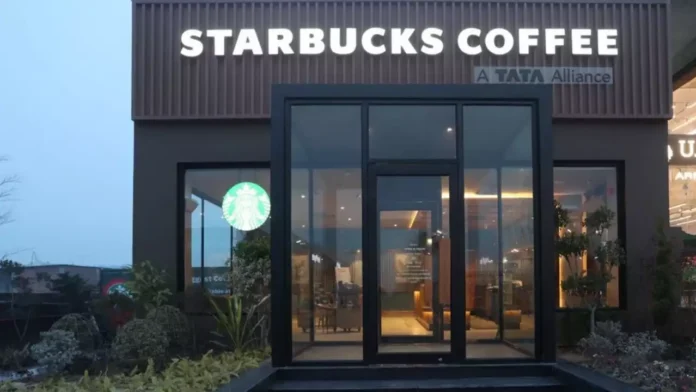
Tata Starbucks has reported a net loss of INR 24.97 crore from its operations in India for the financial year ending March 31, 2023, as per financial data obtained through the business intelligence platform Tofler.
However, its revenue from operations was at INR 1,086.89 crore for the said period, up 70 percent helped by the addition of more cafes and expansion of the network in more cities in India.
In India, Starbucks cafes are operated by Tata Starbucks Pvt Ltd.
It is a 50:50 joint venture between Tata Consumer Product Ltd (TCPL) and Emerald City CV, a wholly-owned entity of Starbucks Corporation, USA.
Tata Starbucks had reported a net loss of INR 94.84 crore in FY22 and its revenue from operations was at INR 636.11 crore.
Tata Starbucks Advertising Surge:
In FY23, Tata Starbucks’ Advertising promotional expenses increased 84.45 per cent to INR 34.05 crore. It was at INR 18.46 crore a year ago.
Besides, it has also paid a royalty of INR 76.83 crore in the financial year ended March 31, 2023.
Tata Starbucks Operations Expansion:
Tata Starbucks has expanded its store base. It was operating 333 Starbucks stores as on March 31, 2023 with the addition of 71 new stores. During the year, Tata Starbucks entered 15 new cities marking its presence in 41 cities.
In recent years, the culinary landscape has been shaped by a desire to rediscover our culinary heritage, emphasizing sustainability and the use of hyperlocal ingredients. Over the past few months, several of India’s indigenous culinary delights have been granted Geographical Indication (GI) tags. The latest addition to this list is the red ant chutney, a zesty delicacy from Odisha.
As reported, the chutney, also known as Similipal Kai Chutney, is skillfully crafted by the tribal people of Odisha’s Mayurbhanj district using red weaver ants. On January 2, 2024, it was granted the geographical identity tag, reflecting its deep-rooted connection to the region’s flavors and traditions. Notably, in 2018, renowned British chef Gordon Ramsay acknowledged its delectable taste, adding it to his menu.
Across different global communities, insects have been a traditional and nutritious food source, a practice referred to as entomophagy. From ants and crickets to silkworm larvae, these small creatures have become part of diverse diets. In India, the enjoyment of red ant chutney extends beyond Odisha; Chhattisgarh and Jharkhand also relish this delicacy, believed to be nutritious. During the pandemic, it was even considered a remedy for Covid.
Crafted by indigenous tribes in Mayurbhanj, the chutney involves gathering red weaver ants, also known as kai pimpudi, from the sal trees in the nearby Similipal biosphere reserve. The task is no simple feat; the male ants are notably fierce, and their bites can be painful. Hence, the majority of individuals prefer to hunt these ants at dawn when they are less active.
Nutritional Benefits of Red Ant Chutney:
Once captured, the ants undergo a process involving crushing, bag collection, washing, and drying before being cooked. This chutney is renowned as a potent source of protein, fiber, and minerals, with reputed abilities to alleviate coughs, body aches, and fever. Additionally, the tribal communities utilize these ants in the preparation of soups and medicinal ointments by incorporating them into oils.
Red Ant Chutney has garnered attention over the past few years. In India, certain restaurants have incorporated this tribal delicacy into their menus. The GI tag not only enhances its recognition but also safeguards its distinctive identity, preventing imitations from diluting its unique flavor profile.
We use cookies to ensure that we give you the best experience on our website. If you continue to use this site we will assume that you are happy with it.