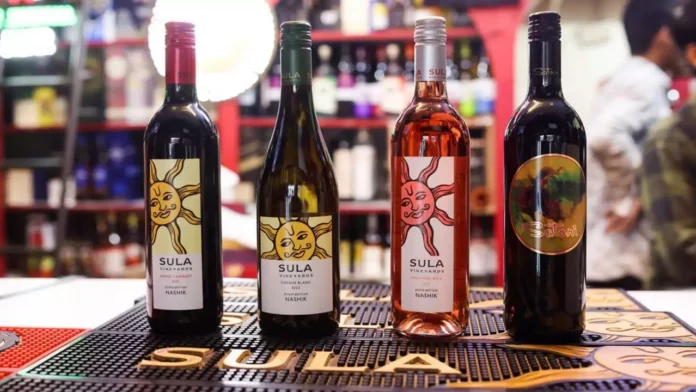
Sula Vineyards, the largest wine producer in India, announced a profit surge of over 9% in the third quarter, attributed to growing demand for its premium labels and wine tourism ventures.
The Mumbai-based firm stated that its combined net profit increased to 429.8 million rupees ($5.2 million) from 392.8 million rupees in the previous year.
The wine segment, encompassing prestigious brands like Dindori and Rasa, witnessed a nearly 4% rise in revenue for the quarter. This segment constitutes Sula’s largest share, contributing 89% to the total revenue.
The wine tourism segment, though smaller, saw a notable 16% rise in revenue as more people visited the company’s vineyards in Nashik and Bengaluru, especially during the Christmas weekend.
Furthermore, Sula announced an interim dividend of 4 rupees per share for the fiscal year 2024.
Sula’s shares, which saw a more than 7% increase in the December quarter, concluded trading with a nearly 5% gain prior to the announcement of the results.
The company plans to utilize the funds to enhance its marketing initiatives, broaden its product categories, and establish offline retail outlets.
Founded in 2019 by Robin Gupta and Prakher Mathur, the brand operates in the B2C sector, offering a range of skincare products. Its catalog includes cleansers, moisturizers, sunscreens, face masks, serums, and more.
Robin Gupta, CEO and Co-Founder, Conscious Chemist, said, “Capital from Recur Club will enable us to execute our business plan, achieving over 50% quarter-on-quarter (Q-o-Q) growth with healthy EBITDA levels, all while retaining equity.”
The Gurugram-based company sells over 25,000 units monthly and boasts a customer base exceeding 400,000 on its platform. It is available nationwide through retail chains like Health & Glow and Shoppers Stop. Conscious Chemist also intends to bolster its online market penetration to expand its digital footprint while optimizing retail outlets.
Other significant contenders in this domain include Mamaearth, SUGAR Cosmetics, mCaffeine, Color Bar, Kay Beauty, and several others.
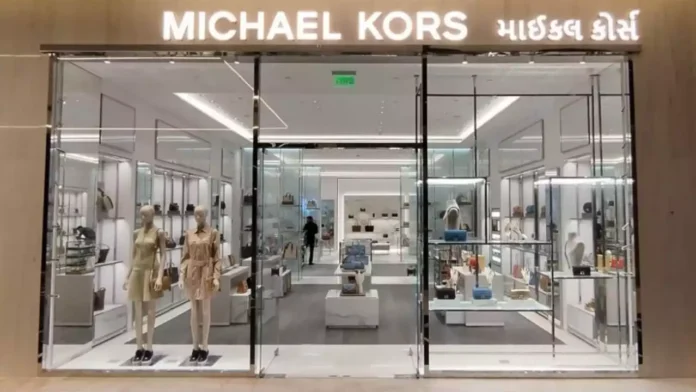
New York-based fashion and apparel brand Michael Kors has unveiled its first store in Gujarat, as announced in a social media post by an industry professional. The new store is situated within the Palladium Ahemadabad Mall, managed by Phoenix Mills Ltd.
“Hello #Ahmedabad … Delighted to announce the launch of Gujarat’s 1st store of American Luxury brand Michael Kors at city’s newest shopping destination – #PalladiumAhmedabad,” wrote Monil Gheewala, AVP – Leasing at The Phoenix Mills Ltd in a LinkedIn post.
The brand currently operates three stores in Mumbai, two in Delhi, and one each in Bengaluru, Chennai, and Kolkata. The latest opening brings the total number of stores to nine in India.
Established in 1981 by designer Michael Kors, the brand offers a variety of products under the Michael Kors Collection, MICHAEL Michael Kors, and Michael Kors Men’s labels. These include accessories, ready-to-wear garments, footwear, wearable technology, watches, jewellery, and a comprehensive line of fragrance products.
In addition to digital flagships across North America, Europe, and Asia, the brand has stores worldwide.
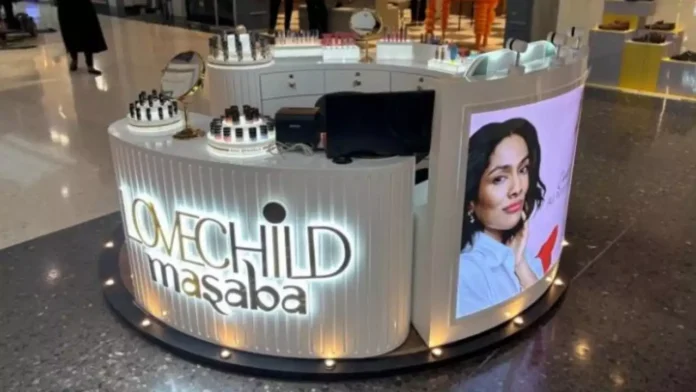
LoveChild, the beauty brand by Indian fashion designer and actress Masaba Gupta, has entered offline retailing with the launch of its first brand kiosk in Mumbai, as announced by an industry official on social media. This new outlet is situated at Nexus Seawoods Mall, Navi Mumbai, Maharashtra.
“Delighted to share that after a year of incredible online success, LoveChild by Masaba is making its offline debut with the opening of our first brand kiosk at Nexus Seawoods, Mumbai,” said Karishma Bangera, zonal head – West and Central India – business development for Aditya Birla Group’s ethnic wear brand Tasva, in a LinkedIn post.
“We’re thrilled to embark on this journey, offering a diverse range of high-performing products for people of all ages, skin tones, and cultures. LoveChild is all about celebrating the unique expression of self-love in each of us,” added Bangera.
In August 2022, House of Masaba, the fashion and lifestyle brand by Gupta, introduced its own makeup line called Lovechild. This line featured a variety of vibrant shades of lipsticks, lip glosses, and nail polishes, all available through its dedicated e-commerce store.
Lovechild is currently owned by the Aditya Birla Group as part of the House of Masaba franchise.
Since January 2022, House of Masaba has been engaged in a strategic partnership with The Aditya Birla Fashion and Retail Ltd (ABFRL), which holds a 51% stake in House of Masaba. The partnership was aimed at facilitating ABFRL’s venture into the beauty and personal care market in India.
The House of Masaba brand was introduced in 2009. It currently operates a total of 15 stores across India, with four in Delhi, four in Mumbai, two in Bengaluru, and one each in Ahmedabad, Hyderabad, Gurugram, Kolkata, and Ludhiana.
Kalyan Jewellers has announced the opening of its first showroom in Ayodhya, with the inauguration ceremony conducted by the brand’s ambassador, Amitabh Bachchan.
The launch marked the company’s 250th showroom globally. T S Kalyanaraman, Managing Director of Kalyan Jewellers, alongside Executive Directors Rajesh Kalyanaraman and Ramesh Kalyanaraman, attended the inauguration. The brand-new showroom offers an extensive array of exquisite jewellery designs.
Amitabh Bachchan said, “I am thrilled and honoured to be part of the grand celebrations marking the launch of Kalyan Jewellers’ 250th showroom globally. With a rich legacy spanning over three decades, Kalyan Jewellers has consistently redefined India’s jewellery industry through pioneering initiatives.”
The Kalyanaraman family presented a polki neck-piece adorned with uncut rubies, pearls, and emerald stones as a token of reverence at the Ram Mandir. Ramesh Kalyanaraman highlighted that, considering the prominence of Ayodhya, the company has introduced curated designs as part of its temple jewellery collection – Nimah.
Kalyan Jewellers has announced a special promotion featuring zero per cent making charges for half the purchase value, applicable on a minimum purchase of INR 1 lakh. Furthermore, customers will benefit from the Kalyan Special Gold Board Rate, the most competitive in the market and consistent across all company showrooms. These offers are available for a limited time only. Additionally, the company announced the introduction of a pre-booking facility for patrons planning to purchase jewellery for the upcoming occasion of Akshaya Tritiya.
The brand proudly upholds female leadership, setting a unique and inspiring standard within the culinary sphere.
Neelam Singh, CEO, The Burger Company, said, “We aim to reach out to a broader audience, particularly the youth, by introducing our express concept. The idea is to offer on-the-go quality burgers, allowing our customers to savor the delightful taste of The Burger Company even amidst their busy and high-travel schedules.”
The Burger Company Express prioritizes rapid service and convenience, all while maintaining the exceptional flavor for which the brand is celebrated.
Singh expanded on the matter, explaining, “Our express outlet showcases a thoughtfully curated menu comprising TBC’s beloved items, enabling customers to swiftly make their choices. We’ve streamlined the ordering process to enhance customer convenience, eliminating the need to wait in line. In fact, customers can effortlessly place their orders with just a tap on their mobile devices.”
Looking ahead, the brand has ambitions for expansion, targeting the opening of an extra 50 express outlets in the National Capital Region (NCR) and Mumbai within the current calendar year.
Currently, the company operates in more than 50 cities with 100 outlets nationwide and plans to expand this figure by adding an impressive 75+ TBC stores in the coming year, solidifying its position as the preferred choice for burger enthusiasts across the subcontinent.
According to reports, the lead bankers and senior executives of hospitality unicornOYO have met with officials from the Securities and Exchange Board of India (SEBI). This meeting was held to provide an update on the company’s business performance and address any lingering concerns as they strive to accelerate the approval process for its initial public offering (IPO).
According to a report from ET, OYO officials have notified the regulator about a partial prepayment of $200 million on the company’s outstanding Term Loan B.
The report also indicated that they provided updates on the improvements in the company’s bottom line and various financial metrics over the last four quarters.
OYO chose not to respond to queries regarding the matter.
This development comes after almost a year since OYO, operated by Oravel Stays, pre-filed a draft red herring prospectus (DRHP) with SEBI, reducing the issue size for the company’s public listing to almost half in tune with the changed realities.
The DRHP was submitted through the confidential pre-filing pathway, featuring a reduced issue size of $400-600 million, down from the initial $1.2 billion. However, there has been no subsequent update regarding the finalization of the DRHP since then.
Aligned with prevailing market sentiment, OYO intensified its focus on profitability strategy since the previous year in anticipation of an IPO. According to its FY23 filing, the unicorn witnessed a 34% year-on-year (YoY) reduction in net loss, amounting to INR 1,286.5 crore for the fiscal period under review.
During Q2 FY24, OYO recorded its first profitable quarter, achieving a Profit After Tax (PAT) of over INR 16 crore. Continuing to bolster its foundational strength, OYO achieved a second consecutive profitable quarter in Q3 FY24, with PAT doubling to INR 30 crore.
Conversely, OYO prepaid approximately one-third of its outstanding TLB, amounting to around INR 1,620 crore ($195 million), through a debt buyback process.
Recently, OYO has also been in discussions with the Malaysian sovereign wealth fund Khazanah Nasional Berhad, aiming to secure funding of nearly $400 million.
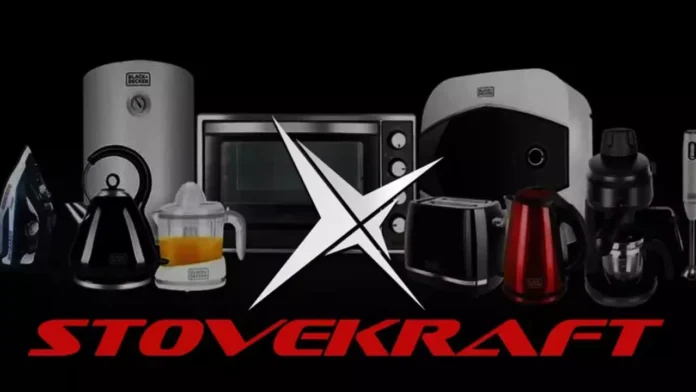
Stove Kraft Ltd, the manufacturers of cookware, kitchen, and home appliances, recorded a profit of INR 6.8 crore for the quarter ended December 2023. This marks a decrease of 13.3 per cent compared to the INR 7.8 crore reported for the corresponding quarter of the previous year. Despite this decline, the company’s revenue showed growth, increasing by 11.4 per cent to INR 361.6 crore from INR 324.5 crore in the same quarter of the prior year.
Compared to the previous period, revenue saw a decline of 4.8 per cent, and net profit also experienced a significant decrease of 59.1 per cent. However, the EBITDA for the quarter reached INR 30.1 crore, indicating a notable year-on-year growth of 18.3 per cent.
Commenting on Q3 results, Rajendra Gandhi, Managing Director, Stove Kraft Ltd, said, “In the third quarter of FY24, our revenue stood at INR 362 crore with a gross margin of 38.5 per cent, thus registering a growth of 11.4 per cent in revenue on a y-o-y basis. We have strategically expanded our presence across various channels, including general trade, modern trade, e-commerce, institutional, and exports. We are thrilled to bring our innovative and reliable kitchen appliances to the discerning consumers of North India. This marks the beginning of our expansion plan in the northern region, and we aim to further expand our operations outside Southern India through our reliable and innovative kitchen appliances solutions.”
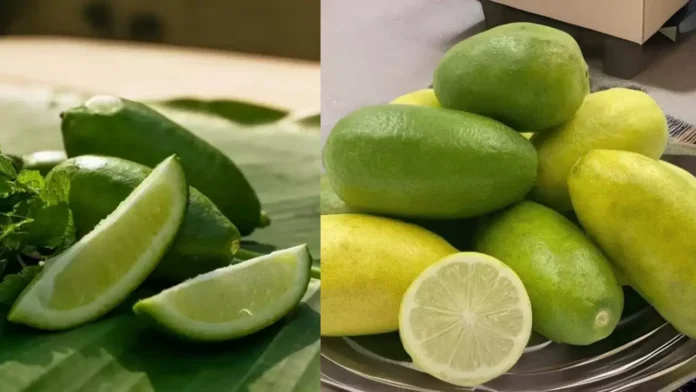
In a significant move aimed at celebrating the rich agricultural heritage of Assam, the government declared ‘Kaji Nemu‘ (citrus lemon) as the state fruit on Tuesday. Known for its unique aroma and health benefits, ‘Kaji Nemu’ also holds a Geographical Indication (GI) tag.
Agriculture Minister Atul Bora made the announcement in the state Assembly as per a decision of the Cabinet.
“The Cabinet meeting yesterday has approved the ‘Kaji Nemu’ as the state fruit of Assam. It is a laudable decision of our government”, he said.
Bora emphasized that the fruit obtained a GI tag in 2016 and has since been cultivated commercially within the state, with exports also being part of its trade.
“Commercial plantation of the Kaji Nemu is being done. There is 15.90 hectares of land under its cultivation, with the production at 1.58 metric tonnes. In the last two years, this fruit has been exported to several countries, including to the Middle East”, he said.
The minister also highlighted the distinctive qualities of Kaji Nemu, particularly its ability to enhance immunity and add a unique flavor to food.
Meanwhile, Chief Minister Himanta Biswa Sarma stated that the decision to designate Kaji Nemu as the state fruit will enhance the fruit’s global visibility and recognition.
“Our government has decided to declare Kaji Nemu (Citrus Limon) as the State Fruit of Assam. With its unique aroma & antioxidant properties, Assam lemon has enriched our local cuisines,” he wrote on X.
Our Government has decided to declare Kaji Nemu (Citrus Limon) as the State Fruit of Assam. With its unique aroma & antioxidant properties, Assam lemon has enriched our local cuisines.
With today’s announcement, it is set to shine on the global fruit map, boosting… pic.twitter.com/tATTxzixUf
Honasa Consumer, the parent company of Mamaearth, witnessed a remarkable surge in its net profit, soaring sevenfold during the first 9 months. In Q3FY24, the Profit After Tax (PAT) experienced an impressive 264 percent year-on-year growth. Ramanpreet Sohi, the CFO of this beauty and personal care enterprise, underscored the significance of outpacing industry growth by 2 to 2.5 times in the upcoming year. The company aims to achieve an incremental operating margin of 100 to 150 basis points annually for the next two to three years, ensuring that bottom-line expansion surpasses top-line growth while maintaining operational efficiency.
“We intend to outgrow the industry by 2 to 2.5 times,” said Sohi discussing his growth plan for next year.
The company’s margin saw a 7.1 percent growth, marking a 397 basis point increase year-over-year. Sohi believes this growth reflects a structural trend.
“As we scale younger brands efficiently, we are also scaling up. We intend to unlock 100- 150 bsp incremental operating margins year on year for the next two to three years. That will continue to unfold and ensure our bottom line growth and possibly topline growth,” he said.
Although the Q3 results were within expectations and Honasa demonstrated a robust performance, the finance chief emphasized challenges in the short to medium term, such as concerns regarding softening demand.
He said, “The rural stress is now seeming to play out in urban markets as well.”
According to him, the Q3 festive season didn’t go as well as expected for e-commerce platforms, and the industry experienced a mild winter. This is placing pressure on larger incumbents and new-age companies in terms of volume growth.
Honasa Consumer’s growth is driven by strategic focus on expanding distribution channels, with a notable 37 percent year-on-year increase, reaching 1.7 lakh retail touchpoints. This expansion particularly emphasizes offline distribution for Mamaearth products. Additionally, The Derma Co has achieved a noteworthy milestone by attaining EBITDA positive status year-to-date, propelled by popular products like serums, sunscreens, and face wash.
“Younger brands have scaled up while some leading the market in categories like sunscreen have exhibited strong market share growth,” said Sohi.
The company’s primary focus for Q4FY24 and the upcoming financial year is to enhance distribution networks. This involves recruiting suitable partners, refining distribution processes, and integrating a distribution management system. Additionally, the company remains committed to making strategic investments in their brands to solidify their market presence by the following year, as stated by Sohi.
We use cookies to ensure that we give you the best experience on our website. If you continue to use this site we will assume that you are happy with it.