UK-based canned wine company The Uncommon has secured £1.2 million in funding from existing and new investors.
The funding round, marking the winemaker’s most substantial single fundraising effort thus far, will facilitate scaling up production to meet increasing demand.
According to The Uncommon, it is the UK’s fifth-largest English wine producer by retail sales.
Henry Connell, co-founder of the canned wine brand, stated that when the company launched in 2018, it commenced with five tonnes of Bacchus wine. This year, they processed 400 tonnes, marking their largest harvest to date.
“When we started in 2018, our mission was simple: to make the best possible English wine in this new sustainable and convenient format,” Connell said. “It had never been done before in the UK.”
He continued, “We’re in a unique position to be part of two growing categories: English wine and alternative packaging. Our steady growth is testament to the increasing thirst for quality within sustainable packaging, aligning with retailers’ drive towards net zero targets.”
“The funding signifies a resounding vote of confidence in our vision and will allow us to bring our unbelievably good English wine to more people.”
More Australians are consuming alcohol at increased rates, with a growing preference for ready-to-drink (RTD) products leading to a doubling in RTD consumption.
Data from market-research agency Roy Morgan Research indicates that approximately 14 million Australians, who are of legal drinking age (18 years and older), consumed alcohol in the period ending September 2023. This reflects a 1.8% rise compared to the period ending March 2020.
Roy Morgan’s Alcohol Consumption Report reveals that the number of Australians drinking RTDs has doubled since 2020, reaching 4.3 million within three years.
During the 12-month period ending in March 2020, 10.8% of legal drinking age Australians consumed RTDs. Presently, the percentage of the drinking population for the RTD category has surged to 21%.
Wine continues to hold its position as the most consumed alcoholic beverage in Australia, representing 44.1% of consumption. This figure has risen by three percentage points since 2020, with nine million people now partaking in wine consumption.
Spirits consumption declined by 1.4% to reach 5.6 million consumers, representing 27.3% of the total drinking population.
The beer category experienced the most significant decline, with only 6.7 million Australians now consuming beer, marking a 4.9% decrease compared to the year ending March 2020.
“Consumption of RTDs has continued to increase, consumption of wine has plateaued at a far higher level than pre-pandemic, consumption of spirits has largely returned to its pre-pandemic levels and consumption of beer – which had the smallest pandemic increase – has continued its long-term decline,” Roy Morgan CEO, Michele Levine, said.
“In contrast, the spike in the drinking of spirits experienced during the pandemic has proved short-lived with 5,623,000 Australian adults now drinking spirits in an average four weeks, down 201,000 on a year ago and down over 1.1 million from the pandemic peak of spirits consumption in 2021.”
Roy Morgan’s Alcohol Consumption Report is based on an annual survey of 60,000 Australians.
In recent years, beer consumption has been declining in certain countries. Germany experienced a decrease in beer sales in 2023, with breweries and beer warehouses selling around 8.4 billion liters of beer, marking a 4.5% decline from 2022, according to a report released by the country’s Federal Statistical Office this month.
In 2022, German beer sales rose by 2.7% compared to the previous 12 months, reaching 8.8 billion liters. However, the figures for 2023 highlight a continued long-term decline in beer sales. The 2023 sales figure is 11.5% lower than the 9.5 billion liters recorded in 2013. Over a thirty-year period, sales in 2023 decreased by 25.5% compared to 1993, when the nation consumed 11.2 billion liters.
Beer sales in the Netherlands experienced a decline in 2023. According to a report from the association Nederlandse Brouwers, total beer sales for the year amounted to 11.56 million hectoliters, reflecting a 5.6% decrease from 2022. This figure was even lower than the pre-Covid 2019 total of 12.13 million hectoliters.
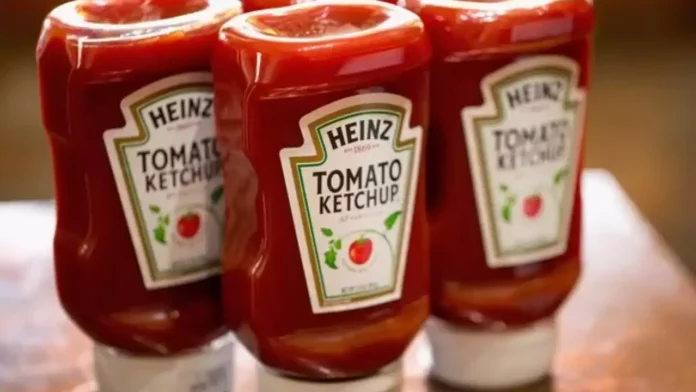
Kraft Heinz saw a 7.1% decline in Q4 net sales, dropping to over $6.8 billion from $7.3 billion in the corresponding period last year.
In the quarter, organic net sales dipped by 0.7%, despite a 3.7% uptick in pricing, largely due to list price adjustments aimed at offsetting escalating input expenses. Nevertheless, Q4 witnessed a 4.4% drop in volume/mix across both reportable segments, mainly attributable to pricing maneuvers and industry-wide obstacles.
Meanwhile, the proprietor of Heinz Ketchup and Philadelphia cream cheese disclosed a 0.6% rise in full-year net sales, reaching $26.6 billion. Prices surged by 8.9%, while volume/mix dwindled by 5.5%.
Kraft Heinz CEO Carlos Abrams-Rivera said, “I’m proud of the results we delivered in 2023 and the progress we’ve made as a company throughout the year. We delivered net sales growth across each of our key pillars, global foodservice, emerging markets, and US ‘Retail Grow’ platforms. We laid out action plans early in 2023 to drive market share and volume improvement – and they worked. We also executed well against our efficiency programme, unlocking and powering it in large part with our tech-enabled Agile@Scale methodology.”
“Thanks to these digital advancements and new ways of working, we were able to reinvest dollars across the business to drive future growth. We also strengthened our balance sheet, ending the year at our target Net Leverage of approximately 3.0x, while executing against our new share repurchase program and maintaining a competitive dividend.”
He continued, “In the fourth-quarter, the industry faced headwinds that were driven by ongoing consumer pressure. Looking ahead, we expect some of these pressures to dissipate, particularly as the reduction in Snap benefits is lapped”.
“For 2024, we expect continued growth for Kraft Heinz. We’ll keep a strong focus on execution against our strategy, supported by investments we’re making in our brands and our people. We’re confident we have the right strategy in place to deliver profitable growth and create value for our stockholders.”
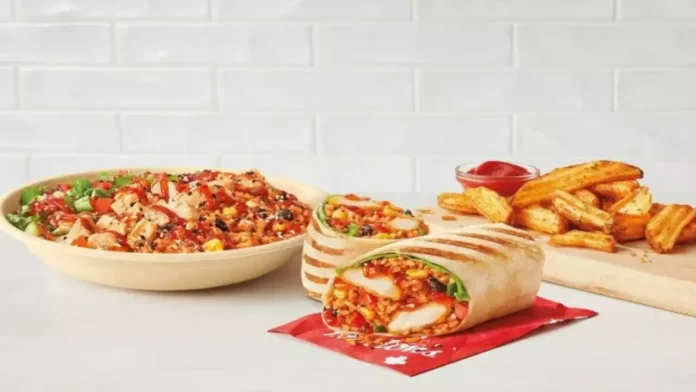
The new dishes are accessible for both in-store dining and delivery.
Tim Hortons category and innovation vice-president Carolina Berti said, “Our latest Sweet Chilli Chicken flavour has a perfect blend of savoury, sweet and spicy notes and makes a great lunch or dinner paired with our new Sea Salt Wedges and a refreshing cold beverage like a Sparkling Quencher or new Fudge Brownie Iced Latte.
“Our Loaded Wraps and Loaded Bowls have been a hit with our guests since we first launched them in 2022 and we’re continuing to innovate on the platform by introducing delicious new flavours that we know Tims’ guests will find craveable.”
Last month, Tim Hortons reintroduced Omelette Bites, a high-protein breakfast option aimed at health-conscious consumers.
The item was rolled out in Bacon and Cheese or Spinach and Egg White flavours.
Since opening its first location in Hamilton, Ontario in 1964, Tim Hortons has grown to become the largest restaurant chain in Canada.
The chain operates more than 5,700 restaurants globally.
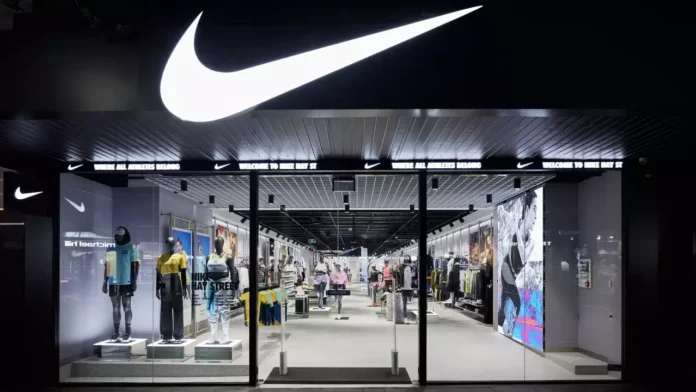
Nike has announced plans to reduce its total workforce by approximately 2%, amounting to over 1,600 jobs, in response to weaker profits this year, as the sportswear titan aims to trim expenses.
Nike’s global counterparts including Adidas, Puma, and JD Sports have also cautioned about weaker earnings for the year, attributing it to consumers scaling back on non-essential expenditures.
In December, Nike outlined a $2 billion savings plan to be implemented over the next three years. This plan includes measures such as tightening product supply, enhancing the supply chain, streamlining management structures, and boosting automation usage.
The company also disclosed plans to allocate approximately $400 million to $450 million for employee severance costs in the third quarter.
According to a company filing, Nike had around 83,700 employees as of May 31, 2023.
According to a report by The Wall Street Journal, the cuts were set to begin on Friday, with a second phase scheduled for completion by the end of the current quarter.
The layoffs are anticipated not to affect employees working in stores and distribution centers, nor those within its innovation team, as stated in the report.
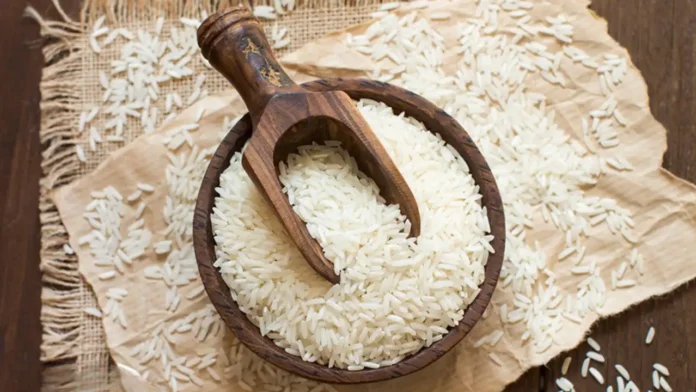
According to a notification from the Ministry of Food issued on Friday, the central government has raised the authorized capital of the Food Corporation of India (FCI) from INR 10,000 crore to INR 21,000 crore. This move aims to provide additional equity capital to support the foodgrains stock held by the government-owned firm.
“This will help the FCI in reducing its borrowings from banks and other institutions, leading to a saving of INR 750 crore annually,” said a senior official of FCI without wanting to be named.
The Food Corporation of India (FCI), the primary grain-handling agency of the central government, serves approximately 800 million people by utilizing food subsidies. Most of its expenses are attributed to the procurement of wheat and rice from farmers at the minimum support price (MSP), as well as their storage, transportation, and related activities.
The estimated annual expenditure from the exchequer for supplying free grains under NFSA in 2023-24 was INR 1.97 trillion, allocated by the center to the FCI as food subsidy. From January 1, 2023, to December 15, 2023, the government disbursed INR 1,67,875 crore to the FCI as part of this food subsidy.
In recent years, the corporation has experienced a sense of financial ease, largely due to the government’s timely disbursement of food subsidy amounts. This shift occurred after the cessation of the practice of relying on National Small Saving Fund (NSSF) loans for subsidy financing, a decision made in the FY22 Budget to enhance fiscal transparency.
In 2019, the government raised the authorized capital of FCI from INR 3,500 crore to INR 10,000 crore.
Established under the Food Corporations Act of 1964, the FCI is tasked with executing the food policy of the Indian government. Its main goals include guaranteeing minimum support prices to farmers, managing buffer stocks of foodgrains, and distributing foodgrains under the National Food Security Act along with other central welfare schemes.
Gaston Luga, the Swedish lifestyle brand, has ventured into the Indian market through a collaboration with Maison ID8 Brands, a renowned entity recognized for introducing international lifestyle brands to the Indian consumer base, as stated in a press release issued by the retailer on Thursday.
“With a rich history of blending Scandinavian aesthetics with practical design, Gaston Luga is set to redefine the Indian accessory landscape,” stated the release.
Consumers now have the opportunity to discover and buy Gaston Luga merchandise on various e-commerce platforms including Ajio Luxe, Tata Cliq Luxury, and The White Crow.
Founded in Stockholm, Sweden, Gaston Luga offers a variety of bags including laptop backpacks, canvas rucksacks, travel bags, and tote bags, among others.
Luxury hotel developer Juniper Hotels, which runs properties under the Hyatt chain in India, has set the price band for its public issue at INR 342-360 per share of the face value of INR 10 each. The IPO subscription will be open from February 21 to 23.
The INR 1,800-crore IPO comprises solely of a fresh issue, with no offer-for-sale component, and around 10 percent of the issue reserved for retail investors.
Retail investors have the option to bid for a minimum of 40 shares and thereafter in multiples of 40. This means that the minimum investment for retail investors would be INR 13,680. At the upper end, the bidding amount will increase to INR 14,400.
Juniper Hotels, a luxury hotel development and ownership company, holds the distinction of being the largest owner of ‘Hyatt’ affiliated hotels in India based on the number of keys as of September 30, 2023.
“We operated 1,836 keys across the luxury, upper upscale and upscale category of hotels across various locations in India, namely Mumbai, Delhi, Ahmedabad, Lucknow, Raipur and Hampi. We benefit from a unique partnership between Saraf Hotels (and its affiliates) and affiliates of, Hyatt Hotels Corporation,” the company said in its RHP.
As of September 30, 2023, the company has a portfolio of seven hotels and serviced apartments.
Juniper Hotels will utilize the proceeds to repay a debt of INR 1,500 crore, as stated in the documents. The remaining funds will be allocated for general corporate purposes.
In the fiscal year ending in March FY23, the net loss stood at INR 1.5 crore, marking a significant decrease from INR 188 crore in the preceding year. Revenue from operations surged, more than doubling to INR 666.85 crore from INR 308.7 crore during the same period.
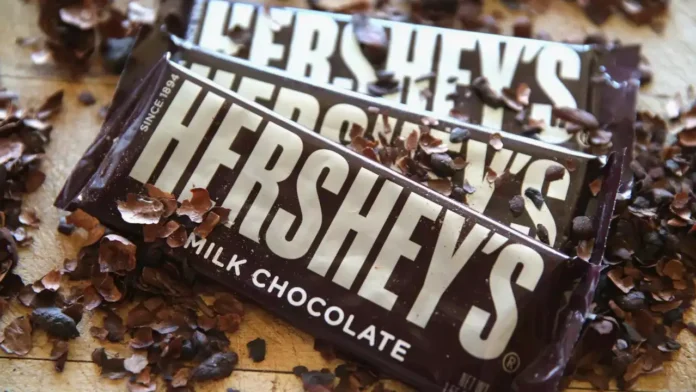
The producers of Hershey and Cadbury chocolates are planning more price hikes to cover a fresh record-setting surge in cocoa prices, even as inflation-hit consumers curb their purchases and company profits face a hit.
Cocoa prices have nearly doubled in the past year, reaching a string of all-time highs in recent weeks primarily due to dwindling supplies.
Chocolate makers had been passing on the rising costs to consumers without experiencing significant declines in demand.
However, shoppers are scaling back to a greater extent compared to last year, as revealed by Hershey and Cadbury maker Mondelez in their recent quarterly earnings calls, which is negatively impacting their sales forecasts.
Last week, Hershey CEO Michele Buck stated that, “Considering the current cocoa prices, we intend to utilize all available strategies, including pricing adjustments, to effectively manage our business.”
Last year, consumers purchased fewer Kisses and Reese’s cups, resulting in a 6.6% decrease in Hershey’s sales volumes for the quarter ended December 31. Executives anticipate this trend will persist into the current year. In an effort to manage costs, the company is implementing job cuts.
A 10.8 ounce (306 grams) bag of Kisses is priced at $4.84 on Walmart.com. Hershey executives announced last week that their most recent price increase took effect this month. Buck mentioned during the call that Hershey’s plans to rely on new products, such as its Reese’s Caramel Big Cup, to stimulate consumer demand.
During an earnings call on January 30th, executives at Mondelez, the company behind Milka and Cadbury chocolates, revealed plans for price increases to offset cocoa inflation. Mondelez executives expressed concern that retailers in Europe might resist these hikes, potentially resulting in reduced sales within the region.
In a recent call with Wall Street analysts, CEO Dirk Van de Put disclosed that prices of Mondelez chocolate in Europe, its largest market, surged by 12% to 15% over the past year.
Michelle Li, an analyst with Parnassus Investments, which holds Mondelez shares, said in an email she thinks the company should be “strategic about passing the price increase to consumers this year.”
Last year, the company revamped its premium Toblerone brand, introducing Tiny Toblerone mini chocolate bars in select U.S. retailers and Toblerone Truffles in Europe. On Walmart.com, a 7.61-ounce package of Tiny Toblerone sells for $6.58, while a 3.52-ounce Toblerone bar costs $2.84.
“Last year chocolate companies were fairly well hedged. They had some stockpiled cheap cocoa as well, but this rally has been going on for well over a year so a lot of these companies are beginning to be fully exposed to these higher cocoa prices,” said Rabobank cocoa analyst Paul Joules.
Swiss truffle maker Lindt & Sprungli is trying to compensate for rising cocoa costs by increasing efficiency as much as possible and through a “forward-looking purchasing strategy,” according to a company spokesperson.
“The remaining costs were subsequently passed on through price increases with the high cocoa price being the main reason for it,” the spokesperson added.
Dan Sadler, principal of client insights at market research firm Circana, said consumers would be choosier about buying chocolate as manufacturers hike prices again.
“Prices are not expected to relax anytime soon,” he said. “Chocolate candy confections have been insulated in inflationary times…but now it’s at a point where the affordability will be tested.”
The investment will be used to assemble a high-calibre team and support the brand’s expansion efforts.
“With this funding, we are empowered to bolster our R&D investments while further expanding our product offerings with innovative and unique solutions for professionals as well as consumers,” said Nishant Gupta and Palash Pandey, Co-Founders, Renaura Wellness.
“With Series A closed, our aim is to ramp up talent acquisition and expand our team by recruiting skilled professionals who share our passion,” Gupta added.
Currently, Iluvia has a presence in more than 2,500 salons across 70 cities in India.
“We believe in Iluvia’s vision and are impressed with their dedication to creating truly transformative and revolutionary products which are highly efficacious and safer for consumers. At Fireside, our quest is on for brands that have an inherent value of goodness ingrained in every aspect of the product and Iluvia is a perfect match,” said Dipanjan Basu, Co-Founder of Fireside Ventures.
Established in 2015, Iluvia is a self-care brand offering products through its official website and available on multiple marketplaces such as Nykaa, Amazon, and Flipkart.
We use cookies to ensure that we give you the best experience on our website. If you continue to use this site we will assume that you are happy with it.