Radisson Hotel Group on Tuesday announced its plans for a 150-room Radisson Blu Hotel in Ayodhya. Teaming up with EaseMyTrip and Jeewani Group, the hotel is slated to be operational by 2027.
The move comes just weeks after Radisson announced its debut in Ayodhya with Park Inn.
In the announcement, the company said, “The hotel is strategically located within two kilometres of Shri Ram Mandir, Ayodhya. It is at a convenient distance from the Maharishi Valmiki International Airport, Ayodhya Railway Station and further enjoys excellent road connectivity via National Highway-27.”
KB Kachru, chairman emeritus and principal advisor (South Asia) at Radisson Hotel Group, stated that the decision to open another hotel in Ayodhya was driven by “robust guest demand and positive feedback, highlighting the attractiveness of this holy city.”
“Ayodhya stands strong as a promising market for Radisson Hotel Group, occupying a significant position in our expansion plans in 2024 and beyond,” he said.
Guests will have the opportunity to explore revered religious sites within 2-5 kilometers, including Hanuman Ghari, Kanak Bhawan, Nageshwarnath Temple, and Treta Ke Thakur.
“Through this collaboration, we aim to provide a world-class hospitality experience for guests visiting Ayodhya with a blend of our expertise in the region,” said Dhruv Jeewani, director at Jeewani Hospitality.
“This collaboration reflects our commitment to enhancing hospitality offerings in the city and providing exceptional experiences to travellers,” added Nishant Pitti, chief executive officer and co-founder at EaseMyTrip.
Earlier, Radisson had announced plans to introduce branded hotels in Vrindavan, Uttar Pradesh, and Ujjain, Madhya Pradesh.
The Department of Fisheries on Monday signed a Memorandum of Understanding (MoU) with the Open Network for Digital Commerce (ONDC) platform to improve market access for the fisheries sector.
The MoU was signed in the presence of Union Minister of Fisheries, Animal Husbandry, and Dairying Parshottam Rupala, Minister of State L Murugan, Fisheries Secretary Abhilaksh Likhi, ONDC Managing Director T Koshy, and other officials.
“This is a historical MoU,” Rupala said adding that the collaboration will unlock the potential of digital commerce for the Indian fisheries sector, an official statement said.
Rupala also mentioned that the collaboration would bring numerous benefits to fisheries industries, such as reduced transaction costs, increased market reach, improved transparency, increased competition and competitiveness, innovation, and employment generation.
The collaboration aims to empower all stakeholders, including traditional fishermen, fish farmer producer organizations, and entrepreneurs from the fisheries sector, enabling them to buy and sell their products through ONDC in a structured manner, as stated in the announcement.
Malabar Gold & Diamonds, along with four other jewellery firms and fashion accessory maker Titan, have entered the global top-100 luxury brands list. Leading the domestic contingent, Malabar Gold claimed the 19th rank as the top Indian international jewellery brand, followed by Titan Company, a Tata group entity, which secured the 24th position.
In the Deloitte global luxury goods list of 2023, Kalyan Jewellers and Joy Alukkas secured the 46th and 47th positions, respectively.
The other two jewellery makers, Senco Gold & Diamonds and Thangamayil Jewellery, ranked 78th and 98th, respectively.
Diversified French luxury major LVMH topped the list.
For Kozhikode-based Malabar, this is the maiden entry to the list with a value of over USD 4 billion in terms of revenue in 2023, while Titan had a turnover of USD 3.67 billion.
The rise of domestic luxury brands underscores the evolving dynamics of the luxury goods market. As the domestic economy continues to grow and consumer preferences evolve, the country’s luxury market is witnessing significant growth, contributing to the global recognition of these brands, Deloitte said in the report released on Monday.
The report indicated that the demand for luxury goods is projected to surge even more, presenting abundant opportunities for domestic brands to excel on the global stage.
In 2023, the top-100 luxury goods sellers collectively achieved a turnover of USD 347 billion, marking a notable increase of 13.4 percent compared to the previous year.
Of the total turnover, as much as 31 per cent were contributed by LVMH alone, according to the report.
Besides, the top-10 of them controlled 63 per cent of the market, and their sales grew 23 per cent on-year in the reporting year, and they also controlled 76.4 per cent of the combined net profit of the top-100 luxury goods companies.
Richemont regained its third place while PVH Corp ranked second on the list.
According to a report by ET, Flipkart, a major player in e-commerce, is currently trimming its workforce in a bid to enhance profitability. Multiple sources familiar with the matter have disclosed that at least four senior vice presidents (SVPs) will be departing, adding to the list of CXO-level exits at the company.
Ayyappan R, head of travel booking website Cleartrip, along with Amitesh Jha, who oversees marketplace and categories, Dheeraj A, in charge of fintech and payments, and Bharath Ram, leading growth and retention at the web retailer, are reportedly among the SVPs expected to depart. Jha has been with Flipkart since 2010, while Ayyappan has been a part of the etailer since 2013, making them among the executives with the longest tenure at the Bengaluru-based firm, as reported.
The development assumes importance against the backdrop of Flipkart group CEO Kalyan Krishnamurthy‘s campaign to strengthen agility and efficiency.
“Krishnamurthy wants to send a message by tightening the ship,” said one of the people cited above. “Many are comparing this to the 2016 era when he came back to Flipkart for a second innings. Amazon at the time was snapping at his heels and the company went through its toughest few years then. One of the key areas the company wants to address is Flipkart’s bloated, top-heavy structure and bring in agility.”
Dheeraj A transitioned to Flipkart from Mobikwik in October 2021, whereas Ram joined from Instagram in March 2020.
Insiders familiar with the situation revealed that Flipkart collaborated with a leading consulting firm to streamline its organizational structure across various levels, with the outcomes currently being put into action.
According to people briefed on the matter, Flipkart is also filling some of the positions left vacant by departing executives. Meanwhile, Sandeep Karwa, formerly the vice president heading the fashion vertical, has moved to the advertisement vertical. Flipkart Fashion is now headed by Arief Mohamad.
The move comes at a time when Flipkart has initiated performance-based trimming across all verticals, including vice presidents in engineering and product, as reported by individuals familiar with the matter. Overall, the layoffs will impact approximately 5-7% of the company’s employees.
“The mandate is clear– perform and become nimble as a company,” said another person familiar with the developments. “While, over the years, Flipkart would see 5-7% employees leave as part of its performance-linked (reviews), these were largely at the junior level… What has changed this year is senior and CXO-level exits as long-time, senior executives have come under pressure.”
According to another source, the majority of departures are tied to performance, although a few executives have chosen to leave voluntarily.
“What’s important to note is that a bunch of these (people) were at the company for over a decade across various functions,” the person said.
A spokesperson from Flipkart stated that the company boasts a robust and diverse leadership pool, comprising numerous skilled executives who have served in various capacities within the organization.
“With a stable and strong leadership team, we provide our executives with different roles and responsibilities to meet their personal aspirations and also develop well-rounded experience. We will be unable to comment on our internal operations and specifics,” the spokesperson added.
According to sources familiar with the matter, the Senior Vice President (SVP) cohort, consisting of approximately 20 executives, has experienced consistent turnover over the past year or so, with nearly 30% of leaders departing for various reasons.
“From a pool of 23 SVPs, at its peak, around 30% have left over the last one year or so, including Adarsh Menon, Ravish Sinha, Saroj Panigrahy and most recently Krishna Raghavan in October last year… among others,” said one of the persons.
As Flipkart gears up for a new phase of growth, marked by talks of securing fresh funding to the tune of $1 billion, the e-commerce giant is concurrently implementing belt-tightening measures. Out of this anticipated investment, $600 million has already been committed by its US parent Walmart. Notably, a significant portion of these funds is earmarked to fuel endeavors in financial services post the separation of PhonePe.
Flipkart is in the final stages of testing its Unified Payments Interface (UPI) payment service, set to go live early next month on its platform. Additionally, Flipkart has backed senior executive Prakash Sikaria’s fintech venture Super.money after he abandoned plans to leave the company and incubated the venture internally.
During a town hall meeting last month, Krishnamurthy informed employees that Flipkart is nearing profitability by reducing its monthly cash burn. He emphasized the company’s commitment to expanding its grocery services and travel business through Cleartrip.
Reports suggest that Cleartrip has achieved a gross merchandise value ranging between $1.5 billion to $1.7 billion. During the town hall, Krishnamurthy highlighted the grocery business’s impressive growth of 50% over the past year. Additionally, Flipkart intends to further expand its low-price focused commerce vertical, Shopsy, alongside core businesses including smartphones, electronics & appliances, and fashion. Notably, the company recently unveiled same-day delivery options for select products across 20 cities in India.
According to regulatory filings, Flipkart Internet, the entity managing the marketplace, recorded a 42% increase in operating revenue for FY23, reaching INR 14,845 crore, while its total loss decreased by 9% to INR 4,026 crore. Additionally, in January, Flipkart co-founder Binny Bansal departed from the board, officially ending his ties with the ecommerce firm.
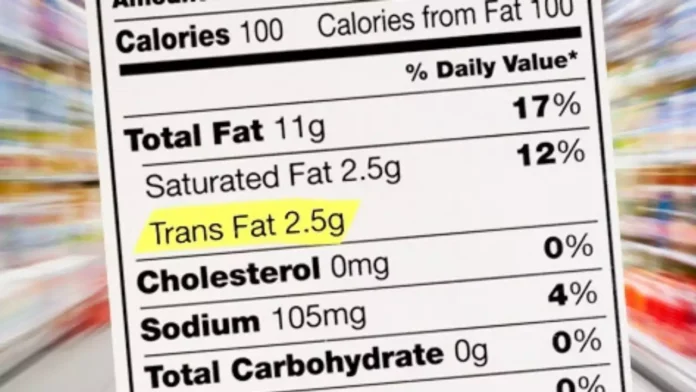
The World Health Organization commended Nepal for enacting legislation to limit levels of industrially produced trans-fatty acids in the food supply, a measure designed to enhance health and preserve lives.
“Eliminating trans-fatty acids is a cost-effective measure with great health benefits in preventing premature deaths from cardiovascular diseases,” said Saima Wazed, Regional Director, WHO South-East Asia.
Prioritising prevention and control of noncommunicable diseases (NCDs) in South-East Asia Region, WHO has been supporting countries for elimination of trans-fatty acids from national food supplies, along with other measures. With Nepal’s legislation, now nearly 80 per cent of the Region’s population – 1.6 billion people – will be potentially protected from the harms of trans-fatty acids.
Globally, 540,000 deaths every year can be attributed to intake of industrially produced trans-fatty acids. High trans-fat intake significantly increases the risk of death from cardiovascular diseases.
There are no recognized health benefits associated with trans fats.
In the WHO South-East Asia Region, 69% of the nearly 9 million annual deaths are attributed to non-communicable diseases, with cardiovascular diseases being a primary contributor to mortality.
In 2018, the WHO introduced REPLACE, a set of six strategies aimed at facilitating the eradication of industrially produced trans-fatty acids. Through collaboration with Resolve to Save Lives, REPLACE protocols are currently being rolled out across the Region.
By 2022 Thailand, India and Bangladesh had adopted regulations for elimination of trans-fatty acids in food supply. Indonesia had complementary policy measures. Sri Lanka issued a regulation in 2023.
Nepal issued the legislation on trans-fatty acids on February 8.
Restricting trans-fatty acids is a crucial aspect of the ‘SEA HEARTS’ initiative in the WHO South-East Asia Region, emphasizing the need for unified efforts among all partners and stakeholders to accelerate actions effectively aimed at reducing deaths from cardiovascular diseases.
Nepal’s legislation on trans-fatty acids will add 30 million people to the SEA HEARTS target of protecting two billion people from the harmful effects of trans-fatty acids through best practice or complementary policy measures of WHO REPLACE by 2025.
WHO has been urging countries in the Region to focus on best-practice policies, monitoring and surveillance, to drive progress against trans-fatty acids.
Last month, Thailand was among the first five recipients of WHO certificate validating progress in eliminating industrially produced trans-fatty acids.
Eliminating trans-fatty acids from the food supply will enhance the health and wellbeing of people and also help attain the SDG targets of reducing premature mortality by one-third from noncommunicable diseases by 2030.
India has allowed exports of onions on a government-to-government basis to certain countries, as per the recommendation of the Ministry of External Affairs, informed sources revealed.
One source indicated that a limited quantity of onion exports has been allowed for bilateral purposes, although no decision has been made regarding the complete lifting of the ban on onion exports. Details about the exporting agency could not be confirmed.
Another source stated that the government has authorized the export of onions in restricted amounts to countries including Bangladesh, Sri Lanka, Mauritius, Bahrain, Bhutan, and Nepal, among others.
In December 2023, India, the world’s second-largest exporter of onions, implemented a ban on the shipment of this kitchen staple until March 2024 due to escalating domestic prices and the threat of shortages. Consequently, onion prices skyrocketed in neighboring countries.
With the onset of rising onion prices in August 2023, the finance ministry introduced a 40% export duty to restrict shipments. Despite this measure, its intended impact was not realized due to under-invoicing. Consequently, the government enforced a minimum export price of $800 per tonne on onions, effective October 28.
Due to heavy rainfall and hail storms causing damage to crops in regions like Nashik and Ahmednagar in Maharashtra, onion arrivals declined during the peak season in November. This led to a surge in prices, prompting the government to enforce a ban on the shipment of onions effective December 8.
This has caused onion prices to drop from over INR 40 per kg to about INR 13 currently in the wholesale market of Nashik, India’s main onion-growing region, leading onion farmers to protest for two months demanding the lifting of the export ban.
Onions account for 0.6 percentage points of the overall inflation index and 10 percentage points in the vegetable basket. Any increase in onion prices has the potential to elevate food inflation, which is a cause for concern for the government, particularly with Lok Sabha elections looming in a few months.
In early February, a delegation of central government officials conducted a visit to the onion-growing regions of Maharashtra. The purpose of the visit was to provide recommendations to the government regarding the export ban.
Meanwhile, on Sunday, some exporters wrote to the government suggesting that instead of imposing a complete ban on onion exports, the government should allow outbound shipments on a restricted basis. They emphasized that a significant export volume could lead to a notable price increase in the domestic market.
Leading consumer goods companies Britannia, Dabur, Amul, and Parle are restricting sales to organized wholesalers such as Flipkart Wholesale, Udaan, and Reliance Cash and Carry. This decision aims to avoid margin issues with their traditional distributors or those who may cannibalize their sales.
“We do not want to actively participate in the B2B (business to business) because that gets us onto the wrong foot with our distribution agenda with our distributors and can disrupt through pricing actions our distribution chain in the country,” Britannia’s managing director Varun Berry told investors.
In India, approximately 80% of fast-moving consumer goods sales are dominated by kirana stores, which are serviced by either distributors or wholesalers. Although organized retail and wholesalers only make up about 5% of FMCG sales, they wield significant influence over supplies and pricing due to their scale. However, companies have expressed anticipation of reaching unserviced kirana stores through these large organized B2B sales channels, a goal that has yet to materialize.
“We have suffered and opened floodgates as we thought it is an emerging channel, and, therefore, we need to leverage them because they all promised they will do distribution in hitherto not covered retail. But when we supplied them stock, they did an easy business by supplying to our wholesaler at a lower rate, which the distributor was supplying, because their terms of trade are better than the distributor’s terms. So, it undercut our business in general trade,” remarked Mohit Malhotra, Chief Executive of Dabur.
For companies, supplying products through conventional distributors typically incurs costs equivalent to 13-14% of sales, whereas with organized wholesalers, these costs are nearly halved. Previously, intense price competition in the grocery B2B sector, characterized by significant discounting, led traditional distributors to consider ceasing supplies from consumer product companies.
“We are not curtailing our supplies to zero and will still sell at B2B outlets, but our strategy is to keep the overall percentage to low single digits and not go beyond it even if we can potentially get higher sales. This helps us bring margin parity with conventional distributors and avoid them from eating into their kirana network,” said Krishnarao Buddha, senior category head-marketing at Parle Products.
There are approximately 10 to 12 million kiranas, yet companies only directly engage with a fraction of them, relying heavily on the wholesale network instead. This significantly hampers their ability to influence market share, offer promotion schemes, and effectively track inventory, as well as support credit access for small retailers.
“India is a vast and diverse country, and the distribution and brand salience dynamics vary for each company in each geography. Hence, one size doesn’t fit all. Even the best brands serve anywhere between 25-35% of the outlets, even if they may account for almost half the sales,” said Dinkar Ayilavarapu, vice-president, head, Flipkart Wholesale.
The International Spirits & Wines Association of India (ISWAI), representing multinational and domestic alcoholic beverage companies investing and operating in India, has urged immediate action on the pressing matter of steep state excise duties. These duties constitute approximately 70-80 percent of the consumer Maximum Retail Price (MRP), exacerbating inflationary pressures and placing considerable strain on the industry.
With rising inflation rates across the country, the alcoholic beverage sector is grappling with significant challenges due to the escalating costs of production, transportation, raw materials, and exorbitant import duties. This situation poses a dire threat to the industry’s sustainability.
Nita Kapoor, CEO, ISWAI while emphasising the need for urgent action said, “The liquor industry has consistently and significantly contributed by generating 25-40 percent of revenues for state governments and nearly 2 percent of nominal GDP. However, the current tax and tariff structure, characterised by high excise duties, limited supplier price flexibility, and exorbitant import duties of 150 percent (50 percent BCD + 100 percent AIDC), is pushing the industry toward a crisis. Regulators must recognise the necessity of inflation-linked adjustments in supplier prices as the Alco-Bev industry is a cornerstone of economic activity.”
ISWAI’s specific recommendations include implementing a uniform inflation-linked supplier pricing model for the industry, rationalizing ad hoc levies and taxes imposed by state governments, and utilizing technology for operational ease and approvals.
ISWAI believes that by implementing these steps, economic growth will be stimulated and new employment opportunities will be created. This will also provide consumers with access to a wider variety of affordable and premium choices, and position India as a leading player in the global spirits market, as stated in an association release.
ISWAI called for a collaborative outlook between industry stakeholders and policymakers to ensure the continued prosperity of the Alco-Bev sector and its contribution to the Indian economy, it added.
Mexican Coca-Cola bottler FEMSA has unveiled additional insights into its future capital allocation plans.
FEMSA holds a crucial position in the bottling of Coca-Cola products across numerous Latin American countries via its subsidiary, Coca-Cola FEMSA (KOF). These initiatives, sanctioned by FEMSA’s board of directors, are in harmony with its overarching strategy known as ‘FEMSA Forward’.
FEMSA’s strategy for capital allocation prioritizes enhancing long-term intrinsic per-share value. Over the upcoming five years, the company aims to allocate over MXN 237 billion (approximately $13.89 billion) towards core organic growth endeavors, with nearly MXN 170 billion (approximately $9.96 billion) earmarked for investment in Mexico.
Being one of Mexico’s major employers and contributors to tax revenue, FEMSA, boasting a workforce of over 280,000 employees, foresees paying more than MXN 100 billion (approximately $5.86 billion) in total income taxes from fiscal years 2023 to 2028.
The company plans to allocate funds to projects demonstrating favorable risk-reward ratios, prioritizing value generation and cash flow. Strategic investments will adhere to FEMSA’s fundamental objectives and undergo thorough financial scrutiny.
Additionally, contingent upon business performance and capital deployment opportunities, FEMSA targets returning to shareholders an aggregate amount approximately equivalent to 6% of its current public market value within the next two to three years.
This will be achieved through a combination of additional dividends and share buybacks, going beyond the usual dividend distribution.
To distribute capital to shareholders in 2024 and beyond, FEMSA plans to utilize dividends along with a multi-year share buyback program.
The board of directors has approved proposals for submission at the 2024 annual shareholders meeting. This includes an approximate 20% increase in ordinary dividends compared to 2023, disbursed in four quarterly installments, and the payment of an additional dividend in four quarterly installments alongside the approved ordinary dividends. Additionally, the maximum share buyback capacity will be doubled from the current authorization.
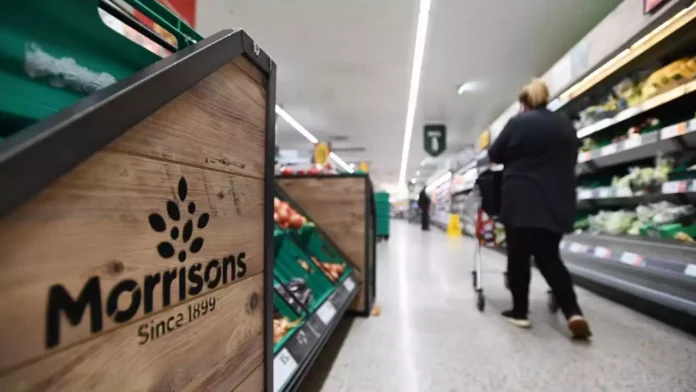
Morrisons, Britain’s fifth largest supermarket group, is emulating its larger competitors by aligning prices with those of the German-owned discounters Aldi and Lidl across hundreds of comparable grocery items. This strategy aims to counteract a decline in market share.
Last month, Rami Baitieh, who previously served as the CEO of Carrefour France and assumed the role of CEO at Morrisons in November, voiced his dissatisfaction with the group’s performance. He stated his commitment to developing improvement plans.
Since the financial crisis of 2008, the swift expansion of discounters has compelled Britain’s traditional chains to increase their investment in value offerings, aiming to safeguard their market positions.
Tesco, the leading company in the industry, along with Sainsbury’s, ranked second, attribute their Aldi price matching initiatives for halting the migration of customers to discount retailers. Together, these discounters have secured a 17% share of the UK’s grocery market.
Last month, Asda, ranked third, introduced a comparable program.
Morrisons announced that starting Monday, they would implement price matching on over 200 items with the discounters. These items include essentials like milk, corn flakes, canned tomatoes, rice, bread, beef mince, chicken fillets, bananas, and carrots.
Prices will undergo bi-weekly checks, and adjustments will be made if deemed necessary.
Since its acquisition in 2021 by U.S. private equity firm Clayton, Dubilier & Rice, Morrisons stands out from its primary competitors due to its integrated production operations. Approximately half of the fresh food it offers is produced in-house.
Baitieh has announced plans to provide a strategy update in March.
We use cookies to ensure that we give you the best experience on our website. If you continue to use this site we will assume that you are happy with it.