KFC is adding a zesty twist to its menu with the introduction of the Chizza, a unique pizza-inspired creation. Instead of traditional pizza dough, the Chizza features two 100% white meat extra crispy fried chicken filets as the base, generously topped with zesty marinara sauce, mozzarella cheese, and pepperoni, as announced in a press release.
Initially introduced on menus in the Philippines in 2015, the Chizza has since expanded its presence to various countries including Korea, Taiwan, India, Thailand, Germany, Spain, and Mexico. The eagerly awaited item is set to debut in U.S. markets on February 26th.
“Fried chicken and pizza collaborated to create something even better — the Chizza,” Nick Chavez, CMO, KFC U.S., said in the release. “The fan-favorite mashup is finally available in the U.S. after making its way around the world — try it while you can!”
In honor of its launch in the United States, KFC will convert its New York City restaurant at 242 E 14th St. into an exclusive “Chizzeria” pop-up. Here, customers will have the unique opportunity to be the first to taste the Chizza at no cost. The Chizzeria will be open for a limited time from February 23rd to February 24th, operating from 1 p.m. to 9 p.m. ET.
KFC has a presence in over 150 countries and territories, boasting a network of more than 27,000 restaurants worldwide.
Dole Food Company has partnered with the clean supplement brand Beam Be Amazing to broaden its footprint in the health and wellness sector.
The collaboration kicks off with the launch of ‘Beam x Dole Super Greens,’ featuring orange, peach, and mango flavors infused with a blend of 35 fruits and vegetables per serving, along with prebiotic fiber, digestive enzymes, antioxidants, essential vitamins, and minerals.
The new launch is devoid of artificial sweeteners or colors, and is non-GMO, gluten-free, and soy-free. It comes in powder format, making it versatile for adding to beverages or food.
The NPD also incorporates Spectra, a clinically proven formula described by Beam Be Amazing as enhancing antioxidant levels, bolstering the immune system, and enhancing overall cellular health.
Elisabeth Morris, director for brand and licensing at Dole Food Company, added, “We are thrilled to partner with Beam to leverage Dole’s bold flavours and bring a taste of paradise to everyone in a new way! Beam’s focus on educating consumers aligns so well with our mission at Dole around nutritional education. We hope that this product will encourage more people on their health and wellness journey.”
Russell Saks, CEO of Beam Be Amazing, said, “Since the inception of our Super Greens product, we have always thought Dole was a natural fit for a product collaboration. We couldn’t be more excited to partner with a company that not only makes great products but shares our values and mission, as well.”
Beam also forged a partnership with popular juice brand Sunny D, collaborating to create a nostalgic blend that offers consumers an all-encompassing wellness formula for their daily routines.
Delivery Hero has halted discussions regarding the potential sale of its Foodpanda business in certain Southeast Asian markets.
The German-based online food ordering platform was in talks to sell off its operations in Cambodia, Laos, Malaysia, Myanmar, the Philippines, Singapore, and Thailand.
Delivery Hero co-founder and CEO Niklas Östberg said, “The strength of our APAC [Asia Pacific] business has become evident during the last quarters as the region reached an inflection point in 2023.
“We believe the region remains strongly positioned to drive profitable growth at scale. The decision to terminate negotiations after months of discussions was taken after careful consideration.”
On February 2nd, 2024, Delivery Hero reiterated its ongoing discussions and conveyed optimism about reaching favorable terms with the primary negotiating party.
The company was confident that it had reached consensus with the prospective buyer on the essential terms of the sale.
However, circumstances have shifted, prompting Delivery Hero to retract from the negotiations.
Delivery Hero said in a statement, “As always, the company will remain open to mergers and acquisitions and will continue to assess potential strategic alternatives.
“However, Delivery Hero will only proceed with negotiations where it can create value for shareholders with high certainty of closing.
“Delivery Hero continues to exercise a disciplined investment policy aimed at maximising profitable growth and free cash flow generation in its operations.”
In late January 2024, Delivery Hero offered 68 million Class A shares in Deliveroo to institutional investors for settlement on February 1st.
The shares translate to an approximately 4.5% stake and mark Delivery Hero’s exit from the London-based firm.
The German company placed the Deliveroo shares for £1.13 ($1.43) per share with institutional investors in an accelerated bookbuilding process.
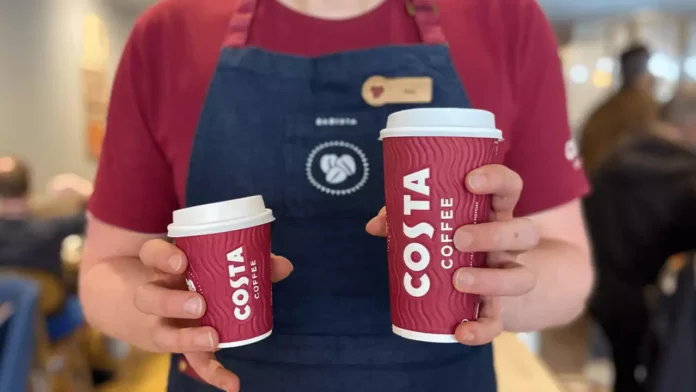
Costa Coffee has collaborated with retail behemoth Sainsbury’s to introduce in-store cafes within the supermarket chain’s premises.
Under the agreement, Costa Coffee will allocate £3 million for the establishment of 11 cafes during 2024. This influx of openings is anticipated to generate around 100 employment opportunities.
Nick Ridley, Property Director at Costa Coffee, said, “We are excited to join forces with Sainsbury’s, bringing our much-loved Costa Coffee experiences to shoppers nationwide. We’re proud that we will soon be able to make a difference to customers looking to catch up with friends and family over lunch or enjoy a beloved Costa coffee after their weekly shop.”
The first of these 11 cafes opened at Sainsbury’s Farlington Superstore in Portsmouth on February 15, 2024.
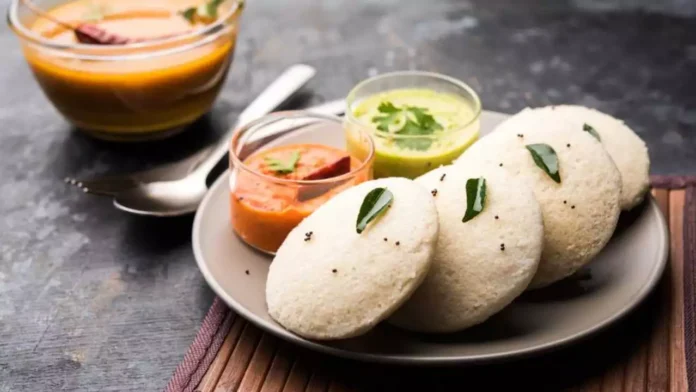
According to scientists who have evaluated the “biodiversity footprints” of 151 popular dishes worldwide, India’s idli, chana masala, rajma, and chicken jalfrezi rank among the top 25 dishes contributing significantly to biodiversity loss.
The scientists have assigned the highest biodiversity footprint score to lechazo, a roast lamb recipe from Spain, followed by four beef or meat preparations from Brazil. Their calculations place the idli at rank six followed by rajma (kidney beans curry) ranked seven.
As anticipated, vegan and vegetarian dishes typically exhibited lower biodiversity footprints compared to those containing meat. However, the researchers noted it was unexpected to discover that dishes centered around rice and legumes as primary ingredients also displayed high biodiversity footprints.
“The large impacts of legumes and rice in India was a surprise, but when you think about it, it makes sense,” remarked Luis Roman Carrasco, the lead researcher and associate professor of biological sciences at the National University of Singapore.
Carrasco and his team evaluated the biodiversity footprint of each of the 151 dishes by examining the probable impact of the ingredients in each dish on the diversity and habitat range of wild mammals, birds, and amphibians within the croplands where these ingredients are sourced.
According to the scientists, although taste, price, and health often dictate food choices, conducting studies that assign biodiversity impact scores to dishes could assist environmentally conscious individuals in customizing their dietary selections.
Published on Wednesday in the journal PLOS One, their study emerges amid growing apprehensions regarding biodiversity decline, predominantly propelled by habitat loss stemming from agricultural expansion. Previous research has approximated that food consumption by an average household contributes to 20% to 30% of its overall environmental impact.
“In our analysis, the biodiversity footprint represents the amount of species that have been at least partially impacted to produce that dish,” Carrasco said. “The biodiversity footprint gives us an idea of how many species we’re pushing closer to extinction by eating that dish.”
Multiple earlier studies have flagged the negative environmental impacts of non-vegetarian food based on livestock rearing. The large biodiversity footprints of rice and legumes may be explained by land conversion for agriculture.
India stands as a leading producer of legumes, including chickpeas and kidney beans, while also boasting a rich biodiversity with an estimated seven to eight percent of species. Legumes and rice are cultivated extensively in regions that historically served as biodiversity hotspots.
Among the top 25 dishes with the largest biodiversity footprints are several Brazilian meat dishes, a Korean meat and vegetable stew, as well as meat and pork dishes from Mexico. Additionally, chicken jalfrezi ranks 19th, dal 20th, and chana masala 22nd in the list.
In the study, French fries were designated with the lowest biodiversity footprint, occupying the 151st rank. Other dishes with minimal biodiversity footprints include baguettes, pureed tomato sauce, and popcorn. India’s aloo paratha held the 96th position, dosa the 103rd, while the bonda, a fried dish of mashed potato coated with chickpea paste, was placed at 109th.
Although rice and legume dishes received high scores, Carrasco noted that India has managed to coexist reasonably well with biodiversity, considering its large population. He emphasized that India’s significant proportion of vegetarians is beneficial for biodiversity conservation.
“If Indians were to shift to more meat consumption and production the impact on biodiversity would be much higher,” he said. “This study is a reminder that the pressures on biodiversity in India are very high.”
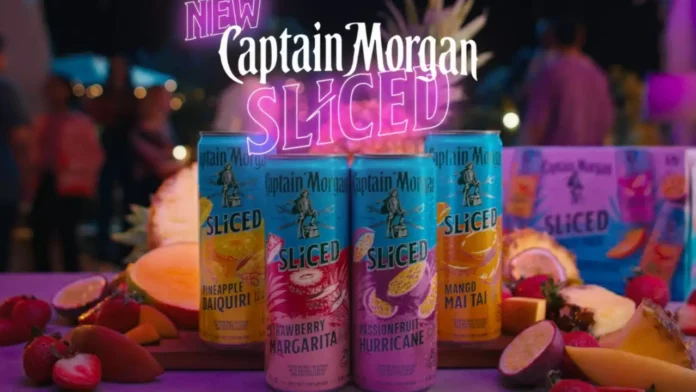
Diageo-owned brand Captain Morgan has introduced a new line of ready-to-drink cocktail-inspired malt beverages, called Captain Morgan Sliced.
Captain Morgan Sliced offers four malt-based flavors: pineapple daiquiri, which harmonizes lime with pineapple notes; strawberry margarita, merging lime with succulent strawberry for a fruity twist; Passionfruit hurricane, showcasing tropical passionfruit, lemon, and orange flavors; and mango Mai Tai, combining citrus and pineapple with mango nuances.
Laura Merritt, CMO of Diageo Beer Company, said, “We didn’t just want to introduce another new canned drink – we wanted to slice through the ordinary with an offering that compliments the adventurous spirit of our consumers. Captain Morgan has always been known and loved for its bold flavour, and we’re excited to shake up the category and introduce Captain Morgan Sliced to the world.”
Captain Morgan Sliced has an ABV of 5.8% and is available on shelves nationwide for an SRP of $19.99.
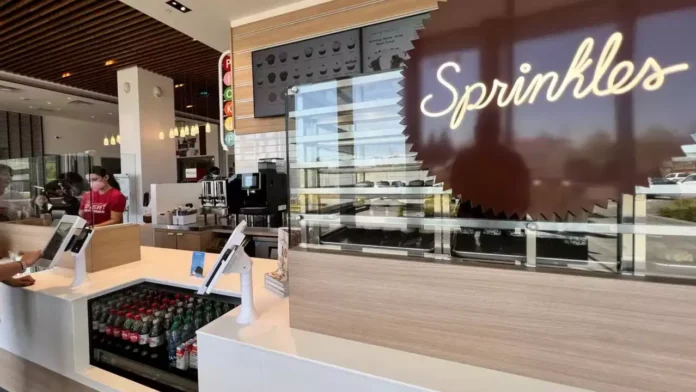
Sprinkles, the renowned bakery brand, has announced plans to open its first store outside the US, venturing into South Korea as part of its expansion strategy.
Subsequently, the company aims to strengthen its foothold in Asia by expanding its retail presence with new stores in Singapore and Malaysia.
Renowned for its delectable range of cupcakes, cakes, cookies, and brownies, the brand intends to establish over 18 new bakeries across international markets starting in 2024.
According to The Korea Herald, the first Sprinkles store in South Korea is scheduled to open in Seoul.
The company has formed a partnership with SPC Samlip, a subsidiary of South Korean food company SPC Group, along with real estate company Bridgeport Investments.
The expansion is part of a larger plan to launch 50 new bakeries worldwide in the coming years.
Sprinkles aims to fuse traditional favorites with indigenous tastes, positioning itself as a prominent contender in the global dessert industry.
Sprinkles development vice-president Brett Willis said, “Sprinkles’ legacy is rooted in creating moments of joy and celebration. The international franchise expansion is a testament to our dedication to sharing these moments on a global scale.
“We have built out a full team to support franchisees, including operations, training, marketing and construction. With strong demand for other countries, these franchisee signings are only the start to developing our global brand presence as we intend to sign franchises in Europe, South American and additional ASEAN [Association of South East Asian] countries.”
The company began its franchising efforts in 2021 and has since seen significant growth.
In the US, it has been expanding through domestic franchises, opening new bakeries in Northern and Central California, West Texas and South Florida.
These operations are spearheaded by women-owned franchise groups such as RIC Operating Group, Celebration Cupcakes and WTX Cupcakes.
Perfect Day and Unilever‘s Breyers have joined forces to introduce a lactose-free chocolate ice cream crafted with Perfect Day’s dairy protein, manufactured through precision fermentation.
The collaboration between Perfect Day and Breyers aims to enhance the sustainability of frozen treats by introducing a product with a reduced environmental impact compared to others on the market, all while preserving the rich and creamy taste that consumers associate with ice cream.
Apart from being devoid of lactose, the Breyers Lactose-Free Chocolate with Perfect Day is also free of cholesterol.
Perfect Day’s protein mirrors the whey protein present in conventional milk, offering all the flavor, texture, and functional advantages.
An ISO-compliant life cycle assessment, reviewed by a third party, found that Perfect Day’s process reduces blue water consumption by up to 99%, greenhouse gas emissions by up to 97%, and non-renewable energy use by up to 60%, when compared to traditional whey production methods.
TM Narayan, Perfect Day’s CEO, said, “We are thrilled to have developed this new product with Unilever, a hallmark example of how our second decade is focused on driving growth through collaboration with leading companies that share our mission of a kinder, greener tomorrow”.
He continued, “We’re inspired to see that more companies are turning to precision fermentation as a no-compromise option to continue to maintain their leadership position as consumer demands evolve for the future of our planet.”
Lisa Vortsman, CMO for Unilever Ice Cream North America, commented, “The launch of Breyers Lactose-Free Chocolate with animal-free dairy is an exciting and innovative addition to Breyers’ growing better-for-you portfolio. As we’ve seen demand for alternative ice creams continue to grow, it is important to us to provide Breyers fans with frozen treats that meet their dietary needs and preferences, without compromising on the creamy taste and flavour that Breyers has offered for more than 150 years.”
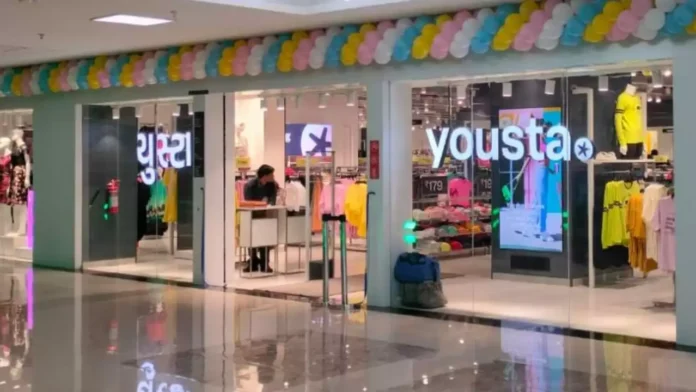
Yousta, the youth-centric fashion brand by Reliance Retail, has made its debut in Surat, Gujarat, targeting the fashion-forward crowd with its chic selections. Situated in Reliance mall, Udhna, Yousta is extending its reach across multiple states, including Gujarat, presenting affordable and trendy fashion options tailored specifically for the younger demographic.
Since its establishment in August 2023, Yousta has swiftly risen as a popular choice for economical shopping, meeting the ever-changing tastes of youthful shoppers. Offering stylish apparel priced below INR 999, with the majority falling below INR 499, Yousta remains dedicated to ensuring fashion is within reach for everyone.
The recently inaugurated Surat outlet presents an array of fashionable outfits, unisex items, character merchandise, and weekly fashion releases from Yousta’s unique “Starring Now” collection. In addition to its stylish products, the store offers a modern and tech-savvy shopping environment featuring QR codes for easy access to information, self-checkout counters for quick transactions, and charging stations for electronic devices.
Continuing its dedication to community involvement, Yousta in Surat has partnered with a non-profit organization, allowing customers to donate old clothes, supporting community initiatives, and advocating for sustainable practices. Surat patrons can discover the dynamic Yousta collection in-store and conveniently shop online via the AJIO and JioMart platforms, showcasing Yousta’s commitment to engaging customers across diverse retail avenues.
Hoteliers in the western region, under the banner of the Hotel And Restaurant Association (Western India) – HRAWI, have urged the government to de-link the GST applied to restaurants within hotel premises from that on rooms. They argue that this adjustment would reduce the current GST rate of 18 percent on food and beverage services to 5 percent, aligning it with the rate charged at standalone restaurants nationwide.
Expressing concerns regarding the current GST structure applicable to food and beverages served in hotel restaurants, the HRAWI conveyed in a letter addressed to Finance Minister Nirmala Sitharaman that the taxation system in these establishments is tied to room rates. Currently, the sole criterion for imposing a higher GST rate of 18 percent on hotels and their services is if the room rate exceeds INR 7500. The Association has underscored the significant drawbacks of this taxation model for the hospitality sector, stressing the urgent need for GST framework reform for restaurants within hotel premises. They have proposed that restaurants within hotels should be subject to uniform GST rates, akin to standalone restaurants, regardless of room charges.
“In today’s dining landscape, hotels often attract walk-in customers to their restaurants, but the prevailing system, where GST rates for restaurants within hotels are tied to room rates, creates unfairness, unpredictability and a substantial disadvantage. The sudden jump in GST from 5 per cent to 18 per cent when room rates exceed INR 7500, creates uncertainty for guests and places hotels at a disadvantage. This discrepancy unfairly impacts restaurants operating in hotels compared to standalone counterparts offering similar high-end experiences and cuisine. We have submitted a representation to the Government, underlining the importance of standardized GST rates for all food and beverage services, regardless of their operation within or outside hotels. Our focus is on promoting fair competition and ensuring the sustainability of the industry, with the goal of establishing equal opportunities for all categories of restaurants,” said Pradeep Shetty, president, HRAWI.
HRAWI has highlighted the negative effects on larger hotel chains, which encounter difficulties serving walk-in customers because of the difference in GST rates. Additionally, the Association noted that this inconsistency also impacts banquets, causing confusion and inconvenience for guests.
“This system places an undue burden on restaurants of hotel chains, hindering their ability to meet consumer expectations. We strongly emphasize the need for a competitive environment where hotels can compete on an equal footing with standalone restaurants. Uniformity in GST rates across all food and beverage services is crucial for fair competition and the sustainability of the hospitality industry,” said Shetty.
We use cookies to ensure that we give you the best experience on our website. If you continue to use this site we will assume that you are happy with it.