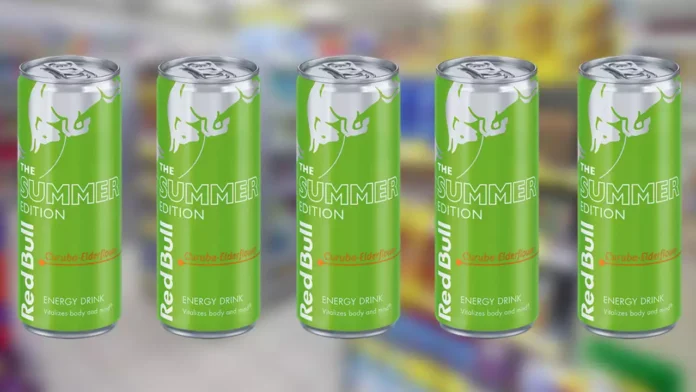
Red Bull has bolstered its position in the sports and energy drink market with the debut of its 2024 summer edition, Curuba Elderflower.
The latest energy beverage combines the taste of curuba, a fruit commonly referred to as banana passionfruit and indigenous to South America, with hints of elderflower, melon, and pineapple.
According to market research platform Appinio, flavors are a crucial factor driving growth in the energy drink category. Their findings reveal that 85% of consumers are keen on exploring “new and unconventional flavors” in energy drinks.
This year’s summer edition, Curuba Elderflower, follows in the footsteps of last year’s Red Bull Juneberry variant and the strawberry-apricot flavor introduced in 2022. The energy drink giant has confirmed that Juneberry, hailed as its most successful new product development (NPD), is now a permanent fixture in its portfolio.
The latest edition will hit shelves nationwide in the UK starting March 11, offering a range of pack sizes as well as a sugar-free option.
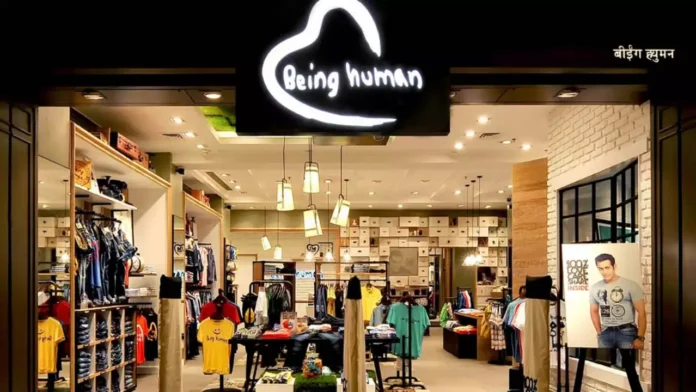
Being Human Clothing, a brand overseen by a charitable trust led by Bollywood actor Salman Khan, clinched five awards at the India Fashion Forum 2024, hosted at the Hotel Conrad, Bengaluru, on February 21-22.
The brand received the prestigious Alizeh award in the apparel category, honoring its outstanding achievements in marketing and promotion. Furthermore, its celebrity-endorsed campaign, multimedia ventures in the lifestyle realm, and impactful social cause initiatives were applauded for their efficacy.
Additionally, the retailer was acknowledged as the most admired brand for diversity and inclusivity. It also received the distinguished ESG Initiative of the year award, underscoring its commitment to environmental, social, and governance principles.
Established in 2012, Being Human Clothing was founded with the mission of advancing the goals of ‘Being Human – The Salman Khan Foundation,’ a charitable organization dedicated to providing education and healthcare support to underprivileged communities in India.
It sells its products through over 94 exclusive brand outlets (EBOs), spanning more than 400 multi-brand outlets (MBOs), over 200 shop-in-shop formats, and numerous online marketplaces.
The India Fashion Forum 2024 recognized numerous industry leaders for their exceptional performance and innovative contributions. Among the notable awardees were Rare Rabbit and Tommy Hilfiger for men’s western wear, AND and Vero Moda for women’s western wear, and Mini Klub and United Colors of Benetton for kidswear.
The event spotlighted brands that have demonstrated excellence in marketing, promotions, innovation, and retail expansion. Masaba Gupta for John Jacobs and Forum + BOF PNG Slide were among those acknowledged for their significant contributions.
Sangeet Agrawal and Navin Parwal, Co-Founders, Mokobara
D2C luggage brand Mokobara has raised $12 million (INR 100 crore) in its latest round of funding led by Peak XV Partners (formerly Sequoia Capital India), at a valuation of $80 million post-money.
In September 2023, ET was the first to report on a potential investment of $12-15 million in Mokobara, led by Peak XV Partners, at a valuation ranging from $65 to $80 million.
In the Series B funding round, Mokobara’s current supporters, Sauce VC and Saama Capital, have also joined in. According to regulatory filings with the Registrar of Companies (RoC), of the $12 million raised, approximately $9.4 million has been contributed by Peak XV Partners, with the remaining portion invested by the other two backers.
Established in 2020 by ex-Urban Ladder executives Sangeet Agrawal and Navin Parwal, Mokobara, the luggage and travel accessories brand, has accumulated a total funding of $20 million, encompassing the most recent round. The previous funding round in October 2023 saw Mokobara raising $3.6 million from Sauce VC and Saama Capital.
On its cap table, the Bengaluru-based startup also includes Varun Alagh, the cofounder and CEO of Mamaearth, Ashish Goel, the founder and CEO of Urban Ladder, and Ramakant Sharma, the founder and COO of LivSpace.
Operating within the mid-premium segment, Mokobara competes with a range of players, including established brands like American Tourister and emerging startups such as Nasher Miles.
As per a research note from Crisil in August 2023, despite a high-base effect of 40% growth in the previous fiscal year, India’s luggage industry revenue is projected to increase by approximately 15% year-on-year in the current fiscal year. This growth is attributed to the increasing adoption of hard luggage manufactured by the organized sector, alongside sustained expansion in tourism and corporate travel.
Mokobara’s fundraise comes at a time when risk capital investors are increasingly turning towards consumer brands away from tech companies owing to high valuations commanded by technology startups.
A New Delhi-based investor specializing in consumer-focused ventures emphasized that while India’s consumption narrative has consistently thrived, the tech sector’s acceleration has been propelled by the influx of billions of dollars from venture investors specifically targeting technology. Nonetheless, India’s consumption indicators remain resilient.
“For investors, the thesis is very clear. In any sector, there is enough space for consumer brands to scale and become large…India also has enough number of large brands across categories and segments that can come in as strategic investors opening up an exit route for early-stage investors,” the person added.
Following a notable decrease in input material costs last year and subsequent price reductions affecting the value growth rate of the fast-moving consumer goods (FMCG) industry, consumer goods manufacturers have indicated a “moderate increase” of 2-4% in product prices for this year. This adjustment is anticipated to enhance the pace of growth within the sector.
Godrej Consumer Products, Dabur, and Emami have signaled that price-driven growth will return to the industry. Dabur has implemented a 2.5% price increase for its food portfolio, while Emami plans to implement around 3% price hikes this year.
Sudhir Sitapati, the managing director of Godrej Consumer Products, mentioned that commodity prices are currently stable to slightly increasing, and there’s a positive trend in wage inflation. As a result, product prices are expected to rise slightly in the upcoming quarters, leading to a high single-digit value growth for the industry this calendar year.
“The market growth rate will improve next fiscal,” he said.
Mohit Malhotra, the CEO of Dabur India, remarked that inflation is increasingly tilting towards food items. He pointed out that essentials like cereals and spices are still experiencing double-digit inflation, which is concerning. While there was a slight decrease at one point, it has since resurged, indicating ongoing volatility in prices.
“Even in honey, there is inflation. We have just taken a price increase in oral care, for example, driven by our competitor taking up the price increase. In healthcare, we might be forced to take price increases. Even in spices. So wherever the shoe will pinch, we will have to hike prices,” said Malhotra.
According to FMCG market researcher NielsenIQ, the industry witnessed a significant drop in price growth from 10% in calendar year 2022 to 2.7% in 2023. This decline can be attributed to the decrease in prices across various products last year. In 2022, there was unprecedented inflation in several FMCG input costs, ranging from palm oil to crude oil to packaging materials, driven by geopolitical factors. Despite overall demand remaining subdued, many companies have observed higher volume growth compared to value growth in recent quarters, primarily due to the price downturn.
In the past two years, the edible oil segment experienced remarkable price fluctuations but has witnessed improved price stability over the last 2-3 quarters. Sanjeev Asthana, the CEO of Patanjali Foods, informed analysts earlier this month that prices have remained stable to slightly higher in the past week.
Approximately 65-70% of FMCG companies’ growth has been attributed to volume, while the remainder stemmed from price increases. However, in 2022, price hikes accounted for the entirety of their growth, as volumes either remained stagnant or declined for some companies. Following the cessation of price increases and the adjustment of price tags in response to moderating inflation, these companies anticipate an uptick in volumes.
Sanjay Agarwal, the Chief Financial Officer of Jyothy Labs, remarked that predicting geopolitical and macroeconomic situations has become increasingly challenging.
“So for now, it seems good, has come off from peak and margins — as what we are getting today, we are comfortable with that,” he said.
According to government consumption data, Indians are reducing their expenditure on food, notably essentials like rice and wheat, while increasing spending on discretionary items such as processed foods, as well as durable goods like televisions and refrigerators.
The recently released Household Consumption Expenditure Survey, issued late on Saturday, indicates that average monthly per capita consumer spending in rural areas increased from 1,430 rupees in the 2011-2012 survey to 3,773 rupees ($45.54) over the 12 months leading up to July. Similarly, urban spending saw an increase from 2,630 rupees to 6,459 rupees ($77.95) during the same period.
The government under Prime Minister Narendra Modi opted not to release the 2017-2018 survey, citing “data quality issues.” This decision sparked controversy, with concerns raised about whether the administration was withholding economic data.
The government refuted allegations of withholding the data due to its depiction of weak consumption trends.
The new survey will serve as the basis for a review of India’s consumer price inflation index.
Expenditure on food decreased to 46% of monthly consumption for rural consumers, down from nearly 53% in 2011-12. In urban areas, it declined to 39% from 43%.
Indian consumers are reducing their expenditures on cereals such as wheat and rice, as well as pulses, while allocating more funds towards beverages, refreshments, and processed food.
In terms of non-food purchases, consumers are allocating more funds towards transportation, consumer services, and durable goods such as televisions and refrigerators.
The results come before India goes to the polls in an election to be held by May, with Modi seeking a rare third term.
Although the Indian economy is projected to achieve a remarkable growth rate of 7.3% in the current fiscal year starting from April, followed by 7% growth in the next fiscal year, significant segments of the rural population are grappling with stagnant incomes and soaring inflation.
Fairness creams saw a 3% decrease in volume sales in 2023 compared to the previous year, marking the first decline in their popularity, according to data from researcher NielsenIQ.
“As consumer demands continue to evolve, purpose-driven formats like brightening, glow, radiance and anti-dullness are garnering increased attention, signalling a shift in perception towards beauty,” said Roosevelt DSouza, head, customer success India, at NielsenIQ.
This marks a clear change from previous trends, as the Indian skincare market was previously predominantly focused on ‘whitening’ and ‘fairness’ products.
“Gen Z and millennials are shifting to brightening and hydration functionalities instead of fairness,” said Nitin Passi, chairman of premium cosmetics maker Lotus Herbals.
Hindustan Unilever Ltd (HUL) renamed its leading fairness cream from Fair & Lovely to Glow & Lovely in 2020 amidst criticism over perpetuating stereotypes. This move came after global protests against racial injustice, notably the #BlackLivesMatter movement. HUL, holding close to 40% market share in fairness creams, also changed the name of its men’s range to Glow & Handsome during the same period.
The company didn’t respond to queries.
Following HUL’s action, L’Oreal, a prominent global cosmetics company, removed terms like “white,” “fair,” and “light” from its skincare line worldwide. Additionally, Johnson & Johnson (J&J), a US healthcare corporation, ceased the sale of its skin-whitening creams under brands like Clean & Clear and Neutrogena in Asian and Middle Eastern markets.
The switch is being driven by younger consumers.
“The middle-age groups still continue to use fairness products,” said Passi of Lotus Herbals.
Personal care companies like Emami, CavinKare, Himalaya, Revlon, and Biotique are progressively shifting away from endorsing ‘fair skin’ products and instead focusing on products that promote radiant, glowing, or anti-dull skin.
“The narrative in the beauty industry has shifted from fairness to clean beauty with a much higher emphasis on ingredients delivered via toxin and chemical-free natural formulas,” said Sukhleen Aneja, formerly in senior leadership roles at HUL and L’Oreal, and now chief executive at Good Brands, part of the Good Glamm Group. “This is prevalent even among younger audiences who are seeking preventive care via sun protection, preventing skin pigmentation. This also explains the rise of dermat first brands especially online.”
Good Glamm’s lineup comprises beauty brands such as Organic Harvest and St. Botanica. Aneja noted that this trend would persist, especially with the democratization of search and social media information, which has made consumers increasingly discerning.
According to NielsenIQ, fairness creams experienced a modest year-on-year growth of 5.4% by value, while the overall skincare sector expanded by 9.2% in the calendar year 2023. The skincare industry as a whole in India reached a valuation of INR 15,800 crore during that year.
“Moisturising creams and face washes were the top contributing categories. Fairness creams, hold approximately 25% of the overall skin-care market,” NielsenIQ’s data said.
The current regulations outlined by the Advertising Standards Council of India (ASCI), in collaboration with the Department of Consumer Affairs (DoCA), emphasize the importance of avoiding “socially undesirable depictions for commercial gains.”
“Some ads are seen to reinforce depictions of society that perpetuated unhealthy practices or beliefs for the sole purpose of commercial gains,” said ASCI chief executive officer Manisha Kapoor. “For example, ads that promote stereotypes such as fair skin or certain body shapes.”
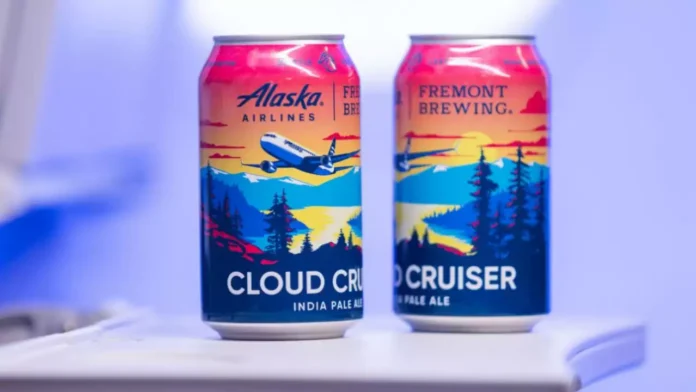
The airline’s latest IPA, dubbed Cloud Cruiser, will be served as a complimentary beverage in first and premium class, and will be available for purchase in the main cabin.
Alaska Airlines partnered with Fremont Brewing to develop a range of beer blends. These blends underwent taste testing at 30,000 feet until both collaborators settled on Cloud Cruiser: an India Pale Ale infused with orange, melon, and tropical flavors.
Todd Traynor-Corey, Alaska Airlines’ managing director of guest products, said, “The Cloud Cruiser is the result of two Pacific Northwest brands coming together…The only place in the world you’ll be able to find this one-of-a-kind craft beer is if you’re flying on Alaska or in one of our lounges.”
Matt Lincecum, Fremont Brewing’s founder and owner, commented, “Cloud Cruiser IPA is brewed with a select blend of malts and Washington-grown to stay fresh in the air.”
Califia Farms, a leading dairy alternative brand, has introduced Califia Farms Complete, a plant-based milk that offers similar nutritional value to dairy.
Crafted from a fusion of pea, chickpea, and fava bean protein, this plant-based milk boasts nine essential nutrients, eight grams of protein, all nine crucial amino acids, and half the sugar content found in traditional dairy milk.
An 8oz serving of this plant-based milk provides equivalent or higher levels of nine essential nutrients compared to an equivalent serving of dairy milk. These nutrients include protein, calcium, vitamins A, D, and B12, magnesium, phosphorus, potassium, and riboflavin.
According to Mintel data, Califia Farms noted that while plant-based milks are favored for their taste and relatively lower fat, sugar, and calorie content compared to dairy milk, their new product caters to the 60% of consumers worried about nutrient deficiencies when consuming plant-based beverages.
Available in a 40oz refrigerated format, this product is free from the nine major allergens identified by the FDA: milk, eggs, tree nuts, peanuts, fish, crustacean shellfish, wheat, soybeans, or sesame. Additionally, it is certified non-GMO Project Verified.
Suzanne Ginestro, chief marketing officer of Califia Farms, commented, “The launch of Califia Farms Complete is a stand-out addition to our product portfolio and signals a shift in the way we think about plant-based milks.”
She added, “This product is not only irresistibly delicious and creamy, but it also delivers an undeniably impressive number of vitamins and minerals that rival that of dairy milk.”
Califia Farms is expanding its dairy-free beverage line-up with the addition of five new items, alongside the Califia Farms Complete.
The Matcha Almond Latte features authentic matcha green tea powder combined with Califia’s almond milk. Designed for optimal steaming and frothing, the Organic Oat and Coconut Barista Blends are perfect for barista use. Additionally, the Pure Black Sweetened Ice Coffee base is brewed to seamlessly blend with Califia’s plant-based milk and creamers.
Exclusively available for a limited time, the Chocolate Strawberry Almond Creamer provides a sweet alternative to traditional dairy creamers, infusing delightful strawberry and chocolate flavors.
The newly launched products are currently accessible at chosen retailers throughout the US, including Target, Walmart, and Kroger.
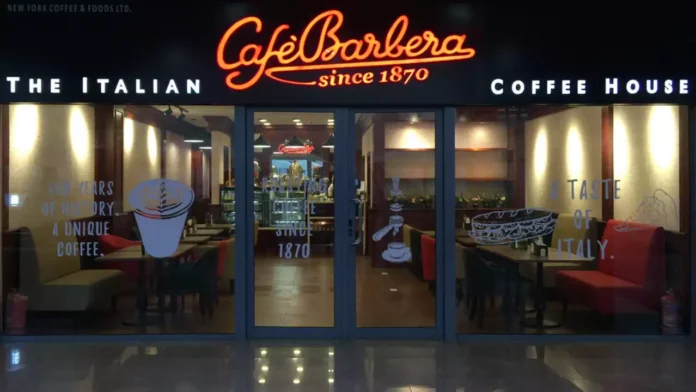
Café Barbera, the renowned Italian-based coffee chain, has announced its expansion into Saudi Arabia (KSA) through a partnership with Big Apple Sweets, a foodservice operator based in the United Arab Emirates.
The partners plan to open ten new outlets throughout the region by February 2025.
The first outlet is set to open its doors in Riyadh by March 2024.
The coffee chain revealed its plan during the Gulfood 2024 event.
Café Barbera founder and CEO Enrico Barbera said, “Gulfood serves as the perfect platform to announce our venture into KSA. We are delighted to introduce Café Barbera’s rich heritage to Riyadh, offering a true Italian coffee experience that will resonate with the local community.”
Big Apple Sweets CEO Eisa Adam Ibrahim said, “We are honoured to take our partnership further, to take Café Barbera in bringing their unique Italian coffee culture to the KSA. Their dedication to quality and tradition perfectly aligns with our values, and we are confident that our offerings will be embraced by the Saudi market.”
In addition to its expansion in Saudi Arabia, Café Barbera has also extended its reach to Greece by opening its first store in Athens in November 2023.
The new establishment not only marks the brand’s entry into its fifth European market but also unveils its inaugural mini-store concept in Europe.
Café Barbera began as a coffee roaster in 1870. Its first franchised coffee shop was launched in Dubai in 2004.
It operates 40 establishments across 18 markets, with eight in the UAE and additional locations in Kuwait, Bahrain, Egypt, and Jordan.
IPO-bound Swiggy is set to change its registered name from Bundl Technologies Private Limited to Swiggy Private Limited, following a resolution passed earlier this month by the shareholders of the food delivery giant.
“The same (change in name) was in line with the Management belief that the change in the name of the Company will help establish greater proximity and identification of the Company’s corporate name with the Company’s core brand, ‘Swiggy’,” the startup said in the resolution.
This development comes at a crucial time for the food delivery giant as it prepares for its initial public offering (IPO). Renaming will enable the startup to trade under the name “Swiggy” on the stock exchanges.
As part of its IPO preparations scheduled for later this year, Swiggy also named Anand Kripalu as an independent director and chairperson of its board of directors in December of last year. Previously, Kripalu served as the managing director and global CEO of Essel Propack Ltd.
Before that, the startup added three new independent directors to its board last year: Sahil Barua, the MD and CEO of Delhivery; Mallika Srinivasan, the MD and chairman of TAFE; and Shailesh Haribhakti, the chairman of Shailesh Haribhakti & Associates. However, earlier this month, Srinivasan resigned from her role as an independent director at Swiggy.
The Bengaluru-headquartered startup aims to debut on the stock exchanges around mid-2024. Anticipated to reach a size of $1 billion (INR 8,300 crore), its public offering is already being hailed as one of the largest IPOs among new-age tech firms.
Swiggy contends with Zomato in India’s food delivery sector, which largely operates as a duopoly. However, both are also challenged by the government-backed Open Network for Digital Commerce (ONDC).
In FY23, the Invesco-backed decacorn reported a net loss of INR 4,179.3 Cr, marking a 15% increase from INR 3,628.9 Cr in the previous financial year. Swiggy’s operating revenue surged over 40% to INR 8,264.4 Cr in FY23 from INR 5,704.9 Cr in FY22 as it scaled up its quick commerce vertical during the year.
The foodtech giant saw its expenditure rise by over 35% to INR 12,884.4 Cr in FY23, compared to INR 9,574.5 Cr in the previous fiscal year.
Valued at over $10 billion, Swiggy has raised over $3 billion in funding to date. Notable backers include industry giants such as SoftBank, Prosus Ventures, and DST Global.
It’s worth noting that Swiggy’s competitor, Zomato, has reported three consecutive profitable quarters in the current financial year thus far.
We use cookies to ensure that we give you the best experience on our website. If you continue to use this site we will assume that you are happy with it.