Kolkata-based tea chain, Chaigram, has unveiled its 15th store in the city, as revealed by a company official on social media on Monday. The new establishment, dubbed Chaigram Canteen, is situated in Sulekha, Jadavpur, Kolkata.
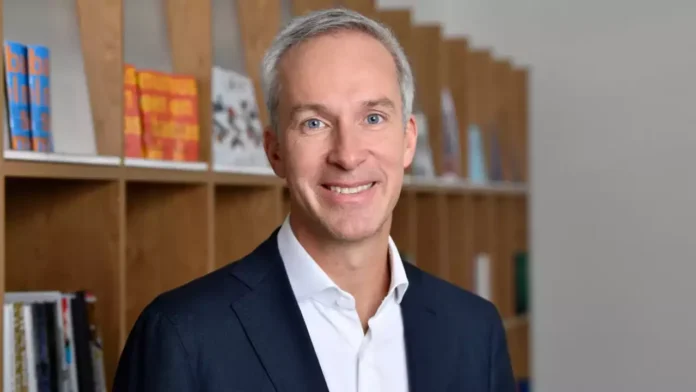
“We are thrilled to announce the launch of the 15th outlet of Chaigram at Sulekha more Jadavpur, Kolkata. On behalf of the team Chaigram we would love to thank all well-wishers, investors, channel partners, supply chain partners and vendors who are involved in our journey so far,” said Anirban Dey, Co-Founder of Chaigram in a LinkedIn post.
Chaigram runs its establishments under various brand names including Chaigram, Chaigram Canteen, The 99 Thali Shop, The Calcutta Street Food, and The Republic of Calcutta. All these stores are situated in Kolkata, with each brand’s outlet located in close proximity to the others.
“Our plan is to open 100 outlets in Eastern India by another couple of years,” Dey said on social media. Additionally, the brand aims to open 25 new company-owned and operated (COCO) outlets in 2024.
Chaigram was established in 2020 with five team members, and today the brand has grown to employ over 200 members.
According to the company’s official website, the brand has served more than 5,000 customers to date, providing a wide array of over 800 curated products across 40 product categories.
Flipkart, a major ecommerce platform backed by Walmart, is reportedly exploring the acquisition of cash-starved hyperlocal delivery startup Dunzo.
According to a TechCrunch report, complexities around Reliance-backed Dunzo’s ownership structure have made it difficult for both parties to reach a deal.
It’s important to highlight that Dunzo has been grappling with a cash shortage for nearly a year. This has led the startup to implement numerous rounds of layoffs and suspend salary payments to employees for several months. Additionally, the company experienced the departure of several key board members and its co-founder, Dalvir Suri, last year.
According to the report, discussions regarding the acquisition between Flipkart and Dunzo are ongoing. Nevertheless, the deal has not materialized yet, partly because Flipkart is uncertain about the aspects it would be able to incorporate through the acquisition.
Dunzo has multiple IP relationships with Reliance Retail. Furthermore, as the largest investor in Dunzo, the Reliance Group company holds considerable sway and has reportedly not yet approved the deal.
Emails sent to Dunzo and Flipkart did not elicit a response.
According to the report, Flipkart recognizes the value of specific assets within Dunzo, particularly its business-to-business offerings in the hyperlocal delivery sector.
Established in 2015 by Kabeer Biswas, Suri, Mukund Jha, and Ankur Aggarwal, Dunzo connects consumers with nearby stores and facilitates deliveries of products including groceries, medicines, and food, among other daily needs. Though the startup entered the quick commerce space with Dunzo Daily, it only resulted in more cash burn for the company.
In fact, the startup’s major funding round from Reliance Retail in January 2022 was to support its quick commerce operations and strengthen its B2B business.
Nonetheless, its business has faced challenges in expanding at the same pace as the leading quick-commerce giants such as Blinkit, Zepto, and Swiggy Instamart. Even in the B2B sphere, Dunzo encountered stiff competition from Porter, Shiprocket, as well as Zomato and Ola.
Dunzo has secured approximately $457 million across various funding rounds to date. In addition to Reliance, notable investors on its cap table include Google, Lightbox, Lightrock, and Alteria Capital.
Amid the ongoing challenges, Dunzo saw its losses almost quadruple year-on-year to INR 1,801 crore in FY23. Nevertheless, there was a remarkable growth in operating revenue, which stood at INR 226.6 crore during the year, marking a 317% YoY increase.
Meanwhile, reports have emerged indicating that PhonePe, a major fintech firm backed by Walmart and previously associated with Flipkart until its separation in 2022, is exploring an investment opportunity in Dunzo.
Radisson Blu, Kaushambi, known for its dedication to superior hospitality and innovative event coordination, successfully executed a range of dynamic and captivating events throughout January. Whether immersing in cultural festivities or savoring gourmet delights, Radisson Blu, Kaushambi, delivered an exceptional experience catering to visitors with varied interests and tastes.
Ashwani Kaushik, Cluster F&B Manager, of Radisson Blu, Kaushambi, said, “We are delighted to have hosted a diverse range of events at Radisson Blu, Kaushambi throughout January. Each event was thoughtfully organized to offer our guests an immersive and engaging experience. Furthermore, in February, we are excited to continue our series of events by organizing themed brunches and other activities. We look forward to offering our guests unforgettable experiences that they will cherish in the coming future.”
During the series of events, Radisson Blu arranged a New Year’s brunch and dinner, a Republic Day brunch, and a Lucknow Food Festival named ‘Lazzat e Awadh’. Additionally, Radisson Blu hosted Theme Brunches featuring diverse cuisines from around the world.
The dynamic events showcased the talents of Radisson Blu’s expert chefs, who skillfully crafted specially designed dishes to lead diners on an unforgettable culinary adventure. Meticulously curated menus featured an array of exclusive dishes, inviting guests to savor global flavors that enhanced their dining experience. With such remarkable events and innovative menus, Radisson Blu, Kaushambi, continues to push boundaries and establish new benchmarks of excellence in the highly competitive hospitality industry.
World Macadamia Organization (WMO), a leading name in the dry fruits and nuts industry, took part in MEWA India 2024, a prestigious event organized by the Nut and Dry Fruit Council of India. The event, held on the 16th and 17th of February, showcased the finest offerings in the global dry fruits and nuts sector, bringing together industry leaders, experts, and enthusiasts.
Jillian Laing, the CEO of WMO, honored the event with her esteemed presence and played an active role in a panel discussion focused on exotic nuts. Her participation provided invaluable insights into the industry’s trends, challenges, and prospects.
WMO’s involvement in the event was notably marked by an exclusive high tea session led by the esteemed Chef Rakhee Vaswani. The focus of this session was on promoting healthy culinary practices, particularly highlighting the nutritional advantages and imaginative applications of incorporating macadamia nuts into daily recipes. Additionally, attendees were treated to a live cooking demonstration, where innovative methods of incorporating macadamia nuts into various dishes were showcased, showcasing the nuts’ versatility and delectable flavor to great acclaim.
The event attracted a large number of industry professionals from the nut and dry fruit sector worldwide, alongside enthusiastic participation from various media outlets, further amplifying the exposure and significance of WMO’s presence at MEWA India 2024. The company remains dedicated to delivering superior quality products and fostering innovation in the industry.
A senior official stated on Tuesday that the government will uphold the ban on onion exports until its originally set deadline of March 31. This decision is driven by the government’s commitment to stabilizing prices and ensuring an ample domestic supply. The export of onions was initially prohibited on December 8, 2023, with the deadline set for March 31.
“Ban on onion exports has not been lifted. It is in force and there is no change in the status,” Consumer Affairs Secretary Rohit Kumar Singh told.
He further emphasized that the government’s utmost priority is to guarantee sufficient domestic availability of onions at affordable prices for consumers.
Following reports of the export ban being lifted on the commodity, wholesale onion prices surged by 40.62% to INR 1,800 per quintal on February 19 in Lasalgaon, the nation’s largest wholesale onion market, compared to INR 1,280 per quintal on February 17.
Sources indicate that the ban is unlikely to be lifted even after March 31, especially with the general elections looming ahead. This is due to projections of lower rabi (winter) onion production, attributed to reduced coverage of cultivation areas, particularly in Maharashtra.
During the 2023 rabi season, onion production was estimated to reach 22.7 million tonnes.
The Agriculture Ministry officials will assess the rabi onion coverage in key growing states of Maharsthra, Madhya Pradesh and Gujarat in the coming days.
Meanwhile, the export of onion to friendly countries is allowed on a case-to-case basis after approval from the inter-ministerial group.
The brand aims to have 150 stores by the end of the 2024 financial year. Currently, 25 outlets are operational, with an additional 25 in the pipeline. The remaining 25 are scheduled to open by April 2024.
Abhijeet Anand, Founder and CEO of abCoffee, said, “This rapid expansion underscores our unwavering commitment to delivering exceptional coffee experiences at honest prices, coupled with a dedication to building strong community connections.”
With a 4.6-star rating across customer ordering platforms and a commendable 61% customer loyalty rate, AbCoffee fosters local connections through strategically positioned outlets across Mumbai and Delhi, spanning corporate parks, residential areas, and vibrant high streets.
Founded in 2022 by IIT Dhanbad graduate Abhijeet Anand, the company has successfully raised a seed fund of $2 million.
Salud, a beverage startup, is gearing up for the release of its latest lineup of ready-to-drink (RTD) offerings, known as Salud Viking. According to a statement from the company, this RTD treat combines pure honey with natural ingredients, presenting consumers with an innovative carbonated beverage reminiscent of ancient mead, all packaged in a convenient pint-sized format.
The beverage comes in a 375ml bottle containing 15% alcohol content and is currently accessible in the markets of Kerala and Goa.
In 2022, the worldwide RTD market held a valuation of USD 1.22 billion, with projections indicating a rise to USD 2.57 billion by 2030. Furthermore, the Indian market is anticipated to hit USD 1.2 billion by 2027, as reported by Market Research Future and Mordor Intelligence.
Ajay Shetty, CEO and Founder of Salud, said, “Tourism plays a significant role in Kerala’s economy, and tourists have their own drinking habits. It has created pockets of increased alcohol consumption in the Kerala market. Our team has been working behind the scenes all year to develop a unique range of products to add to its catalogue of traditional and sparkling meads and honey. Salud Viking is our thoughtful response to the growing trend of celebrating everyday moments. Crafted as a unique celebration in a bottle, it embodies the changing preferences of our consumers.”
Salud stands as a global urban lifestyle brand specializing in products within the spirit-based ready-to-drink (RTD) category, offering not only quality beverages but also embodying a chic and fashionable lifestyle.
Prasuma, India’s leading frozen foods brand, has achieved a significant milestone by becoming the first and only Indian food brand to win an International Taste Award. Recognized for its commitment to quality and taste, Prasuma’s Spicy Chicken Momos and BBQ Chicken Bao Buns have both been awarded 2 stars out of 3 for the Superior Taste Award 2024 by the prestigious International Taste Institute in Brussels.
Lisa Suwal, CEO, Prasuma, expressed her excitement, stating, “This is a thrilling recognition. For a quintessentially Indian street snack, the humble Momo, in this case by an Indian brand to be recognised on the World’s stage, we’re elated!”
“We put a lot of effort and love into ensuring every item on our menu tastes fresh and mouthwateringly tasty. As fresh as if it were made by you at your home from scratch. The best quality of vegetables, spices and flour that are sourced straight from farms or from parts where they are found in their best natural state. All the ingredients are perfected and detailed out to mimic what an expert hand would do at home or in a Chef’s kitchen. Our commitment to using the best quality ingredients, sourced directly from farms or regions where they are found in their best natural state, is what sets Prasuma apart,” she added.
The judging criteria, emphasizing parameters like first impression, vision, olfaction, taste, and texture, acknowledged Prasuma’s commitment to excellence across all aspects of their culinary creations. These products were independently tasted by renowned chefs from over 20 countries, including those from Michelin Star restaurants and chefs who have catered to Presidents, Prime Ministers, and Royalty.
Prasuma’s commitment to perfection shines through their meticulous focus on every detail, from sourcing the freshest ingredients to refining their recipes. With over 38 years of experience, Prasuma has established itself as a symbol of quality and excellence in the food industry. Pioneering the Fresh & Chilled Deli Meats and Ready to Cook Momos segment in India, Prasuma has earned widespread acclaim for its exceptional products and service among leading modern retail outlets, restaurants, chefs, and consumers across the nation.
In a bid to enhance the quality of organic food available in the domestic market and ensure better pricing for farmers, the Centre plans to invest about INR 105 crore to add organic food testing capabilities to two dozen central and state-owned testing labs, as reported by Mint, citing two people aware of the development.
According to the sources, India’s food regulator plans to upgrade an additional 66 government-owned labs to facilitate organic food testing.
The move comes as India’s organic food market rapidly expands, prompted by the current limited capacity for testing organic products, as stated by one of the individuals mentioned on condition of anonymity.
As of January 1st, approximately 67 laboratories are capable of conducting testing and certification for organic food. These laboratories are predominantly privately owned and associated with APEDA (Agricultural & Processed Food Products Export Development Authority). However, both APEDA and the government express dissatisfaction with the testing results from private labs, leading to the decision to enhance government-owned laboratories.
The Bureau of Indian Standards (BIS), the country’s apex certification body for testing standards under the Ministry of Consumer Affairs, plans to provide funding to state and central government institutes for the enhancement of their food testing laboratories.
The initiative will be carried out in collaboration with the Food Safety and Standards Authority of India (FSSAI). The other person, who also preferred not to be named, mentioned that over 90 laboratories are anticipated to be operational for testing organic products within the next three months.
Financial and technological assistance will be provided to food laboratories within research institutes, including those associated with the BIS, the Council of Scientific & Industrial Research (CSIR), the Indian Council of Agricultural Research (ICAR), the Defence Research and Development Organisation (DRDO), the National Test House (NTH), and other relevant entities.
Financial support will be allocated to laboratories located in Kerala, Karnataka, Maharashtra, Uttar Pradesh, Rajasthan, and Haryana, covering a total of 12 state labs and 12 central research institute labs. Additionally, the remaining 66 labs will undergo upgrades facilitated by FSSAI.
The BIS has approved the proposal to procure advanced equipment for these labs, as stated by the first person cited above.
Queries directed to the Director General and Secretary of BIS, the spokesperson of the Consumer Affairs Ministry, and the Chief Executive of FSSAI remained unanswered as of press time.
“Recently, APEDA banned some private agencies for their involvement in unethical practices,” said Siraj Hussain, former agriculture secretary. “So, it will be a good move by BIS and FSSAI for setting up their own labs for organic products. This will increase consumer confidence in organic products.”
According to the Economic Survey 2022-23, India boasts the largest count of farmers engaged in organic farming globally, with 4.43 million practitioners. In the same period, Indian farmers yielded 2.9 million tonnes of certified organic produce, encompassing food grains, oilseeds, perishables, cotton, and tea.
In 2022-23, India exported INR 5,525 crore worth of organic produce, significantly surpassing domestic sales estimates. However, domestic consumption of organic food products remains constrained by high prices, primarily influenced by retailers seeking substantial margins and expenses associated with certification.
India’s primary exporting destinations for organic food products include the US, the EU, Canada, the UK, Switzerland, and several other countries.
According to APEDA, India had a total area of 10.17 million hectares under organic produce in 2022-23. Among states, Madhya Pradesh leads as the largest producer of organic food products, followed by Maharashtra, Rajasthan, Karnataka, and Odisha.
Globally, Australia holds the largest area under organic agriculture, spanning 36 million hectares, according to the World of Organic Agriculture report 2021.
Radisson Hotel Group on Tuesday announced its plans for a 150-room Radisson Blu Hotel in Ayodhya. Teaming up with EaseMyTrip and Jeewani Group, the hotel is slated to be operational by 2027.
The move comes just weeks after Radisson announced its debut in Ayodhya with Park Inn.
In the announcement, the company said, “The hotel is strategically located within two kilometres of Shri Ram Mandir, Ayodhya. It is at a convenient distance from the Maharishi Valmiki International Airport, Ayodhya Railway Station and further enjoys excellent road connectivity via National Highway-27.”
KB Kachru, chairman emeritus and principal advisor (South Asia) at Radisson Hotel Group, stated that the decision to open another hotel in Ayodhya was driven by “robust guest demand and positive feedback, highlighting the attractiveness of this holy city.”
“Ayodhya stands strong as a promising market for Radisson Hotel Group, occupying a significant position in our expansion plans in 2024 and beyond,” he said.
Guests will have the opportunity to explore revered religious sites within 2-5 kilometers, including Hanuman Ghari, Kanak Bhawan, Nageshwarnath Temple, and Treta Ke Thakur.
“Through this collaboration, we aim to provide a world-class hospitality experience for guests visiting Ayodhya with a blend of our expertise in the region,” said Dhruv Jeewani, director at Jeewani Hospitality.
“This collaboration reflects our commitment to enhancing hospitality offerings in the city and providing exceptional experiences to travellers,” added Nishant Pitti, chief executive officer and co-founder at EaseMyTrip.
Earlier, Radisson had announced plans to introduce branded hotels in Vrindavan, Uttar Pradesh, and Ujjain, Madhya Pradesh.
We use cookies to ensure that we give you the best experience on our website. If you continue to use this site we will assume that you are happy with it.