Tuesday, February 10, 2026
Home Blog Page 620

Unilever and Perfect Day collaborate to launch animal-free dairy ice cream

0
Unilever Perfect Day Ice cream

Perfect Day and Unilever‘s Breyers have joined forces to introduce a lactose-free chocolate ice cream crafted with Perfect Day’s dairy protein, manufactured through precision fermentation.

The collaboration between Perfect Day and Breyers aims to enhance the sustainability of frozen treats by introducing a product with a reduced environmental impact compared to others on the market, all while preserving the rich and creamy taste that consumers associate with ice cream.

Continue Exploring: Kellogg’s spices up snack aisles with new ‘Pringles Hot’ lineup, featuring fiery flavors!

Apart from being devoid of lactose, the Breyers Lactose-Free Chocolate with Perfect Day is also free of cholesterol.

Perfect Day’s protein mirrors the whey protein present in conventional milk, offering all the flavor, texture, and functional advantages.

An ISO-compliant life cycle assessment, reviewed by a third party, found that Perfect Day’s process reduces blue water consumption by up to 99%, greenhouse gas emissions by up to 97%, and non-renewable energy use by up to 60%, when compared to traditional whey production methods.

TM Narayan, Perfect Day’s CEO, said, “We are thrilled to have developed this new product with Unilever, a hallmark example of how our second decade is focused on driving growth through collaboration with leading companies that share our mission of a kinder, greener tomorrow”.

He continued, “We’re inspired to see that more companies are turning to precision fermentation as a no-compromise option to continue to maintain their leadership position as consumer demands evolve for the future of our planet.”

Lisa Vortsman, CMO for Unilever Ice Cream North America, commented, “The launch of Breyers Lactose-Free Chocolate with animal-free dairy is an exciting and innovative addition to Breyers’ growing better-for-you portfolio. As we’ve seen demand for alternative ice creams continue to grow, it is important to us to provide Breyers fans with frozen treats that meet their dietary needs and preferences, without compromising on the creamy taste and flavour that Breyers has offered for more than 150 years.”

Continue Exploring: Walko Food’s NIC raises $20 Million in funding round led by Jungle Ventures

Advertisement

Reliance Retail’s Yousta expands operations, launches first Surat store

0
Yousta
Yousta

Yousta, the youth-centric fashion brand by Reliance Retail, has made its debut in Surat, Gujarat, targeting the fashion-forward crowd with its chic selections. Situated in Reliance mall, Udhna, Yousta is extending its reach across multiple states, including Gujarat, presenting affordable and trendy fashion options tailored specifically for the younger demographic.

Since its establishment in August 2023, Yousta has swiftly risen as a popular choice for economical shopping, meeting the ever-changing tastes of youthful shoppers. Offering stylish apparel priced below INR 999, with the majority falling below INR 499, Yousta remains dedicated to ensuring fashion is within reach for everyone.

Continue Exploring: Reliance Retail leverages B2B potential to expand apparel reach

The recently inaugurated Surat outlet presents an array of fashionable outfits, unisex items, character merchandise, and weekly fashion releases from Yousta’s unique “Starring Now” collection. In addition to its stylish products, the store offers a modern and tech-savvy shopping environment featuring QR codes for easy access to information, self-checkout counters for quick transactions, and charging stations for electronic devices.

Continuing its dedication to community involvement, Yousta in Surat has partnered with a non-profit organization, allowing customers to donate old clothes, supporting community initiatives, and advocating for sustainable practices. Surat patrons can discover the dynamic Yousta collection in-store and conveniently shop online via the AJIO and JioMart platforms, showcasing Yousta’s commitment to engaging customers across diverse retail avenues.

Continue Exploring: Reliance Retail’s Yousta brand makes grand entry into Karnataka with new store debut

Advertisement

Hotel association calls for GST reform, seeks 5% rate for in-house restaurants

Restaurant
(Representative Image)

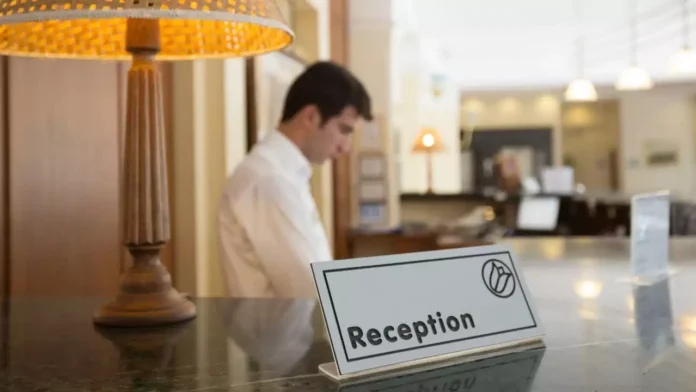
Hoteliers in the western region, under the banner of the Hotel And Restaurant Association (Western India) – HRAWI, have urged the government to de-link the GST applied to restaurants within hotel premises from that on rooms. They argue that this adjustment would reduce the current GST rate of 18 percent on food and beverage services to 5 percent, aligning it with the rate charged at standalone restaurants nationwide.

Expressing concerns regarding the current GST structure applicable to food and beverages served in hotel restaurants, the HRAWI conveyed in a letter addressed to Finance Minister Nirmala Sitharaman that the taxation system in these establishments is tied to room rates. Currently, the sole criterion for imposing a higher GST rate of 18 percent on hotels and their services is if the room rate exceeds INR 7500. The Association has underscored the significant drawbacks of this taxation model for the hospitality sector, stressing the urgent need for GST framework reform for restaurants within hotel premises. They have proposed that restaurants within hotels should be subject to uniform GST rates, akin to standalone restaurants, regardless of room charges.

Continue Exploring: Mixed sentiments in food industry as Interim Budget unveils plans for economic growth

“In today’s dining landscape, hotels often attract walk-in customers to their restaurants, but the prevailing system, where GST rates for restaurants within hotels are tied to room rates, creates unfairness, unpredictability and a substantial disadvantage. The sudden jump in GST from 5 per cent to 18 per cent when room rates exceed INR 7500, creates uncertainty for guests and places hotels at a disadvantage. This discrepancy unfairly impacts restaurants operating in hotels compared to standalone counterparts offering similar high-end experiences and cuisine. We have submitted a representation to the Government, underlining the importance of standardized GST rates for all food and beverage services, regardless of their operation within or outside hotels. Our focus is on promoting fair competition and ensuring the sustainability of the industry, with the goal of establishing equal opportunities for all categories of restaurants,” said Pradeep Shetty, president, HRAWI.

HRAWI has highlighted the negative effects on larger hotel chains, which encounter difficulties serving walk-in customers because of the difference in GST rates. Additionally, the Association noted that this inconsistency also impacts banquets, causing confusion and inconvenience for guests.

“This system places an undue burden on restaurants of hotel chains, hindering their ability to meet consumer expectations. We strongly emphasize the need for a competitive environment where hotels can compete on an equal footing with standalone restaurants. Uniformity in GST rates across all food and beverage services is crucial for fair competition and the sustainability of the hospitality industry,” said Shetty.

Continue Exploring: FHRAI seeks infrastructure status, simplified approvals, and GST reduction in pre-budget proposals for India’s hospitality sector

Advertisement

Govt extends 20% export duty on parboiled rice to curb price inflation

0
Basmati Rice
Basmati Rice (Representative Image)

To further stabilize prices of rice, atta, and dal, the government has decided to extend the 20% export duty on parboiled rice indefinitely. Additionally, it plans to sell approximately 30 lakh tonnes of rice and atta under the “Bharat” brand at subsidized rates over the next 4-5 months. Moreover, the government has notified its intention to maintain a zero import duty on yellow peas, provided that the bill of landing is issued by April 30.

On measures being taken to check the prices of essential items, Union food secretary Sanjeev Chopra said, “The sale of Bharat atta has brought down the retail prices. We are hoping to sell 15 lakh tonnes of Bharat atta and another 15 lakh tonnes of Bharat rice in the next 4-5 months. This is the initial phase, we can supply more if there is demand.”

Continue Exploring: Global rice markets on edge as India mulls extending parboiled rice tax

He mentioned that rice prices, currently up by 15% year-on-year, are anticipated to decrease with increased sales of ‘Bharat’ rice and the arrival of the rabi crop starting in March. To date, approximately 3.5 lakh tonnes of atta and 20,000 tonnes of rice under the Bharat brand have been sold.

The government is offering rice under the Bharat brand at a subsidized rate of INR 29 per kg and atta at INR 27.5 per kg through retail outlets, including those operated by farmers’ cooperative NAFED and NCCF.

Continue Exploring: Govt rolls out ‘Bharat’ rice at INR 29/kg to tackle rising food prices

The grains for retail purposes are being supplied to cooperative agencies by the state-run Food Corporation of India (FCI). Chopra mentioned that random samples of the rice and atta being sold are undergoing testing, and the quality of these cereals is excellent.

When asked if the government intends to permit additional diversion of sugar for ethanol production during the current 2023-24 supply year, the secretary stated that there is no such proposal. In December of last year, the government imposed a cap on sugar diversion at 17 lakh tonnes for the current supply year, spanning from November 2024 to October 2025. This decision permitted the use of both cane juice and B-heavy molasses under the overall cap for ethanol production.

Continue Exploring: Chana Dal goes affordable with the launch of government’s ‘Bharat Dal’ brand

Advertisement

McDonald’s removes ‘cheese’ from outlet menus in Maharashtra following FDA suspension

0
McDonald's
McDonald's (Representative Image)

Westlife Foodworld, the operator of McDonald’s establishments in western and southern India, has changed the names of eight items following the suspension of its Ahmednagar outlet’s license by the Maharashtra Food & Drug Administration (FDA). The FDA alleged that the fast-food chain had substituted real cheese with alternatives in its burgers and nuggets.

The outlet’s license was suspended in November, and a suspension order was subsequently issued, prompting the chain to remove the word “cheese” from various items on the menu.

Continue Exploring: McDonald’s faces regulatory heat: Maharashtra FDA revokes license amid cheese substitution allegations

The names of several menu items have been altered: Cheesy Nuggets are now Veg Nuggets, Mc Cheese Veg Burger is now Cheddar Delight Veg Burger, McCheese Non-Veg Burger has become Cheddar Delight Non-Veg Burger, Corn & Cheeseburger is now American Veg Burger, Grilled Chicken and Cheeseburger is now American Non-Veg Burger, Blueberry Cheesecake is now Blueberry cake, Cheese Italian Veg Burger is now Italian Veg Burger, and Cheese Italian Chicken Burger is now Italian Chicken Burger.

These modifications have been implemented within the past month across all of its stores in Maharashtra.

As per a Maharashtra FDA source, routine inspections are currently underway at other quick-service restaurant outlets, and a comprehensive report will be submitted to the authorities in due course.

In a stock exchange filing, Westlife Foodworld said, “Amid recent reports about the removal of ‘cheese’ from our menu at McDonald’s locations in Maharashtra, we want to assure our valued customers that only genuine, high-quality cheese is used in all our cheese-containing products.”

“We are actively engaging with the competent authorities on this issue and awaiting their final clarification. We have always been adhering to stringent food standards and are fully compliant with all applicable food laws. Our commitment to transparency in our ingredients and dedication to providing delicious, high-quality meals to our customers remain unwavering,” it said.

Saurabh Kalra, Managing Director of Westlife Foodworld, stated that the issue arose during the October-December quarter, and the Ahmednagar outlet is still in operation.

“We have changed the name of our products which have cheese a month ago and we are working with the authorities and with FSSAI (Food Safety and Standards Authority of India). From our standpoint, we are in the right, but to make sure the business is continuing we have changed the name of our products from the Maharashtra FDA standpoint,” Kalra said.

Westlife Development is awaiting confirmation from the FSSAI and will subsequently revert to the state FDA.

“We are a global player and source from the best suppliers,” Kalra said, rejecting claims that the company uses vegetable oil-based cheese.

The company has opted to label certain products as “Cheddar Delight” in accordance with the type of cheese used. Furthermore, it anticipates no additional issues at its other outlets, having already adjusted the names of cheese-containing food items to adhere to the updated regulations.

“We are abiding by all the rules and norms by the government,” Kalra added.

Continue Exploring: McDonald’s engages with authorities amid controversy over cheese substitutes

Advertisement

Mahindra Holidays explores resort expansion across multiple Indian states

Mahindra Holidays
Mahindra Holidays

Mahindra Holidays & Resorts has entered into an agreement with the Andhra Pradesh government to invest INR 500 crore in the state. Additionally, the top executive of the vacation timeshare company revealed ongoing discussions with authorities in Rajasthan, Gujarat, Tamil Nadu, and Jammu & Kashmir regarding potential investment opportunities.

“We are in active discussions with state governments to see if we can get land parcels or existing resorts. We could also take over and refurbish existing resorts,” stated Kavinder Singh, Managing Director and Chief Executive, in an interview. “If we have to go from 5,000 to 10,000 keys by 2030, our capex is going to be in the order of INR 4,000-5,000 crore. We are really strong on our cash position.”

In the past one year, the Mahindra Group company has signed memorandums of understanding (MoUs) with Tamil Nadu and Uttarakhand, committing investments worth INR 1,800 crore to build new resorts.

Continue Exploring: Mahindra Holidays & Resorts inks MoU with Tamil Nadu for INR 800 Crore investment in Greenfield Resorts

“This plan requires us to go all out. It could be acquisitions, greenfield opportunities, and even expansion of existing resorts like our resort Kandaghat (in Himachal Pradesh). We are also looking at larger resorts now in the range of 150-200 rooms,” Singh said.

In the past one year, the Mahindra Group company has signed memorandums of understanding (MoUs) with Tamil Nadu and Uttarakhand, committing investments worth INR 1,800 crore to build new resorts.

“This plan requires us to go all out. It could be acquisitions, greenfield opportunities, and even expansion of existing resorts like our resort Kandaghat (in Himachal Pradesh). We are also looking at larger resorts now in the range of 150-200 rooms,” Singh said.

Leisure branded accommodation is highly underserved in India, he said.

“Smaller places like Bali, Dubai and Phuket beat us hollow. So, we are very confident in our assessment that this is the time to invest, build properties and build a great future for the company,” he said.

“Our occupancies will close at an all-time high this quarter at around 87-88%. We have never seen this momentum in people wanting to holiday despite the fact that we are adding rooms. It’s a great situation to be in, as whatever we are building is getting absorbed,” he added.

The company is additionally exploring the expansion of its portfolio into nearby short-haul markets, driven by demand from India, and is assessing the feasibility of establishing its own properties in those regions.

“We are constantly looking for new opportunities in Thailand, Singapore and Vietnam,” said Singh.

In September last year, Mahindra Holidays & Resorts signed an MoU with the Uttarakhand government to invest INR 1,000 crore and build four to five resorts over the next few years. Then, in January this year, the company announced an MoU with Tamil Nadu, committing to invest INR 800 crore to build three new resorts over five to six years.

Continue Exploring: India’s hospitality industry toasts to 2024 with high hopes and record-breaking revenue growth

Advertisement

D2C fashion brand The Souled Store enters Kerala market, opens first store in Calicut

0
The Souled Store
The Souled Store

The Souled Store, a Mumbai-based direct-to-consumer apparel brand, has expanded its presence into Kerala with the inauguration of its first retail store in Calicut, as announced by an industry official on social media on Friday. The new store is situated at Gokulam Galleria Mall, Arayidathupalam, Kozhikode.

“Kerala’s first The Souled Store now open at Gokulam Galleria, Calicut,” said Noufal A Hamza, head of marketing department at Gokulam Galleria Mall in a LinkedIn post.

Founded in 2013, The Souled Store specializes in streetwear, providing a wide array of products including t-shirts, bottomwear, footwear, backpacks, fashion accessories, and mobile covers.

Continue Exploring: French apparel brand Kiabi partners with Myntra for Indian debut

The online-first brand has extended its reach, now boasting over 22 physical stores across metropolitan and tier II cities in India, including Mumbai, Pune, Ahmedabad, New Delhi, Bengaluru, Indore, Gurgaon, Surat, and Chennai. It also has a consumer base of over six million.

Recently, the retailer has partnered with fintech startup Simpl to enhance its e-commerce platform. This collaboration enables consumers to access a wide range of official merchandise on The Souled Store platforms through Simpl’s 1-Tap Checkout feature.

Continue Exploring: The Souled Store elevates customer experience through collaboration with Simpl for seamless 1-Tap checkout integration

Advertisement

FMCG giants roll out budget-friendly digital packs, targeting mass market

0
shopping

FMCG companies are now introducing digital or e-commerce-centric product packages at more affordable prices, aiming at the mass market with tailored offerings. This marks a shift from their earlier focus on premium or niche segments for such releases.

Executives from various companies recognize a significant shift towards prioritizing mass-market digital products, driven by the booming e-commerce sector, which has consistently shown rapid growth over several quarters. The aim is to boost sales volume and reduce the operational costs associated with online platforms.

Parle Products, known for its biscuits, is introducing its online packages priced between INR 70-90, down from the previous range of INR 120 and above, or by offering bundled smaller packs. Emami has recently entered the mainstream toothpaste market via digital platforms. Dabur is also adopting a more affordable pricing strategy for its direct-to-consumer (D2C) offerings in segments like baby care and food, contrasting with competitors focusing on premium products. Hindustan Unilever (HUL), India’s largest FMCG manufacturer, has also hinted at a similar transition.

Continue Exploring: FMCG demand in India faces continued decline, Kantar predicts further downturn

“This was bound to happen since volumes for digital first or digital products will only come when prices come down or there are new products targeting mass segment,” said Parle Products senior category head Mayank Shah. “The cost of servicing ecommerce orders will reduce when order ticket size improves. Companies are trying to grow the basket.”

Last month, Rohit Jawa, the managing director of HUL, informed analysts that the company is refining its strategy for online-only brands, currently concentrated in the premium beauty care sector. HUL aims to expand this model into food, other product categories, and also into the mass market segment.

“And that is what’s going to be also a very important outcome of our experience in the last three years, apart from the fact that we have now two beautiful brands, maybe a third one that would definitely go mass,” said Jawa.

According to industry executives, the expenses associated with fulfilling online orders are considerably higher compared to those of modern or general trade. Delivery costs typically range from INR 50-60 per order for two-wheeler deliveries, but can escalate to INR 160-180 per order for four-wheeler deliveries. These elevated costs render the operation financially unsustainable unless there is a significant total bill value achieved through a combination of premium, mid-segment, and mass products.

The contribution of e-commerce to total sales has seen a significant increase for most FMCG companies, now reaching 12-14%, inclusive of any D2C segment. With the addition of modern trade, this figure has surged past 20%, with companies such as ITC reaching as high as 31%. In its latest investor presentation, ITC emphasized the development of channel-specific assortments in response to the strong growth in alternative channels.

Certain companies have devised strategies to gradually introduce their digital-exclusive or digital-first products into mainstream channels like general trade to expand their reach. For example, Marico has initiated this process with its Beardo brand and intends to extend it to other products. Similarly, Emami plans to introduce its toothpaste to kiranas as part of this approach.

According to Mohit Malhotra, CEO of Dabur, the competition from high-end urban markets and Direct-to-Consumer (D2C) brands hasn’t affected Dabur significantly. This is because Dabur primarily operates within the mass market price range, whereas these competing brands typically have significantly higher price points.

“And because of which they can circumvent or make profits, despite freight costs being very high in D2C. The real battle will be fought with them when they become offline and every startup would want to go offline because that’s where the muscle is,” he said.

Continue Exploring: Consumer goods giants scale back B2B sales to ensure fair play for distributors

Advertisement

McDonald’s engages with authorities amid controversy over cheese substitutes

0
McDonald's
McDonald's

Fast food major McDonald’s franchise for west and south India on Friday said it is engaging with the “competent authorities” amid reports of Maharashtra Food and Drug Administration taking action against it for using cheese substitutes in its products.

Hardcastle Restaurant, a subsidiary of Westlife Foodworld Ltd, has the franchisee rights to own and operate McDonald’s restaurants in west and south markets in India.

“We are actively engaging with the competent authorities on this issue and awaiting their final clarification. We have always been adhering to stringent food standards and are fully compliant with all applicable food laws,” said a statement from McDonald’s India (West & South) shared on BSE by Westlife Foodworld.

According to media reports, the Maharashtra FDA has accused McDonald’s of deception using cheese substitutes in burgers and nuggets instead of real cheese and the licence of an outlet in Ahmednagar has been suspended.

Continue Exploring: McDonald’s faces regulatory heat: Maharashtra FDA revokes license amid cheese substitution allegations

The reports further said the action has resulted in McDonald’s removing the word cheese from their menu in several locations, with the Maharashtra FDA asking the fast food chain to remove the usage of word cheese from its menu across India.

“Amid recent reports about the removal of ‘Cheese’ from our menu at McDonald’s locations in Maharashtra, we want to assure our valued customers that only genuine, high-quality cheese is used in all our cheese-containing products,” the statement said.

It further said, “Collaborating with suppliers adhering to global standards ensures top-quality cheese in our product offerings and not cheese analogues or any substitute.”

McDonald’s India (West & South) said, “Our commitment to transparency in our ingredients and dedication to providing delicious, high-quality meals to our customers remain unwavering.”

Continue Exploring: McDonald’s India launches McSaver Meals, offering budget-friendly options

Advertisement

Pernod Ricard set to invest $200 Million in building its biggest Asian distillery in Maharashtra

0
Pernod Ricard
Pernod Ricard (Representative Image)

French distiller Pernod Ricard is planning to invest $200 million to construct its largest Asian distillery in Nagpur, Maharashtra, as part of a broader strategy to reduce dependence on malt and scotch imports for the Indian market.

According to the producer of Chivas Regal, Glenlivet, and Absolut spirit brands, the distillery will be capable of producing up to 13 million litres of Indian malt annually. The investment will be distributed over the next decade.

“This investment is the opportunity for us to produce our own malt and not be dependent on any external sourcing for the Indian malt. It is part of our long-term plan and we always look at the development of our business; how much we can procure from our sister company Chivas Brothers, and what is the perception of the local Indian malt thatsome of our competitors have started to do the job of producing quality malt in India,” said Jean Touboul, managing director at Pernod Ricard India.

“It doesn’t mean that we are going to stop importing and we will continue to import Scotch whisky but given the strength of our business, the development of our business, this will be an additional part of our business,” he added.

Continue Exploring: Irish Distillers chairman eyes India as next big market, anticipates second-highest global standing

The company has entered into a Memorandum of Understanding (MoU) with the Maharashtra government for the construction of the distillery. Additionally, it aims to source up to 50,000 tonnes of barley annually from farmers throughout India and collaborate with the state government to enhance barley cultivation, thereby augmenting farmers’ income, as per the company’s statement.

Pernod Ricard presently runs a single distillery in India, located in Nashik, Maharashtra, alongside 24 bottling facilities across the nation. The company noted that it typically invests around 35 million euros annually in India.

Despite having minimal representation in the mass market segment, the company maintains a significant foothold in the Indian market, commanding approximately one-fourth of the total whisky market share. Its substantial portion of business stems from premium and semi-premium brands, notably Blenders Pride, Royal Stag, and Imperial Blue.

Pernod Ricard also owns India’s highest-selling scotch brand, 100 Pipers, with annual sales of 1.5 million cases. Last year, the company launched an Indian single malt, Longitude 77, joining the league of companies such as Diageo and Radico Khaitan that have debuted high-end local brands such as Epitome Reserve and Rampur.

Continue Exploring: Pernod Ricard reports 4% sales growth in Indian market during first half of FY24

“For our Indian single malt, it is just a fraction of that as we have just launched the product a few months ago. But it’s not only for this brand, it’s for our entire business. It’s also to capture for a possible export. Our Indian whisky is already exported to more than 50 markets. With this additional supply, we will be able to expand the number of countries we export to. So, we are catering for our long-term needs,” Touboul said.

Pernod Ricard considers India one of its top three “must-win” countries globally, alongside the US and China. Presently, India contributes over 10% of the company’s global revenue, totaling 12.1 billion euros, and nearly a third of its global volume. In terms of profit, India ranks as the third-largest market, being the largest in terms of volume. In the fiscal year that ended in March 2023, the company witnessed a 10% increase in its revenue in India, reaching INR 25,142 crore, although net profit declined by 8% to INR 1,343 crore due to higher taxes and promotional expenses.

Continue Exploring: Pernod Ricard expands its no-alcohol offering with Beefeater 0.0%

Advertisement