Blinkit, the quick commerce marketplace, has launched the Blinkit Franchise App aimed at assisting its franchise owners across the country, as announced by a company official on social media on Monday.
Blinkit anticipates that this initiative will foster better communication between franchise owners and their customers, enabling them to efficiently streamline business operations.
“Nothing beats the satisfaction of helping franchise owners grow their businesses and serve their community! I’m thrilled to share a brand new app we’ve built for this very purpose,” said Albinder Dhindsa, founder of Blinkit in a LinkedIn post.
“The app is a first-of-its-kind in the quick commerce space—it improves the way our franchise owners connect with their customers while enabling them to build their business more efficiently,” he added.
At present, hundreds of Blinkit franchise stores are operational across 27 cities in India, managed and operated by emerging local entrepreneurs.
The app offers real-time, weekly, and monthly insights into crucial business metrics and customer concerns, along with visibility into store team attendance and performance. Moreover, it provides a transparent system to guarantee accurate and timely payouts.
The app can be downloaded from both the Google Play Store and the Apple App Store.
Blinkit, based in Gurgaon and previously known as Grofers India, was founded in 2013. In 2022, Zomato acquired the company in an all-stock deal worth INR 4,447 crore.
Do you have Lay’s? Well, this apparently simple question could lead to surprising rewards, at unexpected moments, and sometimes from unexpected sources. Lay’s, the world’s top chip brand and official snack partner of the UEFA Champions League (UCL), has launched No Lay’s, No Game 2024, rewarding fans who are ready for game day with Lay’s throughout the tournament. Through an ambitious “Chip Cam” stunt featuring football superstars David Beckham and Thierry Henry, as well as an immersive digital experience with the Lay’s Detector, Lay’s is bringing joy to football fans worldwide who watch the beautiful game with Lay’s in hand.
“We’ve heard from football fans from all over the world and they tell us the same thing: whether watching with a group of friends or at home solo, the experience is always better when sharing a bag of Lay’s,” said Ciara Dilley, vice president of marketing, Global Foods Group at PepsiCo.
“This year, No Lay’s, No Game is giving fans even more reasons to have Lay’s in hand. For those who do, something truly remarkable might happen. And those who don’t? They may be left missing out,” she added.
This year, Lay’s embraced an adventurous approach for its campaign, enlisting Beckham and Henry to pose the question, “Do you have Lay’s?” to a crowd of 75,000 cheering fans at San Siro during one of the most anticipated matches of the UEFA Champions League season between AC Milan and PSG. Just before kick-off, Beckham discovered, and couldn’t believe, that Henry had eaten all of his Lay’s chips. To resolve it in just five minutes, the two put out a call through the Lay’s “Chip Cam” – an unexpected spin on the traditional kiss cam.
In a thrilling yet amusing quest to locate Lay’s, the Chip Cam sweeps through the crowd. Beckham and Henry observe as spectators offer various items on the jumbotron – from pizzas to empty Lay’s bags, even a couple engaged in a kiss – all eager to catch attention. Finally, much to Beckham and Henry’s delight, two fortunate fans, a father and daughter, are spotted with Lay’s and are invited to enjoy the game alongside the iconic football stars. This demonstrates that having Lay’s can unlock an extraordinary football viewing experience. This epic pursuit to discover fans with Lay’s, leading to an unparalleled viewing opportunity for the fortunate winners, serves as the highlight of this year’s No Lay’s, No Game commercial and will be broadcast throughout the UCL tournament season.
“We had a great day filming at the San Siro stadium for No Lay’s, No Game. Whenever Thierry and I get together it’s always a lot of fun – and it was fantastic being able to surprise 75,000 fans,” said Beckham.
“Last year, I teamed up with Lay’s to surprise some of football’s biggest fans by literally going to their doors to see if they had Lay’s – and if they did, I stayed and watched the match with them,” said Henry. “This year, we really upped the ante with the Lay’s Chip Cam, and it was truly an exhilarating experience being back in the stadium with David. We spent a lot of our careers playing against each other on the pitch, so there’s something special about coming together with Lay’s in a whole new way to offer a once in a lifetime experience for fans.”
The collaboration for the campaign involved Slap Global and was directed by the award-winning commercial and television director, Andrew Lane.
While not everyone can attend the San Siro, Lay’s is bringing No Lay’s No Game to your home. In collaboration with Meta and Simone, Lay’s has introduced the Lay’s Detector, a distinctive digital experience offering football fans in select countries around the globe the opportunity to win exciting prizes throughout the UCL tournament. How does it work? Fans need to demonstrate they have Lay’s with them while watching a match. To utilize the Lay’s Detector, simply scan the QR code found on Lay’s social channels or the No Lay’s, No Game commercial to activate the effect. Subsequently, fans will be prompted to confirm their Lay’s possession – and if confirmed, they’ll be eligible to win exclusive prizes, content, and even tickets to the UCL Men’s Finals at Wembley Stadium in London. And if they don’t have Lay’s handy? Not to worry, fans will still have additional opportunities to showcase their Lay’s bag for a chance to win epic prizes throughout the remainder of the season.
With the exponential surge of food delivery apps like Zomato and Swiggy, quick service restaurant operators are grappling with significant challenges, as outlined in a report by French brokerage BNP Paribas. The report emphasizes that both revenue and margins are under severe strain, with the journey to recovery proving longer than initially estimated. It points out that the increasing popularity of food aggregators has adversely impacted dine-in sales for quick service restaurants (QSRs) and has also fragmented delivery sales.
Additionally, as more restaurants collaborate with food delivery platforms, consumers now enjoy a broader array of options, resulting in fragmented sales. This factor is likely contributing to the decline in average daily sales within the quick service restaurant (QSR) industry, alongside the overall weakness in demand due to heightened inflation, as emphasized in the report.
Pizza, the most delivery-friendly option, is facing intense competition as more cuisine options have become available to consumers.
“While inflation may also be hurting demand, there are other factors at play, and we think the road to recovery could be longer than what the market estimates,” the report said.
The report noted that Zomato and Swiggy have experienced over a threefold increase in restaurant onboarding, soaring from 278,000 in FY2020-21 to surpassing 700,000 in FY2022-23.
Zomato’s average monthly active restaurant partners jumped from 61,000 in FY19 to 2,54,000 as of third quarter FY24, while Swiggy had 2,72,000 active restaurants as of FY23, French brokerage BNP Paribas said in a report.
The report highlighted that the overall scale of food delivery companies has undergone substantial growth, enhancing customer reach, particularly benefiting smaller restaurants. It further noted that the increasing popularity of food aggregators has adversely affected dine-in sales and led to the fragmentation of delivery sales.
In light of this context, concerning Quick Service Restaurants (QSRs), the report stated that contrary to expectations of a potential recovery in the third quarter of the current fiscal year, the top-line growth was notably weaker than anticipated by consensus.
In the third quarter of the current fiscal year, industry revenue growth declined to 7 percent year-on-year, down from 20 percent in the third quarter of FY23. This drop occurred despite a 15 percent increase in store count year-on-year; however, average daily sales decreased. Although gross margins expanded due to lower raw material prices, operating margins decreased for most Quick Service Restaurant (QSR) firms due to increased employee and store-related costs, according to the report.
Encouraged by growing demand from high-net-worth individuals, luxury hotel chains in India are expanding their portfolio of branded residences to cater to a wealthy clientele seeking premium living experiences.
Marriott International, the world’s largest operator of hotels and branded residences, and a pioneer in managing standalone branded residences, has recently signed its first agreement for JW Marriott-branded residences in India, starting in Hyderabad, and is currently in negotiations for additional locations. Likewise, Hilton is actively exploring opportunities to expand the reach of its luxury brands such as Waldorf Astoria and Conrad into major cities to introduce branded residences.
In May 2022, India’s EIH partnered with B I Luxury for its inaugural project, Trident Residencies. According to Shashank Bhagat, chairman of BI Group, the apartments and penthouses will be ready for possession by October this year. These standalone properties, featuring five-star amenities and priced between INR 18 crore and INR 45 crore, do not share premises with hotels. Among the notable owners are Sunil Kant Munjal, chairman of Hero Enterprise, and the Pai family of the Manipal Group.
Hotel operators and investment advisory firms report that India’s affluent are increasingly drawn to branded residences due to their access to world-class amenities and personalized services synonymous with luxury hotels. They note that while this concept is firmly established in developed hospitality markets such as the US, Middle East, and Europe, it is now gaining momentum in India.
“Developers are gearing up to seize the immense potential, forging lucrative partnerships. We’re actively conducting feasibility studies and brand affiliation assignments for projects in Solan, Chikmagalur, Goa, Dharamshala, and Udaipur,” said Nandivardhan Jain, CEO of Noesis Capital, a hotel consulting and advisory firm.
Penny Trinh, senior director, mixed-use development, APEC, Marriott International, said, “The increasing number of UHNWIs/HWNIs in India, along with a growing demand among domestic consumers for a lifestyle that mirrors our brands’ design, services, and amenities that consumers have come to love during their travels, offers exciting growth opportunities for branded residences.”
Trinh noted that prime urban areas such as the NCR region, Mumbai, Bengaluru, Hyderabad, and Chennai, along with resort destinations like Goa, Himachal Pradesh, and Udaipur, are perfect settings for branded residences. Suma Venkatesh, Executive Vice President of Real Estate and Development at The Indian Hotels Company, which operates the Taj brand of hotels, concurred with this assessment.
“There is potential for Taj branded residences along with a hotel development in every metro city,” she said.
In April 2022, IHCL made its debut in the branded residences sector by signing another Taj hotel in Chennai. The forthcoming development, operating under a management contract, will incorporate branded residences within the hotel complex. This greenfield project will consist of a luxury hotel offering 235 rooms alongside 123 Taj branded residences. Construction is currently in progress, she confirmed.
“We are seeing a healthy demand for this segment fuelled by the boom in the real estate market and growth in wealth accumulated by HNIs. The growing economy and evolving consumer preferences are also some contributing factors to grow the appetite for luxury living experiences; one can only expect more innovation and diversification in this space,” said Zubin Saxena, senior vice-president and country head, India, Hilton.
On average, branded residences typically command a 30% price premium over non-branded residences in various markets. Homebuyers are inclined to invest in reputable brands that provide assurance of quality, she highlighted. Early entrants into the segment in Mumbai include Ritz Carlton, Leela Hotels, and Four Seasons, who have already established branded residences.
Bhagat of BI mentioned that their “company is currently in the stages of acquiring land for an additional project under the Oberoi brand in Bengaluru.” He emphasized that the primary challenge for such projects, particularly in metropolitan areas like Delhi, is land acquisition. Requests for comments sent via email and text message to a spokesperson for EIH went unanswered as of press time.
The Drugs Controller General of India (DCGI) has asked importers of cosmetics to provide information on consignments coming into the country, as it aims to prevent the sale of unregulated and fake products, according to people aware of the development. The regulator has sought information on the number of consignments, their bills, the quantity imported, and cost of imported cosmetics, among other details.
The importers have acknowledged receipt of the DCGI’s notice. Previously, the DCGI had issued show-cause notices to ecommerce portals regarding the sale and distribution of counterfeit, adulterated cosmetics, as well as cosmetics produced without a valid license, violating the Drugs and Cosmetics Act, 1940.
“The Cosmetics Rules, 2020 have been notified on 15.12.2020 by the government of lndia under the Drugs and Cosmetics Act, 1940 (23 of 1940),” it said in the notice dated February 23.
“This office has granted import registration number (lRN) under Form Cos-4A for cosmetics, which are already registered under Rule 13 for import and sale into lndia.”
In the notice, the regulator stated that in accordance with the conditions outlined in IRN under Form Cos 4A, importers are obligated to furnish an annual statement detailing the cosmetics imported to the Central Licensing Authority.
However, it further stated that the office has not been receiving the annual details of cosmetics imported by importers.
The DCGI has thus asked for details like the annual statement of details of cosmetics imported in India from the date of grant of IRN under Cos-4A to their office including details such as number of consignments, bill of entries of each consignment, imported quantity in each consignment, total cost of imported cosmetics in each consignment, warehouse details where those are stored for further distribution and sale among other details.
Earlier, raids were carried out which revealed the extent of illegal cosmetics in the market.
The confiscated items comprised creams containing mesenchymal stem cells, oral glutathione supplements, placenta and glutathione injections, hyaluronic acid injections, botulinum toxin injections, hair serums, peels containing assorted ingredients, collagen pyruvate, biotin hydroxin, pure caffeine, anti-hair loss solutions, skin peel exfoliators, and more.
Flipkart, the e-commerce marketplace, announced the opening of its fourth grocery fulfillment center in Malda, West Bengal, as stated in a press release issued on Monday.
According to the release, the center will create over 700 direct and indirect job opportunities within the local community, and also serve as a gateway for thousands of local sellers, MSMEs, and small-scale farmers to access the nationwide market.
Covering an area of 1.13 lakh square feet, the fulfillment center is expected to handle over 7,000 orders daily.
“Our commitment to next-day delivery ensures that local consumers have access to fresh groceries delivered to their doorsteps, bringing the benefits and convenience of e-commerce into their lives,” said Rajneeesh Kumar, chief corporate affairs officer at Flipkart Group.
“With the launch of the fourth grocery fulfillment center in the state, we will be able to offer unparalleled customer service combined with superior value delivered at the customer’s convenience while giving a push to the upliftment of livelihoods of numerous regional businesses and sellers,” commented Hari Kumar G, vice president, head of grocery, Flipkart.
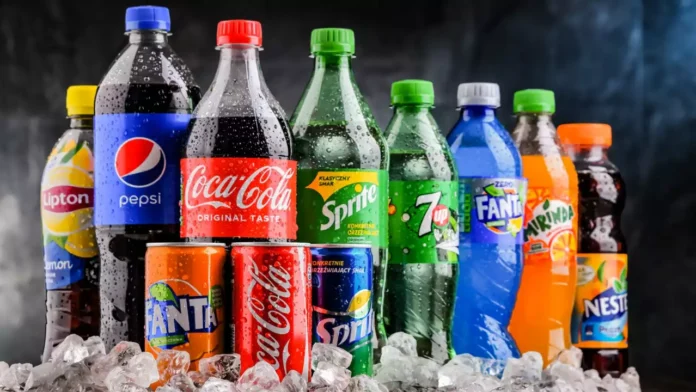
James Quincey, the global chairman and CEO of The Coca-Cola Co, is set to lead a 220-member company leadership team on a visit to India this week, according to executives familiar with the plans. This underscores New Delhi’s increasing importance for the Atlanta-headquartered beverage giant as it seeks to boost sales in mature markets like the US and Europe.
India, boasting the world’s largest population and a youthful demographic, stands as one of the top five priority markets for volume growth for the manufacturer of Coca-Cola, Sprite aerated beverages, Minute Maid juices, and Kinley bottled water.
“The executives are keen on meeting the government brass,” said one of the executives cited above. “They will also be engaging with bottling partners that now operate close to half of Coca-Cola’s bottling business in India – and are crucial since they will infuse capital into the business.”
The teams are scheduled to meet in Goa. Alongside Quincey, the company’s president and CFO, John Murphy, and the global chief marketing officer, Manuel Manolo Arroyo, are leading the teams of Coca-Cola officials.
“India is gaining prominence in global system due to strong earnings over the last two years. There are significant investments into building capacity, and the focus is now on ensuring growth is balanced with profitability,” said one of the executives cited above.
India is considered a core growth target due to the low penetration of packaged soft drinks in the country. However, beverage makers remain concerned about the taxation of aerated drinks. Despite being priced at INR 10 and above, soft drinks are classified in the same tax bracket as alcohol. Under the GST regime, carbonated drinks attract a peak GST rate of 28%, along with an additional 12% compensation cess.
In an earnings management commentary following the December quarter, Quincey stated that Coca-Cola’s business in India experienced “strong growth throughout 2023” despite climate disturbances.
“A significant portion of our expected capital investment increase is to build capacity for our India business and Fairlife (Coca-Cola’s dairy business),” Murphy said during the fourth-quarter and full-year earnings call last fortnight.
In December 2023, Coca-Cola’s regional bottling partner, Hindustan Coca-Cola Beverages (HCCB), unveiled plans to invest INR 3,000 crore in Gujarat for the production of juices and aerated beverages.
In its full-year earnings presentation, The Coca-Cola Co highlighted India and Brazil as leading growth markets in developing and emerging economies throughout 2023. The company noted an augmented value share in the Asia-Pacific region, primarily driven by India, the Philippines, South Korea, and Japan. However, specific market share gains were not disclosed.
Throughout the full year, developed markets saw a 1% growth, with decreases observed in the US and Chile. Conversely, developing and emerging markets experienced a 2% expansion, fueled by the growth witnessed in India and Brazil, as stated by the beverage company.
According to financial data obtained from the business intelligence platform Tofler, Coca-Cola India’s consolidated profit surged by 57% to INR 722 crore in FY23, while revenue from operations rose by 45% to INR 4,521 crore.
An economic policy think-tank, ICRIER, projected that India’s non-alcoholic beverage market would grow to INR 1.47 lakh crore by 2030, a substantial increase from INR 67,100 crore in 2019. The report highlighted carbonated soft drinks and bottled water as the primary contributors to the non-alcoholic beverages sector. Additionally, it emphasized the expanding market for juices, energy drinks, tea, milk, and coffee-based beverages, indicating significant potential to boost consumption of packaged drinks.
Karthik Jayaraman and Sanjay Dasari, Co-Founders, WayCool Foods
Chennai-based WayCool Foods has reportedly let go of at least 70 employees over the past month, marking the second round of layoffs at the agritech startup within a year, according to sources.
According to sources, the recent round of layoffs affected employees across various departments, including sales, research, marketing, and technology.
They added that the startup, which includes subsidiaries like WayCool Censa and WayCool BrandNext, also closed down its warehouses over the last month.
The sources attributed the restructuring exercise to the startup’s inability to secure new funding rounds over the past two years.
In response to inquiries regarding the matter, a spokesperson from WayCool confirmed the layoffs but refrained from disclosing the number of employees affected by the restructuring.
“Over the past one year, WayCool foods has focused its investment behind its own brands, to capture the benefit of its efficient supply chain to the fullest. Our brands have achieved a significant scale. This enables us to build a direct, warehouse free supply chain from source to market. Hence, we have rationalised the warehouse footprint, resulting in some redundancies,” the spokesperson said in a statement.
The spokesperson asserted that this transition has enabled the startup to decrease its EBITDA loss by more than 80%, positioning it to potentially achieve EBITDA profitability in Q1 FY25.
“Indeed, several of our business units are already EBITDA positive for several months . We are, as we speak, wrapping up another round of funding and will continue to raise capital as required by the business,” the statement added.
Last year, WayCool launched its FMCG entity BrandsNext, featuring brands like Madhuram, KITCHENji, DeziFresh, and Freshey’s.
It’s noteworthy that WayCool implemented a restructuring exercise in July of last year, resulting in the layoff of approximately 300 employees as part of its effort to achieve profitability. While some employees chose to resign, others were requested to tender their resignations.
Last year, reports surfaced indicating that the agritech startup was negotiating to raise approximately $50 million to $70 million, valuing the company at around $900 million. However, it was unable to finalize this funding round due to the prevailing funding challenges. Consequently, WayCool had to reduce its expenses to prolong its operational runway.
WayCool has yet to submit its financial statements for FY23 to the Ministry of Corporate Affairs (MCA). According to reports, the company has reportedly slashed its expenses by 60% since October 2022 and aimed to conclude FY23 with a revenue of INR 1,700 crore.
In FY22, the startup experienced a staggering 142% year-on-year (YoY) increase in its net loss, reaching INR 360.5 crore. Meanwhile, operating revenue surged 2.4 times to INR 926.9 crore from INR 382.3 crore in FY21.
To date, WayCool has secured approximately $300 million in total funding, with support from investors including Lightrock, Lightbox, Lightsmith, 57 Stars, and FMO.
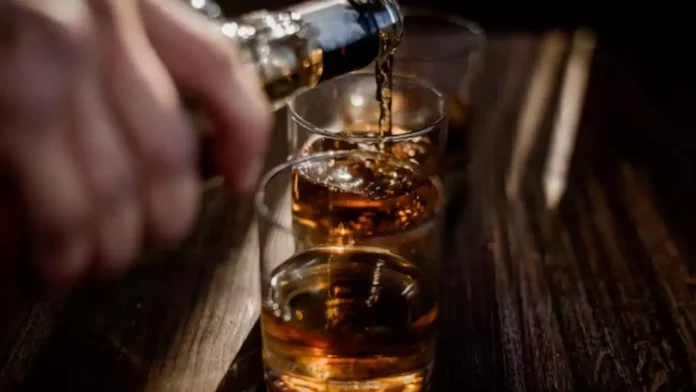
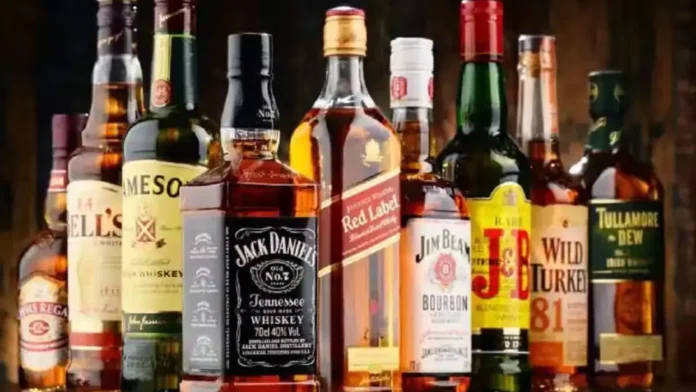
In 2016, Kerala had one of the lowest counts of bar hotels. However, currently, the state boasts 801 operational bar hotels, marking an astounding growth rate of 2,662% over the past eight years.
Following the liberalization of the excise policy by the LDF government, the number of bar hotels in the state has surged to 801 from just 29 in 2016. Under the leadership of Pinarayi Vijayan during the second LDF government, a total of 97 new licenses have been issued thus far. Notably, the districts of Thiruvananthapuram, Ernakulam, and Thrissur collectively account for 53% of these bar hotels.
Under the previous LDF government led by Vijayan, 200 new bar licenses were issued, bringing the total number of bar hotels to 671 by the end of the first LDF government’s tenure, including the renewal of expired licenses.
The current count has climbed to 801, with over a dozen in various stages of processing.
“Govt is following transparent rules for granting licences without discrimination. If an applicant me- ets all conditions as per law, the licence will be issued,” said local self-govt and excise minister M B Rajesh.
Although Thiruvananthapuram and Ernakulam have seen numerous applicants, districts like Wayanad and Idukki, renowned for tourism, have relatively few takers for bar hotels. Notably, no fresh licenses were issued in Kasaragod and Pathanamthitta. Additionally, over the past two-and-a-half years, the number of newly established bar hotels has been minimal in districts such as Idukki (2), Malappuram (2), Kannur (4), Wayanad (5), and Kozhikode (5).
The low uptake in Wayanad and Idukki is attributed to reduced business activity on weekdays. “For survival of bar hotels, a steady and regular business is required. They will not survive with just weekend business, which is the trend in resorts in Idukki or Wayanad,” said general secretary of Federation of Kerala Hotels’ Association K B Padmadas.
According to the association’s evaluation, the average daily sales in a bar hotel in the state range from INR 1 to 1.5 lakh. However, for bar hotels to become profitable, they require a minimum daily sales of INR 2 lakh. The government has been steadily increasing license fees and liquor prices.
Moreover, stiff competition from Bevco outlets is compelling the bars to adhere to a restricted pricing structure.
“The business has become unaffordable for bar hotel owners. Most owners have availed huge loans to set up the hotels. Also, every five years, the star classification has to be conducted. According to our estimation, some of these may shut down because of a non-profitable business in the coming years,” said Padmadas.
Despite its 272 outlets, Bevco has recently managed to draw in a larger customer base.
“Bevco has focussed on improving services offered to customers. The supermarket system where customers need not wait in long queues, automated billing, online payment facilities, etc, have made Bevco a place where any citizen, irrespective of male or female, can visit without hassles,” said Yogesh Gupta, chairman and managing director of Bevco.
Sharing an insightful narrative on the evolution of India’s food services industry, Riyaaz Amlani, Founder and MD of Impresario Entertainment and Hospitality, emphasized the indispensable role of technology in shaping the industry’s future.
“Restaurateurs have been traditionally very slow to adopt technology as it is a person-to-person business. But it’s becoming inevitable. Every company needs a CTO now more than ever,” said Amlani in a candid conversation at the Great India Retail Summit 2024, held in Mumbai earlier this month.
He further expressed his opinion that companies failing to adopt technology, both to streamline processes and as a means of storytelling, will quickly become disconnected from their audience.
Acknowledging the influence of India’s tech ecosystem, especially the swift integration of digital payment solutions such as UPI, he highlighted that food enterprises now facilitate approximately 40 percent of transactions through UPI, surpassing cards and cash. This marks a significant shift from seven years ago when cash transactions dominated, comprising nearly 70 percent of the total.
“The aggregators have become very dominant in the market. The India tech stack has been incredible. 40% of transactions today come from UPI.”
Furthermore, he emphasized the transition towards QR code menus and digital storytelling, acknowledging the contemporary consumer’s demand for readily accessible information.
Established in 2001, Impresario stands as the parent organization of well-known eateries and cafes like Social, Smoke House Deli, Mocha, and Slink & Bardot.
We use cookies to ensure that we give you the best experience on our website. If you continue to use this site we will assume that you are happy with it.