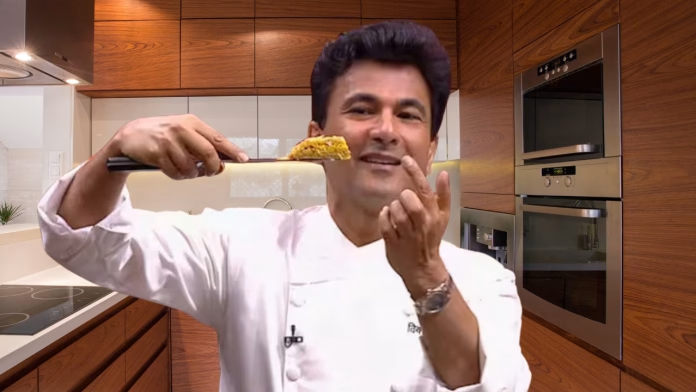
Celebrity chef Vikas Khanna has once again reminded people why he is adored far beyond the kitchen. On November twenty nine, his official Instagram page shared a video of him stepping out of his restaurant, Bungalow, to personally greet guests who had lined up outside for a table. The clip instantly caught attention, not only for the gesture but also for the warmth with which he did it.
In the video, Vikas walks out holding a tray full of mint chai, joined by his mother and his team. The group begins serving the hot drink to visitors waiting in the long queue. He also mentioned that the restaurant would be offering small gifts as a token of appreciation for their patience. It was a long weekend, and the chef explained that they were expecting unusually heavy foot traffic.
Fans flooded the comments with love. One wrote, “The man who melts my heart. Love the humanitarian in you.” Another said, “We all should learn something from this man.” Someone else added, “Truly adorbs. That hot drink by the Chef is much needed while waiting in this cold for his amazing food.” A user simply remarked, “You’re doing a great job, sir.”
Many also praised his mother, who could be seen welcoming guests with the same kindness that Vikas is known for. A comment read, “Chef, your warmth reflects in every dish you create… truly magical.”
The gesture may have been small, but it revealed the spirit behind Bungalow. For Vikas Khanna, hospitality does not stop at the plate. It begins the moment a guest arrives, even if they are still standing in a queue outside.
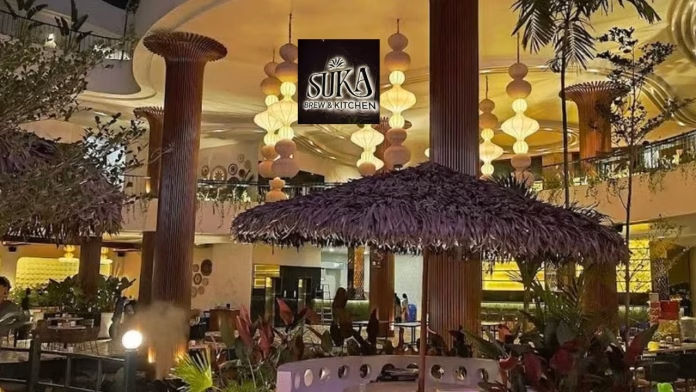
Bengaluru’s love for breweries has a new addition and this one arrives with plenty of visual drama. Suka Brew, a sprawling forest themed space, is now open and already drawing curiosity from people across the city. Spread across a vast layout with more than two thousand seats, the brewery looks more like a tropical retreat than a regular dining spot.
Lush plants, soft lighting, earthy textures, and open spaces set the tone the moment you walk in. The idea behind Suka Brew is to give guests a sense of being outdoors while still enjoying the comfort of a well designed kitchen and bar. The decor leans heavily on natural elements, with bamboo tones, greenery lined pathways, and breezy seating corners that feel made for long conversations.
The founders say they wanted to create a space that feels alive, something that stands out even in a city known for its vibrant brewery culture. Bengaluru now has more than eighty microbreweries, and competition in the segment has grown sharply in the last few years. Large format breweries have become a magnet for groups and office gatherings, and Suka Brew aims to position itself in that growing category.
The food menu blends familiar comfort choices with a few experiments that match the forest theme. Drinks have been planned as a mix of house brews and signature cocktails. With its scale, design, and location, Suka Brew is expected to become a weekend favourite once word spreads.
For now, the space seems to be attracting people who simply want a new setting to unwind in. If the early buzz is anything to go by, Suka Brew might quickly become one of the most photographed spots in Bengaluru’s dining scene.
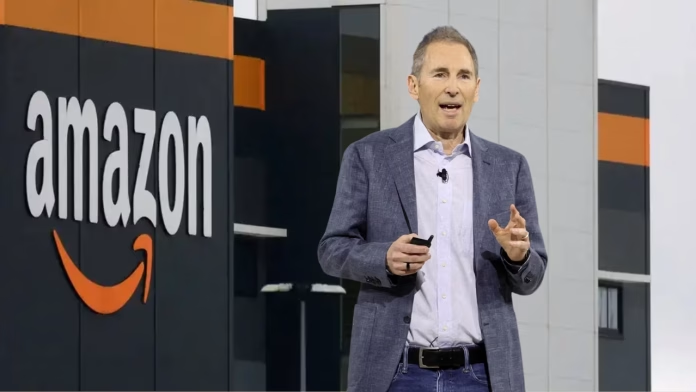
More than a thousand Amazon employees have issued a public warning to CEO Andy Jassy, urging the company to reassess the pace and direction of its artificial intelligence expansion. In an open letter circulated internally and later shared with the media, workers expressed concern that Amazon’s growing investment in AI infrastructure is placing new strain on the environment and heightening pressure on its workforce.
The campaign began earlier this year when four members of the Amazon Employees for Climate Justice collective started gathering signatures. Their push quickly spread through the company’s global offices, drawing support from senior engineers, product leaders, marketing teams and warehouse staff. The group says it has also received backing from more than two thousand external supporters, including employees at Google, Apple and other technology firms.
The letter argues that Amazon’s pursuit of AI leadership has come at the cost of its climate pledges. The company has committed to reaching net-zero emissions by 2040 and has highlighted investments such as electric delivery fleets and reduced plastic use. Workers say these moves are now overshadowed by Amazon’s plan to spend nearly 150 billion dollars on new data centres designed to support AI systems. Many of these facilities, they warn, are likely to be located in regions facing water scarcity or heavy dependency on fossil-fuel power, which could keep older coal and gas plants running longer.
They also criticised Amazon Web Services for continuing to support oil and gas exploration through specialised cloud tools.
Beyond environmental concerns, the letter outlines growing internal pressures linked to AI development. Employees reported tighter deadlines, increased workloads and demands to build tools that they believe lack clear purpose. Career progression, they say, is being deprioritised while the company concentrates resources on AI.
The workers put forward three demands: ensure AI systems are powered by clean energy, include employee representation in decision-making and prevent the use of AI for surveillance, violence or mass deportation.
In response, an Amazon spokesperson reiterated the company’s commitment to its 2040 climate target, adding that progress may fluctuate but the long-term goals remain unchanged.
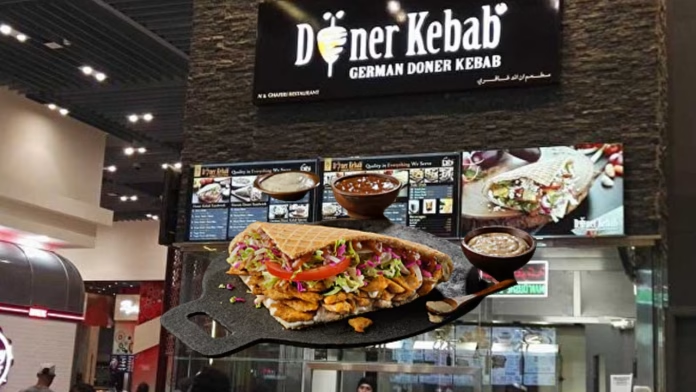
UK-based fast-food chain German Doner Kebab is gearing up for its Indian debut, aiming to capitalize on the country’s growing appetite for quick-service dining. The brand, which has built a presence across the UK, Europe, North America, and the Middle East with over 170 outlets, plans to open its first store in India early next year as part of a global expansion strategy targeting £1 billion ($1.32 billion) in sales within five years.
CEO Simon Wallis emphasized India’s strategic significance, citing the country’s expanding middle class, rising disposable incomes, and a growing preference for protein-rich diets as key drivers for entry. “India represents a dynamic market for GDK, and the timing is ideal,” Wallis told Reuters. “We see significant opportunity to introduce our menu to consumers who are increasingly seeking global flavours and fast-casual dining experiences.”
The company, backed by private equity firm True, has outlined plans to nearly quintuple its global footprint, scaling to around 900 stores worldwide. GDK’s expansion into India is aligned with a broader trend of international quick-service brands targeting urban centres and tier-1 cities, where demand for convenient, high-protein meals is growing rapidly.
Industry analysts note that India’s fast-food segment is estimated to reach $50 billion by 2030, driven by younger demographics, rising urbanisation, and the proliferation of delivery platforms. For GDK, this offers an opportunity not only to establish its brand but also to leverage digital ordering and delivery channels, a model that has contributed significantly to its success in other international markets.
The Indian launch will serve as a testing ground for menu localisation, pricing strategies, and delivery integration, allowing GDK to refine its operations before expanding to multiple cities. With global ambitions and India as a critical growth market, the brand’s entry reflects the increasing attractiveness of the country for international quick-service chains looking to scale rapidly.
GDK’s India rollout is expected to mark the start of a multi-city expansion, reinforcing the country’s role in the brand’s global growth roadmap.
Reliance Consumer Products Ltd., a key arm of India’s retail and FMCG giant, has officially stepped into the country’s booming pet-care sector with the launch of its new brand, Waggies. The company is targeting the fast-growing market for pet nutrition, which has seen a surge in demand driven by rising pet ownership and increasing consumer preference for premium-quality offerings.
Waggies is positioned as a value-driven yet high-quality option, with its standard range priced at Rs 199 per kilogram and a premium “Waggies Pro” line starting at Rs 249 per kilogram. For first-time pet owners, the brand offers 100-gram trial packs for Rs 20, making it accessible for sampling. According to RCPL, the brand will provide “science-backed, global-quality” nutrition, aiming to compete with established players such as Nestlé India, Mars Petcare, and Godrej Consumer Products. The company plans to price Waggies 20–50 percent lower than comparable offerings, aiming to capture price-sensitive segments without compromising quality.
Distribution will prioritize general-trade outlets and semi-urban locations, particularly focusing on Tier-2 cities and beyond, reflecting the brand’s strategy to tap into markets outside traditional urban hubs. RCPL’s entry comes at a critical juncture: India’s pet-care market is currently estimated at approximately US$ 3.5 billion and is projected to nearly double to around US$ 7 billion by 2028. Analysts attribute this growth to increasing pet adoption, rising disposable incomes, and heightened awareness of pet health and nutrition.
With Waggies, RCPL seeks not only to gain a foothold in India’s pet-care ecosystem but also to leverage its nationwide distribution network and brand recognition to scale quickly. The launch signals intensified competition in a market that combines premiumization trends with strong potential in semi-urban and regional markets, offering a substantial growth runway for new entrants.
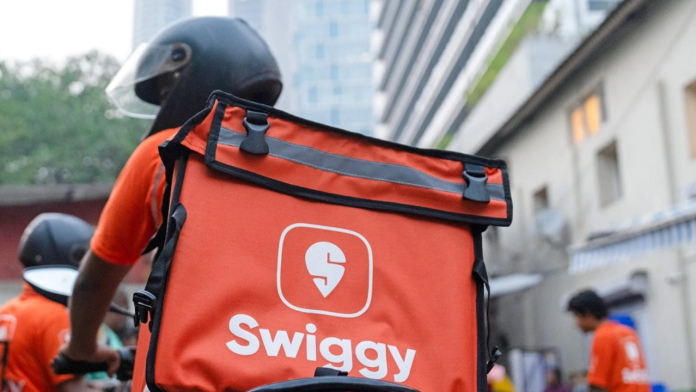
India’s food services market is on track to reach $120–125 billion by 2030, powered by a wave of digital adoption and the formalization of the sector, according to a joint report by Swiggy and management consultancy Kearney. Analysts say the organized segment is now expanding at nearly twice the pace of the unorganized market, underscoring a structural shift in consumer behaviour and supply chains.
A standout trend driving growth is ultra-fast fulfillment, commonly referred to as Q-Commerce. Swiggy’s Bolt service, which promises delivery within 10 minutes, has seen a marked rise in order volumes and higher monthly retention among consumers, reflecting a growing expectation for speed and convenience in food delivery. Affordability remains a critical factor, with consumers seeking value in traditional favourites such as Indian thalis, biryanis, and comfort meals, even as they experiment with global cuisines. Korean food, for instance, has registered a 17-fold increase in consumer interest over recent months, alongside hyper-regional Indian dishes capturing niche but expanding audiences.
The growth trajectory is no longer confined to metropolitan cities. Tier-2 markets are emerging as key drivers, with Gen Z and younger millennial cohorts increasingly demanding innovative, digital-first experiences. Restaurants and food brands are responding with menu diversification, strategic packaging innovations, and tech-enabled ordering channels to meet these evolving expectations.
Experts note that the success of food brands over the next decade will depend on their ability to navigate this dual demand for value and premiumization. Companies that combine regional authenticity, affordability, and experiential offerings with digital efficiency are best positioned to capture market share in an increasingly competitive landscape.
With digital adoption accelerating and consumer tastes evolving rapidly, India’s food ecosystem is set to become a $125 billion opportunity by the end of the decade, offering significant growth for brands that understand both regional and urban appetites.
In a major boost to India’s beverage ecosystem, INOXCVA’s Made-in-India stainless steel kegs recently received audit approvals from two of the world’s largest brewery brands – Heineken and ABinBev – for its stainless-steel beverage kegs manufactured at its Savli Plant in Gujarat. This milestone, achieved just a few quarters after the company entered the keg manufacturing segment in September 2023, underscores company’s strength in quality, scale, and global compliance—backed by more than three decades of expertise in stainless steel and advanced welding.
Industry experts note that the stainless-steel kegs mark a turning point for freshness, distribution efficiency, and consumer experience — signalling a new era of innovation for the Indian beverage sector.
INOXCVA kegs are globally recognized for quality standards, including ISO 9001, ISO 14001 and FSSC 22000 certified, ensuring the highest food and beverage safety standards.
Offering wide range of stainless-steel beverage kegs in EURO, DIN, SLIM, and USA-standard (BBL) formats, these kegs are suitable for beer, wine, cider, juice, cocktail, nitro beverages, kombucha, coffee, and more – offering versatility across beverage categories.
Deepak Acharya, Chief Executive Officer – INOX India Limited (INOXCVA) shared, “These approvals from two of the world’s leading breweries mark a defining moment in our journey into the beverage keg space. It validates our belief in our manufacturing prowess and reinforces our position as a credible, high-quality, and future-ready partner for the global beverage industry.”
Taking brewing to new gastronomic heights, INOXCVA’s kegs have already established their global presence with showcases at expos in the USA, Belgium, Singapore, Vietnam, and Thailand. They are set to be featured next at Drink Japan in December.
He further added: “Through our collaboration with Italy’s Supermonte Group, we manufacture kegs that meet the rigorous standards of multinational breweries while significantly reducing environmental impact.”
Recently, they captured national attention after a standout Indian debut at Drinktec India 2025. Positioned to transform how beverages are stored and served, these innovative kegs drew strong interest from brewers, breweries, wineries, non-alcoholic beverage makers, and leading alcohol brands exploring next-generation dispensing solutions.
Deepak Acharya said: “At INOXCVA, we don’t just build containers — we deliver reliable, sustainable packaging solutions engineered for performance and trusted worldwide. With over three decades of excellence in cryogenic engineering, we now bring our stainless steel with a powerful sustainability edge and precision welding expertise to the beverage packaging industry.”
A Life Cycle Assessment (LCA) conducted by Deloitte compared the environmental impact of various beer container options. The study found that steel kegs consistently outperform other formats across environmental indicators due to the inherent advantages of reusability and circularity. From a greenhouse gas perspective, steel kegs become preferable to single-use glass bottles after just three use cycles, and surpass aluminium cans after five cycles. In the U.S. alone, the use of steel kegs saves more than 400,000 metric tons of CO₂ annually and prevents nearly 500,000 tons of packaging waste from entering landfills.
“Our kegs are more than a product — they symbolize India’s emergence as a global force in world-class beverage technology. We are committed to delivering innovations that offer superior freshness, greater operational efficiency, sustainable performance, and a truly elevated consumer experience,” Acharya said.
TechnoSport marked a major step in its retail expansion with the opening of its largest exclusive store in Hyderabad, adding weight to the brand’s growing presence across South India. The new outlet, located on the first floor of Sarath City Capital Mall, covers 4,200 square feet and has been positioned as the brand’s newest flagship in the region.
The store was launched in the presence of Telugu actor Teja Sajja, along with TechnoSport chief executive Puspen Maity and director Amit Santhalia. The inauguration drew strong interest from fitness-focused shoppers and young consumers who have been part of the brand’s recent engagement drive in Hyderabad, which promoted sun-protection clothing and high-performance workout wear.
With this opening, TechnoSport now operates twenty-eight exclusive outlets across India. The company has set an ambitious target to scale this network to three hundred stores, supported by rising demand for performance apparel in both metropolitan and emerging markets. The Hyderabad store houses the brand’s complete assortment of activewear, featuring proprietary technologies such as Cotflex, Techno Dry, Matpiq, Technocool Plus, TechnoWarm, TechnoGuard and garments offering UPF 50 plus sun protection.
The outlet also places a strong emphasis on digital-first retailing. It features what the company describes as India’s first Holoflex transparent LED installation, which serves as a visual merchandising centerpiece and creates an immersive in-store environment. An upgraded billing system has been installed to speed up checkout times, while new digital touchpoints focus on simplifying product discovery for customers.
Alongside the Hyderabad launch, TechnoSport is preparing to strengthen its footprint in Andhra Pradesh and Telangana. Stores in Vizag, Rajahmundry, Kakinada and Anantapur are expected soon, while additional expansion is planned in Bengaluru and Chennai. Company executives said the wider plan is to make high-quality performance wear easily accessible to shoppers across the country as fitness culture continues to grow.
The Sanjay Ghodawat Group has set an ambitious goal for the decade, outlining a plan to push its consolidated revenue to nearly fifteen thousand crore rupees by 2030. A significant share of this growth is expected to come from aviation, where its airline Star Air is projected to contribute about six thousand crore rupees as it scales its network and fleet.
Managing Director Shrenik Ghodawat said the group has reached a current topline of around three thousand five hundred crore rupees across its businesses, which span aviation, FMCG, education, textiles, real estate, and retail. The aviation vertical alone closed the last financial year near six hundred and fifty crore rupees. To accelerate this business, the company is preparing an investment plan of five hundred crore rupees over the next two years.
Ghodawat noted that Star Air will continue to operate as a regional, low-cost carrier and does not intend to shift to a full-scale budget airline model. He said the biggest competition in regional markets still comes from trains and buses, and that most of the airline’s network continues to be supported by the government’s Udan scheme. Over the next few years, the airline aims to tilt its mix toward commercially viable routes, moving from the current sixty-five percent Udan share to a network where commercial operations account for nearly seventy percent.
The group is preparing several verticals for the public markets within a two-to-five-year window. Star Air has already secured one hundred and fifty crore rupees as part of its series B round from a set of marquee investors, with another two hundred crore rupees expected next year.
In parallel, the FMCG arm, which brings in about fifteen hundred crore rupees in revenue, is targeting three thousand crore rupees within five years. The education business aims to grow from nearly three hundred crore rupees today to one thousand crore rupees by the end of the decade, forming part of the group’s broader vision of achieving five times growth across key portfolios.
The Centre is preparing to introduce a new set of levies on cigarettes, pan masala and gutkha as the GST compensation cess approaches its sunset period. The move aims to ensure that the overall tax burden on tobacco products remains unchanged once the existing cess framework winds down.
Finance Minister Nirmala Sitharaman is expected to place a fresh proposal before Parliament titled the Health Security National Security Cess Bill, 2025. Alongside this, the government will table an amendment to the Central Excise Act that would create room for higher duties on cigarette and tobacco manufacturers. Both proposals received cabinet clearance in the previous meeting, according to people aware of the deliberations.
Officials said the intent is straightforward. Once the compensation cess expires, there must be no drop in the effective tax rate on tobacco, a category viewed as critical for both public health and revenue. The new legislation will allow the government to impose a cess on manufacturing units and machines involved in the production of specified goods. The accompanying amendment is designed to adjust excise duties where required.
The explanation attached to the bill notes that the proceeds will strengthen resources for national security and public health spending. The Defence Ministry is already projecting an increase of nearly twenty percent in its next budget allocation as it pushes for modernisation across services.
India reworked its GST structure in September, moving to two primary slabs of five percent and eighteen percent. The earlier twenty eight percent category was replaced with a special rate of forty percent for items such as tobacco products, aerated drinks, large cars and personal aircraft. While the compensation cess was eliminated for most goods, it continued for tobacco, where rates ranged from one percent to two hundred ninety percent.
The cess was originally introduced to help states manage revenue losses during the shift to GST. It was supposed to end in 2022 but was extended until March 2026 so that all borrowings undertaken during the pandemic years could be repaid.
We use cookies to ensure that we give you the best experience on our website. If you continue to use this site we will assume that you are happy with it.