In 2018, the snacks giant established SnackFutures with a focus on three core areas: pioneering new brands and ventures in strategic sectors, revitalizing smaller Mondelez brands with significant growth potential, and collaborating with startup innovators to foster new business ventures.
Through SnackFutures, Mondelez made a series of investments in smaller brands. In 2019, one notable investment was made in the US snacks business Hu Master Holdings, which the owner of Lu biscuits fully acquired two years later.
The unit subsequently shifted its focus towards VC-style investments and product launches. This included the introduction of CaPao snacks and Ruckus & Co., a line of lunchbox smoothies for kids.
In 2021, Mondelez launched an accelerator called CoLab to collaborate with emerging businesses in the sector the Cadbury maker referred to as “well-being snacks”. CoLab operated within the SnackFutures framework.
The US giant opted to assign SnackFutures the specific task of investing in “scale-up” companies and phased out CoLab. Additionally, the unit was rebranded as SnackFutures Ventures.
“SnackFutures was created five years ago to drive strategic growth for the company and that is still the case,” Richie Gray, the head of SnackFutures, said.
Gray said the focus of the unit was changed to support Mondelez’s overall efforts to “strengthen our core – chocolate, biscuits and baked snacks – as well as expand into new categories, for example, wellbeing [and] personalised nutrition”.
He added: “With this in mind, we shifted to being corporate-venture capital hub focused mostly on investing in scale-up, fast-growing companies in our core while still staying close to emerging brands, businesses and technologies.”
Gray said Mondelez would not disclose if it had made changes to the level of investment it is willing to put toward the SnackFutures Ventures unit.
Recent findings from data analytics company GlobalData indicate that brands are introducing products and packaging with a retro flair, likely influenced by a growing sense of nostalgia among consumers.
GlobalData reports that the aftermath of swift social and economic shifts following the Covid-19 pandemic has spurred heightened nostalgia among American consumers for the past. This has prompted brands to reintroduce products and packaging that evoke a sense of familiarity.
According to Meenakshi Haran, the principal consumer analyst at GlobalData, nostalgia frequently evokes sensory experiences for consumers, stirring sentimental emotions tied to a particular time or place they’ve encountered in the past.
Haran said, “They seek familiar flavours, fragrances or products that take them back to that time or place. Americans, in particular, are feeling nostalgic about the ‘good times’ and looking for familiarity in the food and drinks products they choose, as affirmed by 67% of respondents in GlobalData’s consumer survey.”
She explained that brands are tapping into this by reintroducing old-style flavours and products, adding, “Olipop, for instance, claims to be a new kind of soda in retro cans, reminiscent of nostalgic packaging designs, while Spindrift, a sparkling water brand, introduced two new variants inspired by the 1990s when purple grape-flavoured products were popular. Similarly, Oreo debuted its new limited-edition “dirt cake” flavor that claims to be a spin on the classic childhood-favorite, mud-pie dessert.”
Amidst the plethora of new product releases vying for consumer attention, Haran suggests that companies prioritize setting their offerings apart and ensuring they catch the eye on store shelves. Despite the enduring appeal of retro products among American consumers, brands should aim for a harmonious blend of nostalgia and meeting sensory expectations for both visual and taste experiences. This approach can cultivate repeat purchases and boost sales.
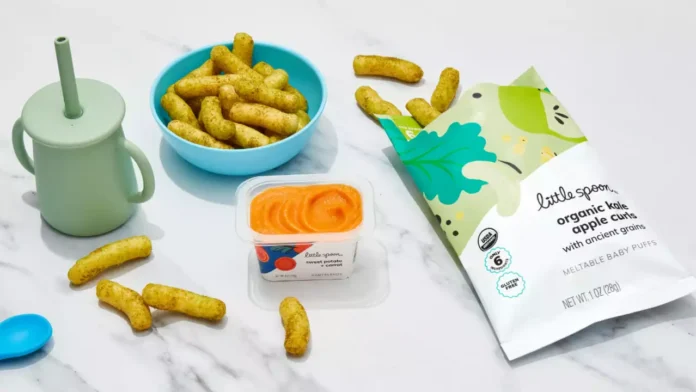
Little Spoon, a US-based children’s nutrition brand, has ventured into the baby snacks category with the launch of its new organic Baby Puffs line.
Little Spoon’s Baby Puffs encourage self-feeding and aid in the development of fine motor skills in babies over six months. They come in two flavors and shapes: Kale Apple Curls and Banana Pitaya Rings.
The puffs were developed in collaboration with experts, including a speech pathologist, and designed to be larger in size compared to existing products on the market. This ensures that infants can maximize their skill-building experience while learning to pinch, grasp, and chew.
The product line comprises only six organic, plant-based ingredients and is devoid of gluten, rice, seed oils, added sugars, and the nine main allergens. The shapes are crafted with meltability in consideration, intended to be effortlessly grasped, quick to dissolve, and soothing on tender, teething gums.
Angela Vranich, co-founder and chief product officer at Little Spoon, expressed that the company has long been considering entering the snacking segment. This latest launch marks its debut in this category.
ToniAnn Loftus, speech pathologist at Seaport Speech and Feeding, commented, “These puffs are so helpful when it comes to promoting functional feeding skills for little ones. The combination of textures, shapes, and yummy flavours make them a great snack for young eaters.”
Bull Agritech founders Hit Desai & Divyajeet Chauhan
Bull Agritech, an agri-supply chain startup, has secured $100,000 in a new funding round from Akassh Patel and Nilesh Bhalala (BuilditIndia founders), Shashin Patel (SCC Infrastructure, MD), and others.
The company has secured a total of INR 1.5 crore in the last four months as part of the pre-seed round.
Established by Hit Desai, Bull Agritech is an agri-supply chain startup focused on creating a commodity supply chain by using technology and their network of farmers and commodity processors.
The newly acquired funds will be utilized by Bull Agritech to expand into new regions, double the number of collection centers, and broaden commodity portfolios. Additionally, the company aims to onboard talent to drive operational efficiency and innovation.
Speaking on the occasion, Hit Desai, Founder, Bull Agritech, said, “The funding comes at a time when we are poised for strategic growth. We will be deploying the funds to expand into new regions, double the number of collection centers and broaden commodity portfolio. We will build scalable internal technology for efficient data analysis and onboard top-tier talent to drive operational efficiency and innovation. The current non-perishable agri-trade system is inefficient and outdated, costing farmers valuable income. We believe social technology holds the key to unlocking a new era of market access, price discovery, and logistical efficiency, directly benefiting farmers.”
Reinforcing these views and elaborating on Bull AgriTech’s approach, Mr Akassh Patel, CEO, BuilditIndia, said, “Bull Agritech has distinguished itself with its forward-thinking approach and exceptional vision for transforming the agricultural supply chain. We are deeply impressed by the dedication and ambition demonstrated by the founders, whose innovative model for oil seeds has already garnered significant acclaim.”
In the last 24 months, Bull AgriTech has facilitated trades worth 35 crores, with over 6000 farmers opting to sell their crops through Bull rather than relying on local APMCs. Demonstrating an impressive 200% year-on-year growth, the company is committed to sustaining a 25% month-on-month growth rate. Additionally, Bull AgriTech is exploring opportunities in less penetrated farmer financing solutions.
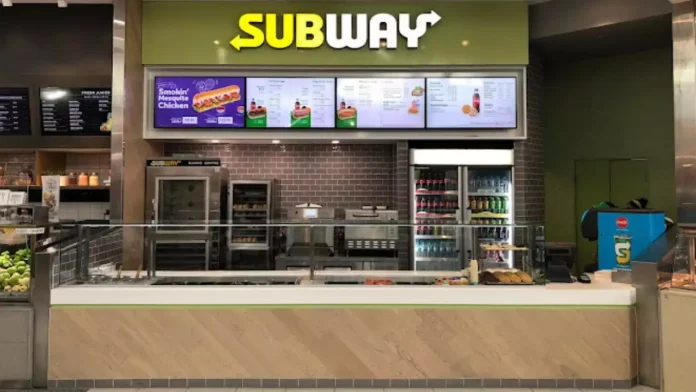
Subway has collaborated with McWin Restaurant Fund to bolster its footprint in France, the Czech Republic, Luxembourg, and Belgium.
Additionally, it aims to enter into new master franchise agreements for these regions with McWin affiliates to facilitate additional growth.
The agreement grants McWin exclusive rights to expand Subway restaurants in these four countries, overseeing the management of nearly 400 existing franchises, and initiating approximately 600 new outlets within the next decade.
The collaboration is anticipated to more than double Subway’s presence in France and Luxembourg, while significantly enhancing its footprint in Belgium and the Czech Republic.
Subway EMEA president Carrie Walsh said, “With extensive market expertise and a proven track record of successfully growing and developing QSR brands across Europe, we’re looking forward to working with the McWin team to elevate the guest experience and bring even more guests their favourite subs.”
The agreement with McWin is scheduled to be finalized in the second quarter of 2024.
McWin Capital Partners Foodservice partner and head Harry Goss said, “We are delighted to partner with Subway, an iconic global brand that is well-positioned to meet the increasing consumer demand for convenient, affordable and better-for-you options.
“We will leverage our expertise, platform and network to support Subway in accelerating its growth across these markets over the months and years ahead.”
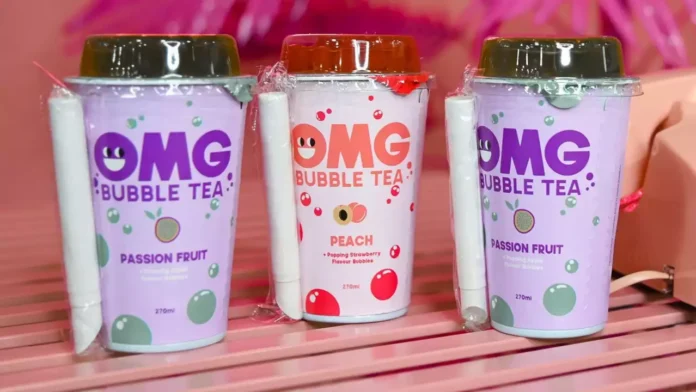
AB Akola Group is acquiring a minority share in Lithuanian beverage startup OMG Bubble Tea for €1.9 million.
Established in 2022, OMG Bubble Tea specializes in crafting natural bubble tea. The company exports roughly 95% of its production to countries including France, Germany, Great Britain, Austria, and others. With a workforce of 143 employees, it operates a production facility situated in Panevėžys.
AB Akola Group is said to hold “the largest agricultural and food production group in the Baltics,” employing 4.9 thousand people.
Mažvydas Šileika, chief financial officer of AB Akola Group, said, “OMG Bubble Tea is a growing start-up that has increased production and revenue several times over the year. The management and the team are energetic, the production processes are being fine-tuned, and the sales progress has been made for further successful expansion.”
“In 2024 and 2025, exponential growth is foreseen for the start-up – measuring in times, not in percentage. The global bubble tea market size was valued at 3 billion US dollars in 2022 and is projected by experts to grow by 6.3% annually until 2032, while the European market will grow by 8% annually. Therefore, the start-up’s outlook is promising.”
He added, “We believe this is a worthwhile investment for us, as the consumption of beverages is growing globally, especially among young people, and the prospects in this area are great. Our business strategy is to increase the weight of food products in the group’s overall business, thereby increasing the group’s overall profitability and value. We are not only investing in increasing production capacity but also looking for small, growing producers. This is by no means our last investment in beverage start-ups.”
Jonas Karosas, director of OMG Bubble Tea, commented, “Our product is aimed at children and young people, and it evokes good emotions. Global trends show increased demand, and we want to take advantage of this and expand our volumes. The kick-off, as in any production, was not easy, but we have still grown at a very fast pace since we started the company. The Akola Group’s investment will allow us to increase this pace even further.”
Continue Exploring:PepsiCo takes sparkling water to new heights with Bubly Burst lineup
Ramadan holds deep spiritual significance for Muslims globally. Each year, this sacred month is observed through fasting from dawn till sunset, serving not merely as a physical exercise but also as a pathway to profound introspection. It’s a time when Muslims devote themselves more fervently to prayers and extend acts of generosity through charitable giving.
One of the most heartwarming aspects of Ramadan is the community iftaars—the evening meals to break the fast—where families, friends, and sometimes even strangers come together to share food and companionship. These gatherings, along with community prayers, play a pivotal role in strengthening the bonds of kinship and community. Moreover, Ramadan offers a unique opportunity for individuals to introspect and cultivate a closer relationship with their faith, aiming to elevate their spiritual experience, and fostering interfaith camaraderie.
Within the context of Ramadan, food transcends its basic nutritional value to become a powerful conduit of cultural expression. Sharing a meal, especially after a day spent fasting, deepens a sense of gratitude and kinship among participants. This shared experience at the iftaar table not only fosters a warm atmosphere but also allows individuals to more profoundly appreciate the blessings they have. As a result, certain foods have assumed significant cultural importance during Ramadan.
Dates, renowned for their rich nutritional profile and symbolic significance, are a cornerstone of breaking the fast, marking the beginning of iftaar with a blend of sweetness and tradition. Haleem, a hearty stew featuring meat, lentils, and wheat, takes center stage during the iftaar meal, providing not just nourishment but also a deep sense of contentment through its slow-cooked flavors. For Sehri, the predawn meal, Paya emerges as a preferred choice. Together, these dishes not only fulfill the physical requirements of fasting but also enrich the cultural and spiritual experience of Ramadan.
Among the myriad of delicacies adorning the iftaar spread, Falooda stands out for its uniquely refreshing allure. Following hours of fasting, particularly on hot days, a serving of Falooda provides more than just hydration; it represents a ritual of rejuvenation and delight. Infused with ‘tukhmari’ (basil seeds) and its distinctively cool flavor, it delivers a soothing and revitalizing sensation, offering a moment of respite and invigoration.
Recognizing the deep-rooted cultural significance, Hearty Mart strategically releases its Falooda mix each year in preparation for Ramadan. This endeavor transcends mere business tactics; it signifies an appreciation for the profound importance of communal gatherings and experiences during this sacred period. Their Falooda mix has evolved into a sought-after commodity, cherished not only for its flavor but also for the nostalgic sentiments it stirs. Through such culinary customs and the endeavors of enterprises like Hearty Mart, the spirit of Ramadan is honored, fostering moments of happiness, contemplation, and unity.
Nadeem Jafri, Founder & Chief Mentor, Hearty Mart, shares, “Falooda is traditionally enjoyed during Iftaar, a time when individuals seek to re-energize after a day-long fast. With Good Time Falooda mix, we aim to position our brand as the ideal choice for this occasion, offering a refreshing and revitalizing experience. This strategic alignment of our brand with the Iftaar occasion enhances the product’s recall value.”
The appeal of Falooda Mix extends beyond its refreshing flavor; it serves as a crucial element in charitable efforts during the holy month. Driven by a spirit of generosity, individuals frequently turn to Hearty Mart to compile special kits containing a selection of their finest spice blends, essential food items, and, notably, multiple packages of the beloved Falooda mix. The purpose behind these kits is profound: they are designed as gifts for those in need, ensuring that less fortunate families can partake in the nourishing and celebratory aspects of Ramadan. By including the Falooda mix, these kits accomplish more than providing sustenance; they create moments of shared joy and solace, fostering a more inclusive and communal observance of Ramadan. Through this considerate initiative, Hearty Mart and its supporters extend a hand of fellowship and compassion, embodying the true essence of Ramadan’s spirit of generosity.
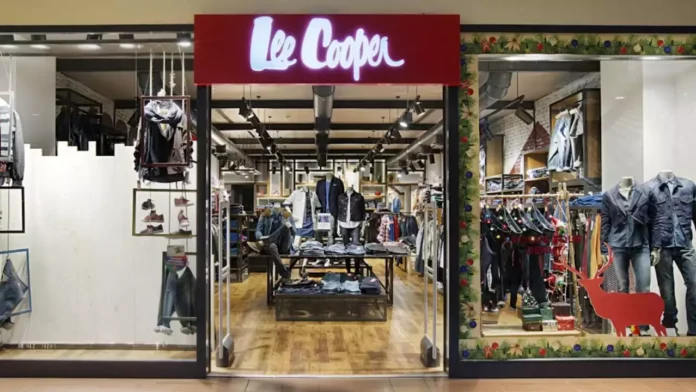
Lee Cooper’s SS’24 women’s footwear line, “Shoes Don’t Judge,” presents a varied selection of designs tailored to complement diverse styles and occasions. Offering a distinctive blend of styles, a rich spectrum of colors, and versatile materials, the collection caters to every event and preference.
In a society rife with preconceptions and biases, shoes emerge as a symbol of neutrality and inclusivity. They refrain from judging individuals based on their looks, social standing, or origins. Rather, they offer a platform for self-expression, empowering people to embrace their authentic identities.
In a press release, the company stated that for the Lee Cooper brand, “Shoes Don’t Judge” transcends mere campaign status—it embodies a movement that honors individual choices and preferences without bias or judgment.
Nykaa, a Mumbai-based fashion and beauty retailer, has brought the beauty brand Florence by Mills to the Indian market. Created by British actress and activist Millie Bobby Brown, Florence by Mills caters specifically to Gen Z consumers.
“We are thrilled to exclusively launch Florence by Mills on Nykaa, bringing Brown’s vision of clean and affordable beauty to our customers. We believe that this collaboration will resonate strongly with our Gen Z audience, empowering them to embrace their individuality and redefine beauty standards,” said Anchit Nayar, executive director of Nykaa Beauty.
The items can only be found on Nykaa’s platforms, which include the Nykaa app, website, and Nykaa’s retail outlets.
“I wanted to create something for me and my generation, a brand that reflects us and our self-expression while being good for you, simple to use, and suitable for changing, transitional skin. With Florence by Mills, everyone can discover and build their own beauty philosophy with clean, accessible, and easy-to-use beauty essentials,” said Brown.
Nykaa’s international brand portfolio also features Charlotte Tilbury, Urban Decay, Kiehl’s, Dr. Barbara Sturm, YSL Beauty, MAC, Estee Lauder, Lancome, Carolina Herrera, Benefit Cosmetics, and Laneige.
Founded in 2012 by Indian entrepreneur Falguni Nayar, Nykaa emerged as a digital-first omni-channel beauty platform. Its first brick-and-mortar store debuted at Terminal 3 of Delhi’s Indira Gandhi International Airport in 2014.
In 2018, the company expanded its product categories by introducing Nykaa Fashion and Nykaa Man. Presently, Nykaa operates various store formats including Nykaa Luxe, Nykaa On Trend, and Nykaa Kiosks.
Operating under beauty and fashion e-tailer FSN e-Commerce Ventures, the brand reported a 97.55% rise in its consolidated net profit to INR 16.18 crore for the December 2023 quarter.
Following the discovery of several instances of liquor brands violating surrogate advertising regulations, the Central Consumer Protection Authority (CCPA) has called upon companies to ensure adherence to these standards. Moreover, they have asked for a compilation of products promoted under the same brand as alcoholic beverages, commonly referred to as brand extensions, within the last three years.
It has also sought revenue and turnover data pertaining to the sale of alcobev, as well as information on brand extension products (such as mineral water, playing cards, and music CDs) over the last three years.
Moreover, CCPA seeks details of expenditures related to promoting brand extensions over the past three years. These include expenses for sponsoring events, award ceremonies, music festivals, compensating celebrities and influencers, as well as airing TV advertisements.
The agency aims to determine the correlation between the actual sales of the brand extension product and the money spent on its promotion.
“This assessment is critical for determining whether promoting of brand extension products authentically represents the extended product or functions as a surrogate for alcoholic beverages under the same brand,” CCPA chief commissioner Rohit Kumar Singh said.
The directive sent to all alcohol companies and industry associations arrives just days before the launch of the Indian Premier League, a time when such advertisements are commonly broadcasted and heavily promoted on social media platforms. Due to the ban on liquor advertisements, companies have resorted to surrogate ad campaigns to promote their products.
“The industry is advised to ensure that all brand extensions follow the broad principles of advertising only genuine extensions (that is, turnover and distribution in proportion to advertising spends), and ensure that advertisements contain no cues of restricted category such as tag lines and layouts and do not unduly suppress the category name and extension being advertised,” the two-page direction said. It also said that surrogate advertising posed a threat to consumer rights.
We use cookies to ensure that we give you the best experience on our website. If you continue to use this site we will assume that you are happy with it.