Breitling, the renowned Swiss luxury watch brand, has unveiled its first exclusive boutique in Chennai, as confirmed by an industry official on social media. The new outlet is situated on the upper ground floor of Phoenix Palladium Mall in Velachery, Chennai, Tamil Nadu.
“Breitling opened its store at the upper ground floor of Palladium Chennai. This is Breitling second exclusive boutique store in India,” said Sarath Kumar, assistant manager at The phoenix Mills Ltd. in a LinkedIn post.
Additionally, the mall boasts a selection of luxury watch brands including Horology, Ethos, Montblanc, Omega, and others.
The brand is preparing to launch two additional exclusive boutique outlets in Hyderabad and Bengaluru soon.
Established in 1884 in Saint-Imier by Swiss watchmaker and entrepreneur Léon Breitling, Breitling has a rich history. In 2022, Partners Group, a Swiss investment and private equity firm, acquired the majority stake in the company. Presently, this 140-year-old brand has a presence in more than 23 countries worldwide.
Currently, the watchmaker sells its products in India through its exclusive store in Hyderabad, as well as through multi-brand watch stores like Ethos, Horology, and Kapoor Watch, among others.
Honasa Consumer Ltd, the umbrella company behind the D2C unicorn Mamaearth, has introduced moisturizing lotion soaps, signaling its entry into the personal wash sector.
Mamaearth said in a statement that the products boast Made-Safe certification, along with a non-drying formula.
Furthermore, the new lineup of moisturizing lotion soaps will be offered in four variations: Ubtan, Vitamin C, Multani Mitti, and Neem.
The brand’s venture into this sector signifies a significant stride towards its goal of offering safe, efficient, and toxin-free products for consumers nationwide, the statement elaborated.
Ghazal Alagh, cofounder and chief innovation officer, Honasa Consumer, said, “The lack of innovation in the personal wash category has been a challenge for the category, particularly given the constant demand for natural, eco-friendly, and safer alternatives, without compromising on the efficacy. With this launch, we are solving the need for a soap that deeply cleanses and does not dry the skin.”
While the personal care sector has witnessed substantial research and development, the personal wash category has experienced limited innovation in recent times. The majority of products contain chemicals and synthetic ingredients, predominantly falling under grade 2 and 3. However, there are only a handful of grade 1 offerings, prompting Mamaearth to address this gap through its latest venture.
Mamaearth stated that its personal wash products are packaged using recyclable materials to promote a greener impact and can be purchased online or at specific retail outlets in India.
Established in 2016 by the couple Varun and Ghazal Alagh, Mamaearth specializes in offering a variety of beauty and personal care (BPC) products spanning hair care, body care, and makeup categories. Honasa also includes brands like The Derma Co., Aqualogica, Ayuga, BBlunt, and Dr. Sheths in its portfolio.
This comes at a time when Brokerage Citi Research has initiated coverage on Honasa Consumer Ltd with a ‘buy’ rating.
During its most recent reported quarter, Q3 FY24, Mamaearth witnessed a significant surge in its consolidated net profit, soaring by 264% to INR 25.9 Cr from INR 7.1 Cr in the corresponding period of the previous year. Additionally, its operating revenue experienced a 28% year-on-year increase, reaching INR 488.2 Cr for the quarter.
As per Statista, the Beauty & Personal Care market in India is projected to achieve a revenue of $31.51 billion by 2024, with an anticipated annual growth rate of 3.00% (CAGR 2024-2028).
The first meeting of the WHO Alliance for Food Safety is scheduled to take place in Geneva, Switzerland, in May, supported by the Centers for Disease Control and Prevention’s (CDC) Division of Foodborne, Waterborne, and Environmental Disease (DFWED).
The WHO Global Strategy for Food Safety from 2022 to 2030 was endorsed during the World Health Assembly in May 2022. Nations pledged to enhance food safety by focusing on five priorities and embraced targets to direct efforts and monitor advancements in reducing foodborne infections.
Regarding one of the metrics, the International Food Safety Authorities Network (INFOSAN) will serve as the platform for enhancing capacity and ensuring reporting on multisectoral collaboration mechanisms for food safety incidents. Established in 2004, INFOSAN boasts over 800 members across 187 nations.
However, for the indicator called ‘Surveillance of foodborne diseases and contamination” there is no similar structure to align efforts and support countries. This indicator uses the International Health Regulations Joint External Evaluation tool. As of 2022, the score stood at 1.5 and the aim by 2030 is a global average capacity score of 3.5.
The WHO explored the possibility of reactivating the Global Foodborne Infections Network (GFN) and leveraging its network of collaborating centers. These centers include research institutes, university departments, or academies designated to conduct activities in support of WHO initiatives.
From 2000 to 2015, GFN functioned as a network for capacity-building involving institutions and professionals in veterinary, food, and public health sectors, aiming to bolster countries’ capabilities in detecting, controlling, and preventing foodborne and other enteric infections. GFN advocated for integrated, laboratory-based surveillance and outbreak response, fostering collaboration and communication among microbiologists and epidemiologists across human health, veterinary, and food-related domains.
Over 20 collaborating centers were identified with terms of reference pertinent to aspects of the food safety strategy. Analysis of their work plans indicated a need for improved alignment of their capacity-building endeavors with the objectives of the WHO Global Strategy for Food Safety. Examples of such centers include the National Institute for Public Health and the Environment (RIVM), Singapore Food Agency, Institut Pasteur, and Technical University of Denmark.
WHO and DFWED are convening a meeting to establish a food safety alliance, which involves defining terms of reference and determining its significance in foodborne disease surveillance. The objective is to engage WHO Collaborating Centers and other institutions in supporting the strategy’s implementation in the realm of foodborne disease surveillance.
The WHO Foodborne Disease Burden Epidemiology Reference Group (FERG) is currently in the process of revising estimates for the global, regional, and national burden of foodborne diseases, aiming to complete the update by 2025. The initial figures were released in 2015.
Meanwhile, the theme for this year’s World Food Safety Day has been revealed as: “Food safety — prepare for the unexpected.”
The campaign will explore unexpected food safety incidents, which can range from a power cut at home to an international food safety alert or outbreak, and how people can better prepare for such events to ensure access to safe food.
The sixth World Food Safety Day will take place on June 7. This year also marks the 20th anniversary of INFOSAN.
Corinna Hawkes, FAO’s director of the agrifood systems and food safety division, and Francesco Branca, WHO’s director of the department of nutrition and food safety, said unexpected food safety incidents can range from mild events to major crises but there is always something that can be done to keep food safe.
“Anticipating the kinds of events that might occur, whether it be a natural disaster like flooding, or a volcano eruption or a power outage can ensure the risk to food safety is minimized. And at home, consumers’ food safety knowledge can avert problems in unexpected situations,” they said.
Given the evolving lifestyles where dining out is now commonplace rather than an occasional treat, foodservice providers must prioritize offering healthy and safe choices. McDonald’s India recently encountered a controversy over its use of cheese substitutes instead of 100% dairy-sourced cheese in its popular items, underscoring how even a single oversight can erode trust and reputation for a well-established brand. This incident underscores the crucial importance of accurate labeling and ingredient authenticity, according to GlobalData.
Jaya Dandey, Consumer Analyst at GlobalData, said, “Global fast food companies are increasingly gaining traction in India owing to its huge population and the cost-effective choices of consumers. With the growth potential also comes significant responsibility and accountability on the part of operators. The McDonald’s fiasco resulted in renewed scrutiny by the state of Maharashtra on all major foodservice providers for compliance with food standards.”
Francis Gabriel Godad, Business Development Manager, GlobalData India, added, “Young and upwardly mobile consumers worldwide increasingly demonstrate a preference for convenient fast food. According to a GlobalData survey, 51 of Indian consumers admitted that their spending at quick-service restaurants is very high or quite high. This validates the popularity of fast-food chains in India and the loyal consumer base most of them have. Recalls and ethical non-compliance in the food industry lead to big losses in profitability, putting the onus on fast-food chains to put in consistent efforts to retain customer loyalty.”
Cheese and other dairy products play a significant role in the taste and texture of fast food items, making them a priority for customers. Yet, operators often opt for inexpensive vegetable oil-based substitutes to boost profits while maintaining similar textural qualities. However, Indian consumers are cautious about artificial alternatives in food, not only due to taste preferences but also safety apprehensions. Jaya Dandey emphasizes the importance of prompt investigations and quality control measures for the ingredients utilized in such products.
Francis Gabriel Godad concluded, “When consumers spot mislabeled or subpar ingredients at their chosen foodservice venues, they lose trust in the brand and switch to competitors, often for good. Moreover, with the power of social media, it does not take long for a single mishap to irreparably damage the label’s image. Furthermore, health and wellness have become focal points and are making consumers rethink their dietary choices altogether.”
When asked how they see their lifestyle evolving in the next three months, 82 per cent of the survey respondents in India said that they would start to cook meals at home from scratch, continue doing it, or do it more frequently. Service inconsistencies of foodservice providers and failure to comply with regulations will only reinforce such consumer attitudes in the long run, the report stated.
Tinna Trade, a company specializing in agricultural trading, has completed a share swap deal to acquire full ownership of Fratelli Wines Pvt Limited. This acquisition positions Tinna Trade as the second-largest wine producer in India, igniting significant attention within the wine and beverages sector.
The share swap deal between Tinna Trade and the promoters of Fratelli Wines will result in Tinna Trade significantly increasing its ownership stake in the wine company to nearly 97%, up from a previous ownership of only 3%.
With shares issued at INR 72 each, representing a 9% discount from the market price, Tinna Trade’s valuation is set to rise significantly, surpassing INR 227 crore. This transaction not only signifies Tinna Trade’s entry into wine production but also establishes it as a strong player in India’s rapidly growing wine sector.
Reports indicate that Tinna Trade’s shift from agricultural trading to wine production underscores the company’s determination to explore fresh avenues for expansion. Utilizing Fratelli Wines’ established brand presence and distribution channels, Tinna Trade seeks to achieve remarkable success in the wine sector, aiming for unprecedented growth.
Back in 2006, the Sekhri family embarked on a joint venture, co-founding Fratelli Wines, which originated from Kapil Sekhri’s vineyard in Akluj, Maharashtra. Renowned as the pioneer Indo-Italian wine, this venture blossomed through collaboration between Alessio and Andrea Secci, Kapil and Gaurav Sekhri, and Ranjit and Arjun Mohite Patil.
In the year 2020, Kapil Sekhri tragically passed away at the age of 45 due to a cardiac arrest that occurred while he was out jogging.
The acquisition of Fratelli Wines by Tinna Trade signifies the evolving landscape of India’s wine market. Positioned as the second-largest wine producer in the nation, Tinna Trade is anticipated to bring about significant changes and disruptions within the wine industry.
While Italy may claim the title of pizza‘s birthplace and be renowned as the quintessential destination for this iconic dish, its popularity has transcended borders, making it a global phenomenon. Across the globe, numerous establishments offer exceptional slices. The Italian organization, 50 Top Pizza, endeavors to honor this diversity by curating a list of the top 50 pizzas in the Asia Pacific region for 2024.
The top three positions were awarded to Pizza Bar (Japan), Crosta Pizzeria (Philippines), and Ristopizza (Japan), respectively. Among the top 50, two Indian establishments made their mark: Da Susy’s, led by Chef Susanna di Cosimo and situated in Gurugram, secured the 13th position, while Leo’s, owned by Amol Kumar and located in New Delhi, claimed the 44th spot. Notably, both pizzerias have appeared on the list for the second consecutive year, with Da Susy’s ranked 44th and Leo’s ranked 47th in the 2023 edition.
Chef Di Cosimo of Da Susy’s originally hails from Naples, but she has been residing in India since 2013. When the pandemic struck, she transitioned from her career in the travel industry to pursue her passion for Italian cuisine. Da Susy’s offers a menu showcasing classic Neapolitan flavors alongside innovative sauces crafted from pumpkin and pesto. Additionally, they serve double-baked ‘pizza sandwiches’, blending elements of eclectic and traditional culinary styles.
Meanwhile, Leo’s has become a cherished spot among pizza aficionados, known for their hearty and satisfying pizzas adorned with ample toppings, ideal for pairing with a glass of wine or beer. With its laid-back and quirky ambiance, Leo’s has established itself as a beloved neighborhood hotspot, drawing locals with its delicious fare and welcoming atmosphere.
In response to their win, both places took to social media to express their gratitude and excitement. The team at Da Susy said, “On the joyous occasion of Women’s Day, we are honoured to announce that Pizzeria da Susy has been crowned #13 in all of Asia Pacific and proudly holds the title of #1 in India by @50toppizza!”. Meanwhile, Amol Kumar, the head pizzaiolo at Leo’s said, “Completely overwhelmed to have been featured on 50 Top Pizza Asia Pacific for the second time. In the pizza world it’s the highest honour and keeps us going. We plan to keep improving so we can climb up the ladder next year. For now, we are extremely happy and super excited!”
These victories serve as evidence that culinary offerings from India can make a significant impact on the global stage, even in spaces where they are not traditionally found.
Karnataka has imposed a ban on the use of artificial food colours, including Rhodamine-B, in cotton candy and gobi manchurian due to health concerns, announced Health Minister Dinesh Gundu Rao on Monday. Flouting this directive could result in a jail term of up to seven years and a fine of up to INR 10 lakh.
During a press conference, Dinesh Gundu Rao announced the ban, stating that cotton candy and gobi manchurian “across the southern state” were found to be of poor quality due to the use of food colours, which in turn, are “adversely affecting the health of people”.
#WATCH | Karnataka Health Minister Dinesh Gundu Rao says, "If anyone is found using Rhodamine-B food colouring agent, then severe action will be taken against them under the Food Safety Act." pic.twitter.com/XnJpR8OAs2
Out of 171 samples of gobi manchurian gathered, 64 were deemed safe, whereas a staggering 106 were deemed unsafe. Meanwhile, 25 cotton candy samples were collected, with 10 deemed safe and 15 deemed unsafe.
Tartrazine, Carmoisine, Sunset Yellow, and Rhodamine-1B were among the artificial colors detected in the samples.
“Samples were collected from hotels, (and) roadside shops, among others. Many have turned out unsafe. Using Rhodamine as colouring agent is banned. Eateries use this (colouring agent) to make (food items) look more red,” Dinesh Gundu Rao said at the presser.
Taking to X later, the Karnataka Health Minister wrote, “Based on these findings, an order has been issued banning the use of prohibited artificial colours, including Rhodamine-B, in gobi manchurian and cotton candy. Consumption of snacks containing these artificial colours may pose long-term health risks, including cancer. Therefore, the health department has taken this necessary action. I urge the public to prioritise health and hygiene above all else.”
The state commissioner of food safety has issued a statewide directive, ordering the prohibition of all artificial colors in gobi manchurian and cotton candy.
Samples of gobi manchurian were obtained from 3-star hotels in Karnataka, and they too were found to be unsafe.
Karnataka’s move came a month after Goa’s decision. Last month, the Mapusa Municipal Council banned Gobi Manchurian in the region, aligning with several other Goan civic bodies in taking action against this widely popular Indian dish.
Meanwhile, Tamil Nadu and Puducherry implemented measures against cotton candy last month, following the ban on the food item due to the detection of the cancer-causing chemical Rhodamine-B in tested samples.
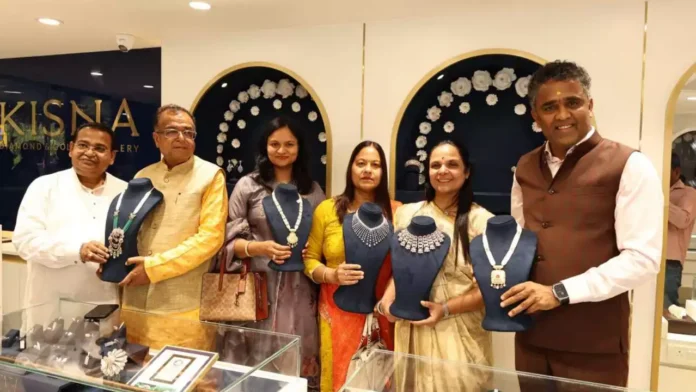
Tanishq, the jewellery brand under the Tata Group‘s Titan Company, has recently unveiled its 15th international store in the United States, as confirmed by a company official on social media. Situated in Chicago at 4300E Aurora, this new store occupies an impressive 5000 sq. ft. space.
This marks the brand’s first establishment in the Midwest region and its fourth presence throughout the United States.
“Proud to share the exciting news of our latest launch in the USA,” said Aditya Singh, head – jewellery international business at Titan Company Ltd. in a LinkedIn post.
“Our fourth Tanishq store in the US and our 15th store outside of India, was launched in Chicago – our first in the Midwest, by the Mayor of Aurora, CG of India, city council members and other dignitaries from the local community,” added Singh.
In July 2023, Titan announced its plans to open 18 new international stores for Tanishq, with a primary focus on expanding in the Gulf region, thus raising the total count to 25 by the end of fiscal year (FY) 2024. Looking further ahead, Titan plans to establish 50 boutiques worldwide, with a particular emphasis on growth in the United Kingdom, Australia, and Malaysia.
In fiscal year 2023, the jewellery retailer expanded its international store count from two to seven.
As per Singh’s post, the company is currently preparing to inaugurate its 16th global store at Oman Avenues Mall in Oman.
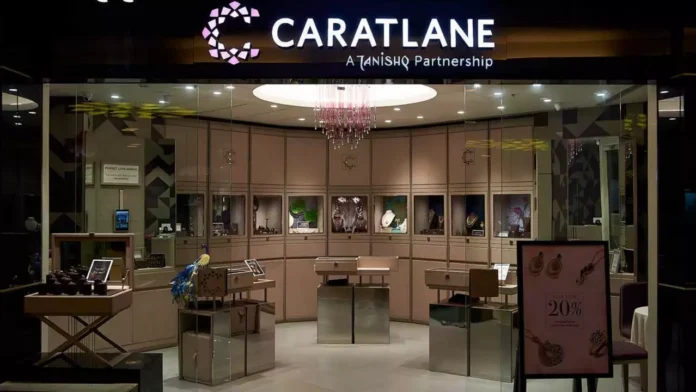
Established in 1994, Tanishq emerged as a segment of Titan’s jewellery division, which encompasses a range of brands including CaratLane, Zoya, and Mia by Tanishq.
In 1996, Tanishq opened its first retail showroom in Chennai, followed by its first international store in Dubai in 2020. Currently, the retail chain proudly boasts over 400 exclusive outlets spread across more than 240 cities nationwide, alongside international boutiques located in the UAE, USA, Qatar, and Singapore.
Noida International Airport (NIA) has partnered with Travel Food Services Pvt. Ltd. (TFS), awarding them two key agreements. TFS will enhance the airport’s dining experience by creating and operating a range of multi-cuisine eateries, including restaurants, cafes, bars, and franchises within the terminal.
Additionally, they will curate a world-class lounge experience, offering passengers an elevated level of comfort and luxury at the airport. This strategic collaboration underscores NIA’s commitment to delivering a superior travel experience to passengers.
Patrons can anticipate an exhilarating culinary journey, featuring an extensive selection of specially crafted options that embody the essence of the locale, honoring its diverse and vibrant culinary heritage. These establishments will deliver an inspiring yet accessible dining venture, promising a touch of novelty and vibrancy.
Commenting on the occasion, Christoph Schnellmann, Chief Executive Officer, Noida International Airport, said, “Our partnership with TFS underscores the commitment to providing exceptional hospitality to passengers, elevating the overall travel experience. This collaboration is set to be a significant milestone in our vision of transforming passenger experiences at Noida International Airport. Our focus remains on forging strong connections with passengers by providing a diverse range of offerings tailored to everyone’s needs and preferences.”
Varun Kapur, Executive Director, TFS said, “We are thrilled to embark on this exciting journey in collaboration with Noida International Airport. Our approach aims to draw on the rich legacy, as well as reflect the aspirations of this culturally rich and vibrant region, providing a truly immersive experience for the passengers. Recognising the discerning palate of Indian travellers, we have curated a blend of renowned international brands and beloved local favourites to enhance the culinary landscape of NIA.”
According to recent regulatory filings in Singapore, Binny Bansal, the founder of Flipkart, has injected nearly $2 million into his latest venture, OppDoor, through the venture fund Three State Ventures.
OppDoor is a software services platform with the goal of assisting up-and-coming online retail brands in their global expansion efforts.
The investment entity Three State Ventures, which is backed by Bansal’s personal capital, has deployed the funds through several installments over recent months, as indicated by the filings. The most recent injection of capital occurred in February.
While the most recent investment might be comparatively modest in scale, it underscores the confidence that the IIT-Delhi alumnus is placing in his new venture.
In January, Bansal resigned from Flipkart’s board, formally ending his ties with the company. He has since been using capital from the Flipkart share sale to fund his ventures, which in turn invest in other startups.
An email sent to Bansal failed to prompt an immediate response. It remains uncertain whether Bansal intends to seek capital from external investors for his venture.
OppDoor has engaged in discussions with former senior executives from the Flipkart group to bring them on board. Additionally, the company has made multiple hires in Bengaluru across various roles. Presently, OppDoor is providing ecommerce business services to Amazon‘s US brands in international markets.
Following his departure from the operational role at Flipkart in 2018, Bansal relocated to Singapore. However, he has been a regular visitor to Bengaluru over the past year.
Several months subsequent to Walmart‘s acquisition of Flipkart in 2018, Bansal resigned from his position as Flipkart Group chief executive. This decision came in the wake of allegations of significant personal misconduct, as stated by Walmart in November of that year. However, following an internal investigation conducted by the etailer, Bansal was cleared of the accusations.
Bansal retained his position on the board. Towards the end of last year, he divested his remaining stake in the company, yielding approximately $650 million. Prior to his complete exit, he had been gradually selling portions of his stake to Walmart and other investors in Flipkart. Presently, the US-based retailer Walmart holds an 80.5% stake in Flipkart.
Curefoods, PhonePe, and Acko stand out as prominent startup investments made by Bansal, with substantial funding allocated over the years.
We use cookies to ensure that we give you the best experience on our website. If you continue to use this site we will assume that you are happy with it.