Monday, February 2, 2026
Home Blog Page 597

Kylie Jenner enters beverage alcohol sector with ‘Sprinter’ RTD brand launch

Kylie Jenner

American influencer and entrepreneur Kylie Jenner has entered the beverage alcohol market following in her sister Kendall’s footsteps with the introduction of Sprinter, a ready-to-drink (RTD) brand.

The vodka-infused soda RTD, boasting a 4.5% alcohol by volume, offers four distinct flavors: black cherry, peach, grapefruit, and lime. Its nationwide debut in the US is set for March 21st. The RTDs are available in an eight-can assortment, priced at $19.99 suggested retail price (SRP).

“Sprinter is my answer to the growing consumer demand for quality canned cocktails. We’re adding to a market dominated by only a few players with an incredibly delicious vodka soda in a can,” Jenner said.

Continue Exploring: Dr. Dre and Snoop Dogg collaborate to launch ‘Gin & Juice’ canned cocktails

According to a spokesperson for Sprinter, the main distributors for the product in the US include Reyes, Republic National Distributing Co., Breakthru, and Crescent Crown.

The beverage was crafted by Chandra Richter, the founder of Richter Beverage Solutions, a consultancy firm specializing in beverages. Richter has been appointed as Sprinter’s head of production, development, and operations. Production will take place in the US at a facility that has not been disclosed.

“It’s been such a pleasure developing Sprinter with Kylie,” Richter said. “We held numerous tastings over the past year to ensure each of our four flavours are as natural and true-to-fruit as possible.”

A spokesperson for Sprinter stated that the brand’s focus is on the US market.

Kylie’s sibling Kendall introduced a Tequila line in 2021 under her 818 Tequila brand.

Named after Kendall Jenner‘s California area code, 818 Tequila presents three variations: blanco, reposado, and añejo.

Last year, 818 Tequila expanded its reach to the UK, marking the brand’s venture into European markets.

Mike Novy, president and COO of 818 Tequila, mentioned that the company is currently focusing on exploring additional markets across Europe.

“We launched in London and we’re working our way across the UK, so we’ll continue to do that. There’s a lot of work to be done on that for sure,” Novy said.

Continue Exploring: Diageo sets the bar high with launch of premium ready-to-serve cocktails in Great Britain

Advertisement

EU agrees to ban single-use plastic packaging for fruit and vegetables

0
Plastic food
(Representative Image)

The EU has agreed on a provisional deal to create a new law to cut packaging waste and ban single-use plastics such as those used for supermarket fruit and vegetables.

On March 4th, negotiators from the European Parliament and Belgium, currently holding the six-month rotating EU presidency, reached an agreement on targets. These targets include a 5% reduction in packaging by 2030, a 15% reduction by 2040, and a mandate for all packaging to be recyclable by 2030.

The EU emphasized that the agreement, subject to ratification by both the European Parliament and EU member states, is essential. This is due to the fact that “although recycling rates have risen in the EU, the volume of packaging waste generated is increasing at a faster pace than the amount being recycled.”

It added, “Over the past decade, the amount of packaging waste has increased by nearly 25% and is expected to increase by another 19% by 2030 if no action is taken. For plastic packaging waste, the expected increase is 46% by 2030.”

Continue Exploring: Amcor and Mondelēz International collaborate to introduce recycled plastic packaging for Cadbury Chocolate products

In 2021, the bloc produced 188.7 kilograms of packaging waste per capita, marking an increase of 10.8 kilograms per person compared to 2020.

Two years ago, the EU suggested an overhaul of regulations concerning packaging waste, primarily in response to these escalations, propelled in part by the substantial rise in online shopping and the widespread availability of ‘grab and go’ items.

Should the new regulations be ratified, they will supersede the current directive, initially established in 1994 and subsequently amended multiple times.

Affected items will encompass sauce sachets, as well as disposable plates, cups, and containers utilized by fast-food establishments.

Additionally, there will be a prohibition on “forever chemicals” (per- and polyfluorinated alkyl substances or PFASs) in food-contact packaging.

European MP Frédérique Ries, who was involved in the negotiations, described the deal as a “great victory for the health of European consumers”.

Last month, the European Commission, the legislative body of the EU, initiated a consultation process regarding a proposed ban on the use of Bisphenol A (BPA), a chemical commonly found in food and beverage packaging.

This action came in response to findings from the European Food Safety Authority (EFSA), which expressed concerns regarding human health.

Continue Exploring: Bottled water contains alarming levels of microplastic particles, study warns of health implications

In the provisional agreement announced on March 4th, the EU also seeks to raise re-use targets, including a 10% target for takeaway packaging and beverage containers, excluding those designated for wine or milk.

In its statement announcing the deal, the EU said, “The proposal considers the full life-cycle of packaging. It establishes requirements to ensure that packaging is safe and sustainable, by requiring that all packaging is recyclable and that the presence of substances of concern is minimised.”

It added, “In line with the waste hierarchy, the proposal aims to significantly reduce the generation of packaging waste by setting binding re-use targets, restricting certain types of single-use packaging and requiring economic operators to minimise the packaging used.”

The new regulations provide exemptions for micro-enterprises from meeting the specified targets.

The campaign group Zero Waste Europe welcomed what it described as “good steps”, especially in relation to the chemicals used in food packaging.

Dorota Napierska, its toxic-free circular economy policy officer, said, “This will hopefully also send a clear message to food packaging manufacturers that all other substances of concern that we currently find in food packaging should also be eliminated in the coming years.”

But, on a less positive note, the organisation expressed its “deep concern with some worrying exemptions” to the benefit of paper-based and composite packaging applications.

Meanwhile, Philippe Binard, general delegate of industry association Freshfel Europe, told industry title Fruitnet the ban was poorly conceived, discriminatory and probably illegal.

“We don’t see a reason to ban packaging for fruits and vegetables, specifically not plastic packaging for fruits and vegetables,” he said, suggesting there will be legal challenges to the move.

Continue Exploring: Consumer Reports finds ‘widespread’ plastics in food, urges immediate regulatory action

Advertisement

Unilever pours $80 Million investment into US facility to boost Liquid IV production capacity

0
Liquid IV
Liquid IV

In a bid to enhance production capacity for its functional beverage brand Liquid IV, Unilever is investing $80 million into a US facility.

The group is expanding and automating sections of its Jefferson City facility to support the production of its powdered mix brand.

Improvements to the plant encompass automated packaging lines, a blending room, and adjustments to the heating and cooling systems of the building’s infrastructure.

The product line of Liquid IV comprises powder mixes which Unilever asserts enhance water absorption into the body, provide energy, and assist in achieving healthy sleep cycles.

Unilever purchased Liquid IV in 2020. The powder mix brand was founded in California by Brandin Cohen in 2012.

The Jefferson City facility employs approximately 450 workers. In January, Unilever disclosed plans to invest $25 million to expand the site’s storage and warehousing capabilities.

Continue Exploring: Unilever named official sponsor of UEFA EURO 2024, bringing favourite brands to the pitch

“Securing supply chain resiliency for Liquid IV is a key factor in continuing to drive growth for the brand,” Jostein Solheim, the CEO of Unilever’s Health & Wellbeing business unit, said.

In its annual results statement for 2023, Unilever highlighted that Liquid IV had expanded its footprint beyond the US with a successful introduction in Canada. The company stated its intentions to introduce the brand to additional international markets.

Unilever CFO Fernando Fernandez told investors in an earnings call in February that Liquid IV grew at a double-digit rate in the fourth quarter of the year. He added the group was “shifting resources to the most profitable brands and we are increasing exposure to premium segment, to fast-growing channels, to the United States and we are optimising through portfolio bolt-on acquisitions like this one that really give us a very good exposure.”

In 2023, Unilever generated a group turnover of €59.6bn ($64bn), down 0.8% year on year. The company posted a net profit of €7.1bn, which was also down from the previous year by 13.7%.

Advertisement

Study reveals alarming connection: Sweetened drink consumption raises risk of irregular heartbeat

0
Sweetened drink
Sweetened drink

A recent research study indicates that adults who consume two liters or more of artificially sweetened drinks per week may face a 20% higher risk of developing irregular heart rhythm, commonly referred to as atrial fibrillation.

The research, featured in this week’s issue of the American Heart Association journal Circulation: Arrhythmia and Electrophysiology, revealed a 10% rise in risk among those who reported consuming two liters or more per week of sugar-sweetened beverages.

It found that drinking one litre or less per week of pure, unsweetened juice – such as orange or vegetable juice – was associated with a lower risk of atrial fibrillation (AFib).

Scientists examined information from the UK Biobank, derived from dietary surveys and genetic information, covering over 200,000 adults who did not have AFib when they joined the Biobank. Over the nearly ten-year monitoring period, 9,362 cases of AFib were reported among the participants.

Continue Exploring: WHO urges global tax hike on alcohol and sugar-sweetened beverages

This study is one of the initial attempts to investigate the potential connection between sugar- or artificially-sweetened beverages and AFib. AFib, characterized by irregular heartbeats, significantly heightens the risk of stroke by five-fold.

Ningjian Wang, the lead researcher at the Shanghai Ninth People’s Hospital and Shanghai Jiao Tong University School of Medicine in Shanghai, China, pointed out that the study’s results do not definitively determine that one beverage carries a higher health risk than another, citing the complexity of consumers’ diets.

The observational nature of the study prevents it from establishing a causal relationship between the consumption of specific beverage types and the risk of AFib. It depended on participants’ recollection of their diets, which could introduce memory inaccuracies or biases. Additionally, it remains unclear whether the sugar- or artificially-sweetened beverages included caffeine.

Wang continued, “However, based on these findings, we recommend that people reduce or even avoid artificially sweetened and sugar-sweetened beverages whenever possible”.

The researchers also investigated whether genetic predisposition to AFib played a role in the connection with sweetened beverages. Their analysis revealed that the risk of AFib remained elevated with the consumption of more than two liters of artificially sweetened drinks per week, irrespective of genetic susceptibility.

Wang added, “Although the mechanisms linking sweetened beverages and atrial fibrillation risk are still unclear, there are several possible explanations, including insulin resistance and the body’s response to different sweeteners”.

Artificial sweeteners, including sucralose, aspartame, saccharin, and acesulfame, are commonly found in various low- and no-calorie soft drinks. A science advisory from the American Heart Association in 2018 highlighted the lack of substantial, long-term, and randomized trials concerning their effectiveness and safety.

Continue Exploring: WHO affirms safety of aspartame within recommended limits amidst controversy

CEO of natural energy drink brand Tenzing, Huib van Bockel, commented, “This latest research confirms what I’ve been following for years – that artificial sweeteners should never have been created as an alternative to sugar. In the same way that people tend to think vaping is better than smoking, the long-term effects are still unknown.”

American Heart Association nutrition committee member Penny M. Kris-Etherton described the new findings as surprising “given that two liters of artificially sweetened beverages a week is equivalent to about one 12oz diet soda a day.”

Tom Sanders, professor emeritus of Nutrition and Dietetics at King’s College London, said that it is “difficult to comprehend how artificially sweetened drinks could have such an effect, as the amounts of sweeteners are typically concentrations 300-800 times lower than sugar”.

He commented, “The main sweeteners used in drinks are aspartame, acesulfame K and sucralose. These molecules are pharmacologically inactive. It seems more likely that the selection of the artificially sweetened drinks is associated with another factor that increases risk of [AFib]. As this is the first study that has reported such an effect, the finding needs replication before any conclusions can be drawn.”

Sanders also added that it “remains good dietary advice” to recommend the consumption of low-calorie artificially-sweetened beverages in place of sugar-sweetened and alcoholic beverages.

Advertisement

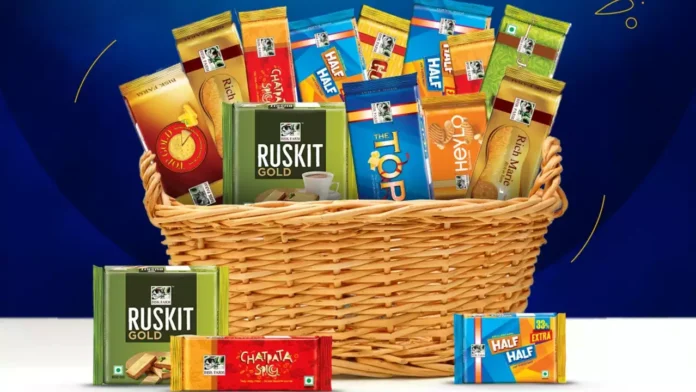
Britannia Marie Gold empowers womenpreneurs with launch of HerStore

0
Britannia Marie Gold - HerStore

As a major step towards empowering female entrepreneurs in India’s vibrant retail sector, Britannia Marie Gold has launched HerStore, a unique digital platform designed specifically for womenpreneurs. With the motto “Join Together, Grow Together,” this initiative is dedicated to creating a nurturing online space where women entrepreneurs can come together, support each other, and accomplish greater success.

HerStore, powered by Britannia Marie Gold, exemplifies the brand’s commitment to supporting women entrepreneurs. This innovative marketplace showcases products and services exclusively owned by women, providing a platform for constant support in their entrepreneurial journey. The platform also aims to offer a comprehensive suite of training, workshops, and upskilling videos, equipping womenpreneurs with the skills and knowledge needed to thrive in the market.

Inspired by the success of the Britannia Marie Gold Mystartup program launched in 2019, the platform’s design reflects its aim to assist women in overcoming financial obstacles and acquiring vital entrepreneurial skills. Through the program, over 50 entrepreneurs have already received seed funding of INR 10 lakhs each, and more than 50,000 women have been equipped with the necessary skills to launch their businesses. Notably, over 25 winners of the Mystartup Contest now operate prosperous businesses, with over 10 winners already part of HerStore.

Continue Exploring: Amazon India partners with GAME to empower women entrepreneurs nationwide

At the heart of HerStore’s strategic design lies the concept of ‘Shop | Be Inspired | Sell,’ with the goal of democratizing a comprehensive ecosystem for female business proprietors. The platform enables womenpreneurs to showcase their offerings to Indian consumers without incurring any extra charges and operates on a zero percent commission model. Presently accessible in various Indian languages such as Hindi, Kannada, Bengali, Tamil, and more, HerStore has already featured over 50 businesses on its marketplace.

HerStore serves not just as a marketplace for transactions but also as a hub for knowledge exchange and mentorship among womenpreneurs. Aspiring female entrepreneurs can easily engage with the Britannia Marie Gold Mystartup Contest Season 5 via the platform, enhancing their path to success.

Essentially, HerStore by Britannia Marie Gold emerges as a transformative force in the Indian retail sector, providing womenpreneurs with the necessary tools and support to excel in the fiercely competitive market environment.

Amit Doshi, Chief Marketing Officer, Britannia Industries said, “At Britannia Marie Gold, our unwavering commitment lies in empowering women entrepreneurs and nurturing their growth. Based on the learnings from four successful chapters of MyStartup contest, we realized the ecosystem needs a platform for constant guidance to prosper, and hence this women’s day – we are proud to take the first step towards that with HerStore. With the launch of the marketplace as the first step, we are hopeful that the ease of managing a business on HerStore along with the extensive Britannia Marie Gold community in India will truly democratize the ecosystem for women entrepreneurs.”

HerStore is a creation of the MullenLowe Lintas group, while the digital ecosystem has been constructed by Hash Connect.

Continue Exploring: Stovekraft empowers women entrepreneurs with revolutionary franchise opportunity at grand opening of 100th store

Subramanyeswar S. (Subbu), Group CEO, MullenLowe Lintas Group and Chief Strategy Officer – APAC, MullenLowe Global said, “Britannia Marie Gold has a strong emotional resonance among its audience – the Homemakers or as the brand believes them to be – Everyday Athletes. Led by an inspiring purpose to make them “Do more. Be more”, the new idea “HerStore” is a movement to empower and support womenpreneurs. ‘HerStore’ is also special to us as it’s the very first initiative from Lowe Lintas DX, our digital creative unit set up in collaboration with Meta. Their offering of advanced strategic and creative services, specifically designed for long-term brand building in the digital domain, was a perfect fit for this particular drive from Britannia. I do not doubt that ‘HerStore’ will help revolutionize the digital landscape on the web. It embodies the spirit of the brand to enable entrepreneurship and drive meaningful change in the lives of the Everyday Athlete!”

Vinod Kumar, Chief Strategy Officer at Hash Connect said, “Creating HerStore posed distinct challenges – our goal was to build a robust technology platform empowering women entrepreneurs as sellers. Simultaneously, we aimed to ensure a simple yet sophisticated user experience. Another element of uniqueness is that HerStore caters to not just e-commerce businesses with products, but services and local businesses as well. Leveraging our e-commerce knowledge and insights into Indian consumer behavior, we’ve built a platform promising an excellent experience for sellers, buyers, and the brand.”

Advertisement

D2C men’s fashion brand Snitch hits INR 400 Crore GMV milestone, targets INR 600 Crore by 2024

0
Snitch
Snitch

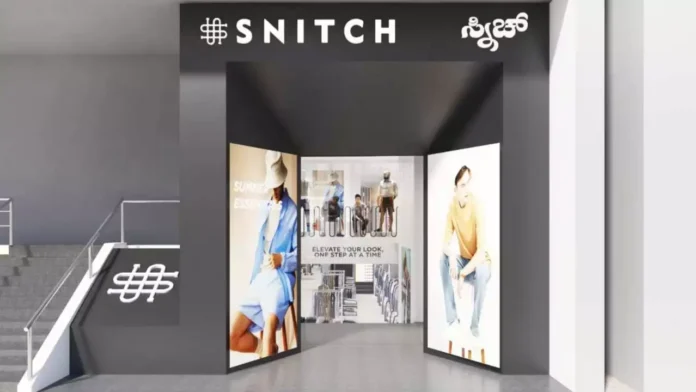
Snitch, a direct-to-consumer men’s fashion brand, has reached a gross merchandise value (GMV) of INR 400 crore. Setting its sights high, the brand aims to surpass this achievement by reaching a milestone of INR 600 crore GMV by the end of the fiscal year 2024.

The brand asserts that it has sustained an average quarter-on-quarter (QoQ) revenue growth of 30-35% over the past two years. Additionally, with its offline expansion, Snitch has witnessed a quarterly surge in sales and revenue, ranging between 35-40%.

Continue Exploring: Fashion brand Snitch unveils ambitious growth plans: Eyes 7-8 offline stores in FY24 for deeper presence in Indian cities and towns

Approximately 80% of the brand’s overall operating revenue is derived from the men’s apparel category.

“This achievement reflects the trust and support of our valued customers, as well as the dedication and hard work of our entire team. With our relentless pursuit of innovation and ability to stay ahead of the fashion curve, we remain committed to pushing boundaries, setting new trends, and providing our customers with the best affordable style.” said Siddharth Dungarwal, founder, Snitch.

The company recently secured INR 110 crore in a series A funding round and plans to use the funds to expand its retail footprint.

Continue Exploring: Snitch eyes offline retail expansion after raising $13.19 Million in Series A funding round

Advertisement

D2C skincare brand Foxtale secures $14 Million in funding led by Panthera Growth Partners

0
Foxtale
Romita Mazumdar, Founder & CEO of Foxtale

Foxtale Consumer, a direct-to-consumer (D2C) skincare company, has secured approximately $14 million (INR 120 crore) in new equity funding. The investment was spearheaded by Panthera Growth Partners, a Singapore-based firm, as per regulatory filings submitted by the startup to the Registrar of Companies.

The funding round also included contributions from Foxtale Consumer’s current supporters, Matrix Partners India and Kae Capital.

Founded in 2021 by Romita Mazumdar, a former executive at Mumbai-based investment firm A91 Partners, Foxtale Consumer previously secured $4 million in funding in 2022 from Matrix Partners and Kae Capital.

Panthera Growth Partners has previously supported Indian consumer startups such as BigBasket, Pepperfry, and Zivame. Meanwhile, Matrix Partners has invested in various direct-to-consumer (D2C) startups, such as The Whole Truth, Damensch, and Country Delight. Kae Capital has backed startups like Healthkart.

Continue Exploring: Skincare brand Conscious Chemist secures INR 1 Crore debt capital from Recur Club to fuel growth and expansion

In its first full year of operations for 2022-23, Foxtale Consumer disclosed operating revenue of INR 14 crore and a net loss of INR 18 crore, attributed to substantial investments in branding and marketing, according to regulatory filings obtained from Tofler.

In the skincare sector, offering a range of products including moisturizers, serums, sunscreen lotions, creams, and gels, the Mumbai-based startup competes with brands like Peak XV Partners and Minimalist, backed by Unilever Ventures, Pilgrim backed by Vertex Ventures, Dot & Key from Nykaa, Plum backed by A91 Partners, and Mamaearth and The Derma Co. under Honasa Consumer.

As per research conducted by Redseer Strategy Consultants and Peak XV Partners, India’s beauty and personal care market is projected to surpass other markets, with a compound annual growth rate of 10% from 2022 to 2027, reaching a valuation of $30 billion.

At a time when Foxtale Consumer’s fundraising comes, risk capital investors are increasingly turning towards consumer brands from tech companies, owing to high valuations commanded by technology startups.

The latest round of funding follows a series of successful endeavors in the consumer brands sector. For instance, luggage maker Mokobara raised $12 million in a round led by Peak XV Partners in February. Additionally, beauty and wellness brand Nat Habit received a $10 million infusion in December 2023, led by Bertelsmann India Investments. Similarly, personal care brand Pilgrim secured a $20 million funding in September last year, with Vertex Ventures taking the lead.

Continue Exploring: D2C luggage brand Mokobara secures $12 million in funding from Peak XV Partners, existing investors

Advertisement

Survey finds 80% of D2C businesses yet to achieve profitability; only 12% report profits

0
D2C
D2C

A recent survey conducted by MMA India and Publicis Commerce reveals that 80% of direct-to-consumer (D2C) businesses have not achieved profitability, with 63% reporting zero profitability.

The survey released on Wednesday added that only 12% of the D2C businesses have reported being profitable, while 25% of the D2C businesses said that they don’t measure profitability since they are part of larger ecosystems.

Anupriya Acharya, CEO for South Asia at Publicis Groupe, highlighted that ecommerce has emerged as the fastest-growing segment for the company, driven by the rising number of shoppers and increased consumer spending on e-commerce platforms. Acharya emphasized that the launch of the D2C Toolkit Advantage report aligns with the growing significance of commerce as a key agenda for clients.

“A lot of our clients are seeking our expertise for their D2C strategy. Many of our clients have traditional infrastructure. They have moved to marketplaces, and now they want to move into D2C,” she added.

Continue Exploring: D2C brands biggest disruptions to FMCG players, says Marico Founder Harsh Mariwala

Direct-to-consumer (D2C) is emerging as a prominent ecommerce channel, with 43% of e-commerce funding in 2022 directed towards these businesses. This surpasses marketplaces, making D2C the most funded e-commerce sub-sector.

According to Lalatendu Das, CEO of Performics India, only a handful of companies have successfully figured out how to operate a profitable direct-to-consumer (D2C) business. This challenge is primarily attributed to the high costs associated with customer acquisition, uncertainty surrounding return on investment, and the intricate operational complexities involved.

“Our survey shows that nearly 80% of D2C businesses are yet to attain profitability. About 12% of them are profitable, 63% are not profitable at all, and 25% said the D2C business is part of a bigger ecosystem, therefore they don’t measure profitability,” he noted.

Das noted that successful D2C ventures are excelling in four key areas.

“If these four things are done right, you are looking at an operating profit of roughly 8%,” he said.

This encompasses investing in consumer insights and leveraging them across various channels to boost sales, gathering first-party data for enhanced consumer understanding, fostering brand loyalty, and innovating products based on consumer feedback.

Continue Exploring: Digital-first D2C brands intensify brick-and-mortar presence to drive expansion and revenue growth

Advertisement

Bollywood actress Shraddha Kapoor joins Palmonas as Co-Founder

0
PALMONAS
Shraddha Kapoor, Pallavi Mohadikar and Dr. Amol Patwari

Palmonas recently announced its collaboration with Bollywood actor Shraddha Kapoor, who will be serving as the Co-Founder of the demi-fine jewellery brand. This significant development, initiated through an Instagram interaction, represents a milestone where a Bollywood actor joins hands with a startup, showcasing the influence of social media in forging meaningful connections.

The partnership between Kapoor and Palmonas originated from a comment exchange on Instagram, highlighting the organic nature of their association. With this collaboration, they seek to merge Kapoor’s celebrity influence with Palmonas’ commitment to innovative quality, with a focus on empowering women through versatile and contemporary demi-fine jewellery designs.

Established by Pallavi Mohadikar and Dr. Amol Patwari, Palmonas employs surgical-grade stainless steel plated with an 18k gold tone, as well as sterling silver coated with a 2.5-micron thick layer of 18K gold, establishing a benchmark for accessible luxury. Renowned for its modern and understated jewellery lines crafted from sterling silver, stainless steel, and gold vermeil, the brand has garnered recognition in the industry.

Continue Exploring: Jewellery consumption set for 10-12% value growth in FY24, driven by soaring gold prices: ICRA

Pallavi Mohadikar, Founder, Palmonas shared, “It all started when we received several orders with the initials S. Kapoor, sparking excitement that it could be the renowned actress Shraddha Kapoor herself. Shraddha always interacts with her fans on her Instagram and she replied to a fan’s comment on her reel in which she was flaunting our jewellery, and mentioned it in an Instagram story. To our surprise and delight, it was indeed Shraddha, confirming that she’s been a loyal user of our products.”

Shraddha Kapoor, actor and Co-Founder of Palmonas said, “I was searching for simple, good quality and reasonably priced jewellery on the internet because I was so fed up of my daily wear jewellery breaking or getting spoiled. I came across Palmonas and was just blown away their products. I went crazy purchasing so many pieces because I fell in love with their design sensibility as well and felt like I had so many options for my different moods and for different days. For me the product is everything and the fact that Pallavi and Amol have nailed that, got me very charged up and excited to partner with them.”

Continue Exploring: D2C jewellery brand Kushal’s raises $34 Mn in Series B funding from Lighthouse’s fourth PE fund

Shraddha further reiterates, “Bringing demi-fine jewellery to India with an aim to make luxury jewellery available at a fraction of the price, without compromising on the quality. I felt was needed in this space without harming the environment.”

Dr Amol Patwari, Founder, Palmonas said, “We’re honored to have Shraddha Kapoor join our journey and deeply grateful for the continued support of all our customers. I am thankful for the continued support of customers and excited about our journey ahead. Together, we’ll continue to create products that empower and inspire individuals to embrace their unique stories.”

Palmonas, renowned for its distinctive materials and unwavering dedication to excellence, holds a prominent position in the worldwide demi-fine jewellery sector. The partnership with Shraddha Kapoor is expected to enhance the brand’s expansion and reinforce its standing in the market, offering affordable luxury to a wide-ranging clientele.

Continue Exploring: Fashion jewellery brand salty secures INR 5.4 Crore for team expansion and product innovation

Advertisement

Hong’s Kitchen expands to iconic Chandni Chowk with 25th Store launch, offering fusion flavors in Delhi’s bustling food hub

0
Hong’s Kitchen
Hong’s Kitchen (Representative Image)

Hong’s Kitchen, an Indo-Chinese quick-service restaurant chain operated by Jubilant FoodWorks Ltd. (JFL) in India, has opened a new restaurant in Delhi at the newly constructed Omaxe Chowk, Chandni Chowk.

This will be the 25th store from the company, the release added.

“As we open our store in Omaxe Chowk, Chandni Chowk, we are excited to introduce our unique blend of Indian and Chinese flavours in a location as iconic as Chandni Chowk which many consider the heart of the city, a buzzing and diverse community of food enthusiasts in this historic area. We aim to provide our consumers with affordable and great-tasting Chinese food customized for the Indian palette,” said Avinash Kant Kumar, President, of Jubilant FoodWorks Limited.

Continue Exploring: Fresh flavors hit Shahdara as Hong’s Kitchen opens new outlet in Delhi

To commemorate its 25th store launch at Omaxe Chowk, Chandni Chowk, Hong’s Kitchen introduces a menu that combines beloved classics with inventive fusion creations.

Snackfax had earlier reported that JFL, also a master franchisor of Domino’s, Popeyes, and Dunkin’, is expanding its reach and is expected to reach around 3,000 outlets in the medium term.

JFL plans to expand the presence of Popeyes to NCR and other prominent cities of North India. The brand, launched by JFL in January 2022, is currently present in 10 cities in south India, and Delhi is the eleventh city. For the current fiscal year, the company plans to invest around INR 750 crore in expansion and opening of new stores.

Continue Exploring: Jubilant Foods expects Popeyes to hit INR 1,000 Crore sales mark in 3-4 years, plans rapid expansion

JFL stands as one of India’s leading food service companies, operating under the Jubilant Bhartia Group. Established in 1995, the company possesses exclusive master franchise rights from Domino’s Pizza Inc. to expand and manage the Domino’s Pizza brand across India, Sri Lanka, Bangladesh, and Nepal.

In India, it boasts a network of 1,928 Domino’s stores spread across 407 cities. Additionally, the company holds exclusive rights to establish and manage Popeyes restaurants in India, Bangladesh, Nepal, and Bhutan, as well as Dunkin’ restaurants in India. Currently, the company operates 32 Popeyes restaurants in 10 cities and 25 Dunkin’ restaurants across eight cities. ‘Hong’s Kitchen’ marks the company’s debut restaurant brand in the Chinese cuisine segment, with 25 establishments now in operation across four cities.

Advertisement