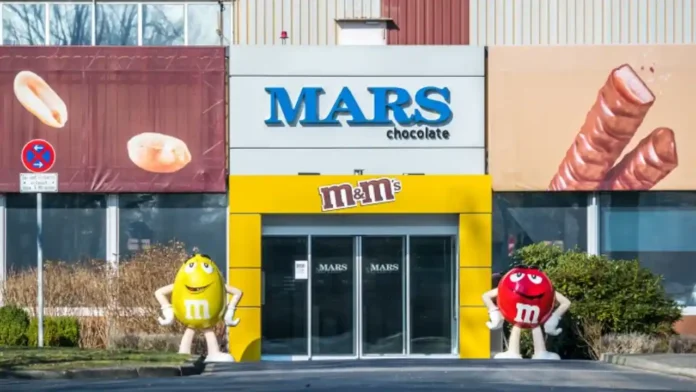
Mars has announced a significant investment of over $70 million into its facility in Hackettstown, New Jersey, USA, aimed at boosting innovation and manufacturing capabilities.
The company plans to set up an R&D innovation studio, complete with a new test kitchen and packaging lab. Additionally, the investment will target enhancements in manufacturing efficiencies and food safety at the Hackettstown facility.
The R&D innovation studio will feature a new prototyping kitchen, packaging lab, and collaborative workspace, with the goal of accelerating innovation and development to align with changing consumer preferences.
The studio’s functionalities will bolster the production of Mars Wrigley products made in the US, including iconic brands like M&M’s, Snickers, Twix, Milky Way, Skittles, Starburst, Extra, and Altoids, while also driving fresh product innovations. Furthermore, the revamped packaging studio will prioritize the development and testing of sustainable packaging materials, aligning with Mars’ dedication to a circular economy.
Anton Vincent, the president of Mars Wrigley North America and Global Ice Cream, emphasized, “For over a century, Mars has prioritized quality and innovation. Our ongoing investment in the Hackettstown site reaffirms our dedication to innovation in New Jersey and to enhancing the skills of our associates with state-of-the-art facilities. Our aim is to continually bring more moments of everyday happiness to our consumers.”
A recent study by Worldpay reveals a notable increase in the adoption of digital wallets, signaling a transformative change in the global payments landscape.
The Global Payments Report 2024 underscores the rising consumer preference for digital wallets, citing reasons like ease of use, accessibility, and improved security features.
The report states that digital wallets contributed an impressive $13.9 trillion to global transaction value in 2023, making up half of all online transactions and 30% of consumer spending at point-of-sale (POS).
The findings indicate that this trend is expected to persist, with digital wallets forecasted to exceed $25 trillion in global transaction value by 2027, making up 49% of all online and POS sales combined.
The study highlights several factors driving the swift adoption of digital wallets.
The convenience provided by these platforms, combined with growing consumer trust due to improved security measures, has fueled their broad acceptance.
Furthermore, the report highlights that the Covid-19 pandemicacted as a catalyst for the rapid adoption of digital wallets, propelling them into the mainstream as consumers looked for contactless payment alternatives.
Although digital wallets have gained popularity worldwide, the report points out regional differences in payment preferences.
In markets like the US, where consumers have a strong affinity for credit and debit cards, they often link these cards to their digital wallets.
On the other hand, in countries like Brazil and India, where cash-based economies are transitioning to digital payments, instant-payment services like Brazil’s Pix are becoming popular due to their convenience and reliability.
Gabriel de Montessus, head of Global Enterprise at Worldpay, highlighted the importance of understanding consumer preferences to drive payment innovation.
He emphasized the role of digital wallets in enhancing payment experiences, both online and in-store, and encouraged stakeholders throughout the payments ecosystem to collaborate in providing increased payment flexibility for consumers and merchants.
The report also emphasizes the increasing importance of alternative payment methods, like account-to-account (A2A) transactions, especially in regions where governments have invested in building the required infrastructure.
In nations like Brazil, India, and the Netherlands, A2A payments are expected to have a substantial impact on the future of e-commerce transactions, highlighting the changing dynamics of the global payments landscape.
Pernod Ricard has introduced an orange peel flavor to its Absolut Nights shots lineup.
Absolut Nights offers a dynamic and daring collection of shots, inspired by local cultures and tastes to craft immersive drink experiences for party enthusiasts around the globe.
Absolut Nights Orange Peel combines oriental orange peels with coffee. Drawing inspiration from Chenpi, a traditional local dried orange rind flavor, this drink features a harmonious mix of sweet and sour tones with a spicy tangerine twist. A touch of coffee enhances the flavor profile of this Absolut Vodka-based beverage.
Made with Absolut Vodka and natural ingredients, this beverage has a 35% ABV and is recommended to be savored neat and cold.
The new product is presented in a 700ml orange glass bottle, representing the vibrant neon lights synonymous with Asia’s nocturnal cityscapes. The urban-inspired X-symbol embodies “high-energy nights and experiences,” according to the company.
The orange peel variety joins the brand’s lineup of existing flavors, such as Smoky Piña, inspired by Mexico, and Nordic Spice, influenced by Scandinavia.
Louis Chang, VP of Marketing at Pernod Ricard China, commented, “Absolut Nights Orange Peel honors Chinese culture, and its flavor profile is perfectly tailored for the Asian market.”
“Drawing inspiration from Chenpi, a staple in Chinese desserts, cuisine, and candy, adding orange peel to our portfolio in China marks the next stage in the transformation of nightlife for the next generation. This reflects our commitment to reshaping nightlife by blending local culture with global trends, crafting captivating, authentic, and immersive experiences.”
Absolut Nights Orange Peel is set to debut in China on March 30th.
DoorDash, a food delivery platform, has partnered with Alphabet’s Wing to initiate a drone delivery pilot program in the US, specifically catering to the fast-food chain Wendy’s.
The initiative comes after the successful collaboration between DoorDash and Wing in Australia, which started in November 2022 and has now grown to include three locations with 60 participating merchants.
The pilot program in the US has been initiated in Christiansburg, Virginia, allowing local customers to order from Wendy’s via the DoorDash platform for drone delivery.
Customers eligible for the service will see the drone delivery option on the DoorDash app’s checkout page.
After the rollout in Christiansburg, DoorDash and Wing are exploring the possibility of expanding the drone delivery pilot to more US cities later this year.
Harrison Shih, the Senior Director at DoorDash Labs, stated, “We are thrilled to broaden our collaboration with Wing in the US by incorporating drone delivery into DoorDash’s services. At DoorDash, we are dedicated to enhancing last-mile logistics through a multi-modal delivery platform that benefits all participants in our marketplace.”
“We are certain that drone delivery will improve our platform by offering customers more economical, environmentally friendly, and practical delivery options.”
Customers in Christiansburg choosing drone delivery can anticipate their meal to be delivered in 30 minutes or less.
Wing has mentioned that its drones will fly at approximately 65mph (104km/h), then decelerate and hover to carefully lower the order at the customer’s doorstep using a tether.
The new delivery method complements the current driver-based service, providing a fast and eco-friendly option for small, short-distance orders.
Cosimo Leipold, Head of Partnerships at Wing, stated, “The expansion of our partnership with DoorDash and the launch in the US stem directly from the success of our initial collaboration in Australia. There, Wing has served tens of thousands of customers through the DoorDash app for over a year.”
“Wing has shipped more than 350,000 items in three different nations. Moving forward, our priority is to offer a fast, affordable, and secure service to our partners, enabling them to enhance their customer experience. This milestone marks a significant expansion of our service in the US and aligns with our mutual objective to improve the last-mile delivery ecosystem.”
Subway has been making significant strides lately, and it’s now unveiling one of its most substantial announcements in years by expanding into grocery stores with its fast-food sauces. Despite being one of the nation’s favorite chains for decades, Subway faced challenges in the late 2010s, experiencing consecutive years of store closures, which led to the lowest number of retail locations in 20 years by 2023.
However, the company made a comeback last year and resumed its expansion. Additionally, Subway refreshed its menu by introducing new deli-sliced sandwiches. This was further complemented at the start of this year with the exciting launch of attention-grabbing Subway footlong treats, such as churros and a 12-inch version of its beloved chocolate chip cookie. Now, Subway is exploring a fresh approach to package its fan favorites by bottling four of its most sought-after sauces for retail sale.
In a strategic collaboration with the T. Marzetti Company, the renowned sandwich chain is expanding its offerings beyond the restaurant setting. Starting the week of March 25, 2024, consumers will be able to purchase 16-ounce bottles of these Subway restaurant-inspired sauces at major retailers like Walmart, Kroger, and Albertson’s, with plans for broader distribution in the near future. The quartet of sauces making its market debut comprises Sweet Onion Teriyaki, Roasted Garlic Aioli, Baja Chipotle, and Creamy Italian MVP. The first three are inspired by some of Subway’s top-rated sauces, while the Creamy Italian MVP offers a new twist on the MVP Parmesan Vinaigrette.
While the biggest news from a food perspective is the at-home availability of these Subway sauces, the company is also launching new products to support its Fresh Start Scholarship Fund, according to the press release. This program offers $2,500 in tuition assistance to Subway Sandwich Artists and restaurant employees for their secondary education, and it has already helped over 1,700 people so far.
Paul Fabre, Senior Vice President of Culinary and Innovation at Subway, shared his excitement, saying, “This partnership elevates our sauces and allows our fans to enhance their culinary creations from average to exceptional, all while supporting a meaningful cause.”
Carl Stealey, President of Retail Business at T. Marzetti Company, expressed a similar sentiment, recognizing Subway’s iconic position in the fast-food industry. “We’re proud that Subway chose T. Marzetti to contribute to that legacy and make their sauces available in kitchens nationwide.”
Popcorn & Company, a gourmet popcorn brand, landed an investment worth INR 75 lakh in the recent episode of Shark Tank India 3, currently streaming on the OTT platform Sony LIV. The brand secured a significant investment from Ms. Namita Thapar, Executive Director of Emcure Pharmaceuticals, one of the sharks on the show.
Founded in 2020 by Vikas Suri, Popcorn & Company aims to establish itself as India’s leading gourmet popcorn brand. The brand emphasizes its dedication to sourcing top-quality ingredients and maintaining consistency to provide customers with an exceptional popcorn experience. With a diverse range of over 12 varieties of Butterfly and Mushroom popcorns, complemented by a wide selection of both international and Indian flavors, Popcorn & Company has quickly made a name for itself in the market.
The company will use the newly acquired funds to strategically enhance stock inventory and bolster marketing initiatives. This strategic allocation aims to position the company for rapid expansion and increased market penetration.
Vikas Suri, CEO and Founder of Popcorn & Company, shared his excitement about the investment, saying, “Our goal is to transform snacking by creating flavors influenced by India’s rich culinary heritage. Securing this investment is a significant milestone for us. It reflects confidence in our vision and the unwavering dedication of our team. With the Sharks now on board, we are poised to elevate Popcorn & Company to new levels.”
With a steadfast dedication to quality, innovation, sustainability, and customer satisfaction, Popcorn & Company is positioned to significantly influence the future of the popcorn market in India. Particularly, the company’s Movie Night Kit provides a distinctive and convenient way to savor gourmet popcorn at home, ideal for preparation in a microwave or pressure cooker. Perfect for family get-togethers or relaxed snacking moments, the Movie Night Kit is sure to captivate snack lovers with its variety of flavors and experiences.
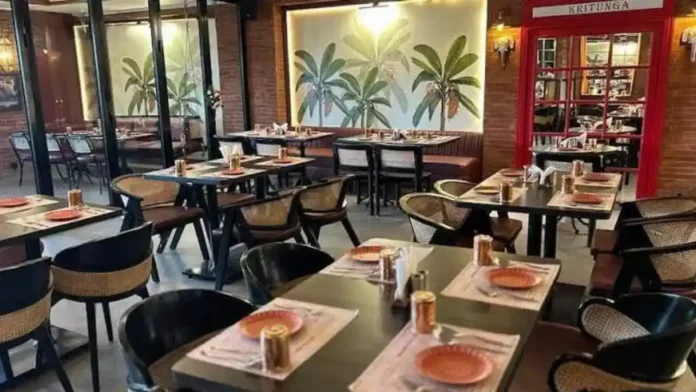
Kritunga Restaurants, renowned for its authentic South Indian cuisine, plans to launch over 15 outlets in southern cities such as Bengaluru, Hyderabad, and Chennai. Through a strategic partnership with 91Squarefeet, a rapidly expanding commercial fit-out services company backed by Y-Combinator, Kritunga aims to enhance the dining experience for its customers and improve operational efficiency.
This collaboration marks a turning point in restaurant design as it seeks to improve the dining experience at every Kritunga location globally. Leveraging 91squarefeet’s expertise, the revamped design emphasizes efficient layouts to increase seating capacity, all while maintaining customer comfort.
The interiors will feature captivating designs that align with Kritunga’s brand and cultural essence. Improved flow management will boost service efficiency for both patrons and staff, and the kitchen areas will prioritize functionality and safety. Sustainability is at the forefront, with the incorporation of eco-friendly design components. The flexible spaces are designed to meet diverse needs, and cohesive branding ensures a memorable dining experience for all.
Ananth Mandra, Managing Partner of Kritunga Restaurants and Franchise, commented, “We are launching over 15 new outlets in Hyderabad, Chennai, and other cities in the south. We are thrilled to collaborate in establishing new benchmarks in restaurant design and ambiance, enhancing the dining experience for our customers.”
91Squarefeet will be instrumental in shaping Kritunga’s expansion initiatives, handling everything from defining brand identity and enhancing ambiance to executing on-site tasks with precision and efficiency, paying careful attention to every detail.
Amit Bansal, the founder and CEO of 91Squarefeet, shared his excitement about the partnership, saying, “Our competitive edge lies in our speed, and we are continuously dedicated to technological innovation in project management and the skill enhancement of our team to further expedite project execution. We are excited to collaborate with Kritunga and contribute our expertise to their expansion endeavors. By merging our innovative strategies with Kritunga’s commitment to delivering outstanding dining experiences, we aspire to design spaces that not only enchant customers but also enhance operational efficiency and distinguish the brand.”
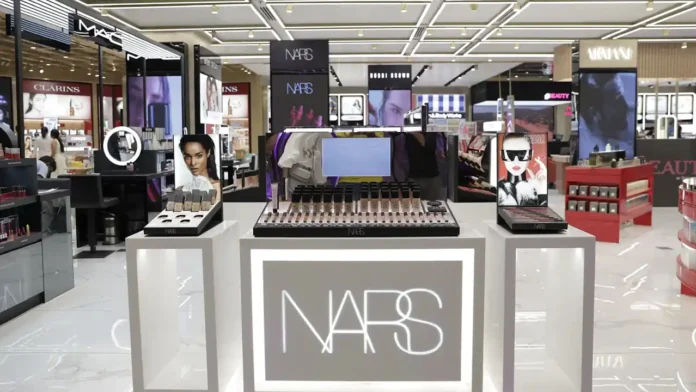
SSBeauty, the beauty retail wing of Shoppers Stop, has inaugurated India’s largest beauty store. Situated on the first level of Quest Mall in Kolkata, this expansive outlet spans an impressive 9,000 square feet of retail area.
“I’m delighted to introduce the biggest beauty store in the country! Biju Kassim, Chief Executive Officer, Shoppers Stop, said, “SSBeauty at Quest Mall reflects our dedication to offering a state-of-the-art shopping experience for today’s beauty aficionados.”
The store provides a wide range of products including makeup, skincare, fragrances, and men’s grooming essentials. Additionally, it boasts a specialized treatment room for facials and treatments, as well as a nail bar offering nail care and styling services.
It features an array of international brands such as Dior, Nars, Armani Beauty, Kilian, Laura Mercier, Givenchy, Clarins, Lancôme, Kiehl’s, Shiseido, Jo Malone, and Tom Ford, as well as popular Indian brands like Forest Essentials, Kay Beauty, Colorbar, and Kama Ayurveda.
SS Beauty launched its first standalone beauty store in Malad, Mumbai, in February 2022. Currently, it has expanded to operate 14 stores throughout the country.
Founded in 1991 by property developer K Raheja Corp, Shoppers Stop Ltd. opened its inaugural store in Andheri, Mumbai. With a presence spanning 106 department stores across 56 cities, the company also manages seven premium home concept stores named Home Stop, 88 specialty beauty stores featuring M.A.C, Estée Lauder, Bobbi Brown, Clinique, Jo Malone, Too Faced, and SSBeauty, along with 23 airport outlets and 18 Intune stores, encompassing a total area of 4.1 million square feet.
In a significant move, Amazon India has informed its sellers about changes to its fee structures effective April 7. Several categories are expected to see increased fees based on the product price.
According to a report by Moneycontrol, the company notification stated that the updated fee structure encompasses alterations across different item categories, long-term storage fees, and refund fees.
It’s important to highlight that these fee modifications do not incorporate the 18% Goods and Services Tax (GST), which will be levied separately on the seller fee.
At present, sellers pay Amazon a fee that covers inventory storage, technology, shipping, returns, and a seller fee for each product sold through the platform.
Home improvement fees increased from 9% to 13.5%, luxury beauty shifted from a flat 5% to a tiered system reaching up to 10%, and sleepwear rose from 11-15% to 13.5-19%, marking some of the most significant hikes in seller fees. Additionally, fees for musical instruments rose from 7.5% to 10.5%, and for flipflops, they increased from 10-12.5% to 13-15%.
While some categories experienced fee hikes, the ecommerce giant also decreased fees for categories like inverters and batteries, dropping from 5-5.5% to 4.5%, as well as Baby Apparel, which went from 11-21% to 11-20%, among others.
Amazon’s changes to seller fees will impact major companies such as Mamaearth and BoAt, which depend heavily on e-commerce platforms for sales. Mamaearth, a leading brand in face washes and skincare, will experience a notable rise in seller fees. The costs for face washes will now be around 6-9% instead of 2.5-8%.
Likewise, fees for moisturizer creams, including those from Mamaearth, will rise from 2.5-8% to 6.5-9.5%. Even for sought-after items like sunscreens, fees will increase from 2.5-8% to 6.5-9.5%. This adjustment will also apply to other beauty products, with fees going up from 2.5-8% to 6.5-9%.
It is unlikely that Mamaearth, despite its large sales volume, will be treated differently and will be subject to the same seller fee increases.
In fact, we would be the most commonly treated in terms of players because we function as sellers on these platforms’, stated Varun Alagh, co-founder and CEO of Mamaearth, in February during the company’s Q3FY24 results announcement. As sellers, you function within the same framework that Amazon has established for all sellers in the nation.
Ultimately, though, we are operating under the same guidelines that Flipkart or Amazon have developed for all sellers in the nation. In contrast to most other businesses, which use a B2B model with less transparency, ours is extremely transparent when it comes to the costs involved,” he continued.
Additionally, as part of the recent update, Amazon has discontinued its Zero Fee fulfillment policy. As a result, beginning from April 30, 2024, standard-sized goods costing more than INR 20,000 will be subject to a weight handling shipping tax.
Meanwhile, Amazon is reportedly preparing to launch its new vertical, Bazaar, which will feature budget-friendly, unbranded fashion and lifestyle products.
According to reports, Amazon Bazaar is currently onboarding sellers to list unbranded products, which include apparel, watches, shoes, jewellery, and luggage, all priced below INR 600.
The recent development closely follows Amazon’s foray into the logistics sector in India with the introduction of a new vertical called Amazon Shipping. The company is poised to enter this domain by managing non-Amazon orders. To kick off this new initiative, Amazon collaborated with logistics aggregators, other companies that receive orders directly from consumers, and direct-to-consumer (D2C) firms.
The pandemic has triggered a significant shift in behavior, leading Indians to increasingly embrace online services such as quick commerce. Furthermore, to effectively target the Gen Z and Gen Alpha generations, companies must leverage online platforms to connect with these digital natives. It’s high time traditional companies revamped their marketing strategies to capitalize on this transformation.
In 2023, the FMCG industry rapidly embraced digital advertising, with approximately 47% of the sector’s total ad expenditures directed towards digital media, according to analysts at Dentsu.
“Personalised targeting, real-time engagement, and quantifiable results are all made possible by the digital landscape. “Investing in digital advertising is essential to maintain relevance and accessibility to our target demographic as consumers increasingly turn to online content consumption,” stated Marico‘s chief marketing officer, Somasree Bose Awasthi.
The company employs a combination of digital platforms, social media, and influencer marketing to enhance its outreach.
Adani Wilmar tailors its digital strategy based on the platform selected. For example, on Meta, the company emphasizes a content-driven engagement approach. The digital medium enables companies to craft targeted communications for particular audiences, reducing unnecessary reach.
Jignesh Shah, Head of Media and Digital Marketing at Adani Wilmar, stated, “We predominantly utilise Meta ads, Google ads, programmatic partners, and content partners. it is fair to say that we are somewhat upbeat on digital expenditures as part of our overall media strategy.”
Parle Products now allocates more than 25% of its advertising budget to digital, up from 10% before the pandemic. In addition to Google and Meta, the company advertises on various OTT (over-the-top) platforms, content platforms such as ShareChat and Dailyhunt, and even short-format video platforms like Josh.
“Many in the younger generation are now cord-cutters. They prioritize mobile-first experiences and prefer to consume media on their own terms. This shift is prompting most advertisers to allocate more of their advertising budget to digital,” stated Vice-President Mayank Shah. He added that the digital medium currently provides much clearer visibility for assessing ROI (return on investment), indicating how effectively ads translate into reach and sales.
ITC’s digital investments are motivated by its goal to target the appropriate audience and optimize the accessibility of its brand. According to Shuvadip Banerjee, Chief Digital Marketing Officer, as internet penetration expands nationwide and its usage becomes more widespread, the digital medium has become omnipresent and democratized.
“As consumer behaviour evolves, so too must our approaches to reaching them. In terms of total reach, digital media currently outreaches television,” said Banerjee.
Consumers no longer follow a linear purchasing path. Before making a purchase, whether online or offline, they often browse through content and reviews on the internet. Therefore, it is crucial in today’s world to have a presence on both digital and traditional media platforms, emphasized Nitin Saini, Vice President of Marketing at Mondelez India.
“The benefits of digital advertising are numerous, including precision targeting, personalized communication, robust ROI tracking, data-driven insights, and the capability to establish a brand presence in a crowded media environment. Moreover, the growth in e-commerce and quick commerce offers a lucrative opportunity, especially for consumer-packaged goods (CPG) brands,” stated Saini.
“Our choice to utilize digital marketing is rooted in the rising prevalence of digital users worldwide. With more people accessing the internet and engaging with digital content, it has become essential for FMCG companies like ours to establish a robust digital presence,” emphasized Kush Aggarwal, Head of Marketing at Bikano.
We use cookies to ensure that we give you the best experience on our website. If you continue to use this site we will assume that you are happy with it.