Saturday, February 7, 2026
Home Blog Page 580

Delhi govt extends existing excise policy for fiscal year 2024-25

0
Liquor
Liquor

The Delhi government has extended its prevailing excise duty based policy for the coming financial year 2024-25, officials on Monday said.

The competent authority has granted approval for continuation of the excise duty based policy, for 2024-25, to grant wholesale licenses on basis of same terms and conditions of Licensing Year 2023-24, said an order issued by the government’s excise department.

The wholesale licenses are allowed on same terms and conditions of excise duty based policy that is in effect from October 1, 2023, till March 31, 2024, said the officials.

Also, the terms and conditions of all licenses that are renewable every year, are also continued for Excise Year 2024-25, the excise department order said.

Continue Exploring: ISWAI presses for immediate rationalization of excise duties on alco-bev sector

The necessary circulars for these retail and HCR (hotel, club and restaurant) category licenses will be issued in the next few days, added the officials.

The excise duty-based policy regime, under which retail liquor business shifted from private firms to Delhi government enterprises, was implemented in September 2022 and was extended twice earlier in April 2023 and again in October 2023.

The policy was brought after the Delhi government’s ambitious excise policy 2021-22, implemented on November 17, 2021, ran rough weathers due to allegations of irregularities in its formulation and implementation.

Continue Exploring: New excise policy maintains liquor prices except for country-made; premium outlets at transit hubs approved

The policy was scrapped by the Arvind Kejriwal government days after Delhi LG VK Saxena recommended a CBI probe in the alleged irregularities.

The government had promised to bring a new excise policy that has yet not been ready, the officials said.

A committee formed by the government has readied a draft for the new policy that is yet to be taken up by the government, they said.

Under the existing excise policy, four Delhi government corporations run 684 liquor stores across the city.

Continue Exploring: Delhi’s excise department rides high on soaring liquor sales, notching a 9% revenue surge in Q3 2023-24

Advertisement

upliance.ai hits 5 million sales mark in just 30 days following Shark Tank appearance

upliance.ai
Mahek Mody and Mohit Sharma, Co-Founders, upliance.ai

The innovators behind India’s first AI Cooking Assistant, upliance.ai, have witnessed a notable surge in demand following their recent feature on Season 3 of Shark Tank and a timely infusion of INR 34 crore funding from Khosla Ventures. With sales of over 200 units priced at INR 23,999 each, the brand has experienced a remarkable 243 percent increase in sales, now valued at INR 143 crore, surpassing its initial valuation of INR 100 crore.

Continue Exploring: Upliance.ai raises INR 34 Crore in seed funding led by Khosla Ventures, valuation soars to INR 143 Cr

After their feature on the investment show, the company garnered significant attention across various online platforms, especially among the customer community and digital Key Opinion Leaders (KOLs). Website traffic skyrocketed by 13 times in unique visitors, while social media engagement surged, witnessing a 120-fold increase in monthly followers on Instagram alongside a notable spike on their YouTube channel.

Mahek Mody and Mohit Sharma, Co-Founders said, “We are thrilled to witness the heightened interest in our products following our feature on Shark Tank. The substantial increase in both sales and social media engagement serves as a strong affirmation of the value we bring to Indian homes, reinforcing our steadfast vision for the future. This positive momentum propels us towards an expansive trajectory; our goal is comprehensive growth. Looking ahead, our focus is on expanding into new markets, increasing revenue, and achieving economies of scale, ultimately driving profitability company-wide.”

Continue Exploring: India’s first AI Cooking Assistant, upliance.ai sets sights on 10X growth and INR 150 Crore revenue after star performance on Shark Tank

Having already sold over 900 units and firmly establishing its position in the market, the Bengaluru-based brand is now strategically focused on accelerating product expansion. This involves making significant investments in tooling and advanced manufacturing techniques. With the capital raised, the company intends to build a flexible and skilled team while also exploring partnerships with content creators to enhance its marketing efforts. The strategic expansion plan includes scaling up manufacturing operations and establishing a robust presence in over 10,000 retail stores nationwide, complemented by 30 company-owned experience centers. This forward-thinking strategy marks the next significant chapter in upliance.ai’s journey within the dynamic realm of innovative home tech solutions.

Backed by prominent investors such as Rainmatter, Rukam Capital, Draper Associates, and most recently Khosla Ventures, upliance.ai stands ready to establish itself as India’s leading Direct-to-Consumer (D2C) hardware startup, primed for rapid growth.

Continue Exploring: A-Listers Spice Up Their Portfolios with Bold Bets on India’s Booming F&B Startups

Advertisement

The Pantry launches ‘Wellness Menu’ in collaboration with celebrity nutritionist Neha Sahaya

0
Celebrity Nutritionist Neha Sahaya

The Pantry has launched its ‘Wellness Menu,’ in collaboration with celebrity nutritionist and wellness expert Neha Sahaya.

“We are very excited to introduce this new wellness menu to all our loyal patrons. Our collaboration with Neha Sahaya signifies our dedication to providing our customers with not only delicious and healthy food options but also meals that are nutritionally balanced and nourishing,” says Pankil Shah, co-founder, of The Pantry Guilt-free Goodness.

“We believe that food should not only taste good but should also make you feel good, and this menu exemplifies that ethos,” adds co-founder, Sumit Gambhir.

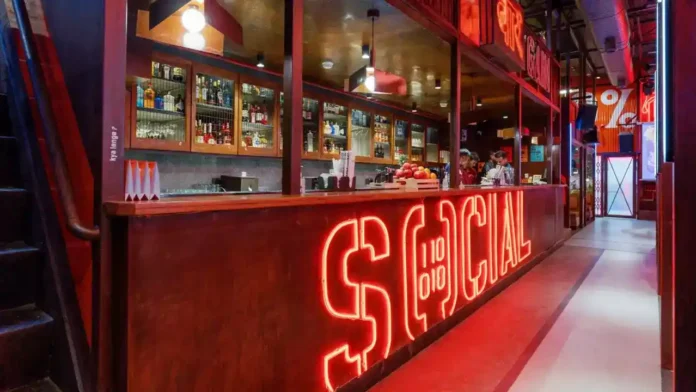
Continue Exploring: Nestlé India collaborates with SOCIAL and BOSS Burger to debut MAGGI’s plant-based menu across major cities

Drawing upon her profound expertise in food and lifestyle habits, Neha Sahaya specializes in addressing life-altering illnesses such as PCOS, diabetes, thyroid issues, high blood pressure, and weight gain. She skillfully combines her knowledge of healthy eating practices with the potency of nutritious ingredients to craft innovative dishes that emphasize nutritional value without sacrificing taste. Neha Sahaya’s collaborative endeavors include partnerships with notable figures such as Sunil Shetty, Baba Ramdev, and various Bollywood celebrities like Kajal Agarwal and Tanisha Mukherjee, as seen in initiatives like Mission Fit India.

“It has been an absolute pleasure collaborating with The Pantry to create this menu. By combining culinary creativity with evidence-based nutrition, we have crafted dishes that offer a perfect marriage of taste and health. I am confident that these offerings will not only tantalize taste buds but also support individuals in their journey towards optimal health,” said Neha Sahaya.

With a focus on flavor, freshness, and wellness, the menu is conveniently available on Swiggy and Zomato, allowing for easy ordering from the comfort of one’s home or on-the-go. From vibrant salads brimming with seasonal ingredients to nourishing bowls, desserts, and protein-rich shakes, this menu promises to tantalize taste buds while nourishing the body.

Continue Exploring: Scuzo Ice ‘O’ Magic expands into confectionery market, unveils new menu packed with delectable delights!

Advertisement

Kadamba single-malt whisky shines on global stage, named ‘Emerging Brand of the Year’ by Ambrosia Magazine

0
Kadamba Single-Malt Whisky

In a significant milestone highlighting India’s growing presence in the global spirits industry, Kadamba Single-Malt Whisky has secured prestigious accolades from three of the world’s foremost industry publications. Among them is Ambrosia, Asia-Pacific’s oldest and most widely circulated magazine, which awarded Kadamba Single-Malt Whisky the title of “Emerging Brand of the Year” during a recent illustrious awards ceremony.

These accolades not only honor the rich heritage of the Kadamba dynasty, from which the whisky draws its name and symbolizes the Golden Age of Goa, but also firmly establish India as a producer of world-class single-malt whiskies.

“Kadamba’s victory in bagging several medals is a testament to its exquisite craftsmanship, incorporating the bountiful harvest of Indian barley-malt and achieving a unique zest that captivates with every sip,” said Dr. Mohan Krishna, Founder of Cheers group.

Continue Exploring: Kadamba Whisky wins prestigious title of ‘Best Indian Single-Malt’ at Icons of Whisky awards

Ashwin Balivada, CEO of Cheers group, said, “Aged in a mix of bourbon, sherry, and virgin American oak casks, Kadamba’s Signature Expression delivers a complex, velvety, and full-bodied flavour profile, earning it top honours in its category.”

Dr. Divya Balivada, Global Creative Director of Cheers group, said, “Kadamba, leisurely aged Indian single-malt is nothing short of spectacular. The classic, earthy peat notes are balanced with a touch of salty Goan ocean breeze, it’s a smooth, warm blend that allows all the flavours to dance synchronously.”

Continue Exploring: Rising tide of Indian single malts disrupts Pernod and Diageo in booming spirits market

Kadamba lives up to its hype. Its aroma is richly oaked and intricate, making it perfect for whisky enthusiasts who appreciate malty and nuanced flavors. Exhibiting a pronounced peaty taste, it also carries a subtle hint of sherry trifle, harmonizing the oak, vanilla, and fruit undertones. The whisky culminates in a satisfying spicy finish, offering a distinctive mouthfeel.

Kadamba, meticulously crafted at the prestigious distillery of the Cheers group near the historic town of ‘Kadamba’ in North Goa, stands as an exceptional single malt whisky. Remarkably, it undergoes triple cask maturation, a rarity in the world of whisky, embodying the essence of royalty. It’s akin to discovering a hidden gem, a whisky that astonishes with its complexity and magnificence!

Continue Exploring: Indian alcoholic beverages industry set for margin improvement and sales surge in FY2025: ICRA

Advertisement

Unilever announces spin-off of ice cream business, 7,500 job cuts planned in cost-cutting effort

0
Hindustan Unilever
Hindustan Unilever

Unilever Plc plans to separate its ice cream division, which includes renowned brands like Ben & Jerry’s and Magnum, into a standalone business as part of a cost-cutting program that would also result in 7,500 job losses.

The separation process will begin immediately and is anticipated to conclude by the end of 2025.

“The separation of Ice Cream and the delivery of the productivity programme will help create a simpler, more focused, and higher performing Unilever. It will also create a world-leading ice cream business, with strong growth prospects and an exciting future as a standalone business,” said Ian Meakins, Chair of Unilever.

Continue Exploring: From scoops to sundaes: Ice cream sales set to soar 15-20% this summer

In a broader initiative to boost growth, CEO Hein Schumacher is overseeing the streamlining of the UK consumer-goods giant. The company has emphasized that the job reductions are integral to its Growth Action Plan, targeting €800 million in cost savings over the next three years.

The Unilever Board holds the view that the company should concentrate on a portfolio of exceptionally superior brands within highly appealing categories, supported by complementary operating models. With the Ice Cream business boasting its own unique operating model, the Board has concluded that separating this division will enhance future growth prospects for both Ice Cream and Unilever, as stated in a release.

The company announced that it will explore various options for the separation, with a demerger likely resulting in the establishment of a new publicly listed company being the most probable outcome.

Unilever, known for brands such as Hellmann’s mayonnaise and Domestos cleaners, disclosed that its ice cream business accrued sales of €7.9 billion ($8.6 billion) in 2023.

After the separation of the Ice Cream business and the implementation of its productivity program, Unilever envisions attaining a “structurally higher” margin. Subsequent to this division, the company forecasts achieving mid-single digit underlying sales growth and modest margin improvement.

Continue Exploring: Unilever and Perfect Day collaborate to launch animal-free dairy ice cream

“The separation of Ice Cream will assist Unilever’s management to accelerate the implementation of its GAP, announced in October 2023, which is focused on doing fewer things, better, with greater impact to drive consistent and stronger topline growth, enhance productivity and simplicity, and step up Unilever’s performance culture,” it said.

Building on the initial advancements of the GAP initiative, Unilever stated that it has pinpointed additional opportunities for improving efficiency, which can now be accelerated.

“The proposed changes are expected to impact around 7,500 predominantly office-based roles globally, with total restructuring costs now anticipated to be around 1.2% of Group turnover for the next three years (up from the around 1% of Group turnover previously communicated),” the company added.

Advertisement

Livpure reports robust Q3 financial growth, achieves remarkable revenue surge across key segments

0
Livpure

Livpure, a prominent player in India’s home and living consumer product sector, has reported impressive financial results for the third quarter of the fiscal year 2023-24. The company achieved a remarkable 77 percent quarter-over-quarter revenue growth in its Water-as-a-Service (WAAS) category, reaffirming its pioneering role in the water subscription segment.

Throughout the quarter, the company’s range of products demonstrated substantial growth across multiple segments. Specifically, the water purifier category recorded a notable 61 percent increase, while the air cooler and sleep categories experienced impressive growth rates of 171 percent and 91 percent, respectively. This robust performance highlights Livpure’s ongoing commitment to innovation and its mission to deliver high-quality products that address the varied needs of consumers.

Continue Exploring: Livpure launches Allura line of water purifiers, setting new industry standard with 30-month free maintenance

The growth trajectory traversed all sales channels, showcasing significant increases. Notably, general trade witnessed a robust 52 percent growth, while e-commerce experienced an astonishing surge of 336 percent. Modern trade and exports similarly enjoyed substantial growth, with increases of 181 percent and 289 percent, respectively. These figures highlight Livpure’s strategic expansion endeavors and its proficiency in connecting with consumers through diverse avenues.

Continue Exploring: Livpure records 70% e-commerce growth in H1 FY24, solidifying its position as a premier choice in the water purifier market

Rakesh Kaul, MD of Livpure said, “We are delighted with the remarkable growth achieved in the third quarter, particularly in our flagship Water-as-a-Service category. Our achievement is a result of our steadfast commitment to innovation, quality, and customer satisfaction. We remain dedicated to providing cutting-edge solutions that enhance the well-being of our customers and contribute to a healthier and more sustainable future.”

Among the notable highlights of the quarter was Livpure’s first export of air coolers to Nepal, benefiting over 6 million satisfied consumers to date. Additionally, the successful introduction of new products, including Hydroboost, new air cooler models, and the integrated UTC-Stealth, greatly bolstered the company’s growth. Furthermore, Livpure expanded its retail presence by forging partnerships with renowned chains such as Aditya Vision, Maharashtra Elect, Surya Electronics, Reliance Digital, and JioMart.

With its innovative product lineup, expanding distribution network, and unwavering commitment to customer satisfaction, Livpure continues to reinforce its position as a leader in the home appliance industry. The company remains dedicated to driving sustainable growth and establishing new benchmarks for excellence in the retail sector.

Continue Exploring: Livpure sets sights on kitchen market expansion, unveils strategic plans for FY24

Advertisement

Indian alcoholic beverages industry set for margin improvement and sales surge in FY2025: ICRA

0
alcohol
(Representative Image)

The Indian alcoholic beverages industry is set for margin improvement and higher sales in the fiscal year 2025, as reported by ICRA, a credit rating agency.

ICRA anticipates a revenue increase of 8-10% for the sampled domestic alcohol beverages (alcobev) companies in FY2025. IMFL companies are expected to undergo revenue expansion ranging from 11-13%, driven by the increasing demand for premium offerings and an estimated volume growth of about 3-5%.

Beer companies are anticipated to witness a year-on-year revenue growth of 9-11%, chiefly attributed to a 4-6% increase in volumes.

“In addition to the healthy demand, the industry is expected to benefit from the moderation in input costs, especially packing material (such as glass bottles), which accounts for ~60-65% of an alcobev manufacturer’s cost, even though grain prices, particularly non-basmati rice, are not depicting a favourable trend,” said Kinjal Shah, Vice President and Co-Group Head – Corporate Ratings, ICRA.

Continue Exploring: Indigenous spirits shine: India’s liquor exports soar, set to break $1 Billion barrier

ICRA anticipates a favorable season ahead for beer in Q1 FY2025, expecting warmer weather compared to the previous fiscal year, which was marked by unexpected rainfall.

“The OPM for ICRA’s sample set companies is expected to increase by ~50-100 bps in FY2025, owing to moderation in packaging material costs, coupled with price hikes approved by the state governments, partly offset by the increase in grain prices,” Shah added.

Despite potential challenges such as the rise in minimum support price (MSP) and increased procurement rates for recent crop arrivals, ICRA forecasts a steady outlook for barley prices, a crucial raw material for beer production. Nevertheless, factors such as the diversion of grains towards ethanol production could maintain elevated prices for extra neutral alcohol (ENA).

Continue Exploring: Pernod Ricard unveils its first made-in-India single malt, Longitude77

In terms of packaging materials, ICRA observes that while there were spikes in aluminium and soda ash prices in previous periods due to increased demand and coal price hikes, there has been a slight decline in aluminium prices and a correction of about 20% in soda ash prices on a year-on-year basis in the first nine months of FY2024.

Additionally, ICRA predicts a decrease in working capital needs for the companies sampled in FY2024 and FY2025, mainly due to lower input costs and diminished funding requirements. This optimistic trend is likely to uphold robust credit metrics for ICRA’s sample companies, fueled by sound earnings and minimal debt accumulation in the absence of substantial capital expenditure initiatives.

Continue Exploring: Premiumization trend to fuel India’s soaring liquor industry, Crisil Report reveals

Advertisement

Brij Hotels raises $4 Million in Series A funding, sets sights on expansion

0
Brij Hotels
Brij Hotels

Brij Hotels, a collection of boutique hotels, has secured $4 million in its Series A funding round, co-led by the Manipal Education & Medical Group (MEMG) Family Office. Notable high-net-worth individuals such as Abhay Jain, Abhiroop Jayanthi (MD of Bain Capital), Rajendra Rao, and Prashant Deshpande have also participated in this latest round of financing for the company.

The company plans to utilize the proceeds to strategically expand and strengthen its presence in the competitive hospitality industry.

Established in 1991 by Udit Kumar and Anant Kumar, Brij is a portfolio of hotels that provide hyperlocal experiences, prioritizing sustainability. It underscores sustainability through the zero-kilometer concept, aimed at reducing environmental impact.

Continue Exploring: Indian hospitality industry set for a record-breaking 2024: Surge in new hotel rooms expected

Udit Kumar and Anant Kumar, Co-Founders at Brij Hotels said, “At Brij Hotels, our commitment goes beyond providing luxurious stays; it extends to celebrating and empowering the heart and soul of our destinations – the local communities. The essence of our hospitality lies in using the original creative entrepreneurs and artisans, who preserve centuries-old traditions and sustainable practices. We are excited to have the support of investors like the MEMG Family Office, Abhay Jain, Abhiroop Jayanthi, Rajendra Rao, and Prashant Deshpande, who share our vision. With their backing, we’re not just expanding; we’re on a journey to become a unique storytelling and hospitality destination, offering an authentic, and well-designed experience that connects our guests with the rich heritage of each locale.”

Dr. Ranjan Pai, Chairman of the Manipal Education and Medical Group said, “Brij Hotels’ blend of luxury and local engagement is a refreshing take for the modern traveler. We believe that under the leadership of Udit and Anant, the Brij team is creating a unique company in leisure travel.”

As per the statement from the Delhi-based firm, it boasts a portfolio of eight functioning hotels situated in tourist hotspots. These establishments are designed to forge a seamless bond between luxury and local culture, underscored by a strong commitment to sustainability. Operating on an asset-light model, the company primarily enters into revenue-sharing arrangements with property owners.

Continue Exploring: India’s hospitality sector records 15.8% year-on-year RevPAR growth in Q4 2023: JLL Report

Advertisement

Reliance Retail’s Yousta expands its fashion footprint with second store opening in Kolkata

0
Yousta
Yousta

Yousta, Reliance Retail’s youth fashion retail format, has launched its second store in Kolkata, as announced by a company official on social media. The store is located at Aurobindo Mall, Salkia.

“Hey Kolkata…Second fashion destination is now open at Aurobindo Mall, Salkia. Experience new age fashion shopping in your city,” said Ramyaraj Rath, assistant vice president – head of inventory, Reliance Retail, in a LinkedIn post.

Yousta’s first retail store in the city is situated on Jessore Road, Madhyamgram.

The stores boast modern tech-enabled designs and provide trendy fashion items at budget-friendly rates aimed at the youth demographic. Every product is priced below INR 999, with most falling below INR 499.

Continue Exploring: Reliance Retail’s Yousta expands operations, launches first Surat store

Additionally, the brand introduces fresh styles weekly through its ‘Starring Now’ collection, presenting the latest fashion trends as complete outfits paired with coordinating accessories.

In August 2023, Reliance Retail introduced its youth-centric fashion brand, Yousta, with the opening of its first store at Hyderabad’s Sarath City Mall. Presently, it boasts a network of over 17 stores spread across 15 states nationwide.

Apart from its physical retail outlets, the Yousta collection is also accessible online through Ajio and JioMart.

Reliance aims to roll out 200-250 stores of the value retail format in the coming years to directly compete with Tata Group’s Zudio chain.

Continue Exploring: Tata Group’s Zudio makes big move with first flagship store launch in Noida

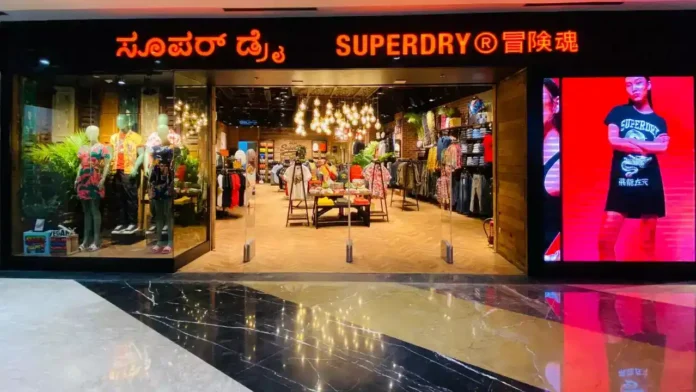
Reliance Retail Ltd (RRL), the retail division of Reliance Industries Ltd., manages a diverse range of fashion and lifestyle brands, comprising Reliance Trends, Avantra by Trends, Azorte, Yousta, Fashion Factory, and Centro. Additionally, the company boasts a portfolio of more than 50 international brands, including Armani, Burberry, Diesel, Gas, Marks & Spencer, Superdry, Brooks Brothers, and Steve Madden.

At present, Reliance Retail runs an integrated omni-channel network encompassing more than 18,650 stores and digital commerce platforms catering to grocery, consumer electronics, fashion and lifestyle, and pharmaceutical consumption categories.

Continue Exploring: Reliance Retail leverages B2B potential to expand apparel reach

Advertisement

Unfazed by the return to normalcy: Online commerce continues to surge post-Covid era

0
online shopping
(Representative Image)

Contrary to expectations, the lifting of Covid-era mobility restrictions and the return to regular business hours for brick-and-mortar stores haven’t put a damper on online commerce. The surge in web commerce during the pandemic, driven by the convenience of contactless doorstep delivery, continues unabated.

Recent data from market research firms NielsenIQ and GfK India reveals that a wide range of products, spanning from basic snacks like cookies to big-ticket items like televisions and refrigerators, are being sold on ecommerce platforms at rates comparable to or even higher than during the lockdown period.

“This reflects a post-pandemic change in consumer behavior, particularly in metro areas, where online shopping is gaining popularity due to its convenience, variety and competitive pricing,” said Praful Babar, head of e-commerce for FMCG at NielsenIQ.

According to the data, sales across various FMCG categories experienced a notable increase in calendar year 2023 compared to the preceding year. For instance, NielsenIQ data revealed that the contribution of e-commerce platforms to impulse food sales, including chocolates, confectioneries, and salty snacks, rose from 3% in 2022 to 5% in 2023.

Continue Exploring: New PwC study shows divergent online shopping habits across India’s urban-rural spectrum

Regarding fabric care products such as washing powders/liquids, pre-post wash solutions, detergent cakes/bars, and blues, the contribution increased from 6% to 7% during the period under review. Similarly, for home cleaners designed for utensils, toilets, floors, and glass, the surge was from 10% to 11% in 2023.

According to industry estimates, the surge in these categories alone would have contributed an additional INR 3,000 crore to e-commerce business in 2023.

In the realm of electronic products, there was a 1-2 percentage point rise in e-commerce contribution in 2023 compared to 2022. Last year, e-commerce constituted approximately 33% of television sales, 20% of washing machines, 15% of refrigerator sales, and 10% of air conditioner sales. Researchers anticipate this trend of gradual increases in web commerce to persist in 2024.

According to NielsenIQ, the growth of the online channel for FMCG products is mainly fueled by consumption, whereas offline growth is influenced by both price and volume factors.

Mayank Shah, the vice president of Parle Products, mentioned that in specific categories like protein, health, and gourmet food, the contribution of e-commerce is significantly higher.

Continue Exploring: Cash-on-Delivery remains top choice for Indian online shoppers, IIM-A survey finds

“Several smaller and premium brands are exclusively on ecommerce. In metroes, it’s quick commerce which is driving adoption,” he said.

According to GfK data, electronic and household appliances such as refrigerators, washing machines, and televisions experienced faster growth in the online channel compared to offline in 2023. Categories like frost-free refrigerators, front-loading washing machines, and televisions sized 55 inches and above have doubled their growth online compared to their respective categories offline.

“Traditionally, consumers prioritized pricing and mass-market options when shopping online. However, recent trends indicate a shift towards premium segments,” said Anant Jain, head of customer success – India at GfK.

In FMCG, the trend is similar. According to Babbar, the online volume growth of impulse food and fabric care at 47% and 32% respectively in metropolitan areas was four times higher compared to offline sales. Likewise, categories such as soft drinks, biscuits, packaged atta, and refined edible oils are also demonstrating notable volume growth.

To leverage this trend, Babar highlighted that FMCG brands and retailers are strategically investing in omnichannel presence to expand their market share.

“This includes optimizing their online presence, establishing robust online distribution networks, tailoring marketing strategies to cater to online shoppers, and ensuring seamless e-commerce experiences for consumers,” he said.

According to GfK, urban Indian consumers are increasingly relying on social media for their shopping requirements. Over 70% of smartphone and computer users now utilize their devices for online purchases. Additionally, more than half of urban consumers find shopping on social media enjoyable, largely due to targeted product recommendations from brands.

Continue Exploring: Indian consumption trends shift: Less spending on food, more on discretionary items and durable goods, new govt data reveals

Advertisement