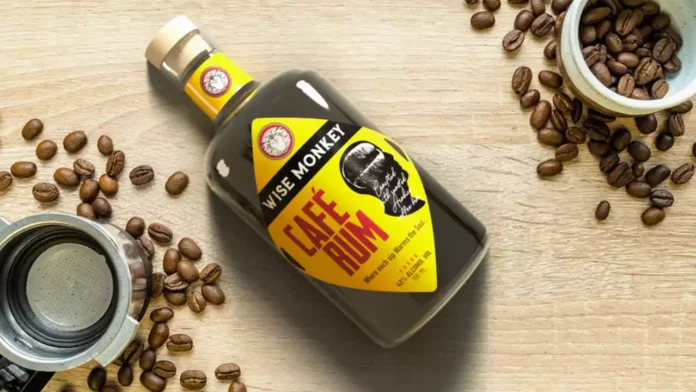
The Wise Monkey presents a coffee-infused rum boasting an ABV of 43%, skillfully blended with a trio of organic coffee beans for a distinct and captivating flavor fusion.
While many prominent players in the industry have repeatedly dabbled with infusing standard Arabica beans, Café Rum distinguishes itself by incorporating a unique blend of slow-roasted Arabica, Robusta, and Liberica beans, offering a fresh perspective on flavor.
Setting a new standard in the coffee rum market, this brand delivers an unmatched experience, placing emphasis on flavor complexity rather than sweetness in their blend. With significantly less sugar content than its counterparts, the rum caters to consumers in pursuit of a more sophisticated drinking experience.
In a terrain where café-infused rums are dwindling and choices are growing scarce, Wise Monkey’s blend emerges to rescue the beloved Espresso Martinis, ensuring their timeless appeal endures.
This blend has already earned accolades from industry experts, including leading mixologists and bartenders, solidifying its status as a best-seller in Michelin-starred restaurants.
The product can be purchased in UAE, Bahrain, and Zambia, with plans underway to introduce it to the London and Indian markets soon.
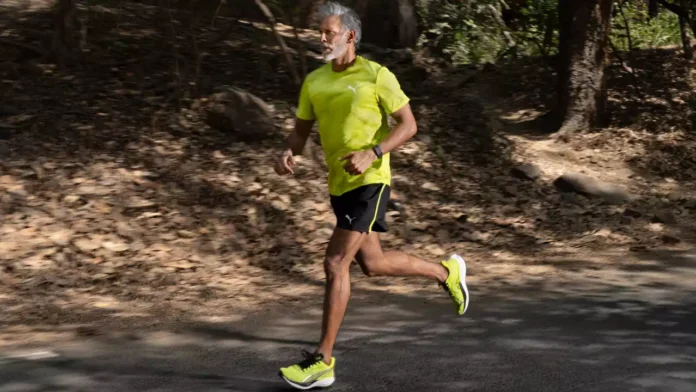
Puma, the multinational sportswear brand, has named Bollywood actor and fitness icon Milind Soman as its running ambassador, marking his first collaboration with a performance wear brand.
As part of the collaboration, Soman will be endorsing Puma’s Nitro range of footwear and apparel. The Nitro collection highlights high-performance running shoes designed with an ultra-lightweight build and advanced technology tailored for long-distance running.
Karthik Balagopalan, Managing Director of Puma India, expressed, “Soman has epitomized the essence of running in India and serves as a true inspiration. This collaboration underscores Puma’s dedication to championing athletes across all walks of life, fostering excellence irrespective of age, background, or situation.”
Balagopalan added, “Having Soman join the Puma family fills us with excitement, and we firmly believe that this partnership will continue to propel and fortify the running movement across the nation.”
Embarking on his running odyssey at the age of 38, Soman has been a vocal advocate for injury-free and safe running methods across diverse terrains. He seamlessly switches between barefoot running and wearing shoes based on the specific needs of each situation.
Soman remarked, “Interacting with runners and travel communities nationwide has highlighted the importance of proper running gear for enhancing comfort during runs. As Puma’s running ambassador, I am committed to collaborating closely with the brand, aiming to inspire individuals worldwide to surpass their perceived boundaries and overcome challenges.”
Soman will play a pivotal role in fostering the expansion of the running community in tandem with Puma, representing the brand at premier running events and campaigns throughout the year. Furthermore, he will also serve as the ambassador for Puma’s men’s bodywear line.
Established in 1948 by Rudolf Dassler, Puma stands as a multinational corporation specializing in the design and production of athletic and casual footwear, apparel, and accessories. Headquartered in Germany, the conglomerate encompasses renowned brands such as Puma, Cobra Golf, and stichd—a label offering fashion essentials, fanwear, and lifestyle products. With distribution extending across over 120 countries, Puma employs over 20,000 individuals globally.
Having entered the Indian market in 2006, the sportswear retailer has expanded its presence significantly. As of August 9, 2023, it boasts a network of more than 582 stores across the country.
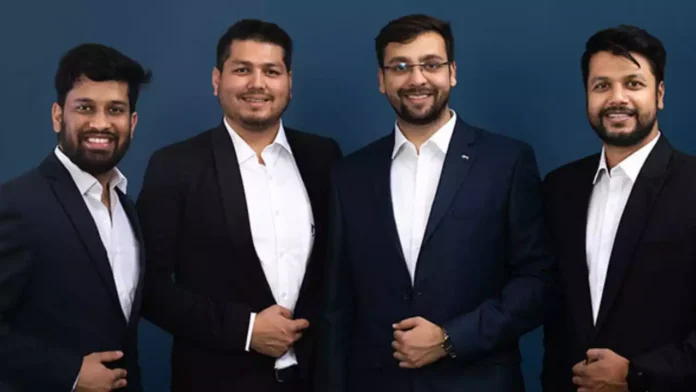
Shubham Bhandari, Anand Jain, Ankesh Jain, and Akshay Kedia, Co-Founders
Nothing Before Coffee (NBC), a leading coffee chain based in Jaipur, has announced its expansion into the global market with the opening of its first outlet in Portugal.
Portugal, renowned for its coffee culture and discerning coffee connoisseurs, provides the perfect backdrop for NBC to exhibit its outstanding blends and welcoming hospitality. Situated at Estrada Exterior da Circunvalacao 7824 D, 4200-162 Porto, Portugal, this café assures patrons an unmatched coffee journey. Established by Akshay Kedia, Anand Jain, Ankesh Jain, and Shubham Bhandari, NBC proudly stands as India’s pioneering QSR (Quick Service Restaurant) coffee chain to expand into Europe.
“As we unveil NBC on the world stage with our first café in Portugal, we are excited to begin this adventure of spreading our love for exceptional coffee to global audiences,” expressed Akshay Kedia, Co-Founder of NBC. “With our steadfast dedication to quality, innovation, and community, we believe that NBC will not only enchant coffee lovers worldwide but also make a lasting impression on the international coffee scene.”
Famed for its farm-to-table ethos and steadfast dedication to excellence, NBC proudly presents a diverse menu showcasing over 100 meticulously curated beverages. Particularly noteworthy is the debut of its signature ‘Shrappe,’ a delightful blend of frappe and shake, which has cemented NBC’s position as a trailblazing coffee brand. The decision to venture into international markets underscores NBC’s vision of sharing India’s vibrant coffee culture with discerning enthusiasts worldwide.
Moreover, NBC has forged a partnership with industry luminary Saurabh Kamra, a seasoned expert with a stellar track record in the banking and finance sector. Formerly serving as Senior Vice President at Yes Bank Ltd, Kamra brings invaluable expertise and strategic insights to his role as a partner at Nothing Before Coffee (NBC), steering the company’s international expansion endeavors with precision and foresight.
The grand opening of NBC’s outlet in Portugal signifies a significant milestone in its evolution, epitomizing its transformation from a local treasure to a global coffee phenomenon. With ambitious plans to launch 100 outlets across Europe and 400 outlets in tier 1 and tier 2 Indian cities within the next two years, NBC is positioned to make a lasting impact on the international coffee scene. Additionally, the company aims to achieve an annual revenue of INR 400 Crore, providing coffee lovers worldwide with a tantalizing sampling of India’s finest brews.
Looking ahead, NBC envisions a future characterized by ongoing innovation, expansion, and an unyielding dedication to excellence. Centered on customer satisfaction and unwavering quality, NBC is positioned to redefine the coffee experience for patrons worldwide.
Cipla Ltd, a well-known pharma company, is set to acquire Ivia Beaute Pvt Ltd’s global distribution and marketing division of cosmetics and personal care. According to a regulatory filing, the acquisition of prominent brands like Astaberry, Ikin, & Bhimsaini totals INR 130 crore. Cipla Health Ltd (CHL), its wholly owned consumer healthcare business, has signed a Business Transfer Agreement (BTA) for the transaction.
This strategic maneuver is in line with Cipla’s commitment to bolstering its consumer healthcare and wellness offerings.
The company stated that the acquisition will encompass Ivia Beaute’s brands, including Astaberry, Ikin, and Bhimsaini, on a global scale.
Regarding the acquisition cost, Cipla stated that it will be “INR 130 crore on the closing date and INR 110 crore contingent upon achieving specific financial parameters (milestones) over the next three years as outlined in the BTA.”
“The transaction is anticipated to conclude within 60 days from the signing of the BTA, or another mutually agreed-upon date specified in writing by both parties, subject to the successful fulfillment or waiver of the conditions precedent and closing conditions outlined in the BTA,” it further stated.
In response to the acquisition, CHL CEO and Whole Time Director Shivam Puri remarked, “This step not only strengthens our position in the vast and evolving beauty and personal care industry but also enhances our established presence in Tier 2-6 cities.”
He added, “Incorporating Astaberry, Ikin, and Bhimsaini into our portfolio seamlessly complements our current offerings across crucial OTC/consumer healthcare categories, enabling us to provide comprehensive solutions that effectively address the diverse everyday needs of our consumers.”
Astaberry, which has been in business for more than 16 years, offers a variety of distinctive products to help customers meet their skincare needs.
The “undertaking” can only be transferred if certain requirements stated in the BTA are met. Furthermore, it stated that CHL will start the product’s distribution and promotion as soon as these requirements are satisfied.
Existing investors Sixth Sense Ventures and IndiaMART participated in the round as well as South Korea-based Paramark Ventures.
Fueled by this fresh capital, ProcMart aims to explore strategic acquisitions to boost its market leadership and scale up client offerings. The strategic acquisitions will enable ProcMart to further optimize its backward integration of the supply chain for businesses and expand contract manufacturing capabilities, the company said in a statement.
Additionally, it plans to venture into new industries beyond MRO consumables, such as biofuel and packaging. ProcMart aims to expand its distribution network within India and enhance international operations in Southeast Asia.
The raised capital will also be allocated towards talent acquisition, technological advancements, and establishing presence in emerging regions within India and abroad.
Anish Popli, CEO and founder of ProcMart, said, “As centralized procurement gains momentum and there’s a growing focus on optimizing non-core expenses, the Indian MRO industry is poised for a notable transformation. Leveraging our established credibility and robust infrastructure, we are primed to seize this market opportunity.”
Founded in 2015 by Popli, ProcMart, operated by Instant Procurement Services Pvt Ltd, began as an enterprise-focused MRO (maintenance, repair, and overhaul) supply chain aggregator. It facilitates connections among diverse stakeholders across different levels of the supply chain and industries, aiding them in selecting optimal procurement solutions.
The startup collaborates with leading multinational corporations and local enterprises spanning diverse product categories and industries including FMCG, automotive, pharmaceuticals, metals, power, and more.
ProcMart’s technology platform provides complete end-to-end solutions for indirect sourcing needs, covering everything from vendor consolidation and inventory management to digital procurement, expense tracking, and logistics management.
At present, ProcMart operates in 20 cities across India and also conducts business internationally in Malaysia and Indonesia. Over the next 12 months, the company aims to utilize AI and machine learning to expand its operations and develop AI-driven recommendations for inventory procurement and management, thereby enhancing overall efficiency.
In 2022, ProcMart secured $10 million (approximately INR 81.86 crore) in its Series A funding round from Sixth Sense Ventures.
The latest funding comes at a time when the overall funding in the Indian startup ecosystem declined 33% Year-on-Year (YoY) in the first quarter of 2024 (Q1 2024) to $2 billion, marking a seven-year low, according to reports.
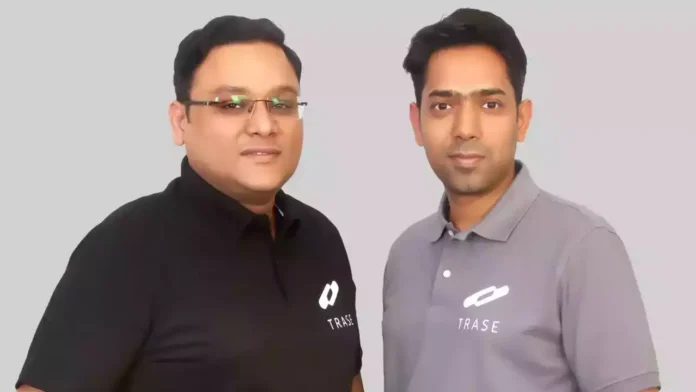
The co-founders of Trase, a direct-to-consumer (D2C) footwear brand, Jitin Goel and Dhruv Gupta, have reacquired the brand from the roll-up company Upscalio. This strategic move was followed by a $500K angel round led by investors like Deep Bajaj and Mohit Bajaj, co-founders of Sirona Hygiene, as revealed by the brand’s co-founders.
Other investors who participated in the round include Shiven Malhotra, the founder of Strategic Investments by Design (SID), Vikas Gautam, CEO & Head of International Business at Aditya Birla Sun Life Asset Management Company, and Rohit Jain, former CEO of WTW.
The co-founders asserted that these funds will be utilized as working capital for team building, inventory management, and marketing purposes.
Founded in 2016, Trase achieved an Annual Recurring Revenue (ARR) of INR 18 crore by 2020, all while operating as a bootstrapped venture. In 2021, it became part of Upscalio’s acquisition strategy aimed at creating a diversified portfolio of brands in utility categories.
“We sought a partner capable of assisting us in achieving a revenue milestone of INR 100 crore, leading us to form this partnership with Upscalio,” stated the co-founders.
As Upscalio shifted its focus from shoes to home and kitchen products, the founders and new investors reached an agreement to sell the footwear brand.
Even while Trase performed well while being managed by Upscalio, it did not fit into our long-term plan. The CEO of Upscalio, Gautam Kshatriya, stated, “We are happy to return it to its founders & new investors, who are well-positioned to grow the brand further.”
Before Covid, the brand was handling 2,000 orders per day and generating INR 14 crore in revenue annually, with a profitability ranging between 12-15 percent.
“Over the next 3 years, our goal is to achieve INR 100 crore in revenue, aiming for a 100 percent year-on-year growth. We project closing this fiscal year with INR 25 crore in revenue, reaching INR 50 crore by FY 25-26, and hitting INR 100 crore by FY 26-27,” stated Goel and Gupta.
“Additionally, we anticipate reaching a monthly revenue of at least INR 1 crore until July, thereby enabling us to capitalize on sales during the latter half of the year,” they elaborated.
Currently, the brand provides a selection of 2,000 SKUs comprising comfortable footwear options for women and children.
“We believe that 75% of our revenue for the current fiscal year will come from the women’s segment, with the remaining 25 percent attributed to the children’s segment,” they said.
In addition to retailing on its own direct-to-consumer website and through marketplaces, the company plans to establish shop-in-shops this fiscal year to expand into the offline sector.
“We will start by testing the Delhi NCR area for offline retail. Co-founders stated, “By the end of this fiscal year, we anticipate that our D2C website will generate 25% of our revenue, marketplaces will account for 65%, and offline space will contribute the remaining 10%.”
The brand, with a focus on a purpose-driven approach, intends to donate one pair of shoes to the underprivileged for every 10 pairs sold.
CG Group, a multinational conglomerate, plans to gradually take its hospitality company CG Hospitality Global and The Fern brand public over time, according to Rahul Chaudhary, Managing Director of CG Hospitality Global and CG Corp.
“We aim to expand The Fern brand through various avenues. One approach involves utilizing the company’s earnings for investments in hotel ownership and revenue share agreements. Additionally, we are exploring the possibility of partnering with a strategic investor-operator to acquire a minority stake in our ventures,” he explained.
“We want to expand both our distribution network and our presence throughout India, which is why we are doing this. We intend to take the business public in the next two years as our EBITDA increases over time,” he continued.
According to Chaudhary, the company is using a comparable approach for CG Hospitality Global.
“That’s also in line with our strategy. We aim to secure a strategic investor, primarily to institutionalize investments. Subsequently, we plan to lead CG Hospitality towards an IPO within the next few years. Both strategies are progressing concurrently,” he elaborated.
Concept Hospitality/Fern Hotels serves as the management company for CG Hospitality.
By 2025, CG Hospitality aims to manage over 200 hotels. Additionally, the company intends to introduce additional safari lodges throughout India, akin to those already established near Bandhavgarh, Kanha, Panna, and Pench national parks, in collaboration with IHCL.
CG Hospitality currently operates nearly 107 hotels across more than 75 destinations in India. In Gujarat alone, there are over 25 hotels under various brands including The Fern, Beacon, and Zinc.
“We aim to incorporate 20–25 hotels annually under the Fern brand, which translates to adding a new hotel every two weeks. Additionally, we’ve initiated a strategy to expand our safari lodge presence across India, with plans to introduce at least one or two new lodges each year. The safari lodge segment has been remarkably successful for us. It took us nearly 14 years to transform it into what it is today,” he explained.
In addition to this, the company intends to expand its comprehensive medical wellness brand, The Farm, currently established in the Philippines, to India within the coming years. Additionally, it will inaugurate two Taj properties in Bhutan this year. CG Hospitality is also set to debut another hotel in Dubai and has approximately six hotels in various stages of development in Nepal.
“CG Hospitality currently operates in 180 hotels spanning 12 countries. We acquired the two Fairmont hotels in Kenya, located in Nairobi and Masai Mara, prior to the COVID pandemic, and this investment has proven successful for us,” he elaborated.
Chaudhary lamented that India’s approach to attracting international tourists has been relatively ineffective, especially given the country’s large population, diverse attractions, and unique locations.
“India must enhance its efforts. The current influx of tourists remains notably low. However, India has made remarkable strides in domestic travel and has shown significant improvement in infrastructure and connectivity.”
“The market dynamics have shifted. India boasts one of the largest middle-class segments, and they are increasingly exploring travel opportunities,” he remarked.
“Prices have surged by 30–40% nationwide. Particularly, rates are elevated for resorts and in less frequented destinations, yet travelers are still willing to pay,” he remarked.
The gleaming exteriors of jewellery shops are swiftly becoming a prominent sight in Indian shopping malls, emphasizing a shift in consumer preference towards established retailers.
According to five prominent mall operators overseeing over two dozen malls nationwide, each mall now hosts approximately 8-10 jewellery stores, a significant increase from just one or two in 2021. These stores now occupy nearly 5% of the total mall space, up from just 1% two years ago.
As more buyers transition away from smaller jewellers, the organized jewellery retail sector has been surpassing other consumer discretionary segments since April 2023. This trend is reflected in the jewellery segment contributing 15-20% of mall revenues, despite occupying only about 5% of the space.
As brands affiliated with the Tata Group, like Tanishq, expand their presence in shopping malls, others such as Reliance Jewels, Kalyan Jewellers, Malabar Gold & Jewels, and Joyalukkas are also launching new stores. Additionally, the Aditya Birla Group has revealed plans for a INR 5,000 crore investment to venture into this burgeoning segment.
“At our malls, the proportion of jewellery stores has risen to 4-5%. The majority of these stores continue to perform strongly, attracting a respectable amount of foot traffic to our malls,” explained Pushpa Bector, Senior Executive Director at DLF Retail, overseeing premium malls in the Delhi-National Capital Region.
Certain malls anticipate that the percentage of jewellery stores could climb to as high as 8-9% in the near future, as new brands actively seek out space.
Suvankar Sen, the managing director and CEO of Senco Gold & Diamonds, a publicly listed jewellery firm, remarked, “We’ve established mall-based stores to enhance our brand visibility and attract new, younger customers.”
“Despite the surging price of gold, we maintain an optimistic outlook and plan to expand our store footprint to foster long-term business growth,” Sen affirmed.
In FY23, Senco had minimal presence in malls. However, in the following year, the jeweller opened a store in each of the following locations: Elantra Mall (Chandigarh), Mall of Asia (Bengaluru), Phoenix Mall (Indore), and Phoenix Wakad Mall (Pune). These stores vary in size from 2,103 sq ft to 3,090 sq ft.
Candere, the lifestyle brand under Kalyan Jewellers, currently operates in Infinity Mall in Andheri, Mumbai, and in Lulu Mall, Bengaluru. Collectively, Kalyan Jewellers occupies nearly 20,000 square feet of mall space throughout India. Candere intends to emphasize its presence in malls further and aims to inaugurate 50 outlets within this fiscal year.
“Previously, we only had one or two jewellery stores, but now jewellery has become a distinct category, necessitating the creation of a separate zone for them. While last year posed challenges for apparel stores, jewellery consistently attracts foot traffic and generates revenue,” remarked Ravinder Choudhary, Vice President of Vegas & Unity Group, overseeing operations across half a dozen malls in Delhi and Punjab.
As real estate expenses represent just 1-2% of the total cost of opening a new store, jewellers are capitalizing on this opportunity to expand their reach by increasing investments in advertising and marketing efforts.
ICICI Securities has projected a 29% compound annual growth rate in standalone jewellery sales for Kalyan Jewellers and 20% for Titan over the period from FY24 to FY26, with both companies consistently reporting robust demand in the March quarter. Kalyan witnessed a 38% year-on-year growth in India jewellery revenue, while Titan recorded a 19% increase in domestic jewellery revenue during the same quarter.
The surge in new jewellery store openings persists despite a significant rise in gold prices, driven by buyers seeking safe-haven assets amid escalating geopolitical tensions in the Middle East.
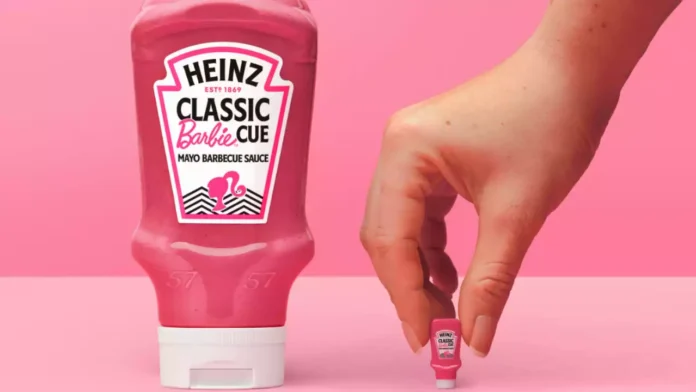
Heinz and Mattel have joined forces to introduce a special ‘Barbiecue’ sauce, a pink vegan mayo infused with barbecue flavors, marking the 65th anniversary of the iconic Barbie brand.
The sauce made its debut today in the UK and Spain, building on Heinz’s online teaser of the concept last year during the ‘Barbiecore’ trend ignited by the release of the Barbie movie.
The new dairy-free creation, infused with beetroot extract, achieves that iconic ‘Barbie pink’ hue. Thiago Rapp, the Director of Taste Innovation at Heinz, expressed that they felt compelled to bring it to life after witnessing the enthusiastic response from fans to its teaser on social media in 2023.
He further stated, “Continuously seeking innovation and striving to deliver what our fans desire is paramount to us. We’re ecstatic to realize this iconic collaboration with Mattel.”
Ruth Henriquez, the Head of Consumer Products, Publishing, and LBE at Mattel EMEA, remarked, “Last summer, we swiftly collaborated with Heinz to materialize the concept of Heinz Classic Barbiecue Sauce in digital format. Now, it’s truly thrilling to see the physical product ready to grace our kitchen cupboards.”
“This partnership encapsulates the essence of innovation and enjoyment, which both Mattel and Heinz are renowned for. We’re eagerly anticipating fans’ delight in savoring this delectable and distinctive product.”
Heinz has released an initial batch of 5,000 bottles on its Heinz to Home website. A limited supply will hit Tesco shelves starting April 17, followed by Ocado and other retailers in May, priced at £3.39.
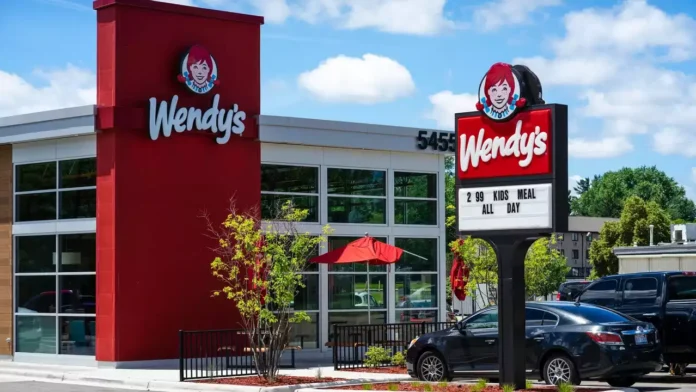
Meritage Hospitality Group, a US-based restaurant operator, has disclosed a net earnings of $1.6 million for the first quarter of 2024, contrasting sharply with the $1.5 million loss recorded in 2023.
For the quarter ended on March 31, 2024, the company witnessed a significant surge in operational earnings, with a remarkable 306.9% increase to $3.9 million, compared to $0.9 million for the same period last year.
For the most recent quarter, sales experienced a 3.3% growth, reaching $162.8 million compared to $157.7 million in the corresponding period of 2023.
Meritage is aiming for robust earnings growth, with sales expected to increase by 5% to 10% in the remainder of 2024.
The company aims for a net income surge ranging between 145% and 155%, along with a 65% to 75% boost in earnings from operations.
For the year, it has established an EBITDA growth objective of 30% to 40%.
The company is actively bolstering its portfolio of US restaurants by renovating existing ones and constructing new establishments as per its current development agreements.
Meritage CEO Robert Schermer noted, “Earnings from operations for the company surged notably in the first quarter compared to the previous year, propelled by profitable value menu sales and reduced inflation in food, paper, and labor costs.”
“Profit signifies growth within our Wendy’s business, and we’re enthusiastic about the new leadership vision at Wendy’s, focusing on digital investments and technology to bolster restaurant margin expansion.”
We use cookies to ensure that we give you the best experience on our website. If you continue to use this site we will assume that you are happy with it.