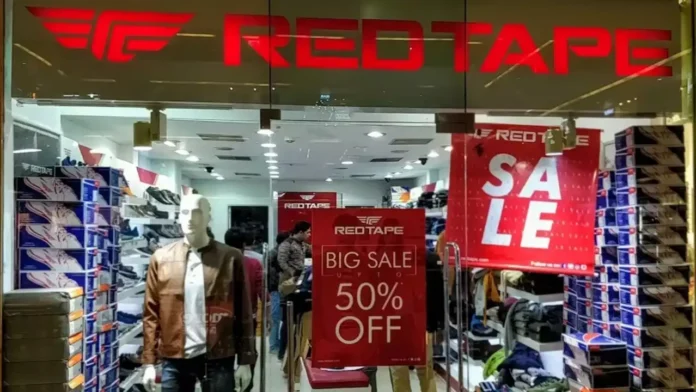
Redtape, the footwear brand, has established a strategic alliance with Easyecom, an e-commerce enabler platform for inventory management, order processing, warehouse logistics, and reconciliation capabilities.
Arvind Verma, Director of Redtape, expressed, “At Redtape, our dedication lies in providing unparalleled products and customer experiences. Collaborating with Easyecom marks a strategic step towards operational excellence. This alliance is poised to not only streamline our operations but also bolster our agility in meeting the dynamic needs of the eCommerce environment.”
This partnership will enable the footwear and fashion brand to expand its operations, fostering enhanced and smooth customer experiences through streamlined processes.
Easyecom provides automation-driven solutions for inventory, order, and warehouse management, as well as payment and returns reconciliation services. Supported by IndiaMart, Easyecom holds a leading position in both domestic and international eCommerce markets. As the preferred Amazon ATS and Flipkart Seller Partner, the company stands out in the industry due to its dedication to customer service and ongoing technology research investments.
Established in 1996, Redtape is a part of the Mirza International brand portfolio and is presently led by Shuja Mirza, serving as the managing director.
RedTape specializes in premium clothing and footwear for all genders, age groups, and occasions through its well-known brands: RedTape Athleisure, Mode by RedTape, and BondStreet by RedTape.
FSSAI has reassured its dedication to conducting a comprehensive investigation into the allegations. Should Nestle be found responsible, the regulatory authority has pledged to enforce strict measures against the company. Sources indicate that as part of the inquiry, a committee will be established to thoroughly examine the case details.
As the investigation progresses, stakeholders will closely monitor the proceedings, eagerly anticipating the results and the potential impact on Nestle.
According to research conducted by “Public Eye,” a Swiss investigative organisation, with IBFAN (International Baby Food Action Network), Nestle incorporates sugar to infant milk marketed in less affluent countries such as India, but not in its key markets such as Europe or the United Kingdom. This information was discovered when samples of the company’s baby food products sold in Asia, Africa, & Latin America were sent to a Belgian laboratory for testing.
In the profitable Indian market, which surpassed $250 million in sales in 2022, every variant of Cerelac baby cereal contains added sugar, averaging nearly 3 grams per portion. “Public Eye’s” recent investigation showed that Cerelac wheat-based cereals designed for six-month-old infants sold by Nestle in Germany, France, and the UK do not contain additional sugar. However, the same product contains over 5 grams per serving in Ethiopia and 6 grams in Thailand.
Meanwhile, the stock price of Nestle India has recently fallen below its 100-day Simple Moving Average, reaching INR 2526.2 at 9:30 am on Thursday. Today’s percentage change stands at -0.78%, with the 100-day SMA recorded at INR 2532.78. This movement suggests a possible change in the stock’s trend.
When presented with the findings, Nigel Rollins, a scientist at WHO, conveyed to “Public Eye” and IBFAN: ‘There’s a double standard here that can’t be justified.’ He went on to comment that the situation where Nestle avoids adding sugar to these products in Switzerland but readily includes it in economically disadvantaged areas ‘raises challenges both in terms of public health and ethics.’
As per the report, WHO warns that early exposure to sugar could lead to a long-term preference for sweetened foods, increasing the risk of obesity and chronic diseases. In 2022, WHO called for the elimination of added sugars and sweetening agents in foods meant for infants, urging the industry to proactively support public health goals by reformulating their products.
An interesting observation is that Nestle’s online platform, which offers advice on infant nutrition, clearly states: ‘It is recommended to avoid adding sugar when preparing meals for your infant or giving them sugary drinks. Some leading nutrition and healthcare experts suggest avoiding the introduction of fruit juices in the first year due to their naturally high sugar content. …Avoid juice blends or other mixed drinks containing added sweeteners. Always check the packaging.’ Unfortunately, this guidance seems irrelevant to the company’s own products sold in economically modest and middle-income countries.
While Nestle did not address inquiries from Public Eye and IBFAN regarding the double standard, the company did assert that it has decreased the total amount of added sugars in its infant cereal portfolio worldwide by 11% over the past decade. Nestle also stated its commitment to “continuously reduce the level of added sugars without compromising on quality, safety, and taste.”
When reached for comment, a spokesperson for Nestle India stated, “Over the last 5 years, Nestle India has reduced added sugars by up to 30% in our infant cereals portfolio.” The spokesperson added, “We consistently evaluate our portfolio and strive to innovate and reformulate our products to further decrease the levels of added sugars while maintaining quality, safety, and taste.”
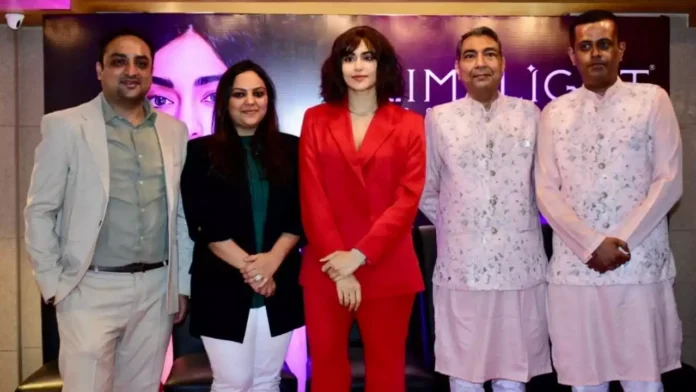
Limelight Diamonds, the leading CVD diamond jewellery brand, has unveiled its second store in Kolkata within just 15 months. The new store opens in the heart of the bustling area of Kankurgachi, Kolkata. The launch of Limelight’s latest store was graced by popular Bollywood actress Adah Sharma.
This spacious 500-square-foot facility in Kankurgachi is another key milestone in Limelight’s effort to expand its footprint throughout India. Over the last two years, the brand has grown rapidly, with over ten locations and 40+ shop-in-shops in 25+ cities throughout India, including Mumbai, Kolkata, Delhi, Jaipur, Varanasi, Hyderabad, Bangalore, Chennai, & more. Limelight has quickly established itself as the leading source for solitaire jewellery, offering an exceptional variety of solitaire necklaces, bracelets and earrings that represent a seamless combination of modern technology & traditional workmanship.
The retail design of the store is meticulously crafted to reflect the brand’s ethos, embodying elegance, modernity, sustainability, and luxury. Inside, the decor is clean and minimalistic, showcasing the beauty of their lab-grown diamond jewellery. Visitors are treated to an enchanting hologram display and an immersive 3D experience, ensuring a memorable visit. Furthermore, the brand offers exceptional customer services, including design customization, Lifetime Buyback, and a 100% exchange guarantee, fostering trust and confidence among consumers.
Pooja Sheth Madhavan, Founder & MD of Limelight Diamonds, expresses her excitement, stating, “Receiving such fantastic customer response at our first store in Forum Mall, it was a natural decision to open a second store to expand our presence in the city. What’s even more delightful is to have our Kolkata partners (Jash Jewellers) inaugurate this second store, deepening our relationship and affirming their trust in the Brand. We anticipate that the Kankurgachi store will further solidify our presence in the city, and we eagerly anticipate achieving equal success here, while also extending our reach in the Eastern belt through our partners.”
Pankaj Jalan, the regional partner of Limelight and representative of Jash Jewellers, expressed, “This marks our second collaboration with Limelight Diamonds in Kolkata, and we couldn’t be more excited. Following the triumph of our initial store, we eagerly anticipate extending top-notch services to our customers, now in Kankurgachi as well. We are aiming to inaugurate 10 new stores in Eastern India within the upcoming year.”
Glancing at the brand’s collection, Adah Sharma remarked, “I am absolutely captivated by the store and the idea of lab-grown diamonds. Being produced in India, I believe every Indian woman would take pride in adorning these diamonds – a genuinely grand and progressive upgrade. My congratulations to team Limelight for introducing this concept to Kolkata, and I extend my best wishes to them.”
The brand’s strength is not only evident in its nationwide store presence but also reflected in consumer uptake and sales response. In FY24, Limelight achieved gross sales exceeding INR 80 Crores nationally, marking a remarkable increase of over 230% compared to the previous year. Branded sales tripled year-on-year, bolstering the company’s confidence to directly engage with customers and enhance its retail footprint. With an expanding market presence, the Brand remains committed to strengthening its customer base by offering an exquisite range of unprecedented solitaire diamond jewellery.
Rasayanam, a startup specializing in Ayurvedic supplements, has set its sights on reaching the INR 100 crore revenue milestone within this fiscal year. According to Ayush Aggarwal, the company’s founder, Rasayanam plans to broaden its offline footprint nationwide as part of its expansion strategy.
This year, the brand is prioritizing offline sales, aiming to collaborate with pharmacies and Ayurvedic doctors.
Aggarwal stated, “We remain profitable so far and have plans to expand both our product range as well as sales channels.”
Looking ahead, the firm aims to enhance its offerings with the introduction of six new products, which will include plant-based multivitamins and chawanprash this year.
When discussing sales and overall growth, Aggarwal revealed that online channels account for 90 percent of total sales, with the remaining 10 percent coming from offline channels.
The bootstrapped brand additionally revealed that it achieved revenue surpassing INR 30 crore in the fiscal year that ended on March 31, 2024, surpassing its initial target of INR 25 crore.
Regarding the company’s investment strategy as a whole, the Ayurveda supplements brand stated its intentions to allocate funds towards research and development (R&D), introducing new products, and expanding its manufacturing facility.
Discussing the health and wellness sector in India, Aggarwal noted its increasing competitiveness due to the emergence of new brands, a trend expected to persist. He highlighted a 70 percent rise in brand numbers compared to the previous year.
“When we launched in 2020 with our initial offering – Shilajit, only three other brands were offering this product on Amazon, today Shilajit is a separate category with more than 100 products,” he said.
Includ, an up-and-coming children’s clothing brand, has announced the successful closure of its seed funding round, securing $1.5 million. Spearheaded by Incubate Fund Asia, the round saw substantial investments from Escape Velocity, Abhishek Goyal (Co-founder of Tracxn), and the IIM Indore Alumni Angel Fund.
The startup plans to utilize the funds to enhance its supply chain, develop proprietary technology internally, and bolster brand awareness.
Moreover, the company intends to invest in technology to vertically integrate with its suppliers, establishing a robust supply chain for timely delivery. Additionally, the firm will leverage the funds to implement effective marketing and brand strategies.
Established in 2023 by Ashwin Rastogi, a seasoned entrepreneur renowned for building prominent direct-to-consumer (D2C) brands, Includ is strategically positioned to fill the market void for affordable yet premium-quality kidswear. Catering to children aged 0 to 14 years, the brand provides a diverse range of stylish and comfortable clothing. With India witnessing approximately 25 million births annually, the highest globally, Includ is poised to capitalize on a market projected to reach $20 billion, fueled by rising expenditure per child and the growing adoption of e-commerce.
Ashwin Rastogi expressed his views on the evolving nature of the Indian kidswear industry, pointing out the growing need for fashionable yet reasonably priced apparel. The kidswear market in India is undergoing a dynamic transformation, with a quick increase in demand for stylish, reasonably priced luxury clothes. We hope that by providing parents with peace of mind via quality and affordability, our expanding range will enable every kid to embrace their uniqueness. “We are grateful that prominent figures in the industry like Abhishek, Escape Velocity, Incubate Fund Asia, and others are on board with our vision,” stated Rastogi.
Expressing his enthusiasm about the partnership, Rajeev Ranka, Partner at Incubate Fund Asia, remarked, “We are thrilled to collaborate with Includ as they craft a design-centric, high-quality, and affordable brand tailored for the Indian kidswear market.”
Madhav Tandan, Managing Partner at Escape Velocity, lauded Rastogi’s extensive domain knowledge and innovative strategies. “We were greatly impressed by Ashwin’s profound expertise in the field, having established digital-first brands of considerable scale from the ground up. His understanding of apparel supply chains and keen insight into what remains largely unexplored territory, not only in India but also in other burgeoning markets, stood out to us,” he remarked.
Prior to founding Includ, Rastogi made a significant impact in the D2C sector, contributing to the success of brands like Urbanic London and Club Factory. His extensive background in e-commerce and supply chains, coupled with a keen understanding of consumer behavior in India and emerging markets, drives his passion for building a brand that resonates strongly with both children and parents. In less than a year since its launch, Includ has achieved monthly sales surpassing INR 2 Crore, underscoring the brand’s rapid growth trajectory and market acceptance.
With the surge in demand for quick-commerce platforms, niche D2C companies operating in sectors such as fast-moving consumer goods, beauty and personal care, and health and fitness are now agreeing to a commission rate of 30-45% on sales. Additionally, they are investing in advertising and offering discounts on these platforms.
This is in stark contrast to the 10-20% fee paid by large, established FMCG firms to quick-commerce platforms such as Blinkit, Zepto, & Swiggy Instamart. This disparity reflects the intense rivalry for presence on these platforms.
According to over half a dozen D2C startup founders spanning various segments, the listing process typically spans months for most small brands and frequently ends in disappointment. They emphasized the growing importance of personal referrals in standing out amidst the crowd. They acknowledged the rush to secure listings on these platforms driven by the traffic they attract, which facilitates the discovery of new brands.
These individuals requested anonymity due to their commercial agreements with the platforms. Requests for comment from Blinkit, Zepto, and Swiggy Instamart went unanswered.
When it comes to new listings, senior executives of quick-commerce enterprises highlighted that a brand’s size and comparison to competitors are critical factors. “Annual or semi-annual revisions are made to terms, even for legacy brands,” stated an executive. When analysing a new brand, other elements to consider are what consumers are searching for, sales on other platforms, brand buzz, and the breadth of that category on the site. Executive stated that brands are significant stakeholders and will discontinue selling on the platform if something occurs that does not benefit both parties.
In addition to commissions, brands often spend roughly 20% of their overall revenue on platform marketing and discount their items by 20-25%. “We get calls and emails every week asking us to advertise more — sometimes it’s for a festival, sometimes it’s for a major IPL match,” one of the founders of the company stated.
An entrepreneur operating in the beauty and personal care sector disclosed agreeing to a 45% commission rate on Blinkit. Meanwhile, another entrepreneur in the FMCG sector reluctantly accepted a 30% commission rate on Zepto, in addition to allocating 27% of their budget towards marketing and discounts.
“Diwali came and went. The expense of not being listed was significant, so we acquiesced to their terms,” stated the second entrepreneur. Additionally, they highlighted that despite the overall cost of selling on e-commerce platforms being 5-8 percentage points lower, quick commerce sales volume surged to 70% of the firm’s total sales within a year. This starkly contrasts with the less than 10% contribution from major e-commerce platforms over a span of four years, the individual emphasized.
“It took us 53 weeks to finally secure a listing on Blinkit, and we diligently followed up with them every single week,” shared a D2C founder operating in the FMCG sector.
Nevertheless, it’s not solely about sheer effort. According to individuals familiar with the matter, quick-commerce firms are strategically leveraging search metadata to identify demand for specific brands and products as they venture into new categories. This approach mirrors the category expansion strategies seen in e-commerce over half a decade ago.
After securing a listing, the battle shifts to maintaining one’s presence.
“The demands for discounts and advertising expenditures are constant, and if your product fails to perform, the threat of being replaced becomes imminent,” noted the aforementioned founder.
The volatility is further heightened by the nature of the business — many D2C brands operate with short notice periods on their contracts and supply to the platforms via weekly or bi-weekly purchase orders. Dark-store space is limited and subject to continuous experimentation, intensifying the need for consistent performance.
Furthermore, brands frequently lack access to crucial data. According to multiple founders, although both Instamart and Blinkit offer seller dashboards, these platforms do not offer comprehensive insights into which products perform best and in which geographic regions.
Nevertheless, D2C firms enlisted on quick-commerce platforms assert that they have witnessed remarkable benefits in remarkably brief periods, highlighting a growing dependency on these platforms due to their successes.
One brand operating in the beauty and personal care sector has experienced a threefold increase in sales month-on-month since being listed on Zepto, while another in the FMCG domain saw sales surge by over fourfold across various platforms in 2023. Additionally, a third FMCG brand achieved a fourfold growth between its listing in December 2023 and the present on Swiggy Instamart.
According to their founders, this surge in sales is reshaping the essence of these firms. The second firm mentioned now derives over 60% of its sales from quick commerce. As for the third firm, over 70% of sales for the SKUs listed on quick commerce platforms stem from these channels, with this segment anticipated to soon become its primary contributor to total sales.
Reports suggest that non-grocery categories have been experiencing three- to four-fold sales growth on quick-commerce platforms.
According to founders, the payment settlement process is also more streamlined on these platforms.
One of the founders expressed, “They revolutionized the game for us, and our earnings gradually improve as volumes increase, despite the significant expenditure on commissions and advertisements. However, it’s still an incredible concentration of power, where they hold increasing sway over the success or failure of entire businesses.”
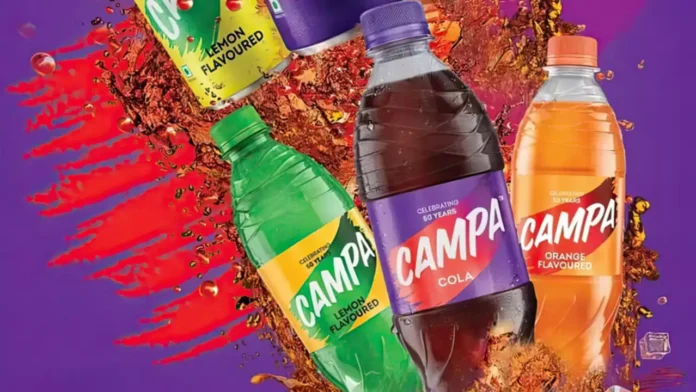
Reliance Industries‘ FMCG division achieved INR 3,000 crore in sales during FY24, its first full year of operations, according to a senior industry executive familiar with the development. Notably, the beverage brand Campa Cola alone contributed INR 400 crore to this substantial revenue milestone.
To provide context to Reliance Consumer Products’ (RCPL) performance, Emami, boasting five decades of operations, reported sales of INR 3,400 crore in FY23. Meanwhile, Colgate-Palmolive (India), the leader in the oral care market, achieved revenue of INR 5,226 crore in the same year, marking its eighth decade of operations.
Listed FMCG companies are still awaiting the declaration of financial results for FY24. RCPL formally began operations on November 30, 2022. RCPL, home to brands like Campa Cola and Independence, aims to continue the sales growth momentum, particularly in staples and beverages.
The company is considering raising between INR 500 crore and INR 700 crore this fiscal year from its parent company to establish bottling plants for Campa Cola. This initiative aims to enhance capacity in response to supply constraints.
RCPL’s parent company is Reliance Retail Ventures, which also serves as the holding company for the group’s retail business. An executive, speaking on condition of anonymity, mentioned that RCPL aims to strategically locate the new bottling plants to effectively serve consumers nationwide, including kirana stores.
The executive mentioned that Reliance Consumer Products’ revenue for FY24 includes INR 1,000 crore generated from over 200,000 kirana stores, along with the remainder from Reliance Retail’s grocery store network. Additionally, the company has set an internal revenue target of INR 5,000 crore for this financial year.
“The parent company plans to inject a significant amount of capital into RCPL this year. While the exact figure is yet to be determined, it’s anticipated to fall within the range of INR 500 to INR 700 crore. This decision stems from the need to establish company-owned bottling plants, as the previous strategy of solely partnering with other bottlers proved ineffective for achieving a nationwide launch of Campa Cola,” explained the executive.
In 2022, Reliance acquired the then-defunct Campa brand for around INR 22 crore. Campa Cola is currently readily available in Andhra Pradesh, the country’s largest cola market, although supplies remain limited in most other areas, including Reliance Retail outlets.
“Aside from essentials, RCPL’s primary line of business will be beverages. Since ordering equipment for bottling factories takes time, RCPL will shortly have the funding infusion needed to get things going,” the executive stated.
Queries directed at Reliance Consumer Products went unanswered.
RCPL bottles Campa Cola in collaboration with contract manufacturers and within a facility that also produces Sosyo carbonated soft drink in Gujarat, where RCPL holds a 50% stake. Additionally, the company partners with contract bottlers in Andhra Pradesh, West Bengal, Tamil Nadu, Uttar Pradesh, and Maharashtra, where it has an agreement with Ghodawat Consumer Products.
During the period spanning February to March 2023, Reliance Retail Ventures injected INR 277 crore into RCPL by opting to subscribe to fully convertible debentures.
According to documents submitted to the Registrar of Companies, this marked the first significant capital injection by the promoters into the enterprise. Additionally, the filings reveal RCPL’s intentions to venture into every FMCG category.
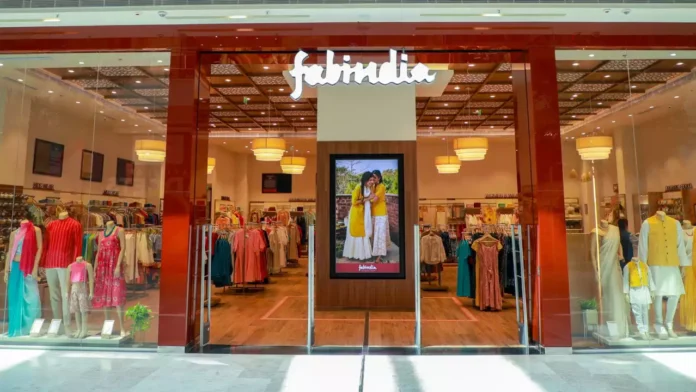
The Tata group is reportedly in discussions with the promoters and shareholders of Fabindia for a stake or outright buy of the ethnic apparel business, as per reports from The Hindu BusinessLine, citing sources.
Negotiations are ongoing, though insiders suggest that the acquisition may assess its worth below the $2.5 billion estimated during the clothing company’s unsuccessful initial public offering.
Should the agreement materialize, it could potentially become the largest deal in the sector, following Aditya Birla Fashion Retail‘s acquisition of a controlling interest in TCNS Clothing last year.
This marks a strategic expansion for the Tatas into the ethnic wear sector. Their retail branch, Trent, offers apparel under various brand names like Westside, Zudio, and Utsa. Furthermore, Fabindia’s commitment to traditional techniques and sustainably sourced, hand-woven fabrics aligns well with the ethos of the Tata group.
Both the Tata group and Trent declined to comment. A spokesperson for Fabindia denied any ongoing discussions.
Fabindia requires funds not only to reduce debt but also to enhance production capacity and revitalize its clothing range.
The initial public offering (IPO) was intended to offer an exit opportunity for various investors, including Premji Invest, which holds over 20% stake through PI Opportunities Fund, and Bajaj Holdings. The majority of the IPO was planned as an offer for sale (OFS) by promoters and other shareholders, with INR 500 crore earmarked for a fresh issue.
In January, Fabindia reached an agreement to sell its subsidiary, Organic India, to Tata Consumer Products for an enterprise value of INR 1,900 crore. This decision came as part of its restructuring efforts following the abandonment of its INR 4,000-crore IPO last year, citing uncertain market conditions.
Fabindia, known for its premium ethnic apparel, has faced losses over the past three years. Tracxn data reveals that it recorded a revenue of INR 1,668 crore in FY23, marking a 21% increase from the previous year. However, expenses also surged by a fifth to INR 1,730 crore. The cash flow statement data indicates that it concluded FY23 with negative cash balances.
Once beloved by women of all generations, Fabindia has been losing market share to emerging competitors due to its failure to keep pace with fashion trends and craft designs that resonate with younger audiences. Additionally, its apparel is perceived as overpriced compared to alternatives like Global Desi.
Following the withdrawal of its IPO plan, Fabindia implemented several management changes. William Nanda Bissell, owning over 15% stake in the company, transitioned from Executive Vice-Chairman and Director to Managing Director. Mukesh Chauhan assumed the position of Executive Director. Viney Singh, upon completing his tenure as MD, assumed the role of non-executive director.
Fabindia operates a network of more than 300 stores, offering a range of products including apparel, furnishings, furniture, and lifestyle accessories.
Amidst concerns raised by a report regarding sugar levels in Nestle’s baby food products sold in certain low and middle-income countries, Nestle India said on Wednesday that it has reduced “added sugars” by up to 30 percent in its infant cereals portfolio over the past five years.
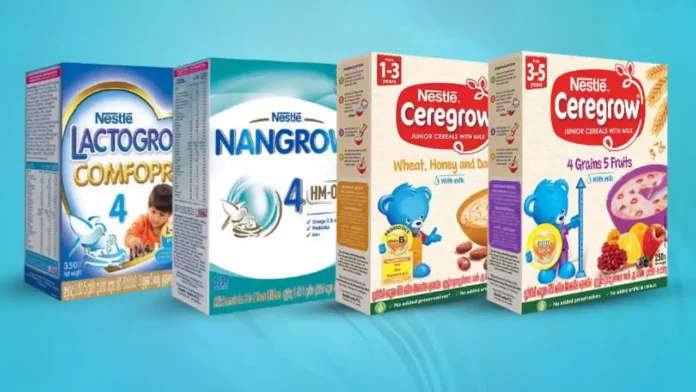
According to a report from Public Eye, a Swiss investigative organization, Nestle’s baby-food brands Cerelac and Nido, sold in countries with lower and middle incomes such as India, have been found to contain high levels of “added sugar.”
In response to the report, a spokesperson from Nestle India stated, “We stand by the nutritional quality of our products designed for early childhood and make it a priority to utilize top-notch ingredients. Over the last 5 years, Nestlé India has achieved a reduction of up to 30 percent in added sugars across various variants in our range of infant cereals (complementary food based on milk cereal).”
The company’s statement further emphasized, “We consistently assess our product range, striving for innovation and reformulation to decrease added sugar levels while maintaining uncompromised quality, safety, and flavor.”
The report, drawing from research by Public Eye and the International Baby Food Action Network (IBAN), revealed that in India, “every serving of Cerelac baby cereals contains an average of nearly three grams of added sugar.”
“Public Eye and IBFAN analyzed approximately 150 products distributed by the food corporation in lower-income countries. Nearly all Cerelac infant cereals investigated were found to contain added sugar, averaging nearly 4 grams per serving, equivalent to approximately one sugar cube, despite being marketed for babies aged six months and older,” stated a press release on Public Eye’s website.
Several months after launching its VIP subscription programme, Walmart-backed ecommerce giant Flipkart has rolled out the service to 8 new cities in order to increase its client base.
With this expansion, Flipkart’s VIP subscription programme will now be available for customers in Ahmedabad, Bhubaneswar, Coimbatore, Guwahati, Hyderabad, Patna, Pune, and Ranchi.
Previously, the programme was restricted to customers in Bengaluru, Delhi-NCR, Kolkata, and Mumbai.
The Flipkart VIP subscription program provides benefits such as 48-hour free delivery, an additional 5% savings through SuperCoins, immediate access to specialized customer support, and the ability to cancel or reschedule Cleartrip flights for just INR 1.
Moreover, there are extra perks, including special offers on Cleartrip hotel reservations, return pick-up within 48 hours, and early access to shopping festivals.
As part of the program, customers can purchase a subscription for INR 499 and enjoy VIP membership for a year. Additionally, there’s a limited-time offer allowing all new VIP customers to save on every grocery order.
Prabh Singh, Flipkart’s Senior Vice President for Growth, Customer, and Ads, expressed, “Following the success of this program in four cities, we’re excited to introduce the launch of Flipkart VIP in eight new cities.”
It’s worth noting that Flipkart introduced this program in October last year as a strategic move to compete with its rival, Amazon.
While Flipkart’s VIP program offers similar features to Amazon Prime, it doesn’t universally ensure free same-day or next-day deliveries, a service that has given Amazon a competitive edge through its Prime program.
In contrast, Amazon Prime provides a comprehensive package, including access to Prime Video, Prime Music, Gaming, and Reading. Currently, Flipkart VIP does not include entertainment offerings.
This development comes in the wake of reports from a month ago, suggesting that Flipkart is venturing into the quick commerce space to compete with platforms like Zepto, Zomato’s Blinkit, and Swiggy’s Instamart.
In the next six to eight weeks, Flipkart plans to roll out 10-15 minute delivery services in at least a dozen cities.
Recently, the company has expanded its travel service offerings by launching a bus booking facility on its app, providing customers access to 10 lakh bus connections covering over 25,000 routes across India.
In March, Flipkart Internet, its marketplace arm, received a cash injection, garnering approximately INR 924 crore ($111 million) in two installments from its affiliated entities located in Singapore.
However, amidst these developments, the ecommerce giant witnessed a decline in its valuation by $5 billion (INR 41,432 crore) as of January 2024 compared to January 2022, according to equity transactions reported by its US parent company, Walmart.
We use cookies to ensure that we give you the best experience on our website. If you continue to use this site we will assume that you are happy with it.