Zomato, the online food delivery platform, has launched Weather Union, a crowd-supported weather infrastructure boasting over 650 on-ground weather stations.
According to Deepinder Goyal, Founder and CEO of Zomato, these weather stations provide real-time, location-specific data on crucial weather factors such as temperature, humidity, wind speed, rainfall, and others.
Excited to unveil India's first crowd-supported weather infrastructure, https://t.co/pUhhX8zKMe. A proprietary network of 650+ on-ground weather stations, it is the largest private infrastructure of its kind in our country.
He emphasized, “At Zomato, obtaining accurate and real-time weather data was essential for making informed business decisions and enhancing our customer service. Therefore, we undertook the responsibility of crafting a solution that could empower us in this regard.”
As part of its Zomato Giveback initiative, the company is providing free API access to all institutions and businesses nationwide, underscoring the significance of sharing resources for the benefit of the public.
Goyal highlighted that this extensive dataset harbors significant potential for unlocking various weather applications for enterprises and research institutions.
He expressed, “Having already partnered with CAS – IIT Delhi, we anticipate that more institutions and companies will derive benefits from this collaboration, thereby contributing to the overall betterment of our economy.”
Presently accessible in 45 Indian cities, its availability is anticipated to extend to additional cities in the near future.
Recently, the Gurugram-based company reportedly piloted offering priority food delivery to a select group of customers at an additional cost.
Additionally, Zomato recently hiked its platform fee by 25% to INR 5 per order and ceased its intercity delivery service, Intercity Legends, in response to tax demands and penalties imposed by authorities.
Food companies are employing unethical tactics such as incorporating bright colors and cartoon characters to entice children into craving junk food, as indicated by a report from campaign group Bite Back.
Bite Back, a charity and advocacy organization led by chef Jamie Oliver, enlisted nutrition experts to assess 262 sweet food products available in the UK. These products were manufactured by the ten largest food companies, with packaging designed to appeal to children.
The group has alleged that food manufacturers deliberately utilize packaging designed to captivate young minds, aiming to boost the sales of unhealthy food products.
Research conducted by Action on Salt, a consortium of food experts affiliated with Queen Mary University of London, revealed that 78% of the examined products were classified as unhealthy due to high levels of fat, salt, or sugar. Among these, 67% featuring a character were categorized as unhealthy. Additionally, 80% of the products utilized vibrant colors, playful patterns, and engaging lettering to capture children’s attention.
Bite Back discovered that businesses employ child-attractive packaging to market unhealthy products to children. This includes brands such as Kinder Surprise, M&Ms, Randoms, and Monster Munch Giants, all of which feature colorful, child-friendly wrappers on products with high levels of salt, sugar, and fat.
Bite Back’s research revealed that, according to analysis conducted by the University of Oxford, for seven out of the ten businesses examined, over two-thirds of their packaged food and beverage sales in 2022 comprised products categorized as high in fat, sugar, or salt (HFSS), thus deemed unhealthy.
It further stated, “Two businesses derive the majority of their food and beverage sales from unhealthy products. Only two out of the top 10 businesses generate less than a third of their sales from unhealthy products. Moreover, the top five categories of food and beverage products by sales value include chocolate, savory snacks, reduced sugar soft drinks, regular soft drinks, and ice cream – none of which align with the recommendations of the Eatwell Guide.”
Jamie Oliver remarked, “Whether it’s employing fun characters, vibrant images, or novel shapes, these savvy companies opt for them because they understand their appeal to young minds. This tactic… is just another method companies use to inundate children with unhealthy junk food.”
A House of Lords inquiry into ultra-processed food, diet, and obesity uncovered that all 58 child-appealing products made by Mondelēz were unhealthy. Similarly, all 22 products from Ferrero contained significant levels of fat, salt, or sugar. Furthermore, Mars, PepsiCo, and Kellogg’s were identified as selling numerous products with child-enticing packaging that are deemed unhealthy. Strikingly, none of Danone’s children-targeted products were found to be unhealthy.
James Toop, the Chief Executive of Bite Back, proposed that ministers implement new regulations to curb these “sinister tactics” employed by junk food giants, cautioning that we are “unwittingly heading towards a preventable health crisis.”
Companies such as Mondelēz have refuted allegations that their marketing targets children, contending that their products are primarily intended for adults and parents. They dispute the assumption that colorful packaging inherently appeals to children.
Advisors have recommended tighter regulations on food packaging and advertising to tackle childhood obesity, suggesting the implementation of a 9 pm watershed for advertising unhealthy products.
This step marks Triple B’s debut in the snacking sector, underlining its dedication to backing pioneering endeavors with game-changing capabilities. The latest funding round, securing £3.5 million for Doughlicious, lays the groundwork for the company’s ongoing development and expansion into new markets.
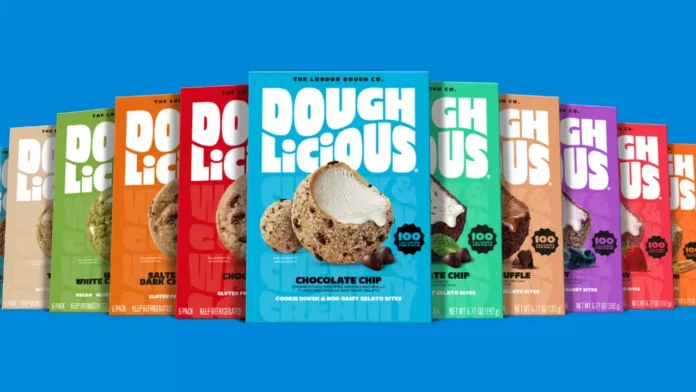
Having rolled out nationwide in Whole Foods Market outlets throughout the US, Doughlicious is ready to satisfy the growing appetite for snack choices with its selection of frozen Cookie Dough and Gelato Bites. Featured flavors encompass Chocolate Chip, Chocolate Truffle, Cinnamon Churro, and Mint Chocolate Chip.
Thomas A Bata, CEO of Triple B, expressed enthusiasm, stating, “Triple B is excited to collaborate with Doughlicious, a pioneer in the gourmet snacking realm. The remarkable 100% year-over-year growth in business over the past few years, coupled with the recent prosperous investment round, highlights Doughlicious’ potential for continued expansion and innovation.”
He added, “We’re thrilled to unite with Doughlicious and bolster its commitment to providing exceptional snacking experiences while advocating for sustainability and excellence in quality.”
Crafted by hand in London within its 22,000-square-foot production facility, which operates on renewable electricity, Doughlicious’ pre-portioned cookie dough snacks deliver a delectable, creamy texture while reducing food waste. Certified gluten-free and crafted from natural ingredients, Doughlicious’ offerings seamlessly marry taste with sustainability, aligning with the growing trend for guilt-free indulgence.
Kathryn Bricken, Founder of Doughlicious, chimed in, saying, “Doughlicious is thrilled to embark on this thrilling venture with Triple B. Our collaboration symbolizes a harmonious fusion of principles and aspirations, as we persist in reshaping the snack domain with our inventive offerings and steadfast dedication to excellence and eco-consciousness. Together, we eagerly anticipate broadening Doughlicious’ influence and bringing joy to consumers worldwide.”
In 2023, cold coffee accounted for 32% of out-of-home coffee consumption, representing one in every three cups. This sector is experiencing rapid growth within the coffee industry, witnessing a 15% surge in consumption over the past four years. Particularly, younger demographics have enthusiastically adopted the cold coffee trend. The proliferation of specialty coffee shops and cafes providing diverse cold coffee choices has significantly enhanced its accessibility and allure among consumers.
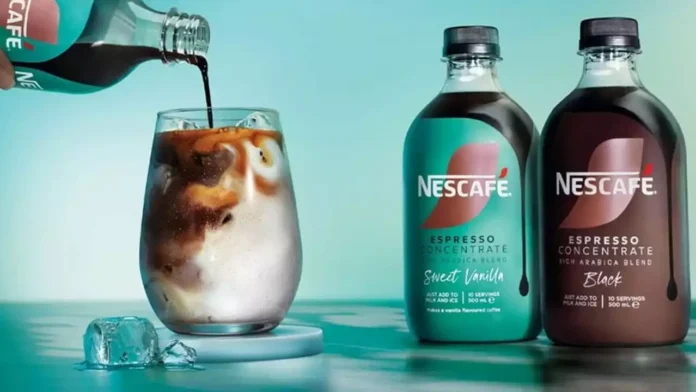
Responding to this burgeoning trend, Nescafé unveils its latest innovation: Nescafé Espresso Concentrate. Crafted to replicate the out-of-home cold coffee experience, this high-quality liquid coffee concentrate delivers barista-style personalized iced coffees directly to consumers’ homes.
Nescafé’s new Nescafé Espresso Concentrate offers consumers a customizable cold coffee experience right in their homes. With just a small shot of Espresso Concentrate, users can easily craft a creamy iced Latte by mixing it with milk, or opt for a robust Americano by adding it to water. For a unique twist, the concentrate can be blended with lemonade or juice for a refreshing beverage. Crafted from a blend of carefully selected coffee varieties, Nescafé ensures a premium quality product with a rich and bold taste. Best of all, no specialized equipment or barista skills are needed, making it an uncomplicated choice for coffee enthusiasts looking to enjoy barista-style drinks at home.
Philipp Navratil, head of Nestlé’s Coffee Strategic Business Unit, emphasized the significance of cold coffee among young consumers, stating, “We’ve observed that young coffee enthusiasts are increasingly drawn to cold brews. With Nescafé Espresso Concentrate, our aim is to tap into this expanding out-of-home cold coffee trend and make it accessible at home. We’re committed to delivering a premium cold coffee experience that is both high in quality and effortlessly customizable, providing consumers with a convenient and simple way to enjoy their favorite chilled beverages.”
Damien Tissot, head of Nestlé R&D for Coffee, elaborated, “At Nestlé, we’ve harnessed our cutting-edge coffee roasting and brewing technologies across various formats including roast and ground, soluble, ready-to-drink, and portioned coffee. With the development of Nescafé Espresso Concentrate, we’re extending our expertise to cater to the growing demand for delicious and convenient cold coffee experiences in the comfort of home.”
Presently, the Nescafé Espresso Concentrate is offered in two enticing flavors: Sweet Vanilla, adding a delightful touch of flavor to the coffee ritual, and Espresso Black, delivering a bold and intense coffee experience.
The Nescafé Espresso Concentrate is set to debut this month in selected Australian retailers, available in bottle format. Simultaneously, it will be introduced on e-commerce platforms in China, featuring single-serve pods for convenient pouring over milk, water, or juice. Expansion plans include making it accessible in markets globally over the forthcoming years.
Juan Carlos “Carl” Loredo has been appointed as the president of Pizza Hut U.S., reporting directly to Aaron Powell, CEO of the Pizza Hut Division. Loredo will assume his new role on June 3.
Before his current appointment, Loredo held the position of global chief marketing officer at The Wendy’s Company, where he dedicated eight years of service. Prior to that, he served as the VP of Account Services at The Marketing Arm, a division of the Omnicom Media Group.
Carl has a proven track record of establishing brands for success and producing outcomes in extremely cutthroat markets. He joins Pizza Hut with this expertise. Powell stated in the release that “he is skilled at assisting brands in showing up in fresh and genuine ways at the ideal intersection of consumer need and culture.” “The Pizza Hut team is happy to welcome Carl, who brings with him a passion & focus that will drive us forward to the brand’s next era.”
“I love a good story, & Pizza Hut’s journey from a single outlet in Wichita, Kansas, to global cultural icon status is extremely inspiring,” Loredo stated in the statement. “Heading Pizza Hut’s U.S. business and contributing to the brand’s continued success for the upcoming consumer generation is an honour. To unleash the development potential of this formidable brand, I am excited to collaborate with Aaron and the leadership group, our top-tier franchisees, and our bright team members across the nation.”
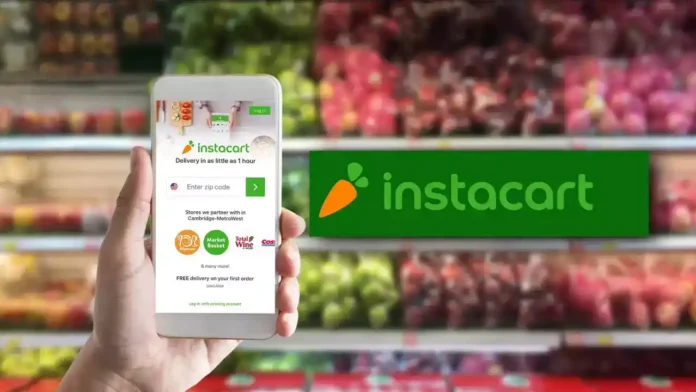
Instacart, the grocery delivery service, has teamed up with Uber Eats to introduce an exciting addition for its customers: restaurant delivery.
San Francisco-based Instacart announced on Tuesday that its U.S. shoppers can expect to find a “Restaurants” section within the company’s app in the upcoming weeks. Deliveries for restaurant orders will be handled by Uber Eats drivers.
Instacart stated that its Instacart Plus members, who subscribe for $99 annually or $9.99 monthly to enjoy complimentary grocery deliveries on orders over $35, will now also receive free restaurant delivery for orders surpassing $35. Meanwhile, regular Instacart members will incur Uber Eats delivery fees.
Instacart mentioned that it will receive an affiliate fee with each order placed through the partnership, although it refrained from disclosing any further financial specifics regarding the arrangement.
Instacart highlighted that the majority of Americans purchase groceries, whether online or in-store, at least once weekly. Additionally, over one-third of them opt for takeout or delivery at least once weekly, and Instacart aims to cater to this demand too.
This agreement will provide Instacart customers with additional advantages within the fiercely competitive grocery delivery sector. Presently, Instacart holds approximately 25% of the market share in the U.S., trailing behind Walmart, which commands 51%, as reported by YipitData, a market research firm.
Other delivery firms, such as DoorDash and Uber Eats itself, are also steadily expanding their presence within this market, albeit holding smaller portions.
Uber Eats expressed that the collaboration with Instacart would lead to an increased flow of customers to its restaurant affiliates, particularly in suburban areas, which constitute the primary user base for the grocery delivery service.
Prior to its initial public offering last summer, Instacart disclosed in its filings that it boasted 7.7 million monthly active users. However, neither company provided information regarding the overlap of customers between Instacart and Uber Eats.
The recent surge in shares of fast-moving consumer goods (FMCG) companies could mark the onset of sector outperformance over the next few months, experts suggest. They anticipate continued gains, even for investors entering the market at current levels.
Shrikant Chouhan, the head of equity research at Kotak Securities, noted, “For the first time in several quarters, companies are forecasting a business recovery in rural regions. This positive guidance is sparking a catch-up rally in the market.”
He also mentioned that the defensive characteristics of the sector, particularly in anticipation of the elections and the upcoming Budget, coupled with predictions of a normal monsoon, are contributing to its resilience.
Chouhan stated, “We anticipate outperformance from these companies for the next two quarters, driven by their positive guidance, expectations of a normal monsoon, and their implementation of price hikes.”
In the fiscal year 2023-24 (April-March), shares within the fast-moving consumer goods sector have lagged behind the broader market, with the Nifty FMCG index recording a gain of just under 18%, in contrast to the nearly 29% increase seen in the Nifty 50 index.
In fact, sector heavyweight HUL experienced a decrease of over 11% in its share value, while other key players such as Britannia, Emami, and Godrej Consumer Products have likewise shown weaker performance compared to benchmark indices.
Nirvi Ashar, an analyst at Religare Broking, remarked, “While markets were reaching new highs, FMCG stocks weren’t keeping pace. However, with optimistic management commentary emerging, momentum is now driving prices upward, leading to the gains we’re witnessing.”
She suggests a selective approach to stock picking and expresses optimism regarding shares of HUL, Godrej Consumer, and Marico. She perceives limited downside risk and foresees the potential for gains of up to 20-25% in HUL over a one-to-two-year timeframe. Additionally, she recommends purchasing Godrej Consumer during market dips.
While many anticipate these shares to outperform in the short term, Christy Mathai of Quantum AMC holds the view that the sector’s current valuation justifies caution for the long term.
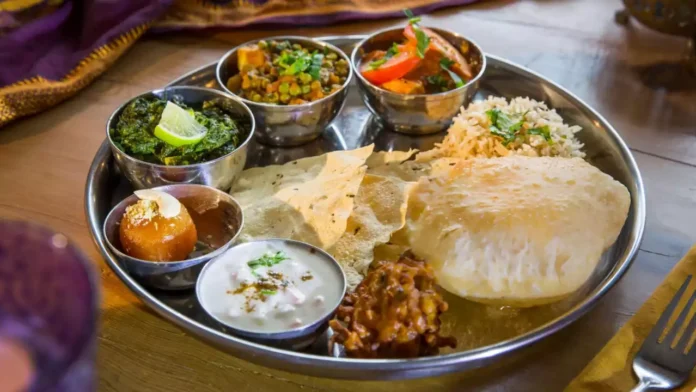
The cost of home-cooked meals in April, compared with the previous year, was 8% higher due to increased prices of onions, tomatoes, and potatoes, as revealed by Crisil data released Wednesday.
In April, the price of a vegetarian thali was INR 27.4, showing a marginal increase from INR 27.3 in the preceding month.
Crisil observed that the rise in the cost of the vegetarian thali was influenced by significant increases in onion, tomato, and potato prices, with respective year-on-year surges of 41%, 40%, and 38%, attributed to a low base from the previous fiscal year. Reduced onion arrivals, stemming from a notable decline in rabi acreage, and damage to the potato crop in West Bengal were cited as primary factors driving the price escalation.
Crisil highlighted that decreased arrivals also contributed to double-digit inflation in rice and pulses during April.
Inflation in pulses has sustained double-digit figures for the past five months.
With vegetable inflation at 28%, food inflation remained stubbornly high at over 8% in March, despite consumer inflation dropping below 5% for the first time in five months.
Experts suggest that heatwave conditions are expected to maintain elevated vegetable prices throughout this quarter, thereby keeping food inflation at higher levels.
In April, the price of non-vegetarian thalis decreased by 4%, reaching INR 56.3.
“The dip in the price of the non-veg thali was due to 12% on-year decline in broiler prices on a high base of last fiscal,” Crisil said.
Sequentially, Crisil highlighted increased demand and rising input costs as factors leading to a 3% rise in non-vegetarian thali prices compared to March.
The Reserve Bank of India anticipates inflation to decrease to 4.5% in the fiscal year 2024-25.
The central bank is expected to maintain interest rates at its upcoming meeting next month, with experts suggesting the possibility of a rate cut only in the second half of the year.
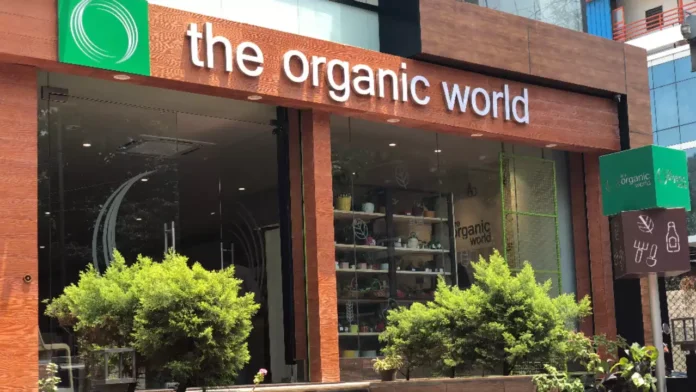
The Organic World, a prominent grocery retailer, wrapped up the last fiscal year with earnings of INR 35 crore. Now, they’re setting their sights even higher, aiming to close this fiscal at INR 60 crore. Gaurav Manchanda, Founder and Director of Nimida Group (the parent company of The Organic World), shared that they’re determined to transform into a INR 100 crore brand by the end of FY 25.
Over the past years, the brand has consistently experienced month-on-month growth ranging from 2.5 to 5 percent. Each year concludes with an impressive 20-25 percent overall growth rate.
Manchanda remarked on the brand’s profitability, stating, “On a unit basis, we’ve achieved break-even, and our stores remain profitable. However, profitability at the head office level is still elusive.”
In order to fuel further growth, the brand intends to broaden its offline presence by entering new cities and delving deeper into its current markets.
Presently, the brand runs a total of 17 stores, comprising 13 company-owned and operated outlets, alongside 4 franchise stores. In the current fiscal year, it aims to inaugurate an additional 10 company-owned and operated stores, alongside 25 franchise stores.
“Our objective is to launch 100 stores within the next 18 months. We’re seeing significant interest from cities such as Hyderabad, with Chennai and Bengaluru close behind. Initially, our focus will be on these three cities, before gradually expanding into others like Coimbatore and Mysore,” he explained.
“Ultimately, our aim is to venture into metropolitan areas such as Mumbai, Pune, Ahmedabad, Delhi, and Gurgaon by 2026. However, at present, due to supply chain limitations, our focus is solely on South India,” he elaborated.
Of the 100 stores the brand aims to open, it plans for 75 to be franchise-operated and 25 to be company-owned and operated.
The bootstrapped brand has no intention of fueling expansion by raising funds; instead, it plans to finance it through internal accruals.
“The CAPEX required to establish a turnkey and operational company-owned and operated store amounts to INR 60 lakh. Spanning across 1,000-2,200 sq. ft., it offers 3,500 SKUs. In contrast, the CAPEX for a turnkey and operational franchise store is INR 20 lakh. Spanning across 500-800 sq. ft., it offers 2,500 SKUs,” he elaborated.
He mentioned, “For us, a substantial portion of our business is driven by 20-30 per cent of the SKUs, such as dairy, bakery, snacking, and staples.”
Currently, the brand features three private labels across distinct categories: Happy Harvest Farms provides organic staples, WellBe offers snacking options, and Osh Life attends to consumers’ homecare needs.
“Moving forward, we aim to introduce additional private labels in categories such as personal care, vegan, and gluten-free products,” he emphasized.
WellBe can also be found in around 1,000 other retail outlets, including More Retail, Lulu’s, and Nature’s Basket, as well as The Organic World stores.
“Moving forward, our course of action involves introducing WellBe into the general trade market, prioritizing smaller pack sizes. Our aim is to achieve national distribution within the next 18 to 24 months,” he explained.
Currently, private labels account for 55 percent of the brand’s sales. Looking ahead, the brand aims to elevate the contribution of private labels to 65-70 percent.
Presently, offline retail accounts for 90 percent of the brand’s revenue, with the remaining 10 percent generated from online retail.
“We aim to achieve an 80/20 split soon by boosting our average basket size. Additionally, we will introduce our products on quick commerce platforms,” he emphasized.
Wahter, the advertising and packaged drinking water brand from India, has made an impressive mark in just one month since its launch, selling 2 lac in the Delhi-NCR region. This achievement highlights Wahter’s dedication to transforming the advertising sector while also tackling the urgent issue of providing clean and affordable drinking water throughout India.
With its unique business model offering bottled drinking water at just INR 1 and INR 2, Wahter has swiftly captured the spotlight for its innovative approach. The market’s response to Wahter’s affordable bottled drinking water has been overwhelmingly positive, with exceptional sales performance and enthusiastic consumer feedback. Wahter is refilling its carts and strollers almost twice daily at every location, underscoring the high demand and popularity of the product. Moreover, consumers are excited to see their favorite brands featured on the bottles, adding to the allure of Wahter’s offerings.
Wahter’s revenue model, driven by advertising, profoundly shapes brand preferences by providing economical advertising solutions with broad outreach. Unlike conventional advertising platforms, Wahter’s approach allows for precise targeting of marketing efforts, ensuring brands reach specific demographics and geographical areas accurately. Furthermore, Wahter grants access to prime high-traffic locations such as India Gate and Kartavya Path, typically inaccessible through conventional advertising channels. By leveraging Wahter’s bottles as mobile billboards, brands can benefit from sustained visibility as consumers carry the bottles during their daily routines.
Amitt Nenwani, Co-Founder of Wahter, stated, “Wahter’s ambition is to become the leading advertising medium for brands across all sectors. Over the next five years, our objective is to position Wahter as the preferred advertising platform for the top 100 brands, providing unmatched visibility and engagement opportunities to advertisers. Furthermore, consumers are keen to see their favorite brands showcased on our bottles.”
As per Wahter, their collaboration with the Shoobhi Foundation (BoAt) demonstrated the platform’s efficacy by delivering the highest ROI in the industry. They achieved an ROI of approximately 18%, garnering over 12,000 scans from merely 65,000 bottles. Their campaign reached over 5 million viewers in Delhi-NCR, including demographics typically ignored by traditional advertising methods.
Looking ahead, Wahter aspires to expand its reach and impact by partnering with top brands across industries and becoming the go-to platform for advertising needs. The company remains dedicated to its core values of affordability, sustainability, and accessibility, shaping the future of advertising in India and beyond.
We use cookies to ensure that we give you the best experience on our website. If you continue to use this site we will assume that you are happy with it.