Pune-based Kisanserv is planning to expand its operations by opening 250 new retail stores across Pune and Mumbai over the next three years, thereby tripling its current footprint.
The company’s competitive edge lies in offering fresh, premium-packed fruits and vegetables at prices 15–25% lower than the market average.
Niranjan Sharma, the Founder and CEO of Kisanserv, said, “At Kisanserv, our mission is twofold: to offer consumers affordable, high-quality produce and to bolster local farmers by guaranteeing fair prices and direct sourcing.”
Within just 15 months, the company has already set up 25 stores in Pune and Mumbai. Looking forward, Niranjan Sharma has laid out a vision for the future, with plans to inaugurate an additional 250 retail outlets specializing in fruits and vegetables across Pune and Mumbai within the next three years.
Looking ahead, Kisanserv emphasizes its ongoing commitment to upholding its reputation for excellence in product quality, affordability, and sustainability. These expansion plans are in line with the company’s vision of cultivating a sustainable and efficient urban retail ecosystem, benefiting both consumers and farmers alike.
Kisanserv highlights its transition from a technology-focused software developer to a disruptive force in the retail market, showcasing innovation as its fundamental principle. “Technology underpins all our endeavors,” remarks Praveen Tiwary, Co-founder and Chief Technology Officer at Kisanserv. “Our software enhances operations, minimizes errors, and furnishes valuable data insights, enabling us to continuously enhance our offerings and address the changing demands of our customers.”
In a time marked by growing consumer awareness, Kisanserv’s focus on ethically procured, top-tier produce at competitive rates strikes a chord with environmentally and health-conscious shoppers. The company asserts that this deliberate positioning has empowered it to seize a considerable portion of the burgeoning urban fresh produce market.
Through harnessing technology and fostering innovation, Kisanserv stands ready to reshape the urban retail terrain, offering benefits to consumers while empowering farmers throughout India. Residents of Pune and Mumbai can anticipate the advantages of Kisanserv with the imminent launch of stores across both cities!
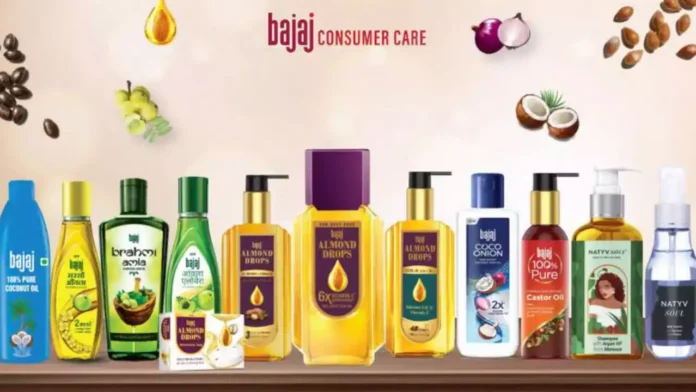
Bajaj Consumer Care Ltd, a fast-moving consumer goods (FMCG) company, has reported a 12 per cent decline in consolidated net profit to INR 35.58 crore for the fourth quarter ended March 2024. According to a regulatory filing by the company, this figure is down from the consolidated net profit of INR 40.46 crore posted in the same quarter of the previous fiscal year.
During the quarter in review, its consolidated total revenue from operations amounted to INR 239.96 crore, compared to INR 249.42 crore in the corresponding period of the previous year.
In the fourth quarter, the company’s total expenses decreased to INR 208.08 crore from INR 210.33 crore recorded a year ago.
The company reported a higher consolidated net profit of INR 155.43 crore for the fiscal year ended March 2024, compared to INR 139.22 crore in FY23.
In FY24, the consolidated total revenue from operations amounted to INR 984.12 crore, up from INR 960.87 crore in the preceding fiscal, according to the statement.
At its meeting held on Wednesday, Bajaj Consumer Care announced that its board of directors had considered and approved a proposal for the buyback of 57.41 lakh equity shares with a face value of INR 1 each, representing 4.02 per cent of the total number of paid-up equity shares of the company.
According to the filing, the buyback price has been set at INR 290 per equity share, with an aggregate amount not exceeding INR 166.49 crore.
The fast-food industry faced significant underperformance in the previous fiscal year. Following a strong performance in fiscal 2022 and the first half of fiscal 2023, revenue growth for quick-service restaurant (QSR) brands slowed down in the latter half of 2022–23 due to subdued demand and competition from food aggregators. Third-quarter results for the last fiscal year revealed ongoing weakness in both top-line and bottom-line growth across the sector, compounded by tepid market sentiment.
Companies have pointed to weaker demand due to high inflation as a primary factor. Third-quarter results released by these companies indicate that despite a slight easing of inflation, the industry-wide demand continued to face challenges. Foot traffic for dine-in remained subdued, with management remarks noting a further decline in demand following Deepavali.
Even with a weaker starting point and an extra day from the leap year, it’s anticipated that same-store sales growth will stay subdued in the fourth quarter of fiscal 2024. Kotak Securities notes that the slowdown in the QSR industry has persisted longer than initially expected.
Zomato Ltd. and Swiggy have swiftly broadened their footprint across India, extending their reach to include even smaller restaurants.
Zomato witnessed a substantial increase in monthly active restaurant partners, soaring from 61,000 in fiscal 2019 to 254,000 in the December quarter of fiscal 2024. Meanwhile, Swiggy boasted 272,000 active restaurants by fiscal 2023. This growth has expanded their customer base, notably benefiting smaller eateries.
Nevertheless, BNP Paribas Exane Research indicates that this expansion is dampening QSR sales, as the proliferation of choices through food delivery platforms is fragmenting sales. This is likely contributing to the decline in the average daily sales of the QSR industry, alongside the overall weakness in demand.
Zomato’s average count of active restaurant partners has multiplied over fourfold since FY19.
Major QSR companies have experienced a shift in market share. Jubilant FoodWorks Ltd. has faced significant pressure, with its share decreasing by 200 basis points from 35.1% in the first quarter of fiscal 2023 to 33.1% in the third quarter of fiscal 2024. Similarly, Westlife Foodworld Ltd. and Barbeque Nation Hospitality Ltd. also saw a decline in market share during the same period.
Jubilant FoodWorks has experienced the most significant decline in market share, dropping by 200 basis points, whereas Devyani International has gained 150 basis points.
Kotak noted the difficulty in pinpointing the exact timing of the recovery but anticipates the downturn to reach its conclusion shortly. The brokerage foresees the recovery commencing in the second half of fiscal 2025.
Kotak emphasized the encouraging sequential improvement in the same-store sales trends of Domino’s, operated by Jubilant in India, during the fourth quarter. This offers hope for a bottoming out and gradual demand recovery in the current fiscal year.
Sapphire Foods stands out as Kotak’s top choice among QSR companies, attributed to its lower earnings risk and reasonable valuations, closely followed by Devyani International.
Despite the soft demand scenario and underperformance, companies have maintained their store-opening guidance and remain optimistic about a gradual recovery.
Jubilant FoodWorks stated in its Q3 earnings call that the current slowdown seems cyclical, reflecting the influence of inflation on mass discretionary consumption. However, this doesn’t alter their outlook on the food service industry.
Devyani International also remarked that the current weak consumer sentiment and subdued consumer spending are expected to be short-lived, with anticipation of recovery over the next few quarters.
Nuvama doesn’t attribute the structural slowdown in the industry solely to increased penetration and competition from food delivery apps. The brokerage suggests that if demand at the lower end normalizes, it would be beneficial for QSR companies.
Nuvama noted that the substantial increase in store additions over the past two years has put pressure on industry margins. However, the brokerage now observes signs of moderation, which could positively impact QSR margins.
Nuvama pointed out that the share prices of QSR companies have nearly halved since their peak in 2021, making them an attractive entry point.
For instance, the share prices of Barbeque Nation and Restaurant Brands are now trading 73% and 52% lower from their respective all-time highs.
The valuations of profitable QSR companies also sit below their peak levels.
Jubilant FoodWorks’ price-to-earnings ratio currently stands at 89.15, down from its peak of 165.87 in fiscal 2021. Similarly, Sapphire Foods’ current P/E ratio is 38.52, a decrease from 190.5 in fiscal 2021, according to Bloomberg.
Devyani International, Sapphire Foods, and Westlife Foodworld have garnered the highest number of ‘buy’ calls, with 85% of analysts covering Sapphire Foods expressing bullish sentiment towards the stock.
Analysts hold an equal number of bearish and bullish sentiments on Jubilant FoodWorks, with 17 ‘buy’ and ‘sell’ calls each. Among QSR companies, Restaurant Brands commands the highest average of 12-month analyst price targets, while Westlife Foodworld holds the lowest.
Baby Forest Ayurveda Pvt Ltd., renowned for its Ayurvedic baby care products, has inaugurated its flagship store in the prestigious Select City Walk Mall in Delhi. The store promises a distinctive sensory journey, embodying the brand’s dedication to harmonizing luxury, sustainability, and age-old Indian wellness traditions.
As customers step into the store, they are welcomed by a tranquil atmosphere. Earthy tones and textures blend seamlessly, complemented by artistic poles and thoughtfully arranged product displays. This serene setting mirrors Baby Forest’s profound reverence for Ayurveda, the time-honored Indian practice of holistic well-being.
The store presents the brand’s extensive array of baby care offerings, each meticulously formulated with Ayurvedic principles and natural ingredients. Whether it’s gentle washes, nourishing hair oils, hydrating face creams, ayurvedic face washes, massage oils, or innovatively designed BPA FREE patented feeding bottles, every product embodies the transformative essence of Ayurveda.
The retail store layout is designed to lead clients on a voyage of discovery. Informative displays highlight the benefits of each merchandise, allowing parents to make informed decisions that are consistent with their child’s individual needs and Ayurvedic principles. Knowledgeable employees are also available to answer queries and provide expert advice.
Beyond retailing products such as bath ritual collections, everyday essentials, and organic clothing, Baby Forest’s flagship store provides an enchanting educational journey. Visitors have the opportunity to delve into the rich history and philosophy of Ayurveda, fostering a deeper understanding of these revered traditions. This holistic approach distinguishes Baby Forest, enabling parents to embrace the potency of Ayurveda in nurturing their child’s well-being.
The opening of the flagship store signifies Baby Forest’s dedication to delivering an unparalleled customer experience. Here, the fusion of luxury, sustainability, and timeless wisdom forms a sanctuary of holistic well-being for infants. Acting as a gateway, the store beckons parents to embark on a journey of transformation, effortlessly weaving Ayurveda into the very fabric of their baby’s care.
Gagan Agarwal, the Founder of Baby Forest, expressed his excitement: “We are delighted to introduce the enchanting world of Baby Forest to central New Delhi. The new store embodies our commitment to offering a nurturing space for babies and new mothers alike. Using the Delhi flagship store as a starting point, Baby Forest aims to establish 10 more stores in key metropolitan areas throughout India. This expansion underscores the brand’s dedication to ensuring that its distinctive line of Ayurvedic baby care is readily available to parents across the country.”
Foodtech giant Swiggy has reintroduced its homestyle meal delivery service, Swiggy Daily, after a four-year hiatus from its offerings. Originally launched in 2019, the service was temporarily halted by Swiggy due to dwindling demand amidst Covid-induced lockdowns.
Now, the food delivery and quick commerce giant has resumed the service in Bengaluru, with the rollout still in its early stages.
Notably, this time around, Swiggy is integrating Swiggy Daily directly into its main app, instead of maintaining a separate application as it did before.
Swiggy Daily primarily caters to consumers in search of affordable, healthy, home-cooked meals. The service provides flexibility, enabling users to choose subscriptions lasting from three days to a month.
Last year, Zomato launched ‘Zomato Everyday’, a fresh take on home-style meals, offering budget-friendly, freshly prepared dishes by genuine home chefs. Initially tested in specific areas of Gurugram in February the year before, the ‘Zomato Everyday’ service has since grown, now available in numerous cities and locations.
Established in 2014 by Sriharsha Majety, Nandan Reddy, Phani Kishan Addepalli, and Rahul Jaimini (who departed from the company in 2020), Swiggy initially began as a food delivery startup. Over time, it diversified its services, introducing its quick commerce vertical – Swiggy Instamart, and also providing a courier service known as Swiggy Genie.
In preparation for its anticipated public listing later this year, Swiggy has been refining and consolidating its operations. Recently, Swiggy combined Swiggy Mall with its quick commerce platform, Instamart. Furthermore, in March, Swiggy integrated its premium grocery vertical, InsanelyGood, with Instamart, demonstrating its commitment to enhance and fortify its services.
According to other regulatory filings, the startup’s IPO will encompass a fresh issue of shares valued at INR 3,750.1 Cr (approximately $449 Mn) along with an offer-for-sale component valued at INR 6,664 Cr (roughly $799 Mn).
During the first nine months of the financial year 2023-24 (FY24), Swiggy recorded a loss of $207 Mn (INR 1,730 Cr). The Bengaluru-based startup also generated a revenue of $1.02 Bn (approximately INR 8,505 Cr, based on current exchange rates) from April to December 2023.
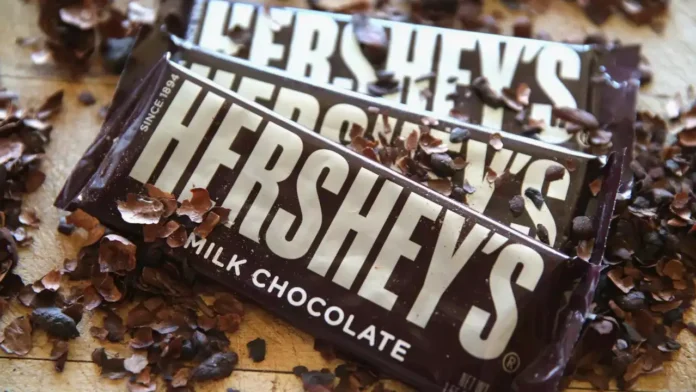
US-based confectionery giant Hershey remains tight-lipped on potential cocoa-linked pricing beyond this year’s hedging contracts as the commodity continues to trade at record highs.
During the discussion of the confectionery and salty snacks maker’s first-quarter results, President and CEO Michele Buck faced a barrage of questions about cocoa. The company saw an 8.9% increase in sales, driven by an inventory build-up resulting from the implementation of a new enterprise resource planning (ERP) system.
Buck reiterated her earlier assessment that cocoa prices will continue to be inflationary through 2025, even as they dipped to approximately $8,000 per tonne. Nevertheless, this price point remains historically high, despite the drop from the peak of $12,261 reached in April.
“In the midst of our 2025 planning, it’s premature to delve into potential financial scenarios or impacts. For competitive reasons, we won’t be disclosing our hedging policies or pricing strategies,” remarked Buck during the discussion of the quarterly results ending on March 31st.
“However, we maintain confidence in the long-term prospects and the strategies we possess to mitigate inflation and safeguard our margins in the long run.”
At least for 2024, Buck assured that Hershey has secured its cocoa supply with locked-in hedging contracts.
“The current market is experiencing influences beyond simple supply and demand dynamics. Factors such as diminished liquidity, emerging regulations, and speculative market activity have collectively propelled us towards the record-high prices we’re witnessing,” she elucidated.
“We’ve established robust processes to guarantee supply continuity and maintain clear insight into our costs. With solid coverage for 2024, we anticipate that recent volatility will not impact our financial projections for the year.”
The sales growth forecast remained within the 2-3% range for fiscal 2024, with Finance Chief Steve Voskuil indicating that Hershey’s gross margin would decline by approximately 200 basis points due to cocoa and sugar inflation outweighing net price realization and supply chain productivity improvements.
In the first quarter, that measure decreased by 170 basis points to 44.9% on an adjusted basis.
During a Q&A session, the CEO was queried about her thoughts on the factors behind the decline in cocoa prices following the peak in April.
“I believe the decline primarily underscores the immense volatility prevalent in the marketplace,” responded Buck. “As of yet, there are no significant new signals concerning supply and demand that warrant attention.”
She further remarked, “Perhaps there are early indications regarding the mid-crop, suggesting that much of the decline may be influenced by non-supply-demand economic factors, such as speculator activity and regulatory considerations we’ve previously discussed.”
When queried about the potential price impact and strategies regarding cocoa derivatives like cocoa butter, Voskuil provided additional insight.
“While cocoa is the main focus, there is also an increase in its derivatives,” he clarified. “As cocoa itself is inflationary, we won’t remark on the percentage increase in relation to price increases for cocoa.”
Regarding sourcing options for 2025, Voskuil emphasized, “Clearly, the hedging program and financial aspects are one approach to address this, and on the supply chain side, ensuring we have diverse sourcing is another.”
“Over the years, we’ve made significant efforts to diversify our supply chain footprint,” he noted. “Undoubtedly, reflecting on the past few years, we will persist in advancing this diversification. This provides us with flexibility in our sourcing approach.”
Last week, Dirk Van De Put, CEO of Hershey’s peer company Mondelez International, faced similar inquiries regarding cocoa prices as the Cadbury chocolate owner released its first-quarter results.
“It’s evident that record costs for cocoa ingredients and the ensuing price increases for consumers and customers are creating a lot of conversation,” he stated. “Chocolate volume is still growing despite this short-term headwind, and we are still structurally advantaged with large opportunities ahead in this growing category.”
Van De Put also mentioned that Mondelez has hedging coverage for 2024 and is “well-prepared for 2025.”
Meanwhile, Buck underscored the importance of cocoa to their long-term business resilience and success, highlighting their commitment to dedicated resources and substantial investments to ensure a resilient supply chain for the future.
She was prompted to comment on statements made by Mondelez CFO Luca Zaramella last week, where he suggested that prices “are the result of a series of accidental circumstances that over time we believe should go away.”
In response, Buck stated, “In general, our opinions of the factors that have shaped the market are fairly in line with what that sizable rival previously stated. Upon reflection, we believe that during the previous few months, prices have been impacted by both transitory and permanent factors.
The Hershey chief elaborated, “It indeed began with adverse weather conditions affecting crops and subsequently raising supply concerns. However, as we’ve previously noted, it extends beyond mere supply and demand dynamics. Factors such as regulatory actions, like the EU deforestation regulation, market speculation, and diminished liquidity, also play significant roles.”
Ferrero North America has inaugurated its first chocolate processing facility in North America, marking its third globally.
The project, a result of a $75 million investment, has expanded Ferrero’s manufacturing campus in Bloomington, Illinois by 70,000 square feet. This site will now produce chocolate for several of Ferrero’s beloved brands, such as Kinder, Ferrero Rocher, Butterfinger, and Crunch.
Alanna Cotton, President and Chief Business Officer of Ferrero North America, remarked, “Bringing Ferrero’s decades of experience in crafting high-quality, world-class chocolate to Illinois—the heart of America’s food and confections industry—will propel us towards our objective of becoming the foremost leader in sweets and treats. Ferrero and Bloomington will undoubtedly forge a stronger partnership, shaping the future for years to come.”
The manufacturing campus of Ferrero in Bloomington currently produces Crunch, 100 Grand, and Raisinets, in addition to its new chocolate processing operations. Furthermore, the campus is set to accommodate a new $214 million Kinder Bueno production facility, slated to commence operations later this year, bringing about the creation of 200 new jobs.
Mayor Mboka Mwilambwe of Bloomington remarked, “Ferrero’s investments have played a pivotal role in the remarkable growth of our community. I anticipate continued prosperity as we move forward together in the years ahead.”
The chocolate processing facility is a part of Ferrero’s broader expansion and investment strategy in North America. Last year, the company inaugurated its new innovation center and research and development laboratories in Chicago.
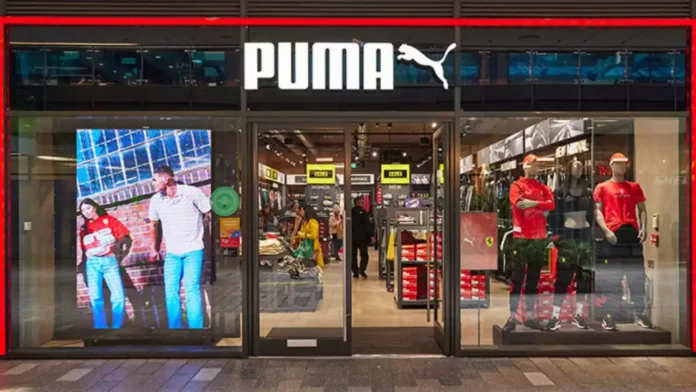
Puma, the German sportswear brand, announced on Wednesday that its first-quarter sales met expectations, leading to a more than 4% increase in its shares. This boost was driven by strong demand for its retro shoes and a rebound in growth in the Americas region, the company stated.
According to Refinitiv data, currency-adjusted sales increased by 0.5% to 2.10 billion euros ($2.26 billion), aligning closely with analysts’ expectations of 2.1 billion euros.
Sales of sportswear brands like Puma and its competitor Adidas have been bolstered by a surge in demand for retro shoe styles like ‘terrace’, amidst challenges posed by weaker consumer demand and excess inventory in the sector.
In a statement, Chief Executive Arne Freundt remarked, “We’re witnessing month-over-month acceleration in sales of our popular terrace and skate styles, Palermo and Suede XL.”
Shares surged by 4.3% to 47.15 euros during early trading on Wednesday.
Analysts at J.P. Morgan noted in a client memo that “the absence of any miss this morning could offer some respite to the shares,” particularly amidst a year of weakness in the share price thus far.
According to the company, sales in the Americas region increased by 1.0% to 790 million euros, marking the first positive rise in four quarters. The U.S. saw a sequential improvement in sales.
Freundt mentioned that while retail partners are still addressing high inventory levels, the company anticipates additional improvement in the second quarter.
The company reported a 3.9% decline in group sales compared to the previous year, with currency effects reducing euro-denominated sales by approximately 100 million euros in the quarter.
Puma’s wholesale business saw a currency-adjusted decline of 2.9%, amounting to 1.61 million euros.
As the demand for quick commerce grows in India, ride-hailing platform Uber is intensifying its hyperlocal deliveries from neighborhood stores, according to sources familiar with the matter.
This service has been introduced by the company in nine Indian cities utilizing two-wheelers, with customer orders being collected from nearby stores.
At present, Uber solely facilitates the delivery of items, with customers required to directly pay the store. However, moving forward, it aims to streamline the process by also handling payments from customers on behalf of the stores, according to one of the sources.
Uber India’s introduction of its store pickup service, mirroring its existing service in the US, coincides with the decline of Reliance-backed Dunzo, which offered similar services. Last month, Walmart-backed PhonePe withdrew from delivering non-food categories it had offered via the ONDC network, while Ola restarted some of these services.
This signals the entry of a global technology company into India’s rapidly growing quick-delivery sector, which has predominantly been dominated by Blinkit, and Instamart.
Flipkart, the ecommerce marketplace, is also strategizing to step into the quick-commerce arena. Meanwhile, companies like Ola, Rapido, and Porter provide on-demand pickup and drop services.
Uber is launching its service by delivering prepaid items from local shops, department stores, pharmacies, and other locations. However, the scope will expand, with Uber collecting and making payments on customers’ behalf straight to the shops,” the source explained.
A senior executive from a Gurugram-based company specializing in delivery and logistics remarked, “Quick-commerce platforms have significantly influenced consumer purchasing patterns. In urban areas, the demand for such services continues to grow, indicating ample opportunities for new players to enter the market.”
“Various companies are anticipated to adopt diverse strategies… Some might opt for the investment-intensive dark store model, while others may focus on enhancing the delivery infrastructure. Uber, for instance, is utilizing its current fleet of two-wheelers from its bike-taxi service,” explained the executive.
Reports indicate that around 12 million local kirana stores witnessed a notable slowdown in sales during the final quarter of 2023, even as quick-commerce firms gained market share, catering not only to impulse purchases but also to bulk orders of staples.
In response to inquiries, a representative from Uber confirmed the news, stating that the company has officially launched its store pickup service in Delhi-National Capital Region, Bengaluru, Chennai, Hyderabad, Jaipur, Lucknow, Kolkata, Guwahati, and Ludhiana.
“Our store pickups service is a recent addition to our offerings, allowing users to request an Uber driver to collect prepaid items from a designated store. Customers will have the flexibility to choose any store within the serviced areas, provided they share its location, and complete the payment directly,” the spokesperson explained.
The India division of the San Francisco-based company, primarily known for its ride-hailing services, has recently been increasing its investments in the delivery sector.
One of the sources mentioned above stated, “The company makes data-driven decisions, ensuring that any project or experiment is pursued only if it demonstrates ongoing financial viability.”
In 2020, the company divested its food delivery venture, UberEats, to Zomato through an all-stock transaction.
On a global scale, Uber is broadening its grocery delivery operations conducted through UberEats.
According to industry sources, up until the start of 2023, Dunzo held the top position in peer-to-peer package delivery services. However, following its decline, its competitors have seized the opportunity to gain momentum.
In January 2023, Porter, introduced two-wheeler delivery services catering to both individuals and businesses. Subsequently, in October, Ola, Uber’s primary competitor, along with Zomato, also launched their hyperlocal delivery services.
“Following Dunzo’s decline in the market, Porter and Uber have predominantly filled the void in the package delivery sector,” noted an industry executive. “Additionally, Swiggy Genie has experienced substantial growth during this period.”
In 2022, Ola ceased its quick-commerce operations amid cuts to ancillary segments. Last year, it introduced food delivery on its ride-hailing app via the government-backed ONDC network, having previously suspended its own food delivery service.
Honasa Consumer Limited, a prominent player in India’s beauty and personal care retail domain, has unveiled its first impact report, ‘Driven By Purpose,’ assessed by Aspire Impact Ratings Pvt. Ltd. The report highlights the company’s dedication to social and environmental endeavors, underscoring its conscientious governance practices across its varied brand spectrum.
The impact report delineates the noteworthy results of diverse purpose-oriented endeavors, assessing their roles in fostering economic advancement, environmental preservation, and community enrichment. These initiatives have catalyzed favorable changes throughout India, reaching across 14 states and 2 Union Territories, nurturing sustainable development and societal upliftment.
Starting with Mamaearth‘s Plant Goodness endeavor, dedicated to afforestation and bolstering farmer welfare, Honasa collaborated with the Sankalptaru Foundation to sow 500,000 trees and uplift 581 farmers. This endeavor not only advocates for sustainable agricultural methods but also forecasts a significant yearly fruit harvest of more than 10,000 tons, potentially yielding revenue surpassing INR 20 crore. Furthermore, it offers environmental advantages such as absorbing 250,000 tons of carbon annually, generating 500,000 tons of oxygen, and greening 3,500 acres of land.
Moreover, Mamaearth’s Plastic Positive initiative has effectively recycled 8311 metric tonnes of plastic, making a significant contribution to environmental sustainability. Through The Derma Co brand, Honasa endeavors to empower underprivileged children via The Young Scientist Program, in partnership with Bhumi NGO. This program prioritizes imparting hands-on science education, leading to a notable enhancement in science assessment scores among the participating children.
Aqualogica’s Fresh Water for All initiative tackles the issue of providing clean drinking water in remote regions. Partnering with the Watershed Organisation Trust, Aqualogica has set up water tanks in four villages, benefiting 496 households and saving over 400 collective hours daily previously spent on water fetching.
Lastly, Bblunt, in collaboration with the Sambhav Foundation, introduced The Bblunt Shine Academy, empowering more than 10,000 women across 11 states with hair styling training and certification. This initiative fosters skill enhancement and economic self-sufficiency, providing a blend of online and offline courses guided by expert trainers.
Honasa’s ‘Driven By Purpose’ impact report highlights its commitment to fostering positive change through sustainable initiatives, reinforcing its standing as a socially responsible leader in India’s retail sector.
Varun Alagh, Co-Founder and CEO of Honasa Consumer Limited, remarked, “At Honasa, we envisioned a brand that transcends mere products, aiming instead to make a meaningful impact on the lives of our consumers and society as a whole. Within our diverse portfolio of purpose-driven ‘Me & We’ brands, each aspect embodies a dedication to our consumers, communities, and the environment. The launch of our inaugural impact report heralds the dawn of a new era in the Honasa narrative. We blend purpose with passion, striving to create beauty that resonates far beyond the surface. Our goal is not simply to tackle challenges but to leave a lasting imprint on the lives we touch, ensuring our brands are recognized not just for their products, but for the profound and extensive reach of their influence.”
We use cookies to ensure that we give you the best experience on our website. If you continue to use this site we will assume that you are happy with it.