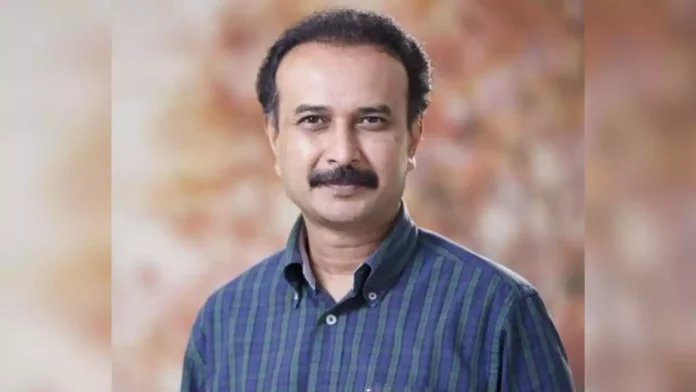
“Gourmet Investments is thrilled to introduce Krunal Chahwala as the new Brand Chief Executive Officer of PizzaExpress India. Congrats and a warm welcome to the team,” the company said in a LinkedIn post.
Chahwala brings more than 18 years of experience in operations, marketing strategy, and digital transformation management to his new role.
Having held prominent leadership positions in the restaurant and service industries, he has made significant contributions at Devyani International and Yum! Brands, overseeing operations for KFC and Pizza Hut.
Established in 2012 as a division of the Bharti Group, Gourmet Investments features an array of international brands such as PizzaExpress, Chili’s, Ministry of Crab, and P.F. Chang’s. Currently, it oversees more than 35 restaurants throughout India, spanning key cities like Mumbai, Pune, Delhi-NCR, Bengaluru, Hyderabad, and Chennai.
PizzaExpress made its debut in India in 2012 by opening its first restaurant in Mumbai. Presently, it boasts more than 16 outlets across various cities in India, including Mumbai, Pune, Delhi, Gurugram, and Noida.
Rice holds a cherished place on every Indian table, where a meal without it seems lacking. Yet, India’s rice isn’t merely a supporting act; it can take center stage. According to a recent survey by Taste Atlas, an international food ranking platform, three of India’s rice-based desserts ranked among the top ten globally.
While not clinching the top three spots, which were claimed by Fırın Sütlaç from Turkey, Khao Niao Mamuang from Thailand, and Sholeh Zard from Iran respectively, India’s Phirni and Kheer secured the 4th and 5th positions, with Sakkarai Pongal landing at number nine. Denmark’s Risengrød and Risalamande, Turkey’s Zerde, and Portugal’s Arroz Dolce also made appearances among the top-ranked desserts.
On the surface, Kheer and Phirni may appear quite similar, both enjoying popularity across India, especially in the northern states like Punjab. Phirni entered India from Persia and became a staple under the Mughal reign. On the other hand, Kheer likely originated in India, possibly in the eastern states of Odisha or West Bengal as Paayesh, though it also holds a prominent place in Tamil, Kerala, Karnataka, and Andhra cuisine, known as Payasam.
While both desserts are rice-based, their distinction lies in texture. Kheer is crafted from aromatic, short-grained rice like Gobindobhog or Kaima rice, simmered with milk, jaggery, fruits, and dried fruits, served either hot or cold. In contrast, Phirni boasts a thicker consistency, prepared with pounded or ground rice cooked in reduced milk, sweetened with sugar, and infused with saffron, cardamom, fruits, and nuts. Typically, Phirni is served chilled.
Sakkarai Pongal, on the contrary, is a traditional dish primarily prepared in the southern regions of India, often offered to the Sun God during Makar Sankranti festivities in Tamil Nadu, Karnataka, and Andhra Pradesh. It comprises freshly harvested new rice, jaggery, and ghee, combined with dried coconut, sesame seeds, raisins, milk, and cashew nuts. The rice is typically cooked outdoors over an open flame, with the pots facing eastward to honor the rising sun. It’s customary for the dish to “pongal,” meaning to boil over during cooking, symbolizing abundance.
Each of these three dishes holds a special position in the vast repertoire of Indian cuisine, cherished for its distinct flavors. Rice has long been an integral aspect of Indian culture, serving practical and cultural purposes alike. These dishes stand as a testament to the significant role rice plays in the daily diet, underscoring its enduring importance in Indian culinary traditions.
Gems and jewellery exports saw a decline of 12.17% to INR 2,65,187.95 crore ($32,022.08 million) during 2023-24, compared to the previous financial year, as per data from the Gem and Jewellery Export Promotion Council (GJEPC). This drop is attributed to high-interest rates in the US and a slow recovery in China.
According to data from the Gem and Jewellery Export Promotion Council (GJEPC), gems and jewellery exports amounted to INR 3,01,925.97 crore ($37,646.17 million) in FY23.
All of the product lines faced significant challenges during the previous fiscal year. This was mostly brought on by a slowdown brought on by high lending rates in the US, India’s largest export market in this sector. Additionally, China’s post-COVID-19 recovery is still going slowly, GJEPC Chairman Vipul Shah said.
During FY24, the overall exports of Cut and Polished diamonds witnessed a decline of 25.23% to INR 1,32,128.29 crores ($15,966.47 million), compared to INR 1,76,716.06 crores ($22,046.9 million) for the corresponding period in the previous year.
In FY24, the provisional gross export of Polished Lab Grown Diamonds experienced a decline of 13.79% to INR 11,611.25 crores ($1,402.3 million), compared to INR 13,468.32 crores ($1,680.22 million) in FY23.
Nevertheless, the provisional export of total gold jewellery saw a notable growth of 20.57% to INR 92,346.19 crore ($11,140.780 million) in FY24, compared to INR 76,589.94 crore ($9,538.84 million) in the preceding year.
In FY24, the provisional gross export of silver jewellery witnessed a significant decline of 43%, amounting to INR 13,406.1 crores ($1,616.42 million), down from INR 23,556.71 crores ($2,939.9 million) in FY23.
Danish fashion giant Bestseller has announced the closure of its Indian ethnic wear label, Indifusion, acquired three years ago. This decision comes amidst increasing losses and a decline in demand. Retailers and mall owners note that this reflects a broader slowdown in the ethnic wear market since last year. Bestseller cited underwhelming sales performance as the reason for the shutdown, prompting them to undertake strategic realignments to refocus their efforts.
Bestseller, renowned for its popular western casual brands like Jack and Jones and Vero Moda, acquired Indifusion in a distressed sale amid the peak of the pandemic. However, the company lacked prior experience in managing an Indian wear label.
“Comprehending the Indian wear segment poses a significant challenge for a Western brand company, and it’s also time-consuming. Moreover, there has been a noticeable slowdown in the discretionary segment, including apparel, which has hindered its revival strategy,” said an industry executive.
In the last twenty years, there has been a notable transition from ready-to-stitch garments to ready-to-wear attire, accompanied by the emergence of national players like BIBA, W, AND, and Global Desi. This shift has fueled the expansion of branded apparel, buoyed by a significant move from traditional sarees towards both ethnic and western wear. Despite global fashion giants such as Zara, H&M, and Uniqlo promoting Westernized clothing in the Indian market, ethnic wear remains the dominant category in women’s apparel, commanding a substantial 71% share.
“The last four quarters have seen flat category development as Indian clothing has come to be mostly linked with sporadic purchasing. Conversely, there has been a tenfold increase in the market for western clothing”, said Lifestyle International CEO Devarajan Iyer.
According to Wazir Advisors, the women’s ethnic wear market is anticipated to achieve a compounded annual growth rate of 8% from FY23 to FY26, reaching over $22 billion by FY26.
“Consumers are in search of adaptable clothing suitable for various occasions, offering comfort and convenience while also reflecting cultural influences,” stated Pakhi Saxena, Head of Retail and Consumer Product Goods at Wazir Advisors.
“Fusion wear has experienced substantial growth in the women’s apparel sector, propelled by a rising female workforce, a younger demographic embracing traditional attire with a modern twist, and the influence of the fashion and entertainment industries.”
From simple kurtis paired with plain jeans to sarees complemented by crop tops and lehengas paired with shirts, fusion wear in India is continuously evolving, driven by fresh fashion trends and ongoing experimentation.
The traditional wear segment has suffered as new-age direct-to-consumer brands gain traction and individuals shift towards western and fusion attire.
Despite facing economic and geopolitical challenges, major Indian jewellery brands press on with their expansion into the US market. With a focus on luxury and premium segments, these brands are banking on the burgeoning market and substantial purchases made by the affluent Indian diaspora.
Last year, Tata Group‘s Tanishq inaugurated three stores in the US—located in Houston, Frisco, and New Jersey—and added another in Chicago in March 2024. Despite the operational complexities of venturing into unfamiliar territories, the company plans aggressive expansions in the US, citing strong demand. Kalyan Jewellers also aims to open two stores in the current fiscal year, targeting locations in New Jersey and Chicago.
Chennai’s Vummidi Bangaru Jewellers is set to expand its presence in the US, with plans to open three additional outlets alongside its operational store in Frisco, near Dallas, Texas.
Amarendran Vummidi, managing partner of VBJ, highlighted the substantial demand for both plain and studded gold jewellery.
He mentioned that both recent Indian migrants and children born abroad often purchase Indian items to stay connected to their culture and traditions, sometimes even celebrating festivals more lavishly than those in India.
VBJ has launched 10 new collections, with a focus on some tailored for international markets. Amarendran noted that unlike the domestic market, US buyers favor studded designs suited for Western attire and anticipate jewellery pieces to convey a story or theme. While recognizing the challenges of the previous fiscal year and the uncertainties of the current one, he expressed optimism about long-term opportunities. He also highlighted that Indian companies have elevated themselves in the value chain by marketing premium products under their own brand names.
Malabar Gold and Diamonds boasts a global presence with over 120 showrooms, primarily situated in the Middle East, mirroring the strategies of many other brands. In the previous year, it established stores in Chicago, New Jersey, Dallas, and Naperville (Illinois) and aims to launch an additional six outlets in the US. This swift expansion initiative involves an investment exceeding INR 4,000 crore through Malabar Investment, a Dubai-based company within the group.
MP Ahammed, chairman of the Malabar Group, emphasized that Indian craftsmanship and competitive pricing provide a distinct advantage to Indian brands.
He expressed that the pent-up demand following Covid, along with the capacity to rival high-margin Western jewellery enterprises, provides advantages in the US market.
Biggies Burger, the homegrown burger chain, aims to achieve a topline revenue of INR 500 crore in the next two and a half to three years, as stated by Biraja Rout, the company’s founder.
The brand achieved a revenue of INR 82 crore in the fiscal year (FY24) ended March 2024, with a current run rate of INR 108 crore.
Rout expressed, “Looking ahead, we anticipate a growth rate of 2.5-3x annually.”
Biggies Burger adopts a franchise model to broaden its business reach, boasting 8 master franchisees and 82 franchisees. Presently, it operates 141 stores, with the brand owning 4 and the remainder owned by franchisees.
By the end of 2025-2026, the aim is to have 250 operational stores. “We’re streamlining our presence, focusing on 25 to 20 cities to enhance the density of our stores within each location,” Rout explained, noting the current presence in 33 cities.
Rout emphasized the revenue disparities within organized fast food chains in India, stating, “Identifying and addressing market gaps is our strategic approach.” Regarding the company’s current strategy and focus, he remarked, “Our GTM strategy prioritizes consistency with sustainable products and building brand awareness.”
The brand holds a strong presence in the South and West markets of the country, with some presence in the East market, which it aims to further leverage.
This year, the burger chain secured an undisclosed amount in pre-Series A funding, valuing the company at INR 210 crore. Consequently, it is poised to invest more in expanding its footprint across malls and high streets nationwide.
The company also operates under the brand BIGGUYs, which currently has 6 live stores, with one owned by the brand and five owned by franchisees.
Looking ahead, the company plans to open 50 stores by the end of 2025. BIGGUYs currently boasts 4 Master Franchise Partnerships (MCPs) with 120 stores signed, as per the company’s statement.
The Derma Co, a skincare brand under the umbrella of Honasa Consumer, the parent company of Mamaearth, reached an annual revenue rate of INR 500 Cr.
Furthermore, The Derma Co achieved sales of over 10 million units in the previous fiscal year.
Mamaearth co-founder Ghazal Alagh announced on LinkedIn the latest milestone: “Exciting news for Honasa Consumer Ltd.! Our second brand, The Derma Co., has joined the 500 crore ARR club. What truly fills us with pride and gratitude is being the sole FMCG company in India to have nurtured two 500+ crore brands within the past decade.”
Alagh further emphasized that this achievement underscores Honasa Consumer’s proficiency in adeptly developing and expanding new brands, providing outstanding skincare solutions to consumers nationwide, and establishing brands with distinctive offerings across dynamic categories like face serums, moisturizing sunscreens, sunscreen sticks, and acne patches.
Additionally, the company emphasized that its strategy remains centered around utilizing data for product innovation and promptly adapting to emerging trends.
Established in 2016 by Varun and Ghazal Alagh, Honasa boasts a product lineup featuring six beauty and personal care brands: Mamaearth, The Derma Co., Aqualogica, Ayuga, BBlunt, and Dr. Sheth’s.
Launched in 2020, The Derma Co offers a variety of products formulated with active ingredients to address skin and hair issues. The brand provides consumers with an AI-powered experience, allowing them to receive real-time skin assessments to identify conditions and determine the most suitable products or routines for treatment.
“The Derma Co.’s impressive achievement of reaching an annual run rate of INR 500 Cr is a clear validation of our strategic brand-building approach at Honasa Consumer Limited. Our success stems from a thorough understanding of evolving consumer demands and our ability to innovate quickly to provide unique offerings to our customers,” stated Varun Alagh, Co-Founder, Chairman, and Chief Executive Officer of Honasa Consumer Limited.
In the quarter that ended in December 2023, Honasa Consumer Ltd posted a 264% increase in its consolidated net profit to INR 25.9 Cr, up from INR 7.1 Cr in the year-ago quarter.
Nevertheless, there was a sequential decline in profit from INR 29.4 Cr in the previous September quarter.
In November last year, Honasa’s shares were listed on the BSE at INR 324. Since then, the stock has surged by over 30% from its initial listing price. As of 10:30 AM on Monday, shares of Honasa were trading at INR 400.65.
Amidst rising concerns raised by public health advocates, social media influencers, and consumers, organized packaged food companies are under scrutiny for their health claims, product formulations, and nutritional levels. Experts predict that this will compel these companies to prioritize healthier product offerings and adopt greater transparency in their labeling practices.
Last week, the Swiss NGO Public Eye expressed concerns regarding the “added sugar” content in Nestle‘s baby food products marketed in India and other emerging markets. In a separate development, the FSSAI, earlier this month, instructed e-commerce platforms not to label products like Bournvita, Complan, and Horlicks as “health drinks” due to the absence of a clear definition for such beverages. Meanwhile, spice brands Everest and MDH are under scrutiny by the Centre for Food Safety, Hong Kong’s food regulator, for alleged traces of ethylene oxide in some of their products. Additionally, social media influencer Revant Himatsingka raised alarms about elevated sodium levels in certain ready-to-eat items served on Indigo flights.
As per KS Narayanan, a food and beverage expert and former Managing Director of McCain Foods India, merely complying with regulatory standards superficially differs from consistently implementing practices that prioritize public health. Nevertheless, packaged food companies encounter numerous genuine practical challenges that necessitate attention while concurrently upholding health standards.
“Nationally and internationally, packaged food companies typically ensure adherence to regulatory guidelines meticulously. FSSAI’s food standards are aligned with CODEX standards. However, the critical question lies in whether they adhere to these regulations in essence.
The challenge arises from the fact that ingredients available in India may differ significantly from those in other markets, leading to variations in product formulations across countries due to various factors. Brands also must cater to the specific local demands of consumers in each market, including considerations of pricing and packaging,” Narayanan remarked.
This growing scrutiny comes as people seek healthier eating options. Social media has allowed public health activists & influencers to spread their message far and wide. At the same time, insurgent brands providing healthier alternatives or clean label products are eroding established firms’ market position, according to analysts.
“Moving ahead, packaged food companies that fail to adhere to standards both in principle and practice will face greater scrutiny. Concurrently, we might witness a surge in innovations aimed at producing healthier products and a commitment to more transparent labeling from established players,” Narayanan remarked.
Rinka Banerjee, Founder of Thinking Forks Consulting and former R&D Director at HUL, noted that packaged food companies have already initiated the transition toward healthier product lineups.
“It’s a strategy being embraced both globally and in India: gradually minimizing negative nutrients while enhancing positive ones in food product innovation. The goal is to maintain great taste while consumers gradually adjust to reduced saltiness or sweetness, for instance. It’s a methodical progression,” she explained.
Harsh Gursahani, a food lawyer & Partner at PLR Chambers, stated that establishing scientifically supported statements that are compliant with rules helps businesses differentiate themselves in the market. “While major players have generally been more careful of making false claims, we are also now seeing a lot more mid-sized & small sized packaged food companies coming to us for assistance to ensure their claims are scientifically-backed & comply with the regulations,” she said.
At the same time, public health advocates are urging for a stricter framework to be implemented within the packaged food industry.
In a video post on X, Arun Gupta, Convenor of Nutrition Advocacy in Public Interest (NAPi), emphasized the necessity for a more comprehensive and rigorous legal framework to tackle these concerns. He underscored the importance of establishing definitions for high fat, salt, and sugar (HFSS) products, as well as implementing front-of-the-pack warning labels.
In the swiftly changing landscape of Indian e-commerce, few sectors have seen the kind of dynamic growth and innovation as India’s online gift market. The upheaval brought by the Covid-19 pandemic only accelerated this trend, catapulting both corporate and consumer gifting to unprecedented heights. Furthermore, the online gifting space continues to evolve, driven by technological advancements, shifting consumer preferences, and an ever-growing demand for convenience.
Leading the charge in this thriving domain is IGP.com, an online gifting platform renowned for its unique and personalized gift offerings tailored for every occasion.
International Gifts Platform, or IGP.com, is a Mumbai-based company that was founded in 2017 and has been a steadfast supporter of the Vocal for Local initiative. The company’s innovative ideas and business acumen have been highlighted by recent recognition from The Economic Times, which includes the “Entrepreneur of the Year – D2C” award at the ET Entrepreneur Summit & Awards 2024 and the “Excellence in Gifting & Stationery category” award at the ET Great Retail Awards 2024.
In a recent conversation with SnackFax, Tarun Joshi, the Founder & CEO of IGP.com, shared insights into the brand’s remarkable journey over the past year and outlined its ambitious plans for the future.
Reflecting on the past year, Joshi remarked, “Last year’s journey at IGP has been truly remarkable.” He shared that the platform experienced a substantial year-on-year growth of 50% across all categories, attributing this success to the team’s dedication and strategic initiatives.
This remarkable growth is a result of the hard work, strategic thinking, and unwavering dedication of our team to providing our esteemed clients with the best goods and services possible. We’re thrilled to keep up this momentum as we aim for even greater success in the future. We’re incredibly proud of what we’ve accomplished,” he remarked.
Regarding the first quarter of 2024, Joshi expressed excitement about the significant milestones achieved. “We began the year with a resounding triumph during Valentine’s Day, exceeding expectations by selling over 10 lakhs stems in India, which resulted in a surge in demand for hampers and chocolates. As our presence is not just limited to India, we also had successful Valentine’s Day launch sales in Dubai,” he shared.
Currently the brand is on the expansion spree, expressed Joshi. Discussing expansion efforts, he highlighted that IGP.com has been actively expanding its reach both internationally and offline. “Over the past month, we’ve made significant strides in our international expansion, particularly in the MENA region, connecting with new customers. We are soon launching in Singapore as well to strengthen our presence in the international market,” he told us.
A study conducted by TechSci Research reveals that the online gifting sector in India is projected to reach a market size of $72.56 billion by 2029. This growth is propelled by evolving consumer preferences and a heightened awareness of gifting norms. Moreover, corporate gifting serves as a significant driver of the robust expansion of the gifting market in India.
Additionally, a market research report by Technavio forecasts that the global gifts retailing market will witness a substantial expansion of $13,491.69 million between 2022 and 2027. The report anticipates a CAGR of 3.01% during this period, with the growth rate expected to accelerate.
In response to these trends, IGP.com plans to strategically increase its physical presence. The company has already opened three offline retail storefronts in key areas including Bandra, Vashi, & Breach Candy. “The response to our offline expansion has been overwhelmingly positive, underscoring our commitment to reaching clients wherever they are. Our ambitions include increasing our store footprint to improve the giving experience for our clients.”
Joshi highlighted the growing importance of offline retail in the current market environment, pointing out that it is now a significant portion of the market for all businesses. “As a result of our recognition of the growing importance of offline retail in the current market environment, IGP operates three offline retail locations in Mumbai. Many more physical stores are being opened across the nation by us right now”. He stated, “Our goal is to develop immersive experiences that change people’s perceptions about and interactions with gifts.”
Joshi further explained that the initiative to expand offline presence underscores their commitment to providing convenient access to their products and enhancing the shopping experience for customers. Initially focusing on Mumbai as a key market for offline expansion, the brand plans to gradually extend its presence to all major cities.
Joshi elaborated on the strategy, stating, “This strategic approach allows us to establish a strong foundation in significant metropolitan areas while strategically scaling our operations to reach a wider audience across various urban centers.”
Furthermore, Joshi highlighted the brand’s growth strategy, which includes a focus on tier 2 and tier 3 cities alongside their existing emphasis on tier 1 cities. “By catering to these markets, we aim to tap into new demographics and serve a broader customer base while remaining true to our mission of enriching relationships,” he said.
However, expanding into offline retail also comes with challenges of its own, among them is soaring real estate costs. But to conquer the market challenges posed by the real estate prices, IGP.com is revolutionizing retail spaces into vibrant showcases of the gifting brand essence, fostering unparalleled customer engagement.
“Coupled with our relentless pursuit of product perfection and unwavering commitment to customer satisfaction, profitability will not only endure but flourish, propelling us to new heights of achievement. Additionally, we’re offering customers the opportunity to buy online by integrating a digital screen within our retail stores. This enables customers to explore more products, providing both visual attraction and the convenience of scrolling through our offerings in-store and ordering instantly,” he said.
Navigating further, with the world moving towards quick commerce and convenience, Joshi discussed how IGP.com is enhancing its delivery capabilities. He explained that expanding their physical footprint is one of the key strategies that is helping brand to do so.
“The strategic move toward quick commerce and convenience significantly enhances our ability to deliver better at IGP. By introducing a 30-minute delivery option for over 100 products across 2000+ pincodes in India. Further, with our presence in 150+ countries we’re ensuring that our customers receive their orders swiftly, meeting their urgent gifting needs with ease,”
Additionally, brand’s strategic tie-ups for speedy deliveries further streamline the process, allowing them to fulfil orders efficiently and reliably. “These initiatives underscore our commitment to adapting to the evolving demands of the market and providing unparalleled convenience to our valued customers,” he elaborated.
Overall, Joshi is optimistic about the future of IGP.com and its role in shaping the online gift market in India.
Vishal Jindal & Kaushik Roy, Co-Founders, Biryani By Kilo
Biryani by Kilo, a name synonymous with culinary excellence and innovation, has emerged as a household favorite across India. From its humble beginnings in 2015, Founders Kaushik Roy and Vishal Jindal embarked on a journey to redefine the biryani experience, and today, their brand stands tall as one of the largest players in the market.
With a focus on quality ingredients and authentic flavors, Biryani by Kilo has not only captured the taste buds of millions but also topped sales charts on leading platforms like Zomato or Swiggy. In 2023, Zomato users showcased their love for biryani by placing a staggering 10.09 crore orders, enough to fill eight Qutub Minars in Delhi, according to Zomato’s annual ordering trends report. In the last quarter alone, their unwavering commitment to excellence has propelled them to new heights of INR 300 crores, setting the stage for even greater achievements in the days to come.
In a recent conversation with Snackfax, he shared insights into the brand’s remarkable growth trajectory and its plans for the future.
“We hope to grow by at least 35% in this FY. Last year’s turnover was close to INR 300 crores, and we expect close to INR 400 crores this year. That’s a huge number for us! And I am excited to witness this incredible growth because it will undoubtedly benefit all customers and the business!” said Founder Kaushik Roy to Snackfax.
Kaushik highlights the brand’s success across various states in India, with a strong presence in 45 cities and 20 states. He identifies key markets, while emphasizing the importance of tailoring menus to suit regional preferences.
“Delhi-NCR has always been a big chunk of our business, followed by Punjab, UP and Madhya Pradesh. Maharashtra and West Bengal have also shown promising growth. And only two years back we moved to the South and East. When you walk down the regions, the palate changes, as does people’s consumption patterns. We keep modifying our menus based on the place, for example spice preferences, rice-to-meat ratio. We believe in understanding the local palate and tweaking our menu accordingly to cater to diverse tastes,” said Kaushik.
Kaushik describes the bustling nature of his business, which employs over 3000 people and experiences peak sales on weekends. He explains the strategic planning involved in managing sales fluctuations and optimizing operations for maximum efficiency. “My day is usually very hectic. It’s a brick-and-mortar business so there’s a lot of firefighting that happens. Managing 3000 people is a big challenge. Our sales are typically higher at weekends, usually over 2X more than on weekdays. We plan our days accordingly, focusing on preparing for the busy weekends.
Meanwhile, the brand is cooking up something new for consumers as summer is already upon us. Kaushik reveals it exclusively to Snackfax.
“We usually deliver within 70-90 minutes. This summer we’d like to deliver your biryani a little faster. We’re launching a ‘Tufani’ menu that will be delivered in 45 minutes, while still focusing on fresh dum cooking. This will be a shorter menu with five to ten items,” revealed Kaushik.
To meet shifting consumer needs for speedy delivery, biryani makers are experimenting for the first time. However, Kaushik guarantees that they will not compromise on quality.
“To adhere to the notion of dum cooking, we adopted some technology that helps us to cook faster. We have restricted the delivery radius to a five-kilometer radius in order to deliver more quickly,” he explained.
While Biryani by Kilo continues to set new benchmarks, the Biryani industry too is growing exponentially with the brand at the forefront of the gastronomic delight. According to Technopak’s analysis, the biryani market was estimated to be close to $4 billion out of the $70-$80 billion F&B market overall, which makes it the biggest category in F&B.
Kaushik Roy sees the next wave of growth coming from strategic expansions and innovative offerings tailored to diverse regional palates.
Biryani by Kilo is not only experimenting with services, but it’s also expanding its offerings. With the acquisition of frozen dessert brand Get-A-Way, biryani brand has incorporated sugar-free desserts to cater to diabetic customers. “We have added five to six popular products from that menu to the Biryani by Kilo menu, such as the Kulfi, which contains no sugar. These sugar-free desserts are low calories and high protein. Perfect for any diabetic. I am diabetic and consume a lot of that!” he shared.
Looking ahead Kaushik outlines plans to enhance the menu with new kebab variations and regional biryanis, catering to diverse tastes across different parts of India.
“We will expand the menu further. As I mentioned, one is the dessert addition. In the following six months, you will see a few additional additions of the kebab range, that we intend to sell at a much more efficient pricing point. We also aim to launch a few additional regional biryanis in the future, particularly in the southern region, so that people may better relate to the biryani,” he revealed.
To be competitive in the fast-paced food sector, Biryani by Kilo wants to stay on top of market developments and changing client preferences. To keep ahead of the game, Kaushik stated that they are always watching market trends. While their primary focus is on offering exceptional customer service to respond to shifting consumer preferences. “This is how we evolve over time,” Kaushik concluded.
We use cookies to ensure that we give you the best experience on our website. If you continue to use this site we will assume that you are happy with it.