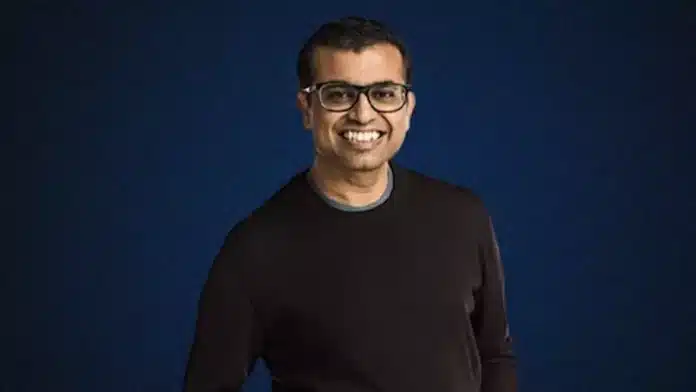
Manmohan Singh Duggal, the Founder and Managing Director of Mac Duggal
American luxury designer label Mac Duggal has stepped into the Indian market, making its debut in the 52nd country. With a well-defined plan for the first five years of operations in India, the brand aims to achieve a turnover of INR 500 crore by the end of this period, according to Manmohan Singh Duggal, the founder and managing director of Mac Duggal.
The brand has collaborated with multi-brand retailers such as Ogaan, Aza Fashions, and The White Crow to introduce its presence in India. Additionally, the brand’s products will be accessible to consumers through its website.
“I believe now is the opportune moment to venture into India. Previously, we were diligently seeking the right partners, given the complexities of establishing and retailing a brand in India. Presently, we’ve aligned with multi-brand outlets (MBOs) strategically located across various tier I and tier II cities, in addition to our online sales channels,” he explained.
“Coupled with this, there’s a growing awareness in India due to the free flow of information from around the world. Indian consumers are increasingly prepared to embrace these changes,” he elaborated.
The ready-to-wear couture label is renowned for offering affordable luxury and places significant emphasis on size inclusivity, providing sizes ranging from 0 to 30.
The brand, founded in 1984 in Chicago, USA, has introduced 400 SKUs to start with in cities like Mumbai, Hyderabad, Pune, Kolkata, Chandigarh, Delhi, and Raipur.
“By the end of the fiscal year 2025, our objective is to establish our flagship stores. Although India remains a burgeoning market for us, our overseas sales already reach several hundred million dollars. Consequently, I anticipate that our sales percentage here will be relatively smaller, given our presence in 52 countries,” he emphasized.
Being a private company, Mac Duggal declined to share the investment figures in India. Instead, he said, “We maintain half a million pieces in inventory along with half a million pieces in production at any given time.”
The brand, boasting mid-double digits EBITDA, generates 70 percent of its revenue from its largest market, the USA.
Internationally, the brand has collaborated with retailers such as Saks Fifth Avenue, Nordstrom, Bloomingdale’s, Macy’s, Anthropologie, and Galeries Lafayette, among others.
Responding to the ever-changing landscape of the market, the increasing appeal of digital-first brands, and the expanding GenZ consumer demographic, shopping mall developers are actively embracing online-only direct-to-consumer (D2C) brands into physical spaces.
“D2C brands are going through the next stage of their development and realising that, in order to reach more customers and expand into new geographic areas, an all-channel approach is required. Increasingly D2C brands are moving offline these days,” according to Rajneesh Mahajan, CEO of Inorbit Malls.
Mall developers said they are implementing short-term leasing agreements, pop-up stores, and experimental store models to offer D2C brands the opportunity to test waters before making long-term leasing commitments.
V Muhammad Ali, CEO of Forum Malls, Prestige Group, revealed that the company has partnered with three D2C brands through the retail solutions firm Litestore. “This company provides stores to D2C brands on a monthly or short-term basis. Litestore leases space from malls and designs the stores to be appealing to a wide audience. Through this model, we feature D2C brands spanning various categories such as home furnishings and decor, apparel, and electronics in our malls,” he elaborated.
Ali further mentioned that numerous D2C brands are expressing interest in securing permanent space. Concurrently, the shopping mall is also open to broadening its temporary space options to enhance its offerings.
Arjun Gehlot, Director of Ambience Group, emphasized the advantages of short-term lease agreements for both parties involved. “They allow us to continuously offer new experiences to consumers. However, selecting D2C brands for our malls can be challenging due to our full capacity,” he stated. Gehlot highlighted that the mall has introduced an innovative temporary leasing concept called ‘Anecdotes’ in Gurgaon, which has received an excellent response.
Anshuman Magazine, Chairman and CEO of CBRE for India, South-East Asia, Middle East, and Africa, highlighted the exposure that pop-up stores provide to a wide and varied customer demographic. He noted that if a mall’s target audience matches the brand’s ideal customer profile, a pop-up store can strategically connect with this existing base in a physical environment.
Nirzar Jain, Chief Leasing Officer at Nexus Malls, stated that the company has been exploring pop-up stores as part of its strategy. Presently, the shopping center conglomerate prioritizes opening stores by category and favors long-term agreements. Nevertheless, the brand also considers shorter 11-month contracts when necessary. Recently, Nexus Malls introduced Newme, an Insta-first brand, at Nexus Elante and has initiated the offline presence of various D2C brands including Zouk, Neeman’s, and others.
Mahajan from Inorbit also mentioned that while the brand favors long-term partnerships, it also provides promotional spaces or temporary stores to D2C retailers.
A spokesperson from Litestore remarked, “We collaborate with D2C brands that have attained a certain level of maturity and can maintain operations for at least a year. Initially, we operated on a brand rotational model, but as the market has evolved, we are focusing more on establishing long-term partnerships.”
Prestige Group’s Ali said that D2C brands are remarkably outperforming other brands in the same category, with sales per square foot up to 25% higher. “Young people are the target market for D2C brands. They are engaging in deeper customer connections and personalising products.
Aditi Murarka, the founder of Nestasia, an e-commerce home decor brand currently operating four stores, intends to expand this number to 15 by the end of the fiscal year. She noted that the brand’s stores have been outperforming other established brands in the same category within the same malls, with sales ranging from 25 to 50 percent higher per square foot.
Newme, a fast fashion brand with four stores, is experiencing a significant offline revenue contribution. Shivam Tripathi, co-founder of the startup, revealed that while the brand initially opened its first store on a shorter lease agreement, it is now prioritizing long-term partnerships.
Tripathi remarked that malls are currently concentrating on attracting younger demographics and favoring D2C brands that appeal to this audience. Pradeep Krishnakumar, co-founder of the accessories brand Zouk, also highlighted that D2C brands will be instrumental in drawing Gen Z and millennial consumers, who possess the purchasing power, to malls.
Krishnakumar further mentioned that he expects offline sales to account for about 25 percent of the overall business in the coming years. Currently, Zouk has three outlets and plans to increase the count to 20.
Harshil Salot, co-founder of The Sleep Company, revealed that the brand currently operates over 60 stores and intends to raise this number to 150 by the end of the fiscal year. The sleep solutions startup, which currently operates approximately 85 percent of its stores on high streets, is now looking to malls for its next phase of expansion.
Ashmeer Sayyed, Chief Retail Officer at Damensch, revealed that the menswear brand is aiming to expand its presence to 700 multi-brand outlets. Currently, the retailer operates in 300 MBOs and operates 10 exclusive outlets. Regarding offline sales, he mentioned that the retailer currently derives 14 percent of its overall revenues from offline channels. The brand made its offline debut in 2022.
Lifestyle, the department store chain of Landmark Group, has opened a new store in Vega Circle, Siliguri, as revealed by a senior mall official on Monday.
Covering an impressive area of 50,000 sq. ft., this newest establishment marks Lifestyle’s 113th store across India.
Umang Mittal, CEO of Vega Circle Mall, expressed on LinkedIn, “It’s a complete circle moment with Lifestyle inaugurating its presence at Vega Circle! A decade ago, we eagerly awaited their debut store in Siliguri at Vega.” Mittal shared images of the store alongside the statement.
Mittal added, “The anticipation has been lengthy, but the outcome is truly rewarding! But wait, there’s more – we’re delighted to introduce our magnificent 50,000 sq. ft. public plaza. Come join us in commemorating this significant moment.”
Established in 1999, Lifestyle is a prominent retailer known for its expansive format, offering a wide array of products including footwear, handbags, fashion accessories, and beauty products all conveniently available under one roof.
Lifestyle stores boast an extensive collection, housing over 350 esteemed national and international brands, including Louis Philippe, Van Heusen, Arrow, Benetton, Nike, Adidas, Allen Solly, Levis, Tommy Hilfiger, Swatch, Tissot, and Tag Heuer.
With India’s food industry experiencing remarkable growth, the Quick Service Restaurant (QSR) sector is expected to achieve a significant milestone, reaching USD 38.71 billion by 2029, driven by rapid national expansion in the years ahead. As QSR brands rapidly scale their operations to meet this surging demand, TeamLease Services Limited, a pioneer in transforming employment practices in India, highlights the pressing issue of non-compliance within this rapidly evolving sector. Urgent attention is needed from industry stakeholders, as non-compliance poses legal risks, damages reputations, and disrupts operations for QSR businesses.
The Food Safety and Standards Authority of India (FSSAI) actively tackles food safety concerns by educating stakeholders in the food services sector on regulatory adherence. It mandates restaurants to prominently exhibit food safety boards detailing hygiene, sanitation, good manufacturing practices (GMP), and other pertinent guidelines.
Furthermore, restaurants must appoint trained food safety supervisors onsite. FSSAI accelerates the registration process for Food Business Operators (FBOs) to ensure robust compliance with its standards. Presently, among the 2.5 million FBOs nationwide, only 0.5 million (20 percent) possess an FSSAI license.
To effectively manage the workforce within the fast-paced food service industry, it’s recommended that companies in the QSR sector prioritize compliance to safeguard their employees’ well-being, uphold customer trust, and ensure sustained success. Currently, the QSR sector grapples with notably high attrition rates, averaging between 10-40 percent turnover monthly. A significant portion, approximately 75 percent, of the workforce remains for less than 3 years, with 36 percent serving merely 1 to 2 years.
Substandard compensation practices contribute significantly to this turnover. Alarmingly, 88 percent of employees earn salaries ranging from INR 15,000-20,000, with 12 percent receiving less than INR 15,000, falling below many state-mandated minimum wage thresholds. Moreover, around 64 percent of QSR workers do not benefit from any incentives, compounding concerns regarding retention and morale within the industry.
Alarmingly, 21 percent of QSRs are non-compliant with statutory benefits, failing to meet minimum wage requirements. Additionally, 30 percent of them neglect to provide statutory bonuses. In the absence of bonuses and incentives, employees may struggle to find the drive to perform at their best, impacting overall operational efficiency and customer service quality.
23 percent of QSRs fail to comply with the Employee’s State Insurance Corporation (ESIC) provision, which guarantees medical care for employees earning less than Rs.21,000. This failure compromises employee well-being and demonstrates a disregard for regulatory obligations.
Gratuity benefits within the sector are also worrisome. Although 58 percent of QSR chains offer gratuity benefits to employees with 5-year tenures, the proportion of eligible employees is notably low due to high attrition rates.
24 percent of the QSRs surveyed fail to offer any leave beyond standard weekly offs, which could potentially contribute to employee burnout and dissatisfaction.
Kartik Narayan, CEO of Staffing at TeamLease Services Limited, stated, “As a prominent staffing partner, we have directly observed the repercussions of non-compliance on both the workforce and business operations. Nearly 75 percent of QSR employees have tenures of less than 3 years, with over a third lasting just 1-2 years. This trend is exacerbated by factors such as inadequate pay, absence of incentives, and failure to provide statutory benefits. These discoveries should serve as a wake-up call for the QSR industry.”
He added, “A disengaged workforce results in elevated turnover rates, disruptions in operations, and diminished customer service, ultimately impacting overall profitability. Hence, the QSR sector should emphasize equitable labor practices, competitive compensation, and stringent compliance measures. Tackling these workforce obstacles isn’t solely an ethical obligation but also a strategic business imperative for the industry’s enduring sustainability and triumph.”
Balasubramanian A, Vice President & Business Head of TeamLease Services Limited, remarked, “Despite the rapid growth of the QSR industry, there’s a pressing need to maintain compliance standards. Alarming discrepancies include the failure to meet minimum wage requirements and the disregard for statutory bonuses. Moreover, approximately 24 percent of QSR establishments offer no leave beyond the standard weekly offs, totaling just four days a month. Only a minority prioritize employee satisfaction by permitting leave carry-forwards and accommodating extended absences for personal reasons. This oversight not only diminishes employee morale but also undermines customer trust. These practices largely contribute to the average age of employees in the QSR sector being in the early 20s. Many perceive this as merely an initial step rather than a viable short-term, let alone long-term, career option.”
By collaborating with seasoned staffing and compliance professionals and harnessing sophisticated tools, QSRs can adeptly navigate this intricate terrain while giving precedence to the welfare of their workforce.
For sustainable growth, it is essential to manage labour policies including pay, incentives, statutory benefits, as well as leave rights. To create a climate that supports fair labour practices & employee welfare, industry leaders, legislators, and regulators must work together to establish strict compliance procedures. Maintaining moral principles and fostering a happy workplace are two ways that QSR companies may develop a driven staff and guarantee sustained success.
Tira, Reliance Retail’s omni-channel beauty retail platform, has launched its 12th store in Mumbai, as announced by a company official’s social media post. The new outlet is situated at Phoenix Marketcity Mall, Kurla.
Coinciding with Tira’s one-year anniversary milestone, the store opening marks a significant moment for the brand. Tira made its offline debut in April 2023 with its first retail store situated at Jio World Drive in Bandra Kurla Complex.
Nirant Khedkar, executive director of The Othr Lab, shared on LinkedIn, “The 12th Tira Beauty store at Phoenix Marketcity Kurla, Mumbai, is now open. This marks the 12th store launched by Tira within the span of 12 months.”
The Othr Lab, headquartered in Dubai, specializes in retail consultancy services. They assist in the development, launch, and expansion of emerging and niche beauty, wellness, and lifestyle brands with a focus on the Middle East and the Indian Subcontinent.
The newly opened store showcases a curated selection of brands, encompassing makeup, skincare, fragrance, and bath products. It offers advanced features including artificial intelligence (AI) fragrance finders, smart mirrors, and personalized beauty and skincare consultations.
At present, Tira offers a diverse range of over 150 Indian and global brands across its stores.
In February 2023, Reliance Retail, the retail division of Reliance Industries Ltd (RIL), launched Tira as an e-commerce platform.
Recently, the beauty platform expanded its offerings by venturing into the accessories segment with the introduction of its proprietary brand, Tira Tools. This brand offers a selection of makeup brushes, facial rollers, and beauty sponges.
Reliance Retail Ltd. (RRL) functions as a subsidiary of Reliance Retail Ventures Ltd. (RRVL), which serves as the holding company for all retail entities under RIL. With an extensive presence, the company manages an integrated omni-channel network comprising over 18,771 stores and digital commerce platforms. These encompass various sectors, including grocery, consumer electronics, fashion and lifestyle, and pharmaceutical consumption baskets.
Nearly one-third of shipments from Mahashian Di Hatti Pvt Ltd (MDH) have allegedly been declined by the United States since October 2023 due to concerns over salmonella contamination, as reported by the Indian Express.
The report asserts that in 2022, US customs authorities refused entry to approximately 15 percent of MDH shipments, a figure that escalated to nearly 31 percent in 2023. Furthermore, in 2023, the US Food and Drug Administration (FDA) initiated a recall of Everest Food Products after a positive Salmonella test.
The report comes amidst actions taken by Singapore and Hong Kong authorities on Indian spice brands, including MDH and Everest, over the presence of the cancer-causing pesticide ethylene oxide in multiple spice mixes.
On April 5, The Centre For Food Safety of The Government of the Hong Kong Special Administrative Region revealed that several spices contained ethylene oxide in three spice blends from MDH Group – Madras Curry Powder, Sambhar Masala Powder, and Curry Powder.
As part of its regular Food Surveillance Programme, the CFS obtained the aforementioned samples from three retail locations in Tsim Sha Tsui, respectively. The test results showed that ethylene oxide, a pesticide, was present in the samples. In a statement, the CFS stated that it had notified the affected suppliers of the abnormalities and given them instructions to cease sales and remove the impacted products from the shelves.
The report additionally notes that pesticide contamination was found in the Fish Curry Masala from Everest Group.
Last week, Singapore also initiated similar measures against Everest, asserting that the levels of ethylene oxide surpassed the permissible limits.
The International Agency for Research on Cancer has designated ethylene oxide as a Group 1 carcinogen. There are significant health hazards associated with this classification, one of which being an increased chance of breast cancer.
As per the US Food and Drug Administration (FDA), Salmonella comprises a group of bacteria responsible for causing gastrointestinal illness and fever, known as salmonellosis.
As stated by the Centers for Disease Control and Prevention (CDC), Salmonella naturally resides in the intestines of animals and can be present in their feces. If humans come into contact with salmonella-infected animals or items in their surroundings, the bacteria can spread to them.
According to the CDC, individuals infected with Salmonella may experience symptoms such as diarrhea, fever, and stomach cramps. Certain populations, including children under 5 years old, adults over 65 years old, and individuals with weakened immune systems, may face more severe illness, necessitating medical attention or hospitalization.
Although volume growth remained subdued to moderate across the three companies, there has been an expansion in gross margins. This increase in margins can be attributed to improved operational efficiency and productivity gains. Various strategies such as implementing price hikes, reducing advertising expenditures, and streamlining costs have been employed to achieve this margin expansion.
For TCPL, enhanced margins in international operations contributed to the overall margin expansion. HUL experienced an increase in gross margin thanks to reduced input costs and a more favorable product mix. Nestle India saw margin expansion driven by elevated realizations and decreased input costs.
Premium Segment Performance:
While overall growth remained subdued, HUL’s premium portfolio across various categories continued to perform strongly. Premium skincare products, in particular, witnessed robust double-digit growth.
In TCPL’s domain, both premium and sub-premium segments excelled, surpassing the overall performance of the Indian beverages sector, constituting over two-thirds of total Indian tea sales. In FY24, the company introduced 18 new premium products compared to 6 in FY23. Value-added salts experienced a 34% growth in FY24, representing 9% of the Indian salt market. Nestle India revealed its venture into premium coffee with its Nespresso brand and remains committed to expanding its premium product offerings.
In fiscal year 2024, HUL witnessed a remarkable 50% growth in ecommerce sales within its beauty and skincare category. TCPL, on the other hand, experienced a notable 35% increase in ecommerce channel sales. Ecommerce sales accounted for 6.8% of Nestle’s total revenue during the same period.
It utilized this platform to enhance the accessibility of its petcare products. Nestle’s rapid commerce expansion was supported by acquiring new users and employing targeted digital communication strategies.
Strategic Acquisitions and Diversification:
To stay ahead of the competition, the companies have adopted various strategies including price reductions, brand investments, launching new products, and acquiring direct-to-consumer (DTC) startups and significant regional players, notably in the spices segment. Tata Consumer successfully acquired Capital Foods and Organic India. Additionally, it ventured into the vending business, surpassing 1,000 machines in operation by FY24. Meanwhile, Nestle introduced the Nespresso brand of coffee and vending machines in India.
HUL experienced urban-led growth in the March quarter. The FMCG giant anticipates a gradual rebound in rural demand moving forward.
Both TCPL and Nestle have directed their efforts towards expanding into ‘rurban’ regions, which refer to rural areas situated on the outskirts of towns or cities. Nestle’s coverage extends to over 200,000 villages.
Fluctuations in commodity prices could potentially impact companies’ profits in the near future. The monsoon season also remains a crucial factor to monitor. Forecasts indicating an above-normal monsoon are promising, as a regular monsoon can contribute to boosting rural demand.
The men’s fashion scene is currently buzzing with the trio of ‘band, baja, and sherwani’. Over the past three years, sales of traditional wedding attire for men, particularly sherwanis, have surged by 25%. This escalating demand is fueling intense competition in the wedding wear sector, prompting established names like Aditya Birla Fashion, Vedant Fashions, and Raymond to ramp up their offerings significantly.
Ashish Mukul, brand head at Tasva, highlighted the significant rise of sherwanis, constituting over a quarter of total sales. “Tasva’s business has doubled in the past year, with the ‘angrakha’ silhouette gaining notable traction among customers, fueling this growth trend,” said Mukul. He attributed this success to extensive retail expansion nationwide and the introduction of diverse designs tailored to meet consumer preferences.
In the past two years, Aditya Birla Fashion, marketing Tasva, and Raymond’s Ethnix have collectively opened approximately 183 stores. Vedant Fashions, better known as Manyavar, accounted for about 94 of these stores. Projections from I-Sec indicate that these two brands are expected to add around 300 more stores over the next two years.
The listing success of Vedant Fashions has intensified competition in the wedding-wear segment among other branded players, as stated in the report. Aditya Birla Fashion launched Tasva in partnership with fashion designer Tarun Tahiliani in FY22, and Raymond introduced Ethnix in FY19, but began scaling up aggressively from FY22 onwards.
Vedant Modi, Chief Revenue Officer at Vedant Fashions, mirrors a comparable pattern. “Over the past three years, sales of men’s wedding attire, including sherwanis, have surged by around 20-25%, signifying a growing demand. This trend highlights the substantial impact weddings have on boosting sales of ethnic wear. The rise in sales remains consistent across all categories of wedding garments, demonstrating robust market performance and consumer enthusiasm for our products.”
“The upscale segment of wedding attire is witnessing significant expansion, propelled by the aspirational essence of weddings. Customers are gravitating towards top-tier products for memorable occasions, fueling strong growth in our luxury brand, Twamev.”
In FY2023, the Indian men’s apparel market was valued at over INR 2.2 lakh crore, exhibiting a nearly 10% compound annual growth rate (CAGR) from FY2015-2020. However, the pandemic led to a contraction of 3.6% from FY2020-2022. Nevertheless, a robust recovery is evident, with projections indicating a CAGR of 18% over the next four years, according to consulting firm Technopak. Ethnic wear constitutes approximately 6% of the total men’s wear market and is anticipated to experience a CAGR of nearly 20% over the next four years.
The apparel market is experiencing significant growth due to factors such as the expanding middle class, increased discretionary spending, and evolving consumer demographics. Notably, the premium segment, particularly sherwanis, is seeing substantial expansion.
Industry experts note that customers are now more discerning and knowledgeable about Indian attire, placing a strong emphasis on meaningful designs and prioritizing comfort alongside luxury. As a result, brands have successfully tapped into this growing market by making high-quality designs more accessible to a broader audience.
Additionally, among ethnic apparel, kurtas and kurta sets rank as some of the most popular items. Factors such as bolstering the network and introducing new and competitive offerings contribute to this growth. Physical stores continue to dominate as the primary sales channel, accounting for roughly 90% of the market.
The Centre has instructed Amazon and Flipkart to establish storefronts for the Open Network for Digital Commerce (ONDC) on their home pages, according to executives familiar with the matter. This directive aims to enhance the scalability of operations for the government-backed network and improve assistance in deliveries. They emphasized that the goal is to boost operational efficiency and address any glitches and delays on ONDC.
T. Koshy, the managing director of ONDC, stated that the network is “actively engaging in discussions with Amazon and Flipkart regarding phased participation, with anticipated results forthcoming soon.”
Queries directed to Amazon and Flipkart went unanswered.
This development holds significance as ONDC, initiated in January last year, was positioned as a strategic effort to challenge the dominance of Amazon and Flipkart.
In India, Amazon boasts a seller base exceeding 1.1 million, with over 50% hailing from tier 2 towns and cities.
In February of last year, Amazon revealed its initiative to integrate its logistics network, covering pickup to delivery, and SmartCommerce services with ONDC. SmartCommerce, Amazon’s software solution, empowers small and medium-sized businesses in India to expand their operations across digital platforms. Amazon stated that these small businesses would now have the capability to leverage it to join the ONDC network.
At that time, Flipkart’s logistics subsidiary Ekart was in the advanced stages of integration with ONDC. The logistics division of Flipkart had already become part of the network.
Sources had indicated at the time that Amazon wouldn’t fully integrate Amazon Transport Services, and only the last mile would be linked with ONDC. They had mentioned that there were no immediate plans to integrate Amazon India’s core marketplace with ONDC.
Should Amazon’s core marketplace become integrated with ONDC, users of the US e-commerce giant will gain access to product catalogues from over 105,000 non-mobility sellers currently active on the government-supported network. This integration facilitates the onboarding process for smaller players, eliminating the need for hefty commissions and individual onboarding procedures with Amazon.
ONDC is currently operational across various sectors, including grocery and fast-moving consumer goods, food and beverage, ride-hailing, agriculture products, fashion and apparel, health and wellness, beauty and personal care, electronics and appliances, home and kitchen, business-to-business transactions, exports, metro ticketing, and financial products. During the January-March period, the number of cities or districts, termed ‘countable cities’ by the network, generating over 100 orders per month increased to 622.
Food services executives mentioned that ONDC is engaged in discussions with the National Restaurants Association of India (NRAI), an organization representing over 500,000 restaurants. The aim is to establish seamless last-mile connectivity for food delivery, order tracking, and enhancing discoverability.
An executive closely involved with the organization mentioned that ONDC, in collaboration with NRAI, has established a Champion Council. This council includes notable representatives from casual and fine-dining chains, quick-service restaurants, cloud kitchens, cafes, and regional players. The objective is to facilitate sectoral growth and encourage broader and smoother participation.
The government-supported network, directly competing with independent food delivery aggregators Swiggy and Zomato, has incorporated end-to-end services for pioneer buyer and seller platforms like Magicpin and Paytm.
In the past 14 months, network participants have surged from 24 to 81. Initially launched with three domain categories, the network now operates across 13. Buyer apps driving significant order volumes include Paytm, Snapdeal, Magicpin, Pincode, Mystore, Rapidor, NoBrokerHood, Ola, and nStore.
“An issue is who drives traffic & stickiness towards restaurants, as ONDC has multiple options, unlike the dedicated food delivery apps,” a food services industry official stated. “The larger scale hasn’t yet been reached & will happen over time.”
Since its official launch in January last year, ONDC has facilitated over 49.79 million transactions. Mobility, spearheaded by ride-hailing apps like Namma Yatri, remains the predominant force, constituting over 50% of total monthly orders. Between February last year and March this year, mobility accounted for more than 32.2 million orders, while non-mobility contributed to over 17.5 million orders.
During the corresponding period, food and beverages accounted for over 5.78 million orders, while grocery orders surpassed 1.74 million. Fashion transactions exceeded 2.64 million, and home and kitchen items totaled more than 1.35 million orders.
The roster of onboarded companies and platforms includes Wow Momo, McDonald’s, and Domino’s Pizza in the food and beverage sector; Marico, P&G, and Hindustan Unilever in FMCG; and Namma Yatri, Kochi Open Mobility Network, and Ola in mobility.
In recent months, Barbeque Nation and cloud kitchen aggregator Rebel Foods, known for operating brands such as Behrouz Biryani, Oven Story Pizza, and Faasos, have joined ONDC.
In April 2022, ONDC initiated its alpha rollout across five cities, conducting live transactions with a select group of sellers and buyers for testing purposes.
FMCG giant Hindustan Unilever‘s managing director, Rohit Jawa, stated that he is neither satisfied with the company’s volume growth nor believes the company has lost its pricing power. This sentiment arises as the consumer trend leans heavily towards investing in larger and more premium brands.
“We aim for more than just a 2% volume growth; our focus is on seeing substantial expansion. We won’t wait for macroeconomic conditions to improve; instead, we’ll actively pursue growth opportunities wherever they arise,” Jawa emphasized. He also noted that tailwinds such as improving macroeconomic indicators and the agricultural economy will be advantageous for HUL.
“But in the meanwhile, we’re not going to wait; instead, we’re going to take action. That will only serve to strengthen us more as we are increasingly pursuing greater volume and variety by investing more money and personnel in high-growth spaces, channels, & formats.” HUL had a 6% decline in net profit for the March quarter, but revenue remained steady.
According to the company, the recent quarter’s performance of no pricing growth is the result of price reduction in price-sensitive segments such as laundry and soap. “There are aspects of our business where we raise pricing for reasons other than inflation, such as increased desirability and higher quality. In other areas, we must reduce prices and match price points because consumers require a sweet spot for us to be viable. And we continue to make nice margins on it. As a result, it isn’t a lack of pricing power.”
Over the past four quarters, companies have been reducing prices in response to a noticeable consumer inclination towards more affordable products. However, this strategy has not succeeded in driving up volumes.
“Over the past two to three years, all consumer goods industries had to pass on a considerable amount of inflation, which primarily affected lower-income and rural households. But during that time, the premium end of the market held strong. The market is gradually getting back to normal. Now that volumes are returning, rural areas are progressively getting better. It will most likely occur in the medium term,” according to Jawa, but it’s still not where it was when rural areas were expanding more quickly than metropolitan markets.
The company is aiming to revamp its 90-year-old traditional business model to pursue and invest in high-growth sectors. For example, its primary focus is on nurturing 19 major brands, each generating annual sales exceeding INR 1,000 crore, collectively contributing 80% of total sales. Additionally, it is prioritizing market expansion and premiumization efforts, which together constitute a quarter of its business and have experienced double-digit growth rates.
“With over two-thirds of our media budget and innovations going towards these categories, the investment will be disproportionate. Accordingly, we are mainly relying on following the money, the people, and the areas of growth. That will revolutionise the company to align with the direction of the new India and is crucial right now,” Jawa stated.
The consumer goods company noted that it perceives a limited correlation between consumption patterns and election cycles, emphasizing instead the significance of governmental actions in rural regions. Jawa highlighted the government’s influence on aspects such as employment, minimum support prices, and capital expenditure initiatives, which play a crucial role in fortifying Asia’s third-largest economy. He emphasized that such measures also contribute to making India an attractive business destination for global players, including HUL.
“The business-friendly policies in place are proving effective. Government investments are playing a pivotal role in propelling the country’s robust GDP growth. This favorable environment makes it an opportune time to establish and expand brands and businesses,” stated Jawa.
In recent quarters, there has been a resurgence of small brands, particularly in the beauty and skincare segment, with nearly 500 direct-to-consumer or digital-only brands emerging. “While we’re making gains in the beauty market, there’s still more to be done. Within our beauty business, the six major initiatives we’ve prioritized have already generated sales of INR 2,000 crore last year and are experiencing a 50% growth rate in ecommerce. In fact, a fraction of our total beauty business is already comparable in size to a successful direct-to-consumer company,” noted Jawa.
We use cookies to ensure that we give you the best experience on our website. If you continue to use this site we will assume that you are happy with it.