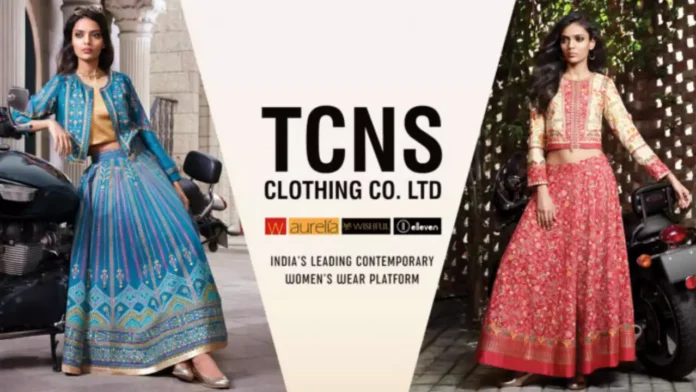
TCNS Clothing, an ethnic-wear brand, has reported a net loss of INR 63.60 crore for the quarter ended March 31, 2024, according to its BSE filing. This marks a significant increase from the INR 28.12 crore loss reported in the same quarter last year.
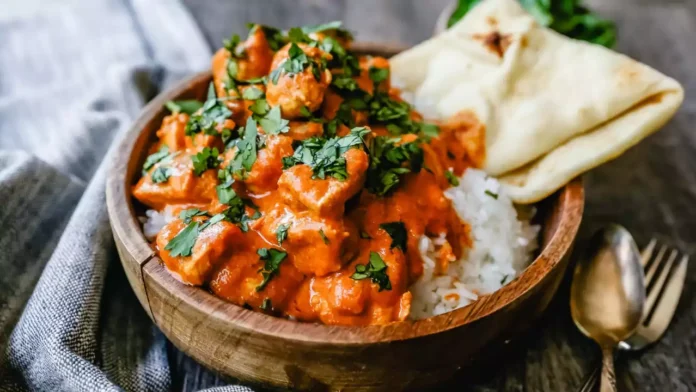
New photographic and video evidence promise to add an extra kick to the ongoing Indian court dispute regarding the origins of the globally renowned butter chicken dish.
Since January, two Indian restaurant chains have been locked in a legal battle at the Delhi High Court, each asserting ownership of the creation of the dish. This lawsuit has captured the interest of social media users, food critics, editorials, and TV channels worldwide.
The renowned Moti Mahal restaurant chain insisted that it held exclusive rights as the originator of the curry and called upon its competitor, the Daryaganj chain, to cease laying claim to its creation and to compensate $240,000 for damages. Moti Mahal asserted that its founder, Kundan Lal Gujral, crafted the dish laden with cream during the 1930s at an establishment in Peshawar, which is now part of Pakistan, before subsequently moving to Delhi.
Daryaganj stated in a fresh, 642-page counter-filing that the “narrative surrounding the invention of butter chicken lacks credibility” and is designed to deceive the court.
Daryaganj claims that Kundan Lal Jaggi, a late member of its founding family, created the disputed dish while he was leading the kitchen at the relocated Delhi restaurant. His friend and partner from Peshawar, Gujral, was only responsible for marketing.
Both men have passed away, with Gujral dying in 1997 and Jaggi in 2018.
Evidence in the non-public filing includes a black-and-white photograph from the 1930s showing the two friends in Peshawar, a 1949 partnership agreement, Jaggi’s business card from after his relocation to Delhi, and a 2017 video of Jaggi discussing the dish’s origin.
Due to the partnership between the friends, “both parties can claim that their respective ancestors created the dishes,” Daryaganj states in the filing, describing the dispute as a “business rivalry.”
Moti Mahal declined to comment. The judge is scheduled to hear the case next on May 29.
A central issue the court must resolve is where, when, and by whom the dish was first created—whether it was by Gujral in Peshawar, Jaggi in New Delhi, or if both should be credited.
Butter chicken is ranked 43rd on TasteAtlas‘s list of the world’s “best dishes,” and brand experts note that claiming its invention carries significant bragging rights.
“Being recognised as a creator brings significant benefits and increases customer attractiveness. “It also allows you to charge more,” said Dilip Cherian, an image consultant and co-founder of the Indian public relations firm Perfect Relations.
Moti Mahal operates a franchise model with more than 100 outlets worldwide. Their butter chicken dishes are priced at $8 in New Delhi and $23 in New York.
Former U.S. President Richard Nixon and India’s first Prime Minister Jawaharlal Nehru are among the notable patrons who have visited its flagship outlet in Delhi.
Established in 2019, Daryaganj offers its butter chicken at a price of $7.50. With 10 outlets primarily located in New Delhi, the brand intends to broaden its presence to other cities across India as well as Bangkok.
Within its 2,752-page Indian lawsuit, Moti Mahal also alleged that Daryaganj had replicated “the look and feel” of its outlet interiors.
Daryaganj has countered with photographs of restaurant interiors for the judge’s review, asserting that it is Moti Mahal that has replicated its “design of floor tiles.”
After expanding its priority delivery services to Delhi, Hyderabad, and Pune, Zomato, the foodtech giant, has now rolled out a new feature to aid its users in making healthier choices.
Through this latest feature,, users can steer towards healthier options when placing their orders, ensuring they won’t regret their decisions afterward.
Deepinder Goyal, the founder and CEO of Zomato, made the announcement on X.
“We just released a new function on Zomato – gently assisting our users in making healthier choices,” the post stated. To begin with, we’ve started to recommend roti in place of naans.
We just launched a new feature on zomato – gently helping our customers to make healthier choices (just in case you are subconsciously ordering something you may later regret). To begin with, we have started suggesting roti as an alternative to a naan.
This feature has received tremendously good response, and we are seeing a 7% attach rate for these proposals. Soon, we plan to expand this to include additional foods and categories. When you add a dessert to your cart, for instance, if you are in the mood for something sweeter, we may suggest lighter dessert options to you,” it added.
Zomato is also preparing to extend this functionality to additional dishes and categories. For example, if a user desires dessert, they could receive suggestions for lower-calorie options when adding it to their cart.
Last month, the company also raised its platform fee to INR 5 per order from INR 4 earlier.
Earlier in May, Zomato marked its fourth straight quarter of profitability. The company’s consolidated net profit surged by 26.8% to INR 175 Cr in the quarter ending March 31 of the fiscal year 2023-24 (FY24), compared to INR 138 Cr in the previous quarter.
The company’s operating revenue saw a notable surge, jumping over 8% to INR 3,562 Cr during the quarter from INR 3,288 Cr in Q3 FY24.
Nonetheless, Zomato experienced a decrease in the Gross Order Value (GOV) of its food delivery segment quarter-over-quarter. The GOV dropped to INR 8,439 Cr in the current quarter from INR 8,486 Cr in the preceding one. However, there was a 28% increase in GOV on a year-over-year basis.
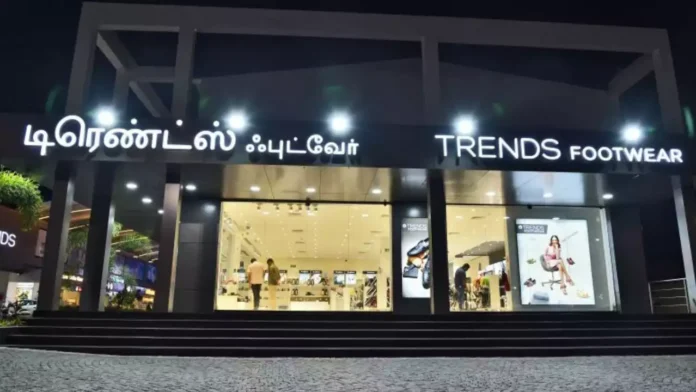
Reliance Retail‘s footwear retail chain, Trends Footwear (formerly Reliance Footprint), has inaugurated a new store in Tamil Nadu, as announced by a company representative on social media. The standalone store is situated in Nochipalayam, Thirupur.
“Introducing our newest addition to Trends Footwear in Nochipalayam,” Dhruv Kaura, Vice President of Reliance Retail, shared on LinkedIn.
Established in 2007 under the name Reliance Footprint, with its inaugural store in Indiranagar, Bengaluru, the brand underwent a rebranding in 2019 to become Trends Footwear. By January 2023, the retailer boasted a network of over 700 stores, each spanning an average of 2,000 sq. ft., spread across more than 350 cities.
Reliance Retail, the retail division of Reliance Industries Ltd., manages a comprehensive omnichannel network comprising more than 18,836 stores and digital commerce platforms encompassing grocery, consumer electronics, fashion and lifestyle, and pharmaceutical consumption categories.
Within the retail powerhouse are fashion and lifestyle labels like Reliance Trends, Avantra by Trends, Azorte, Fashion Factory, and Centro. Additionally, it boasts a collection of more than 50 global brands, including Armani, Burberry, Diesel, Gas, Marks & Spencer, Superdry, Brooks Brothers, and Steve Madden.
In March 2024, Kaura, previously serving as the Chief Operating Officer of Aditya Birla Fashion and Retail Ltd.’s ethnic wear brand Tasva, assumed the role of Vice President at Reliance Retail, overseeing Trends Footwear.
Rilastil, the renowned Italian dermatological skincare brand, will make its debut in India this month.
Rilastil is set to introduce a selection of high-quality dermatological products tailored to the needs of Indian consumers, encompassing depigmentation, hydration, acne treatment, facial cleansers, and sun protection. These offerings will be accessible through chosen medical clinics, pharmacies, and online platforms.
“Unveiling our product range in India marks a pivotal moment for our brand, signifying a major milestone as we engage with a fresh group of discerning consumers,” stated Giorgio Berni, Managing Director, Asia Pacific.
Rilastil has been announced as the exclusive skincare partner for both the FC Barcelona women’s football and basketball teams.
“Bringing beauty to India transcends mere product importation; it entails introducing transformative experiences that empower individuals to embrace their unique beauty and confidence. This endeavor aims to redefine standards and ignite self-expression nationwide,” expressed Karan Narula, Head of India Operations.
Established in 1972, Rilastil is under the ownership of the Ganassini Group, an Italian corporate entity. The brand boasts a diverse product line, including moisturizers, sunscreen with SPF 30 and 50+, and depigmenting concentrate drops.
Retail sales in April 2024 surged by 4% compared to the sales levels during the same period in April 2023, as revealed by the Retailers Association of India (RAI) in the latest edition of its Retail Business Survey.
In specific categories, quick service restaurants (QSR) and food and grocery saw a growth of 7% each, while jewellery exhibited a 6% growth compared to sales levels in April 2023.
Consumer durables and electronics, as well as the furniture category, experienced a 5% growth, trailed by beauty, wellness, and personal care, which demonstrated a 4% growth. Meanwhile, apparel, footwear, and sports goods exhibited the least growth, each at 2%.
Kumar Rajagopalan, CEO of RAI, said, “Although the economic indicators for the culinary sector are promising, the retail sector has not yet experienced double-digit growth in line with typical trends.”
The CEO continued, “Customers have been cautious in their spending on non-essential things, although they are more attracted to capital expenditures such as autos, houses, and travel. We expect growth to accelerate following the release of election results in June.”
Retail businesses in various regions have reported increased sales compared to April 2023 levels, with North, South, and West India each experiencing a 5% growth, while East India showed a 2% increase.
RAI serves as the apex body representing retailers in India, collaborating with all stakeholders to foster a favorable environment for the advancement of the modern retail industry in the country.
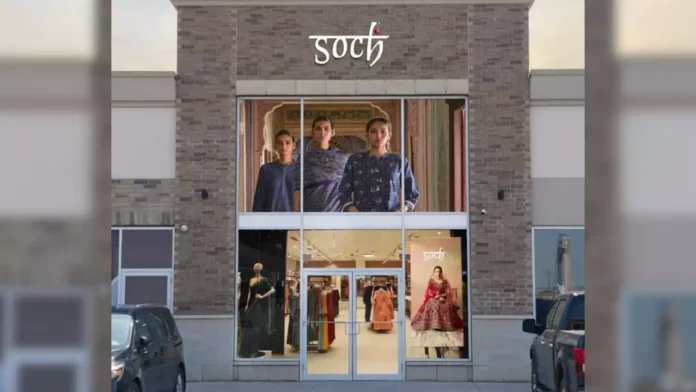
Soch, a Bengaluru-based ethnic wear brand, will inaugurate its first international store in Canada this Saturday, joining the ranks of Indian retailers expanding globally. Located on North Park Drive in Brampton, the new store will open its doors on May 18th.
“Expanding into Canada is a significant turning point for the brand, indicating our expansion beyond borders & elevating consumer expectations,” said Vinay Chatlani, CEO & co-founder of Soch. “Our objective is to expand our footprint into overseas areas with strong Indian-origin people, and Canada perfectly fits that vision. This expansion demonstrates our dedication to making our offerings more accessible to our consumers.
The store will feature the brand’s latest collection, offering a wide range of designer ethnic wear such as sarees, salwar suits, kurtas, tunics, kurta sets, lehengas, and kaftans.
The new Soch store will preserve the brand’s signature in-store look and feel, along with its advanced tech initiatives like the endless aisle and other omnichannel features. Additionally, Soch has launched an exclusive website for Canada to showcase its collections.
The company plans to expand into other major cities in Canada, as well as into the USA, Malaysia, Singapore, Indonesia, Mauritius, the Middle East, and the UK, further establishing its position as a global leader in ethnic fashion.
With nearly two decades in the industry, Soch has expanded to over 175 stores across 68 cities in India.
This expansion coincides with a broader trend of Indian retailers and D2C brands targeting international markets. According to data, omnichannel retailer Lenskart has been rapidly expanding in the Middle East, having already opened over five stores in countries such as Saudi Arabia and the United Arab Emirates.
Additionally, brands like Tanishq have opened new stores in Chicago, USA; Hamleys in Rome, Italy; Louis Philippe and Van Heusen in Qatar; and Bombay Brasserie in Singapore. These openings bring the total number of international store launches by Indian retailers to over seven in the last quarter of the 2023-24 financial year.
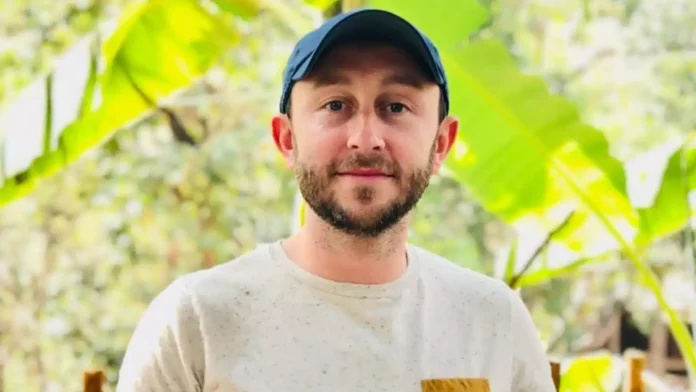
Matthew Taff, the Co-Founder and CEO of Natch Snacks
The snacking sector in India is undergoing substantial transition, with a clear shift towards healthier options. Established in 2017, a homegrown healthy snacking brand Natch is spearheading the mission of making people munch healthy. The brand has effectively carved itself into a position in this dynamic market by focusing on quality and knowing client preferences. Last year, it secured INR 3 crore in seed round funding led by Artha Venture Fund (AVF) along with participation from the financial services company DSP Group’s family office.
In a one-on-one conversation with Snackfax, Matthew Taff, the Co-Founder of Natch, takes us on a journey through the birth and rise of this unique Indian snack brand. Natch isn’t just a snack company; it’s a story of love, adventure, and a quest for healthier munching options, he says.
Matthew and his wife of Indian origin, both met during college days and worked in Manhattan, found themselves drawn to India, the land of spices, colors, and vibrant flavors. Their journey wasn’t just about relocating; it was about creating something truly remarkable.
“We wanted to start our own thing. It all started with a simple idea: healthier snacks for the Indian market,” Matthew reminisces. “We were snack aficionados ourselves, and we noticed a gap in the market for clean, natural options. We thought there’s lot of potential for new brands to emerge.”
Their initial foray into the snack realm involved a whirlwind trip to Thailand, where they scoured through aisles of exotic treats, seeking inspiration for their own brand. “While in Thailand, we attended a Thai expo. Sampling hundreds of products, we deliberated on preferences, feasibility, and market appeal. This rigorous process led us to a pivotal question: if we were to establish a brand, what would define it? We wanted to bring the essence of natural goodness to every bite,” Matthew explains. Thus, Natch was born, a name that echoes its commitment to all things natural.
Every product they offer is unequivocally 100% natural, comprising clean, straightforward ingredients. While Natch position it as a healthier snacking option, they refrain from overstating it as a diet or health food. Also, their product labels are comprehensible, devoid of cryptic jargon that necessitates a chemistry degree. “As we expanded our range, we decided that all of our imports and developments must meet strict standards, including gluten-free, vegan, preservative-free, and non-GMO. This ethos has been ingrained in our brand since its inception and remains the guiding principle for future endeavors,” he says
However, building a brand from scratch isn’t without its challenges. In a market dominated by giants, Natch had to find its niche. “We realized early on that we couldn’t compete head-on with the big players as it’s not financially prudent,” Matthew explains. “Instead, we focused on offering something unique, something premium.”
And thus, Natch carved its path, offering a range of products that boasted not just taste but quality. “From Thai-inspired rice chips to protein-rich chickpea puffs, every Natch snack is a testament to our commitment to better ingredients,” Matthew declares proudly.
According to him, considering the evolving socio-economic landscape in India, with the middle and upper-middle class projected to swell significantly by 2030, there’s an emerging appetite for novel experiences and products. “Establishing a strong presence in a niche segment allows us to capture the attention of discerning consumers seeking something beyond the mainstream,” he says.
But launching a brand isn’t just about creating great products; it’s also about getting them into the hands of consumers. “We took a different approach,” Matthew reveals. “While many brands start online and then move to stores, we went offline first.”
Natch’s offline journey began with Nature’s Basket in Mumbai as the first retail partner. However, stepping into this arena was a steep learning curve for the brand, making the initial years a period of trial and error. “The most valuable lesson we’ve learned time and again is the importance of assembling the right crew. I firmly believe that each person in the room should excel in their role far beyond my own understanding—that’s why I hired them,” he says.
Since the beginning of this year, Natch’s expansion efforts have intensified. They’ve entered markets in Delhi, Bangalore, Hyderabad, and Chennai, bolstering their presence in modern trade channels. Notably, in Delhi and Bangalore alone, Natch has penetrated approximately 100 new stores marking a substantial increase in the market reach. “As for the quarter’s performance, we’re pleased to report that we are on track to meet our projected budget. In fact, this month has surpassed expectations, signaling promising growth and momentum moving forward,”
Interestingly, despite growing their digital presence, a significant portion of sales—about 65-70%—still originate from Mumbai, underscoring the power of offline brand building. However, with increased VC funding, Natch is now poised to bolster digital marketing efforts, leveraging platforms like Google and Facebook to amplify the brand message.
“We’re ramping up our online presence, partnering with platforms like Amazon and Swiggy Instamart,” Matthew reveals.
“The goal now is to replicate the success we’ve achieved in Mumbai across other tier one cities. This entails establishing a strong retail presence, backed by a robust sales force, and supplemented by targeted online advertising. Our aim is to forge the same deep connections with consumers in these new markets, fostering brand loyalty and driving sustained growth,” he adds.
Matthew also addressed pricing concerns by outlining a two-fold strategy: competitive pricing for imported goods and strategic positioning for domestically made snacks. While recognizing the need for price adjustments as they scale, he emphasized Natch’s dedication to quality and natural ingredients, appealing to discerning consumers.
“As we continue to scale, we anticipate the possibility of adjusting our price points downward, making our products more accessible to a broader audience. However, we remain steadfast in our dedication to maintaining a premium position in the market. Our customers value quality ingredients and nutritional transparency, and we aim to deliver on those expectations,” he says.
Regarding product development, Taff emphasized a balanced approach, combining innovation with strategic resource allocation. Natch’s foray into new flavors and product lines was guided by market insights and a disciplined evaluation of consumer preferences.
Looking ahead, Taff outlined Natch’s growth strategy, encompassing four key areas: expansion into new cities, bolstering online sales, exploring export opportunities, and leveraging quick commerce platforms.
“We’re expanding into new markets, launching in 50 stores this month. We’re also strengthening our online presence, boosting sales on platforms like Amazon and our website. Exploring export opportunities in the Gulf, North America, Europe, and beyond is our third focus. Lastly, our debut on Instamart initiates our push into the quick commerce segment, he reveals.
With a focus on meticulous execution and strategic partnerships, Natch aims to capitalize on emerging consumer trends and solidify its position as a leading player in India’s snack market.
“Looking ahead, we’re optimistic about our trajectory and growth prospects. While we’re currently in an aggressive expansion phase. Maintaining a prudent approach to resource management, we aim to not only fuel growth in the present but also secure our financial stability for the future,” he says.
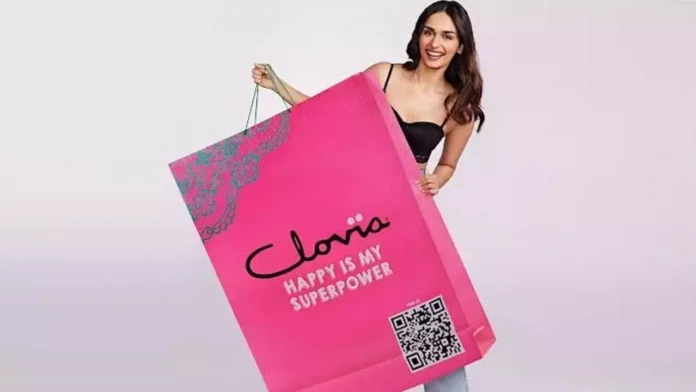
Clovia has appointed former Miss World and emerging Bollywood star Manushi Chhillar as its latest brand ambassador. This collaboration marks a significant milestone for Clovia, as it continues to foster relatable discussions as well as celebrate the essence of womanhood, reaching audiences across the country.
Manushi Chhillar takes center stage in Clovia’s newest National TV advertising campaign titled ‘Coffee to Club with Clovia.’ The renowned actress will represent the brand in a comprehensive campaign spanning Out-of-Home (OOH) advertising, digital media, and television.
The TV commercial (TVC) centers on portraying Clovia as a supportive companion accompanying women through life’s myriad adventures and intimate moments, akin to a trusted friend. The narrative unfolds through authentic conversations between Manushi Chhillar and her friend, showcasing her spontaneous and adventurous spirit as she navigates her daily routines.
The TVC elegantly encapsulates the essence of everyday life, from casual coffee outings to glamorous evenings out and heartfelt conversations with friends at home. It portrays the full spectrum of experiences, from friendships to challenges, in a beautiful manner. The collaboration between Manushi Chhillar and Clovia transcends mere endorsement; it signifies a mutual dedication to values of joy, independence, and resilience – qualities that embody the essence of a Clovia Girl.
Manushi’s self-made, driven, as well as hardworking persona naturally embodies the spirit of a Clovia Girl. Her transition from medicine to fashion and acting reflects Clovia’s growth as a brand dedicated to empowering women. Manushi began her Bollywood career with films like “Samrat Prithviraj” starring Akshay Kumar, followed by three more films, including the most recent “Bade Miyan Chote Miyan.”
Neha Kant, Founder, expressed, “At Clovia, we envision lingerie as a tool to empower women, enabling them to embrace life fully without discomfort or insecurity. Our relationship with customers transcends mere products; we advocate for life values such as financial independence, diligence, and self-love. Manushi embodies these virtues with the confidence of a champion. Her remarkable journey in conquering the challenging realm of Bollywood deeply resonates with Clovia’s ethos. We are thrilled to have her join us. Indeed, smart girls opt for Clovia!”
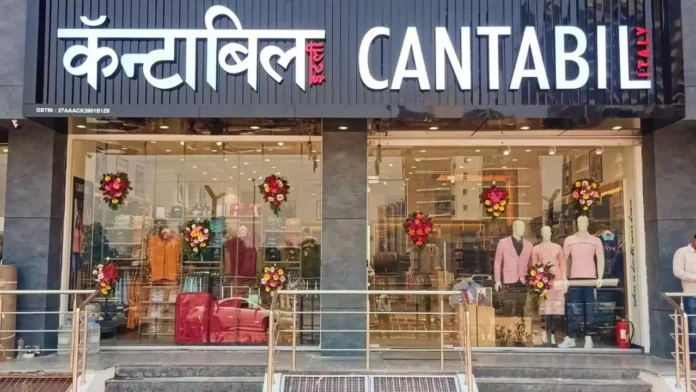
Cantabil Retail, a prominent apparel brand, has raised INR 50.4 crore in Q4 FY24, as announced by Vijay Bansal, CMD of Cantabil Retail India. This development comes alongside the unveiling of Cantabil’s Q4 results.
He stated, “We strengthened our balance sheet by raising INR 50.4 crores from notable investors in Q4 FY24. This infusion will allow us to seize additional growth opportunities.
According to the company, Cantabil experienced a 12% surge in sales, reaching INR 194.1 crore in the January-March quarter compared to the previous year. In Q4FY23, its revenue from operations amounted to INR 173.9 crore.
In Q4, Cantabil witnessed a rise in net profit to INR 18.3 crore compared to INR 16.9 crore in the corresponding period last year. The company’s net profit for the entire FY24 amounted to INR 62.2 crore.
Bansal remarked, “Despite a challenging environment and a significant slowdown in discretionary spending, Cantabil exhibited resilient performance in the quarter. Our strong operating fundamentals were evident as we achieved a notable 12% revenue growth in FY24. The increase in average bill value, along with double-digit volume growth, underscores the confidence in our brand.”
He also mentioned that despite a decrease in wedding demand, Q1 FY25 has shown a notable increase in demand, and the company anticipates further enhancement in discretionary spending due to expectations of a regular monsoon.
Cantabil stated that it has opened 86 new exclusive retail stores, bringing the total count to 533 stores. These new apparel and accessories stores have been established across various states including Assam, Bihar, Gujarat, Haryana, Himachal Pradesh, Jammu and Kashmir, Madhya Pradesh, Maharashtra, Punjab, Rajasthan, Uttar Pradesh, Uttarakhand, West Bengal, and Nagaland.
We use cookies to ensure that we give you the best experience on our website. If you continue to use this site we will assume that you are happy with it.