Saturday, December 20, 2025
Home Blog Page 50

Flipkart Buys Majority Stake in Pinkvilla, Taps 60M+ Monthly Readers to Woo Gen Z and Take on Amazon, Reliance in Content-Commerce Race

0

Flipkart has picked up a majority stake in Pinkvilla India, the celebrity and lifestyle content platform that has built a loyal following among Gen Z audiences. The acquisition is part of the Walmart-owned e-commerce giant’s plan to deepen its connect with younger consumers by expanding beyond shopping into entertainment-led engagement.

The deal, confirmed on Monday, gives Flipkart direct access to Pinkvilla’s fast-growing digital audience, which is driven by film gossip, fashion, beauty, and celebrity culture. For Flipkart, which already counts over 500 million registered users, the move signals a sharper focus on content-led commerce at a time when rivals like Amazon and Reliance are also building media-first ecosystems to lock in customer attention.

“Entertainment has a huge influence on consumption choices, especially for Gen Z. This acquisition is a critical step in our mission to strengthen engagement with this demographic,” said Ravi Iyer, Senior Vice President, Corporate at Flipkart.

Founded in 2007 by Nandini Shenoy, Pinkvilla began as a Bollywood-focused portal and has since expanded into multiple verticals including fashion, beauty, television, Korean entertainment, and lifestyle. With millions of monthly visitors across its website and social channels, the platform has become a go-to destination for entertainment-driven content consumption.

Shenoy said the partnership with Flipkart will accelerate Pinkvilla’s growth plans and allow it to scale operations more aggressively. “This is an opportunity to broaden our reach and deepen our impact in a rapidly evolving digital ecosystem,” she said.

The deal is subject to customary closing conditions and is expected to be completed soon. Neither company disclosed financial terms.

The acquisition underscores Flipkart’s broader shift to build consumer stickiness through media, content, and entertainment — areas that increasingly influence shopping behavior among India’s young internet users.

Advertisement

Tata Digital Eyes Fresh CEO for BigBasket as 10-Minute Delivery War Heats Up and Investors Push for Aggression

0

BigBasket, the online grocer backed by Tata Group, is preparing for a leadership change as cofounder and chief executive Hari Menon looks to step back from daily operations. According to people aware of the matter, Menon has been drawing up a succession plan over the past few months and may take on a mentor’s role once a new chief executive is appointed.

The move comes as Tata Sons sharpens BigBasket’s playbook in quick commerce, a segment where rivals Blinkit, Swiggy Instamart and Zepto have seized ground. Menon, who launched BigBasket in 2011 alongside Vipul Parekh, VS Sudhakar, Abhinay Choudhari and VS Ramesh, has steered the company for over a decade, including its acquisition by Tata Digital in 2021. Choudhari is the only founder to exit following the deal.

Tata Digital, a wholly owned unit of Tata Sons, had acquired 64.3% of BigBasket’s wholesale business Supermarket Grocery Supplies for $200 million three years ago, valuing the company at $3.2 billion. Since then, the grocer has been repositioning itself through BB Now, its 10-minute delivery service, and a broader app overhaul designed to move beyond grocery into multiple categories.

The leadership change is also being closely watched by investors as BigBasket looks to raise fresh capital with Citi and Moelis advising Tata Sons on the process. The grocer’s performance has come under pressure. Tata Sons’ latest annual report shows revenue at its consumer-facing arm Innovative Retail Concepts declined 3% to Rs 7,673 crore in FY25, while its wholesale unit fell 7% to Rs 2,227 crore. Losses widened to Rs 1,851 crore from Rs 1,267 crore a year earlier.

The transition at BigBasket coincides with a broader shake-up at Tata Digital, which recently brought in Sajith Sivanandan, former Jio executive, as its new chief executive to accelerate execution across digital platforms.

Advertisement

8 Tips to Open a Successful Ice Cream Parlour in India

0

India is a country that loves its sweets, and ice cream has become one of the most popular desserts across all age groups. From the bustling lanes of Mumbai to the serene streets of Kerala, you’ll find people enjoying kulfi, sundaes, soft serves, and gelato. With the ice cream industry in India projected to grow steadily over the coming years, opening an ice cream parlour is not just a dream—it can be a highly profitable venture.

If you’re wondering how to open an ice cream parlour in India, this guide will walk you through everything you need to know. Let’s dive into 8 practical tips that will help you build and run a successful ice cream business.


Why Start an Ice Cream Parlour in India?

Before we get into the tips, let’s look at why this is such a lucrative business idea:

  • Huge market size: The Indian ice cream market is expected to surpass ₹30,000 crore by 2030.
  • Growing demand: Ice cream is no longer seasonal; customers enjoy it year-round.
  • Diverse consumer base: Kids, teenagers, families, and even seniors love ice cream.
  • High profit margins: Ice cream has a markup of 60–70%, making it one of the most profitable food items.
  • Room for innovation: From vegan to exotic flavors, there’s endless scope to differentiate your parlour.

8 Tips to Open a Successful Ice Cream Parlour in India

1. Research the Indian Ice Cream Market

Market research is the foundation of your business. Ask yourself:

  • What are people in your target area eating—traditional kulfi, sundaes, or artisanal gelato?
  • Who are your competitors, and what are their prices and offerings?
  • What’s missing in the market? (Sugar-free, regional flavors, unique presentations).

💡 Pro Tip: Visit popular parlours in your city and study customer preferences.


2. Choose the Right Location

Your location can make or break your business. Ice cream is an impulse purchase, so foot traffic is critical. The best locations include:

  • Near schools, colleges, and coaching centers.
  • Inside or around shopping malls and markets.
  • Tourist destinations and busy commercial streets.
  • High-footfall residential neighborhoods.

Make sure the location has visibility, easy parking, and enough space for storage and seating.


3. Decide on the Business Model

There are multiple ways to run an ice cream parlour in India:

  • Independent Parlour: Gives you complete control over menu, branding, and pricing.
  • Franchise Model: Join an established brand like Naturals, Baskin Robbins, or Amul. While it costs more, you benefit from brand recognition and support.
  • Kiosk/Cart: A budget-friendly option with investments as low as ₹2–5 lakhs. Perfect for testing the market.
  • Mobile Food Truck: Allows flexibility and mobility. You can serve ice cream at events, fairs, and festivals.

4. Build a Unique & Irresistible Menu

Your menu should appeal to both traditional and modern tastes. Start with the classics, but add a unique twist.

Classic Flavors: Vanilla, chocolate, strawberry.
Indian Favorites: Mango, pistachio, rose kulfi, saffron.
Trendy Offerings: Rolled ice cream, gelato, frozen yogurt.
Healthy Options: Sugar-free, vegan, keto-friendly.
Seasonal Specials: Diwali mithai-inspired flavors, summer fruit specials.

💡 Pro Tip: Keep introducing limited-edition flavors to keep customers coming back.


5. Arrange Licenses and Legal Requirements

To operate legally in India, you’ll need to obtain the following licenses:

  • FSSAI License: Mandatory for all food businesses.
  • GST Registration: For billing and taxation.
  • Shop and Establishment Act License: Required for retail shops.
  • Local Health Permits: Ensures compliance with hygiene standards.

Make sure your parlour follows hygiene and food safety guidelines, as health inspections are common.


6. Invest in Equipment & Suppliers

Setting up an ice cream parlour requires the right equipment:

  • Freezers and cold storage.
  • Display counters and dipping cabinets.
  • Soft-serve or gelato machines.
  • Blenders, topping stations, and waffle makers.
  • POS system for billing and order management.

Partner with reliable dairy suppliers and wholesalers for cones, cups, toppings, and packaging.


7. Focus on Marketing & Branding

A successful parlour is more than just ice cream—it’s about creating a brand experience.

📢 Marketing Tips for Ice Cream Parlours in India:

  • Choose a catchy name and logo.
  • Use Instagram Reels, TikTok, and Facebook to promote new flavors.
  • Partner with food bloggers and influencers.
  • Offer combo deals and loyalty programs.
  • List your parlour on Swiggy and Zomato for delivery.
  • Organize events like “Buy One Get One” Wednesdays or seasonal festivals.

💡 Pro Tip: Create an Instagram-worthy interior. Customers will promote your parlour for free through selfies and check-ins.


8. Manage Costs and Maximize Profits

Even though ice cream has high margins, controlling costs is crucial.

  • Track ingredient usage to reduce wastage.
  • Train staff on portion control.
  • Optimize staff schedules to avoid overstaffing during off-peak hours.
  • Use seasonal promotions to boost off-season sales.
  • Offer upsells like waffle cones, extra toppings, and take-home tubs.

Cost of Opening an Ice Cream Parlour in India

The cost depends on your business model:

  • Small Kiosk/Cart: ₹2 – 5 lakhs
  • Standard Parlour: ₹10 – 20 lakhs
  • Franchise Parlour: ₹15 – 30 lakhs (depending on brand)
  • Food Truck: ₹8 – 15 lakhs

Is an Ice Cream Parlour Profitable in India?

Yes ✅. A well-run ice cream parlour can achieve 30–40% profit margins. The key is:

  • High footfall location.
  • Quality ingredients.
  • Smart pricing.
  • Seasonal promotions.

With rising demand and evolving tastes, the ice cream parlour business in India is here to stay.


FAQs on Starting an Ice Cream Parlour in India

1. How much profit can an ice cream parlour make?

Profits vary, but most parlours earn margins of 30–40%, especially during summer.

2. Which is better: franchise or independent parlour?

Franchises cost more but offer branding and support. Independent shops provide freedom and creativity.

3. What are the challenges of running an ice cream parlour in India?

  • Seasonal demand fluctuations.
  • High electricity costs for freezers.
  • Competition from big brands and local shops.

4. Can I run an ice cream parlour year-round?

Yes! Adding hot desserts, coffee, or snacks can help during winter months.


Final Thoughts

Starting an ice cream parlour in India is a rewarding venture with huge growth potential. By choosing the right location, building a unique menu, and marketing creatively, you can establish a parlour that attracts loyal customers and generates strong profits.

If you follow these 8 tips, you’ll be well on your way to running a successful and profitable ice cream business in India. 🍨

Advertisement

Zudio, Lifestyle, H&M Feel the Heat as India’s Ban on Bangladesh Land Imports Delays Fashion Supplies by 3 Weeks

0

India’s fashion retailers are feeling the pinch of a supply disruption that has followed the government’s ban on importing readymade garments from Bangladesh through land routes. The directive, issued by the Directorate General of Foreign Trade on May 17, now allows shipments only through Kolkata and Nhava Sheva ports, stretching delivery timelines by two to three weeks.

The impact is most evident in the affordable fashion category, with chains such as Zudio, Lifestyle, Reliance Retail’s fashion arms, and international players including H&M and Marks & Spencer reporting thinner shelves. The squeeze has come at a time when retailers are simultaneously clearing end-of-season sales and pushing fresh collections ahead of the festive season.

“Some categories which we source from Bangladesh have been delayed, and this requires tighter planning to ensure our stores stay stocked,” said Devarajan Iyer, chief executive of Lifestyle International, which runs India’s largest departmental store chain.

Bangladesh is the world’s second-largest garment exporter after China and a key supplier for India’s mass-market segment, particularly for products priced below ₹1,000. Imports of readymade garments from the country dropped 25% year-on-year in recent months, according to Sanjay Jain, chairman of the textile expert panel at the Indian Chamber of Commerce. India imported $254.44 million worth of apparel from Bangladesh between January and June this year, marginally higher than $245.84 million in the same period of 2024, ITC and CITI data shows.

While larger retailers are moving some sourcing to domestic manufacturers, industry watchers warn of higher costs. Rahul Mehta of the Clothing Manufacturers Association of India estimates a 3-5% rise due to increased shipping expenses. Smaller traders, heavily reliant on low-cost, quick-turnaround shipments from across the border, are expected to face the sharpest blow.

Advertisement

CityMall Raises ₹334 Crore as Accel Bets Big Again; GMV at ₹427 Cr, But Red Ink Touches ₹159 Cr in FY24

0

Gurugram-based social commerce startup CityMall is preparing to secure ₹334 crore ($38 million) in a fresh Series D round, according to regulatory filings. The raise will be led by Accel, with participation from long-term backers Waterbridge Ventures, Elevation Capital, Norwest Capital, Citius, General Catalyst and angel investor Rohit Agarwal.

The company’s board has cleared the issue of 7,278 Series D preference shares and one equity share at ₹4,58,716 apiece. Accel will contribute the largest cheque of ₹173.2 crore ($19.7 million), followed by Waterbridge Ventures at ₹52 crore ($5.9 million) and Citius at ₹48.38 crore ($5.5 million). Norwest Capital is slated to invest ₹25.96 crore, Elevation Capital ₹21.65 crore, General Catalyst ₹8.67 crore, while Agarwal is expected to add ₹4 crore.

This is CityMall’s first significant fundraising in over three years, after it raised $75 million in its Series C round in March 2022. The company’s valuation remains unchanged at ₹2,780 crore ($316 million), making this a flat round unless additional capital comes in.

Founded in 2020, CityMall operates through a network of community resellers in smaller towns and cities, selling groceries, FMCG, and household items. The platform has indicated plans to move into higher-margin categories such as beauty and accessories to boost growth.

Financially, the firm has shown mixed progress. Its gross merchandise value (GMV) rose 23 percent in FY24 to ₹427 crore, up from ₹346.4 crore the previous year. Revenue climbed as well, but net losses widened by 10 percent to ₹159 crore.

The proceeds from the new round will go into capital expenditure, marketing, and broader corporate needs as the company looks to consolidate its presence in India’s competitive social commerce space.

Advertisement

Blue Tokai Secures $25 Million from A91, Verlinvest, Anicut; Sets Bold Target of ₹2,000 Crore Revenue in Four Years

0

Blue Tokai, the homegrown coffee chain that has become a symbol of India’s specialty coffee movement, has raised $25 million in fresh capital to fuel its next phase of growth. The round, backed by existing investors A91 Partners, Anicut, Verlinvest and 12 Flags, comes as the company sharpens its expansion plans both within India and overseas.

The funding will be directed toward opening new cafés across key Indian cities while also building out the company’s backend infrastructure. Two large-scale projects are already in motion: a roastery and bakery facility in Bengaluru and another in Gurugram. These hubs will allow the brand to increase production capacity and improve supply efficiencies as it prepares for a larger footprint.

The company is also preparing for an international push, with Japan and the UAE identified as first markets. The idea is to showcase Indian coffee on a global stage, positioning the brand as an ambassador for the country’s coffee-growing regions.

Blue Tokai, which has already turned profitable, is now setting far more ambitious targets. Co-founder and COO Shivam Ramaswamy said the brand is looking to scale to more than 800 stores and reach ₹2,000 crore in revenue over the next four years, double its earlier projections of ₹1,000 crore revenue and ₹100 crore EBITDA by 2027.

“We are not only building a retail network but also a cultural identity for Indian coffee,” said co-founder and CEO Matt Chitharanjan, noting that the company’s long-term vision is tied to sustainability and fostering entrepreneurship in the ecosystem.

With over a decade of operations behind it and a loyal consumer base, Blue Tokai is now preparing to move from being India’s specialty coffee pioneer to a global nameplate, betting that its mix of quality sourcing and café culture can resonate far beyond its home market.

Advertisement

Ice Cream Business Model: How to Build a Profitable Ice Cream Shop

0

Thinking about starting an ice cream shop? 🍦 The first step toward success is understanding your ice cream business model—a blueprint that explains how your shop will operate, attract customers, and generate profit.

Whether you want to open a small neighborhood parlor, a trendy gelato shop, or a mobile ice cream truck, a clear business model helps you stand out in a competitive market.

In this guide, we’ll break down the ice cream business model, revenue opportunities, costs, and strategies to build a successful shop.


What Is an Ice Cream Business Model?

An ice cream business model defines how your shop:

  1. Creates value – offering delicious, unique ice cream.
  2. Delivers value – through your shop, truck, or online delivery.
  3. Captures value – generating profits through direct sales, events, and upsells.

It’s essentially the roadmap of your ice cream business, helping you understand your customers, costs, and growth opportunities.


Key Components of an Ice Cream Business Model

1. Value Proposition (Why Customers Choose You)

Your value proposition is what makes your shop unique. Examples include:

  • Premium, locally sourced ingredients.
  • Trendy options like rolled ice cream or nitrogen ice cream.
  • Vegan, dairy-free, or low-sugar alternatives.
  • Family-friendly atmosphere with Instagram-worthy design.

💡 Tip: Focus on one or two differentiators to make your shop memorable.


2. Customer Segments (Who You Serve)

Successful shops know their audience. Common ice cream customer groups include:

  • Families with kids looking for a weekend treat.
  • Teens & young adults drawn to social media trends.
  • Tourists in high-traffic areas.
  • Health-conscious customers seeking vegan or keto-friendly options.
  • Event clients for catering birthdays, weddings, or corporate gatherings.

3. Revenue Streams (How You Make Money)

Ice cream shops can generate income in multiple ways:

  • Cones, cups, sundaes, and milkshakes.
  • Premium upsells (waffle cones, toppings, take-home pints).
  • Catering & private events.
  • Seasonal specials (holiday flavors, summer promotions).
  • Merchandise (branded T-shirts, mugs, reusable cups).

Profit margins are strong in the ice cream industry—often 60–70%.


4. Sales Channels (Where Customers Find You)

Your business model should include multiple sales channels:

  • Walk-in shop or food truck.
  • Online delivery apps (Uber Eats, DoorDash).
  • Social media marketing campaigns.
  • Google Business Profile & SEO (“ice cream near me”).
  • Pop-up stands at community events and festivals.

5. Customer Relationships (How You Build Loyalty)

Repeat business is the secret to long-term success. Build relationships through:

  • Loyalty cards or mobile apps.
  • Seasonal promotions (holiday flavors, free topping days).
  • Social media contests (vote for the next flavor).
  • Family-friendly events and discounts.

6. Key Resources (What You Need to Operate)

Running an ice cream business requires:

  • Equipment: freezers, soft-serve machines, blenders.
  • Reliable suppliers for dairy and toppings.
  • Skilled staff trained in customer service.
  • Strong branding and shop design.
  • A prime location with high foot traffic.

7. Cost Structure (Your Expenses)

Understanding costs is crucial to profitability.

  • Fixed Costs: rent, utilities, insurance, equipment leases.
  • Variable Costs: ingredients, staff wages, packaging.
  • Startup Costs: renovations, licenses, marketing.

💡 On average, an ice cream shop requires $55,000 – $135,000+ to launch, depending on size and location.


Why the Ice Cream Business Model Works

The ice cream industry thrives because:

  • Demand is steady year-round, with summer peaks.
  • Ice cream has high markup and low production costs.
  • New trends (vegan, artisan, rolled) keep customers engaged.
  • It’s a product that appeals to all generations.

FAQs About the Ice Cream Business Model

1. Is an ice cream shop profitable?

Yes! Most shops see 20–40% net profit margins, especially in busy locations.

2. What’s the cheapest ice cream business model?

A food cart or truck has the lowest startup cost (around $10,000–$30,000) compared to a full shop.

3. Can I make money in the winter?

Yes—by offering hot desserts (waffles, brownies), coffee, or delivery, you can keep sales strong during colder months.

4. Should I open a franchise or independent shop?

Franchises (like Cold Stone) cost more upfront but come with brand recognition. Independent shops allow more creativity and flexibility.


Final Thoughts

A clear ice cream business model is the foundation of your shop’s success. By identifying your target customers, perfecting your menu, and building strong branding, you can scoop up profits while creating a fun, community-driven business.

Whether you’re opening a neighborhood ice cream parlor, a trendy rolled ice cream shop, or a mobile truck, your business model will guide every decision.

Start small, refine your model, and grow into a brand that customers crave. 🍨

Advertisement

How to Start an Ice Cream Shop: Complete Business Plan Guide in 10 Steps

0

Are you thinking about opening an ice cream shop? 🍦 Starting an ice cream business is one of the sweetest ways to turn your love for desserts into a profitable venture. With global demand for frozen treats steadily growing, an ice cream shop can be a fun, rewarding, and highly profitable business—if planned correctly.

In this step-by-step guide, we’ll cover everything you need to know about how to start an ice cream shop, from market research and business planning to startup costs and marketing strategies.


Why Start an Ice Cream Shop?

Ice cream is timeless. Unlike food trends that come and go, ice cream has been a beloved treat for decades. Opening your own ice cream parlor gives you the opportunity to:

  • Tap into a billion-dollar industry – The global ice cream market is expected to exceed $100 billion by 2030.
  • Appeal to all ages – Kids, teens, adults, and seniors all love ice cream.
  • Experiment with unique products – Rolled ice cream, boozy milkshakes, and vegan options attract new customers.
  • Create a community hub – Ice cream shops are often family-friendly gathering spots.

In short, ice cream isn’t just a product—it’s an experience.


How to Start an Ice Cream Shop in 10 Steps

1. Research the Market

The first step in starting any business is market research. Ask yourself:

  • Who are your customers? (Families, college students, tourists, office workers?)
  • Who are your competitors? (National chains like Baskin-Robbins, or local mom-and-pop shops?)
  • What are the current ice cream trends? (Vegan, organic, rolled, or low-sugar?)

💡 Pro Tip: Visit competitors in your area. Note their pricing, customer flow, and menu. See what you could do differently to stand out.


2. Decide on Your Business Model

Not all ice cream businesses look the same. You’ll need to choose a model that fits your budget and goals:

  • Traditional Ice Cream Parlor – Sit-down shop with cones, cups, sundaes, and milkshakes.
  • Ice Cream Truck or Cart – Mobile, lower startup cost, perfect for events and parks.
  • Franchise – Join a well-known brand like Cold Stone or Dairy Queen, but expect higher costs.
  • Specialty Concept – Rolled ice cream, gelato, soft-serve only, or vegan-only shops.

Your model determines your startup costs, menu, and target audience.


3. Write Your Ice Cream Shop Business Plan

A solid business plan is essential for attracting investors, applying for loans, and staying organized. Your ice cream shop business plan should include:

  1. Executive Summary – What your shop is about, your goals, and financial outlook.
  2. Company Description – Who you are, your shop concept, and your unique value.
  3. Market Analysis – Who your customers are and how you’ll compete.
  4. Menu & Product Line – Core items plus specialty creations.
  5. Marketing Strategy – How you’ll attract and retain customers.
  6. Operations Plan – Staff roles, supplier relationships, and daily processes.
  7. Financial Plan – Startup costs, revenue forecasts, and break-even analysis.

💡 Pro Tip: Even if you don’t need outside funding, writing a plan helps you stay focused.


4. Find the Perfect Location

The right location can make or break your ice cream shop. Consider:

  • High Foot Traffic Areas – Near schools, parks, shopping centers, or tourist spots.
  • Visibility & Accessibility – Easy parking and signage help attract walk-ins.
  • Seasonality – Shops in tourist-heavy towns may see huge summer spikes but slow winters.

If you choose a food truck model, location flexibility becomes a major advantage.


5. Register Your Business & Get Licenses

Running a food business requires permits and legal paperwork. Common requirements include:

  • Registering your business (LLC, sole proprietorship, or corporation).
  • Food service permits and regular health inspections.
  • Sales tax permits to collect tax on sales.
  • Business insurance (liability, equipment, and property coverage).

Check with your local health department to ensure compliance.


6. Build an Irresistible Menu

Your menu is the heart of your ice cream shop. Start with customer favorites, then add unique twists.

Core Menu Ideas: Vanilla, chocolate, strawberry, soft-serve, milkshakes.
Special Creations: Waffle sundaes, boozy shakes, seasonal flavors (pumpkin spice, peppermint).
Diet-Friendly Options: Vegan coconut milk ice cream, keto-friendly low-carb, gluten-free cones.

💡 Pro Tip: Rotate limited-time flavors to keep customers excited.


7. Purchase Equipment & Choose Suppliers

Running an ice cream shop requires specific equipment:

  • Freezers & dipping cabinets
  • Soft-serve or rolled ice cream machines
  • Blenders & topping stations
  • Refrigerated display cases
  • Point-of-sale (POS) system

When choosing suppliers, focus on quality ingredients (local dairy, organic produce, specialty toppings). Some shops even market their ice cream as “farm-to-cone” for added appeal.


8. Create Your Shop Design & Branding

Your shop should feel fun, inviting, and Instagram-worthy. Consider:

  • Bright colors and eye-catching décor.
  • Comfortable seating for families.
  • A unique theme (retro 1950s parlor, tropical tiki hut, modern minimalist).
  • Consistent branding on packaging, cups, napkins, and signage.

A well-branded shop encourages social media shares, which is free advertising.


9. Hire & Train Your Team

Great customer service is key to repeat business. Hire friendly, enthusiastic staff and train them on:

  • Food safety & hygiene.
  • Customer service & upselling (suggesting toppings, sundaes).
  • Efficient portion control to reduce waste.

During summer, expect higher demand and plan for seasonal staff.


10. Market Your Shop & Launch

Now comes the fun part: spreading the word.

📢 Marketing Ideas for Ice Cream Shops:

  • Host a grand opening event with free samples.
  • Offer loyalty programs (buy 10 cones, get 1 free).
  • Create seasonal promotions (free toppings in July, holiday flavors in December).
  • Leverage social media & TikTok trends for viral exposure.
  • Partner with schools, events, and local businesses.

💡 Pro Tip: Claim your Google Business Profile to show up on Maps when people search “ice cream near me.”


Ice Cream Shop Startup Costs (U.S. Averages)

Opening an ice cream shop requires investment, but costs vary by model.

  • Rent & Renovation: $20,000 – $50,000
  • Equipment: $15,000 – $40,000
  • Licenses & Permits: $2,000 – $5,000
  • Ingredients & Supplies: $5,000 – $10,000
  • Marketing & Branding: $3,000 – $8,000
  • Working Capital: $10,000 – $25,000

👉 Total: $55,000 – $135,000+ depending on location and size.

Mobile ice cream carts and trucks can cost significantly less (as low as $10,000 – $30,000).


FAQs About Starting an Ice Cream Shop

1. Is an ice cream shop profitable?

Yes! Profit margins are often 20–40%, especially in high-traffic areas. Shops with creative menus and strong marketing tend to perform best.

2. What is the best business model for beginners?

A food cart or truck has the lowest startup cost and is ideal for testing the market before opening a full storefront.

3. Do ice cream shops make money year-round?

Yes, but sales peak in summer. Many shops offset slower winter months with hot desserts (waffles, brownies), coffee, or catering events.

4. How much does it cost to open an ice cream franchise?

Franchises like Cold Stone or Dairy Queen can cost $200,000 – $500,000+, including fees and equipment.


Final Thoughts

Starting an ice cream shop is both exciting and rewarding. With the right business plan, location, and menu strategy, you can create a shop that delights customers and turns a healthy profit.

Remember:

  • Do thorough market research before investing.
  • Write a detailed business plan to guide decisions.
  • Create an irresistible menu and brand to stand out.
  • Market consistently using social media and community engagement.

If you’re ready to take the leap, grab your scoop and start planning today—your dream ice cream shop is closer than you think!

Advertisement

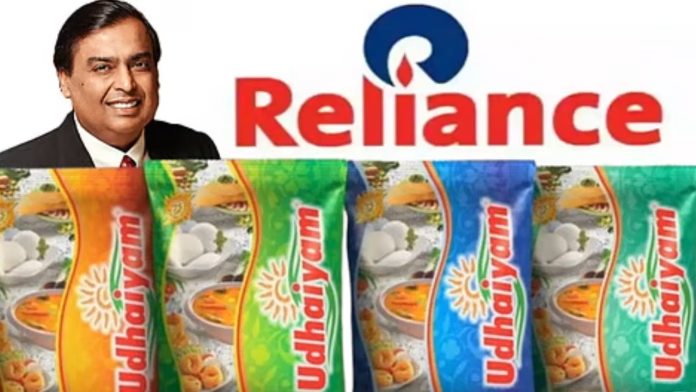
Reliance Doubles Down on FMCG With ₹40,000 Crore AI-Powered Food Parks; Campa Cola and Independence Lead the Charge

0

Reliance Industries Ltd (RIL) has announced plans to invest ₹40,000 crore ($4.7 billion) over the next three years in building Asia’s largest integrated food parks, a project that will anchor its ambitions in the fast-moving consumer goods space. The announcement was made by Isha Ambani, Director of Reliance Retail, during the company’s 48th annual general meeting.

The new food parks will be equipped with AI-led automation, robotics, and sustainability-focused technologies designed to cut costs and drive efficiency at scale. The initiative will fall under Reliance Consumer Products Ltd (RCPL), a direct subsidiary that reported revenues of ₹11,500 crore in FY25, making it one of the fastest-growing FMCG players in the country within just three years of launch.

Reliance has already invested ₹3,000 crore in 12 state-of-the-art factories powered by Industry 4.0 systems. These facilities, according to Ambani, are recording some of the highest efficiency levels seen in the domestic FMCG sector. To bolster innovation, Reliance has also established a 1.5 lakh square foot research hub, staffed by more than 100 scientists, which has filed 15 patents in the last year. Its focus ranges from “better-than-market” quality standards to first-to-India and first-to-world products.

RCPL’s portfolio already includes Campa Cola, which has achieved double-digit market share in several states, and Independence, its daily essentials brand, which crossed ₹1,000 crore in sales last year.

Ambani outlined an ambitious five-year target for the business: to reach ₹1 lakh crore in revenue faster than any other Indian consumer brands company. With food and beverages projected to remain the largest growth driver in India’s ₹6 lakh crore FMCG market, Reliance is betting that its mix of technology-driven manufacturing and aggressive brand building will help it scale rapidly.

Advertisement

Campus Activewear Expands Its Play in Women’s Footwear, Signs Kriti Sanon as New Face of the Brand

0

Campus Activewear, one of India’s largest sports and athleisure footwear companies, has appointed Bollywood actor Kriti Sanon as the brand ambassador for its women’s category. The move comes at a time when women’s sportswear and athleisure are emerging as a significant growth engine for the homegrown sneaker maker, which closed FY25 with revenues of over ₹1,700 crore.

Sanon, who transitioned from engineering to cinema before becoming an entrepreneur with her own beauty line, has built a reputation for versatility and independence. Campus is looking to tap into that persona to deepen its connect with urban, style-conscious women who see sneakers as a statement of identity as much as comfort.

“Our women’s portfolio has been one of the fastest growing verticals in the past year. Kriti’s personality reflects the ambition, versatility and authenticity that resonate strongly with this segment,” said Nikhil Aggarwal, CEO and Whole Time Director, Campus Activewear. He added that women’s footwear is now positioned as a core pillar of the company’s expansion plans, with investments in design, innovation, and marketing aimed at capturing a larger slice of India’s ₹14,000-crore footwear market.

For Sanon, who recently won the National Award for Best Actress and has over 55 million followers across social media, the association is about endorsing a brand that mirrors her own philosophy. “Style should reflect who you are. Campus represents that freedom of choice while delivering on comfort and fashion,” she said.

Campus, which already sells over 20 million pairs annually, has been sharpening its focus on the women’s sneaker segment to compete more directly with global players like Adidas and Puma. With Sanon’s mass appeal, the company hopes to accelerate that push and strengthen its leadership in the affordable athleisure space.

Advertisement