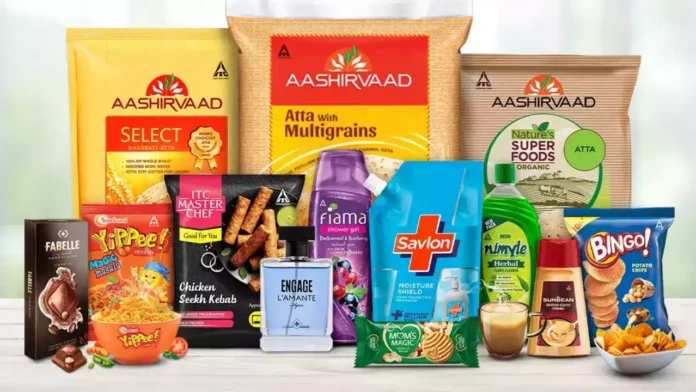
The recent surge in shares of fast-moving consumer goods (FMCG) companies could mark the onset of sector outperformance over the next few months, experts suggest. They anticipate continued gains, even for investors entering the market at current levels.
Shrikant Chouhan, the head of equity research at Kotak Securities, noted, “For the first time in several quarters, companies are forecasting a business recovery in rural regions. This positive guidance is sparking a catch-up rally in the market.”
He also mentioned that the defensive characteristics of the sector, particularly in anticipation of the elections and the upcoming Budget, coupled with predictions of a normal monsoon, are contributing to its resilience.
Chouhan stated, “We anticipate outperformance from these companies for the next two quarters, driven by their positive guidance, expectations of a normal monsoon, and their implementation of price hikes.”
In the fiscal year 2023-24 (April-March), shares within the fast-moving consumer goods sector have lagged behind the broader market, with the Nifty FMCG index recording a gain of just under 18%, in contrast to the nearly 29% increase seen in the Nifty 50 index.
In fact, sector heavyweight HUL experienced a decrease of over 11% in its share value, while other key players such as Britannia, Emami, and Godrej Consumer Products have likewise shown weaker performance compared to benchmark indices.
Nirvi Ashar, an analyst at Religare Broking, remarked, “While markets were reaching new highs, FMCG stocks weren’t keeping pace. However, with optimistic management commentary emerging, momentum is now driving prices upward, leading to the gains we’re witnessing.”
She suggests a selective approach to stock picking and expresses optimism regarding shares of HUL, Godrej Consumer, and Marico. She perceives limited downside risk and foresees the potential for gains of up to 20-25% in HUL over a one-to-two-year timeframe. Additionally, she recommends purchasing Godrej Consumer during market dips.
While many anticipate these shares to outperform in the short term, Christy Mathai of Quantum AMC holds the view that the sector’s current valuation justifies caution for the long term.
The cost of home-cooked meals in April, compared with the previous year, was 8% higher due to increased prices of onions, tomatoes, and potatoes, as revealed by Crisil data released Wednesday.
In April, the price of a vegetarian thali was INR 27.4, showing a marginal increase from INR 27.3 in the preceding month.
Crisil observed that the rise in the cost of the vegetarian thali was influenced by significant increases in onion, tomato, and potato prices, with respective year-on-year surges of 41%, 40%, and 38%, attributed to a low base from the previous fiscal year. Reduced onion arrivals, stemming from a notable decline in rabi acreage, and damage to the potato crop in West Bengal were cited as primary factors driving the price escalation.
Crisil highlighted that decreased arrivals also contributed to double-digit inflation in rice and pulses during April.
Inflation in pulses has sustained double-digit figures for the past five months.
With vegetable inflation at 28%, food inflation remained stubbornly high at over 8% in March, despite consumer inflation dropping below 5% for the first time in five months.
Experts suggest that heatwave conditions are expected to maintain elevated vegetable prices throughout this quarter, thereby keeping food inflation at higher levels.
In April, the price of non-vegetarian thalis decreased by 4%, reaching INR 56.3.
“The dip in the price of the non-veg thali was due to 12% on-year decline in broiler prices on a high base of last fiscal,” Crisil said.
Sequentially, Crisil highlighted increased demand and rising input costs as factors leading to a 3% rise in non-vegetarian thali prices compared to March.
The Reserve Bank of India anticipates inflation to decrease to 4.5% in the fiscal year 2024-25.
The central bank is expected to maintain interest rates at its upcoming meeting next month, with experts suggesting the possibility of a rate cut only in the second half of the year.
The Organic World, a prominent grocery retailer, wrapped up the last fiscal year with earnings of INR 35 crore. Now, they’re setting their sights even higher, aiming to close this fiscal at INR 60 crore. Gaurav Manchanda, Founder and Director of Nimida Group (the parent company of The Organic World), shared that they’re determined to transform into a INR 100 crore brand by the end of FY 25.
Over the past years, the brand has consistently experienced month-on-month growth ranging from 2.5 to 5 percent. Each year concludes with an impressive 20-25 percent overall growth rate.
Manchanda remarked on the brand’s profitability, stating, “On a unit basis, we’ve achieved break-even, and our stores remain profitable. However, profitability at the head office level is still elusive.”
In order to fuel further growth, the brand intends to broaden its offline presence by entering new cities and delving deeper into its current markets.
Presently, the brand runs a total of 17 stores, comprising 13 company-owned and operated outlets, alongside 4 franchise stores. In the current fiscal year, it aims to inaugurate an additional 10 company-owned and operated stores, alongside 25 franchise stores.
“Our objective is to launch 100 stores within the next 18 months. We’re seeing significant interest from cities such as Hyderabad, with Chennai and Bengaluru close behind. Initially, our focus will be on these three cities, before gradually expanding into others like Coimbatore and Mysore,” he explained.
“Ultimately, our aim is to venture into metropolitan areas such as Mumbai, Pune, Ahmedabad, Delhi, and Gurgaon by 2026. However, at present, due to supply chain limitations, our focus is solely on South India,” he elaborated.
Of the 100 stores the brand aims to open, it plans for 75 to be franchise-operated and 25 to be company-owned and operated.
The bootstrapped brand has no intention of fueling expansion by raising funds; instead, it plans to finance it through internal accruals.
“The CAPEX required to establish a turnkey and operational company-owned and operated store amounts to INR 60 lakh. Spanning across 1,000-2,200 sq. ft., it offers 3,500 SKUs. In contrast, the CAPEX for a turnkey and operational franchise store is INR 20 lakh. Spanning across 500-800 sq. ft., it offers 2,500 SKUs,” he elaborated.
He mentioned, “For us, a substantial portion of our business is driven by 20-30 per cent of the SKUs, such as dairy, bakery, snacking, and staples.”
Currently, the brand features three private labels across distinct categories: Happy Harvest Farms provides organic staples, WellBe offers snacking options, and Osh Life attends to consumers’ homecare needs.
“Moving forward, we aim to introduce additional private labels in categories such as personal care, vegan, and gluten-free products,” he emphasized.
WellBe can also be found in around 1,000 other retail outlets, including More Retail, Lulu’s, and Nature’s Basket, as well as The Organic World stores.
“Moving forward, our course of action involves introducing WellBe into the general trade market, prioritizing smaller pack sizes. Our aim is to achieve national distribution within the next 18 to 24 months,” he explained.
Currently, private labels account for 55 percent of the brand’s sales. Looking ahead, the brand aims to elevate the contribution of private labels to 65-70 percent.
Presently, offline retail accounts for 90 percent of the brand’s revenue, with the remaining 10 percent generated from online retail.
“We aim to achieve an 80/20 split soon by boosting our average basket size. Additionally, we will introduce our products on quick commerce platforms,” he emphasized.
Wahter, the advertising and packaged drinking water brand from India, has made an impressive mark in just one month since its launch, selling 2 lac in the Delhi-NCR region. This achievement highlights Wahter’s dedication to transforming the advertising sector while also tackling the urgent issue of providing clean and affordable drinking water throughout India.
With its unique business model offering bottled drinking water at just INR 1 and INR 2, Wahter has swiftly captured the spotlight for its innovative approach. The market’s response to Wahter’s affordable bottled drinking water has been overwhelmingly positive, with exceptional sales performance and enthusiastic consumer feedback. Wahter is refilling its carts and strollers almost twice daily at every location, underscoring the high demand and popularity of the product. Moreover, consumers are excited to see their favorite brands featured on the bottles, adding to the allure of Wahter’s offerings.
Wahter’s revenue model, driven by advertising, profoundly shapes brand preferences by providing economical advertising solutions with broad outreach. Unlike conventional advertising platforms, Wahter’s approach allows for precise targeting of marketing efforts, ensuring brands reach specific demographics and geographical areas accurately. Furthermore, Wahter grants access to prime high-traffic locations such as India Gate and Kartavya Path, typically inaccessible through conventional advertising channels. By leveraging Wahter’s bottles as mobile billboards, brands can benefit from sustained visibility as consumers carry the bottles during their daily routines.
Amitt Nenwani, Co-Founder of Wahter, stated, “Wahter’s ambition is to become the leading advertising medium for brands across all sectors. Over the next five years, our objective is to position Wahter as the preferred advertising platform for the top 100 brands, providing unmatched visibility and engagement opportunities to advertisers. Furthermore, consumers are keen to see their favorite brands showcased on our bottles.”
As per Wahter, their collaboration with the Shoobhi Foundation (BoAt) demonstrated the platform’s efficacy by delivering the highest ROI in the industry. They achieved an ROI of approximately 18%, garnering over 12,000 scans from merely 65,000 bottles. Their campaign reached over 5 million viewers in Delhi-NCR, including demographics typically ignored by traditional advertising methods.
Looking ahead, Wahter aspires to expand its reach and impact by partnering with top brands across industries and becoming the go-to platform for advertising needs. The company remains dedicated to its core values of affordability, sustainability, and accessibility, shaping the future of advertising in India and beyond.
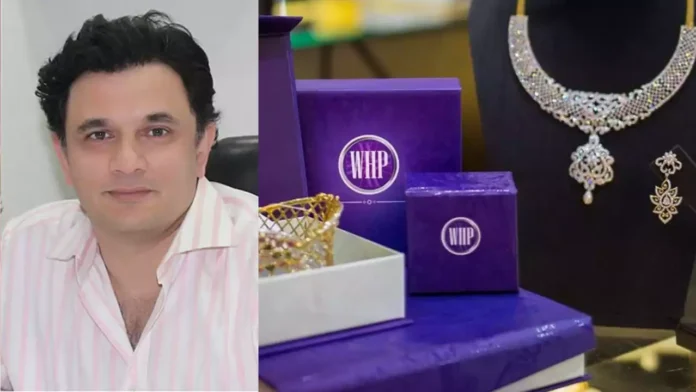
Kalamandir Jewellers has enlisted actress Shruti Haasan as its brand ambassador, marking a significant collaboration. Renowned for its exceptional craftsmanship and expansive showroom network across various cities, Kalamandir Jewellers stands out as a prominent jewellery retailer in India.
Milan Shah, Director of Kalamandir Jewellers, expressed excitement about the collaboration, stating, “Welcoming Shruti Haasan, a beloved actress and a fashion influencer admired by fans worldwide, to our Kalamandir family fills us with joy. Her exceptional talent, impeccable style, and graceful demeanor perfectly resonate with the ethos of our brand, underscoring our dedication to elegance and heritage. I firmly believe that partnering with Shruti will not only captivate our customers but also craft unforgettable moments for them.”
In response to the collaboration, Ms. Haasan expressed her delight, stating, “Embarking on this exciting journey with Kalamandir Jewellers fills me with joy. I strongly resonate with the brand’s emphasis on elegance and individuality. Being one of the most esteemed jewelry retail chains in the nation, partnering with them enables me to endorse these principles and encourage others to celebrate their distinct beauty.”
Teaming up with Shruti Haasan, the daughter of renowned actor Kamal Haasan and actress Sarika Thakur, will empower Kalamandir Jewellers to cultivate deeper consumer trust and foster stronger brand loyalty, enhancing its legacy spanning over 37 years.
From its humble beginnings in a 200 sq ft store in Kosamba, Surat district, Kalamandir has expanded significantly, establishing a robust retail footprint with showrooms in Mumbai, Ahmedabad, Surat, Vapi, Bharuch, and Kosamba, as well as at airports in Surat, Chennai, Varanasi, Udaipur, and Vadodara. Moreover, it has introduced renowned national jewellery brands such as Rishta, Kingly, Indo-Italia, Purusham, Platinum, and Sajdhaj ke.
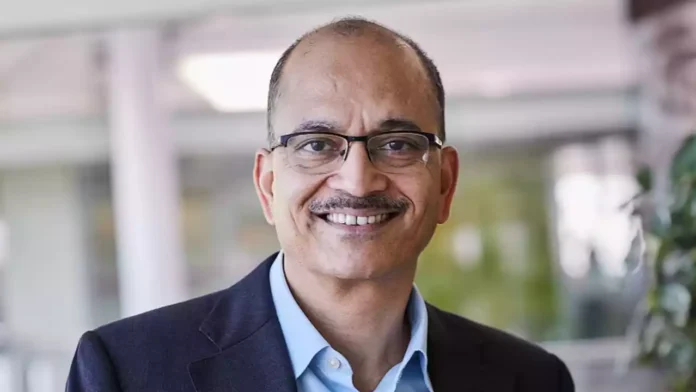
Tata CLiQ, the leading luxury lifestyle platform in India, has broadened its pre-owned category by partnering with Ziniosa. This latest addition enhances the platform’s offerings, which now include Pre-Owned Timeless Icons such as luxury handbags from top global brands.
With the vision of making distinctive and rare pre-owned items readily accessible to customers nationwide, the platform is set to team up with diverse partners to offer products spanning various categories. Through the inclusion of Ziniosa, the digital store will grant customers the chance to browse and purchase pre-owned luxury handbags from top-tier brands.
“We’re excited to expand our range of Pre-Owned Timeless Icons by welcoming Ziniosa to the platform. This launch not only enriches our selection but also underscores our dedication to sustainability and ethical fashion. By considering pre-owned luxury, customers can enjoy exquisite designer bags while also supporting ecologically sustainable shopping practices. The positive response we’ve received for this category on the platform motivates us to expand and diversify our offerings further, aligning with the evolving needs of our customers as we remain at the forefront of pre-owned luxury,” stated Gopal Asthana, CEO of Tata CLiQ.
Ziniosa distinguishes itself through its dedication to eco-friendly alternatives and making luxury fashion accessible to all. As India’s pre-owned luxury market gains momentum, it leads the charge in reshaping consumers’ perceptions of sustainable fashion.
“We’re thrilled to introduce Ziniosa on Tata CLiQ Luxury. The global demand for pre-owned luxury handbags is substantial, and it’s steadily rising in India. Through this collaboration, we’re extending our reach, ensuring our wide range of pre-owned luxury handbags is accessible to people nationwide,” remarked Varun Ramani, Co-founder of Ziniosa. Adding to this sentiment, Ashri Jaiswal, Co-founder of Ziniosa, emphasized, “Customer satisfaction is paramount at Ziniosa. Each product undergoes rigorous quality and authentication checks before listing, and we provide an authenticity certificate with every order. We eagerly anticipate a fruitful partnership.”
Ziniosa brings forth an essence of refinement and sustainability by showcasing timeless designer bags crafted by the world’s most coveted luxury brands.
United Breweries Ltd, a renowned beer manufacturer, has reported a surge in net profit to INR 80.15 crore for the January-March quarter of 2023-24, marking a more than five-fold increase from the corresponding period last year. This performance contrasts with the net profit of INR 13.05 crore reported during the April-March quarter of 2022-23, as stated in an exchange filing.
Revenue from operations increased by 17 percent to INR 4,788.68 crore in the final quarter of FY24, compared to INR 4,081.01 crore in the same quarter of the previous year.
Total expenses climbed to INR 4,705.38 crore in the quarter under review, up from INR 4,079.32 crore in the corresponding period of the previous year.
The net profit for the complete fiscal year that ended on March 31, 2024, increased by 33 percent to INR 412.59 crore, compared to INR 308.10 crore in the preceding year.
The filing stated that total income increased by 10.49 percent to INR 18,453.27 crore in FY24, compared to INR 16,700.52 crore in the previous year.
As per the filing, the company’s board also proposed a final dividend of INR 10 per share (1,000 percent) of the face value of INR 1 for the 2023-24 financial year. Subject to shareholders’ approval, the dividend is scheduled to be disbursed on or before August 30, 2024.
United Breweries shares concluded Tuesday’s trading session at Rs 2,001.75 per share on the BSE, marking a 0.96 percent increase.
“In Q4, volume surged by 10.9 percent, primarily propelled by the South and East regions,” stated United Breweries in a statement.
The premium segment experienced a 21 percent growth during the quarter, driven by robust performance of Kingfisher Ultra and Kingfisher Ultra Max, leading to continued expansion in premium volume for the company.
The company asserted, “We remain committed to investing in our brands and capabilities alongside revenue management and cost-saving measures. Our capital expenditures for the year totaled INR 190 crore, primarily directed towards supply chain enhancements to accommodate future expansion.”
“Despite observing some inflationary softening starting from Q2, volatility is expected to persist. However, we maintain optimism regarding the industry’s long-term growth potential, fueled by rising disposable income, favorable demographics, and the trend towards premiumization,” it added.
Bangalore Watch Company, a six-year-old indigenous startup, aims to establish an Indian luxury watch brand of Swiss quality.
Banking on the burgeoning discretionary spending of Indian consumers and their growing preference for domestic brands, Nirupesh Joshi, Co-Founder and creative director of Bangalore Watch Company, expressed the company’s ambition to achieve an annual production of 5,000 watches within the next three years.
Joshi stated, “We aspired for high-quality watches from India that met Swiss standards. Furthermore, we aimed to break the established design rules common in Indian watchmaking.”
Founded by the couple duo, the brand presently manufactures approximately 1,000 watches annually. Bangalore Watch Company’s average prices hover around the INR 1 lakh mark.
According to Joshi, the Indian wristwatch market, which is valued at over INR 13,500 crore, is expanding at a compound annual growth rate (CAGR) of 10–12%. Classifications like affordable luxury are expanding at a rate higher than the market as a whole, at 14%. About 3-5 lakh watches are sold annually in India’s affordable luxury market, which presents a huge opportunity for companies like Bangalore Watch Company.
“There’s a niche group of consumers who already possess Swiss watches like Omega and Rolex in their collection but are now seeking something that sparks conversation. These consumers will turn to Bangalore Watch Company.”
The remarks on growth prospects coincide with the company’s recent introduction of its Apogee series wristwatch, which underwent testing and successfully endured the conditions of outer space.
Currently, the brand retails in over 30 countries through its direct-to-consumer (D2C) website.
In regards to growth strategies, Joshi revealed that the brand will inaugurate two exclusive brand outlets in the upcoming months and intends to expand its retail presence with additional outlets over the next three years.
Moreover, in order to facilitate its retail expansion, the bootstrapped retailer is seeking to secure initial funding.
India’s toy exports dipped marginally to USD 152.34 million in 2023-24 from USD 153.89 million in the previous financial year, as reported by the economic think tank GTRI. Despite the implementation of mandatory quality control orders, India’s toy exports failed to experience substantial growth, according to the Global Trade Research Initiative (GTRI).
While the domestic measures primarily targeted bolstering the local industry and ensuring safety, they did not notably bolster India’s toy exports, according to the report.
The report indicated a modest increase in exports from USD 129.6 million to USD 177 million from FY’2020 to FY’2022. However, by FY’2024, exports declined to USD 152.3 million.
However, imports surged to USD 64.92 million in 2023-24 from USD 62.37 million in 2022-23.
Ajay Srivastava, the founder of GTRI, remarked that while the Quality Control Orders (QCO) effectively curbed substandard imports from China, they did not translate into increased exports from India.
“India has undertaken significant measures since 2020 to restrict the influx of substandard toy imports, especially from China, and to bolster the domestic toy industry,” he said. “However, India needs to adopt a broader approach for the development of the sector.”
The report suggests a holistic strategy aimed at fostering the growth of India’s toy industry and increasing exports.
He recommended initiatives such as cultivating a strong domestic ecosystem, enticing global toy brands to establish manufacturing operations in India, drawing lessons from China, and localizing the production of essential inputs.
Srivastava emphasized the importance of investing in research and development to stimulate innovation in toy design and functionality, thus positioning Indian toys competitively worldwide. He also highlighted the need to enhance collaborations between toy manufacturers and design institutes to consistently introduce innovative products.
The report suggested the establishment of specialized toy manufacturing hubs to cut costs and improve efficiency, alongside modernizing traditional Indian toys while preserving their cultural significance to craft distinctive products.
It proposed supporting small and medium enterprises in utilizing digital marketing and advocating for Indian toys at international fairs to establish global connections.
Additionally, it suggested that India extend invitations to international toy manufacturers, including companies like Hasbro, Mattel, Lego, Spin Master, and MGA Entertainment, currently operating in China, to explore the possibility of establishing production facilities in India.
This initiative could potentially redirect a portion of the global toy production market to India.
Moreover, it suggested decreasing reliance on imports by enhancing local production capacities for essential toy-making materials and components, including glass eyes for dolls, beads, imitation stones, various plastics, electric motors, and remote control devices.
According to GTRI, this measure will lower costs and bolster the self-reliance of the Indian toy sector.
Srivastava pointed out that imports of inputs used in toy manufacturing surpass imports of finished toys. “For instance, in FY’2024, we imported glass eyes for dolls or other toys, beads, and imitation stones worth USD 137.2 million.”
He emphasized the necessity for India to devise distinct strategies for various categories of toys, such as plush toys like stuffed animals (with a global trade value of about USD 7 billion); educational toys (with a global trade value of about USD 6 billion); construction toys like LEGO (USD 10 billion); action figures and dolls (USD 10 billion); electronics (USD 15 billion); board games and puzzles (USD 9 billion); and outdoor and sports toys (USD 5 billion).
In 2022, the global market imported toys valued at about USD 60.3 billion.
Leading this market, China exported toys valued at USD 48.3 billion, capturing an 80 percent share of global exports.
Other notable contributors to the global toy export market comprise the Czech Republic with exports totaling USD 3.2 billion, the European Union with USD 2.7 billion, Vietnam with USD 1.7 billion, and Hong Kong with USD 1.1 billion.
On the flip side, India’s contribution to the worldwide toy export sector is meager, amounting to just USD 167 million. This figure accounts for merely 0.3 percent of global exports, positioning it at the 27th spot, as per the report.
In terms of imports, India falls even further behind, securing the 61st position, with toy imports totaling USD 60 million.
The United States emerges as the top importer of toys, single-handedly acquiring toys valued at USD 22.2 billion. It is trailed by the European Union at USD 9 billion, Japan at USD 2.8 billion, and Canada at USD 1.6 billion.
India hiked import duties on toys starting from February 2020. The basic customs duty saw a surge from 20 percent to 60 percent, further escalating to 70 percent by July 2021.
Enforced since January 2021, the QCO (Quality Control Order) stipulates that all toys distributed in India, regardless of their origin—domestically manufactured or imported—must adhere to designated Indian safety standards.
ABCL plans to invest over INR 80 Crore in acquiring and refurbishing the brewery. With a capacity to produce 2 Lakh cases of beer per month, this acquisition will increase American Brew Crafts Pvt Ltd’s owned capacity installation to 8 Lakh Cases per month. This includes their renowned Flying Monkey, Blockbuster, and Karjura range of beers.
This strategic step signifies a major milestone for ABCL, fostering the company’s expansion in East & Northeast India and reinforcing its dedication to providing top-tier craft beers to beer enthusiasts across the country.
The acquisition seamlessly fits into ABCL’s growth and innovation vision, propelling the company ahead in the ever-evolving craft beer industry. ABCL maintains quality and consistency through small-batch production, where each batch undergoes thorough research and is meticulously crafted using premium malts and hops for exceptional flavor. With this addition, ABCL now operates three cutting-edge breweries, leveraging the latest German Technology, situated in Andhra Pradesh, Telangana, and Odisha. This setup ensures the delivery of top-notch brews and sustains a consistent supply across all operational regions.
Nagendra Tayi, Director and Chief Executive Officer of American Brew Crafts Pvt Ltd, expressed, “We are excited to fortify our presence by welcoming Denzong Brewery into the American Brew Crafts family. This acquisition will bolster our production capacity, meeting the rising consumer demand in the region. It’s a pivotal step in expanding our footprint in the East and Northeastern parts of the country. Our commitment lies in fostering the beer culture in India and offering diverse options to beer enthusiasts. With our seasoned team of brew masters ensuring consistency in taste and flavor across batches, we aim to delight beer connoisseurs and ensure they have a memorable experience. Additionally, our innovative and visually appealing packaging has received commendations from both customers and consumers.”
We use cookies to ensure that we give you the best experience on our website. If you continue to use this site we will assume that you are happy with it.