McDonald’s, the renowned American fast food chain, has unveiled its 50th McCafe outlet in India, as shared in a recent social media post by the company.
The latest McCafe outlet is situated in Sector 132 of Noida. This location features specialties such as self-ordering options, digital kiosks, and a convenient drive-thru facility.
“We’re thrilled to announce the inauguration of our 50th McCafé, nestled in the heart of Noida at Sector 132,” stated McDonald’s India North and East in a LinkedIn post.
“Enjoy the mouth watering meals from McCafé and McDonald’s with much more convenience now. Visit us today to indulge in a wide variety of delectable McDonald’s fare,” the post continued.
Earlier in April, McDonald’s opened a location in sector 73 in Noida.
Established in 1940, McDonald’s Corporation is based in Chicago.
Connaught Plaza Restaurants Pvt. Ltd operates McDonald’s restaurants in the North and East regions of India, boasting over 200 outlets across these areas.
Kolkata-based beauty startup, Dot & Key Skincare, has collaborated with Shanaya Kapoor. This partnership signifies a remarkable milestone for both the brand and Shanaya’s burgeoning career. With her vibrant energy and unwavering focus on wellness, Shanaya perfectly encapsulates Dot & Key’s philosophy—a dedication to skincare efficacy grounded in powerful ingredients.
As the first brand ambassador, Shanaya infuses a breath of fresh air with her unique enthusiasm, effortlessly blending her rising star power with the brand’s fruit-infused ethos. This partnership epitomizes a blend of elegance, impact, and creativity, resonating deeply with the brand’s core audience—today’s vibrant millennials.
Shanaya Kapoor expressed her enthusiasm about the collaboration, saying, “I’m thrilled to be the ambassador for Dot and Key Skincare. Their products have effortlessly blended into my daily routine. Being someone who loves homemade fruit treatments, Dot and Key’s fruit-infused products have simplified my regimen and proven to be highly effective. I’m eager to share my skincare journey with everyone.”
Shanaya’s endorsement reinforces Dot and Key’s position as a trailblazer in personal skincare, offering a wide array of essential products such as sunscreen, moisturizers, face washes, lip balms, and beyond.
Suyash Saraf, Co-Founder of Dot and Key, expressed delight in welcoming Shanaya Kapoor to the Dot and Key Skincare family. He emphasized that her vibrant personality and genuine love for skincare and fruit-based beauty align seamlessly with the brand’s ethos.
Founded in 2018, Dot and Key emerged from the collaborative efforts of Suyash Saraf and Anisha Saraf, a dynamic husband-and-wife duo driven by a shared vision to address the gaps in skincare routines with innovative solutions.
Avocados Australia Limited, the official representative of the Australian avocado industry, has announced its entry into the Indian market, featuring cricketer Brett Lee as their brand ambassador.
This collaboration represents a significant milestone for both Australian avocados and the Indian fresh fruit market. The initiative aims to promote premium quality avocados as a healthy addition to everyday meals and snacks in Indian households.
The avocado market is gaining momentum in India, with consumption on the rise and global demand significantly increasing over the past decade. Australia produced over 115,385 tonnes of avocados in 2022-23, and forecasts predict this will grow to around 170,000 tonnes by 2026. In light of this production growth, Australian producers are dedicated to expanding into new overseas markets, including India.
At the launch of Australian avocados in India, Acting Australian High Commissioner to India, Nick McCaffrey, stated, “The introduction of Australian avocados to the Indian market signifies a promising partnership between our nations. It reflects the strengthening bilateral ties and the potential for further collaboration in the agricultural sector.”
John Tyas, CEO of Avocados Australia, highlighted the importance of the Indian market and outlined a strategy aimed at boosting the visibility of Australian avocados in India. He emphasized, “Through our dedicated focus on exports and unwavering dedication to quality and service, we are poised to establish a strong foothold in India. Despite existing competition, we believe our steadfast commitment to quality, impeccable service, year-round availability, and comprehensive market support will distinguish us. While accessing the Indian market presents a significant opportunity, we acknowledge the learning curve ahead and recognize that nurturing this market will require time and concerted effort in the years to come.”
He added, “Many consumers in India are unaware of the health benefits of regular avocado consumption and the versatile uses of this fruit in various cuisines. We aim to educate consumers on both fronts. The launch of Australian avocados in India is a significant step in the industry’s global expansion, promising premium quality for Indian consumers.”
“I am delighted to be associated with Australian avocados as well as with the fruit that epitomises the essence of health,” said Brett Lee.
Varun Beverages Ltd (VBL), the largest franchise bottler for PepsiCo, reported a 25% rise in consolidated profit after tax to INR 547.98 crore for the first quarter ending March 2024. Following the calendar year (January-December) reporting system, the company had recorded a consolidated profit after tax (PAT) of INR 438.57 crore in the same quarter last year.
The consolidated revenue from operations in the first quarter stood at INR 4,397.98 crore as against INR 3,952.59 crore in the year-ago period.
Total expenses in the quarter amounted to INR 3,609.76 crore, higher than INR 3,329.7 crore in the year-ago period.
The company had a fairly solid overall financial and operational performance in the first quarter of the year, according to Varun Beverages Chairman Ravi Jaipuria, despite the Holi festival being postponed by 17 days, which caused a delayed seasonality cycle.
“We attained a consolidated sales revenue growth of 10.9%, comprising a volume growth of 7.2% and net realization per case growth of 3.5% in Q1,” he further explained. “This demonstrates an enhanced product mix in India and increased contributions from international markets.”
In the first quarter of calendar year 2024 (Q1 CY2024), the consolidated sales volume increased by 7.2%, reaching 240.2 million cases compared to 224.1 million cases in the same quarter of calendar year 2023 (Q1 CY2023).
According to the company, it has invested INR 2,800 crore in capital expenditures and has set up three greenfield production facilities for the 2024 calendar year: Supa in Maharashtra on January 25, 2024; Gorakhpur in Uttar Pradesh on April 13, 2024; and Khordha in Odisha on April 30, 2024.
The filing mentioned that the company’s board has given the green light for the establishment of a wholly-owned subsidiary in Zimbabwe. This subsidiary will be dedicated to conducting business in the food products sector.
In a bid to address the issue of fake reviews, the union government plans to make it mandatory for e-commerce platforms to comply with quality consumer review norms.
According to a report by news agency PTI, Nidhi Khare, the secretary of consumer affairs, mentioned that despite the Centre issuing voluntary standards on “online reviews” in late-2022, fake reviews on ecommerce sites still manage to “slip through.”
Khare stated, “It has been over a year since the voluntary standard on ‘online reviews’ was introduced. While some entities assert compliance, fake reviews persist in publication. To prioritize consumer protection, we aim to make these standards compulsory.”
According to the report, the Department of Consumer Affairs has arranged a meeting later this week (on May 15) with prominent ecommerce companies and consumer organizations to deliberate on the proposed action.
It’s worth noting that in 2022, the Centre introduced a framework aimed at safeguarding consumers’ interests by combating fake and misleading reviews on ecommerce platforms.
Formulated by the Bureau of Indian Standards, the framework prohibits reviews that are “purchased and/or authored by individuals employed specifically for that purpose by the supplier or a third party.” Additionally, the quality standards for ecommerce entities require the disclosure of promotional content and paid reviews.
However, the framework operates on a voluntary basis. Nevertheless, the Ministry appears to have intensified its efforts and is now poised to take action against such violations in the interest of consumers.
This development comes a few months after reports surfaced that the government was considering making it mandatory for ecommerce sites to adopt a system to curb fake reviews. At that time, the former consumer affairs secretary Rohit Kumar Singh underscored the need for authenticating product reviews and developing standards to manage and prevent fake reviews.
The latest move is a part of the government’s attempts to safeguard online shoppers’ interests. The Department of Consumer Affairs prohibited e-commerce platforms from using “dark patterns” in their user interfaces in June of last year.
Authorities first sent a letter to major ecommerce platforms warning of repercussions if noncompliance continued, and then hinted at the intention of issuing guidelines if the industry did not comply voluntarily. In December 2023, the guidelines for dark patterns were finally released.
Among these dark patterns are false urgency, subscription traps, confirm shaming, forced action, bait and switch, and hidden costs.
According to an ASCI report, approximately 29% of the advertising complaints it handled during 2021-22 involved dark patterns and were endorsed by influencers. Industries such as crypto, fashion, and ecommerce topped the list in terms of such violations.
India’s retailinflation softened marginally, hitting an 11-month low of 4.83 percent annually in April, down from 4.85 percent in the previous month, as per government data released on Monday. A Reuters poll of 44 economists had anticipated the figure to drop to 4.80 percent.
According to data from the National Statistical Office (NSO), inflation in the food basket increased to 8.7 percent in April, rising from 8.52 percent in March.
In April, the inflation rate sequentially stood at 0.48 percent.
India’s year-on-year vegetable inflation was recorded at 27.80 percent, slightly lower than March’s 28.30 percent. Meanwhile, the inflation rates for cereals and pulses, which form a substantial part of India’s staple diet, were 8.63 percent and 16.84 percent, respectively.
During the announcement of the results of the first bimonthly Monetary Policy Committee (MPC) meeting of FY25, Reserve Bank of India (RBI) Governor Shaktikanta Das highlighted inflation as the primary challenge, metaphorically labeling it as “the elephant in the room.” Despite this, he expressed optimism by suggesting that inflation (the elephant) seems to be returning to the desired threshold (the forest) of 4 percent.
In his speech, Governor Das commented, “CPI inflation was the elephant in the room. Now, it seems the elephant has taken a stroll and is heading back to the forest.”
Das emphasized the declining trend of inflation, supported by favorable base effects. Nevertheless, he recognized the ongoing pressure from service prices, which has kept the key indicator elevated compared to the set targets.
The headline inflation for January-February 2024 decreased to 5.1 percent, down from the 5.7 percent recorded in December. Nonetheless, the unpredictable fluctuations in food prices persist, adding to inflation uncertainties.
“Although headline inflation has decreased from its December peak, the persistent influence of food prices is hindering the continuous disinflation process, posing challenges to reaching the target,” remarked Das.
After a correction in January, food inflation rose to 7.8 percent in February, mainly driven by increases in vegetable, egg, meat, and fish prices.
Meanwhile, fuel prices continued their deflationary trend for the sixth straight month in February. The core Consumer Price Index (CPI), which excludes food and fuel, experienced disinflation, falling to 3.4 percent in February. This represents one of the lowest levels in the current CPI series, with both goods and services components seeing a decrease in inflation.
During its April 2024 meeting, the MPC maintained its inflation projection for the fiscal year at 4.5 percent, contingent upon a normal monsoon, despite the nation preparing for a hot summer amidst rising crude oil prices and ongoing concerns about the supply chain due to the Red Sea crisis.
After reviewing Zomato‘s Q4 results, brokerage firm Bernstein upheld its “OUTPERFORM” rating for the foodtech company’s stock and increased its price target (PT) from INR 200 to INR 230.
This marks a premium of over 18% from the stock’s previous closing price of INR 193.7 on the BSE as of Monday (May 13).
In a note, the brokerage firm highlighted Zomato as its “top pick” among Indian new-age tech companies, attributing this choice to the company’s improving profitability and the “impressive” growth of its quick commerce arm, Blinkit.
“Zomato continues to strengthen our belief in achieving the breakeven milestone for its quick commerce business. Blinkit’s growth remains impressive, with a year-on-year increase of 97% and a quarter-on-quarter rise of 14%… The core food delivery business exhibited robust year-on-year growth of 28% in Gross Order Value (GOV), accompanied by profit expansion… We view Zomato as a fundamental internet investment. Consequently, we’ve raised our price target to INR 230,” stated Bernstein.
Additionally, the brokerage firm indicated that Blinkit is poised to maintain its aggressive store expansion strategy, with plans to add 100 stores in Q1 FY25, aiming to reach the milestone of 1,000 stores by the end of March 2025.
Regarding food delivery, Bernstein noted that the foodtech leader experienced robust growth in both average order value (AOV) and order volume in the quarter ending March 2024. They further highlighted that the contribution margin witnessed significant expansion, driven by increased AOV, advertising take rate, and platform fees.
The brokerage firm expressed its approval shortly after Zomato unveiled its financial results for Q4 FY24. Sustaining its profitable trend, the foodtech giant announced a consolidated profit after tax (PAT) of INR 175 Cr for the period, marking a 26% increase from INR 138 Cr in the previous quarter. This stands in stark contrast to the net loss of INR 187.6 Cr reported in Q4 FY23.
Meanwhile, Blinkit, the quick commerce vertical, achieved adjusted EBITDA positivity in March 2024, driven by robust growth in order volume and average order value (AOV) over the three-month period. Despite revenue increasing by 19% sequentially to INR 769 Cr in Q4 FY24, the platform’s EBITDA loss improved to INR 37 Cr, compared to INR 89 Cr in Q3 FY24.
The announcement comes as the foodtech major’s stock continues to witness upward movement on the bourses. With promising financial figures backing it, Zomato’s shares have surged over 210% in the last 12 months and 57% year-to-date (YTD).
In addition, Zomato revealed on Monday its intentions to introduce a new ESOP scheme, wherein it aims to allocate 18.26 Cr stocks to eligible employees. Based on the stock’s recent closing price, this ESOP plan would equate to shares valued at approximately INR 3,500 Cr.
Also on the same day, the company disclosed its intentions for its fintech arm, Zomato Payment, to voluntarily return its online payment aggregator license to the Reserve Bank of India (RBI).
Zomato’s shares concluded 3.82% lower at INR 193.70 on the BSE on May 13th.
A consortium led by Blackstone, the world’s largest private equity fund, in collaboration with Abu Dhabi Investment Authority (ADIA) and GIC of Singapore, reportedly submitted a non-binding bid late last week to acquire a controlling stake in Haldiram Snacks Food Pvt Ltd (HSFPL), as per sources cited by ET. HSFPL represents the combined packaged snacks and foods business of the Delhi and Nagpur factions of the Agarwal family.
Haldiram, a company with an 87-year legacy, stands as India’s leading provider of snacks and convenience foods.
Blackstone and its partners are keen to acquire a 74-76% stake in the company, estimating the business’s value to be between $8-8.5 billion (INR 66,400-70,500 crore). ADIA and GIC serve as limited partners or sponsors of Blackstone’s global funds. Should the deal materialize, it would mark the most significant private equity buyout in India to date.
Blackstone and ADIA refrained from commenting. GIC did not respond to the email.
Haldiram CEO KK Chutani stated, “The company has no comments to provide.”
In May last year, Chutani, former chief executive of Dabur International, was appointed as the CEO of Haldiram’s, marking the first time a professional has taken the helm of the company.
The completion of any transaction hinges on the ongoing merger between the Nagpur and Delhi factions, as per a plan sanctioned by the National Company Law Tribunal (NCLT). This merger is anticipated to conclude within the next three to four months. Approval for the merger was granted by the Competition Commission of India (CCI) last April. Additionally, Blackstone has reached out to its Canadian and other Asian limited partners (LPs), who may participate if discussions advance or the overall deal size increases, according to the aforementioned sources.
However, they emphasized that the non-binding bid does not ensure the formation of a deal.
Bain Capital, which has engaged in extensive discussions with Haldiram’s on multiple occasions in the past, is also in contention, as first reported by Mint on May 7.
As part of the restructuring, the two factions of the Haldiram family divided their FMCG or packaged foods business and their restaurants business into separate entities. Following this, Haldiram Foods International Pvt Ltd (HFIPL) led by the Nagpur faction and Haldiram Snacks Pvt Ltd (HSPL) led by the Delhi family were merged to form a new entity—Haldiram Snacks Food Pvt Ltd (HSFPL). Post-merger, the Delhi faction, led by Manohar Agarwal and Madhu Sudan Agarwal, will possess a 55% stake in Haldiram Snacks Food Pvt Ltd, while the Nagpur faction, led by Kamalkumar Shivkisan Agrawal, will own the remainder.
The third faction of the Haldiram empire, located in the eastern region, is not participating in the merger proceedings.
The snack food enterprise is involved in producing and distributing over 500 varieties of products, including snacks, namkeen, sweets, ready-to-eat and pre-mixed foods, cookies, non-carbonated ready-to-drink beverages, and pasta. Its operations span across 100 countries, with many operating through franchisees, encompassing regions such as the UK, US, and Japan.
The company has further expanded its portfolio with various sub-brands like Minute Khana, Cup Shup, and Cookie Heaven. In January, it ventured into chocolates with the Cocobay brand. Additionally, it is extending its reach into retail supermarkets and quick-commerce platforms to compete with established players like Britannia in cookies and Mondelez and Amul in chocolates. Furthermore, the company has acquired other smaller brands such as Babaji Namkeen, Akash Namkeen, and Atop Foods.
The restaurant business, valued at INR 1,800 crore, is excluded from the transaction.
As per individuals knowledgeable about Haldiram operations, the combined snacks business is anticipated to achieve a FY24 revenue of INR 14,500 crore, with an EBITDA ranging between INR 2,300-2,500 crore. Over the past five years, the business has maintained a compound annual growth rate of 18% in revenue. The average EBITDA margin stands at 14-15%, although it rose to 17-18% last year due to favorable commodity rates and price adjustments in FY23.
The Agarwal family has been in talks with a number of private equity companies between 2016 and 2017 regarding either a minority or majority investment, including General Atlantic, Bain Capital, Capital International, TA Associates, Warburg Pincus, and Everstone.
In 2018-19, spanning over a year, the family engaged in negotiations with Kellogg’s, then the world’s second-largest snack foods maker, to sell a controlling 51% stake at a $3 billion valuation, excluding the restaurant business. However, alterations to the deal terms resulted in the US company ultimately walking away in frustration.
Before that, PepsiCo’s Indra Nooyi had pursued a buyout with the Agarwals. In September of last year, Reuters reported that Tata Consumer Products Ltd was in discussions with the Agarwal family to purchase a 51% stake but hesitated due to the $10 billion price tag. Both companies formally refuted the reports.
A snack food industry veteran remarked, “With the merger nearing completion and a professional CEO in place, the likelihood of a transaction is now more tangible than ever. The next generation lacks the same fervor and dedication to pursue the business, which serves as another catalyst. However, the family is adamant about securing a premium valuation. Ultimately, unlocking value through listing the business is also a viable option, as the public market tends to value operations more than private equity.”
Haldiram’s originated from a sweets and namkeen shop established by bhujia maker Ganga Bishan Aggarwal in 1937 in Bikaner, Rajasthan. Later on, Agarwal divided the business among his sons into three distinct divisions.
Although Haldiram holds a significant share in the snacks market, there are other competitors such as PepsiCo’s brands (Lays, Kurkure), Balaji Snacks, Prataap Snacks (Yellow Diamond), Bikanervala, Bikaji Foods (recently listed), and ITC Foods, known for its chips sold under the Bingo franchise.
A Frost & Sullivan report suggests that the Indian savory snacks market was valued at INR 72,800 crore in 2021 and is projected to reach INR 1,19,000 crore by 2025, growing at a CAGR of 13%. This market can be broadly categorized into western snacks and traditional snacks, with the latter contributing approximately 48% to the total savory snacks market. Traditional snacks include namkeens, bhujia, and ethnic snacks like dry samosa, kachori, chakli, etc. Despite 43.4% of the packaged savory snacks market being unorganized, organized players such as Haldiram, Pepsico (Lays), Balaji, and Bikaji maintain a strong presence nationwide and command significant market share in regional areas. The organized savory snacks market is estimated to be INR 41,000 crore in 2021. Currently, the ethnic namkeen and snacks market is valued at INR 10,800 crore, experiencing substantial growth in recent years, particularly since the onset of the pandemic.
After successfully launching its home-cooked meal service ‘Zomato Everyday’ in Gurugram, foodtech major Zomato is now planning to expand and scale the service in Bengaluru and Mumbai.
During the company’s Q4 FY24 earnings call, a spokesperson stated, “We aim to continue expanding ‘Everyday’. Currently, it’s primarily available in Gurugram, but in the coming months, we plan to launch ‘Everyday’ in Mumbai and Bengaluru. Following that, we will consider additional cities for further expansion.”
However, the company plans to expand this vertical slowly and gradually.
Zomato launched this service in early 2023 as a revamped version of its previous offering, Zomato Instant. Through ‘Zomato Everyday’, the company provides fresh home-cooked meals starting at INR 89.
The service has already been piloted in several localities in Bengaluru.
Zomato stated that after working on the offering for the past year and a half, the company has finally gained the confidence to scale it up.
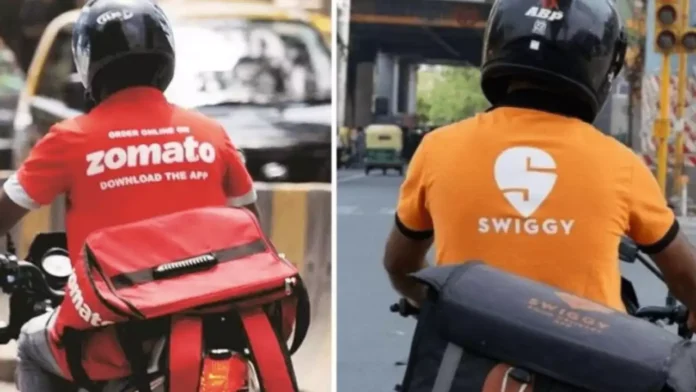
It is noteworthy that Zomato’s biggest competitor, Swiggy, also recently relaunched its homestyle meal delivery service, Swiggy Daily, in Bengaluru, four years after discontinuing it.
During Q4 FY24, Zomato experienced a decline in the gross order value (GOV) of its core food delivery business, while its quick commerce vertical, Blinkit, showed strong performance.
Zomato’s food delivery gross order value (GOV) increased by 28% year-on-year (YoY) but declined by 0.6% quarter-on-quarter (QoQ) to INR 8,439 crore in the reported quarter.
Overall, the company marked its fourth consecutive profitable quarter, with a nearly 27% quarter-on-quarter (QoQ) increase in profit after tax (PAT) to INR 175 crore in Q4. Operating revenue showed moderate growth, rising 8% QoQ and over 73% year-on-year (YoY) to INR 3,562 crore for the quarter.
Zomato, a leading player in the foodtech sector, has sought approval from its shareholders for the formulation, adoption, and implementation of a new employee stock option plan, Zomato ESOP 2024, to grant 18.26 Cr employee stock options.
In a filing submitted for its Q4 FY24 results, the company stated that its board had greenlit the proposal during today’s meeting.
Under ESOP 2024, each employee will be entitled to one fully paid-up equity share with a face value of INR 1 for every ESOP exercised.
The filing stated that in order for an employee to execute vested options in accordance with the ESOP 2024, they must pay the exercise price, which is the face value of the underlying equity shares of the firm to be distributed upon exercise.
According to the stock’s last closing price, the ESOP plan would equate to shares valued at more than INR 3,500 Cr.
In the shareholder letter accompanying its Q4 results, Zomato CFO Akshant Goyal stated that the supplementary ESOP pool represents 2% of the company’s outstanding share capital on a fully diluted basis.
Expressing the significance of ESOPs in fostering a culture of “long-term thinking and innovation, and instilling a ‘founder mindset’ among senior employees,” Goyal mentioned that the newly established ESOP pool should adequately suffice for at least the next 5 years.
Zomato’s ESOP expenses amounted to INR 161 Cr in Q4 FY24, compared to INR 122 Cr in the previous quarter. Goyal noted that the company anticipates a further increase in ESOP expenses for FY25 due to the allocation of ESOPs to Blinkit‘s leadership team and senior employees.
To be clear, the establishment of the new ESOP pool indicated above won’t raise ESOP fees on its own. Goyal continued, “ESOP charge is a non-cash item and is booked only when the ESOPs are distributed to employees.
Zomato recorded a 26% increase in sequential growth for consolidated net profit, reaching INR 175 Cr for the quarter ended March 2024. This compares to a consolidated net profit of INR 138 Cr in Q3 FY24.
Meanwhile, Zomato’s subsidiary Zomato Payment has opted to voluntarily surrender the license it obtained from the Reserve Bank of India in January to operate as an online payments aggregator.
We use cookies to ensure that we give you the best experience on our website. If you continue to use this site we will assume that you are happy with it.