Global tea and coffee value sales are expected to slow down between now and 2027, as indicated by data, compared to the pace of the last few years.
According to GlobalData, the compound annual growth rate (CAGR) for the overall value sales of tea is projected to decrease from 7.8% between 2021 and 2024 to 4.8% between 2024 and 2027. This decline will culminate in reaching £58.6 billion ($72.5 billion).
During the same periods, the CAGR for coffee is expected to decrease from 5.9% to 5%, with total value sales forecasted to reach £72.5 billion in 2027.
The data is derived from 13 “key markets,” encompassing the US, Mexico, Brazil, Argentina, the UK, Germany, Sweden, China, India, Australia, Singapore, South Africa, and the UAE.
According to the report, GlobalData predicts a deceleration in the compound annual growth rate (CAGR) of overall value sales across most non-alcoholic beverage categories in the 13 key countries examined in this study.
“The anticipated decline in global sales is linked to consumer belt-tightening amid inflationary pressures. Projections indicate a decrease in inflation worldwide in the forthcoming years. This has prompted consumers to adopt more prudent spending habits, seeking to optimize their budgets. Alongside adjusted pricing, this trend is poised to align value growth more closely with volume growth once again.”
In the UK, tea’s sales value surged by 12.3% from 2023 to 2024, despite a 1.6% decline in volume sales. Similarly, in the US, there was value growth in both tea (7.4%) and coffee (2.9%), but volume growth lagged behind at 3.8% and 0.4%, respectively.
In the US, tea exhibited the highest volume growth among all non-alcoholic beverages surveyed by GlobalData in the past year.
Non-Alcoholic Beverage Categories Analysis
Meanwhile, juices and bottled water are poised for deceleration, with the former expected to decline from a 0.2% to a 6.9% compound annual growth rate (CAGR) between 2024 and 2027, and the latter dropping from 0.8% to 3.9%.
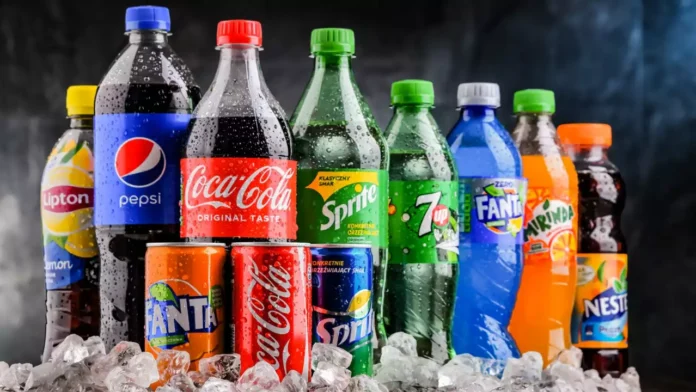
However, carbonates are predicted to increase their value sales compound annual growth rate (CAGR) from 2.2% to 3.4%, jumping from a global value of £192.9 billion in 2021 to £278 billion in 2027.
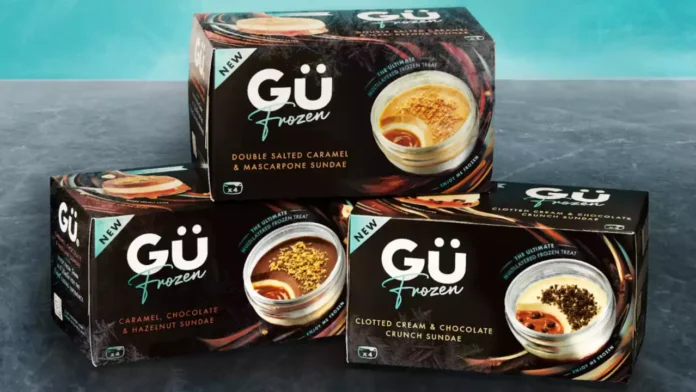
Gü, celebrated as a premium UK dessert brand, is stepping into the frozen arena with the debut of a tantalizing new line of frozen sundaes. These indulgent delights will be exclusively available at Waitrose supermarkets beginning June 9th.
This selection, showcasing flavors like Double Salted Caramel & Mascarpone, Caramel, Chocolate & Hazelnut, and Clotted Cream & Chocolate Crunch, marks Gü’s initial expansion beyond its signature chilled dessert lineup.
“Gü is excited to unveil our latest frozen sundae range, offering new avenues for innovation,” stated Emma Heeney, Gü’s senior innovation manager. “These decadent individual treats cater to a niche within the freezer section, traditionally filled with family-sized desserts.”
Gü’s decision coincides with a strategic effort to leverage a significant 12% surge in home indulgence over the last three years. Additionally, industry data reveals that 58% of UK consumers are intending to cut down on dining-out expenses amidst economic challenges, further motivating Gü’s market expansion.
Prepared by Gü’s master pâtisserie chef, Fred Ponnavoy, the frozen sundaes will initially hit the shelves of 253 Waitrose stores across the country. Following this debut, they are slated for wider distribution in other leading UK retailers later this summer.
The frozen range, consisting of four ramekins, will be available at £6 per pack. As part of an exclusive launch promotion, the price will be reduced to £4 from June 10th to July 2nd, 2024.
Exponent, a private equity firm, holds ownership of Gü, which has carved out a niche as a premium brand in the chilled dessert sector. With sales totaling £73.3 million and an annual growth rate exceeding 4.5%, Gü continues to reinforce its market presence.
“Our goal was to craft an unparalleled indulgence with our sundaes, brimming with our renowned velvety French salted caramel,” expressed Ponnavoy. “As connoisseurs of sweet delights, we’ve fashioned frozen treats that push the boundaries of dessert. Premium ingredients guarantee exceptional flavor, while innovative textures offer an extra dimension of delight.”
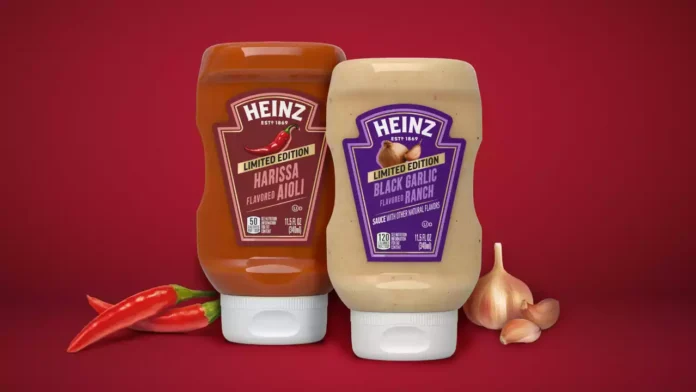
The Kraft Heinz Company is set to debut two exciting new limited-edition sauces – Black Garlic Ranch and Harissa Aioli – on retail shelves. These products are making their way from successful restaurant trials to grocery stores, marking a significant step for the consumer brand as it ventures into the foodservice channel.
Exclusively available at Walmart and Target stores across the United States, these sauces boast bold global flavors such as black garlic and harissa.
Katie Peterson, Director of Heinz Innovation at Kraft Heinz, expressed, “Witnessing the overwhelming affection for the [restaurant] drops, especially for Black Garlic Ranch and Harissa Aioli, motivated us to make these products accessible nationwide, allowing the entire country to savor them.”
The consumer packaged goods giant’s move is in line with its strategy to utilize its foodservice arm for testing new products with consumers before introducing them on a larger scale in retail. The company emphasized its use of real-time insights gathered from the restaurant trials to guide the nationwide rollout.
Peterson further added, “This advancement in the ‘Sauce Drops’ program highlights Heinz’s strategic commitment to consumer-centric innovation.”
Catering to Younger Consumers’ Preferences
According to Heinz’s research, younger consumers, particularly Gen Z, are showing a growing interest in globally inspired flavors and cuisines. The Black Garlic Ranch and Harissa Aioli sauces are designed to meet this demand, presenting distinct taste profiles distinct from the brand’s conventional condiments.
The Black Garlic Ranch exclusive to Walmart harmonizes the rich essence of black garlic with the smoothness of ranch dressing. Meanwhile, the Harissa Aioli exclusive to Target melds a smoky roasted red pepper blend with a spicy kick.
CHOSEN, a startup specializing in skincare solutions, has secured a seed funding of $1.2 million (around INR 10 crore) from friends and family.
The newly acquired funds will be utilized by the startup to bolster its headcount across research and development as well as logistics verticals, in addition to scaling up its supply chain capabilities.
The company also seeks partnerships within the B2B sector.
This comes after the company received a $100,000 equity-free grant from Peak XV Partners as part of its third cohort of the SPARK program earlier this year.
Founded in 2020 by Renita Rajan, the startup offers IoT-led skincare solutions backed by dermatological expertise. Within its skincare, haircare, and wellness product categories, the company boasts 34 stock keeping units (SKUs), with 12 more in the pipeline and additional products slated for release soon. It is also in the process of developing a melanin lab and IoT-driven personalized skincare technology.
Future Plans:
Rajan, the founder of CHOSEN, said, “This seed round equips us with the flexibility to strategically broaden our operations and delve into new avenues for growth. Our immediate focus is on forging partnerships with B2B sectors like hospitality, health, travel, and leisure to enhance our distribution channels. Our aim is to secure pre-series funding of $10 to $20 million later this year.”
According to reports, the D2C market in the beauty and personal care sector is poised to reach $5.6 billion, with online shoppers estimated to exceed 122 million by 2025.
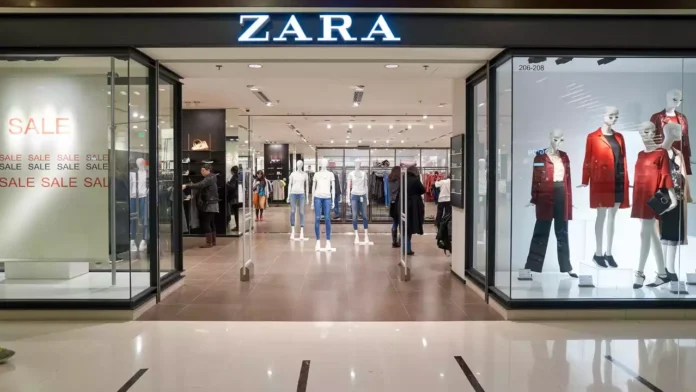
Inditex, the parent company of Zara, saw a 7% increase in sales during the first quarter of its fiscal year, in line with analysts’ expectations.
The performance reflected a deceleration compared to the previous year, during which it had enjoyed a surge in shopping activity following the pandemic.
Inditex, the parent company of brands like Pull&Bear and Massimo Dutti, is striving to stay ahead of fierce competition from rivals like H&M by swiftly pursuing and delivering fashion trends.
In recent quarters, the company has surpassed its competitors, reaping the rewards of investments in innovative in-store and online offerings. However, it also confronts formidable competition from swiftly expanding Chinese-owned online retailers Shein and Temu.
During the three months leading up to April, the world’s largest listed fashion retailer disclosed sales of 8.15 billion euros ($8.87 billion). This figure slightly exceeded the average analyst forecast of 8.1 billion euros, as per an LSEG survey.
Net profit in the three months up to April saw an 11% rise to 1.29 billion euros ($1.40 billion), matching the 1.3 billion euro average forecast by analysts, according to the LSEG poll. Compared to the first quarter of the previous year, where the company reported a 54% rise in profits.
Inditex reported a 12% increase in sales at constant currencies from May 1 to June 3.
HanesBrands, a global apparel company, has signed a definitive agreement to sell the intellectual property and certain operating assets of its global Champion business to Authentic Brands Group (“Authentic”). The deal is valued at $1.2 billion, but it could be worth up to $1.5 billion if a further $300 million in contingent cash consideration is received, subject to meeting certain performance requirements. The HanesBrands Board of Directors has unanimously approved this agreement, marking the successful conclusion of the company’s previously announced evaluation of strategic options for the global Champion business.
HanesBrands has made significant strides in recent years to revitalize its innerwear business, expand market share, attract younger consumers, and enhance its operating model. Following the completion of the transaction, the company plans to concentrate on reinforcing its leadership in the innerwear category and achieving above-market growth. This will be driven by ongoing consumer-focused product innovation and increased investment in its portfolio of leading brands, including Hanes, Bonds, Maidenform, and Bali.
Bill Simon, Chairman of the Board, stated, “After a comprehensive review of options for the global Champion business with our financial and legal advisors, we are pleased to have reached an agreement with Authentic Brands Group. We believe this agreement maximizes value for Champion and best positions HanesBrands for long-term success. Importantly, this transaction will enable the company to accelerate debt reduction while positioning HanesBrands to achieve consistent growth and cash flow generation. We will focus on advancing our leading innerwear brands and optimizing our world-class supply chain.”
“Today’s announcement is the result of significant efforts by our teams to position all of our brands for future success,” said CEO Steve Bratspies. “Over the past three years, we have implemented the necessary adjustments to enhance the company’s operations and financial results. These changes include lowering debt levels, cutting costs, restoring historical gross margins, and producing steady cash flow.
The successful completion of this transaction further simplifies our business, reduces our leverage, and enhances our operations and financial performance. As we embark on the next chapter for HanesBrands, we believe we are in an even stronger position to extend our leadership in innerwear, pursue new cost reduction opportunities, ensure the right operating structure, and advance our multi-year strategy to drive strong shareholder returns.”
Operational Transition Plan
The deal is expected to close in the second half of 2024, subject to usual closing conditions. Following the closing, HanesBrands will offer certain transition services for Champion, including operating the business in select regions during a transition period.
The company anticipates that the acquisition will generate net proceeds of around $900 million, excluding the contingent cash consideration and accounting for working capital adjustments and other typical transaction costs. The company expects significant deleveraging on a net debt-to-adjusted EBITDA basis and will use all net proceeds from the deal to accelerate its debt reduction in line with HanesBrands’ commitment to debt reduction.
As of the end of the first quarter of 2024, the global Champion business generated approximately $75 million of adjusted EBITDA on a trailing 12-month basis, after accounting for around $60 million in stranded costs. The company has specific plans to eliminate all stranded costs within a year of the transaction closing as it completes the business transition.
The company plans to classify Champion as discontinued operations in the second quarter of 2024. Consequently, it expects to update its full-year 2024 guidance alongside the release of its second-quarter earnings results.
Financial Advisors and Legal Counsel
Goldman Sachs & Co. LLC and Evercore are acting as financial advisors to HanesBrands, while Kirkland & Ellis LLP and Jones Day are providing legal counsel.
With temperatures soaring this summer, diners can elevate their spirits at Burash, a casual fine-dining restaurant renowned for its exquisite Mediterranean cuisine in Noida. On June 8th, they are all set to celebrate the International Gin Day Extravaganza, offering a wide range of Gin-based DIY cocktails and bar nibbles.
Crafted to embrace the essence of summer, the International Gin Day Extravaganza will feature over 50 unique garnishes, including berries, candy floss, and more. Pricing will be dynamic, with rates set at INR 2499 per person from 12:00 noon to 3:00 pm, INR 2999 per person from 4:00 pm to 7:00 pm, and INR 3499 per person from 8:00 pm to 11:00 pm, all inclusive.
Remaining faithful to its ethos as a responsible hospitality brand, Burash urges guests to carry ID cards as alcohol will strictly not be served to individuals under the legal drinking age.
Alongside the extensive selection of DIY cocktails, Burash’s nibble menu will showcase an enticing array of Levantine dip dishes such as Hummus, Tzatziki with Lavash, Spinach Crackers, and more, complimentary for guests. Additionally, patrons will have the option to order from the restaurant’s regular à la carte menu at an extra charge.
Chef Rishab Gupta, Co-founder of Burash, expressed, “As we commemorate the International Gin Day Extravaganza, our aim is to inject some thrill into the lives of our patrons, especially as the summer heat takes its toll. It’s the ideal occasion to unwind with an enticing assortment of DIY cocktails and an array of delectable bar snacks.”
For reservations and to embark on a culinary journey, visit the website of Burash and secure your table.
In an era dominated by food delivery giants, Desi by FoodDarzee has carved out a unique niche for itself. This bootstrapped startup, known for delivering personalized, nutritious meals on a subscription basis, has been growing steadily at 10-15% month-on-month. Anirudh Ganeriwal, co-founder of Desi by FoodDarzee in an exclusive interview shares the key reasons behind their impressive success in the competitive food market.
1. Personalization and Health Focus
Desi by FoodDarzee’s commitment to personalized nutrition sets it apart. Unlike many generic meal delivery services, Desi by FoodDarzee assigns a personal nutritionist to each client, who customizes meals based on individual health goals and dietary preferences.
“Health is a very personalized term. What is healthy for you may not be healthy for me, and vice versa,” explains Ganeriwal. “Our nutritionists plan meals according to each client’s lifestyle and preferences, ensuring the food is both healthy and delicious.”
2. Steady and Sustainable Growth
Despite being bootstrapped, Desi by FoodDarzee has managed its resources efficiently, focusing on sustainable growth rather than rapid, unsustainable expansion. This traditional approach to business has been a cornerstone of their strategy.
“We’ve always run the business like a traditional one, much like how my dad ran his business 20 years ago, before the advent of venture capital. We believe in making a business profitable from the start, not relying on massive sales and burning through funds. Our philosophy has always been that a business should make money, and we continue to operate with that mindset,” says Ganeriwal.
3. Competitive Pricing
The average order value on Swiggy or Zomato is between INR 400 to INR 500. However, Desi by FoodDarzee offers high-quality, personalized meals at an average cost of INR 205 per meal, including delivery and taxes. This competitive pricing makes their service accessible to a broad audience, providing better value compared to typical dining out or ordering from conventional food delivery services.
“Desi by FoodDarzee positions itself as a mid to premium brand, catering to customers who prioritize health and are willing to commit to a subscription. We offer a variety of meal options, including breakfast, lunch, snacks, and dinner, allowing consumers to choose any combination of these,” says Ganeriwal.
Initially reluctant to join platforms like Swiggy and Zomato, Desi by FoodDarzee has strategically used these aggregators to build brand trust and attract new customers. This approach has been effective in converting one-time users into long-term subscribers.
“People often try our meals through these platforms and then commit to our subscription once they are confident about the quality and taste,” explains Ganeriwal. “Interestingly, our repeat rates are among the best in the city. According to feedback from the aggregators, our high repeat percentage gives us great confidence in the quality and appeal of our offerings,” he adds.
5. Robust Feedback and Adaptation Mechanism
A strong feedback loop ensures that Desi by FoodDarzee continually adapts and improves its offerings. Nutritionists regularly communicate with clients to adjust meal plans based on their feedback and results, ensuring optimal satisfaction and health benefits.
“Our nutritionists are in constant touch with clients to help solve their doubts and adjust their meal plans based on feedback,” says Ganeriwal. “This personalised approach assures that each client’s unique needs are taken care of.”
6. Efficient Delivery Model
Desi by FoodDarzee operates with a single kitchen in each city, allowing for fixed delivery slots and efficient meal preparation. Meals are cooked fresh each morning, blast-chilled to preserve quality, and delivered cold to be reheated by the client, ensuring maximum freshness and safety.
Despite the convenience of on-demand services, Desi by FoodDarzee remains committed to their subscription model, ensuring a steady and loyal customer base. The on-demand service acts as a branding activity, showcasing their offerings and converting occasional customers into regular subscribers.
7. Future Expansion Plans
Currently operating in six major cities, Desi by FoodDarzee is set on expanding its on-demand services across Mumbai before moving to other cities like Bangalore and Delhi. Their vision includes leveraging technology to standardize operations and ensure consistent quality as they scale.
“We aim to be available within 30 minutes for anyone who wants healthy food,” says Ganeriwal. “Eventually, we want to have our own platform where people can order directly from us, reducing our reliance on aggregators.”
Besides that, the brand strategy includes launching multiple brands to cater to diverse tastes, not just positioning ourselves as a healthy food brand. They also recently launched a new brand, Desi by 4:30, in Mumbai, which is still in the beta phase on Swiggy and Zomato.
As the heatwave grips various parts of the country, companies manufacturing cola, beverages, ice creams, and other hydrating products are witnessing a steady rise in demand. Leaders in the beverage industry such as PepsiCo India and CocaCola report a significant surge in demand for both in-home and out-of-home consumption, particularly in the east, north, and central regions of India.
In anticipation of increased demand, the companies have prepared their inventory and are ensuring that their products are readily available to consumers across retail platforms, including e-commerce.
“As temperatures soar nationwide, consumers are seeking refreshing and hydrating beverages to combat the summer heat,” stated a spokesperson from PepsiCo India.
Ensuring availability of its products during the surge, the company boasts a range of beverage brands including 7UP, Nimbooz, Pepsi, Slice, Mountain Dew, Gatorade, and Sting.
“In addition, given the increased demand, we’re ensuring that our products are available across all retail and e-commerce platforms, catering to both at-home and on-the-go consumption needs. “This allows everyone to stay cool and refreshed during the hottest months of the year,” he said.
As the summer season peaks, Coca-Cola India noted a substantial uptick in momentum within the Indian beverage market.
The producer of Coke, ThumsUP, Maaza, Sprite, and Minute Maid has been experiencing steady growth in sales.
A Coca-Cola India spokesperson stated that due to a consistent increase in demand, they anticipate maintaining a positive outlook across their sparkling, hydration, and juice segments. They aim to continue delighting consumers with their thoughtfully crafted beverages for life portfolio.
“We aim to broaden distribution through both conventional and emerging channels, capitalizing on the rise in both in-home and out-of-home consumption,” stated a spokesperson.
Ice Cream Production Boost to Meet Rising Demand
Havmor Ice Cream, now under the ownership of South Korean confectionery firm LOTTE Wellfood Co, announced a boost in production to meet this year’s demand, which has exceeded that of the previous year.
“We had one of the warmest summers last year, and this year has surpassed with the highest temperature recorded,” Komal Anand, managing director of Havmor Ice Cream, said.
He anticipates that the momentum in the category will persist.
“To tackle the demand, we’ve enhanced production capacity at our existing facilities and are ready to cater to the surge with our upcoming factory in Pune,” he said.
Dabur India, a fast-moving consumer goods (FMCG) manufacturer, is experiencing increased demand in the beverage sector with its Real brand juices and glucose portfolio.
According to Anshul Gupta, head of sales for Dabur India, “We’re seeing a surge in demand for our summer-focused products, especially the glucose portfolio, as heatwave conditions escalate across eastern, northern, and central India.” To satisfy this increasing demand, we have proactively stored supplies at the distributor and retail levels.”
He emphasized that as temperatures soar, the demand for convenient energy and hydration options is higher than ever before.
“Addressing this demand, Dabur has broadened its range of glucose products and ventured into the realm of ready-to-drink glucose beverages. This latest addition, an instant energy drink, signifies our debut in the ready-to-drink glucose market,” he stated.
Bombay Brasserie has just launched its latest location at Orion Mall, situated in Malleshwaram, Northwest Bengaluru.
With this addition, the venue has emerged as the newest hotspot for indulging in Indian art, culture, and culinary delights, all infused with a delightful art-deco ambiance.
Fresh Food Menu: Regional Recipes with a Modern Twist
The fresh food menu highlights recipes from various regional cultures, offering a modern twist, while the bar menu serves up both nostalgic classics and inventive, creative concoctions.
The new menu will be offered not only at the latest location in Orion Mall but also at the other three outlets in Bengaluru: Indiranagar, Bellandur, and Bengaluru T2 Airport.
“We are excited to unveil Bengaluru’s fourth Bombay Brasserie at Orion Mall, with a captivating setting and a fresh menu. Given the immense love and support Bengaluru has bestowed upon us, it feels right to extend our signature BB experience to yet another vibrant neighborhood of this city,” expressed Ranjan Chakraborty, Business Head of Bombay Brasserie.
Ambiance: Immersive Elements and Cultural Homage
The expansive indoor area features a striking handmade kite lighting installation suspended from the ceiling, evoking the vibrant and multicultural essence of India’s harvest season. A homage to Mumbai’s iconic Dabbawallas is nestled in a charming corner, showcasing a collection of vintage tin tiffins that pay tribute to the dedicated individuals who utilize the city’s renowned local railway to deliver homemade meals to office workers across Mumbai. Additionally, an entire wall is adorned with handcrafted and hand-painted wooden dolls, celebrating this unique Indian craft. To enhance the dining experience, there’s also a picturesque al fresco seating area, exuding timeless charm and perfect for enjoying Bangalore’s refreshing weather.
The attractive bar features a 360-degree view of the restaurant, adorned with antique mirrors and vintage brass shelves displaying their unique homemade infusions, bitters, and tinctures. This well-traveled collection caters to a range of old favorites and refreshing new India-inspired brews. Mood-setting art deco lamp shades create an ideal setting for patrons to experience the depth of the space while indulging in the eclectic menu, which includes regional Indian fare and inventive cocktails.
Bombay Brasserie, an acclaimed All-Day Indian Bar & Eatery, has garnered awards and expanded internationally with branches in Sri Lanka and the UAE. The brand falls under the ownership of Charcoal Concepts, a distinguished operator in Indian Food and Beverage, established by K Hospitality Corp, one of India’s largest privately held hospitality and food service companies.
We use cookies to ensure that we give you the best experience on our website. If you continue to use this site we will assume that you are happy with it.