Borosil, a well-known consumer goods company in India, has achieved a remarkable feat with Larah Opalware by Borosil, securing the top spot as India’s leading brand in the opalware category, according to the latest sales report of 2024.
With a significant 37 percent increase in sales, Larah Opalware has surpassed its rivals, making a substantial contribution to Borosil’s overall revenue, which has now reached an impressive INR 942.3 crores.
Shreevar Kheruka, the Managing Director of Borosil Ltd., expressed appreciation for the brand’s success, stating, “We extend heartfelt gratitude to our customers for making Larah by Borosil the number one opalware brand in the country. We are dedicated to delivering the highest quality products, contemporary designs, and exceptional service to our customers.”
Role of Rebranding: Strategic Pivot in Borosil’s Success
The recent rebranding and repositioning of the brand have played a crucial role in this accomplishment. With a focus on empowering contemporary Indian women who are adept at multitasking and strive for excellence in every aspect of life, this strategic pivot has deeply connected with its target demographic, reinforcing its status as a market leader.
Looking ahead, Borosil aims to sustain its momentum by enriching its product range and broadening its market presence. With a commitment to establishing fresh industry benchmarks, the brand is ready to elevate its position further and cater to the evolving demands of its discerning clientele.
When you think of rum, do you imagine sipping it by a roaring fire on a cold winter’s night? Lalit Kalani, founder of Rock Paper Rum under Good Barrel Distillery, is here to challenge that notion and expand your rum repertoire to all seasons.
Kalani’s journey into the rum world began when he launched Rock Paper Rum in October 2022. Having spent significant time in the US, he noticed a wave of craft liquors, particularly gin, making inroads and resonating with consumers. Upon returning to India in 2020, he observed a similar trend. “When I moved back, I saw this whole wave of craft liquors and Indian craft liquors happening, especially through the gin revolution,” Kalani explains. This observation laid the groundwork for his foray into the alcohol industry, a sector his family had been involved in years before.
A common misconception in India is that rum is a winter drink. Kalani is quick to debunk this. “It’s a myth that it should only be consumed in the colder seasons. If you think about where rum really originated, like the Caribbean Islands, they’re all tropical areas. There’s nothing about seasonality where that comes from,” he asserts. This belief, deeply ingrained in Indian culture, needs re-education, and Kalani is committed to this change.
Kalani points out that many popular cocktails, enjoyed year-round, are rum-based. “When you ask people what cocktails they like, they say Pina Colada or Mojito. Those are all rum-based cocktails that have existed, and they don’t even know that they’re drinking rums right now on the beach or at a boat,” he notes. This highlights the versatility of rum and its suitability for any season, not just the colder months.
The Indian rum market
The rum market in India is substantial, worth around 15,000 to 17,000 crore rupees ($2 billion). It’s the second largest category after whiskey, significantly larger than the gin category. This presents a huge opportunity for premiumization. “Rum is going through its revolution in the Western world. We were hoping that would come to India as well. Rum became a very exciting opportunity,” Kalani shares.
Rock Paper Rum aims to tap into this mid-premium segment, offering great value without veering into ultra-premium or mass segments. This strategy is designed to appeal to a broad range of consumers looking for quality products at an affordable price.
Kalani is optimistic about the future of rum in India. “Seasonality does have a big impact, but the myth that rum is only for winter is slowly being busted. The industry is growing, and more startups within the rum category will help change this perception over time,” he believes. The trend of flavored rums, such as lemon, coconut, and coffee, is also contributing to rum’s year-round appeal. “We launched flavored rums that are very much summer alcohols, which help sustain growth even during the off-peak season,” Kalani adds.
The journey for Rock Paper Rum is just beginning. The first financial year saw significant success, with sales of around 5 crore rupees primarily in Maharashtra. The focus now is to significantly increase revenue by 4X within the new financial year on expanding to new markets like Goa, Haryana, Puducherry and parts of the Northeast, while maintaining a steady and sustainable growth strategy.
“We are excited for the monsoon to come because we’ve taken the last six months to really set up. We built that foundation, and now we’re ready to expand,” says Kalani. The plan is to ensure each market is well-penetrated before moving on to the next, aiming for long-term brand building over quick wins.
Kalani’s vision for Rock Paper Rum is clear: “Our strategy has always been to go into a few markets, make sure it’s doing well before expanding further. Building a brand takes time, and that’s what we’re focused on.”
As Rock Paper Rum continues to grow, one thing is certain—rum is not just a winter drink. It’s a versatile spirit meant to be enjoyed all year round, breaking free from seasonal constraints and finding a place in your glass any time you choose.
Following a lackluster May, attributed to the general election and heatwaves, there’s now a surge in bookings at prominent hotels in the national capital. This uptick coincides with heightened political activity, characterized by the movement of key ministers and newly elected MPs gearing up for the forthcoming swearing-in ceremony of the new government.
Projections and Trends:
Hoteliers anticipate a further increase in bookings in the upcoming weeks, as corporates are also gearing up to schedule trips following the allocation of ministries.
“Since Wednesday, we’ve experienced a significant surge in bookings due to our prime location in the heart of the city,” stated Tarun Thakral, Chief Operating Officer of Le Meridien hotel, highlighting its proximity to central Delhi, near the Parliament and government ministries. “Bookings have been driven by the upcoming swearing-in ceremony, with new MPs set to stay with us,” he added.
“At present, we’re enjoying a 70-80% occupancy rate, and with the surge in inquiries, there’s a possibility of reaching 90% by Thursday evening,” he remarked optimistically. “We anticipate this trend to persist for the next two to three weeks until ministries are allocated, with corporate groups also arriving to engage with the new ministers and key government officials,” he further elaborated.
Abhishek Sadhoo, the General Manager at Shangri-La Eros New Delhi, noted a minor decline in bookings during May compared to the usual season, attributing it to the elections, which likely prompted some travelers to defer their trips.
He mentioned, “The abnormally high temperatures had an impact on our food and beverage industry as well. Corporate gatherings, particularly those awaiting government approvals, were postponed during this time.”
“However, June appears to hold much promise for Shangri-La Eros New Delhi. The hotel’s strategic proximity to government bodies and ministries makes us well-suited to cater to the heightened political engagements. There has been a notable increase in inquiries from government officials and industry associations,” he elaborated.
Praydhumna Singh, the general manager at Taj Palace, New Delhi, anticipates a noticeable acceleration in both room bookings and corporate and diplomatic conferences and events in the coming weeks.
Vijay Bhalla, the general manager of The Lalit in New Delhi, situated in central Delhi, noted a ‘significant’ increase in reservations following the elections.
Bhalla remarked, “Although there was a slowdown in recent weeks due to the elections and the heatwave, we’re delighted to witness travel plans resuming as uncertainties diminish.”
“Events that were previously postponed are now being confirmed, leading to a surge in bookings. The overall attitude toward travel has turned more optimistic, generating increased interest compared to recent weeks. As VIPs and corporate entities gear up for visits to the capital, we anticipate this positive trend to gather momentum in the near future,” he added.
On Wednesday, the Telangana Food Safety Department raided a warehouse of Zomato-owned Blinkit in the Devar Yamjal area of the state’s Medchal Malkajgiri district.
In a post on X, the Commissioner of Food Safety for Telangana stated that a task force conducted a raid on the warehouse, discovering it to be “disorganized, unhygienic, and dusty.” The post also stated that a notice would be sent, and appropriate action would be taken against the organisation.
The department also reported seizing edible items valued at INR 82,000 from the premises, either for non-compliance with food safety regulations or due to expired licenses.
“The products manufactured by Kamakshi Foods were found to have expired licenses. Consequently, products from VSR, including Suji, Raw peanut butter, Maida, Poha, Besan, and Bajra worth INR 30K, were seized. Suspected infested Whole Farm Ragi flour and toor dal worth INR 52K were also seized, with samples sent to the lab,” the post detailed.
Furthermore, the department discovered products at the warehouse linked to Whole Farm Congruence Trade and Services that did not adhere to labeling regulations under the Food Safety and Standards Act of 2006. Notices concerning this matter will be issued accordingly, stated the department.
The authorities also observed that cosmetic products were stored alongside food items in the warehouse. Furthermore, the task force discovered that food handlers at the premises were working without proper headgear, gloves, and aprons.
The post on X also highlighted the absence of medical fitness certificates for food handlers in possession of the warehouse operators. It further noted the lack of Food Safety Training and Certification (FoSTaC) trainees present at the warehouse.
Meanwhile, Blinkit stated that it was collaborating with the department to execute corrective measures.
A Blinkit spokesperson emphasized, “We prioritize safety and hygiene standards. We are actively collaborating with our warehouse partner and the food safety department to address the issues highlighted and implement necessary corrective actions.”
For those unfamiliar, quick commerce platforms streamline deliveries through warehouses or dark stores, typically ranging from 2,500 to 3,500 square feet, strategically located near residential areas. Within these facilities, numerous handlers work on the floor, packing items before they are dispatched for delivery.
This isn’t the first instance of Blinkit facing scrutiny. In April, the Central Consumer Protection Authority (CCPA) instructed Blinkit, alongside other quick commerce players, to verify their ’10-minute’ delivery promises.
The company is also contending with a trademark infringement lawsuit filed by a Bengaluru-based company regarding the use of its name. Moreover, last month, the company faced a strike by its delivery executives, advocating for a revised pay structure. This resulted in service interruptions as numerous dark stores ceased operations, particularly in the Delhi NCR and Mumbai regions.
This comes at a time when optimism prevails among most brokerages regarding the performance of the quick commerce platform. Despite operating at a loss, Blinkit has rapidly expanded its operations and even achieved positive adjusted EBITDA in the March 2024 quarter.
Financial Performance of Blinkit
The quick commerce division generated a revenue of INR 769 Cr in the fourth quarter (Q4) of the financial year 2023-24 (FY24), compared to INR 363 Cr in the corresponding quarter of the previous year.
Meanwhile, Blinkit’s adjusted EBITDA loss continued to improve, reaching INR 37 Cr in the quarter under review, compared to INR 203 Cr in Q4 FY23.
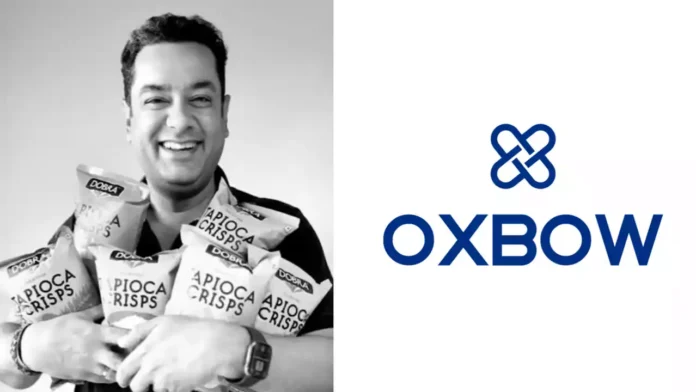
India’s consumer packaged goods (CPG) market is undergoing a significant transformation, driven by changing consumer behaviors, technological advancements, and evolving market dynamics. At the forefront of this revolution is Oxbow Brands, a company that offers unparalleled omni-channel access and expansion opportunities for CPG brands and D2C start-ups. The face behind this transition is Rahul Johar, Co-Founder of Oxbow Brands, who leverages his family’s 75-year-old business legacy to create a powerhouse accelerating the growth of CPG brands in India.
The Johar Group, known for its extensive experience in distribution and manufacturing partnerships with giants like Unilever, Britannia, and Tata Group, has a storied history spanning over five decades. This legacy laid the foundation for Johar’s deep understanding of the distribution landscape. Despite his roots in a traditional family business, Johar recognized the need to innovate and shifted the focus towards premium products and omni-channel expansion.
“I got into what I was more enthusiastic about, which is more premium kind of products, which I started bringing in from the UK,” Johar shares. This pivot towards premium products and national-level distribution marked the beginning of a new chapter for the Johar Group.
After a stint in the UK promoting entrepreneurship, Johar returned to his roots, integrating his international experiences into the family business. He recognized a gap in the market for premium products and began importing and distributing these items across India. This initiative laid the groundwork for Oxbow Brands’ modern approach.
“We began collaborating with Indian businesses approximately seven years ago and swiftly expanded them across the nation due to our easy access to high-end stores, national retailers, hotels, airports, and airlines,” Johar explains. While they have also partnered with FSSAI, to make sure the consumers are getting right products. This extensive offline footprint, combined with a strategic entry into the digital space, positioned Oxbow Brands uniquely in the market.
Omni-Channel Expansion:
Johar’s brainchild, focuses on leveraging offline and online channels to provide CPG brands and D2C startups with immediate market access and growth opportunities. “We work across e-commerce, marketplaces, and we have fun doing that,” he says, highlighting the company’s omni-channel strategy. ” It is truly omni-channel that really matters. Consumers want to buy where they want to buy,” Johar emphasizes, ensuring seamless consumer experiences across all platforms.
This notion of seamless integration between offline and online channels has yielded results. Over the past year, Johar’s brand has grown 5X, with progress of quarter-to-quarter. “We launched our last brand just 4-5 months ago, in January, so some brands haven’t even completed a full year yet. Despite this, we’ve seen tremendous growth. We know this year will be even more interesting and challenging, and we’re prepared,” he says.
Focus on Gifting and Seasonal Planning:
Johar informs that his company is currently focusing on gifting, with coming festive season this year. “We have start preparing for major gifting events like Rakhi, Diwali, and Christmas as early as January and February. Q4 is a critical time for us, so planning is crucial,” he says.
Despite the digital revolution, Johar remains optimistic about the future of offline retail. “India’s journey has just begun in retail,” he notes, countering the narrative that general trade is dying. He highlights the enduring consumer desire for touch and feel, relationships, and the excitement of physical shopping experiences.
He also stresses the need for brands to focus on profitability and realistic growth targets: “Brands need to realize that they’ve got to be profitable and do more of what’s working.” This pragmatic approach is crucial for sustainable growth in a competitive market.
In addition, Johar advises a patient, city-by-city approach to brand expansion, avoiding the pitfalls of rapid, unsustainable growth. He highlights the importance of building trust and maintaining strong relationships with partners and consumers.
“We have a solid portfolio of brands today, and our goal is to make them significantly bigger. We’re not in a rush to onboard 50 brands, even though investors have shown interest in such a large-scale expansion. Realistically, I manage 7 or 8 brands currently, and I’m focused on making these robust. If the right partner with the right vision, attitude, and patience comes along, we’ll consider partnering with them and growing together gradually. Our main objective remains to be profitable and prepared for the future,” he says.
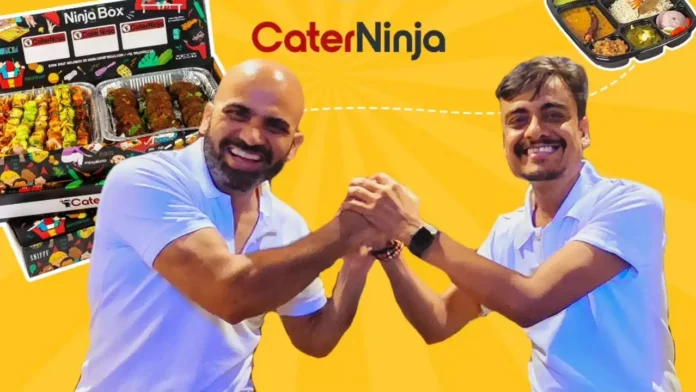
With a modest beginning in Bengaluru in 2020, offering a capacity of 10 parties per day, CaterNinja has closed the 2023-24 fiscal year with a remarkable expansion. Now spanning six cities, the company boasts an impressive capacity of 188 catering parties per day. Throughout this journey, CaterNinja has not only expanded its reach but also transformed its service offerings. Introducing innovations such as Ninja Box, Ninja Buffet, and Ninja Live, the company has standardized its catering offerings, catering to a diverse range of customer needs over the past few years.
Anup Agarwal, a former investment banker turned tech entrepreneur, expresses ambitious goals for CaterNinja: “Our aim is to extend our operations to 20 cities within the next 12-18 months. We’re not content until we’ve reached 100 cities and established ourselves as a nationwide catering brand.”
Targeting Market Expansion and Opportunities
Anticipating substantial growth in the “foodtainment” market, he foresees expansion not only in metropolitan areas but also in tier II and III cities across the country in the coming years. “We aim to seize the opportunities presented by this market expansion,” he stated.
Agarwal notes a wave of fresh talent entering the food industry, including home chefs, cloud kitchens, and dark kitchens, seeking support from tech startups to enhance their businesses and drive profitability.
“Our task is to transform these ventures into profitable endeavors by integrating them into our strategic kitchen network. Thus far, we’ve achieved success in this endeavor,” he remarked. Presently, CaterNinja operates in cities such as Bengaluru, Mumbai, Delhi-NCR, Hyderabad, Pune, and Chennai.
“CaterNinja empowers consumers with the technological tools to customize their menus and optimize their events,” Agarwal explained. “We’ve simplified the process for PSUs, corporate entities, and new-age startups to discover catering options for their meetings and events right within their premises.”
Agarwal mentioned that while CaterNinja collaborates with strategic partner kitchens, they also contribute significant quality audits and packaging innovations to the ecosystem.
“We don’t focus solely on hyper-local business. Instead, we carefully choose partners in key locations within each city to ensure the safe and hygienic delivery of food to our customers,” he elaborated.
Regarding safety concerns, he mentioned conducting multiple rounds of audits on partner kitchens to guarantee their capacity to deliver food in a safe and secure environment.
“We may consider investing in select strategic partner kitchens in the future,” he suggested.
Agarwal also mentioned that CaterNinja has developed its own distribution and delivery system in all the cities where it operates, rather than relying on delivery partners like many other direct-to-consumer food brands do.
Growth Trajectory and Funding Plans
Agarwal emphasized that CaterNinja has achieved a tenfold growth in the past four years purely through hard work, without relying heavily on external funding, aside from a small seed round.
Nevertheless, with a proven successful model in hand, Agarwal expressed their intention to pursue a significant funding round this year to secure capital for propelling the business to the next stage of growth.
Wonderchef, the kitchen appliances brand backed by celebrity chef Sanjeev Kapoor, aims to reach a revenue target of INR 820 crore in FY25, as stated by its founder and CEO Ravi Saxena.
Saxena, speaking on the sidelines of the Consumer Electronics World Expo during the launch of the cooking robot Chef Magic, emphasized that the homegrown brand has established itself as a top player in premium and innovative appliances.
“Our sales reached approximately INR 700 cr in FY24, and our target for FY25 is around INR 820 cr. This growth is attributed to the introduction of new product lines, expansion in distribution channels, and the thriving e-commerce sector, which currently contributes about 30 percent of our total sales,” he said.
Furthermore, Saxena revealed that Wonderchef intends to go public with its IPO in 2026.
Chef Magic is an all-in-one kitchen robot facilitating fully automated cooking processes.
Featuring a collection of over 200 built-in recipes spanning various cuisines curated by Chef Sanjeev Kapoor, the IoT-enabled interface will introduce fresh recipes on a weekly basis.
Saxena mentioned that he drew inspiration for Chef Magic from European designs and tailored it to accommodate Indian culinary needs. With over 1,000 pre-bookings within a month, he noted that this “ultimate kitchen appliance” signifies a notable change in consumer preferences in India.
“We are confident in reaching INR 200 crore in sales from this product within three years. This product will serve as a strategic leverage to enhance our presence in international markets, and we’ll commence serving global markets from June this year,” he expressed.
The company, which operates restaurant brands such as Barbeque Nation, Toscano, and Salt, as well as delivery services like UBQ and Dum Safar, will finance the expansion through internal accruals.
“Over the next three years, we plan to open 18-20 Toscano outlets, 12-15 Salt outlets, and 50-55 Barbeque Nation outlets,” he said. “We’re going to new cities like Hyderabad, Delhi, and Mumbai with Toscano and Salt. For Barbeque Nation, 75% of the expansion will focus on metro and tier I cities, with the remaining 25% targeting tier II and tier III cities.”
International Expansion Plans
“We will also expand our international presence by increasing our outlet count from 18 to 28, achieving an 8-10 percent growth,” he added. “In addition to deepening our reach in the Middle East, we will enter new markets such as Sri Lanka.”
Currently, the company operates 217 restaurants: 16 Toscano outlets in Bengaluru, Chennai, and Pune; 7 Salt outlets in Bengaluru and Chennai; and 194 Barbeque Nation outlets across India and in international markets such as the Middle East.
“Our ideal store size is 4,000 square feet,” he said.
Currently, the company generates 80 percent of its revenue from Barbeque Nation India, 13 percent from Toscano and Salt combined, and the remaining 7 percent from its international business.
“All our outlets are company-owned and operated, with no plans to open franchise locations. Additionally, our delivery business has grown sevenfold from FY19 to FY24,” he asserted.
In the last fiscal year, the company’s same-store sales growth was -6 percent.
“In FY 23-24, there was a significant difference between our performance in the second half (H2) compared to the first half (H1). We nearly doubled our margins in the second half of the year with the same revenue base as H1. Our P&L for H2 was profitable,” he said.
This fiscal year, the company aims to achieve positive profit after tax (PAT).
In FY 23-24, the company achieved an EBITDA margin of 18.3 percent. However, its EBITDA margins are still around 300 basis points lower, or 3-4 percentage points lower than pre-COVID levels, which were typically around 22-23 percent.
The company, which ended the last fiscal year at INR 1,250 crore, aims to achieve a compound annual growth rate (CAGR) of 15-18 percent over the next three years.
Rare and Basics (R&B), a fashion brand under the umbrella of retail giant Apparel Group, announced the opening of its 22nd retail outlet in Kerala via a social media update.
Situated in Palarivattom, Kochi, this new standalone store marks the sixth addition to the brand’s presence in Kerala.
“We’re thrilled to unveil the latest addition to the Apparel Group family: R&B’s newest store in Palarivattom. This not only signifies our sixth establishment in Kerala but also our 22nd store nationwide,” Apparel Group shared in a LinkedIn post.
R&B outlets offer a diverse selection of Western clothing for men, women, and children.
Rare and Basics’s Journey: From Kochi to Nationwide Presence
The first R&B store in Kochi is located at Centre Square Mall, Rajaji Junction, and was launched in August 2023.
In India, the brand has established its presence in cities including Kozhikode, Kochi, Ahmedabad, Hyderabad, Bengaluru, Mangalore, and Mysore.
R&B was introduced by Apparel Group in October 2012, with its inaugural retail outlet opening at Muscat Grand Mall in Oman. The expansive retail chain now boasts over 135 stores across eight countries, encompassing a total retail area exceeding 20 lakh square feet.
R&B plans to expand its presence by opening 200 new stores across India and the Gulf Cooperation Council (GCC) region by the end of fiscal year 2025.
In the first quarter of FY25, the brand has already launched over 12 new stores across both India and GCC countries.
UAE-based Apparel Group operates more than 2,200 retail stores and represents over 85 brands across various platforms, employing a diverse workforce of over 22,000. Among its brands are Aldo, Bath & Body Works, Tim Hortons, Tommy Hilfiger, Nine West, It Spring, Charles & Keith, Inglot, La Senza, Beverly Hills Polo Club, and Victoria’s Secret.
UNIQLO, the Japanese fast-fashion giant, has broadened its footprint across Europe and Asia by inaugurating new outlets in Italy and China.
In April 2024, the retailer unveiled its first store in Rome, Italy, situated within the Galleria Alberto Sordi shopping arcade. Additionally, it debuted its premier city flagship store in central China, located in Wuhan.
The UNIQLO Roma Via del Corso store covers an area of 1,300m² spread across a basement and two above-ground floors, offering a display of the brand’s LifeWear collection for men, women, and children.
The Rome store offers innovative services including the RE.UNIQLO Studio for item repair and customization, as well as Italy’s first UTme!, allowing customers to personalize printed T-shirts.
In May 2024, UNIQLO also revealed a new Italian store located in Milan’s Piazza Gae Aulenti.
Spread across 800 square meters within a repurposed parking garage, the store showcases UNIQLO’s men’s, women’s, and children’s collections cohesively, highlighting the practical and pioneering attributes of LifeWear.
The retailer partnered with the Italian interior brand Kartell to provide modern furnishings for the Milan store.
Mark Barnatovic, the Chief Operating Officer of UNIQLO Italy, expressed, “Expanding and solidifying our brand presence in Italy follows naturally after the triumphant debut of our inaugural flagship store in Milan in 2019, and our recent expansion into Rome.”
“Seeing the favorable reception in Milan thus far, it’s evident that the Italian community has warmly welcomed LifeWear. We aim to continue offering them pieces that align with our Japanese ethos of functionality, simplicity, and top-notch quality, enabling them to craft their individual style.”
UNIQLO’s Entry into China
UNIQLO’s 26th store in Wuhan’s Chuhe Hanjie Street, inaugurated on May 1st, 2024, marks a significant milestone as the first in central China to introduce the innovative UNIQLO FLOWER concept.
Additionally, it showcases the debut of central China’s first UTme! Service.
In May 2024, UNIQLO announced intentions to inaugurate its first permanent store in Poland during the autumn season.
We use cookies to ensure that we give you the best experience on our website. If you continue to use this site we will assume that you are happy with it.